By Greenpeace MENA | Greenpeace MENA
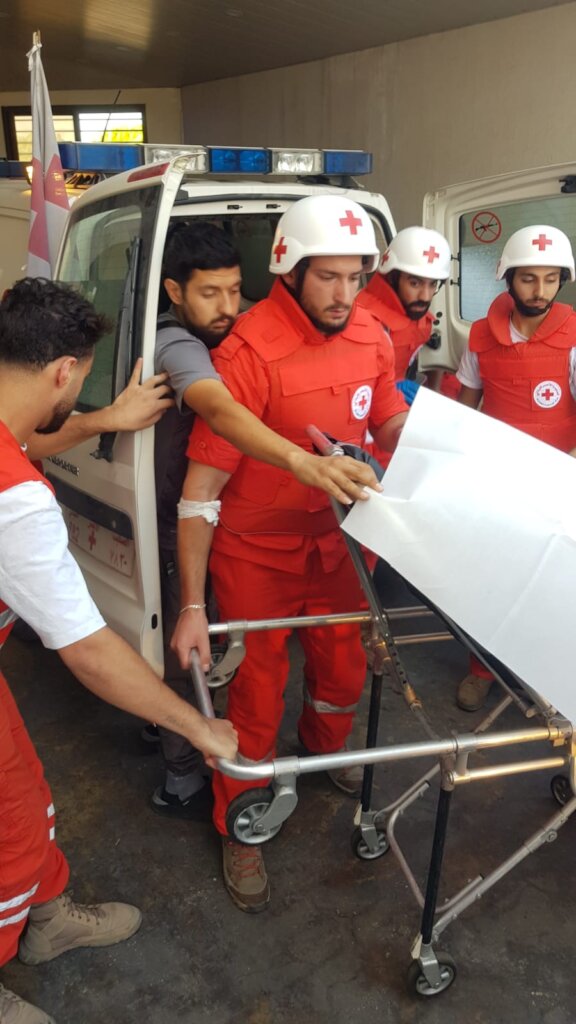
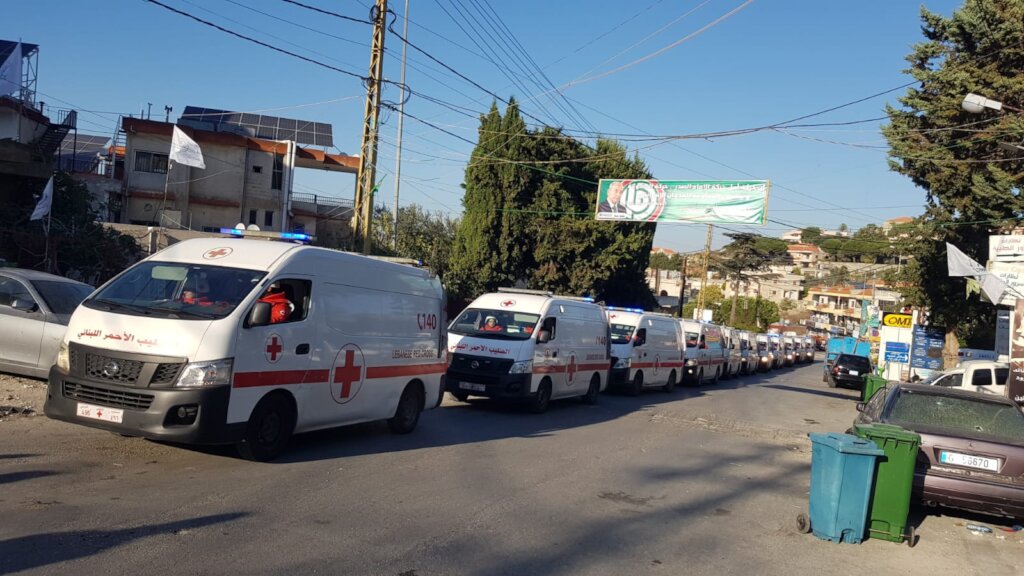
Since a new escalation of hostilities erupted across Lebanon on March 2, 2026, the Lebanese Red Cross (LRC) has been the country's lead emergency responder — running ambulances, mobile medical units, blood services, collective shelters, and relief distributions around the clock.
This update, prepared for donors supporting Greenpeace MENA's "Support Displaced Lebanese with Life-Saving Care" campaign on GlobalGiving, tracks how the LRC's role has evolved over the past three months: from acute emergency response, through sustained relief under a fragile ceasefire, to today's difficult and dangerous transition as families begin returning home.
Where This Picks Up
In 2024, your support helped Greenpeace MENA deliver $10,000 in in-kind donations to the LRC — supplying tents, food, clothing, medication, milk, and diapers to families displaced by the war on Lebanon at the time.
That crisis was never fully resolved, and in March 2026 it escalated sharply again. More than 1.2 million people were registered as displaced at the peak, and the LRC once again became the lifeline connecting emergency medical care to families who had lost their homes overnight.
How the Response Has Evolved
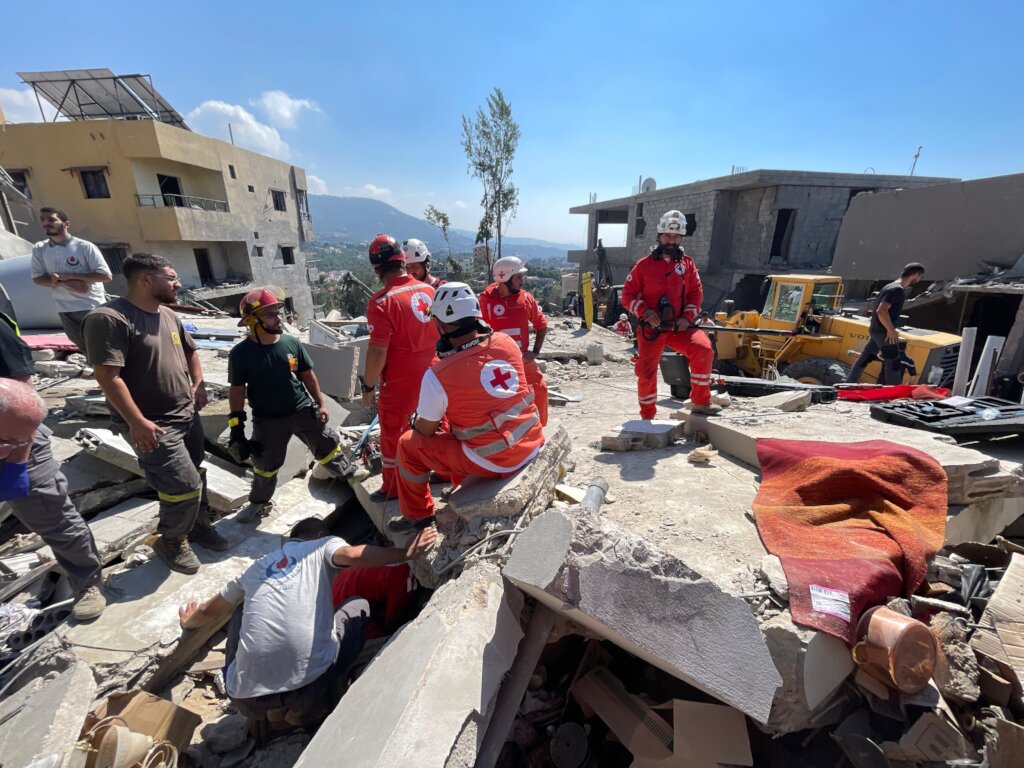
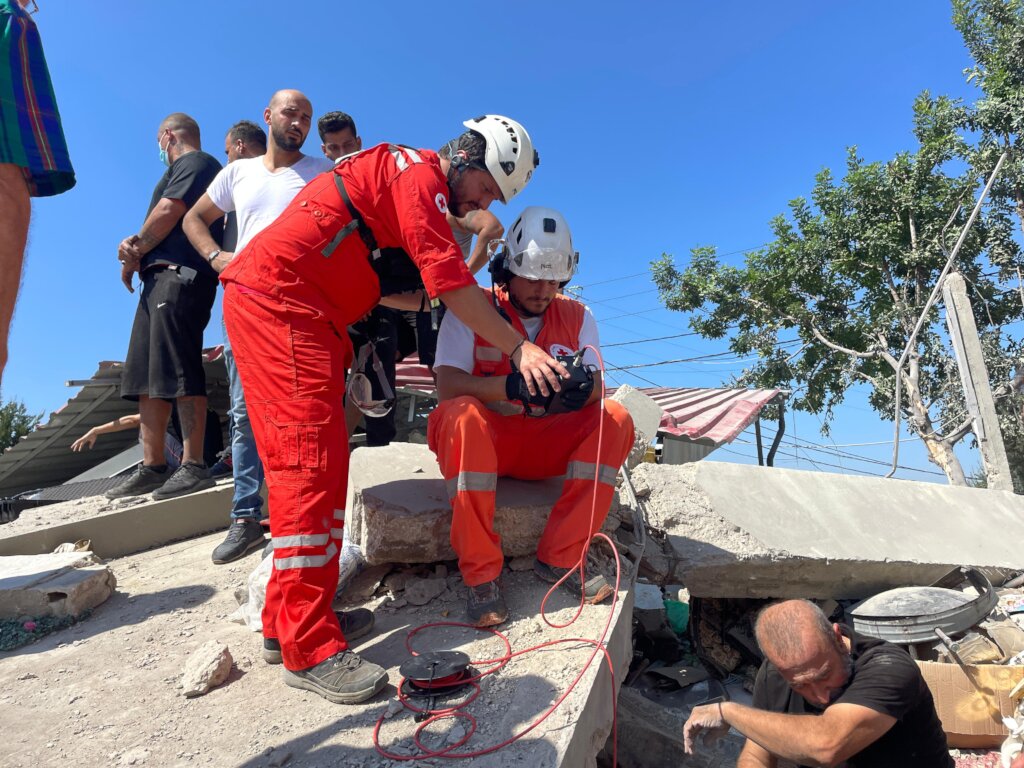
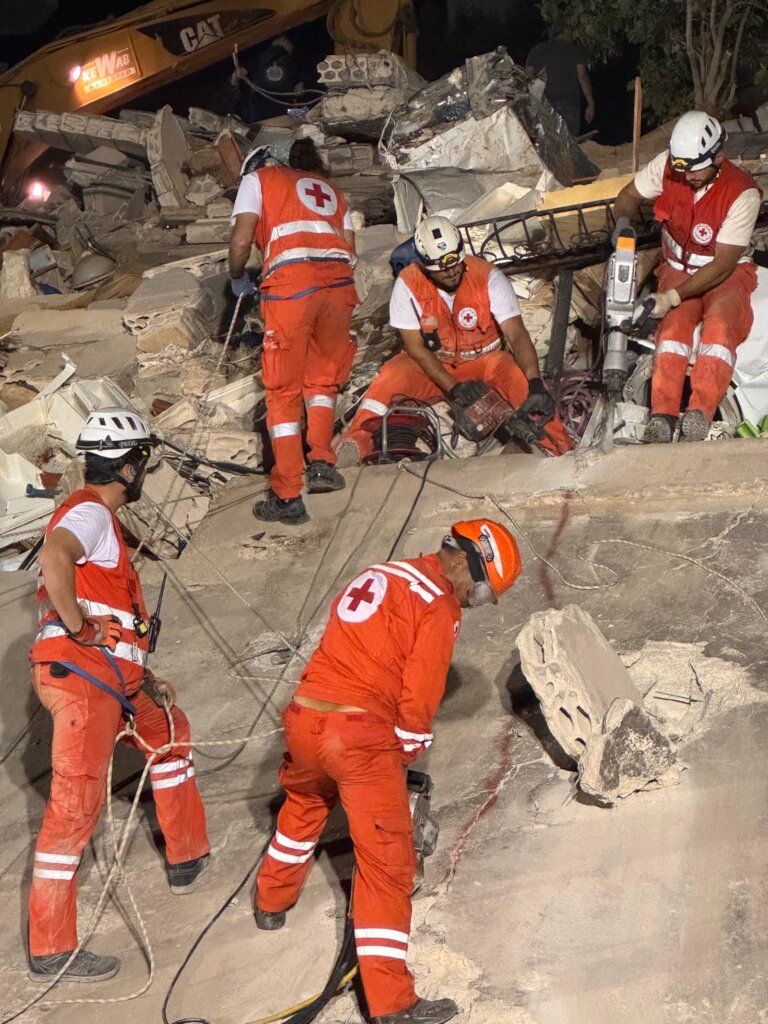
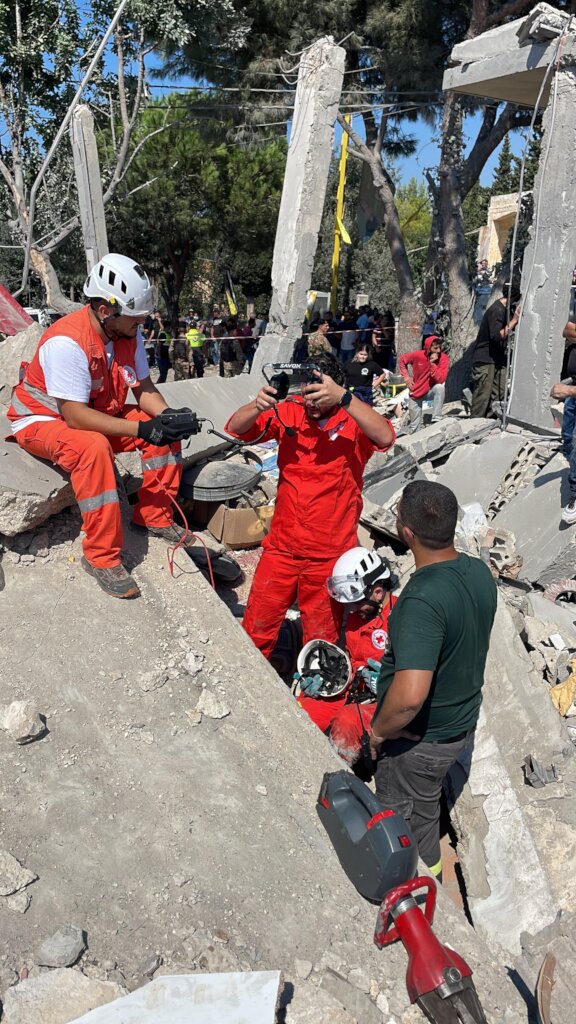
Phase 1 : Acute Emergency (March–April 2026): In the first weeks after the escalation, LRC teams focused on life-and-death triage: search and rescue under rubble, mass casualty response, and standing up emergency shelter for over one million newly displaced people. The LRC managed the country's largest collective shelter at Camille Chamoun Sports City Stadium in Beirut (hosting 1,200+ people), coordinated via 16 Emergency Operations Rooms, and kept 125 ambulances and 12 mobile medical units active under fire.
Phase 2 : Sustained Relief Under a Fragile Ceasefire (April–June 2026): Following a cessation of hostilities in mid-April and a conditional ceasefire in June, LRC teams shifted toward sustaining families through the long haul. Volunteers distributed blankets, mattresses, food parcels, hygiene items, and safe drinking water, while running primary health centers and maintaining critical national blood supplies.
Phase 3 : A Dangerous Transition Toward Return (June–July 2026): By late July, over 750,000 displaced people had returned to their communities, while roughly 375,000 remain displaced. This transition brings severe risks: unexploded ordnance detonated during an LRC rescue mission in Zawtar al-Sharqiyah on July 21 (injuring two paramedics), and days later an ambulance was struck in Nabatieh al-Fawqa. With WHO recording over 200 attacks on health care in Lebanon since March, LRC teams are risking their lives with every deployment.
Impact at a Glance
Cumulative figures since March 2, 2026 (drawn from LRC, IFRC, ICRC, and UN OCHA reporting):
55,000+ Patients treated
7,900 Blood units distributed
553,204 Relief items distributed
125 Ambulances & 12 Mobile Medical Units in operation
29 Health centers operating nationwide
Frontline Challenges
Explosive Hazards: Unexploded ordnance and landmines continue to injure LRC paramedics during search-and-rescue and relief missions.
Stretched Resources: Needs are outpacing capacity as teams support both long-term displaced families and returning households facing destroyed homes.
Mental Health Needs: Urgent psychological support is needed for traumatized children, adults, and LRC volunteers themselves.
What Your Support Makes Possible
100% of donations to this campaign are transferred directly to the Lebanese Red Cross. Your generosity directly sustains:
Frontline Emergency Teams: Keeping ambulances, mobile medical units, and paramedics fully equipped.
Essential Relief Supplies: Delivering food parcels, infant formula, diapers, and hygiene kits.
Critical Medical Care: Blood transfusion services, essential medicines, and mobile clinics in underserved areas.
Looking Ahead & How You Can Help
The coming months will be defined by safe return and recovery as much as by ongoing displacement. As families return to damaged neighborhoods, the LRC's role is expanding again to support safe, dignified returns in a volatile security environment.
To help ensure LRC responders have predictable resources for the road ahead, please consider setting up a monthly recurring gift to our GlobalGiving campaign. Steady, monthly support allows frontline teams to react immediately to new emergencies while sustaining long-term community relief.
Thank you for standing with displaced and returning families in Lebanon. Your support is a direct lifeline to the people delivering care on the ground.
By Hala El Shahed | Regional Foundations Officer
Project reports on GlobalGiving are posted directly to globalgiving.org by Project Leaders as they are completed, generally every 3-4 months. To protect the integrity of these documents, GlobalGiving does not alter them; therefore you may find some language or formatting issues.
If you donate to this project or have donated to this project, you can receive an email when this project posts a report. You can also subscribe for reports without donating.


Support this important cause by creating a personalized fundraising page.
Start a Fundraiser