Project Report
| Mar 17, 2026
Support Children Affected by the War in Ukraine
The war in Ukraine continues to reshape the daily realities of children, families, and communities. In the face of ongoing uncertainty, grassroots organisations across the region have demonstrated remarkable resilience and adaptability, mobilising local knowledge, trusted relationships, and community leadership to support children’s wellbeing during an extraordinarily difficult period.
Since the beginning of the full-scale invasion in 2022, Global Fund for Children(GFC) has provided more than $3.1 million in flexible emergency and recovery grants to 76 community-based organisations across Ukraine, Moldova, and Poland. These organisations form part of a wider ecosystem of local actors working to ensure that children remain safe, connected to learning, and supported in their development even as conditions continue to evolve. GFC’s trust-based funding approach enables partners to respond quickly to emerging needs while strengthening the organisational foundations that sustain their work.
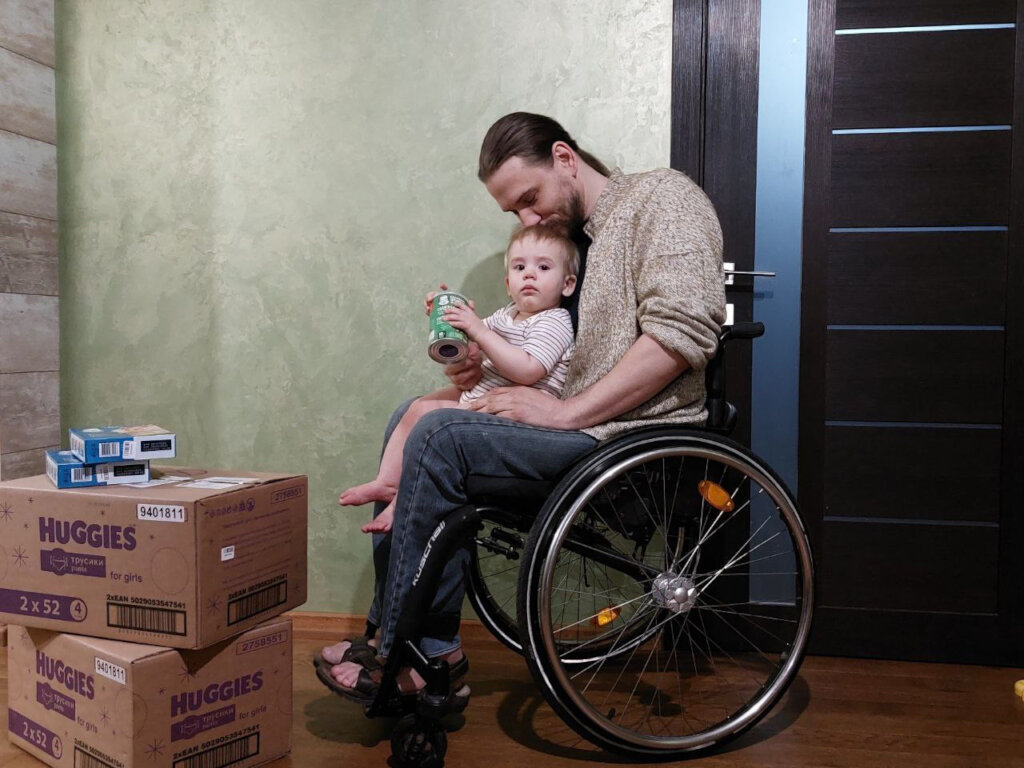
Across the region, GFC partners are delivering integrated responses that address both immediate needs and long-term resilience. Their work includes:
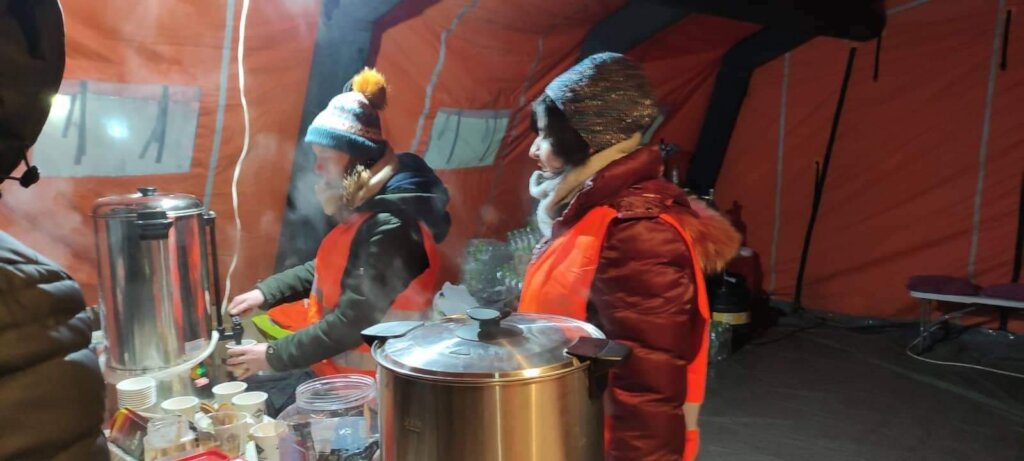
- Humanitarian support, ensuring families have access to shelter, food, hygiene supplies, medical assistance, and winterisation resources during periods of heightened need.
- Education continuity, maintaining safe learning environments, facilitating remote education when necessary, and helping displaced children remain connected to school communities.
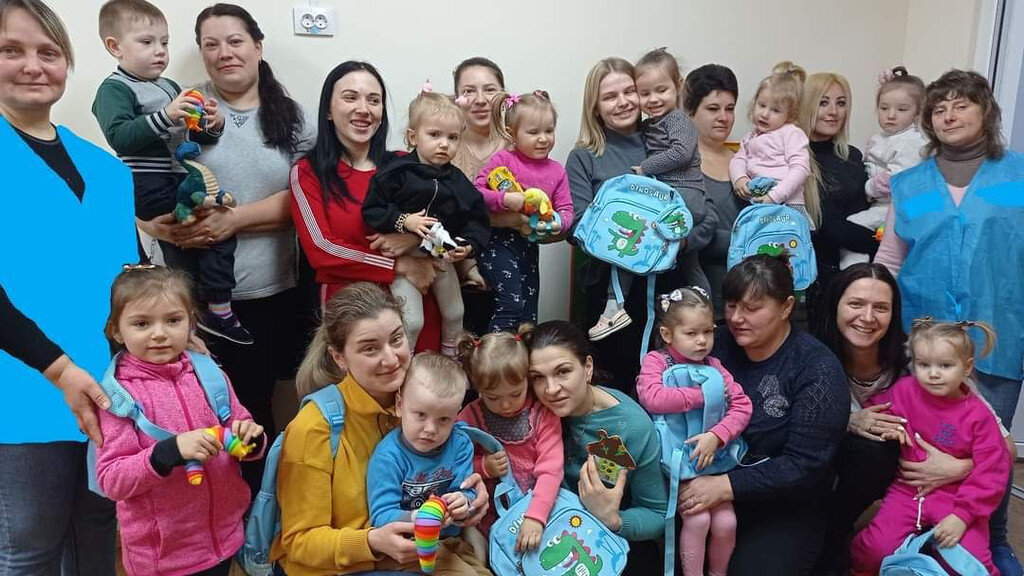
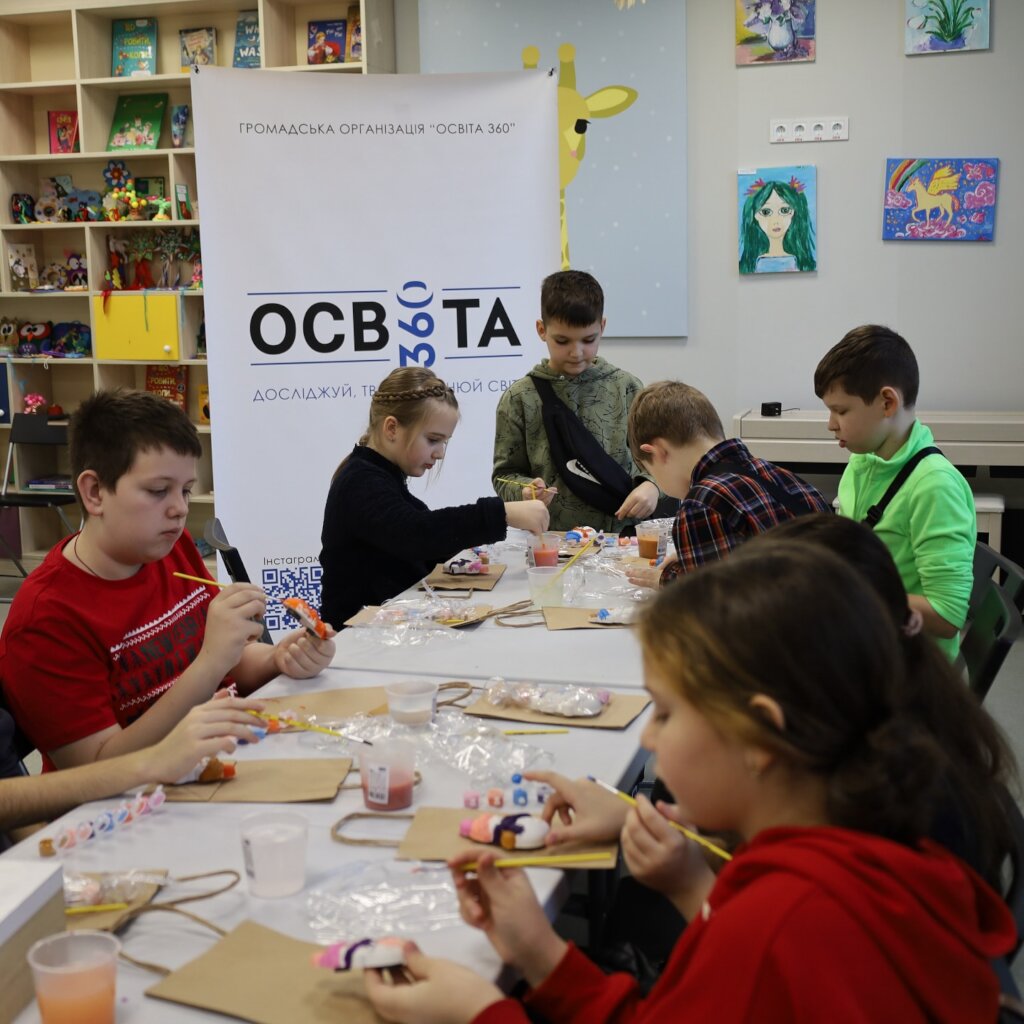
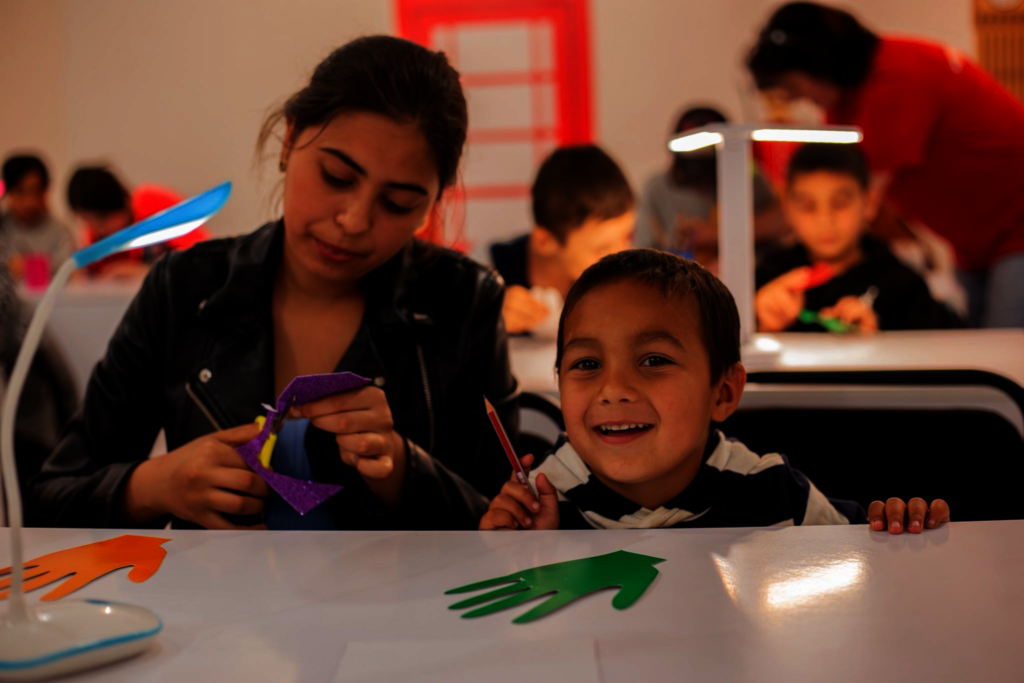
- Mental health and psychosocial support, creating safe spaces for play, creativity, counselling, and peer connection that help children process difficult experiences and rebuild confidence.
- Child protection, strengthening community networks that safeguard children and support families navigating heightened stress and economic pressure.
These responses illustrate how locally led organisations combine practical support with relational care—helping children restore routines, strengthen social connections, and maintain a sense of safety during uncertainty.
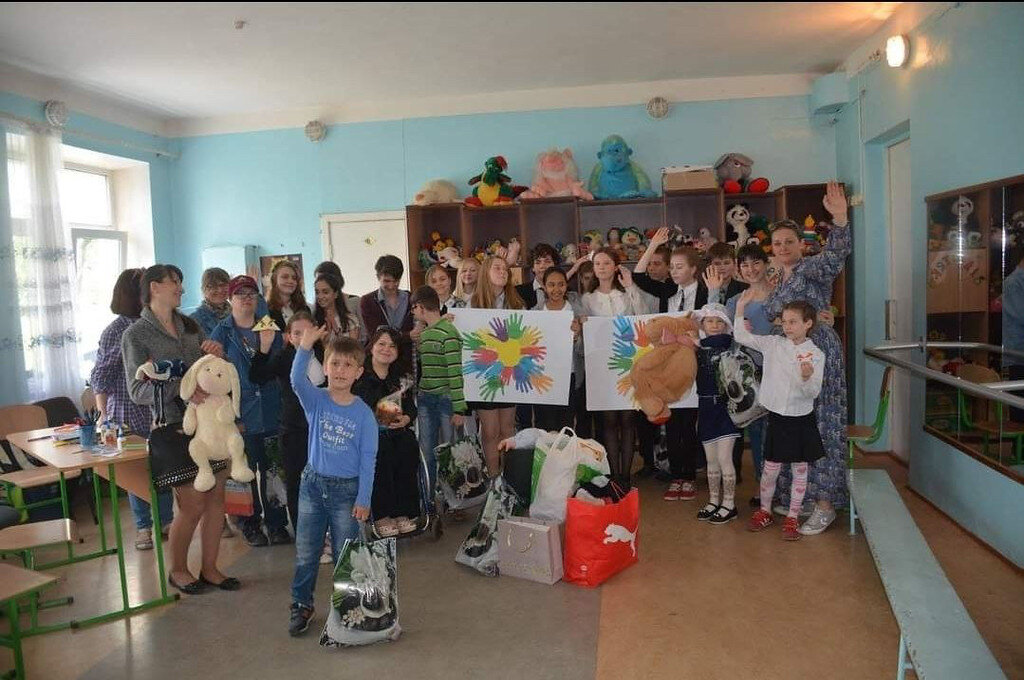
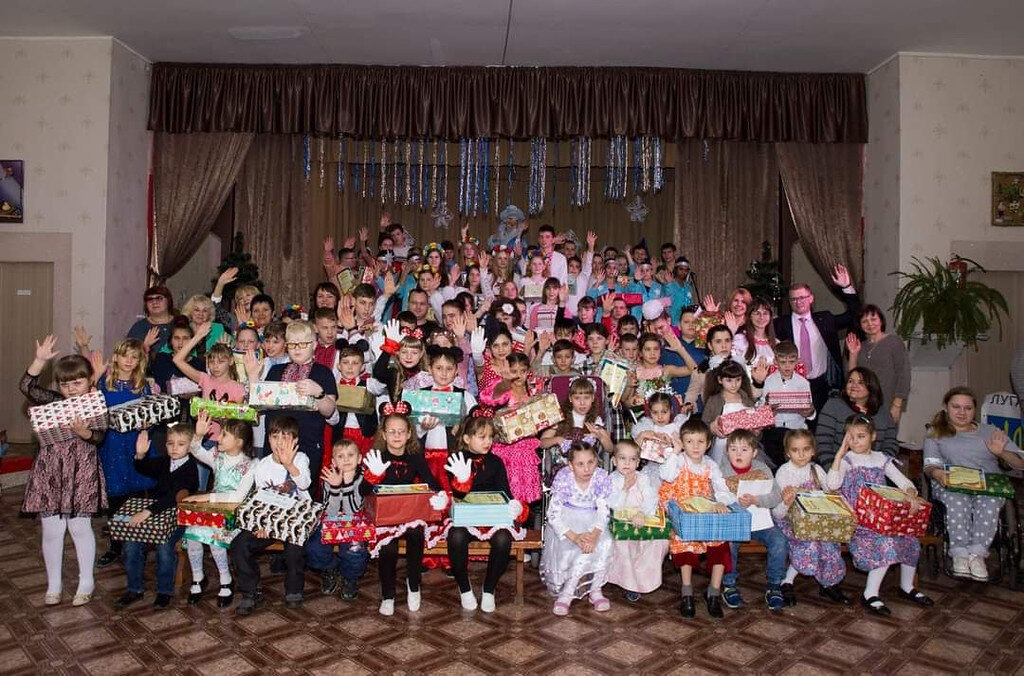
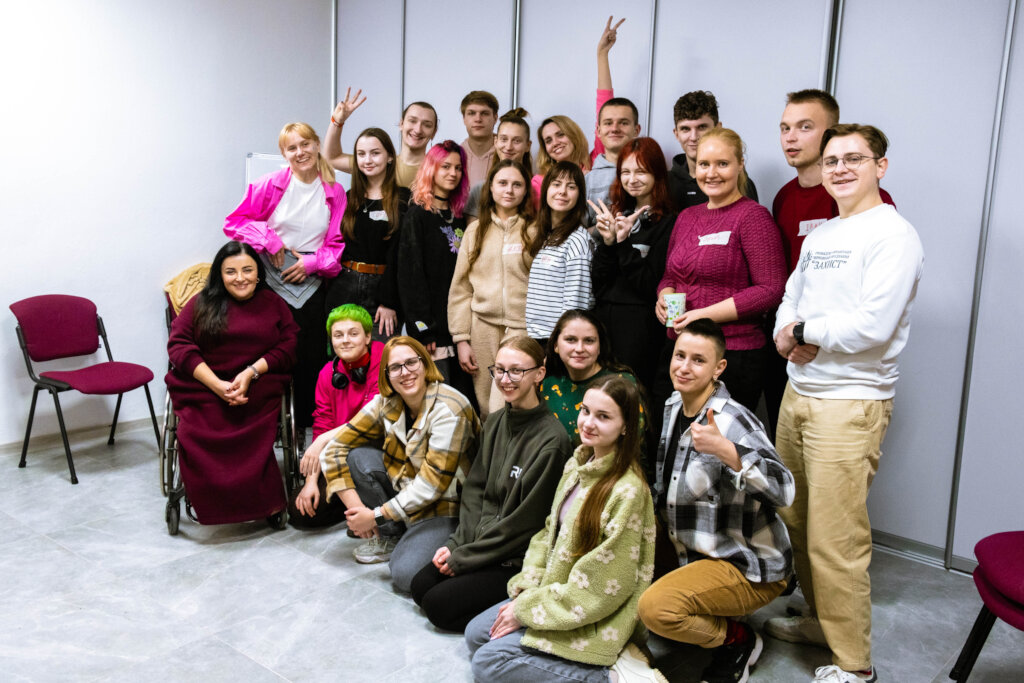
For example, several partner organisations have created community learning and wellbeing spaces where children can continue their education while also participating in art, sport, and peer activities. Within these environments, young people are not only receiving support but also contributing to their communities, organising activities, mentoring younger peers, and rebuilding friendships disrupted by displacement. Parents frequently note that these spaces provide stability not only for children but for entire families navigating prolonged stress.
This example reflects a broader pattern observed across GFC’s Ukraine portfolio: when grassroots organisations have flexible resources and trusted partnerships, they are able to design locally relevant solutions that respond to complex and changing circumstances. These organisations bring deep contextual knowledge, strong community relationships, and a long-term commitment to supporting children and families.
The impact of this work extends beyond immediate assistance. Children engaged in psychosocial and community activities are rebuilding confidence, developing coping skills, and strengthening supportive peer networks. Families report feeling more connected to community resources and better equipped to support their children. Meanwhile, partner organisations are strengthening their capacity and leadership within the wider civil society ecosystem.
By supporting this work, you are helping sustain a network of resilient community organisations that continue to protect children, strengthen families, and nurture hope across Ukraine and neighbouring countries. Together, these locally rooted efforts demonstrate how community leadership and trust-based partnership can support children’s wellbeing even in the most challenging contexts.
![Share on Twitter]()
![Share on Facebook]()