By Youssef Rochdane | Project Team
Some of the most important conservation work happening in the world today is being led by people whose names rarely appear in headlines: practitioners rooted in their communities, navigating complex realities on the ground, and finding ways to create change where institutions often cannot reach. As GDF’s 2025-2026 Flow Funds, a trust-based grant awarded to conservation practitioners working at the leading edge, comes to a close, we wanted to share the stories of five such changemakers who received flow funds, and the progress they have made since launching their projects in July 2025.
Abigail Quic and her team at SERES walked alongside women in the forest, supporting them to build sustainable livelihoods in Ulew Fuego, Guatemala. Karla Sessin Dilascio and Instituto Fronteiras strengthened the local networks and agroforestry systems that communities in Acre, Brazil, depend on for both resistance and renewal. In Marrakech, Morocco, Lorén Elhili and the Harvest Festival Association wove together culture, land, and community through the living tradition of the harvest. Rosebell Abwonji and Jasiri Sustainable Futures worked to ensure that the voices of youth and elders are not just heard but embedded in the future of conservation in the Masai Mara. Preety Sharma and GroundUp Conservation built locally-led conservation in India, with and for the communities who know their landscapes best.
Abigail Quic - SERES - Guatemala
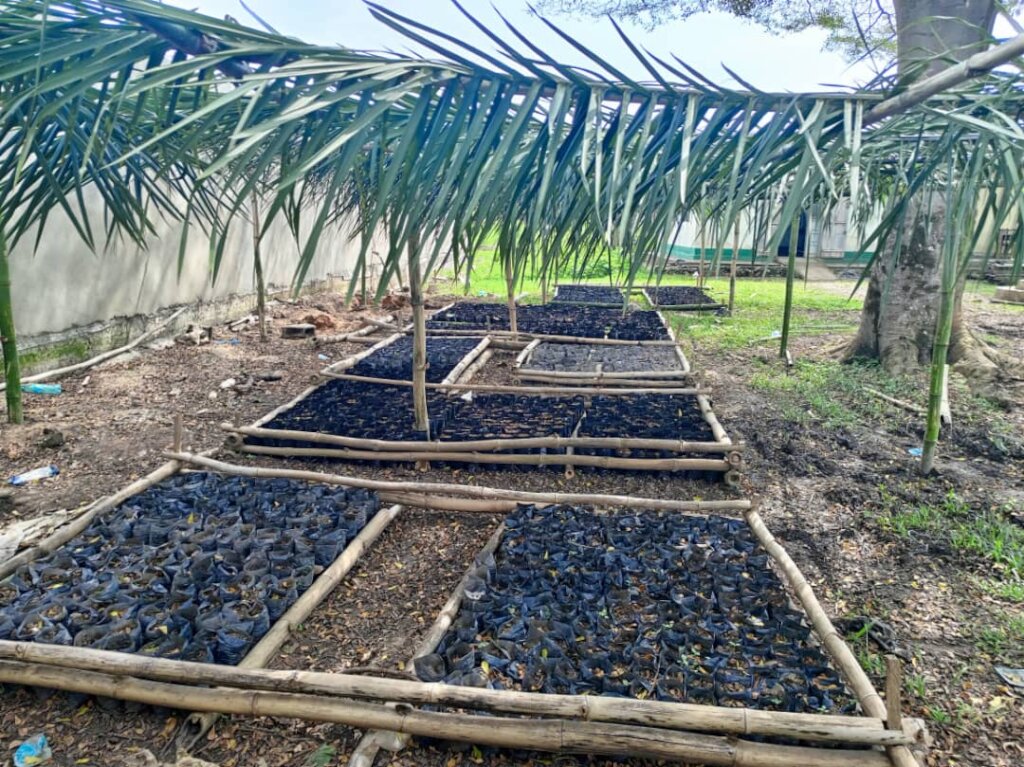
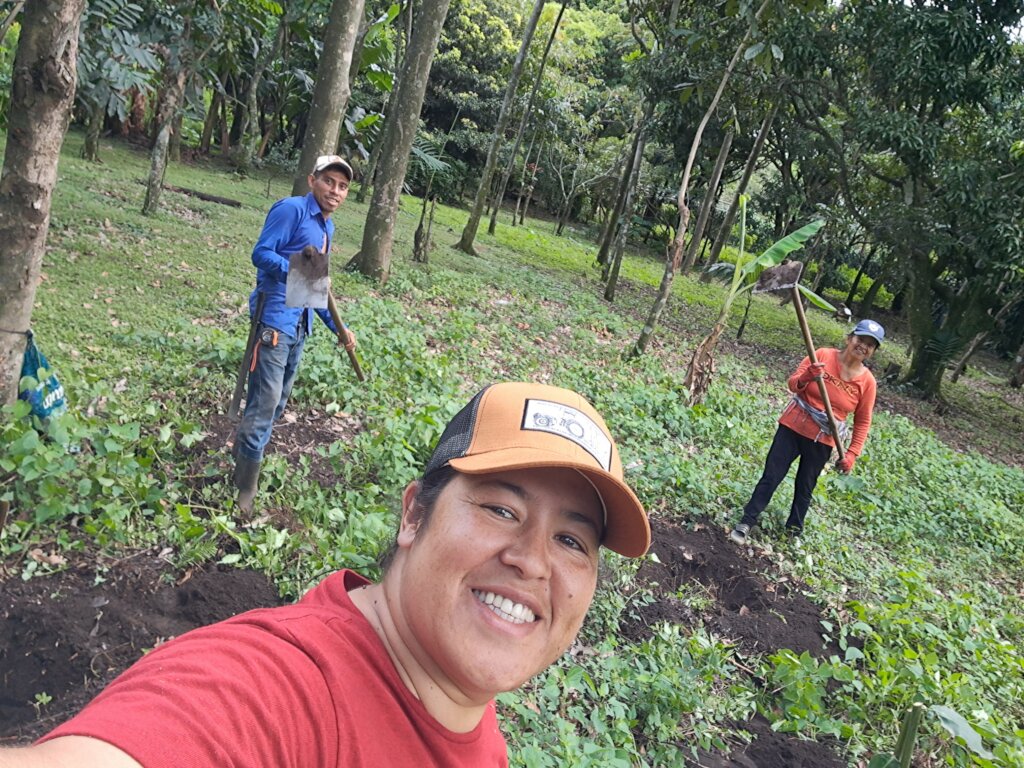
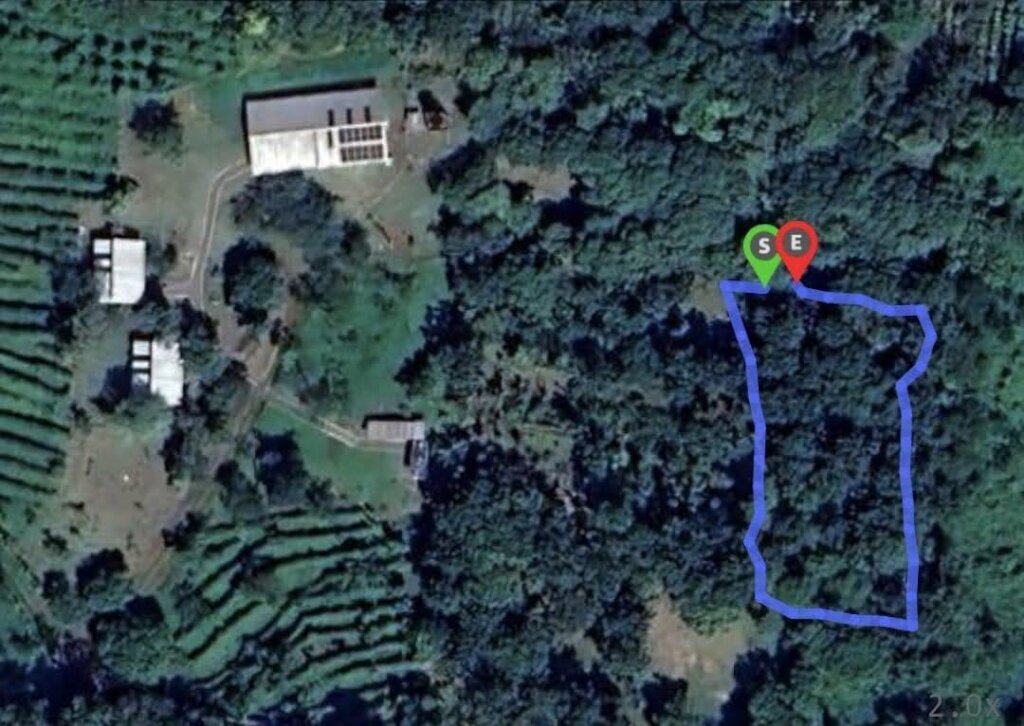
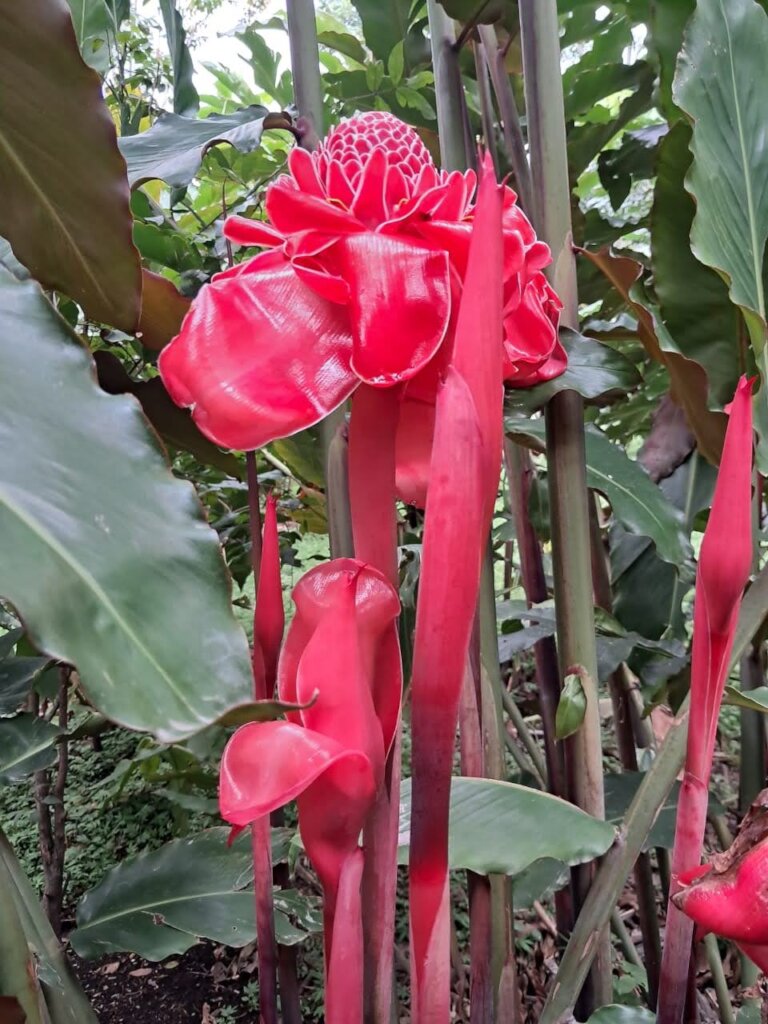
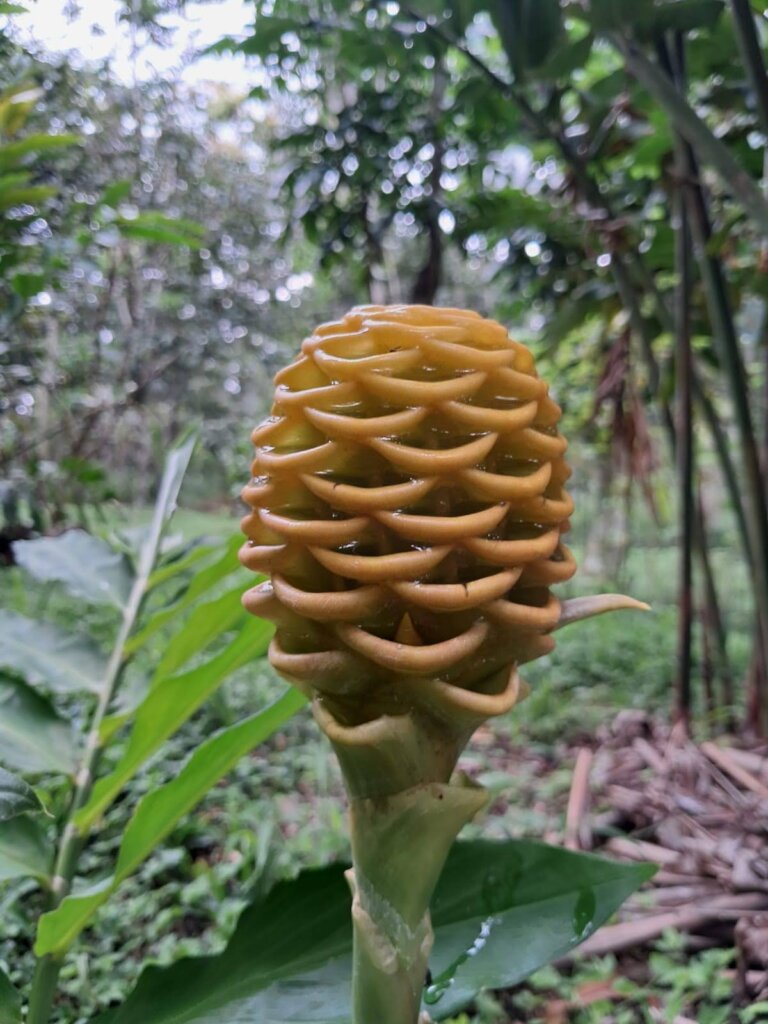
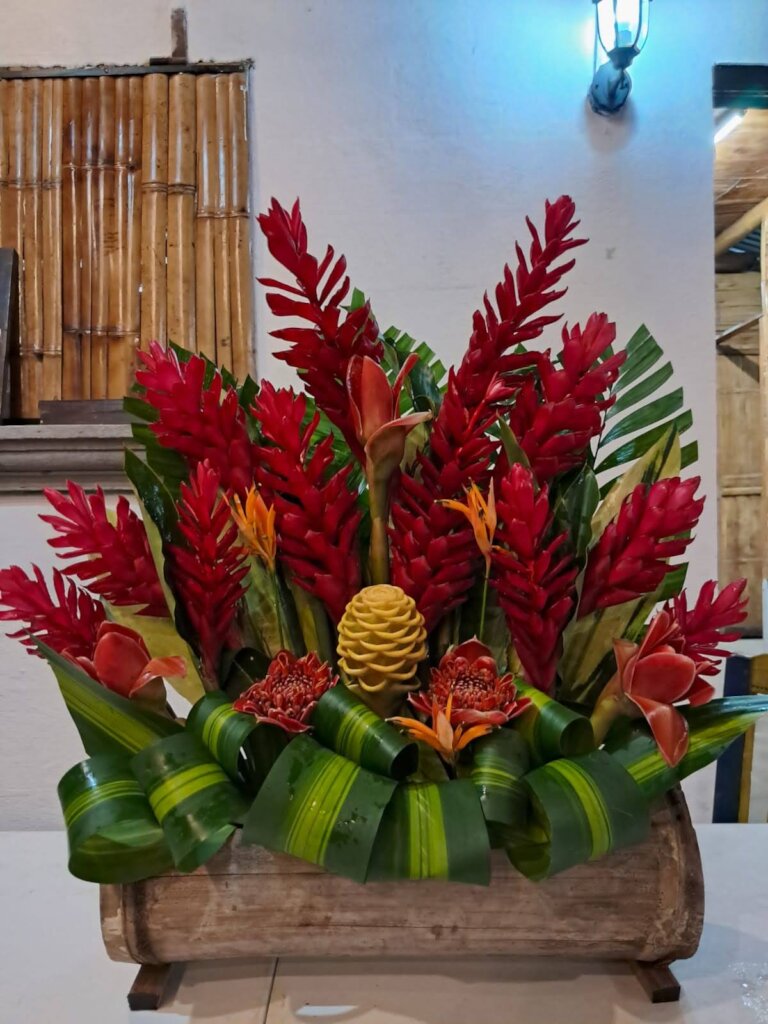
Abigail and her team work on building sustainable livelihoods for women and youth who continue to live with the long-term impacts of the volcanic eruption. Together with the affected women and youth, they identified and selected 12 ornamental species with economic potential, prepared and planted 3 hectares of land, established 154 ornamental seedlings, and held the first market in Ciudad Vieja to support the community’s sustainable livelihoods.
Karla Sessin Dilascio - Instituto Fronteiras - Brazil
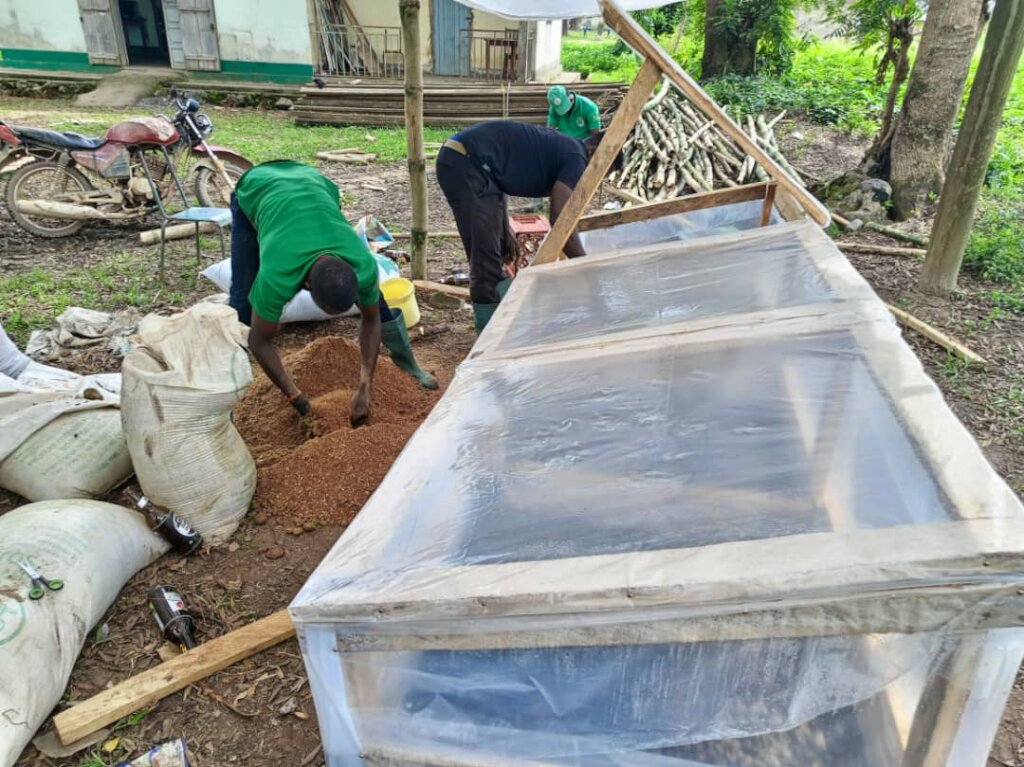
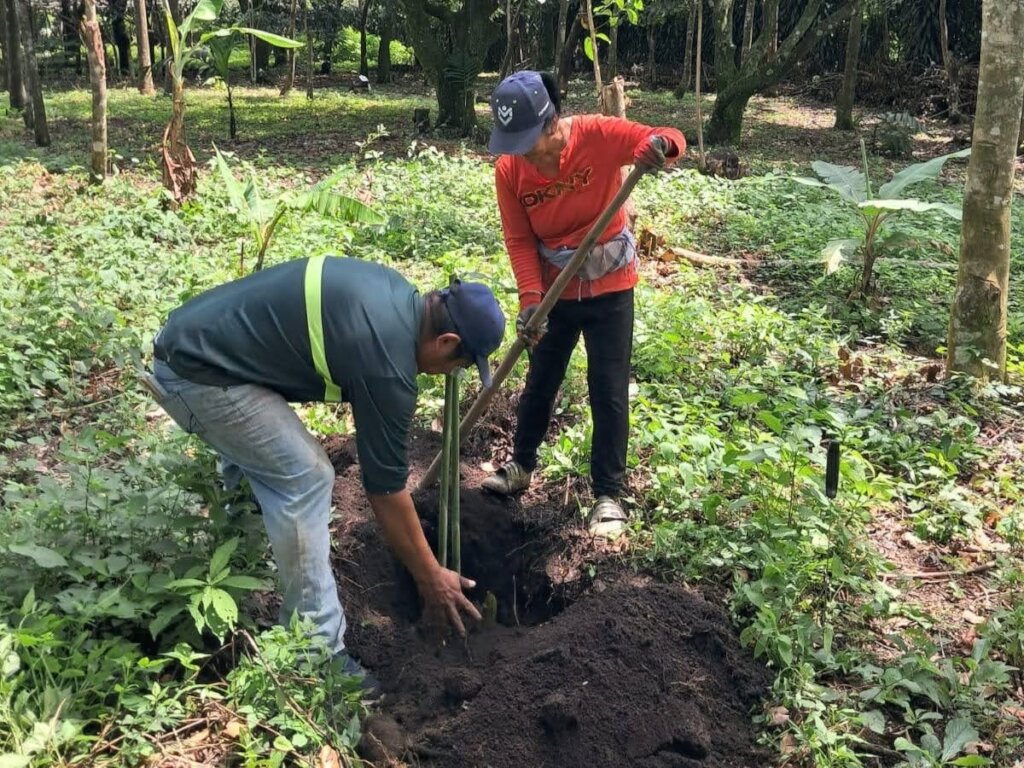
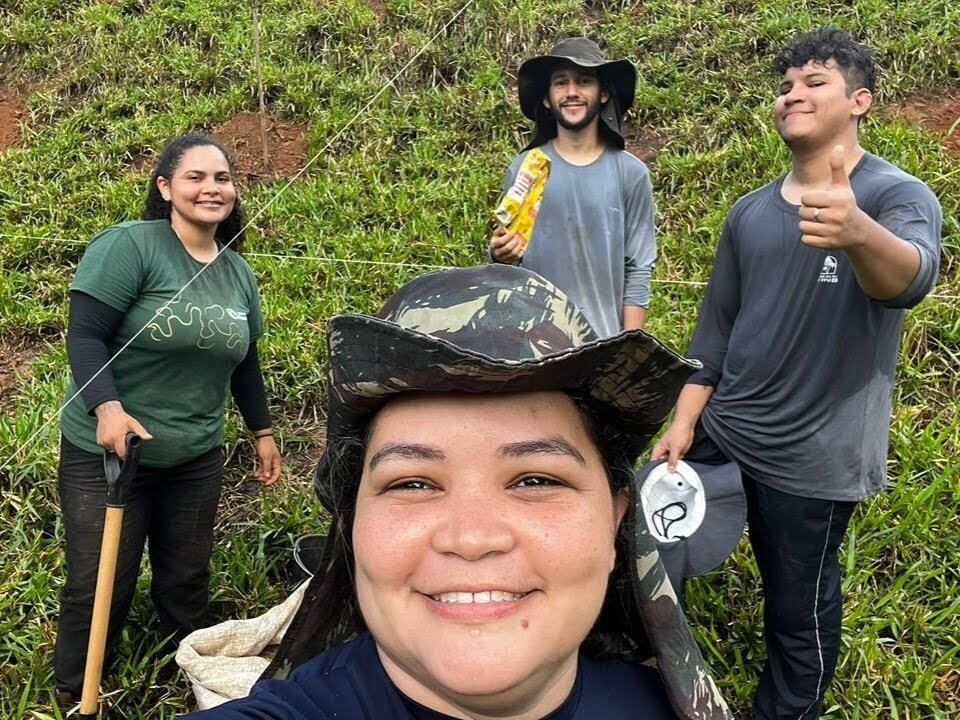
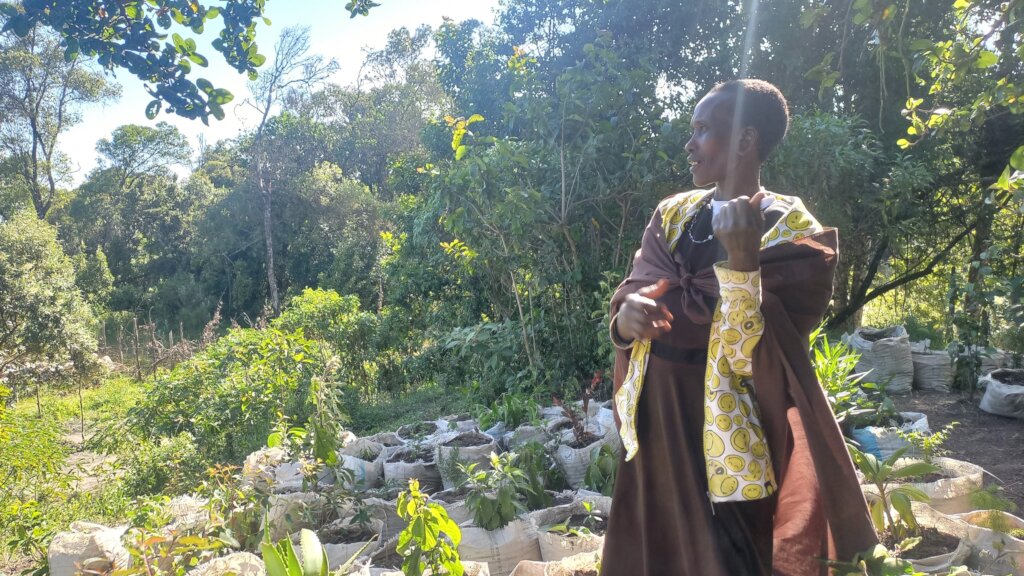
Facing degraded land and the pressures of shrinking forest cover, Karla and her team implemented a pilot agroforestry-based reforestation project with smallholders in Santa Luzia, producing approximately 3,500 seedlings and restoring one hectare of degraded land with native forest and food species. The early success of this project helped secure approval for an additional grant to expand agroforestry reforestation to 10 more hectares in 10 other areas this year.
Lorén Elhili - Harvest Festival Association - Morocco
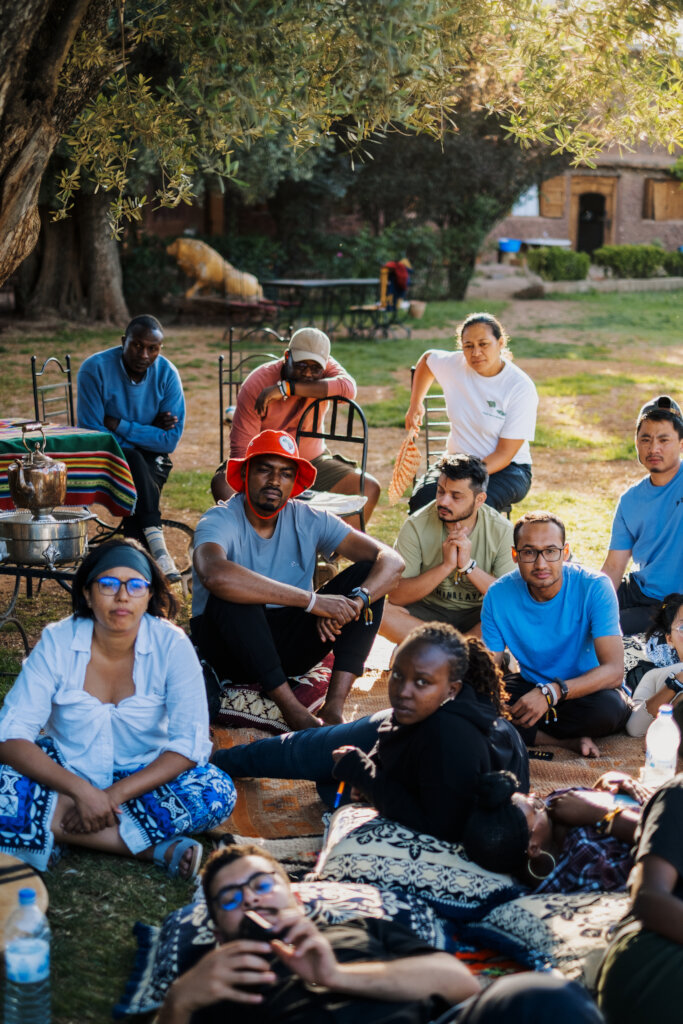
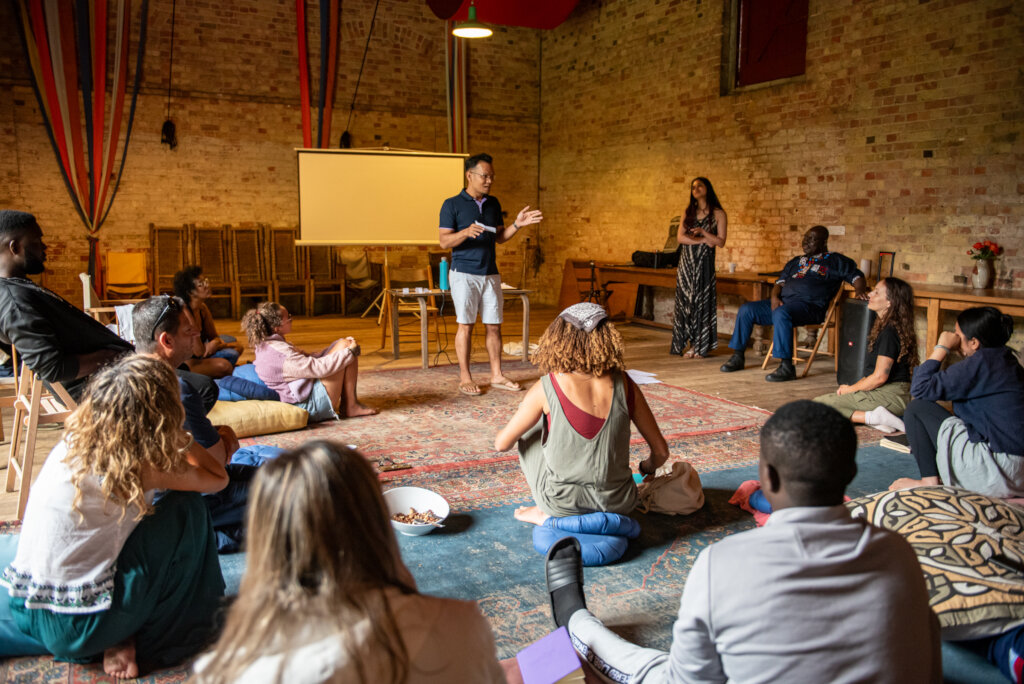
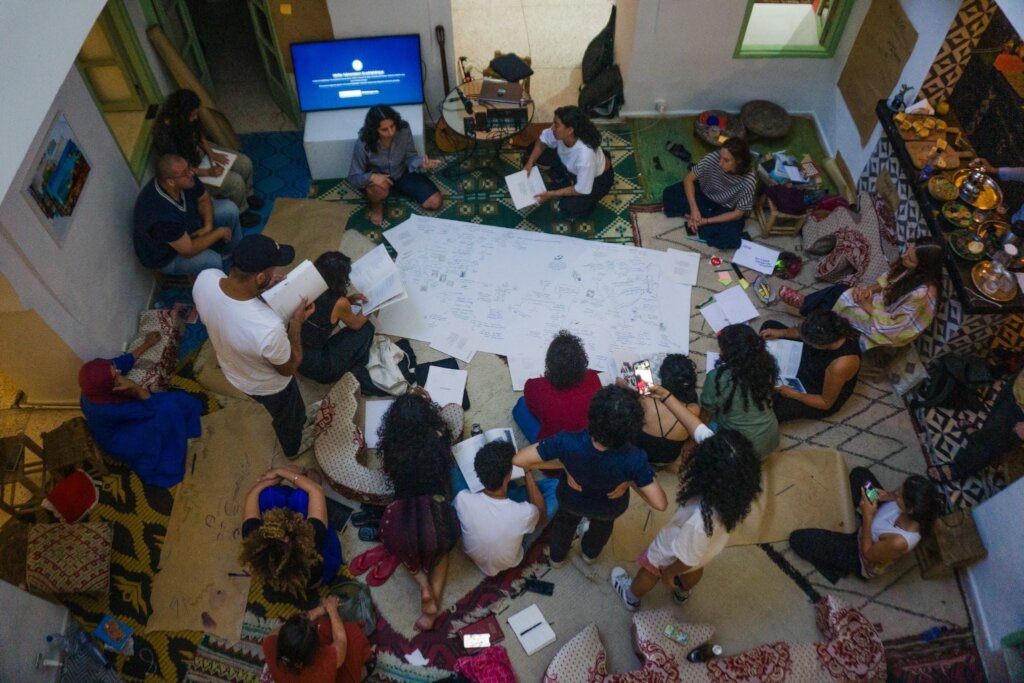
Through the ninth edition of their Harvest Festival Marrakech, Lorén and her team organised three visual art exhibitions and a three-week program of events. Alongside the festival, they convened a five-day study group with 15 participants, mostly women from Morocco and the broader region, and the first Marrakech Food Sovereignty Forum, connecting 20 rural and urban stakeholders, from seed savers and farmers to chefs and business owners, to explore tangible ways to build a more just and equitable food ecosystem in the region.
Rosebell Abwonji - Jasiri Sustainable Futures - Kenya
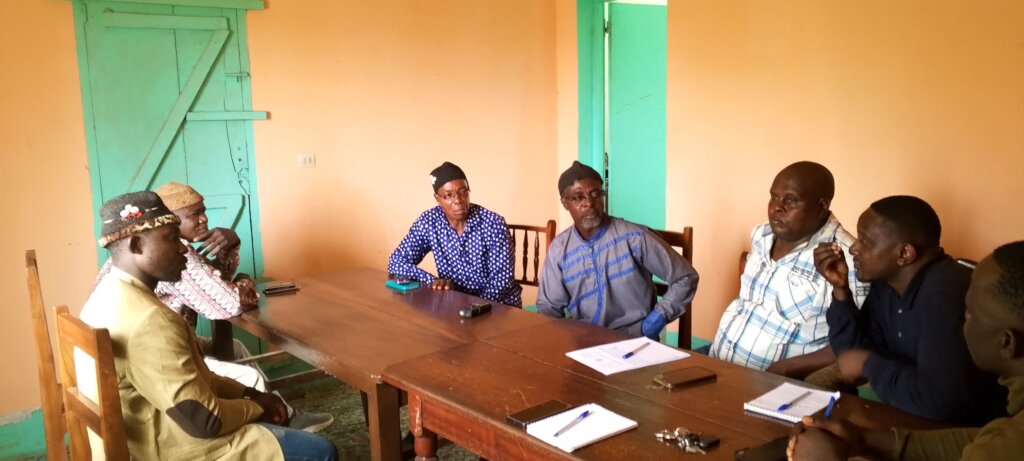
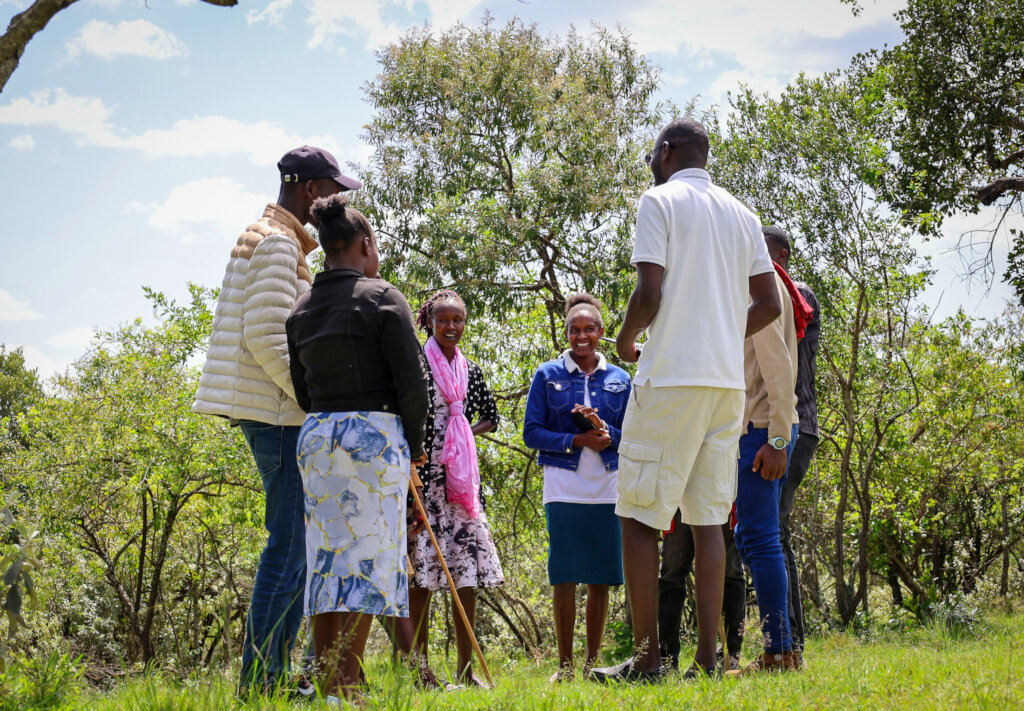
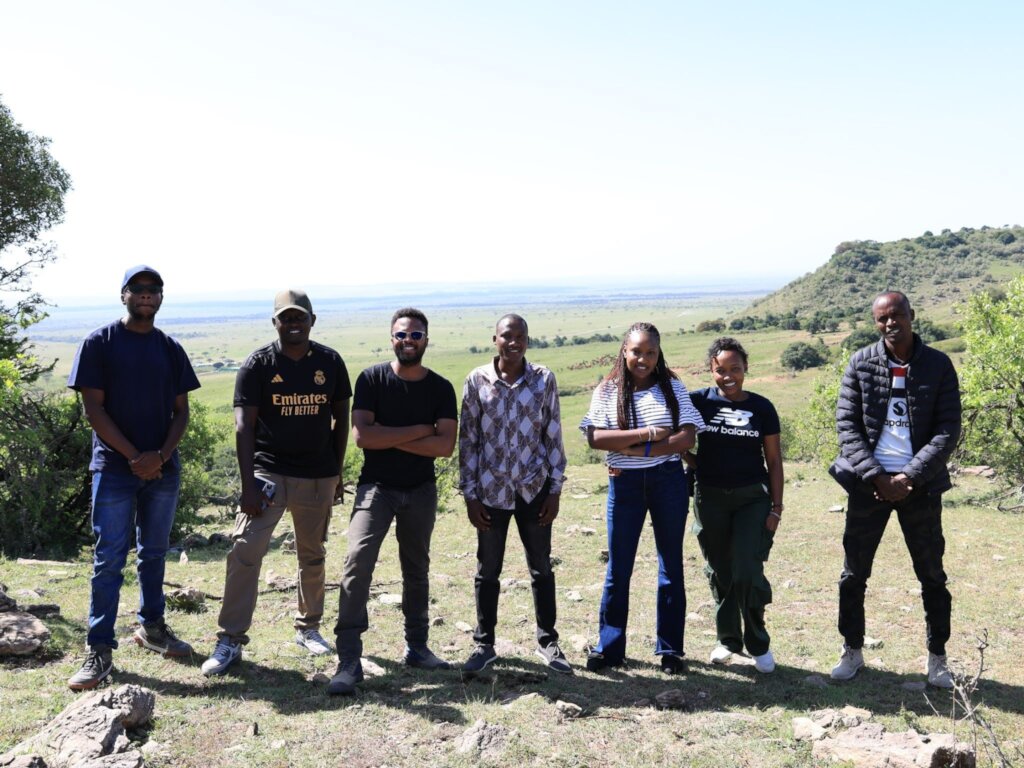
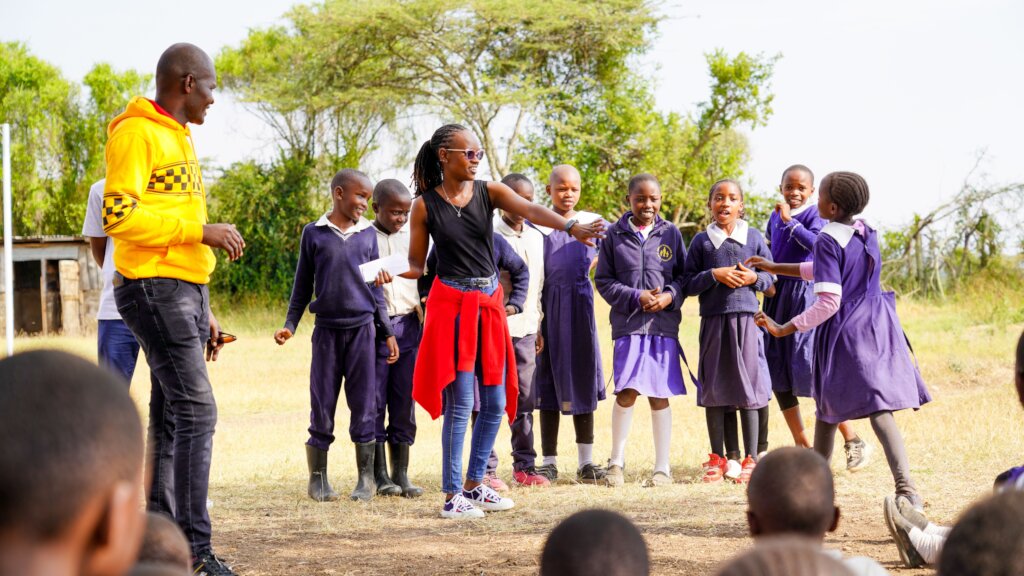
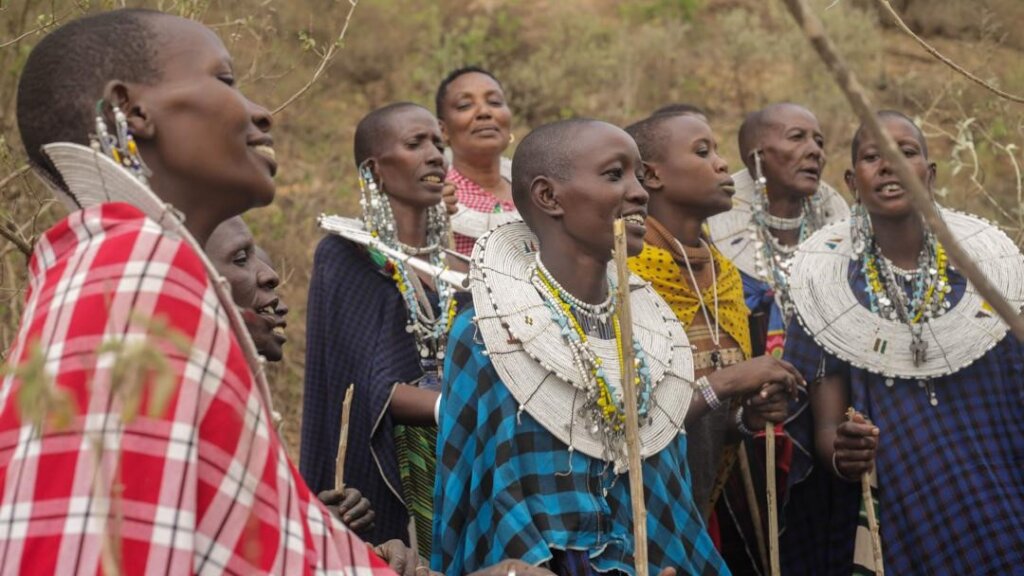
Across six Masai conservancies, Rosebell and her team engaged over 300 youth in surveys and held focus groups and key informant interviews with elders and conservancy leaders, capturing Masai narratives and aspirations for the future of the Mara landscape through storytelling, podcasts, and short films.
Preety Sharma - GroundUp Conservation - India
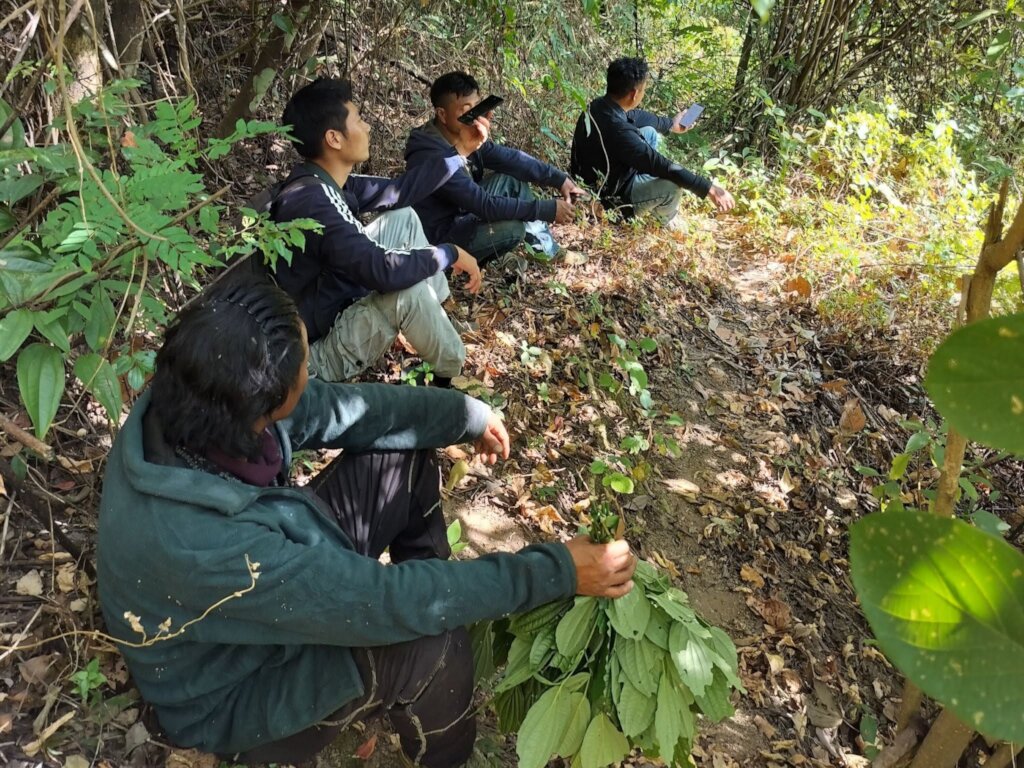
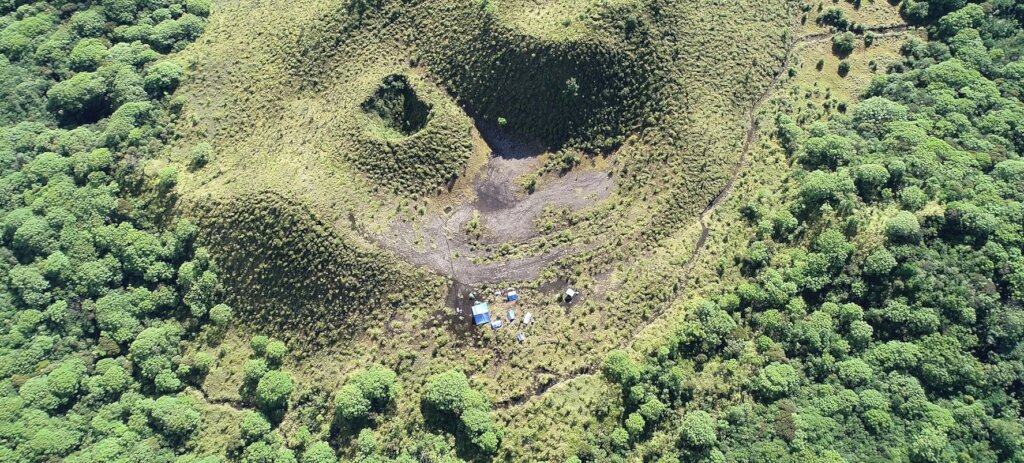
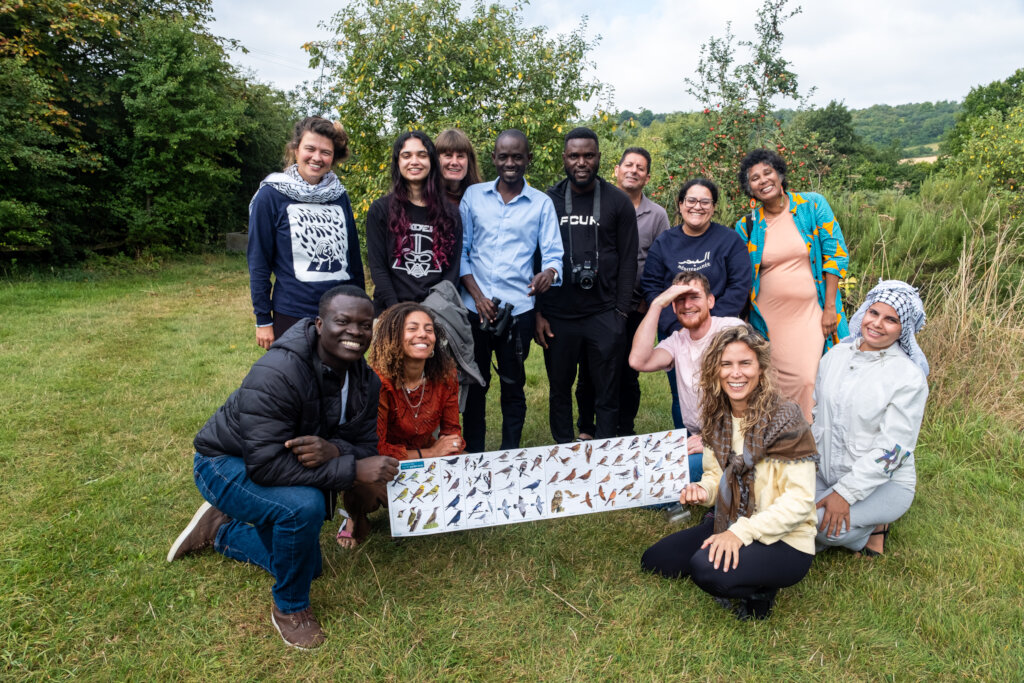
Preety and her team organised hands-on training for thirteen members of the local community biodiversity team in biodiversity surveys, bird monitoring, habitat sampling, and GPS tools across three villages in the Tizu Valley. This community-led team then carried out baseline biodiversity assessments and boundary mapping across all three sites, and support was provided to three partner organisations on financial processes and budgeting.
Taken together, these five projects offer a powerful reminder of what becomes possible when grassroots practitioners are trusted, resourced, and given the freedom to lead. Across vastly different geographies, from the agroforestry landscapes of the Amazon to the highlands of Nagaland, India, these projects confirm that change led from within communities, by people who are deeply of those places, is change that lasts.
Stay tuned for more updates about the progress of these amazing projects!
By Youssef Rochdane | Project Team
By Youssef Rochdane | Project Team
Project reports on GlobalGiving are posted directly to globalgiving.org by Project Leaders as they are completed, generally every 3-4 months. To protect the integrity of these documents, GlobalGiving does not alter them; therefore you may find some language or formatting issues.
If you donate to this project or have donated to this project, you can receive an email when this project posts a report. You can also subscribe for reports without donating.



Support this important cause by creating a personalized fundraising page.
Start a Fundraiser