By Rajyashree Datta | Director Development
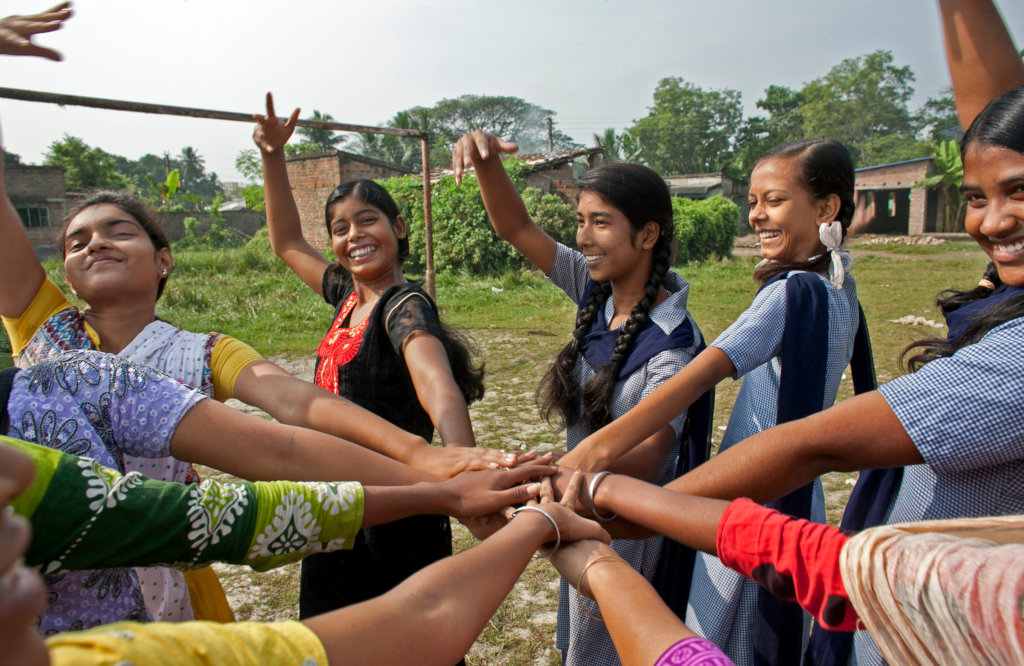
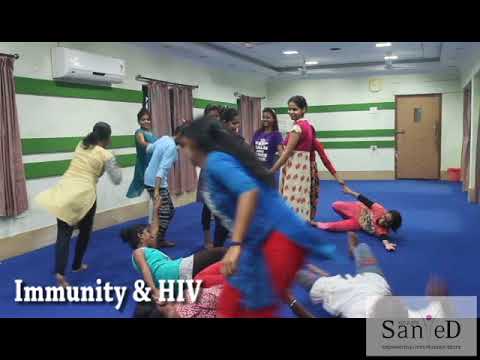
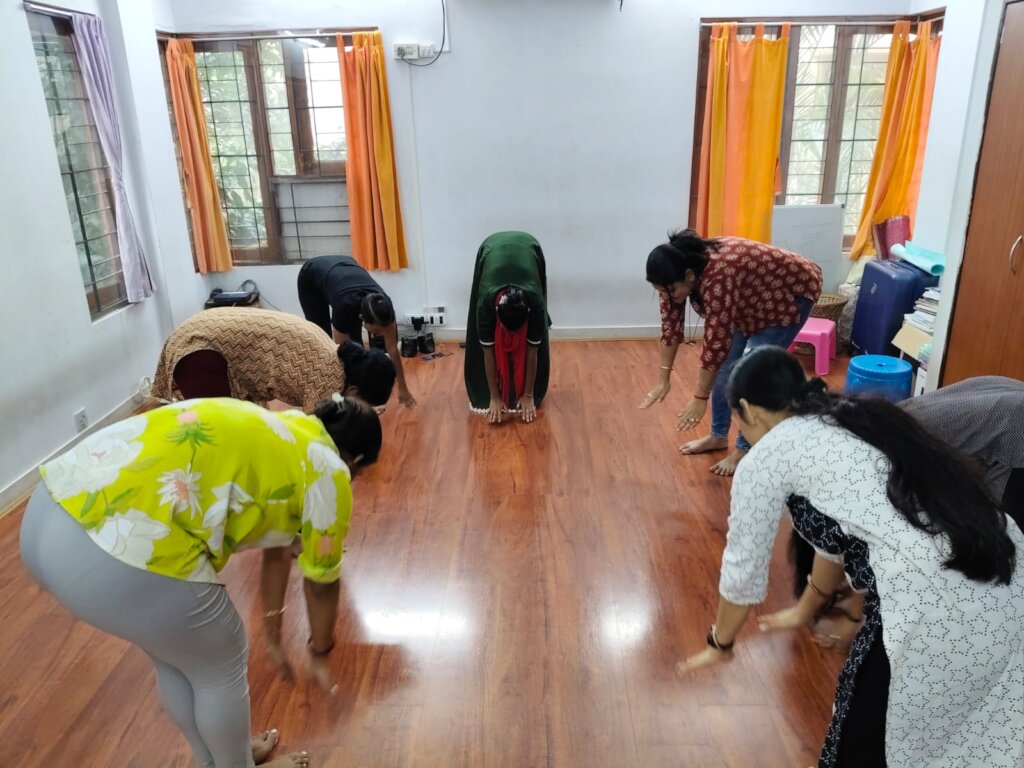
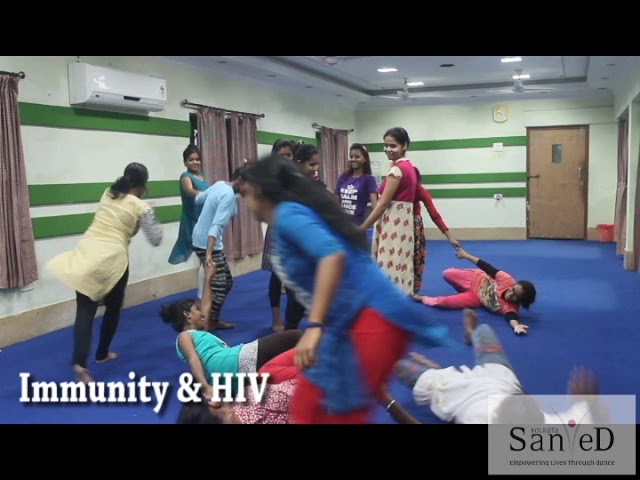
Kolkata Sanved has been integrating Sexual and Reproductive Health and Rights (SRHR) education across all programmes as part of its five-year strategic plan. To date, this work has focused on adolescent girls in low-resource settings, using Dance Movement Therapy (DMT) and creative arts as the primary pedagogical approach. Rather than delivering SRHR content through conventional instruction, Kolkata Sanved created embodied, trauma-informed learning spaces where girls could engage with sensitive topics — including bodily autonomy, consent, and reproductive health — through movement and expressive arts. This approach allowed participants to process and internalise knowledge not just cognitively, but through their bodies and lived experience, making the learning feel safe, relevant, and personally meaningful.
After an external evaluation of the organisation, many learnings and insights emerged regarding its reach and effectiveness. Participants showed increased awareness of their positive self-image, greater body literacy, and a stronger sense of personal agency. The process also built confidence among girls who had previously had little space to speak about their bodies or health. At the same time, the evaluation surfaced an important gap: SRHR education delivered only to girls has a limited scope. Meaningful change in how young people understand SRHR, relationships, and gender requires engaging all genders. This reflection became a significant turning point in how Kolkata Sanved approached the next phase of its work.
Building on these learnings, Kolkata Sanved is now reworking its curriculum to reach adolescent boys and other gender identities alongside girls, piloting the programme across 12 schools in West Bengal. Ten youth leaders, who emerged from Kolkata Sanved's Sampoornata wellbeing clubs, have been identified as therapeutic movement facilitators and will be trained in both SRHR and Social Emotional Learning (SEL) before implementing the programme in schools. The integration of SEL is intentional and necessary — competencies such as empathy, emotional regulation, consent, and the ability to build respectful relationships are not separate from SRHR; they are foundational to it. When young people develop these skills alongside accurate health knowledge, they are better equipped to navigate relationships equitably, recognise and respect boundaries, and contribute to safer, more gender-just communities. This combined approach reflects Kolkata Sanved's understanding that lasting change in adolescent health and wellbeing must be both relational and structural.
By RAJYASHREE DATTA | Director Development
By RAJYASHREE DATTA | Director Development
Project reports on GlobalGiving are posted directly to globalgiving.org by Project Leaders as they are completed, generally every 3-4 months. To protect the integrity of these documents, GlobalGiving does not alter them; therefore you may find some language or formatting issues.
If you donate to this project or have donated to this project, you can receive an email when this project posts a report. You can also subscribe for reports without donating.