By Asari Nakanda | Monitoring & Evaluation Officer
STREGTHEN 100 VULNERABLE HOUSEHOLDS IN CALABAR
Report 24/12/2019
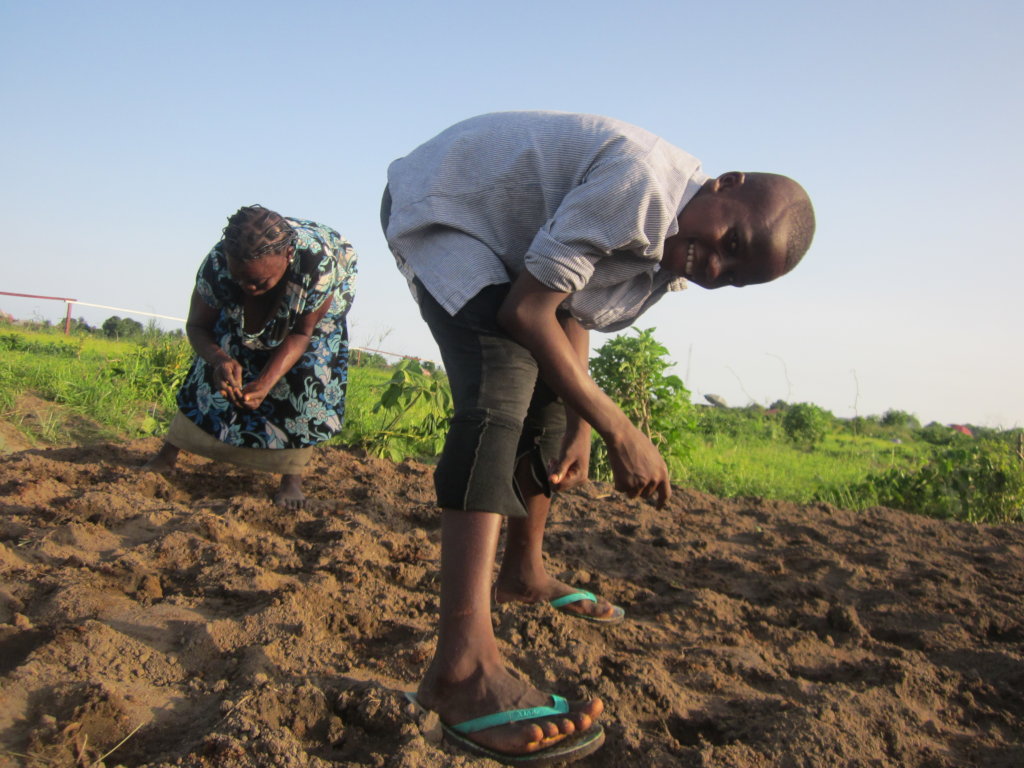
In the quarter under review, the focus of the project team was on evaluation of the project towards ensuring the sustainability of its benefits. The beneficiaries had reaped their first harvests and we were anxious to see a reinvestment of the funds and a progression towards sustainability, after all the objective of the project was to make progress beyond direct disbursement of benefits as we were already doing with payment of school and health expenses to support the beneficiaries in income generation so they could take up the responsibility for providing for their households themselves.
Our first hurdle was to overcome the challenge the beneficiaries faced in selling their produce. Almost all of them seemed unable to do so by themselves and required support to find buyers. The project team was therefore engaged in helping to find and negotiate in their behalf. Since the object of the project was beneficiary financial independence this was not a good sign.
Unfortunately, more challenges were to follow as the returns from sales were largely not invested in a second crop. In almost all cases most of the returns were expended on food and survival by the beneficiaries. The fact that some of the crops that made up the initial investment were seasonal crops with replanting materials not easily available locally to the beneficiaries may have contributed to this.
This has caused a fundamental shift in our strategy on the project going forward. Rather than try to get the beneficiaries to invest in any crop they have not mastered our focus would be supporting them to strengthen their efforts with the one or two all season crops most of them are engaged in and understand their value chain these fare waterleaf and sense leaf.
The cultivation of these two plants seem to be what is understood by most women in the communities were the project is being run. The young stalks for planting of these crops are affordable and available locally and typically cost N5,000 ($15) and N10,000 ($30) per bed (10m2). They are easy to manage and secure (not subject to theft or vandalism). They typically mature and are ready for sale in a month. Their sales are pretty straightforward with ready buyers and an established price (100% of the investment) and the women are used to re-investing for their sustainable cultivation.
Since the women are used to these crops and know how and where to sell them and where to get the young stalks for replanting the challenges with the crops that were previously introduced should be overcome. Our plan going forward is to support our beneficiaries in the planting and cultivation of these crops from January 2020.
CONCLUSION:
During the last few months progress on the project faced a few challenges, our analysis of the issues has brought us to the conclusion that the beneficiaries would do better with cultivation, management and sales of the simpler crops they have a long history of planting rather than any new crops that may be introduced to them which they may find difficult to understand and manage. We have therefore decided to default to supporting them in this effort going forward.
Thank you
Asari Nakanda
Monitoring & Evaluation Officer.
By Justine Apenbende | Program Manager
By Justin Apendeghe | Program Manager
Project reports on GlobalGiving are posted directly to globalgiving.org by Project Leaders as they are completed, generally every 3-4 months. To protect the integrity of these documents, GlobalGiving does not alter them; therefore you may find some language or formatting issues.
If you donate to this project or have donated to this project, you can receive an email when this project posts a report. You can also subscribe for reports without donating.



Support this important cause by creating a personalized fundraising page.
Start a Fundraiser