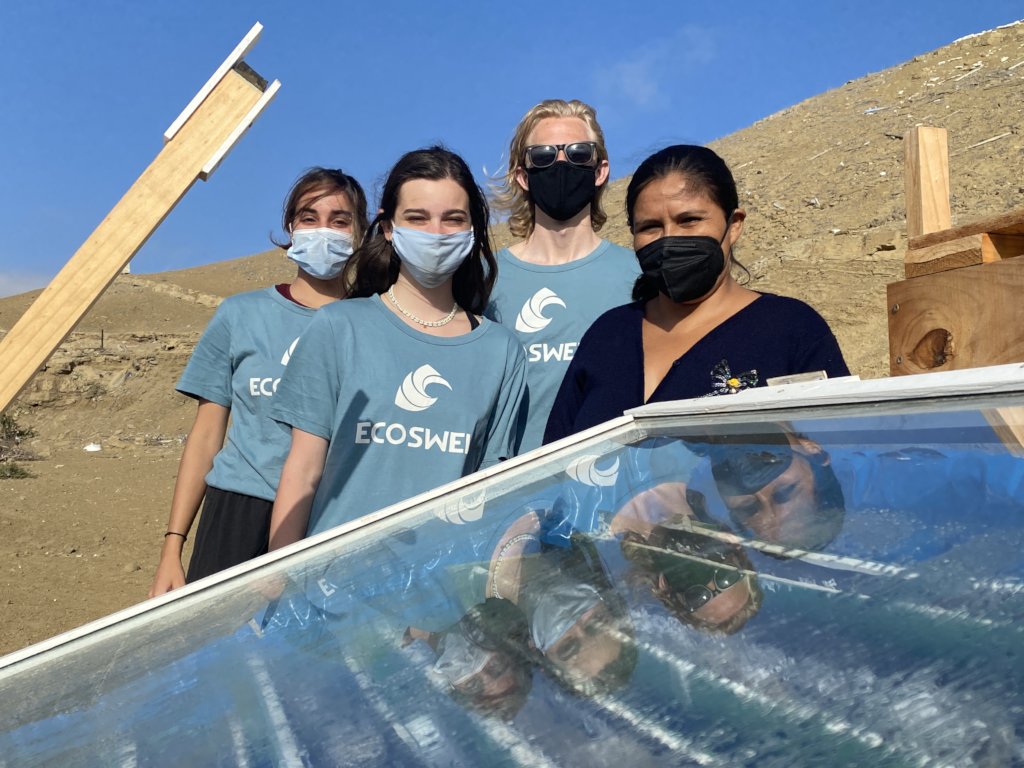
By Natasha Cooper | Project Contributor
The solar distiller design project aim remains to produce a low cost and high impact renewable energy technology for turning seawater into distilled drinking water. Throughout the testing and modifying of the distiller the simplicity and robustness was maintained due to it being crucial for the end use of the distiller in rural communities. With the end goal of the project to create a technology which can help the water scarcity crisis in communities all over the world, using an open-source construction guide.
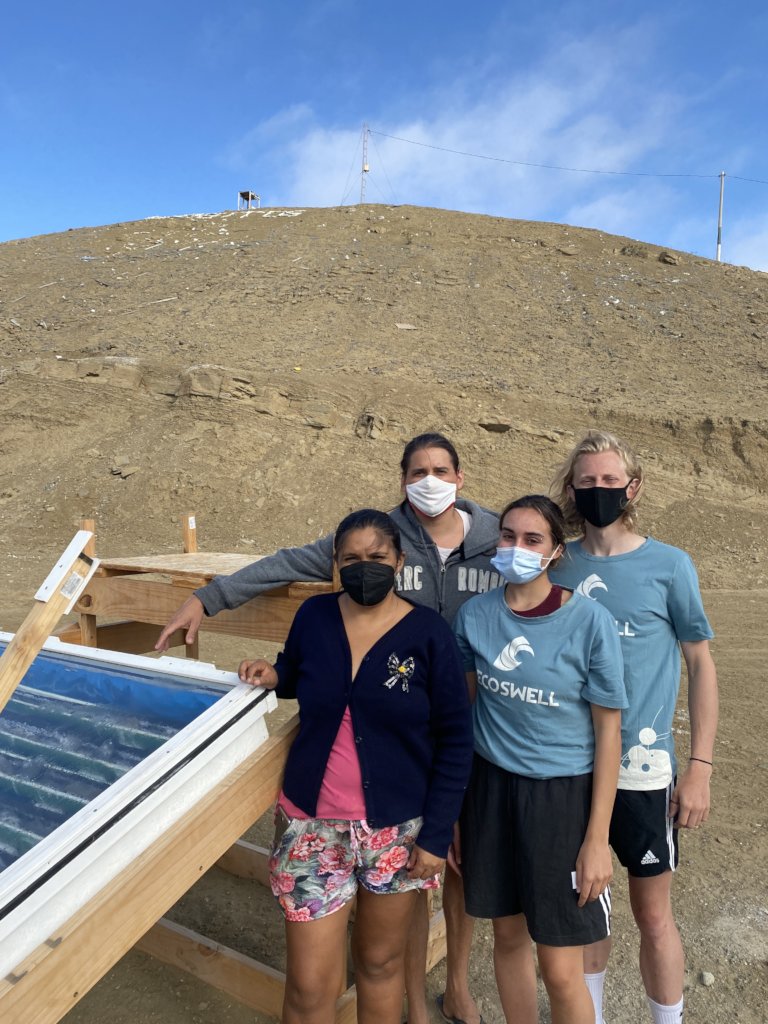
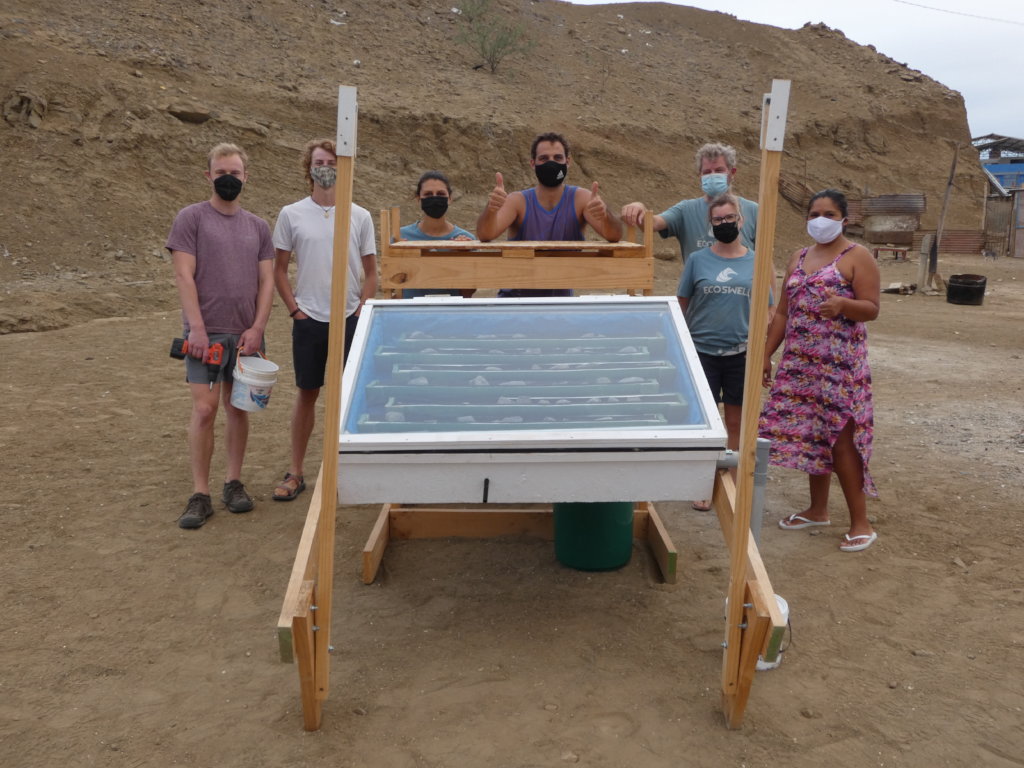
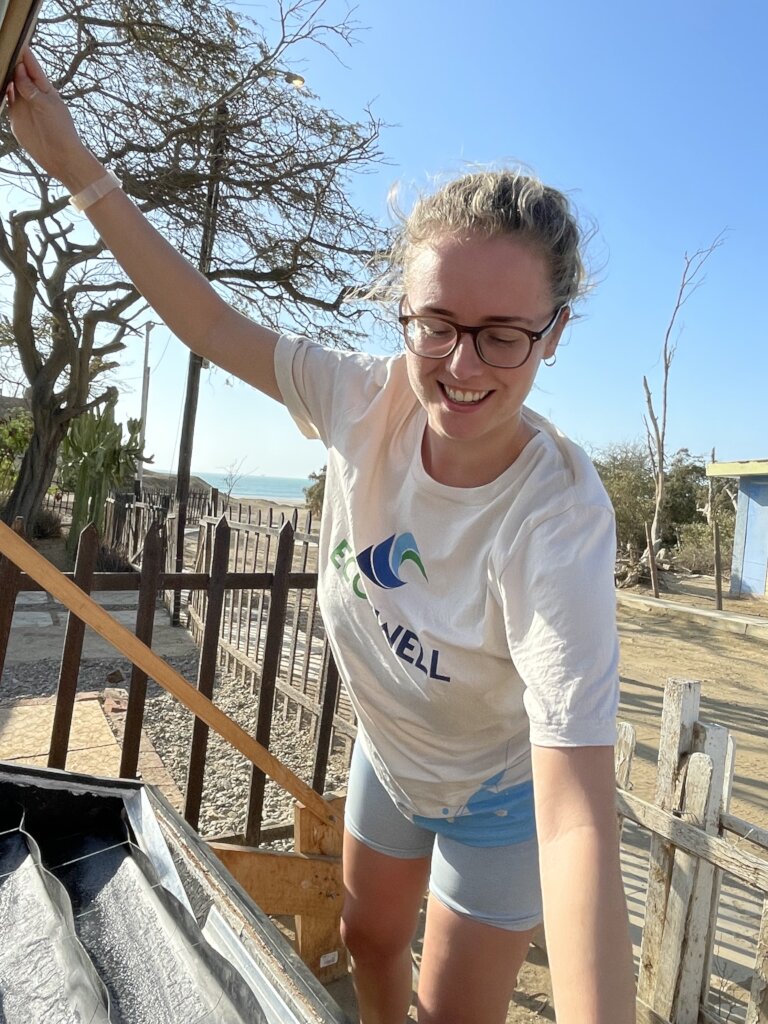
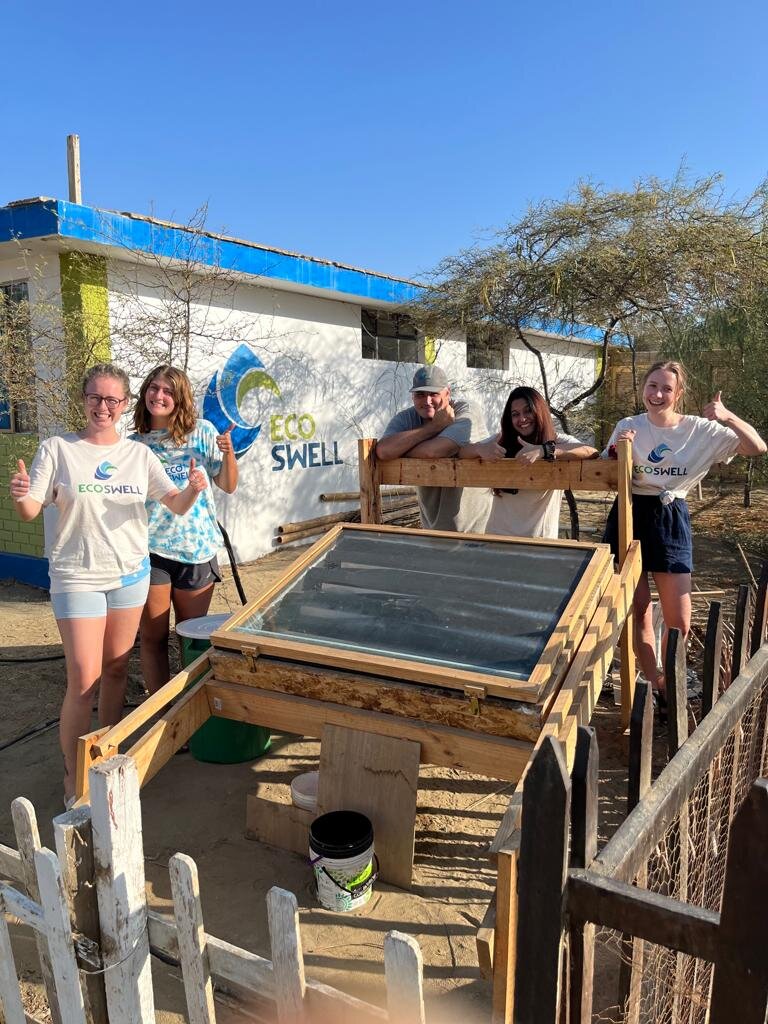
Andrés is one of the four directors at EcoSwell and heads all the renewable initiatives at EcoSwell. Andrés is lead in this solar distiller project, with many volunteer interns helping him along the way from the initial research in 2016 to the most up to date Model 3.3 now in 2022.
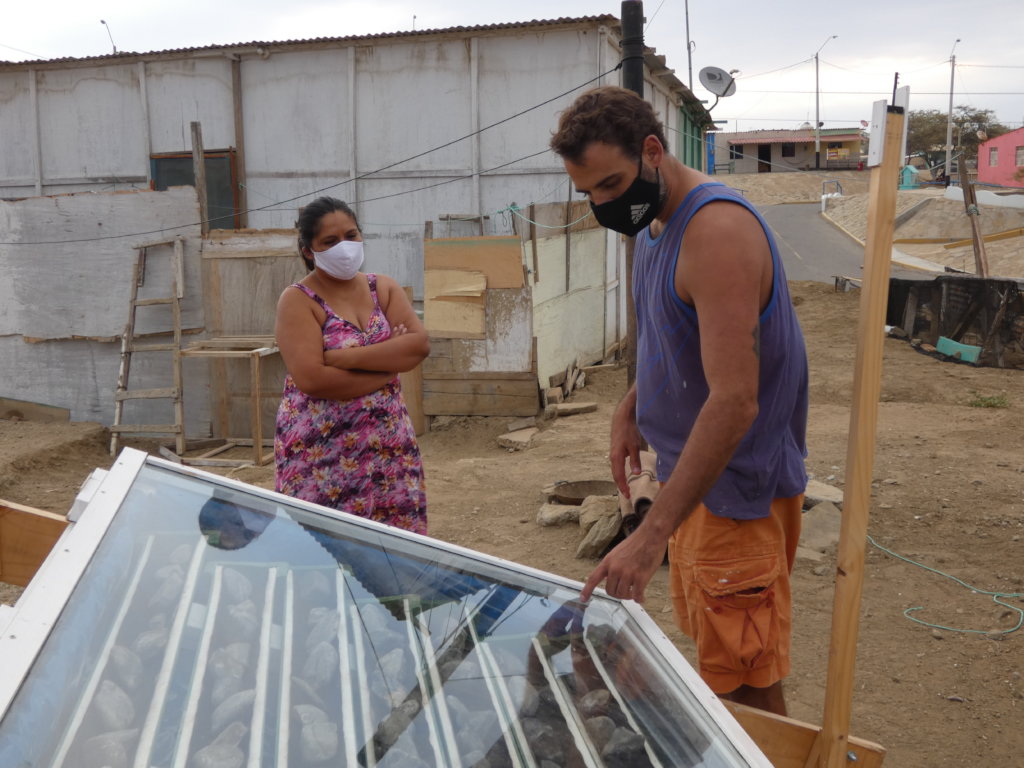
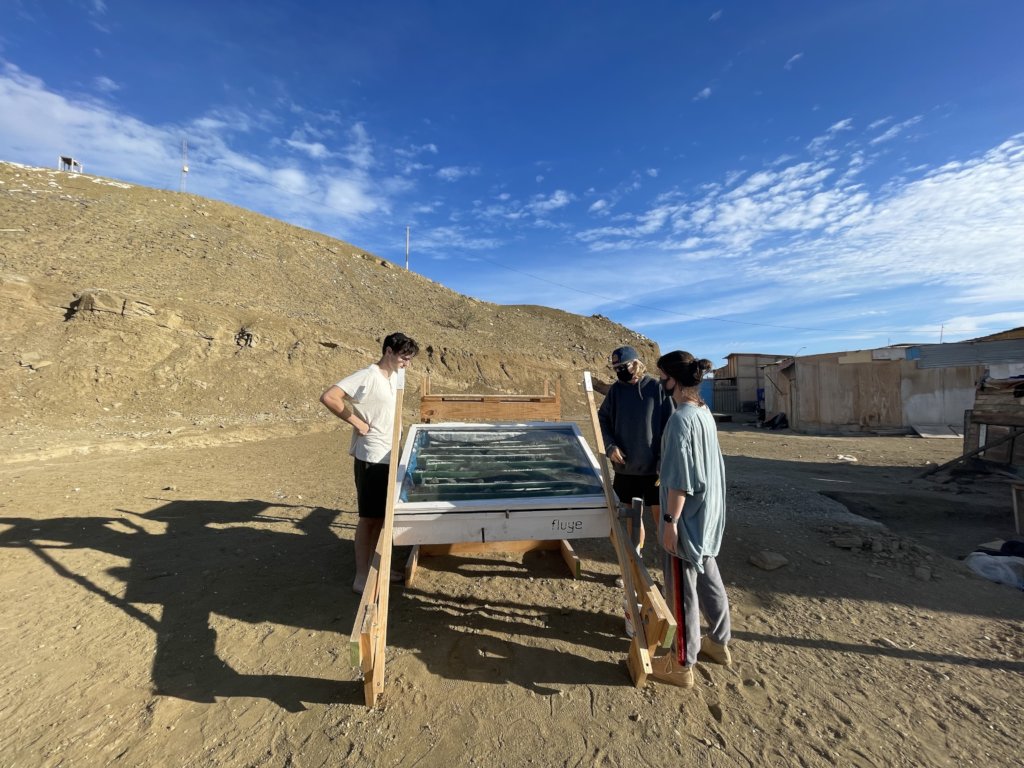
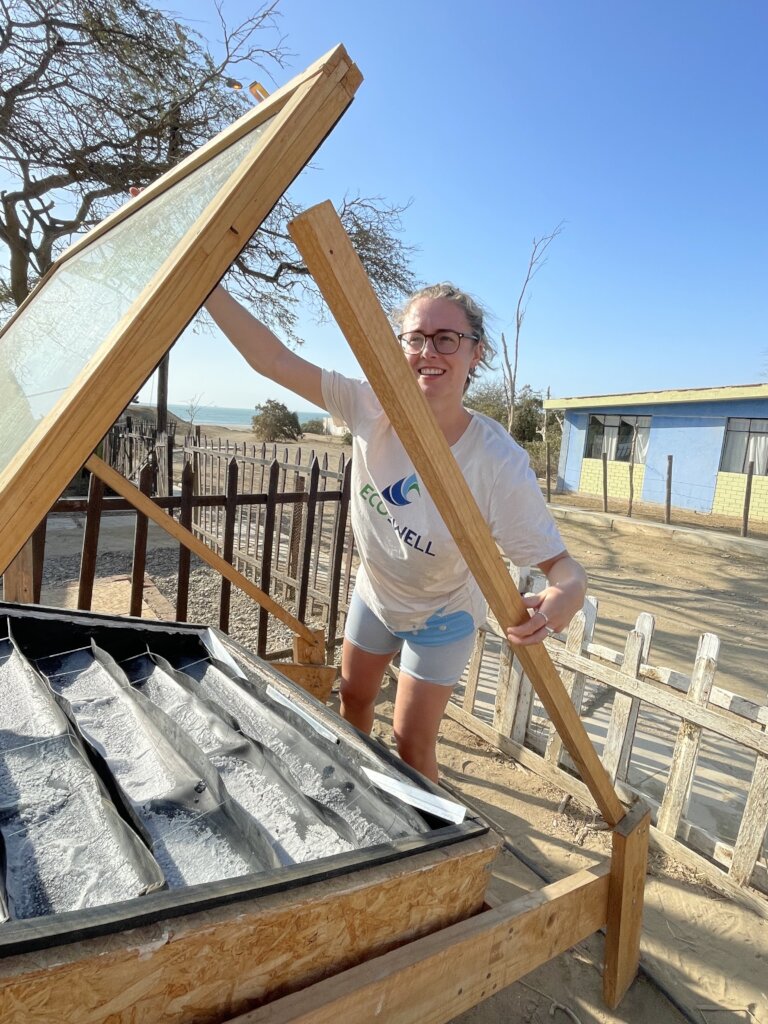
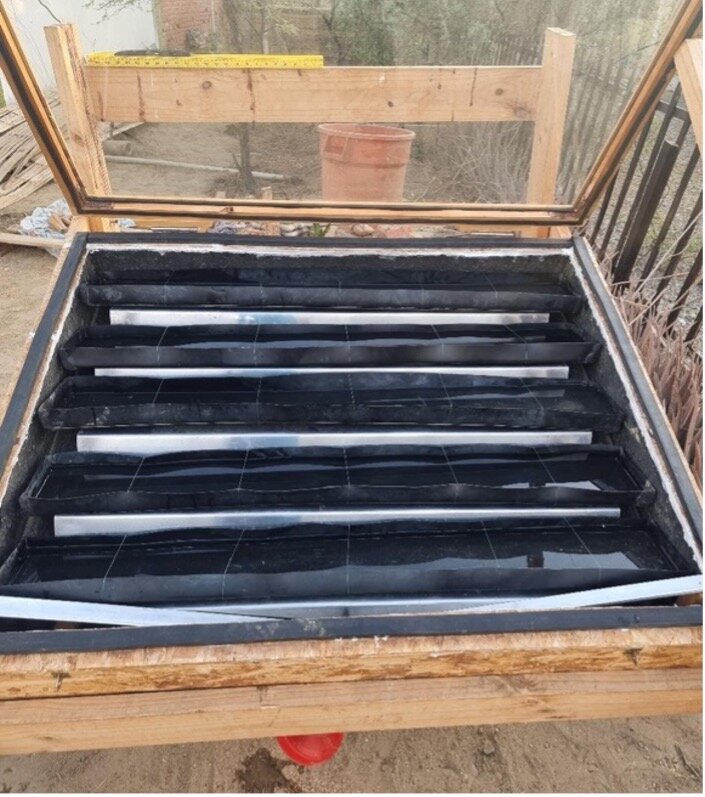
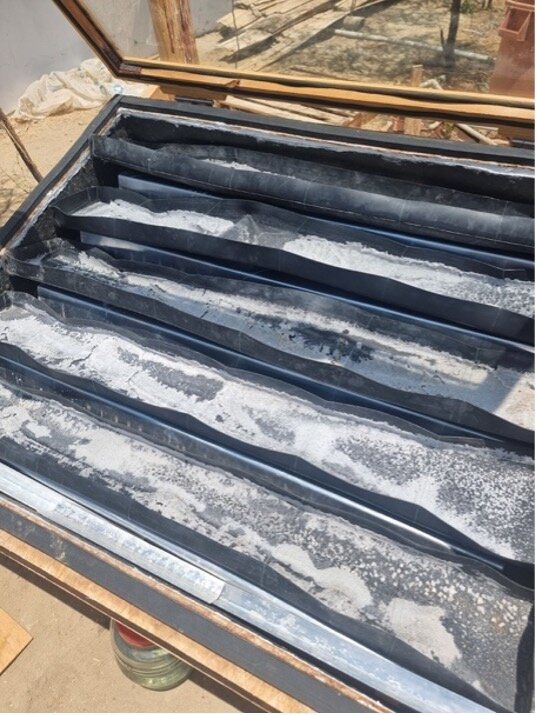
The main changes from the first solar distiller report are the reduction of the empty space (air) inside the distiller, because the large empty space increased the time taken to reach the temperature at which the seawater evaporated, and distillate was produced. However, it must be mentioned that Erich’s design (a professor at the University of Lima) is still the basis of the solar distiller design. To further improve the design, black materials were used inside the distiller, due to their heat storage properties, and any leaks were reduced/ removed. The trays are important as they hold the sea water level inside the sloped solar distiller, they are also made of geomembrane because it is a material resistant to UV rays whilst increasing the rate of evaporation.
Using feedback from a community member in Lobitos the trays were modified to be removable from the solar distiller to improve ease of maintenance, by reducing the time it took to extract the remaining salt from the trays. To further improve the practicality of the solar distiller a large container is left by the distiller to hold seawater which is filled using smaller buckets poured through muslin cloth. This therefore allows the geomembrane trays to be easily topped up whilst also increasing the seawater’s input temperature, with the aim to improve evaporation rate. The larger bucket also allows the seawater to be pre-treated using muslin cloth to remove any sediment which also improves the salt produced.
The solar distiller is in its final stages of design but more testing will be carried out to ensure the usability of the distiller and to maximise the distilled drinking water produced. EcoSwell continues to modify and produce documentation in the development of the solar distiller, and your continued support is greatly appreciated.
By Henry Suarez | Project Contributor
Project reports on GlobalGiving are posted directly to globalgiving.org by Project Leaders as they are completed, generally every 3-4 months. To protect the integrity of these documents, GlobalGiving does not alter them; therefore you may find some language or formatting issues.
If you donate to this project or have donated to this project, you can receive an email when this project posts a report. You can also subscribe for reports without donating.