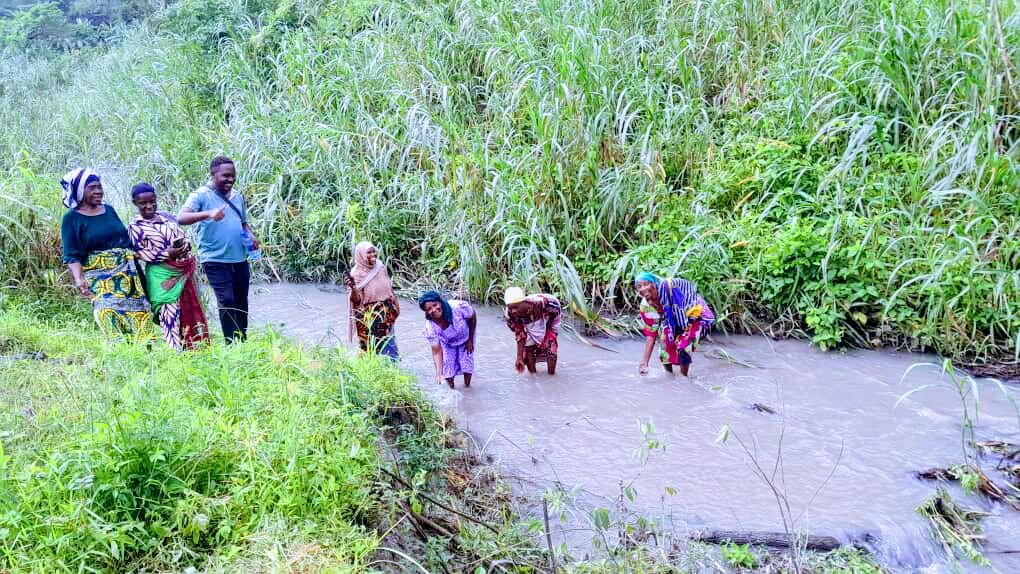
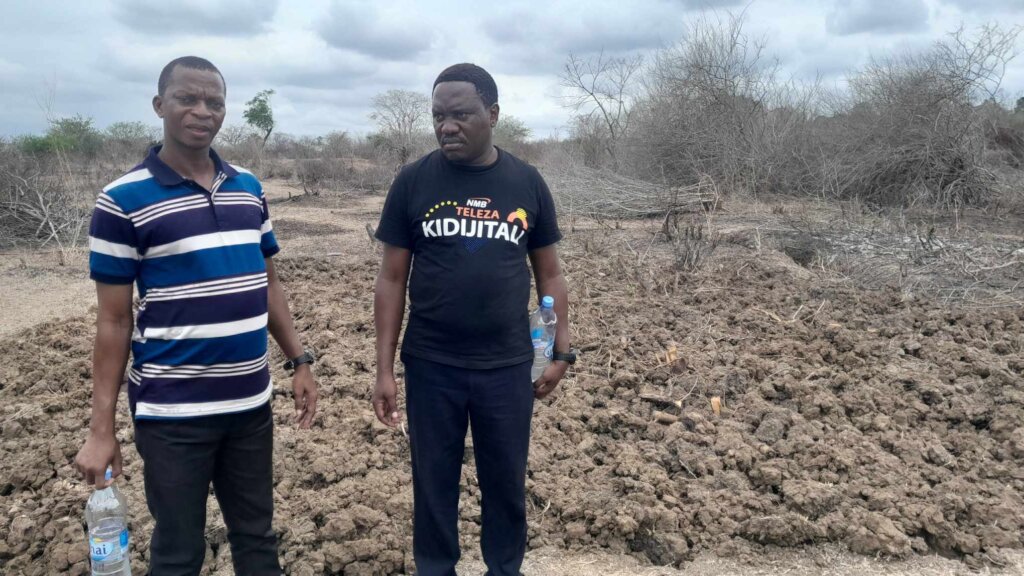
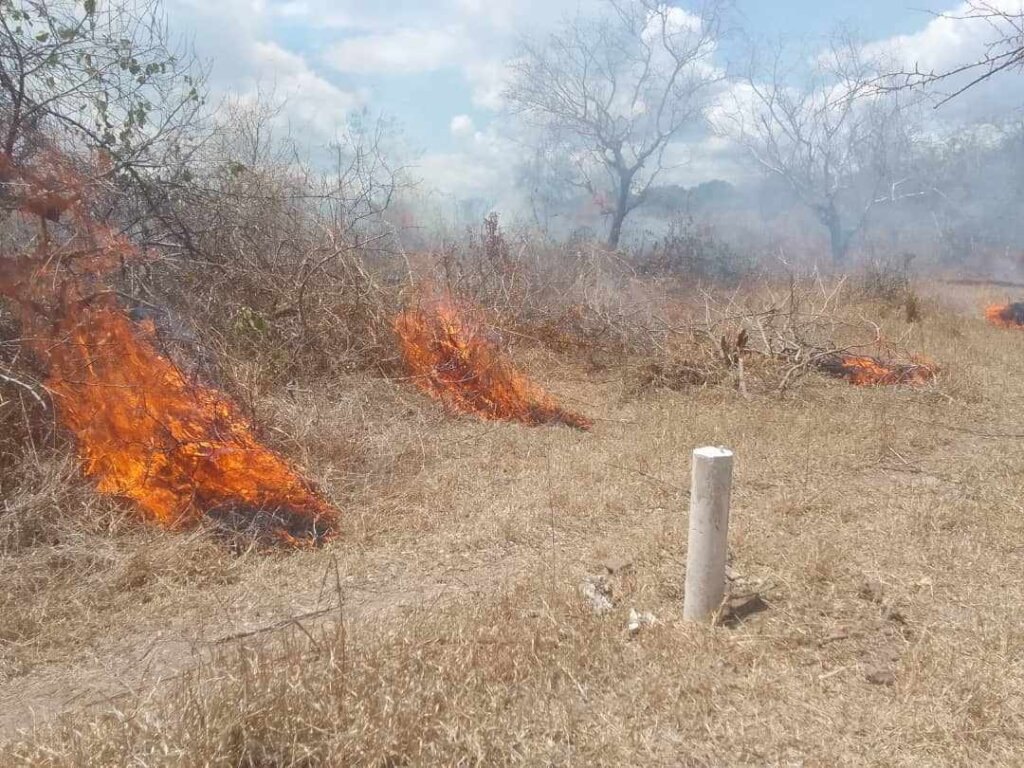
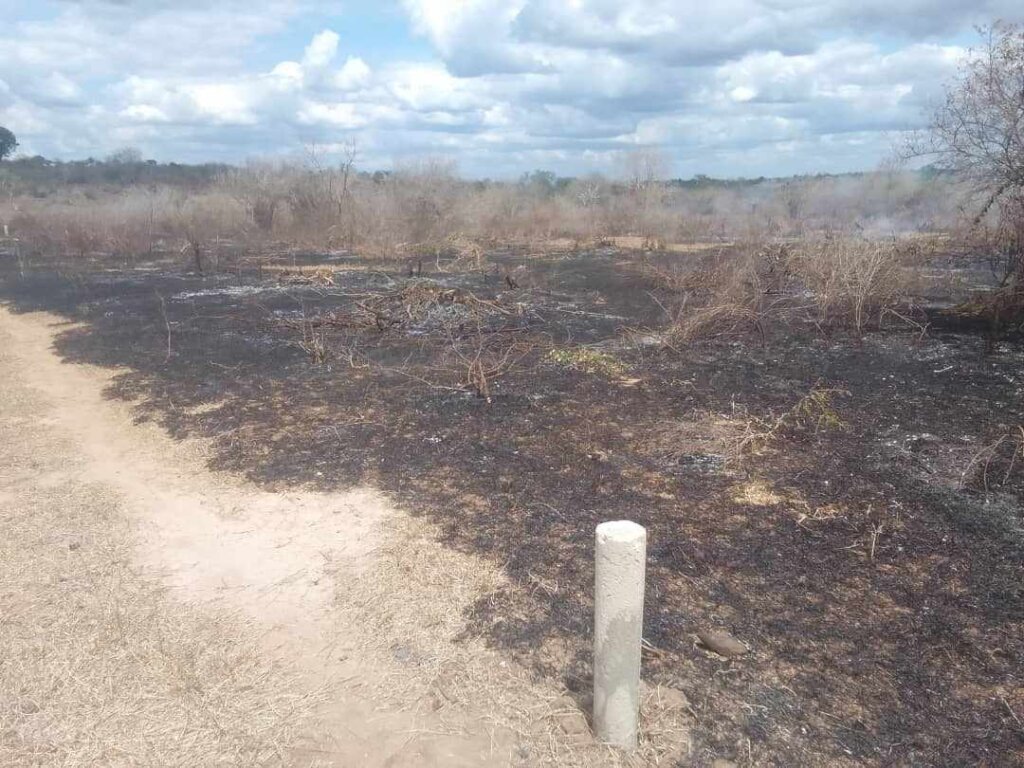
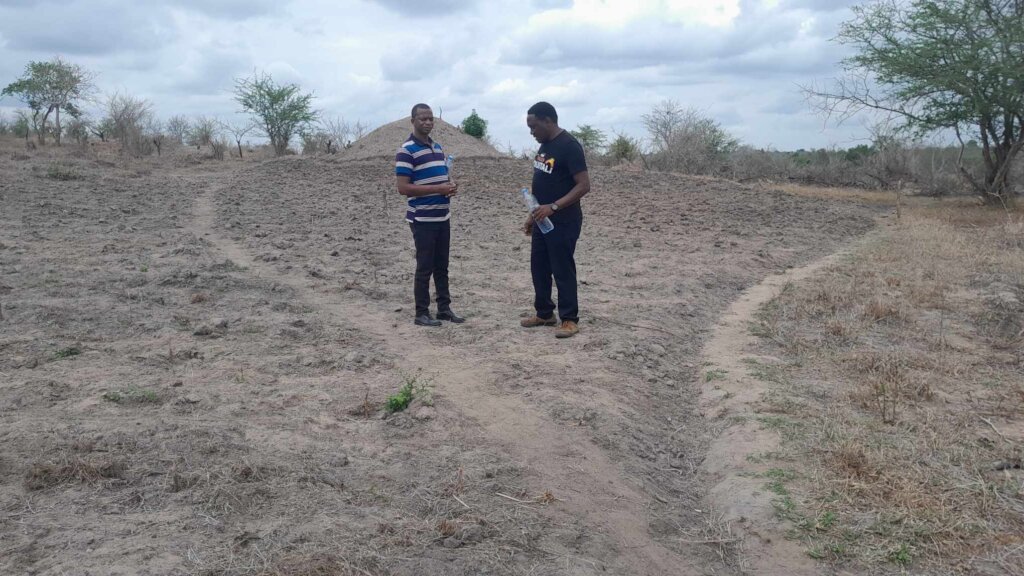
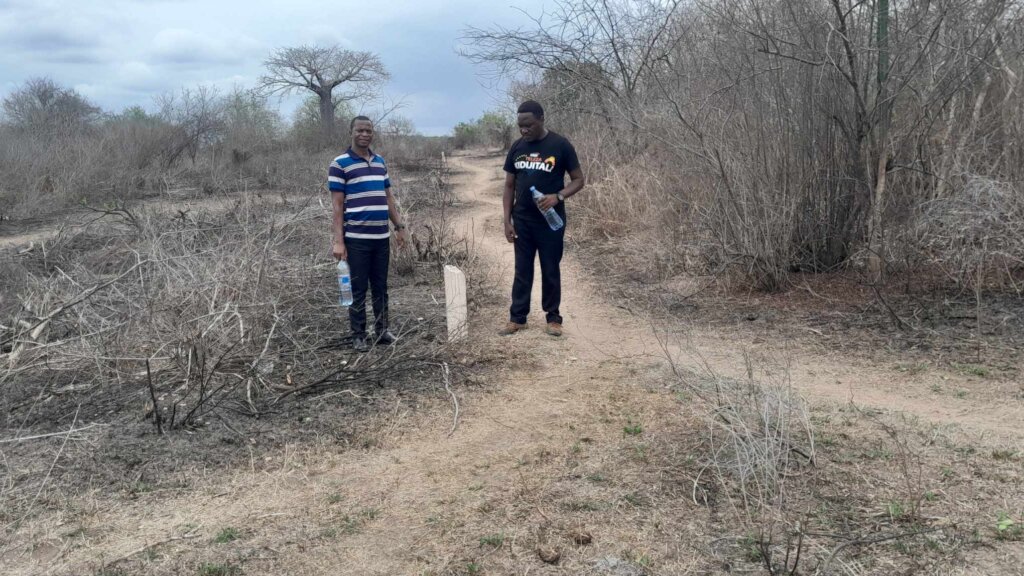
![Project Report Photo taken at Care farm]()
Project Report Photo taken at Care farm
Cultivating Activities Report: Care Farms Project for Trauma Therapy & Mental Health Recovery
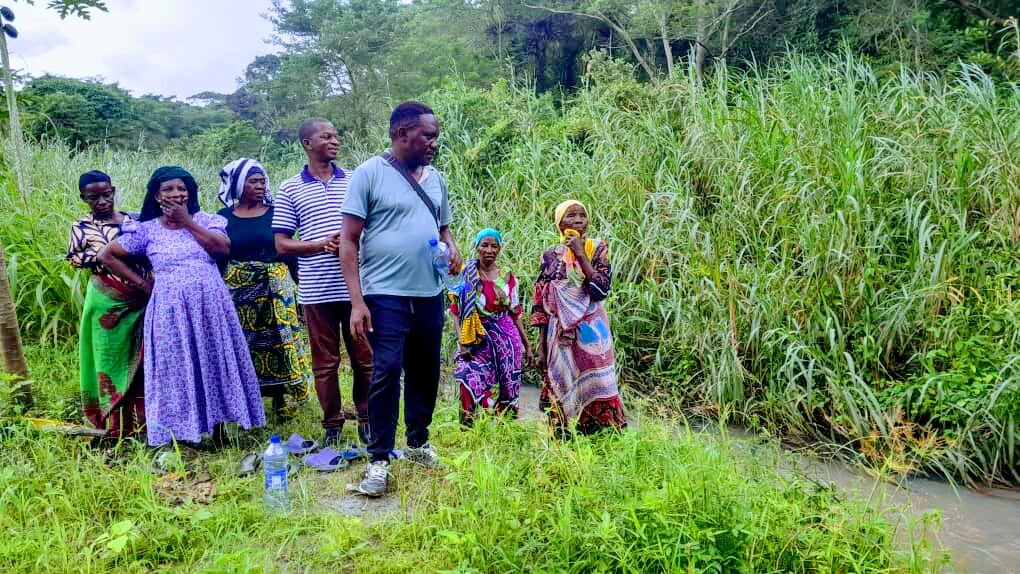
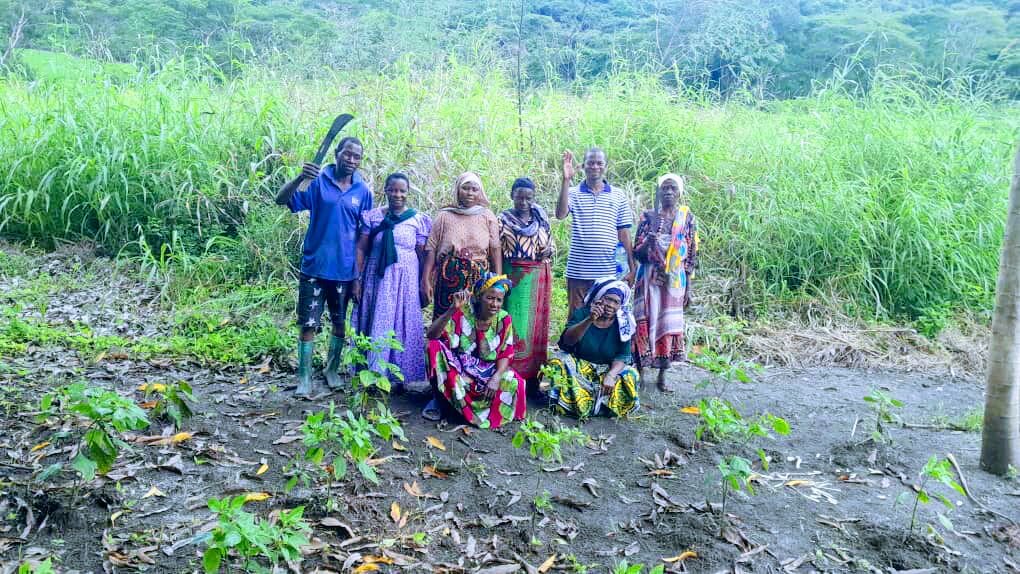
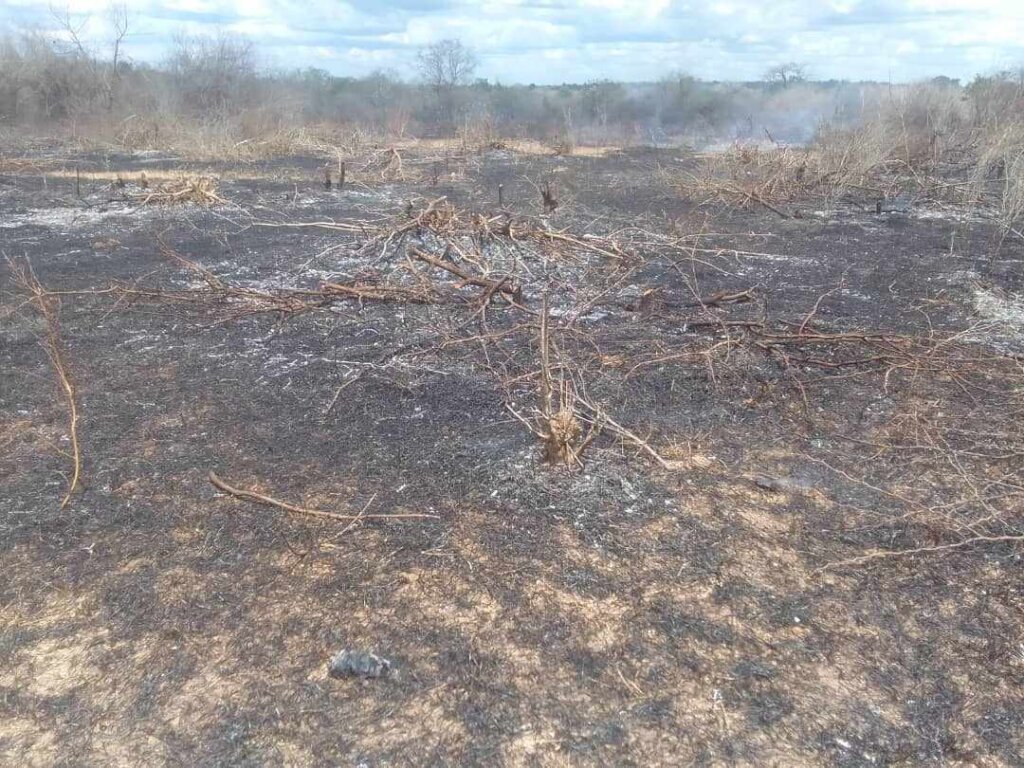
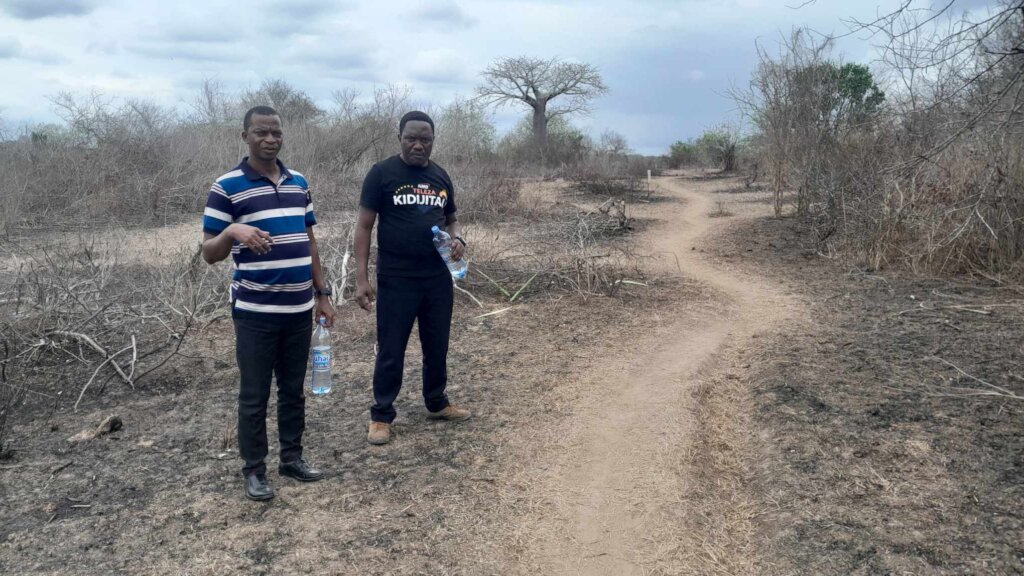
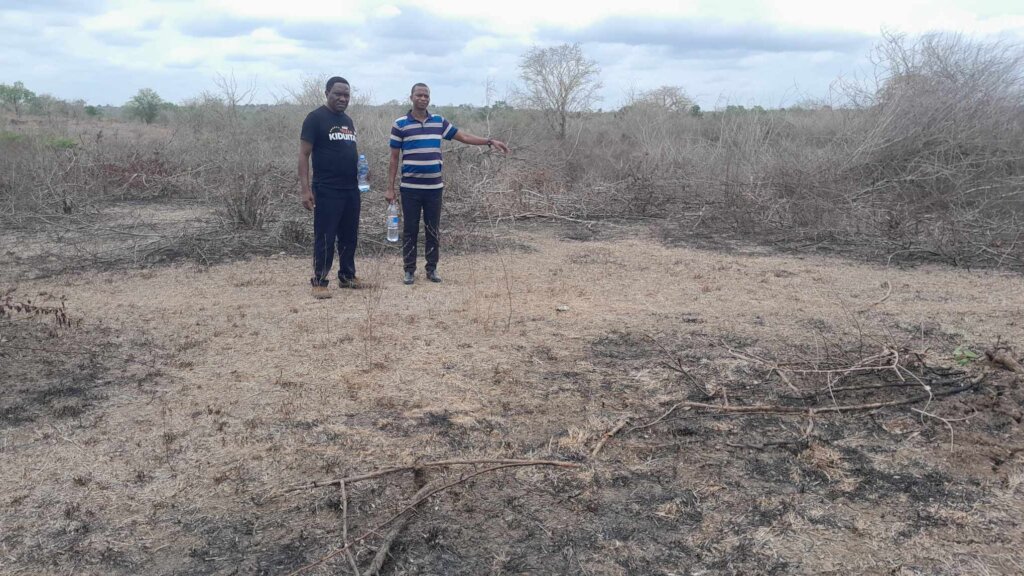
We would like to share a quarterly progress report with you about our Care Farm Project for the last 3 months. Our Social Light Care Farm Project has been able to clean the Farm by Cutting the trees, Bushes burning and start cultivating some of the farm land areas. This is being our second step of our care farm land preparation activities.
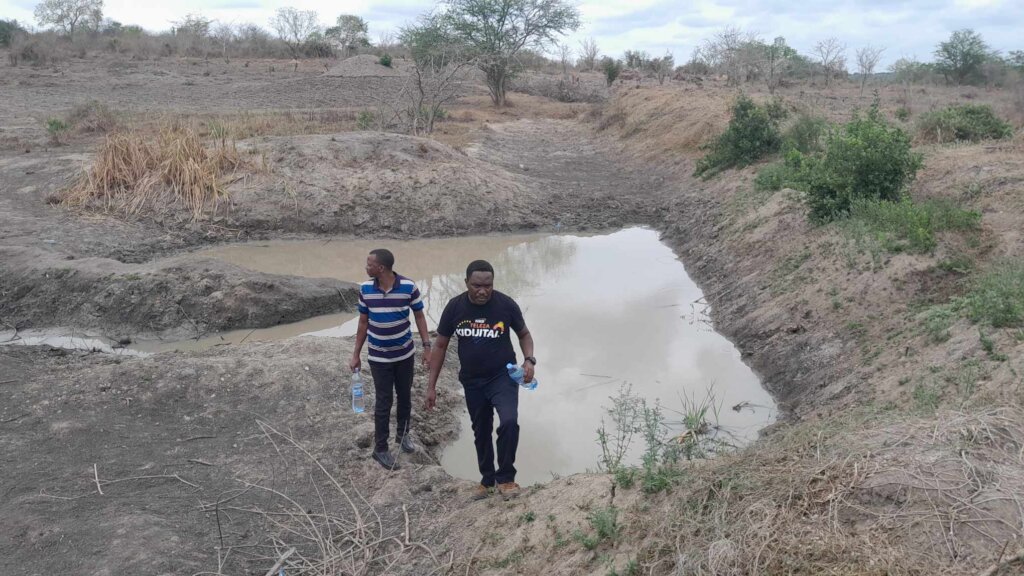
If we get more funding from Supporters: Our expectation for the Third step is to increase the areas for cultivating the land, digging and installing a water well for vegetable development activities (Vegetable Production, Fruit / Orchard Production, Animal Husbandry, Greenhouse /Nursery Production and Nature Therapy).
These Care Farms will be used to create a place of treatment and provide on-site counseling and treatment services to serve the most vulnerable women with special needs, using the nature of the farm.
This project aims to bridge the mental and physical health treatment gap, reduce stigma, and foster resilience in the community. It will empower people and create a stronger, more compassionate society that prioritizes mental well-being.
ABOUT THIS PROJECT
Introduction The Care Farms Project is dedicated to utilizing agricultural activities as a therapeutic tool for individuals recovering from trauma and mental health challenges. By engaging participants in structured farming and nature-based interventions, the project fosters psychological resilience, social inclusion, and overall well-being.
Objectives
- To provide a safe and supportive environment for trauma recovery.
- To enhance mental well-being through structured agricultural activities.
- To build self-confidence, social skills, and vocational competencies.
- To promote sustainability and community engagement.
Key Activities
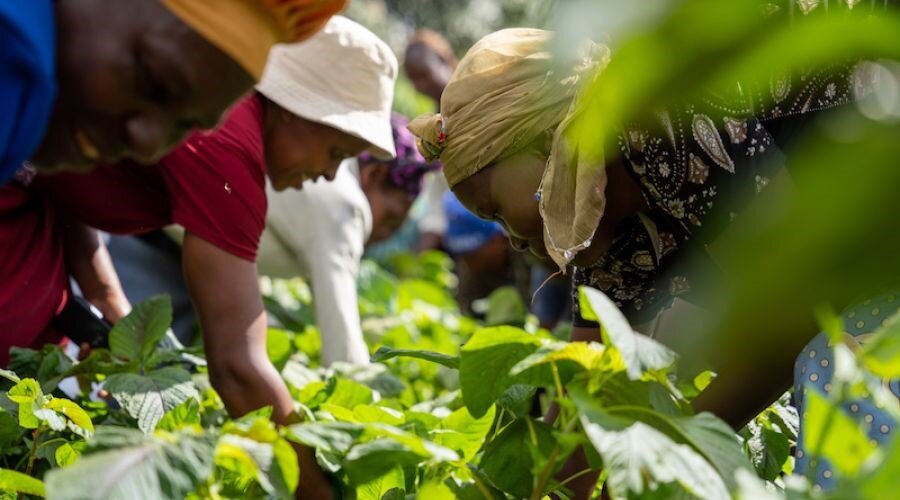
- Horticultural Therapy: Participants engage in planting, cultivating, and harvesting crops, which fosters mindfulness and emotional stability.
- Animal-Assisted Therapy: Interaction with farm animals enhances emotional regulation, reduces stress, and encourages responsibility.
- Green Care Practices: Activities such as beekeeping, composting, and forest therapy create a deep connection with nature.
- Skill Development Workshops: Training sessions on sustainable farming, food processing, and agribusiness equip participants with practical knowledge for future employment.
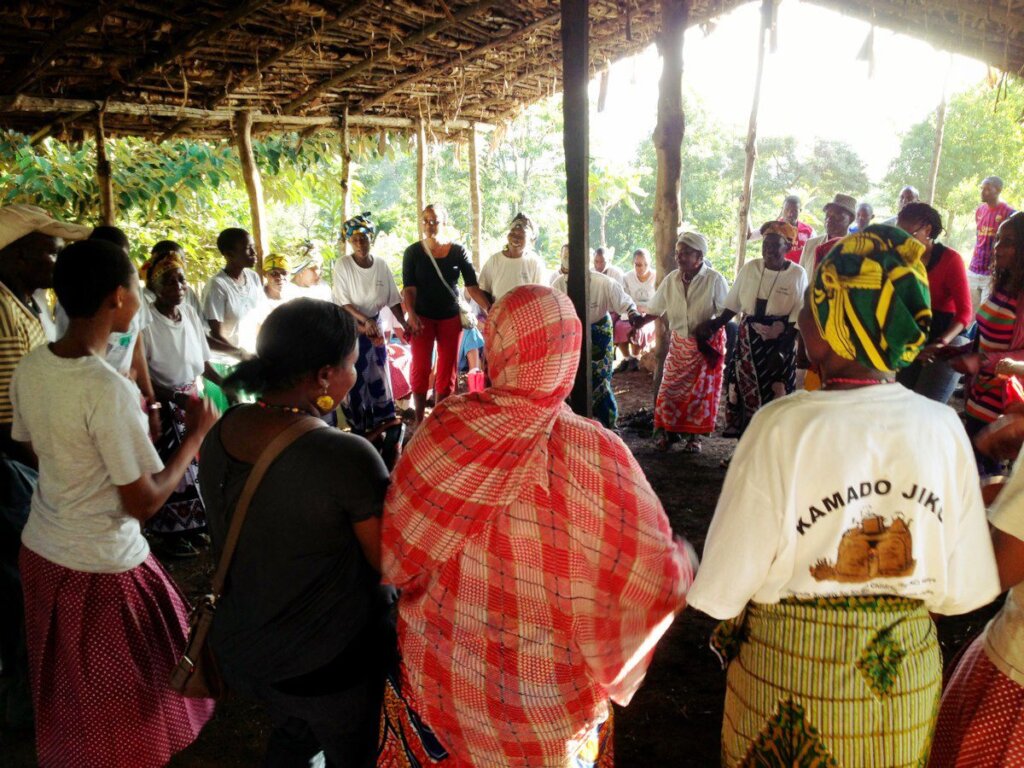
- Group Therapy & Social Integration: Collaborative farming projects and peer support groups foster a sense of belonging and emotional support.
Expected Outcomes & Impact
- Increased emotional resilience and reduced symptoms of anxiety and depression.
- Improved social skills and reintegration into community life.
- Enhanced self-sufficiency through vocational training.
- Strengthened ecological awareness and sustainable farming practices.
Challenges & Recommendations
- Challenge: Limited funding for expanding activities. Recommendation: Seek partnerships with local businesses and NGOs to secure grants and sponsorships.
- Challenge: Accessibility for individuals with mobility impairments. Recommendation: Invest in adaptive tools and infrastructure to ensure inclusivity.
- Challenge: Seasonal limitations affecting farm productivity. Recommendation: Implement greenhouse farming and alternative indoor agricultural techniques.
Conclusion The Care Farms Project has demonstrated significant benefits in trauma therapy and mental health recovery. Continued support and expansion of the initiative will enable more individuals to heal and thrive through nature-based interventions. By integrating therapeutic agriculture with mental health services, we can foster resilience, inclusion, and sustainable development within our communities.
![Share on Twitter]()
![Share on Facebook]()