By Cinzia De Santis | Executive Chair & Founder
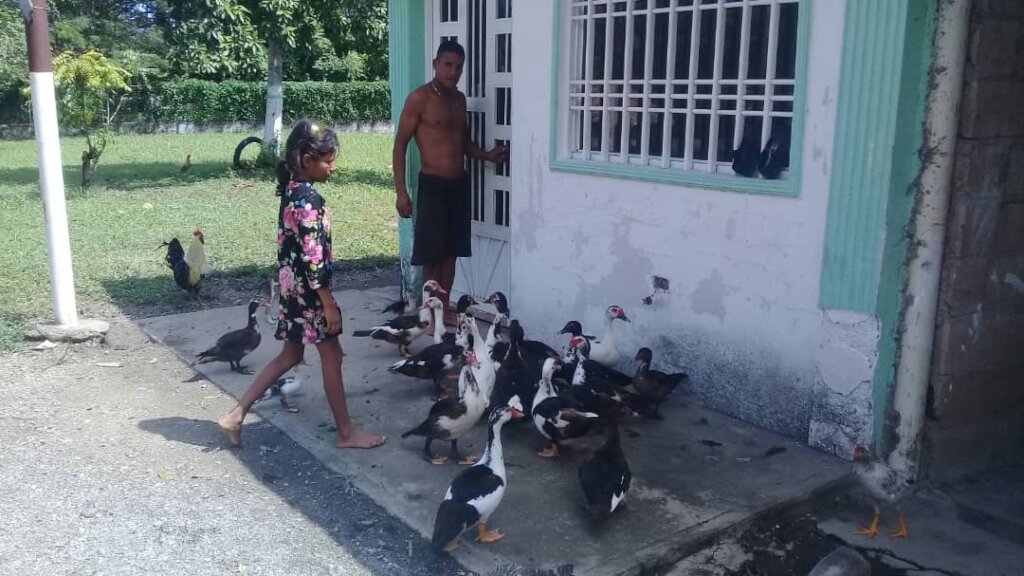
Introduction: This report summarises the progress and challenges of the poultry farming programme “Small Steps for a Better Future”, in Guaraunos, a village in Eastern Venezuela, which aims to support local farmers by providing training and resources for sustainable poultry farming.
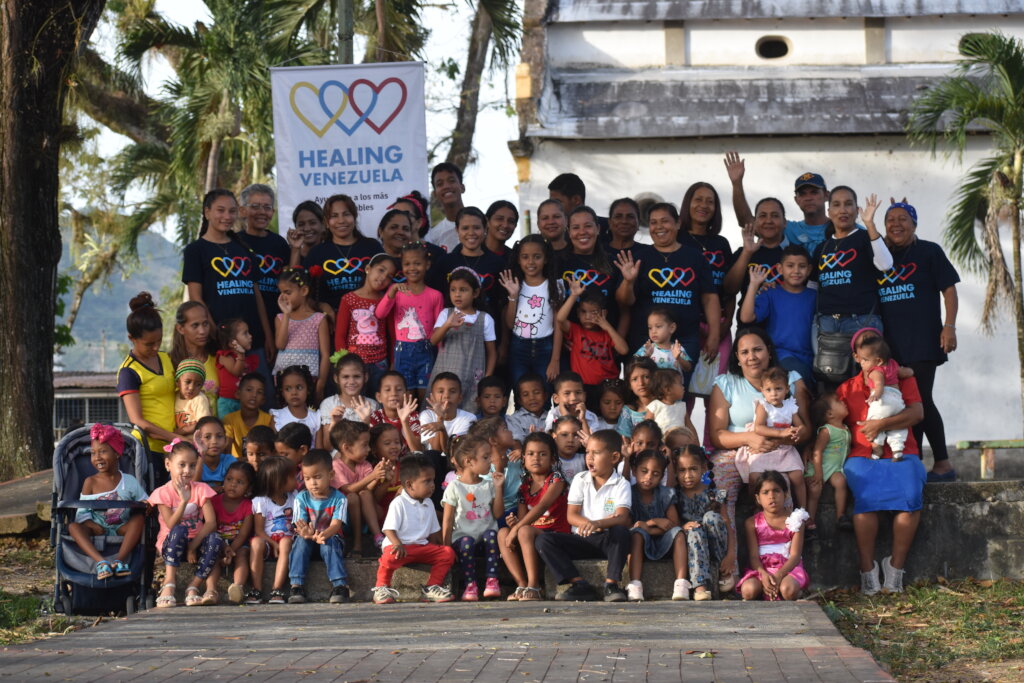
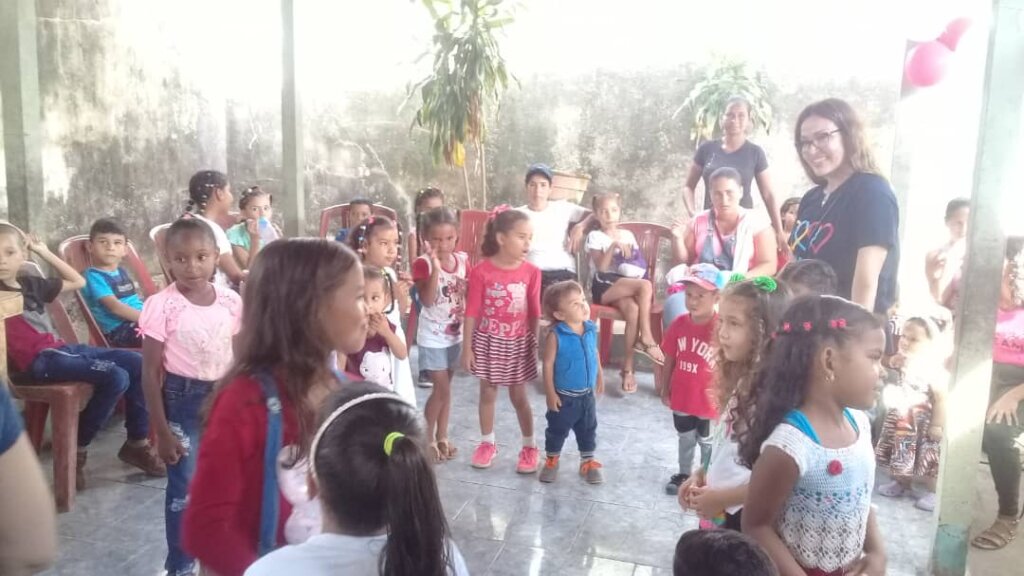
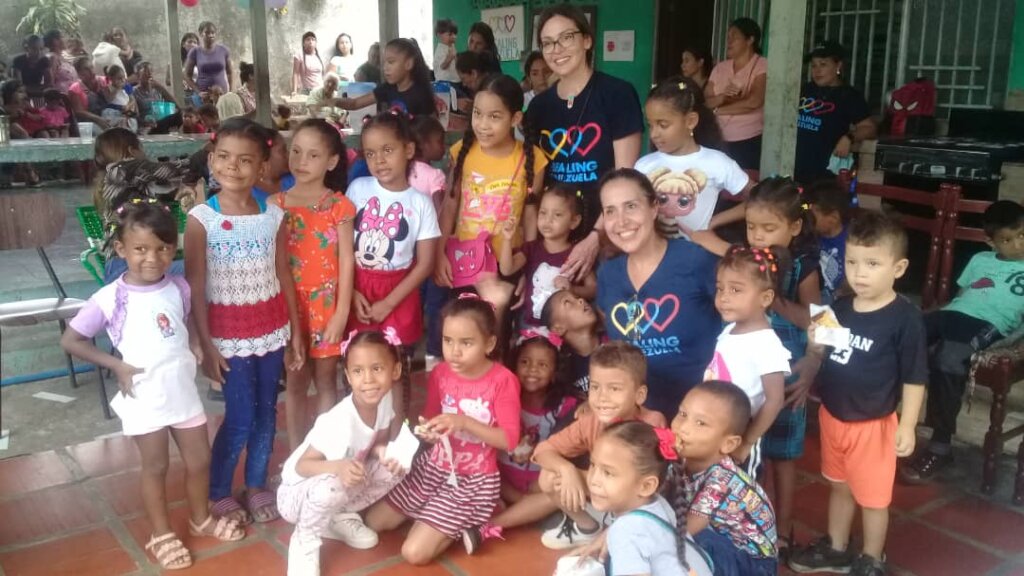
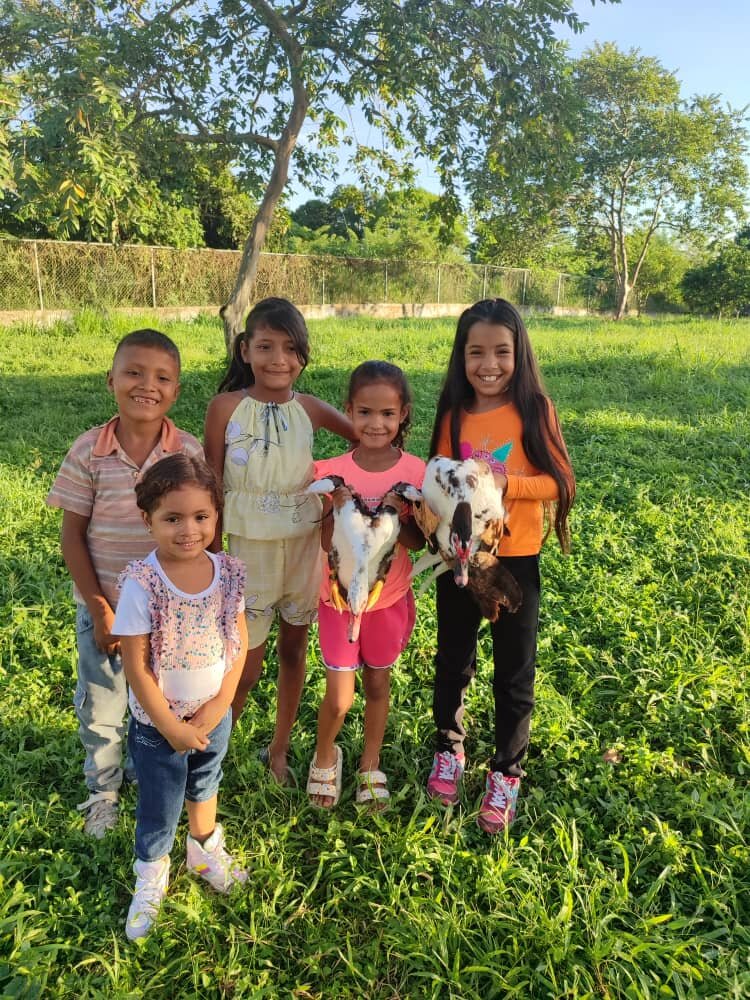
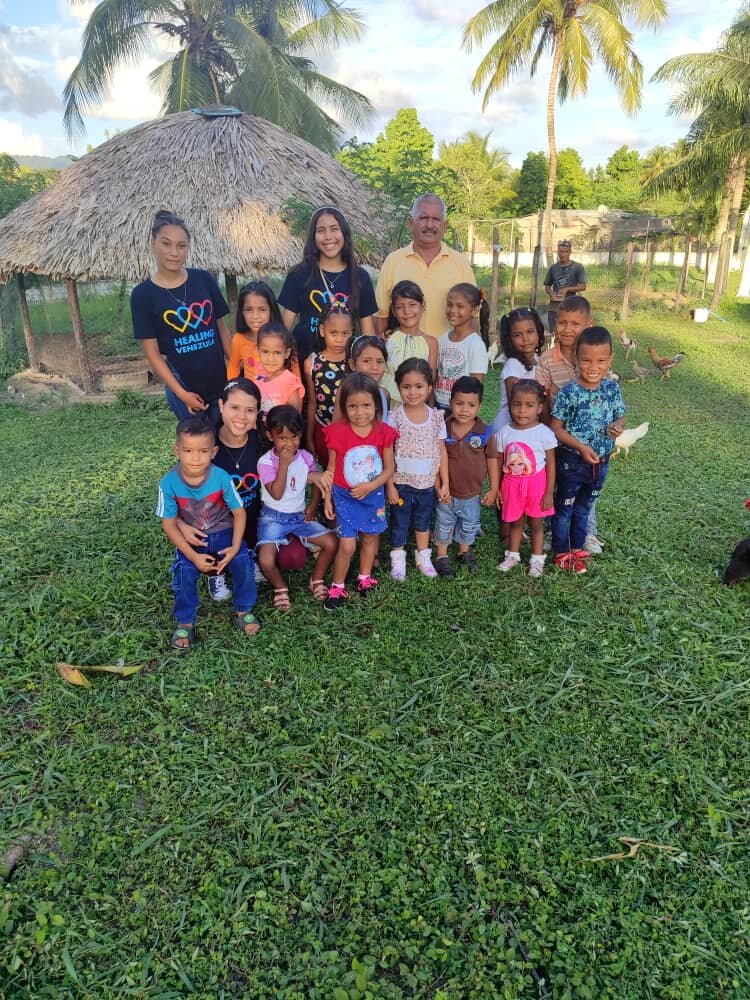
Background: During the last 5 years, Healing Venezuela has been working with the Guaraunos village delivering a Food Security Programme for 100 children at risk of malnourishment. Throughout this time, the villagers have demonstrated the willingness and commitment to organise themselves and to improve their circumstances so we decided to facilitate their journey to be self-sustainable.
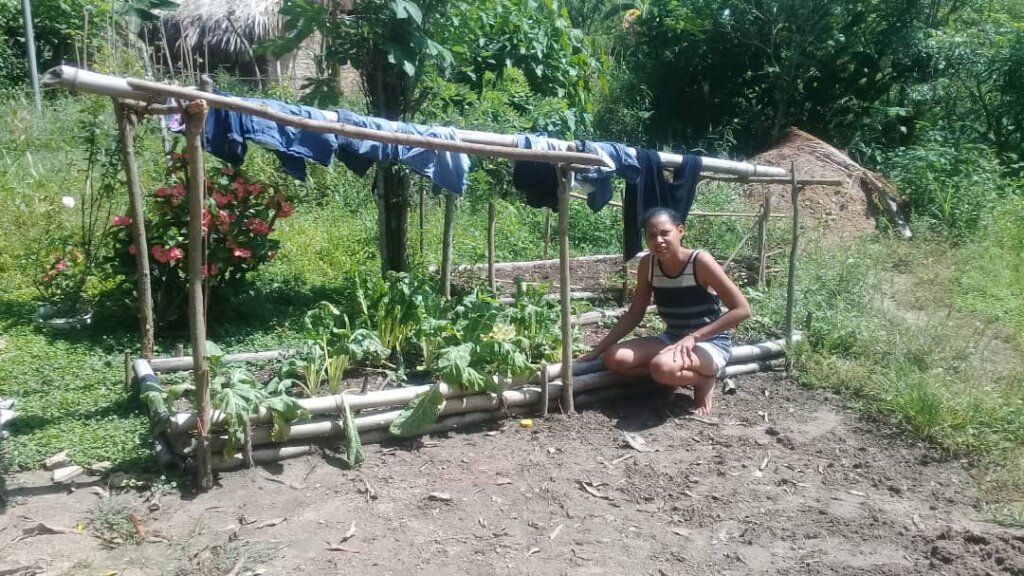
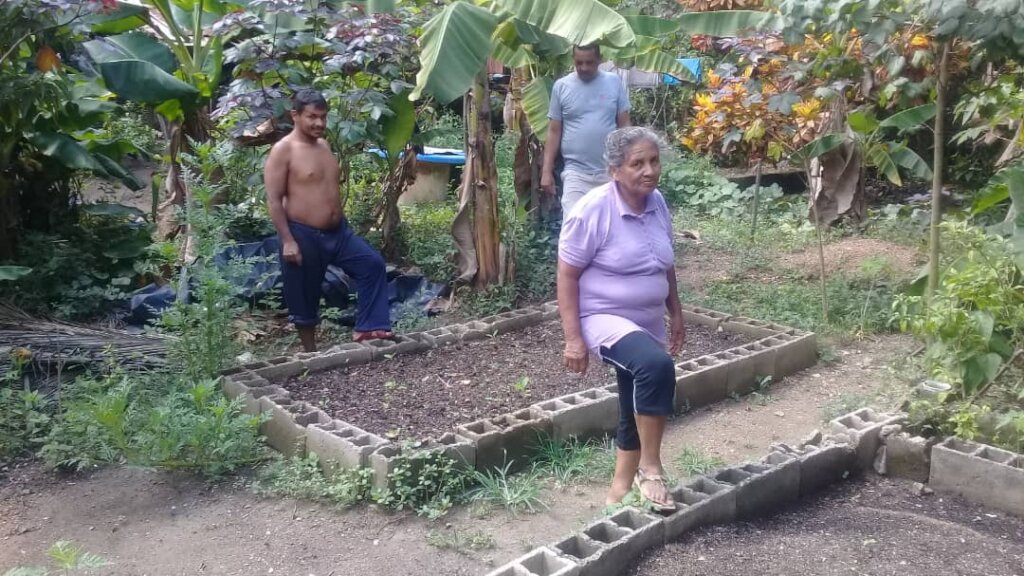
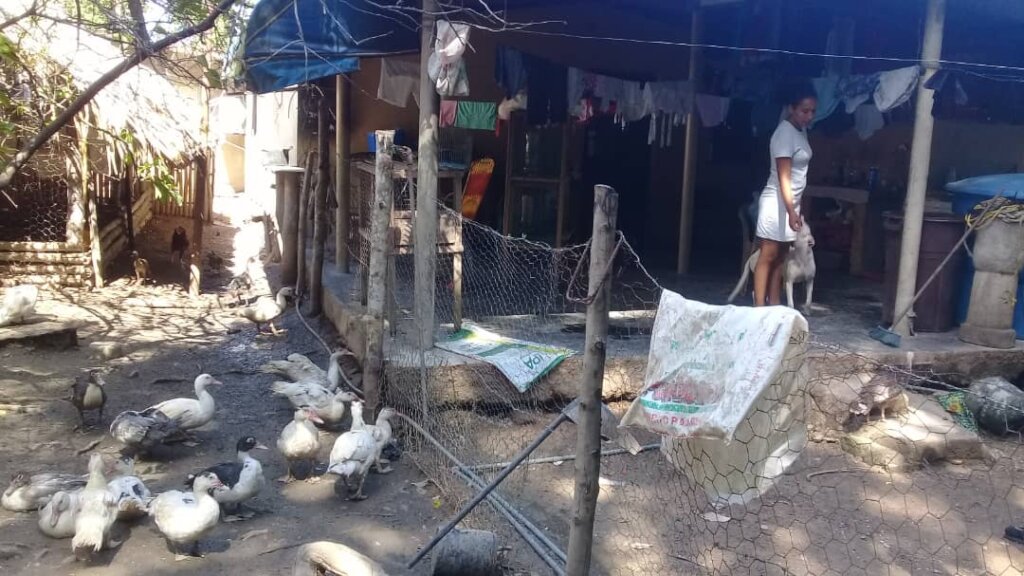
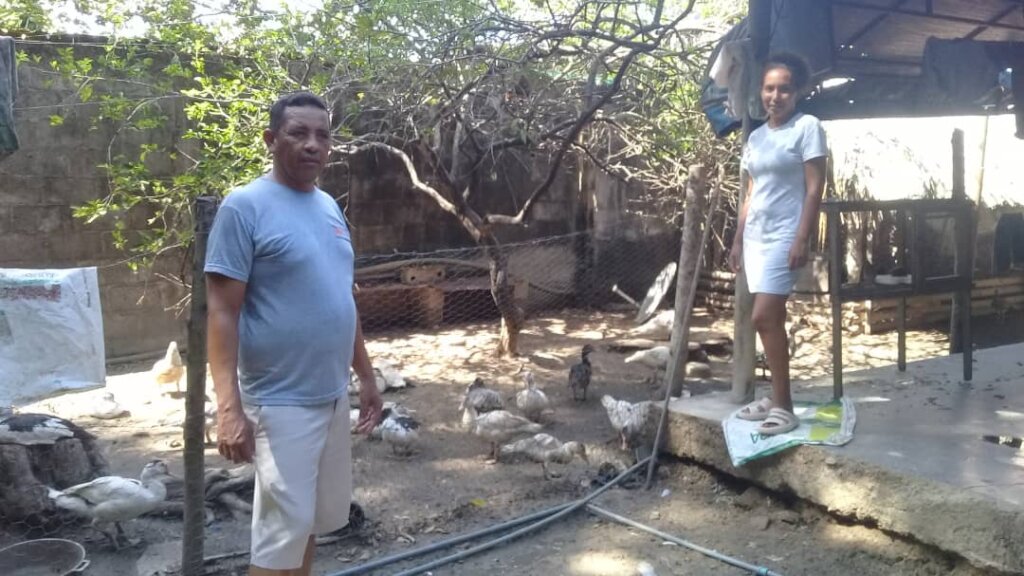
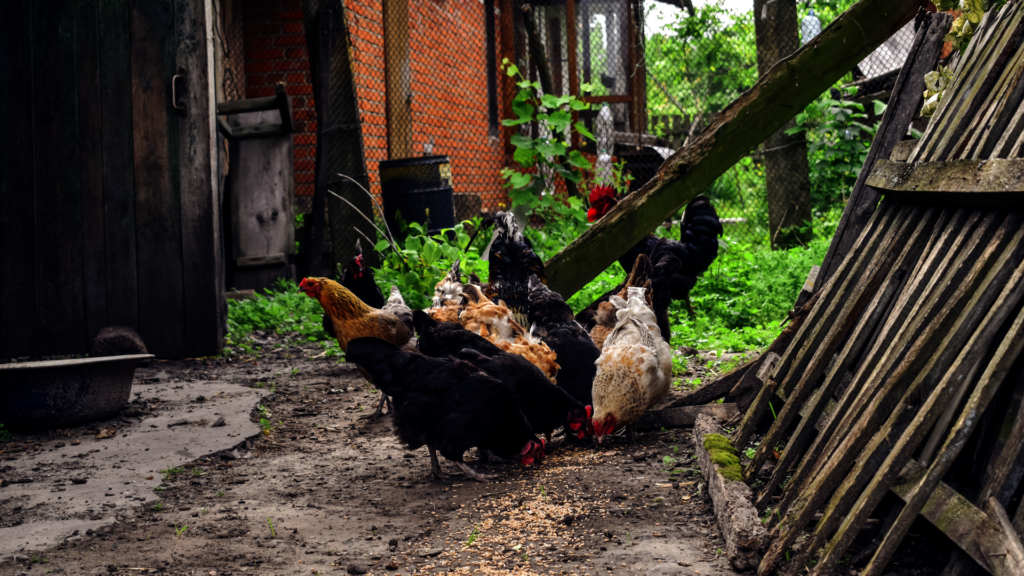
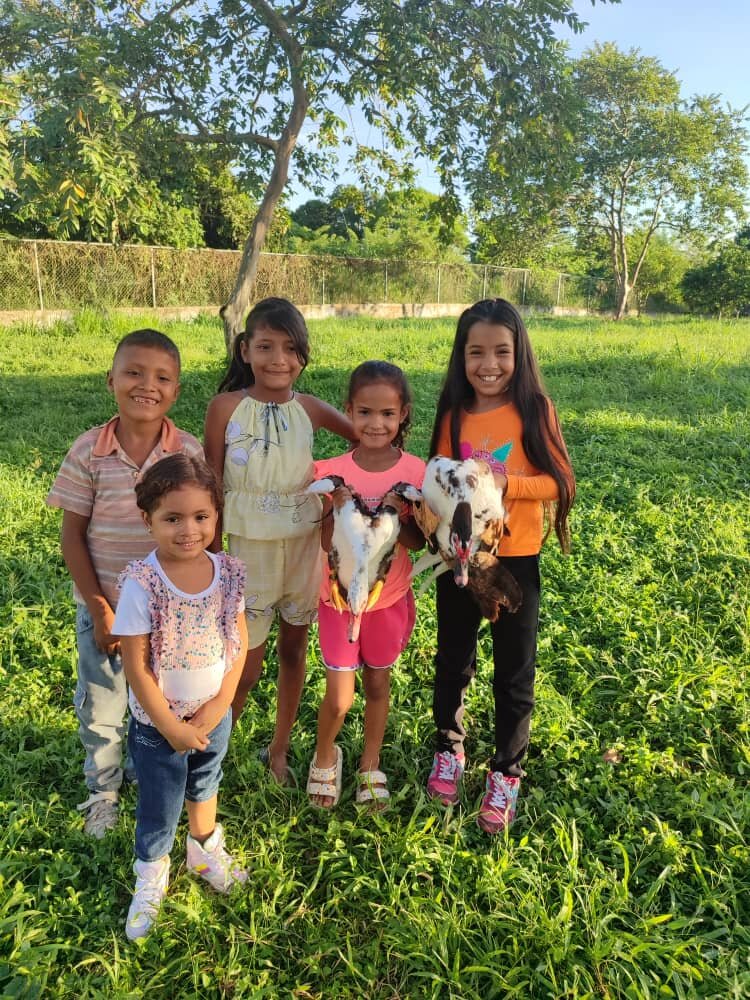
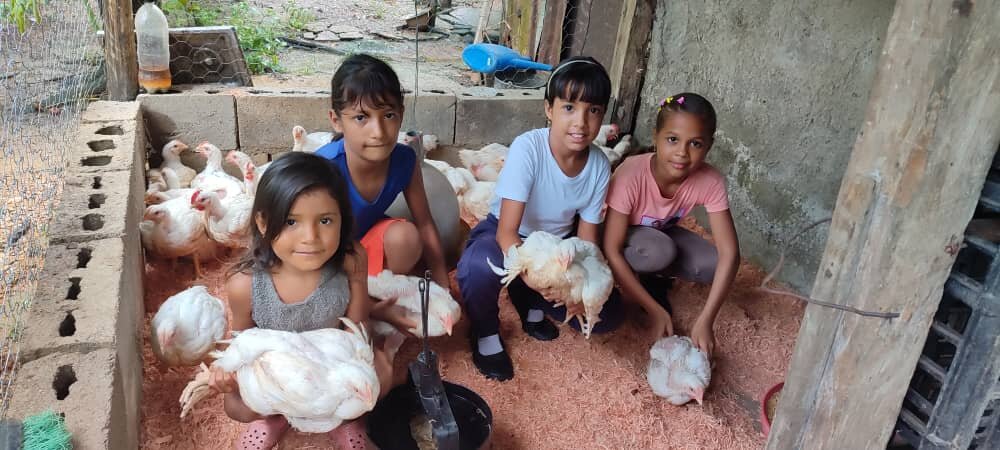
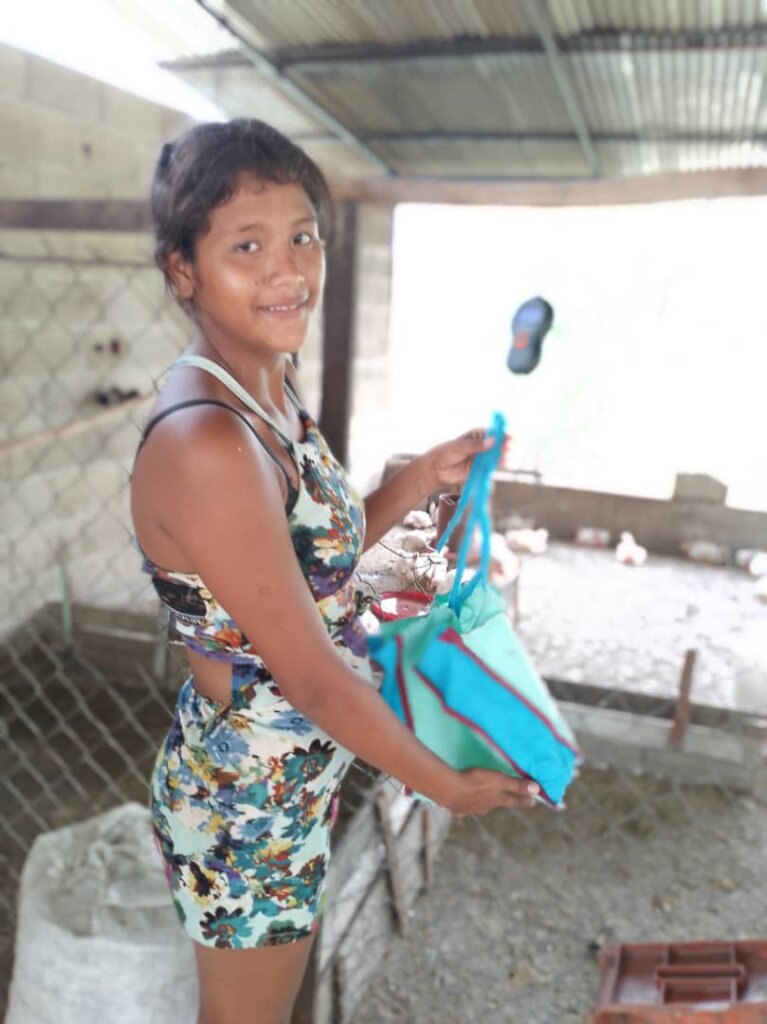
In parallel with the food programme, and with the support of many donors and GlobalGiving, since January 24, Healing Venezuela has been sponsoring a poultry micro-farms pilot with 5 low-income families. We chose this specific activity because of its success in other countries like India and to take advantage of the local expertise as in the village operates an agriculture technical school recently revamped by FAO.
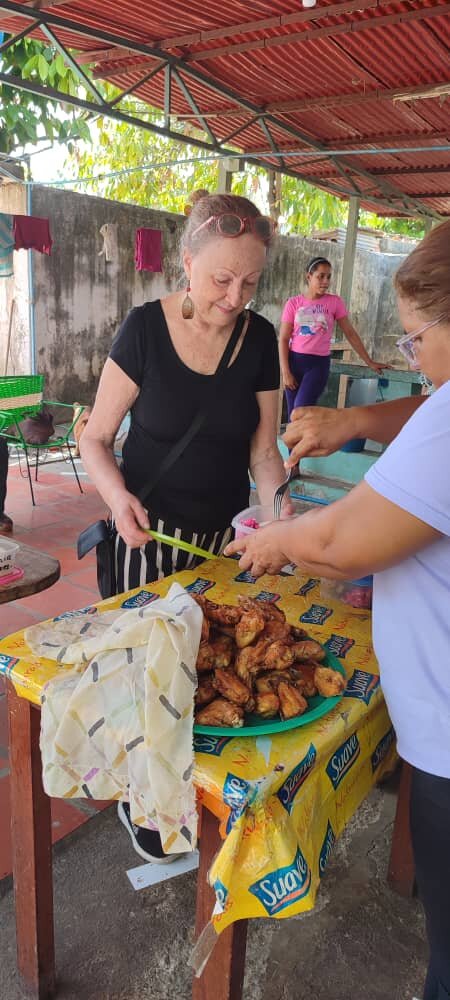
The scheme operates as a “loan” to the beneficiaries who repay the loan to Healing Venezuela with some of the farms' poultry meat to the food programme. To date, 425 kg of meat was given to the canteen, generating also a small income for the farmers. Over time, the programme should grow enough to become a sustainable model and the village will take charge of the children at risk.
How the programme works:
Phase 1. January - February ´24: Orientation and Training
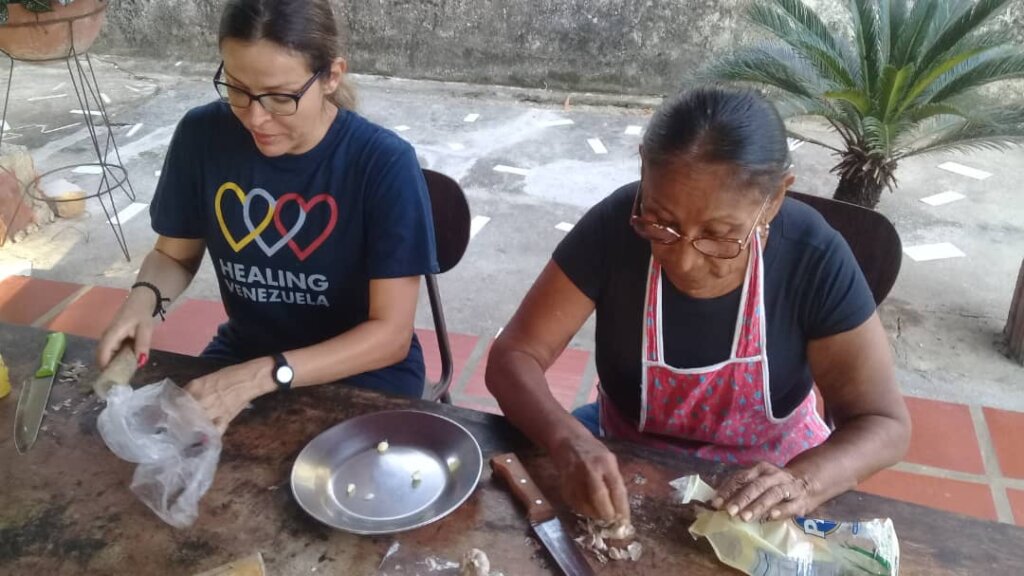
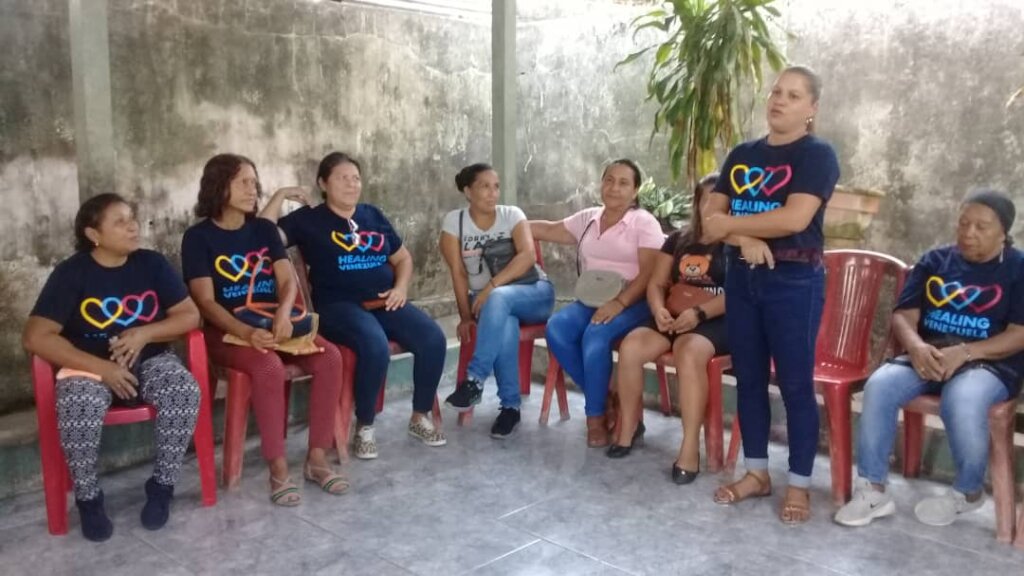
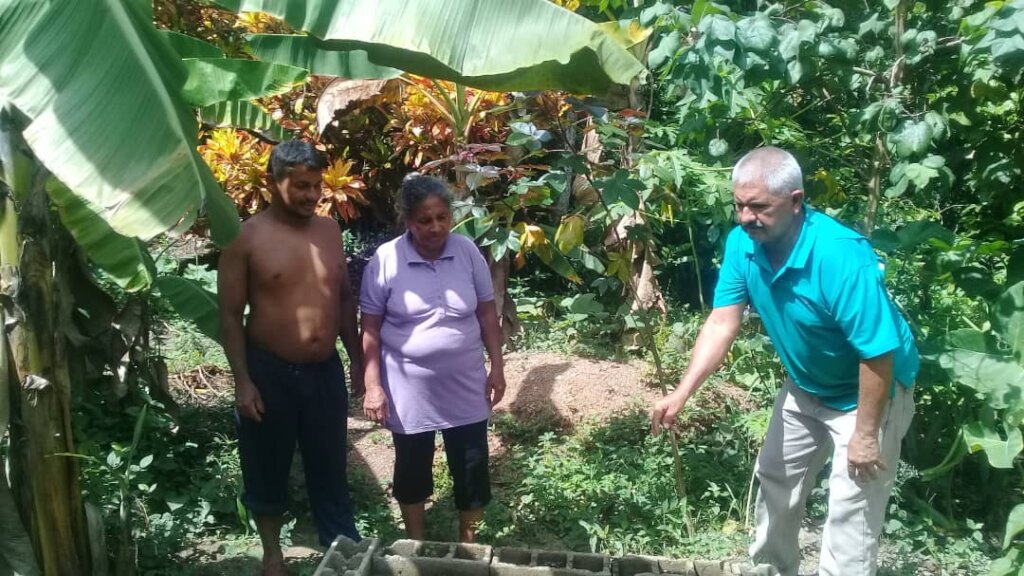
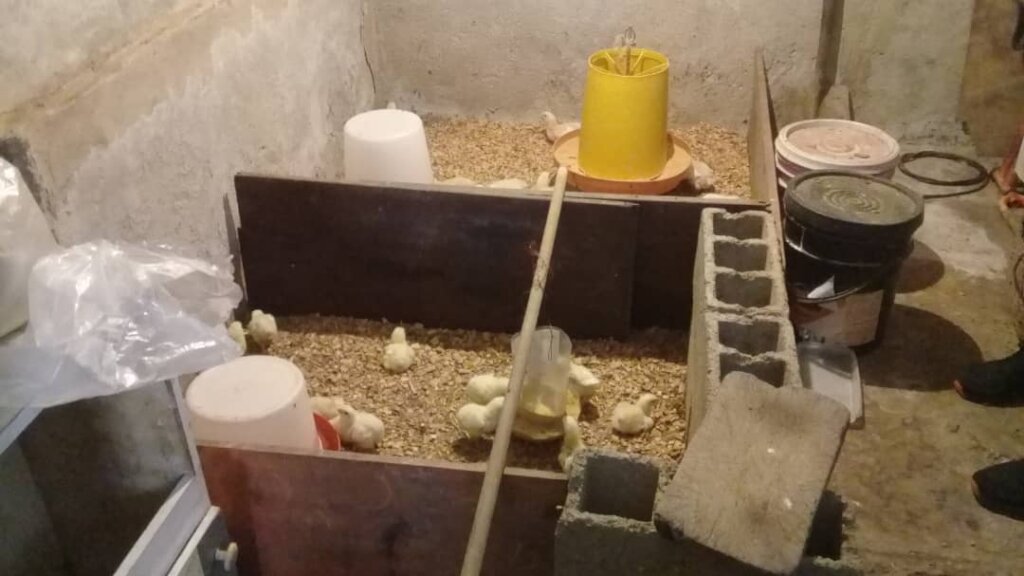
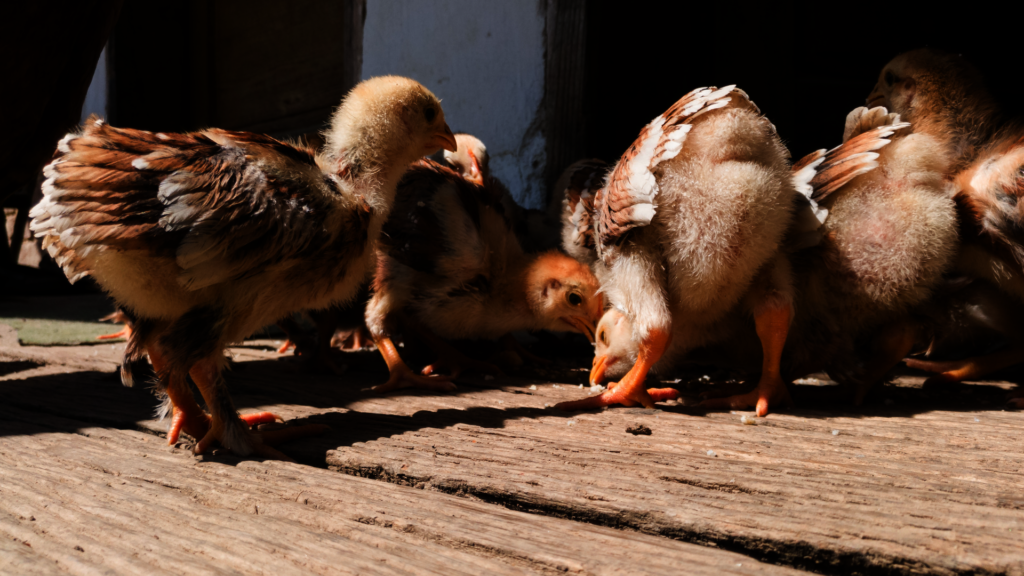
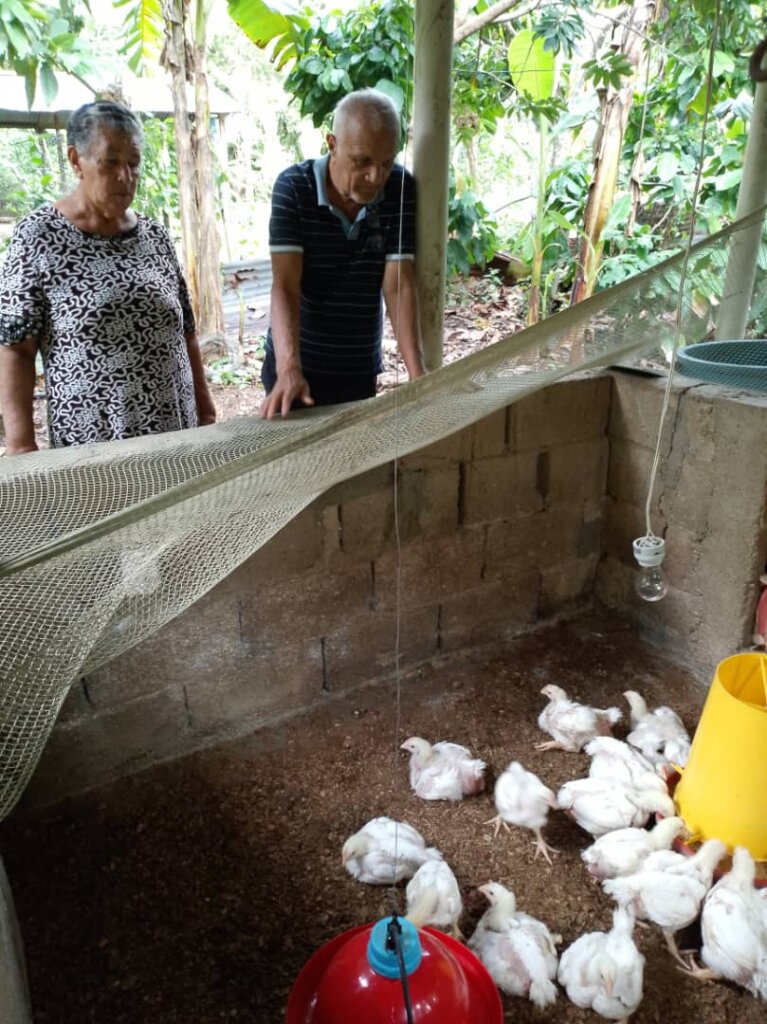
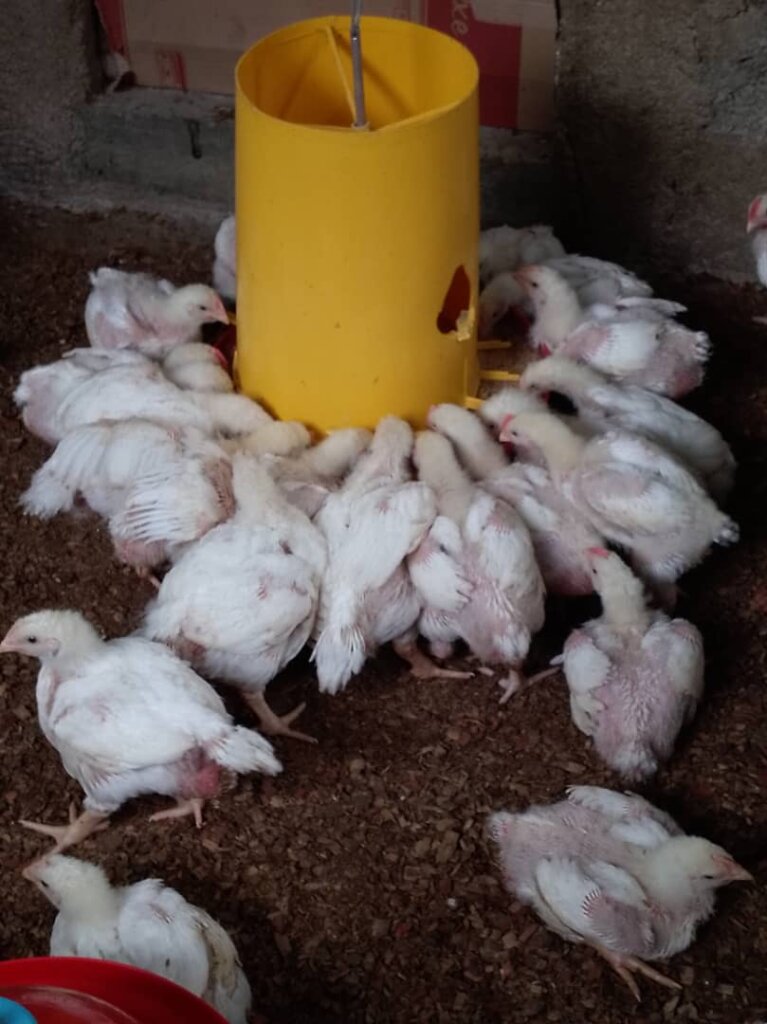
One of the initial steps in the programme was identifying those families who had the facility in their backyard to have a small poultry farm with 25 chicks. In December 2023, orientation sessions were organised for the beneficiaries which included meetings with an agriculture technician who explained the key topics for managing a micro business and more technical aspects of the process. Some of the topics covered, for example, included the importance of proper drinking for young chicks, temperature regulation, and feed management. Practical demonstrations and visits were also conducted to ensure that new farmers could apply these techniques effectively. Progress on this phase was reported on our previous progress update/
Phase 2. March - April ´24: Pilot Implementation
Healing Venezuela´s sponsorship included, apart from technical and business training, renewal of livestock plus feed, vaccines, vitamins, and other necessary supplies. To foster the local economy, supplies were purchased locally and delivered to farmers weekly to avoid storage and refrigeration issues because of inconsistent electricity. The programme started with 5 micro farms with the expectation that by the second half of the year, the farmers would have enough working capital to start their own businesses. By April, though, it was clear that the mortality rate of the chicks was much higher than expected and that some of the beneficiaries weren´t following the guidance given (for example, at what stage the poultry should have been sacrificed). Some of the initial beneficiaries retired from the programme, one for medical reasons and others because they couldn’t see an immediate benefit from the programme. These factors, plus the scarcity of supplies, forced us to pause the programme until we could find another way to finance it.
Phase 3. May - June ´24: Review and Assessment
After an in-depth review, and a visit from a volunteer based in Venezuela, it was agreed to restart under different premises and only after we understood how to solve the key challenges.
Challenges Identified: Several issues have impacted the programme's effectiveness. Below are named some of the few.
Positive Aspects: Despite a disappointing pilot phase, there were several positive outcomes from which we can build for the second phase.
Lessons Learned: The experience of the past six months has helped us to understand how can we move forward. The most important factor identified is that while remote and local support was provided, the specific challenges of the region require direct, closer on-site assistance from a third party to ensure programme sustainability. Future efforts will focus on:
Next Steps While the programme has faced significant challenges, there is a clear potential for success with improved management and support.
We are currently negotiating with NGOs on the ground to take control and supervision of the programme. This change will occur over the next three months.
Links:
Project reports on GlobalGiving are posted directly to globalgiving.org by Project Leaders as they are completed, generally every 3-4 months. To protect the integrity of these documents, GlobalGiving does not alter them; therefore you may find some language or formatting issues.
If you donate to this project or have donated to this project, you can receive an email when this project posts a report. You can also subscribe for reports without donating.