![]()
Initial Progress Report
Project Title: Skill Development and WASH Awareness for Community.
Implementing Organization: Women and Child Development Organization (WACD) Nepal
Supporting Partner: Women and Child Development Organization (WACD) USA INC
Fundraising Platform: GlobalGiving
Project Location:
- Banke District
- Bardiya District
Reporting Period: Initial Progress Update- March 2 to 14, 2026
1. Project Summary
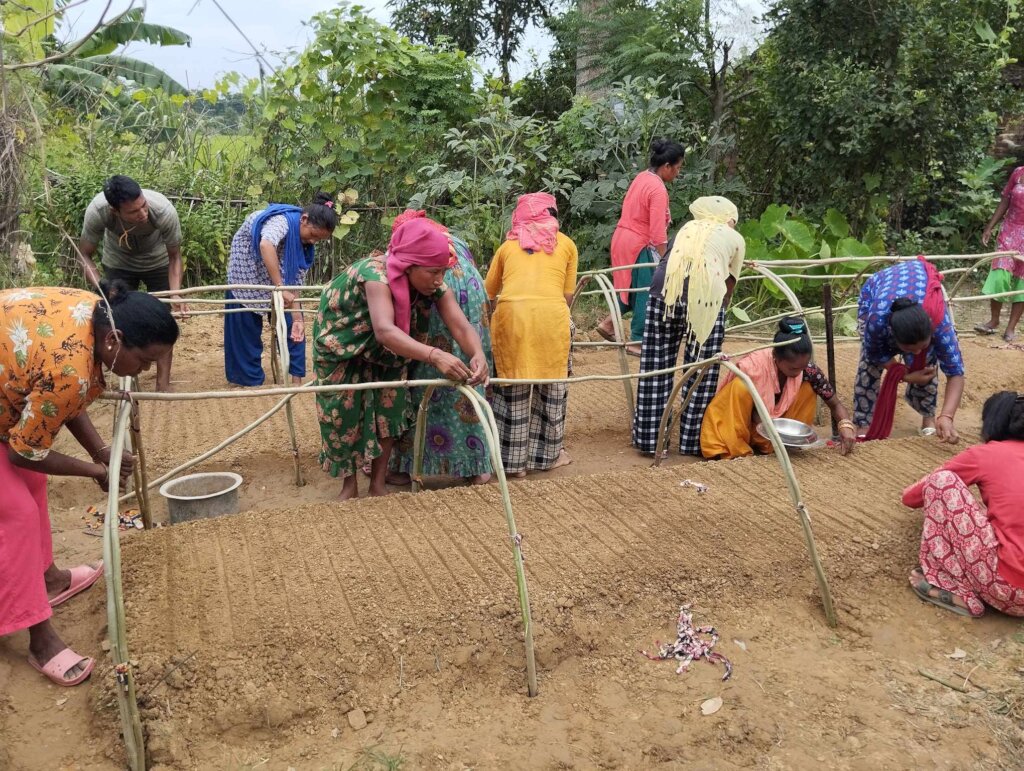
This project aims to improve the livelihoods and well-being of Tharu and marginalizedcommunities in Banke and Bardiya districts of Nepal. The initiative focuses on strengthening economic opportunities for women and improving community health through Water, Sanitation, and Hygiene (WASH) interventions.
Key planned interventions include:
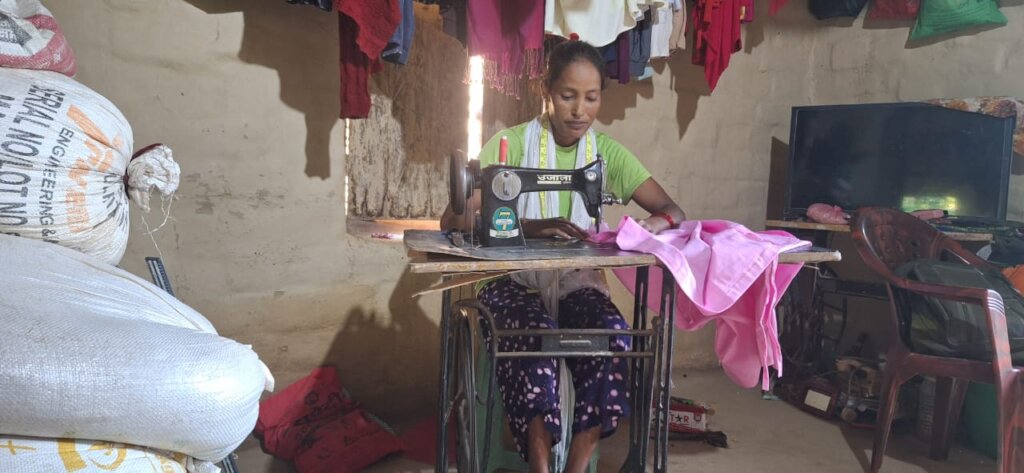
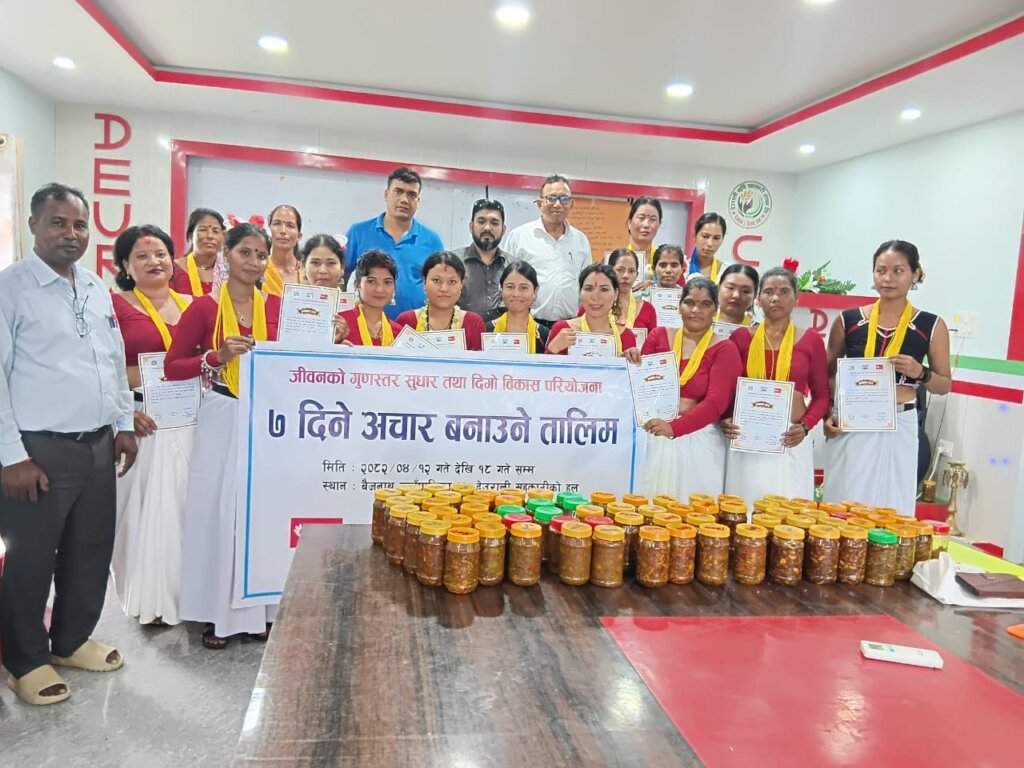
- Tailoring training for 30 marginalized women
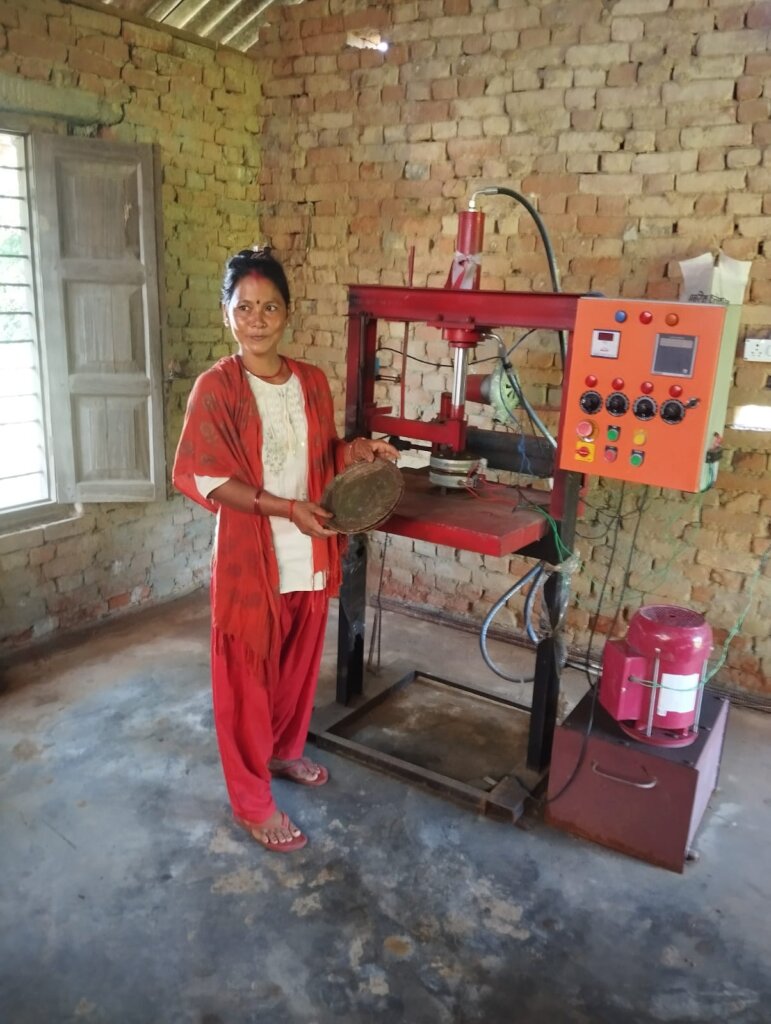
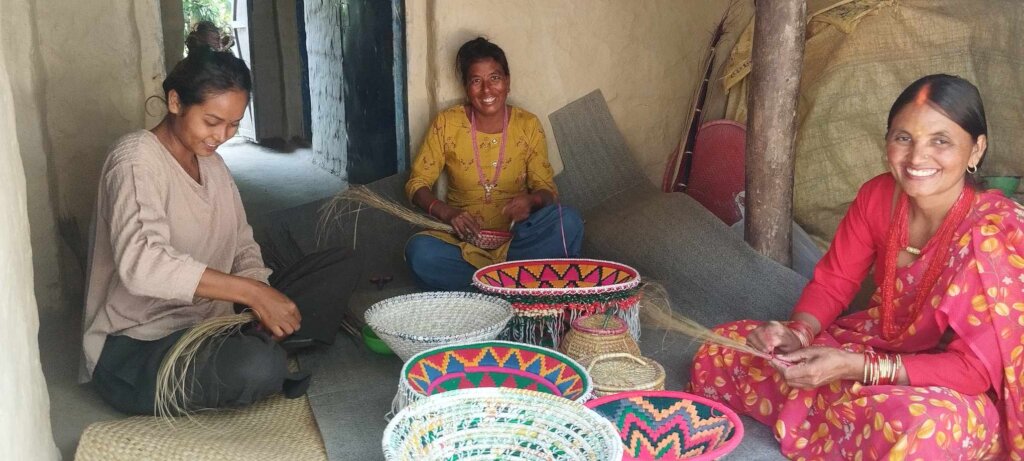
- Support for 31 women-led leaf plate enterprises
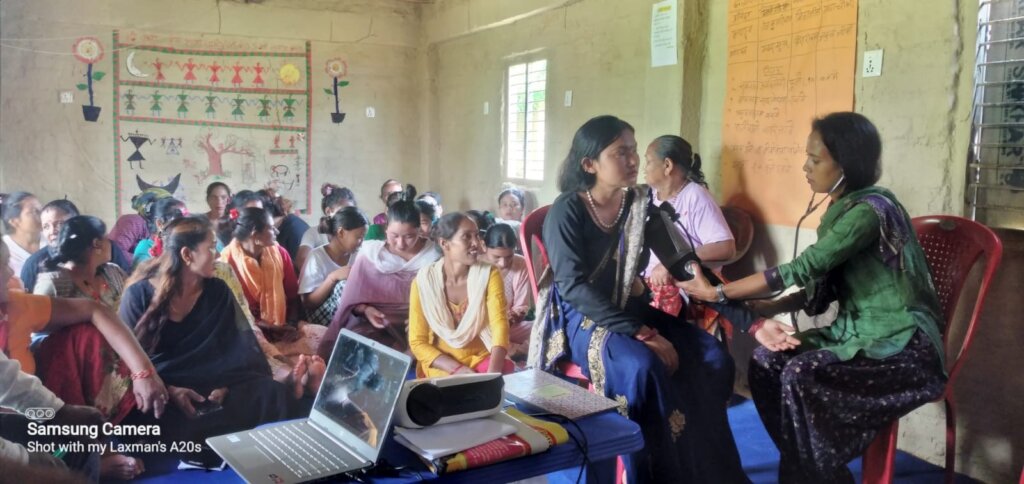
- WASH awareness and hygiene support for 62 community members
- Installation of 8 hand pumps to improve access to safe drinking water
- Distribution of waste management drums for 200 households
Through these activities, the project seeks to increase income opportunities, improve sanitation practices, reduce health risks, and promote sustainable community development rooted in self-reliance and dignity.
2. Fundraising Status
Total Fundraising Goal: $55,112
Total Raised So Far: $520
Total Received fund: $ 442 (March 2, 2026)
Remaining Amount: $54,592
Current Support:
- 2 donors
- 0 monthly donors
Although fundraising is still at an early stage, the project phase has been successfully launched and outreach efforts have started to mobilize supporters and partners.
3. Problem the Project Addresses
Agriculture remains the primary livelihood source for most families in Banke and Bardiya districts. However, several structural challenges continue to affect vulnerable communities, including:
- Fragmentation of agricultural land.
- Limited employment opportunities.
- Lack of alternative income-generating skills
- High unemployment among women.
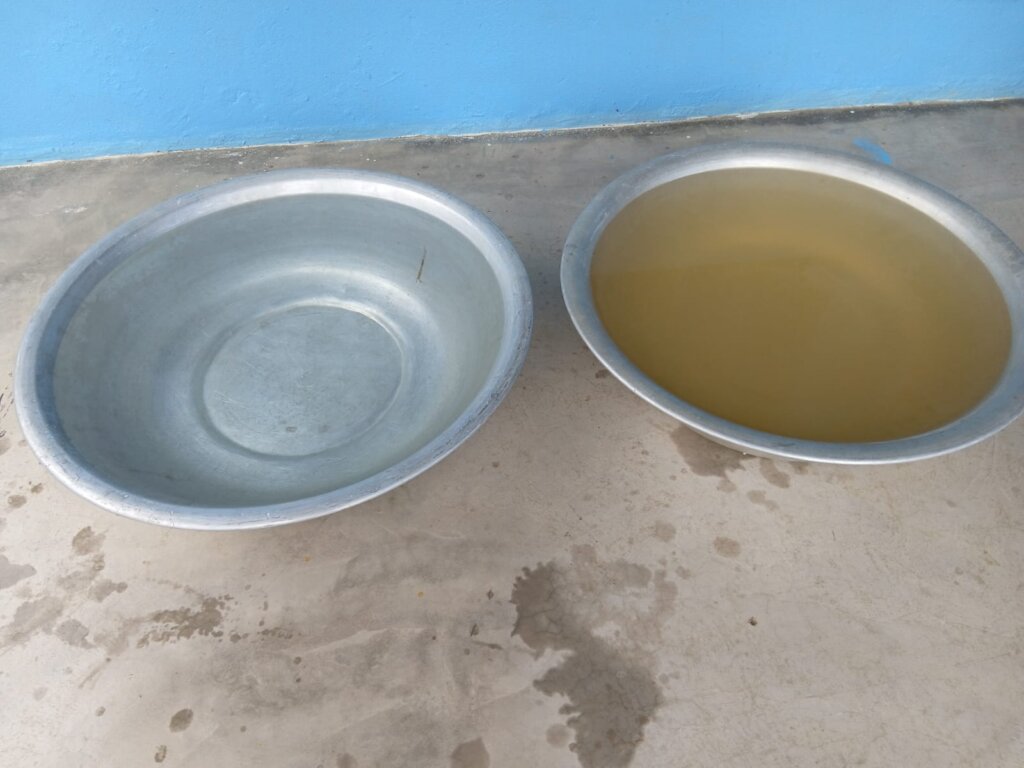
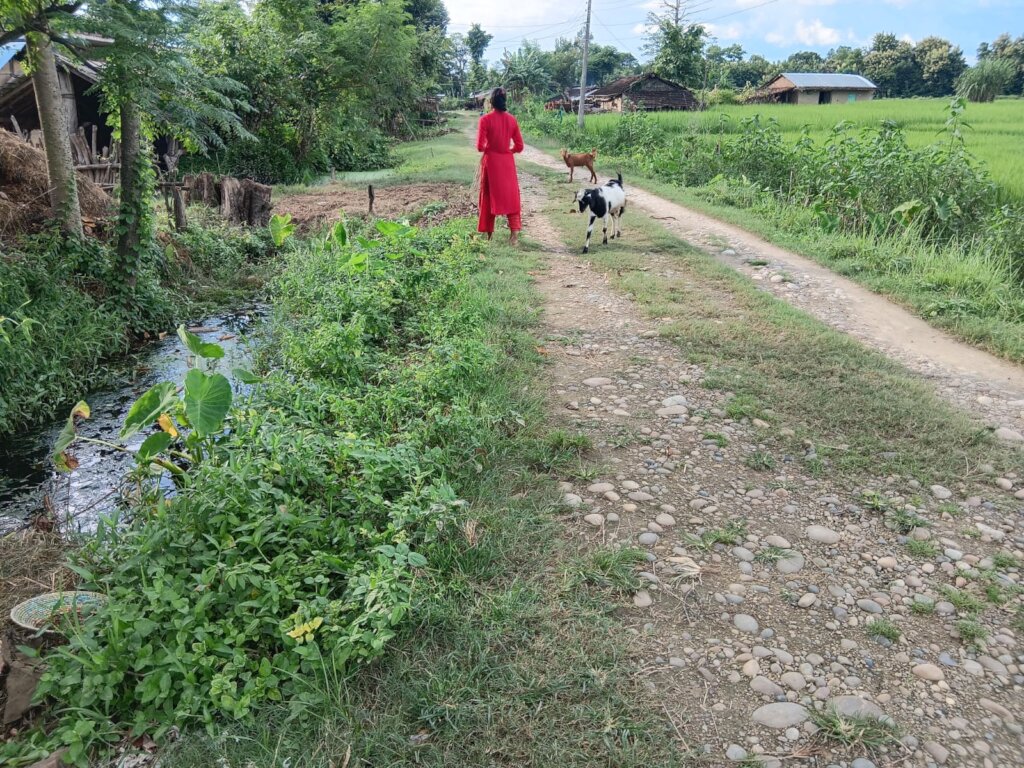
- Poor Water, Sanitation, and Hygiene (WASH) conditions.
These issues particularly affect Tharu communities and former Kamaiya families, many of whom are forced to depend on unstable wage labor or migrate for risky work opportunities. Poor sanitation and lack of clean water further increase health expenses and deepen poverty among already vulnerable households.
4. Project Approach and Planned Activities
To address these challenges, the project focuses on livelihood development and community health improvement through integrated interventions:
Livelihood Activities
- Provide tailoring skills training to 30 women to enable self-employment and income generation.
- Strengthen 31 women-led leaf plate enterprises to enhance production and market opportunities.
WASH Interventions
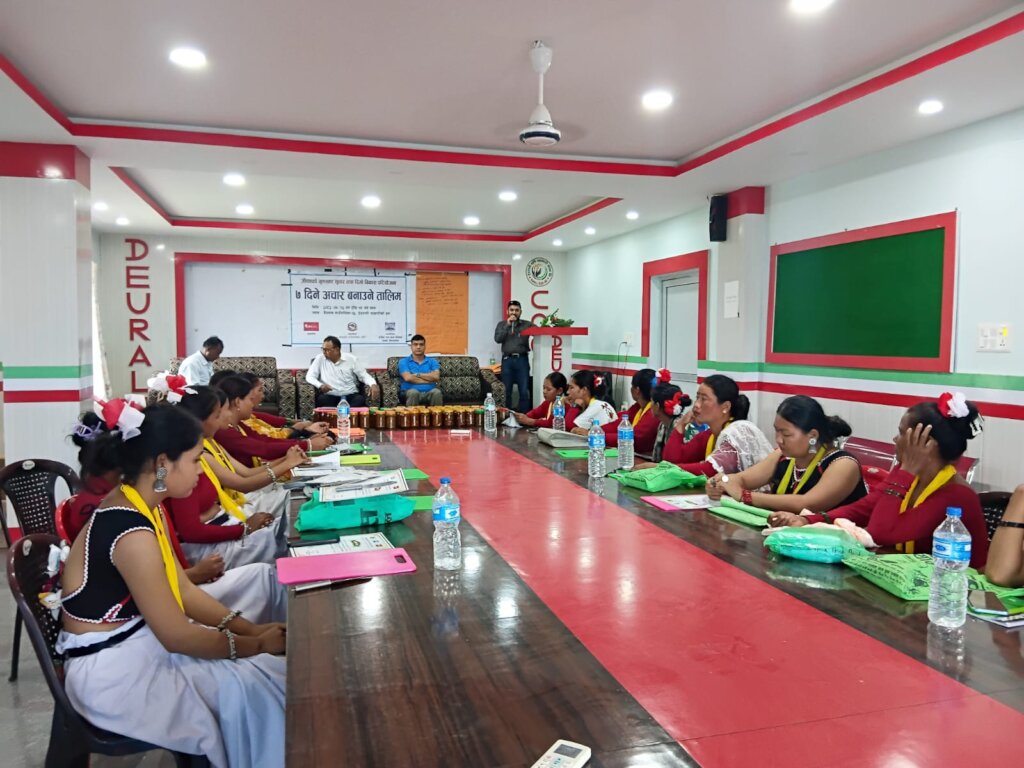
- Conduct Water, Sanitation, and Hygiene (WASH) awareness training for community members.
- Install 8 hand pumps to improve access to safe drinking water.
- Distribute waste management drums for 200 households to promote improved sanitation and environmental hygiene.
These interventions will strengthen local skills, promote entrepreneurship, and improve public health conditions within marginalized communities.
5. Expected Results
Once implemented, the project will benefit hundreds of individuals and families through:
- Increased income opportunities for women and youth
- Improved access to safe drinking water
- Better hygiene practices and sanitation management
- Strengthened women-led local enterprises
- Reduced economic vulnerability and migration risks
6. Long-Term Impact
The long-term vision of the project is to contribute to sustainable and inclusive development in marginalized communities.
Expected long-term outcomes include:
- Women and youth gaining sustainable livelihoods
- Reduction in unsafe labor migration
- Improved family income and financial stability
- Lower health expenses due to improved WASH practices
- Stronger community resilience and dignity
By empowering women, supporting local enterprises, and improving sanitation conditions, the project aims to break the cycle of poverty and create lasting opportunities for future generations.
7. Next Steps
During the next reporting period, the project team plans to:
- Continue fundraising and donor engagement
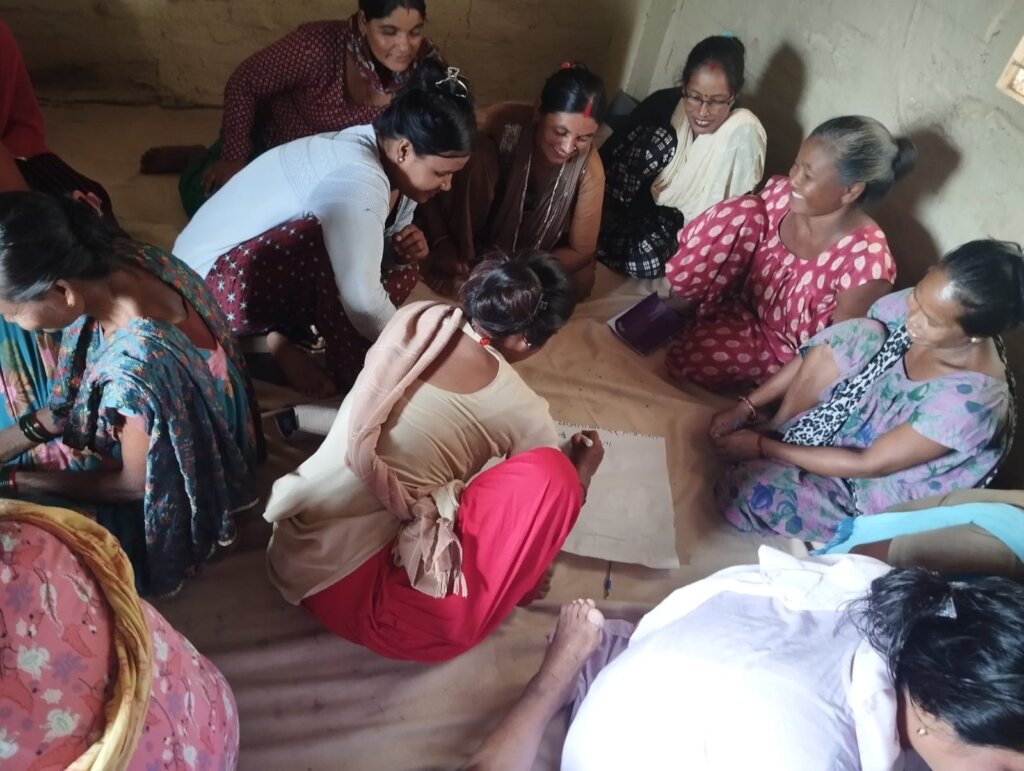
- Begin community mobilization and beneficiary selection
- Initiate tailoring training preparation
- Coordinate with local stakeholders for WASH infrastructure installation
WACD Nepal remains committed to ensuring transparent implementation and will continue to share updates with supporters through the GlobalGiving platform.
Links:
![Share on Twitter]()
![Share on Facebook]()