By Chi Nguyen | In-The-Field Representative
This report is written by Chi Nguyen, our In-the-Field Traveler for Southern Africa. Chi will be traveling throughout the nine countries of Southern Africa for six months during the first half of 2014, visiting and assisting our current non-profit organization partners.
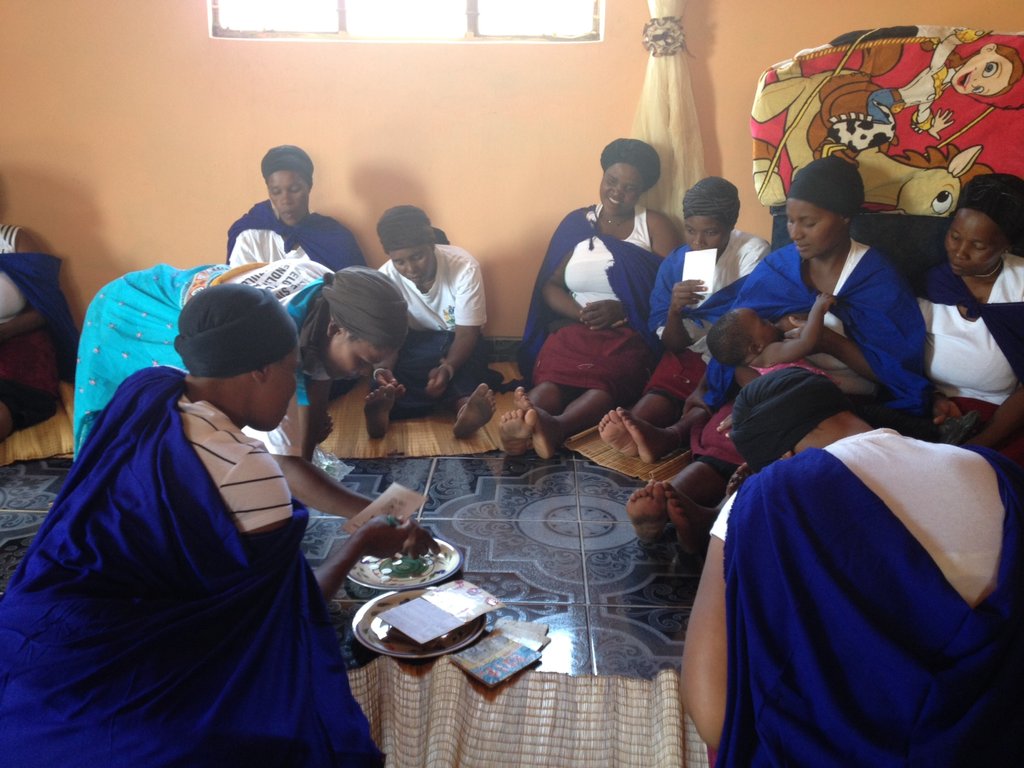
Fourteen women in knee-length skirts, white shirts, and blue throwovers gathered together in a rondavel in a homestead three hours outside of Durban, in rural South Africa. They pass a dish around the half-circle they have formed, each of them adding 2 Rand (the equivalent of $0.19 in US currency) to the pot and passing the dish on. Once they have all contributed their dues, they proceed with the meeting, going through the agenda and marking in their personal notebooks as well as the group notebook of Minutes. They discuss and document who has loaned what amount, who has repaid their loans, and who has yet to repay their loans. They go over what each individual has accomplished as well as what progress has been made in current projects. It is a very clear and patterned yet empowering process and model.
Every week, each woman in an SHG contributes a certain amount (the starting rate usually being R2.00), thereby creating a pot of money that any woman in the group can loan from. The interest rate on a loan is 10%, so the pot is always growing. Through this, they are able to fund their small businesses, family needs (food, emergencies, burials), home repairs, and more. This model teaches them how to manage money and how to invest. It uses community pressure for accountability, and builds a community between the 15-20 women in the group. Some SHGs have taken the concept of building a strong community to heart, even going insofar as building a rule into their group, stating that if one woman in the group were to have a family member pass away, each fellow SHG member would contribute a certain amount (e.g. 50 Rand) as well as personal services to support their fellow SHG member through her family's difficult time. In addition to providing the women with a place to turn to should they ever need reprieve from or support through from family troubles of any sort (a death in the family, a sick child, or domestic abuse), they've been highly successful in a number of things, including the notable triumph of lobbying the government to build a bridge over a dangerous river that has led to several accidents in the community in the past.
This river had a history of burdening the entire community of kwaMaphumulo. Many community members crossed this river on a daily basis - women and men to go to work, children to attend school. It flooded for weeks at a time every year, causing children who attempted to cross the river to lose their schoolbooks and women and men to lose their wallets and personal items. In some severe cases, the powerful current of the flooding river had even succeeded in washing out individuals themselves. The women of SHG groups in the area finally decided that enough was enough, and they had to do something about it. They all banded together and with their numbers and persistence, lobbied the government to build a bridge over a river, thereby conquering the obstacles they encountered every year due to the flooding of the river. Today, the kwaMaphumulo bridge stands as a proud example of the possibilties and opportunities behind the SHG model.
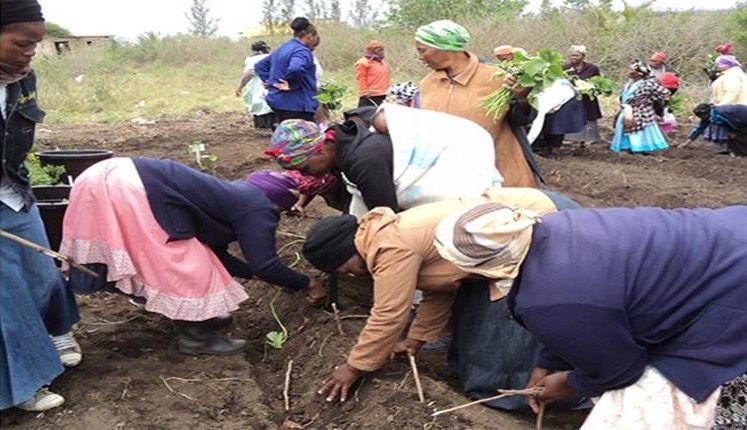
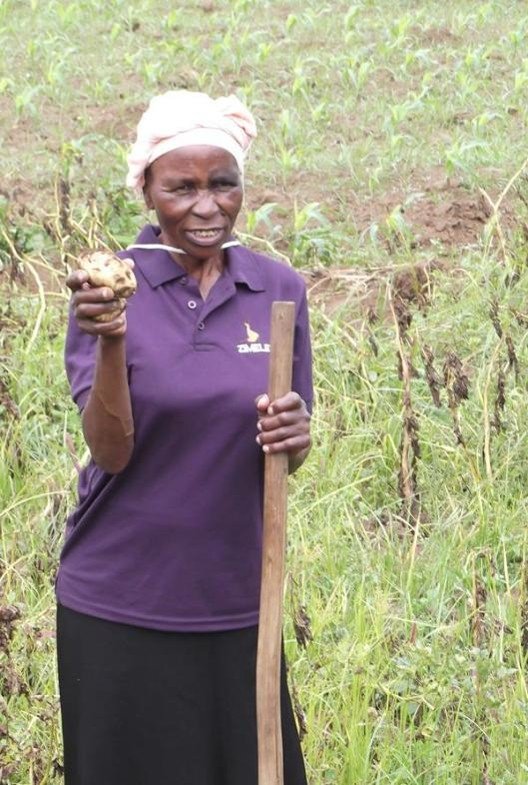
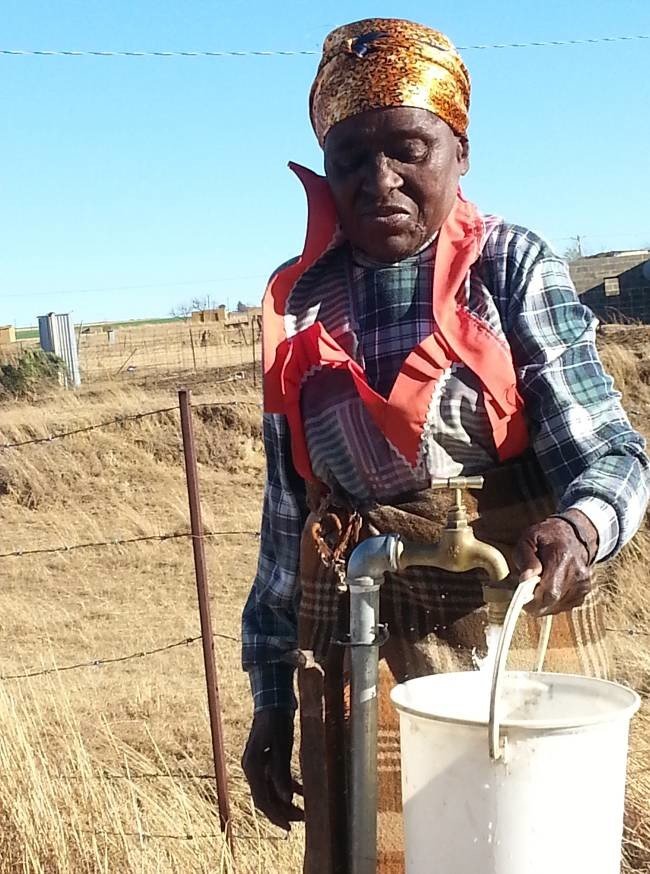
Sinamandla's self-sustainable model is truly remarkable, and it was an absolute privilege to be able to witness it firsthand, to see the before and after effects of a loan made from an SHG. We were able to witness the success of two women in building their own houses, thereby improving the lives of their family and their living standards. This is a common occurence in successful SHGs - countless women of SHGs have been able to build their own houses, provide care for vulnerable children, start water projects to benefit the entire community, intiate their own businesses, and accomplish a variety of things that they had never before thought possible. Today, Sinamandla now has almost 13,000 households involved in SHGs, empowering women to take the needs of the community into their own hands with every passing day.
There cannot be enough good things said about the Self-Help Group model, a model that discourages reliance on external forces and encourages self-reliance from Day One. Sinamandla's mission is to place the power in the members of the community, reducing stress through the creation of a supportive community and boosting self-confidence through a sense of ownership... And as I looked at the faces of every woman in the room, I knew this to be true. As Phil said, "The message that it (Sinamandla) sends out to the community is, 'We can do it ourselves.'"
By Phil Donnell | Funding Manager
By Phil Donnell | Funding Manager
Project reports on GlobalGiving are posted directly to globalgiving.org by Project Leaders as they are completed, generally every 3-4 months. To protect the integrity of these documents, GlobalGiving does not alter them; therefore you may find some language or formatting issues.
If you donate to this project or have donated to this project, you can receive an email when this project posts a report. You can also subscribe for reports without donating.