The School for Peace

by American Friends of Neve Shalom/Wahat al-Salam
The School for Peace

Project Report | Feb 2, 2026
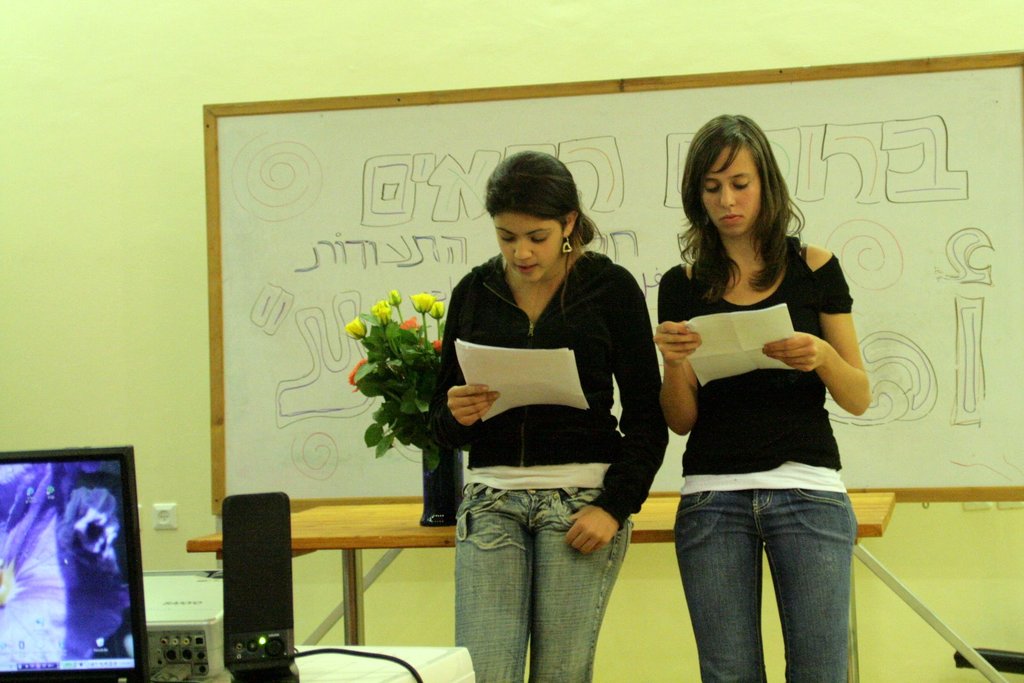
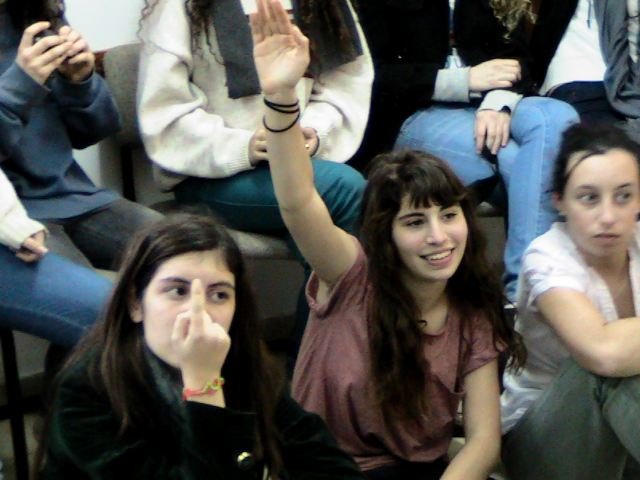
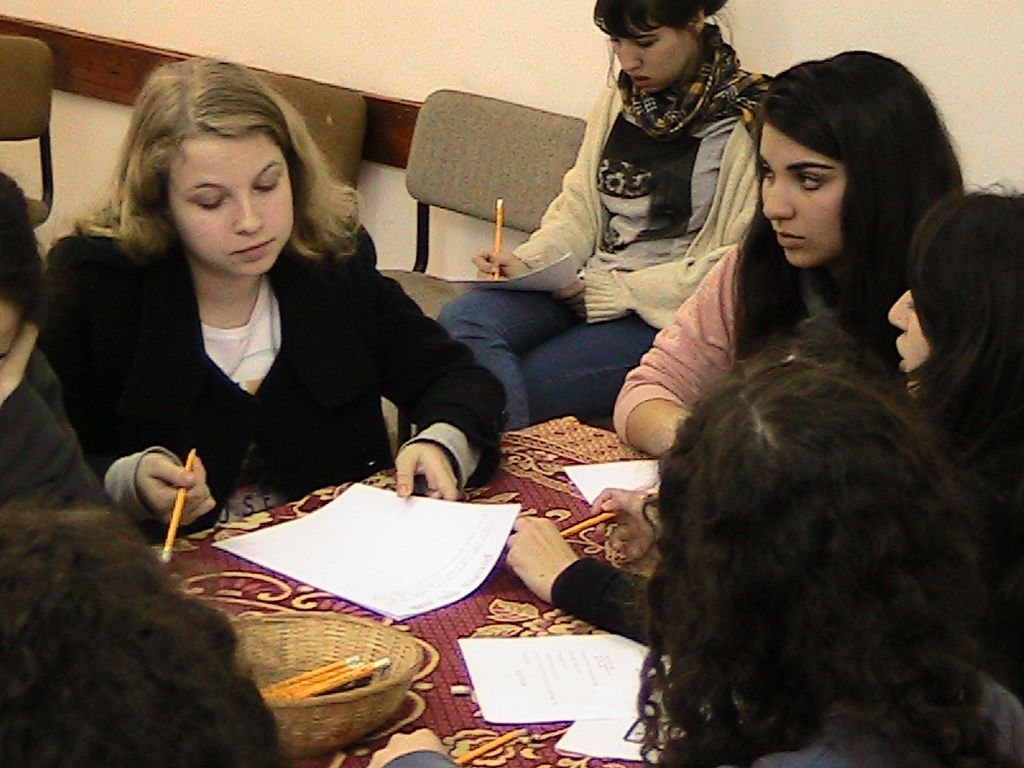
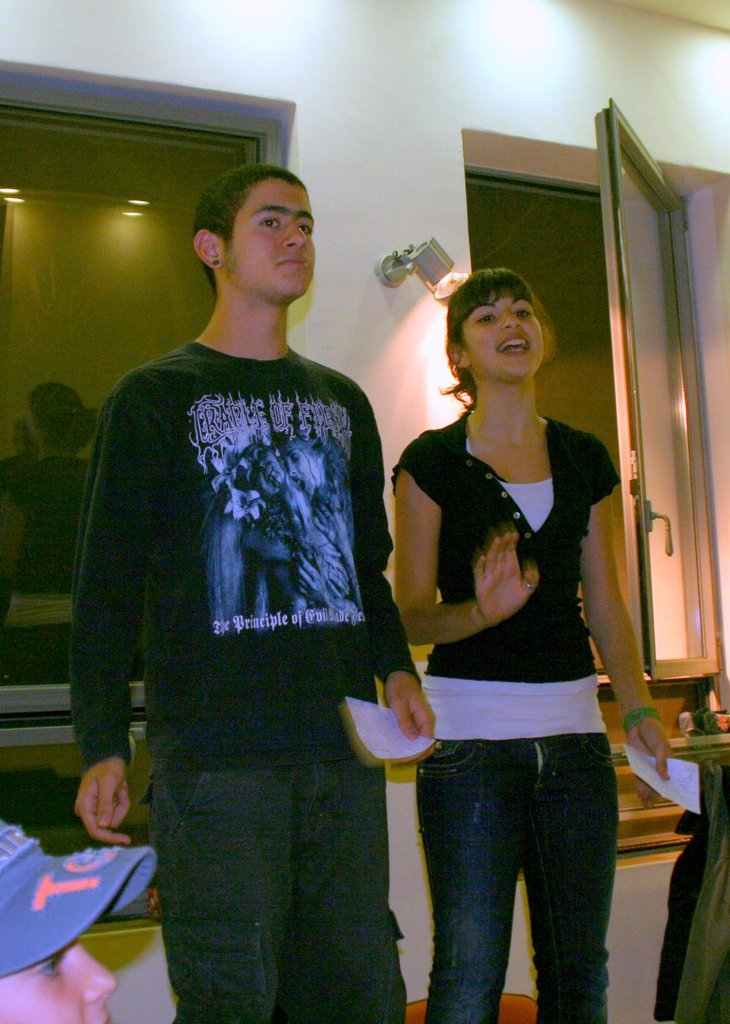
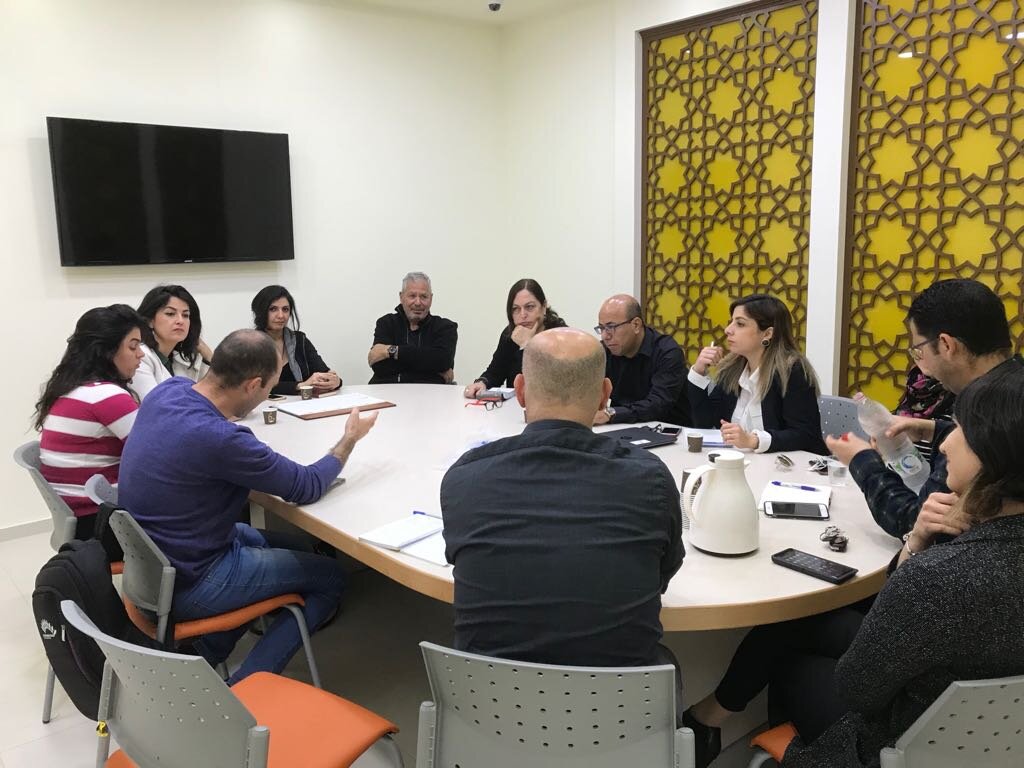
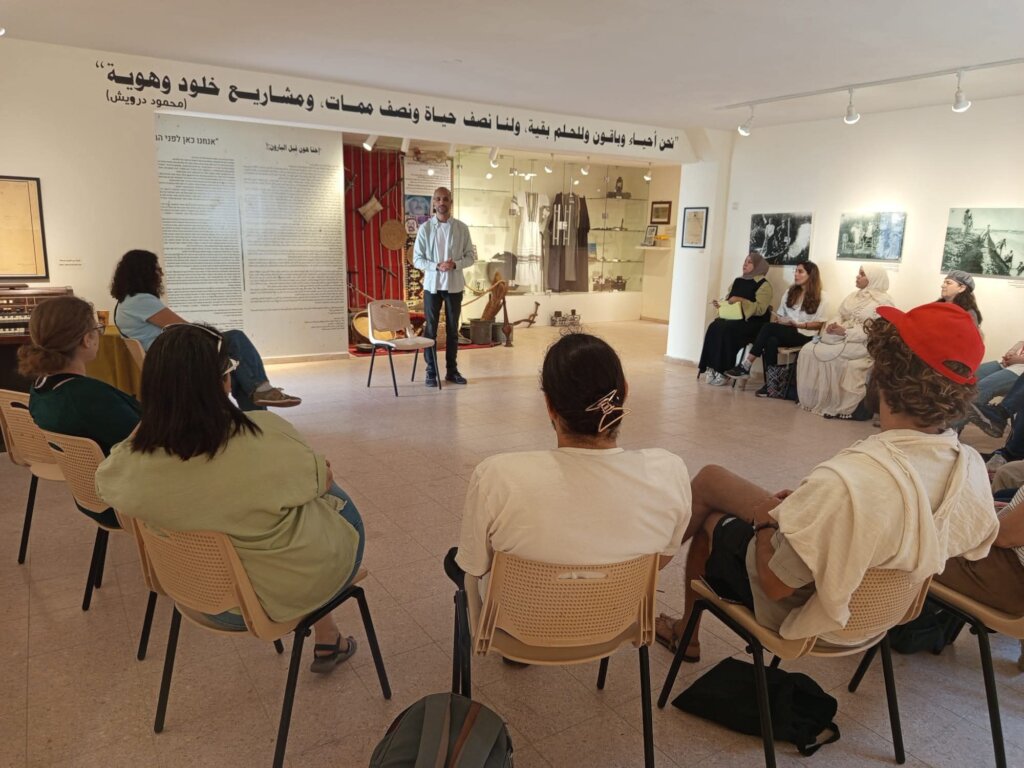
Palestinian-Jewish Dialogue Facilitators' Training Course

By director | Director

“This first cohort is only the beginning. Together, we are cultivating the political leadership Israel needs—courageous, inclusive, and grounded in human dignity.” —Roi, School for Peace director

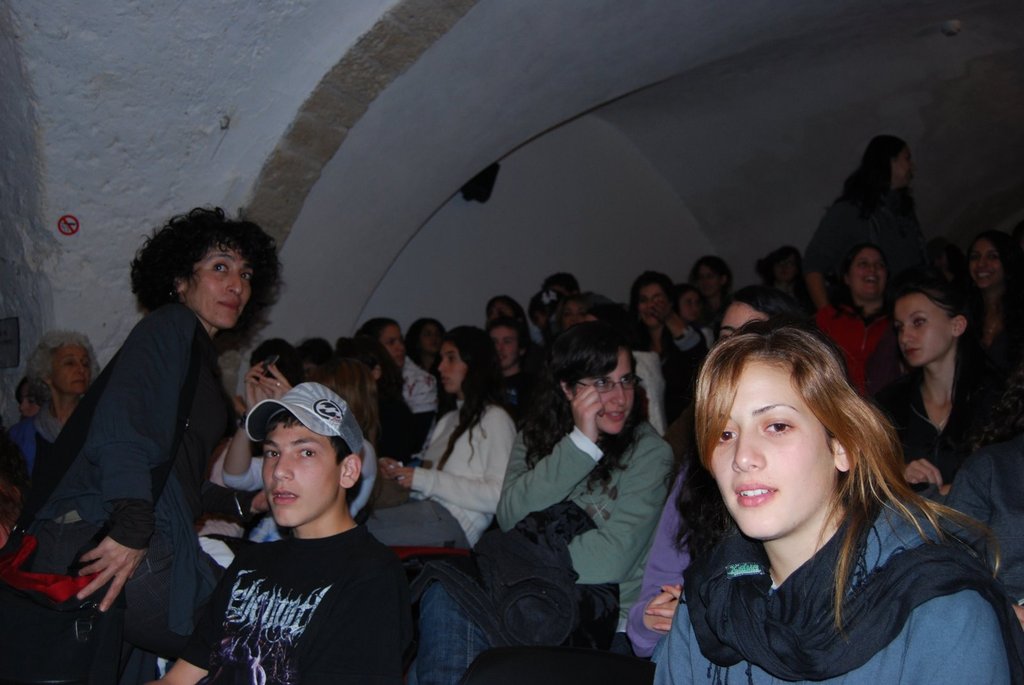
The course began in the midst of a wave of incitement, silencing, and escalating violence against Palestinians — not only the bombardment of Gaza, but also systematic suppression of Palestinian voices, withdrawal from public activism, and growing fear of speaking out. The war was not a “background” to the course — it was present in the room, in the learning, and in every conversation.

From the start, it was clear: this was not a course happening despite the situation, but because of it. The challenge — and the choice — was to insist on political partnership while the ground beneath us was crumbling. Participants learned that real dialogue is not about “getting past” pain, but about staying with it.

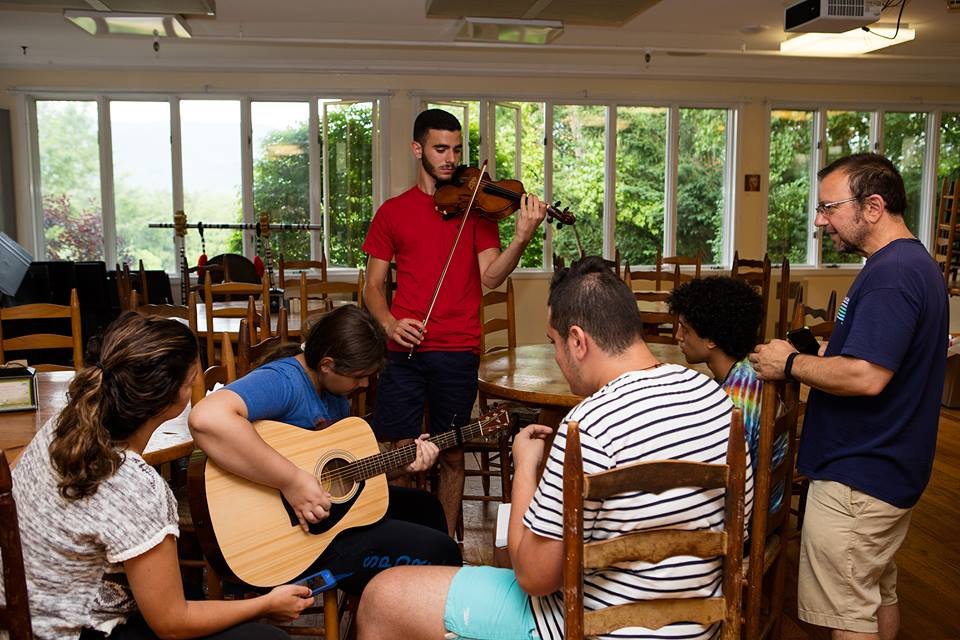
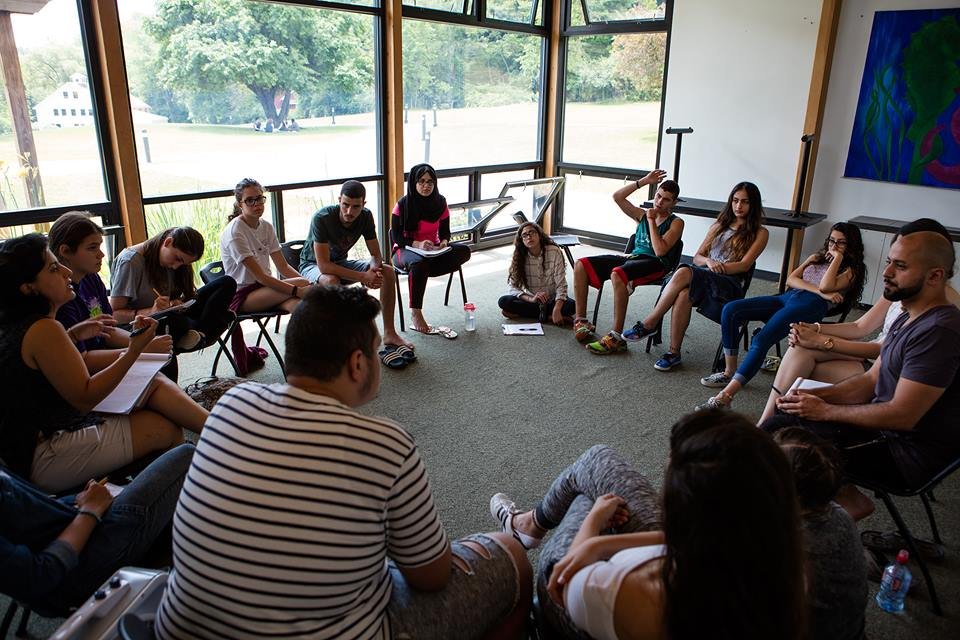
Sessions combined facilitation skills — power analysis, dealing with complexity, shaping a facilitator’s stance — with the courage to ask uncomfortable questions, even of oneself. The conversations were charged, multilingual, and alive with tension that was deliberately left unresolved so it could be learned from.

Language itself became a central arena — not merely a matter of translation, but a political battleground. Questions of partial translation, unequal access, and the weight of words became core educational and political themes.

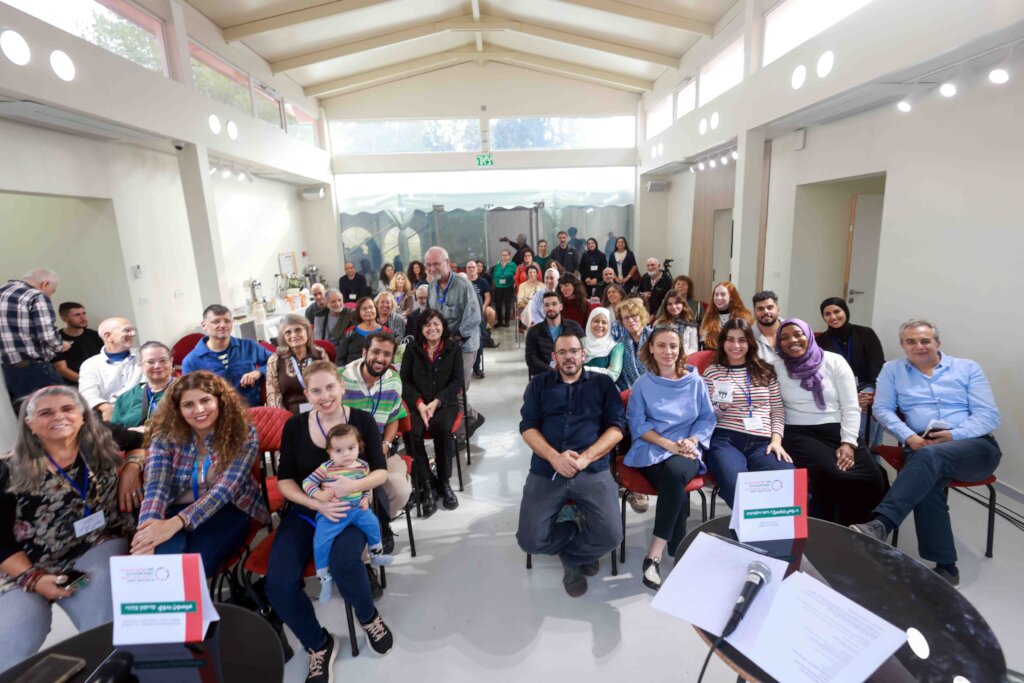
While some core issues — like occupation and the Nakba — were sidestepped, perhaps out of fear they would tear the group apart amid the horrors of war, the space also allowed for rare closeness. The Jewish group could face the reality of crimes committed in their name; the Palestinian group could share pain, guilt, and paralysis in the face of the war. Together, they created a bi-national space that stood in stark contrast to the prevailing relationships outside.

Share on Twitter Share on Facebook

Oct 10, 2025
SFP Summer Dialogue Facilitation Trainings

By admin | Director

Jun 24, 2025
Exploring the Weight of Words

By Director | Director

About Project Reports

Project reports on GlobalGiving are posted directly to globalgiving.org by Project Leaders as they are completed, generally every 3-4 months. To protect the integrity of these documents, GlobalGiving does not alter them; therefore you may find some language or formatting issues.

If you donate to this project or have donated to this project, you can receive an email when this project posts a report. You can also subscribe for reports without donating.


Sign up for updates

Organization Information

American Friends of Neve Shalom/Wahat al-Salam

Location: Glendale, CA - USA
Website:
Facebook: Facebook Page
X / Twitter: Profile
Project Leader:
Abir Elzowidi
Associate Director
Glendale , California United States

Learn more about GlobalGiving

Teenage Science Students
Vetting +
Due Diligence

Snorkeler
Our
Impact

Woman Holding a Gift Card
Give
Gift Cards

Young Girl with a Bicycle
GlobalGiving
Guarantee

Get incredible stories, promotions, and matching offers in your inbox

WARNING: Javascript is currently disabled or is not available in your browser. GlobalGiving makes extensive use of Javascript and will not function properly with Javascript disabled. Please enable Javascript and refresh this page.