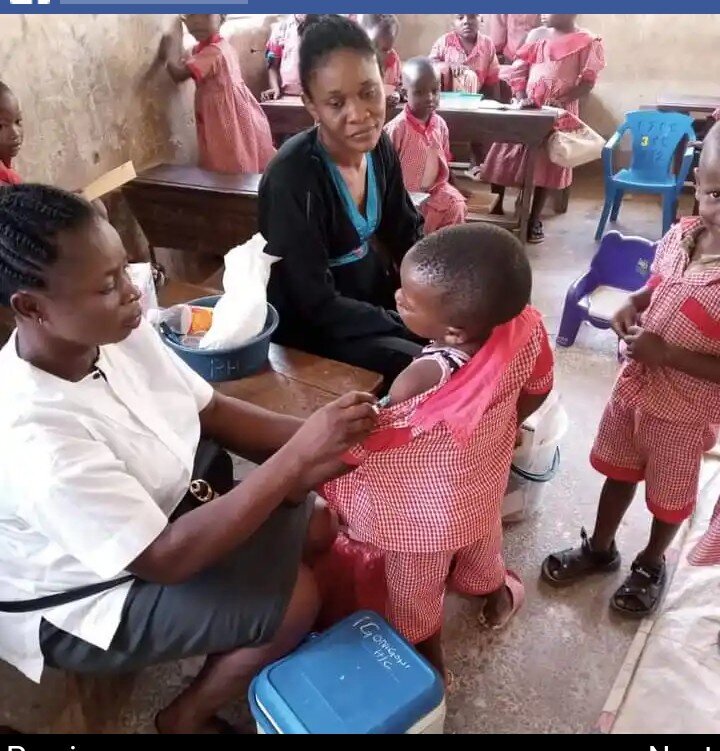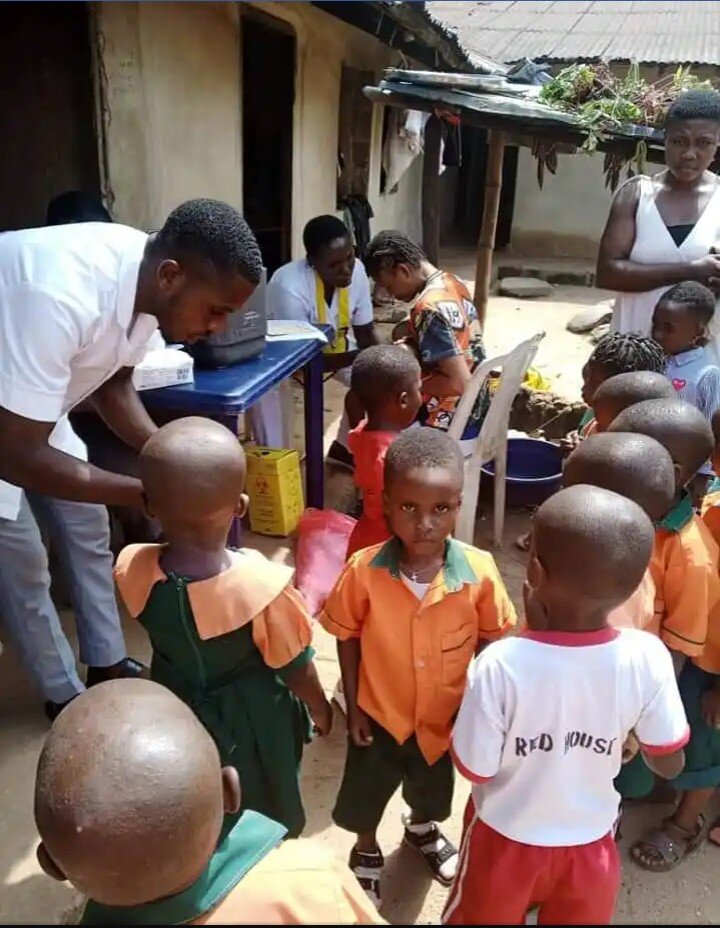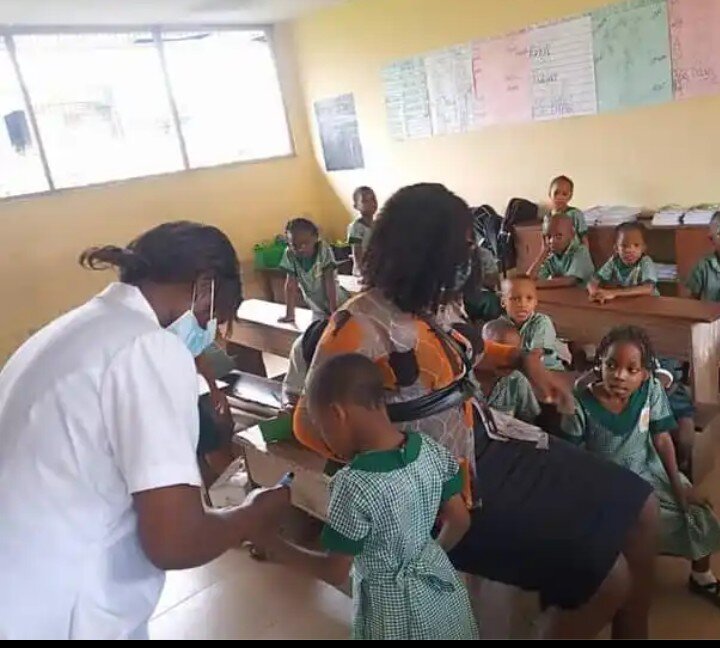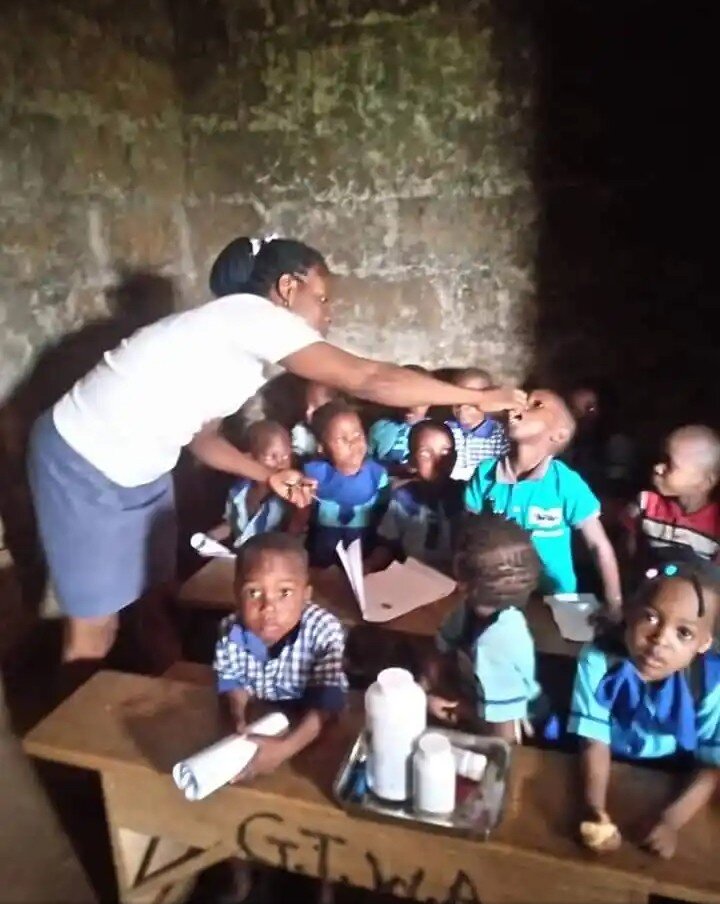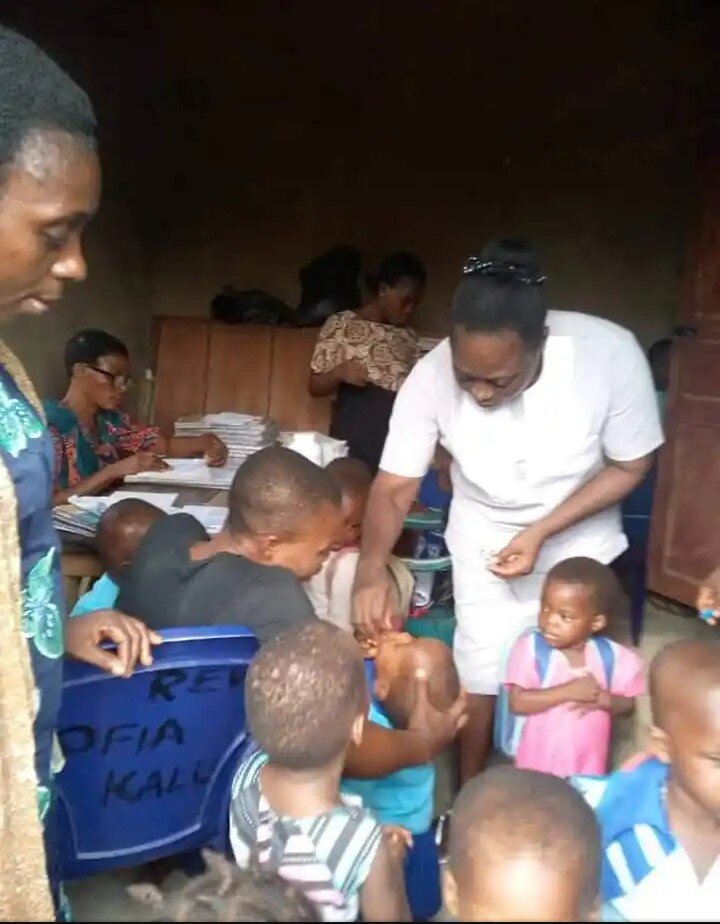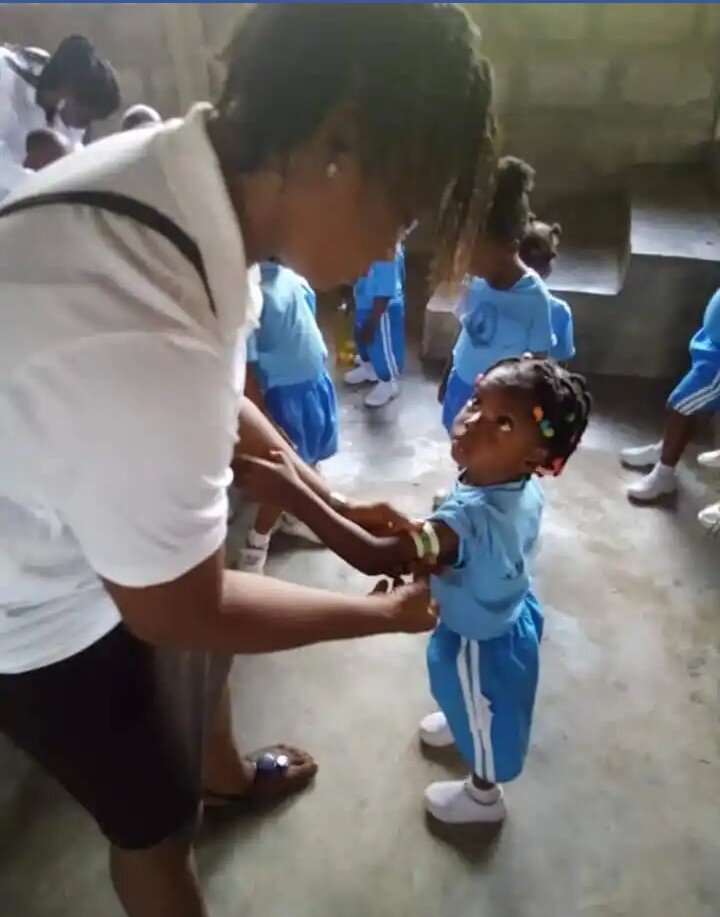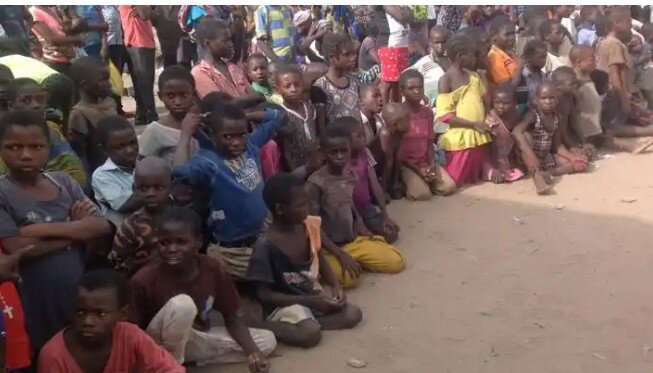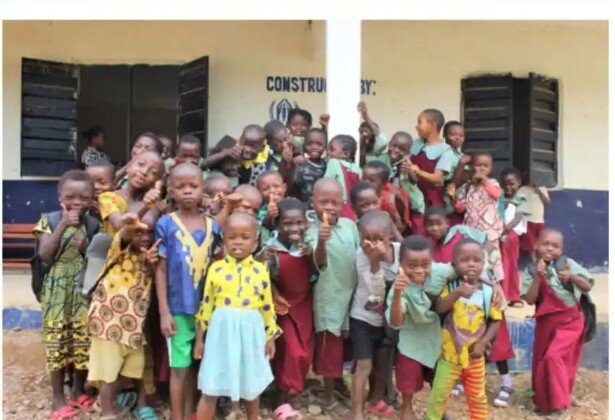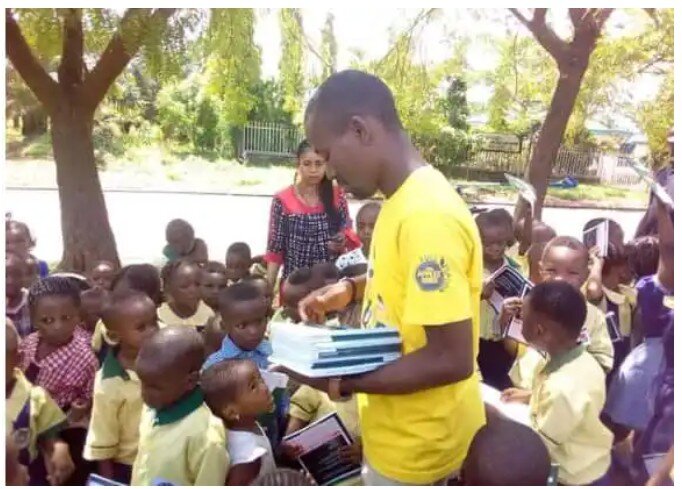
The aim of our Foundation's education programme is to work with government in achieving SDG 4 by 2030 through improved planning and by addressing some of the systemic barriers that hinder the implementation of an effective education strategy. Our programme advocates for education to be prioritised and targets children who are least likely to receive an education. The expected outcome of the programme is that all children access and complete quality education, within a safe learning environment
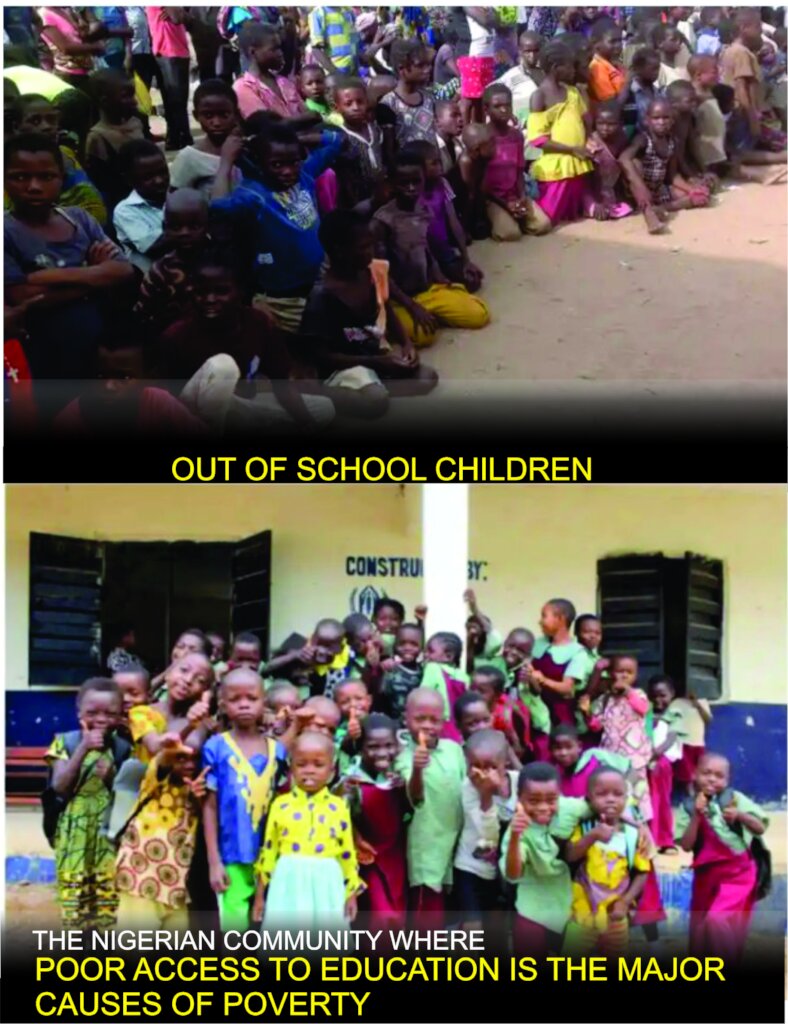
In Nigeria, Poor access to education is one of the major causes of poverty in Nigeria. Research shows that one in every five of the world's out-of-school children is in Nigeria. Although primary education is officially free and compulsory. Despite interventions from the Nigerian government and others, we still have 18.5 million out-of-school children 5-14 aged are not in school in the country; making Nigeria the second-largest number in the world.
1. Providing access to quality education 2. Offering vocational training and skills development 3. Supporting marginalized groups (e.g., orphans, street children) Impact: 1. Increased literacy rates 2. Enhanced employability 3. Improved socio-economic prospects 4. Reduced poverty and inequality Solution: 1. Bridges educational gaps 2. Empowers vulnerable children 3. Fosters sustainable development This will equips vulnerable children with education, skills, and opportunities, breaking poverty
Potential Outcomes: 1. *Breaking Poverty Cycles:* Educated children secure better jobs, lifting families out of poverty. 2. *Empowered Communities:* Educated individuals contribute to community development and social change. 3. *Reduced Inequality:* Education promotes social mobility and reduces disparities. 4. *Economic Growth:* A educated population drives Nigeria's economic progress. Lasting Change: 1. Improved health outcomes 2. Increased civic engagement 3. Enhanced human rights awarenes



Support this important cause by creating a personalized fundraising page.
Start a Fundraiser