By Niamh Byrne | Clinic Manager
ACES Wildlife Rescue – July 2026 Update
Thank you so much for your ongoing support of ACES Wildlife Rescue here on Ambergris Caye. Your generous donations allow us to plan ahead financially and, most importantly, give us the ability to rescue and care for even more wildlife across the Northern Cayes.
Here is our latest update from the ACES team.
Wildlife Intakes
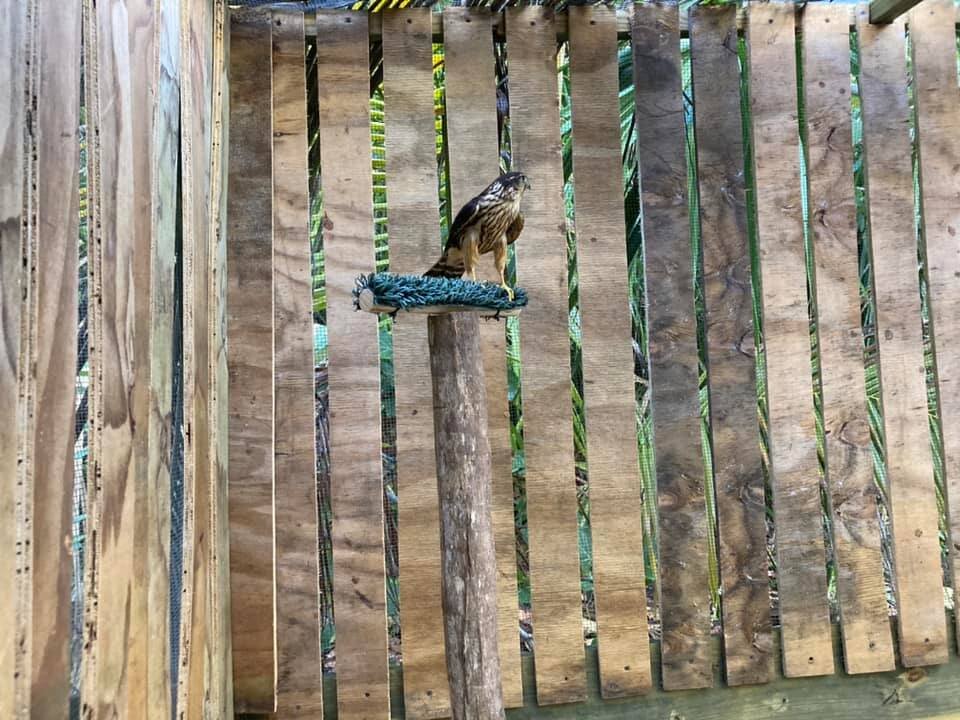
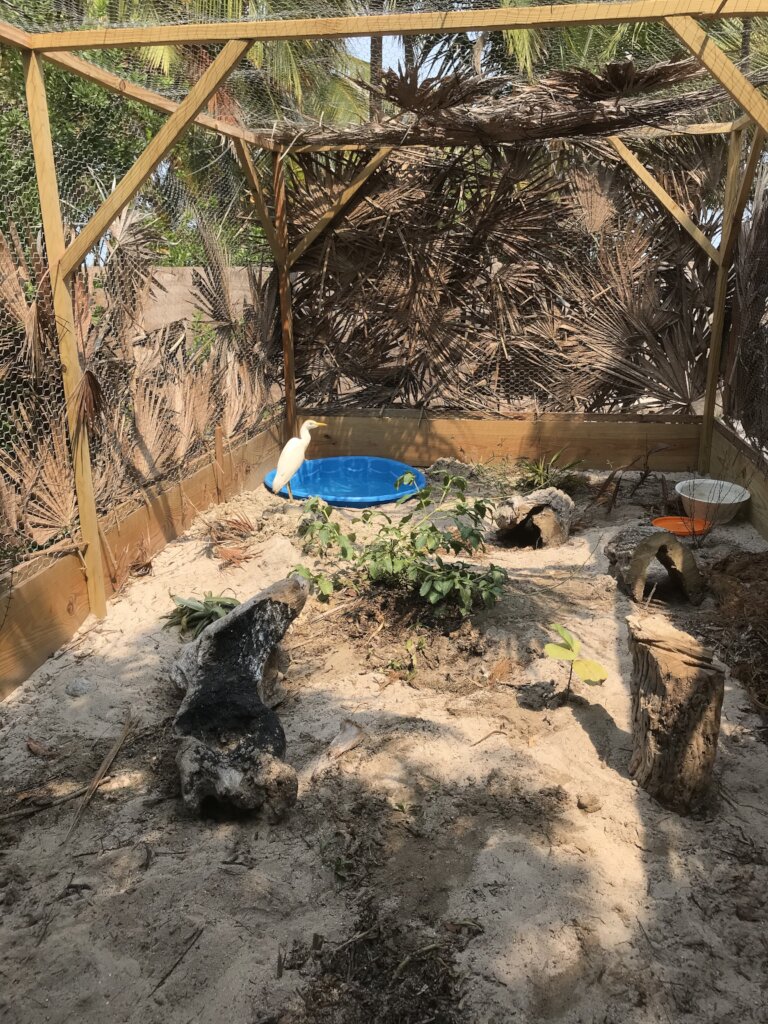
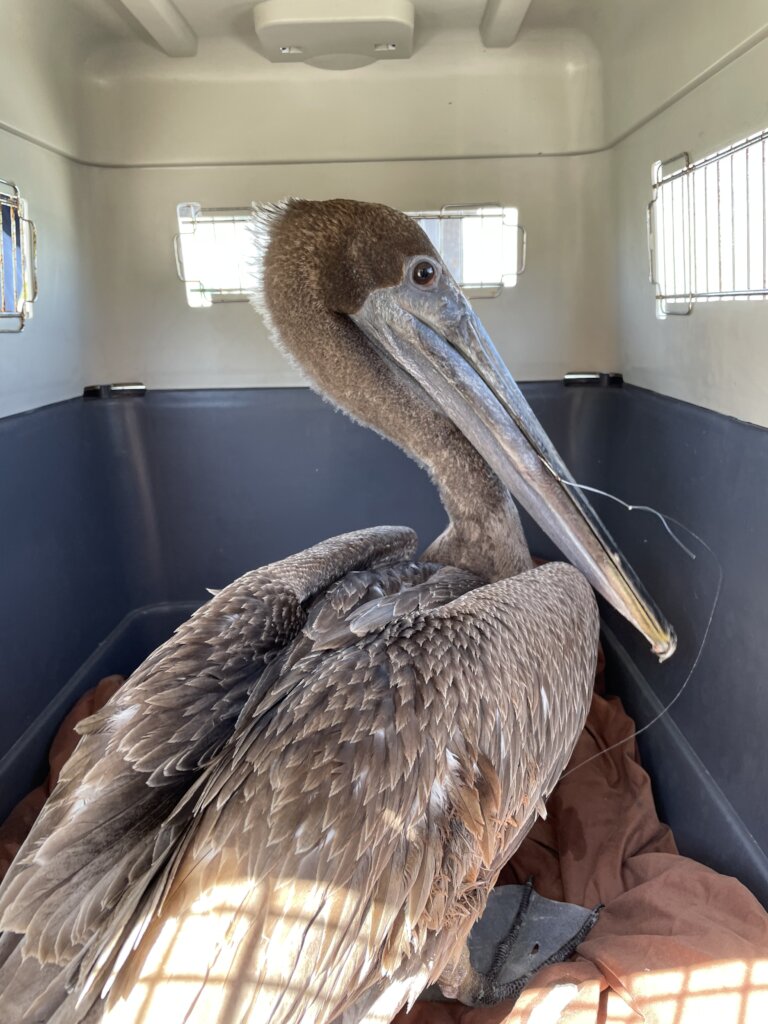
July was another incredibly busy month for the ACES team. Compared with June 2025, our number of wildlife intakes has increased by 69%, while the number of species we have encountered has increased by 55%.
Every month seems to break another record, and 2026 is shaping up to be our busiest year yet on Ambergris Caye. So far this year, we have admitted 150 animals and responded to 270 hotline calls relating to wildlife, animal encounters, advice and coexistence.
Not only are we admitting more patients than ever before, but we are also encountering a greater diversity of species. Each animal has its own nutritional requirements, rehabilitation needs and individual care plan, making every rescue a new challenge for our team.
As a completely donation-funded organisation, we simply could not continue this work without the incredible support of our community. Your donations directly help us provide food, medication, specialist care, rehabilitation facilities and everything else our patients need during their time with us.
Here is a snapshot of some rehabilitation stories over July:
Rosie the Flycatcher
With baby bird season still in full swing, we have seen a rise in wildlife coming into conflict with domestic animals. As young birds begin fledging the nest and spending time on the ground while they develop their flight skills, they can become particularly vulnerable to cats and dogs. We always recommend keeping domestic animals indoors and, when spending time outdoors, ensuring they are kept on a leash at all times.
Our native wildlife already faces enormous pressures for survival. Adding domestic animal attacks to these challenges—particularly during the vulnerable early stages of life—can have devastating consequences. Many young animals are only just learning to fly, forage and navigate their environment, making them especially vulnerable to cats and dogs.
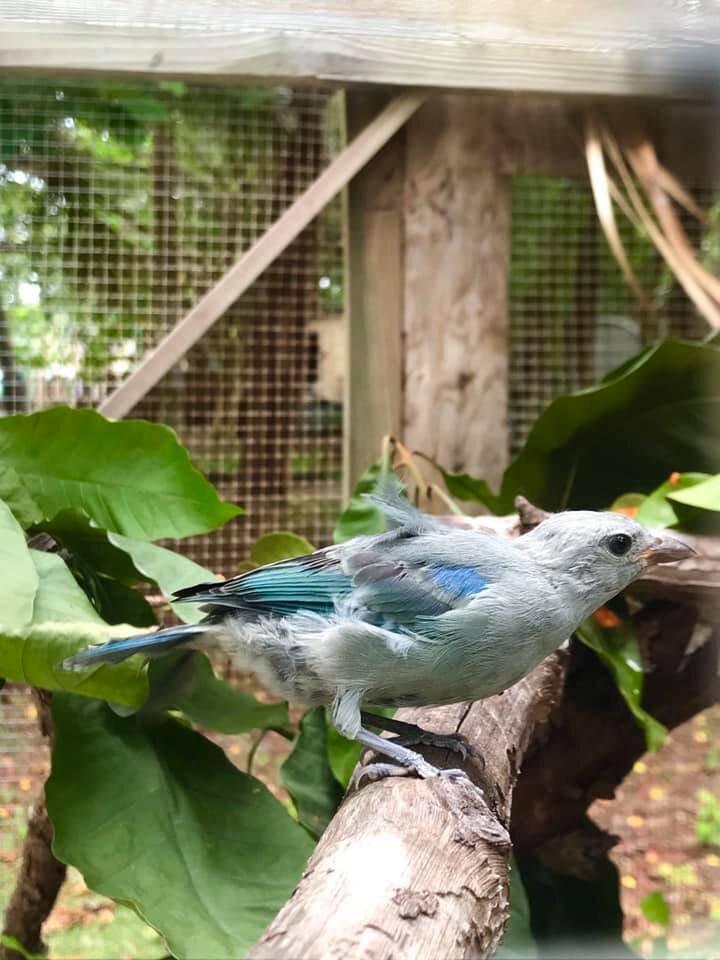
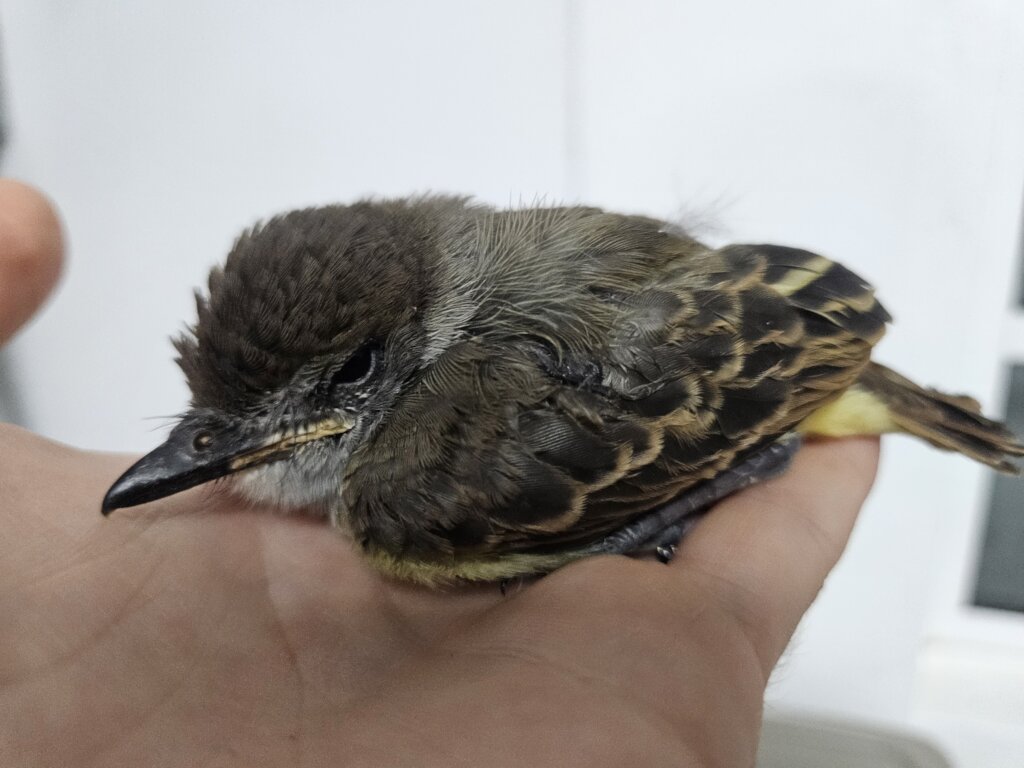
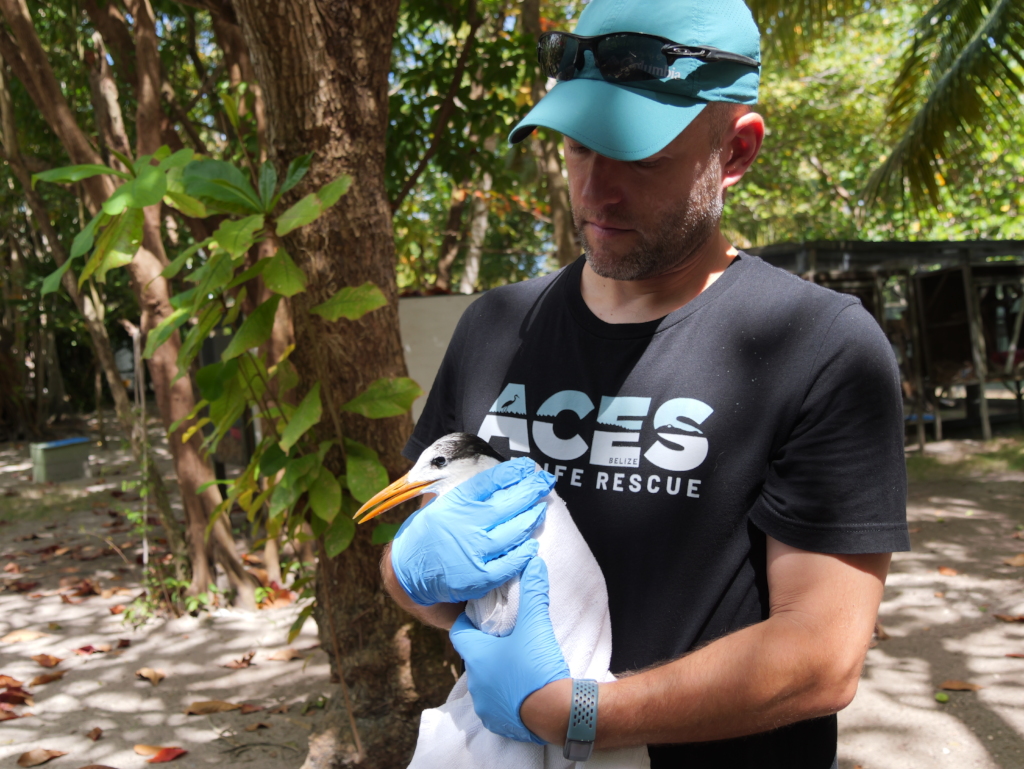
Rosie, a young flycatcher, arrived at ACES in extreme shock and bleeding following a cat attack. We weren't sure she would make it through the night, but our team did everything we could to give her a chance.
Rosie was placed into our oxygen chamber, kept warm and given a quiet, dark environment to rest and recover. Thankfully, she pulled through and is now doing remarkably well!
After completing a strong course of antibiotics, Rosie has moved into the next stage of her rehabilitation. She is learning to forage independently, developing her flight muscles and preparing for release back into the wild.
We hope to see this little fighter back where she belongs in the coming weeks.
Rocket the Raccoon
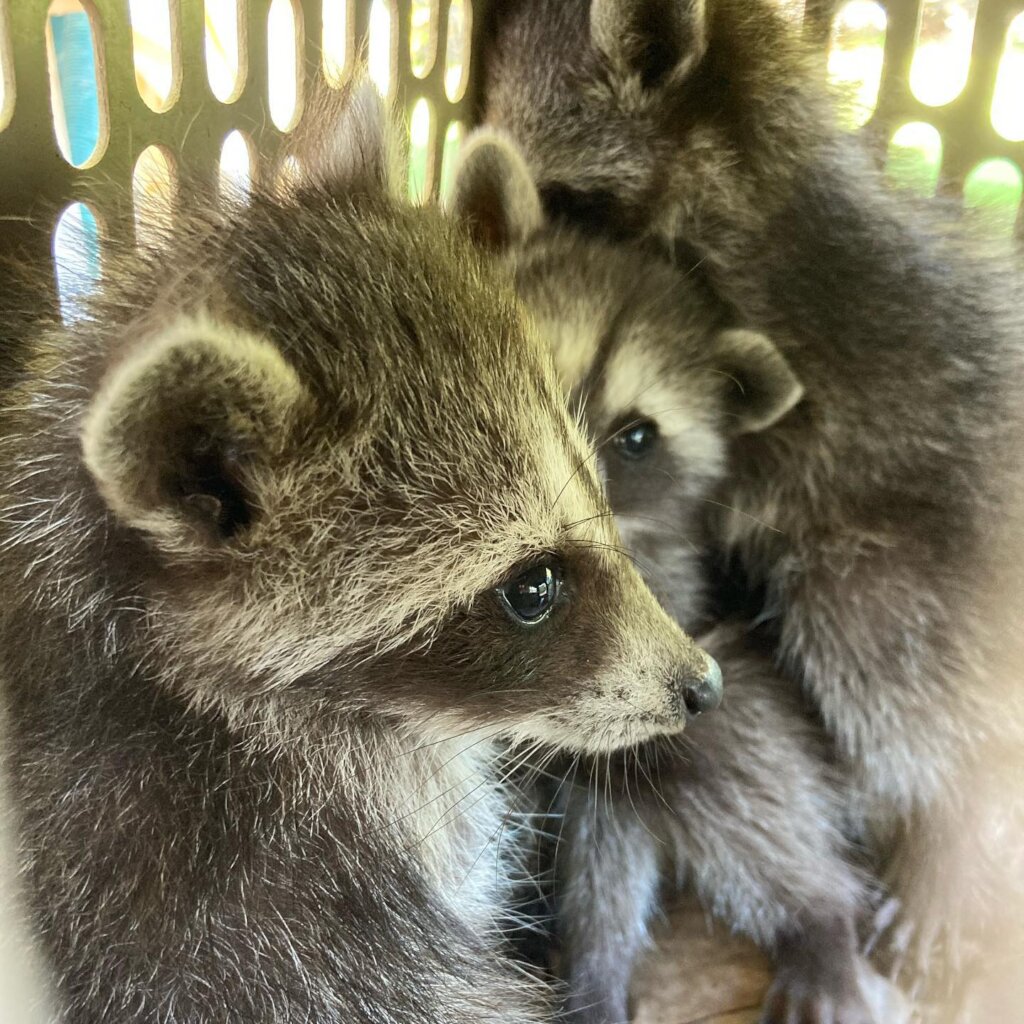
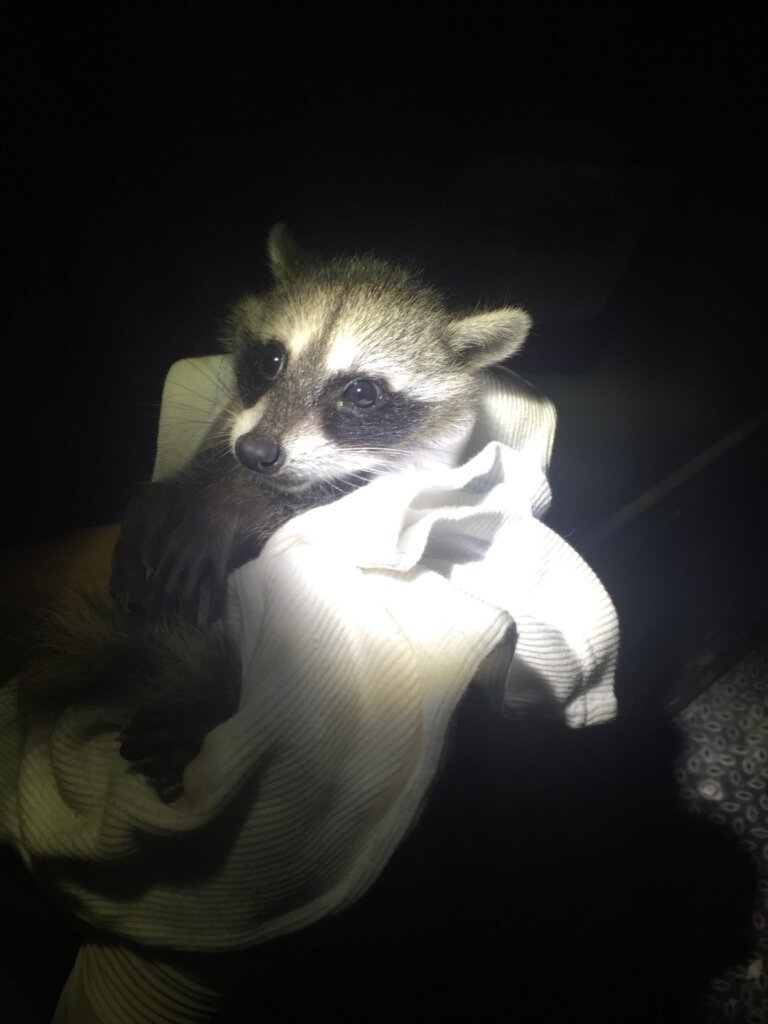
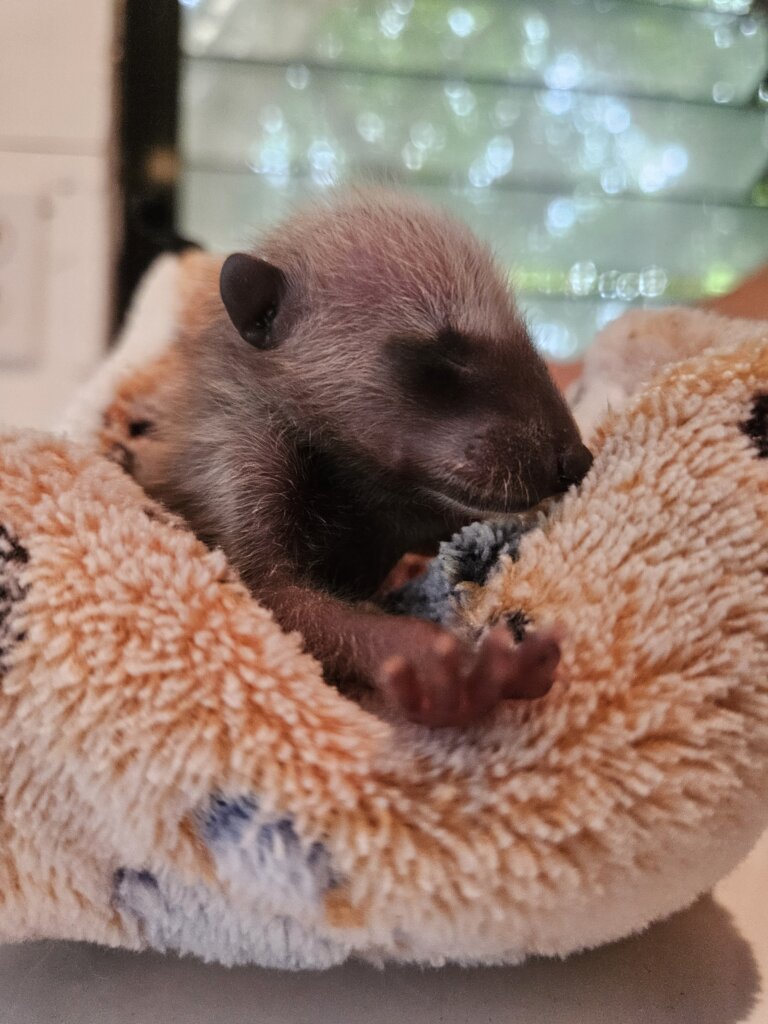
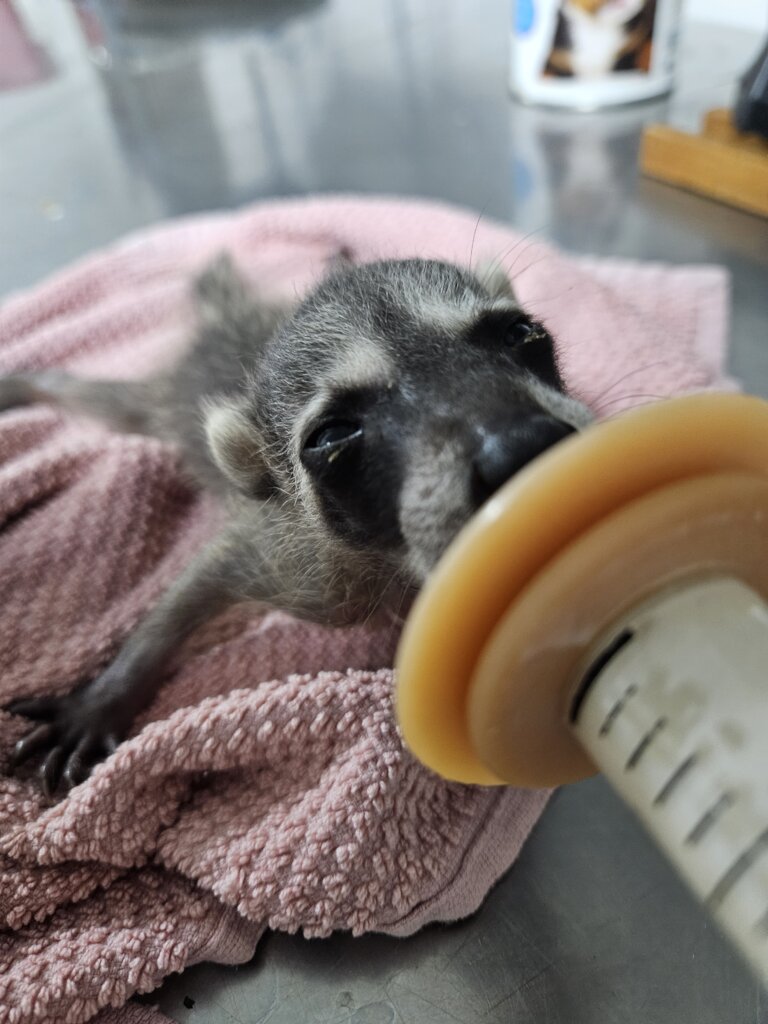
Our team has also been working day and night shifts caring for our newest little patient — Rocket the raccoon!
Rocket was discovered on the side of the road after a caller spotted three baby raccoons. Initially, the caller assumed that their mother was nearby and caring for them. However, when the caller returned to the same area three days later, sadly, two of the babies had died and Rocket was barely alive.
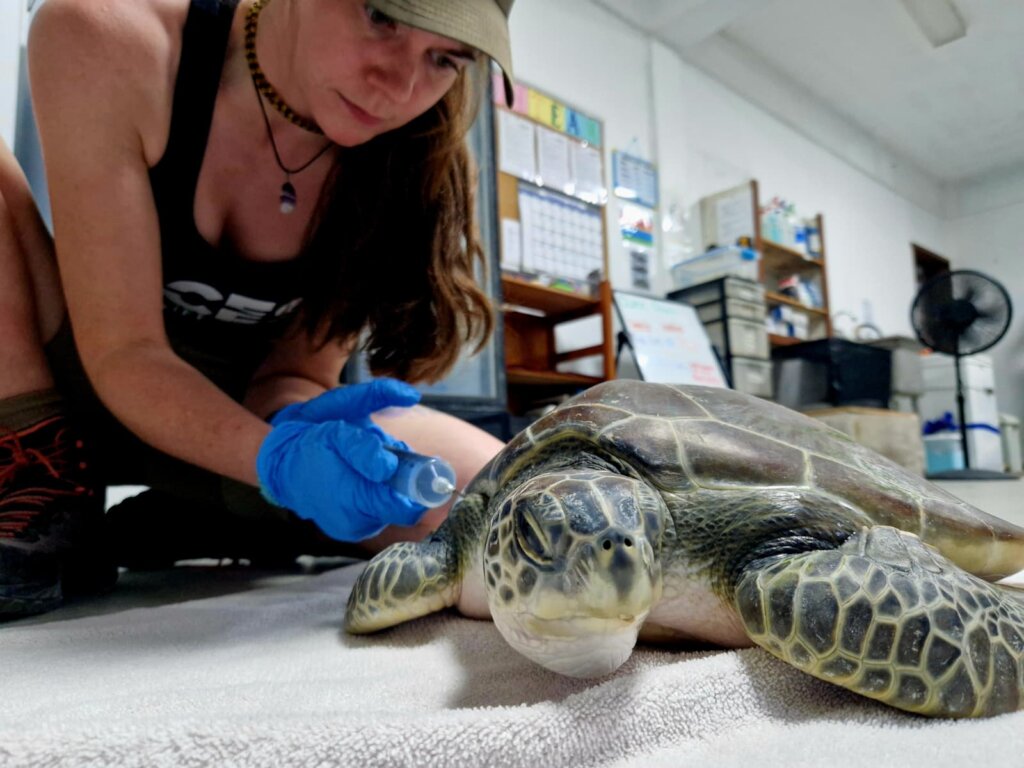
We took Rocket into critical care and provided him with the intensive support he needed. It was a rocky start, but this little guy has now stabilised, opened his eyes for the first time and is finally starting to look like a proper little raccoon!
As we do not currently have a family group of raccoons going through rehabilitation at ACES, we will be working alongside our charity partners at Wildtracks on the mainland.
Once Rocket is fully stabilised and strong enough to travel by ferry, he will be introduced to other young raccoons, giving him the opportunity to develop the skills he needs to eventually be rewilded and released.
Resident Animal Updates
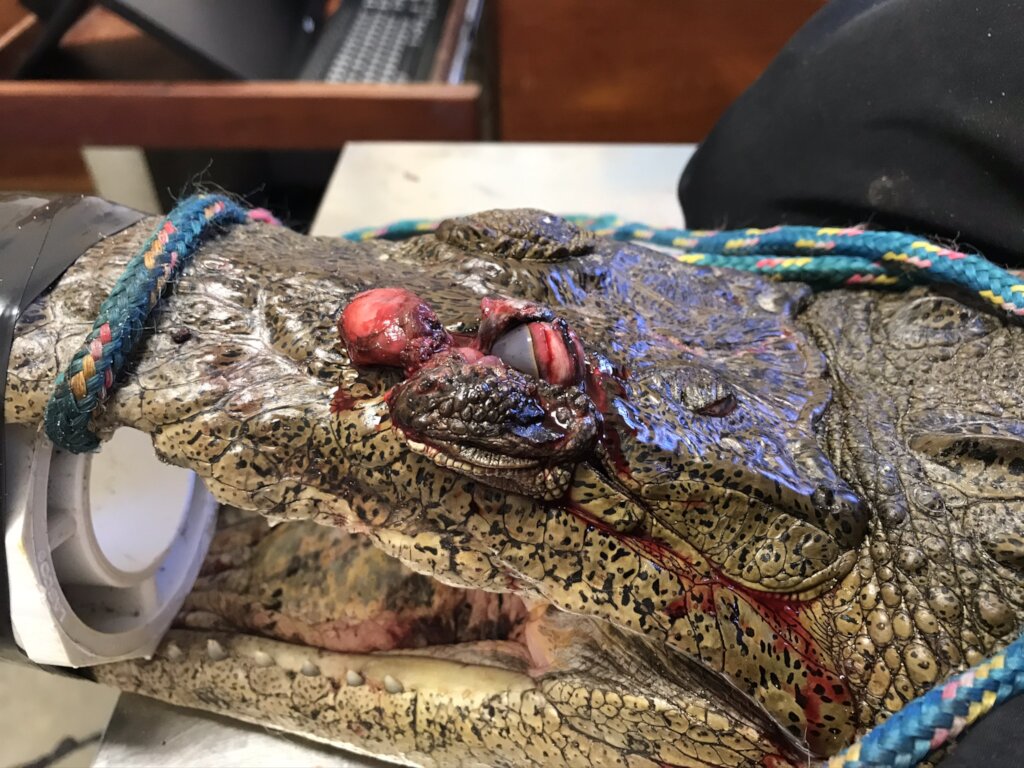
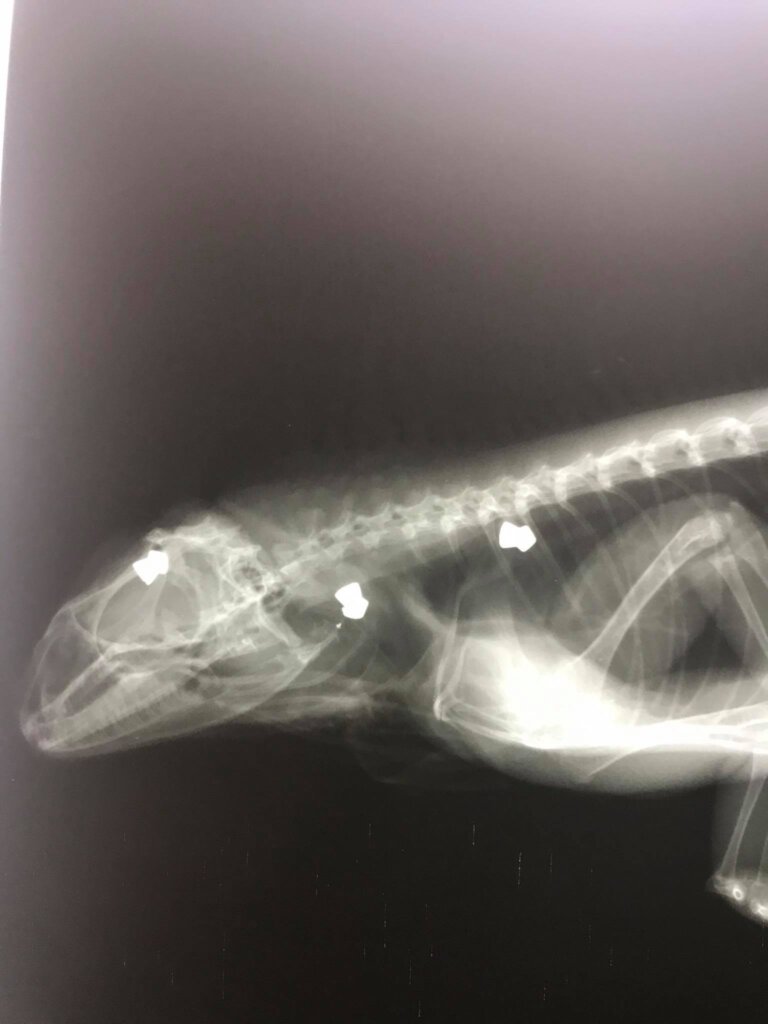
Bridget – Our Blind Resident Crocodile
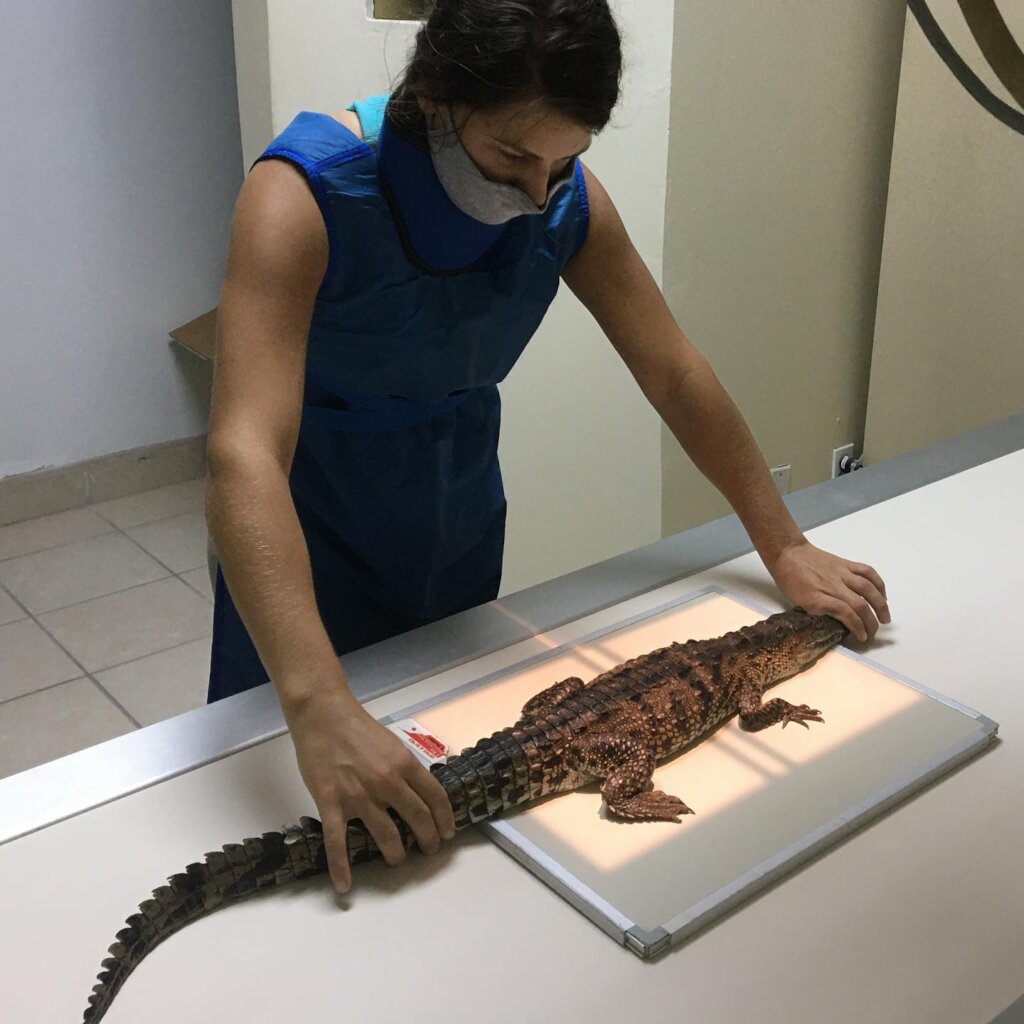
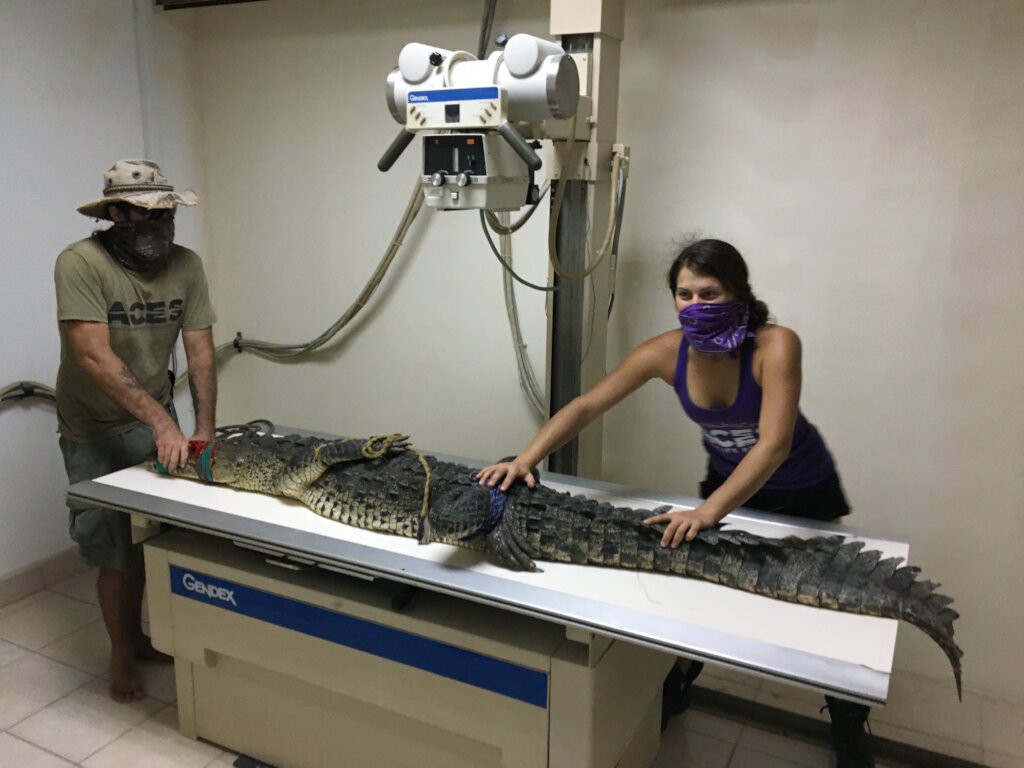
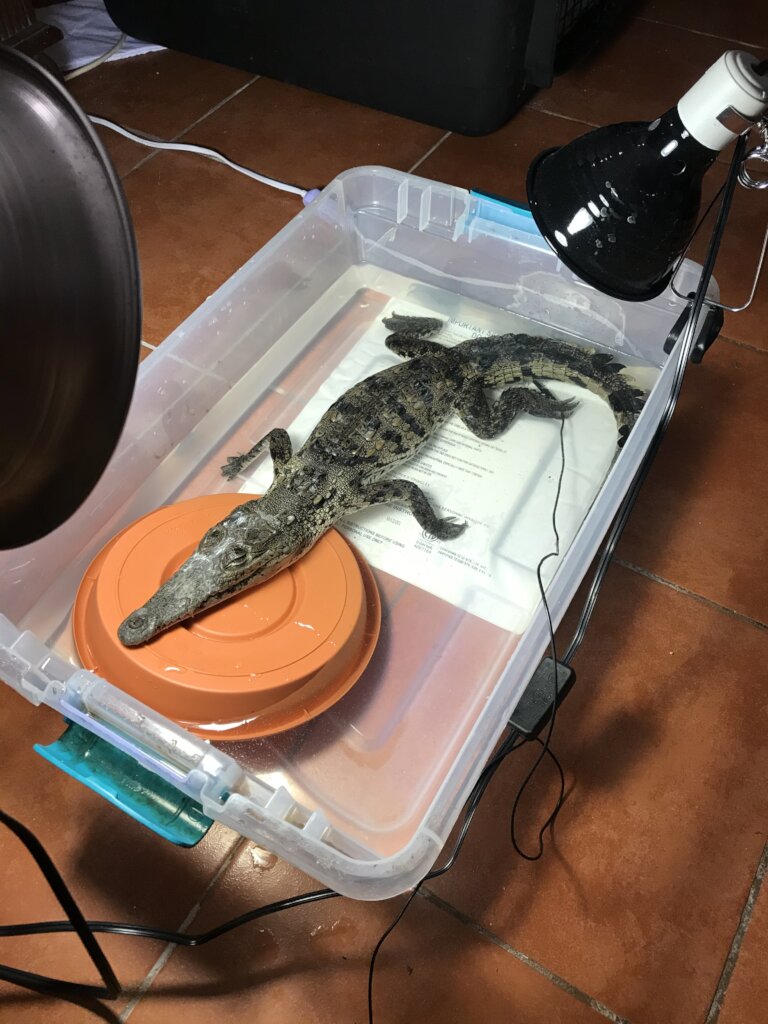
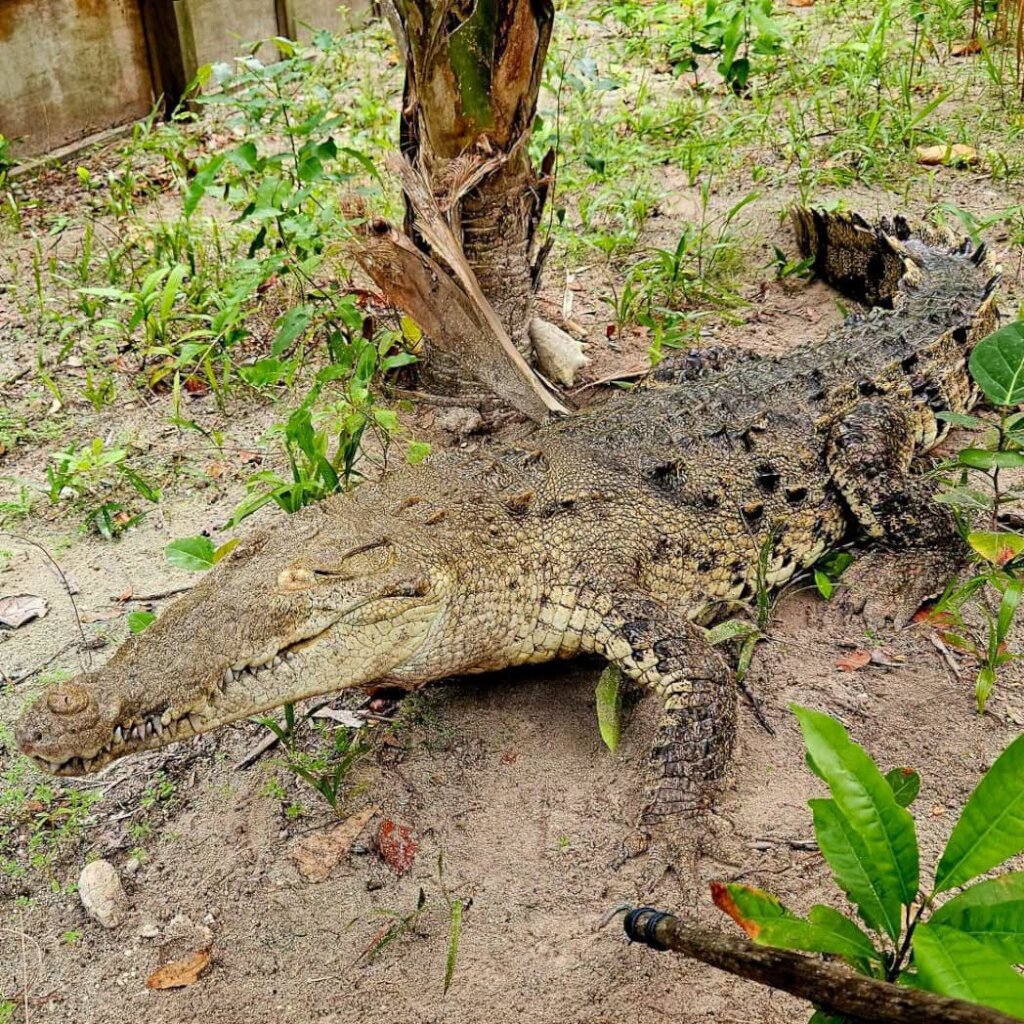
There is still a huge amount of work to be done for Bridget, our new resident American crocodile who is 100% blind.
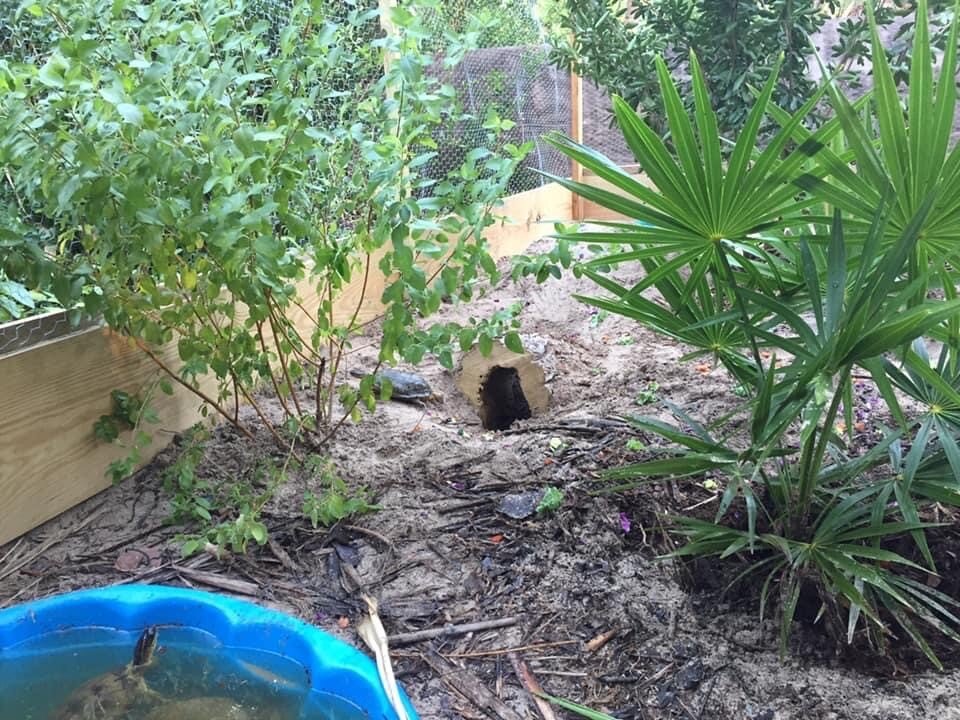
With ACES currently operating under significant financial pressure, we have been working hard to prepare Bridget's new enclosure as affordably as possible.
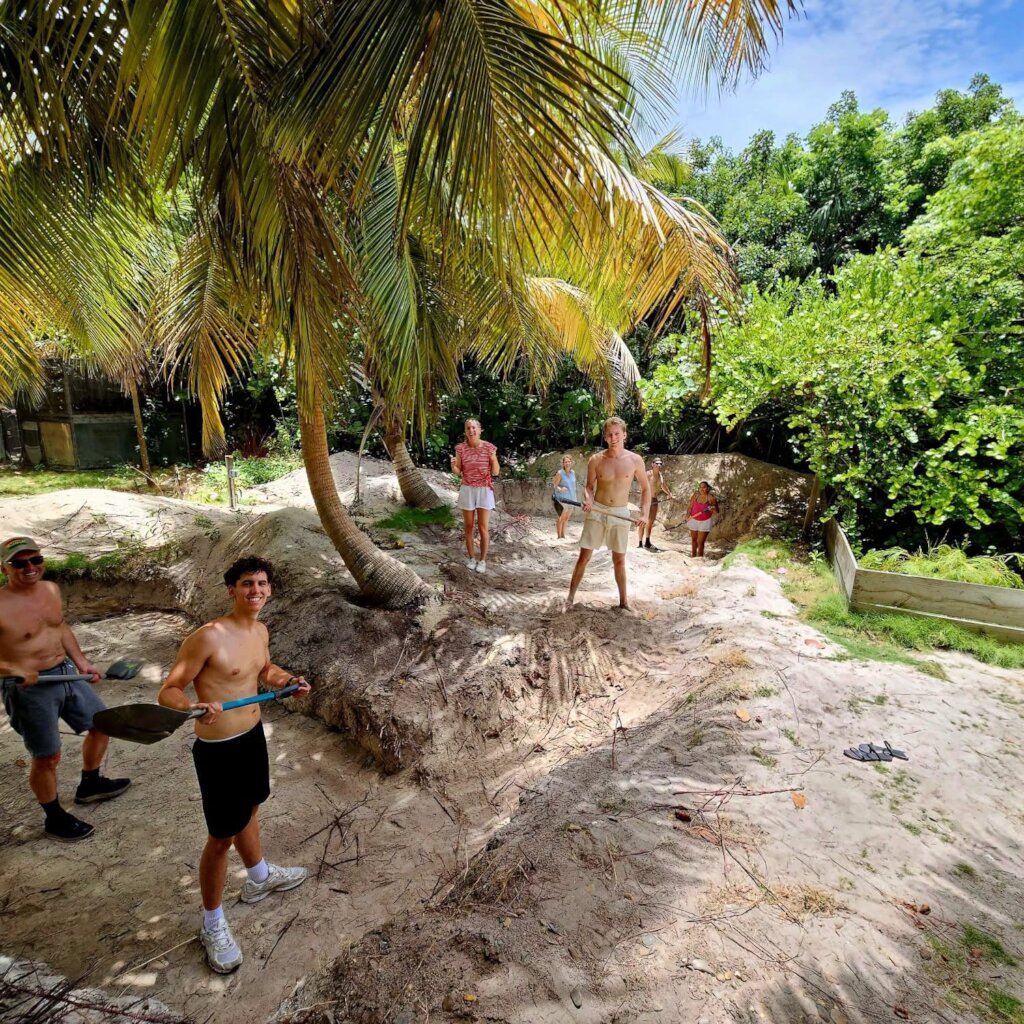
Our fantastic team of volunteers has now successfully shaped and dug out the structure of her new pond — a huge step forward!
To complete the construction and make the enclosure suitable for Bridget's permanent home, we have received a quote of US$10,000.
We will therefore be launching fundraising efforts to help raise the funds needed to complete the enclosure and allow Bridget to finally move into her forever home.
Every donation, no matter how large or small, will help us get one step closer to making this happen.
Phineas - Our big guy
Our big guy Phineas has been working hard on his weight-loss programme!
Despite being a resident crocodile, Phineas certainly hasn't forgotten that he is a predator. He continues to keep a close eye on any iguanas unfortunate enough to wander into his enclosure.
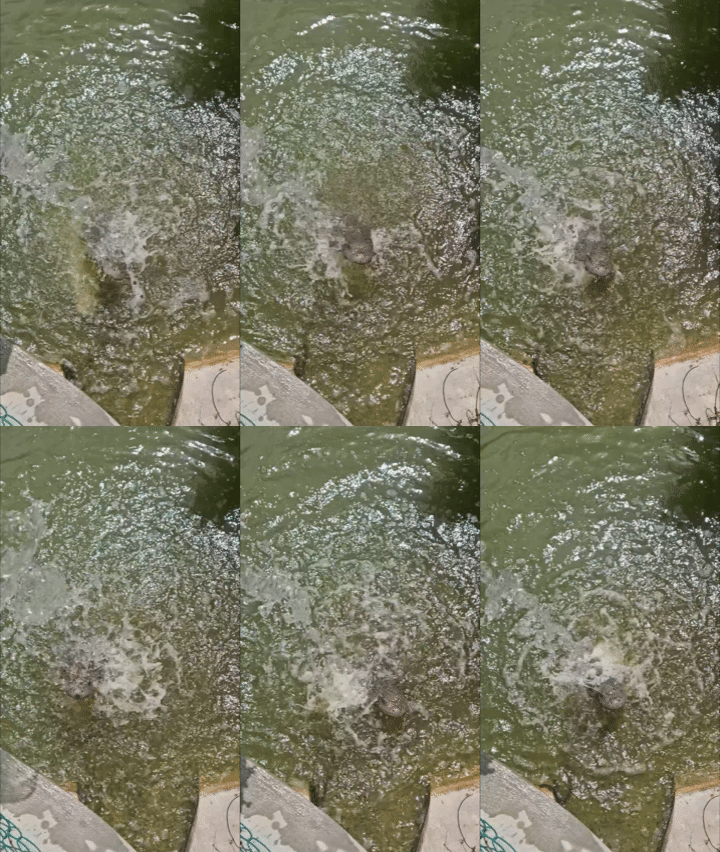
With the humid summer weather here on Ambergris Caye, Phineas has also been enjoying regular water enrichment to help him cool down and keep him active.
Crocodile Calls & Coexistence
With the rainy season now upon us here on Ambergris Caye, it is time to prepare for an increase in crocodile activity.
As water levels rise and previously dry areas become flooded, crocodiles may be seen more frequently in areas where people don't normally encounter them. This naturally increases the chances of people coming across these incredible animals.
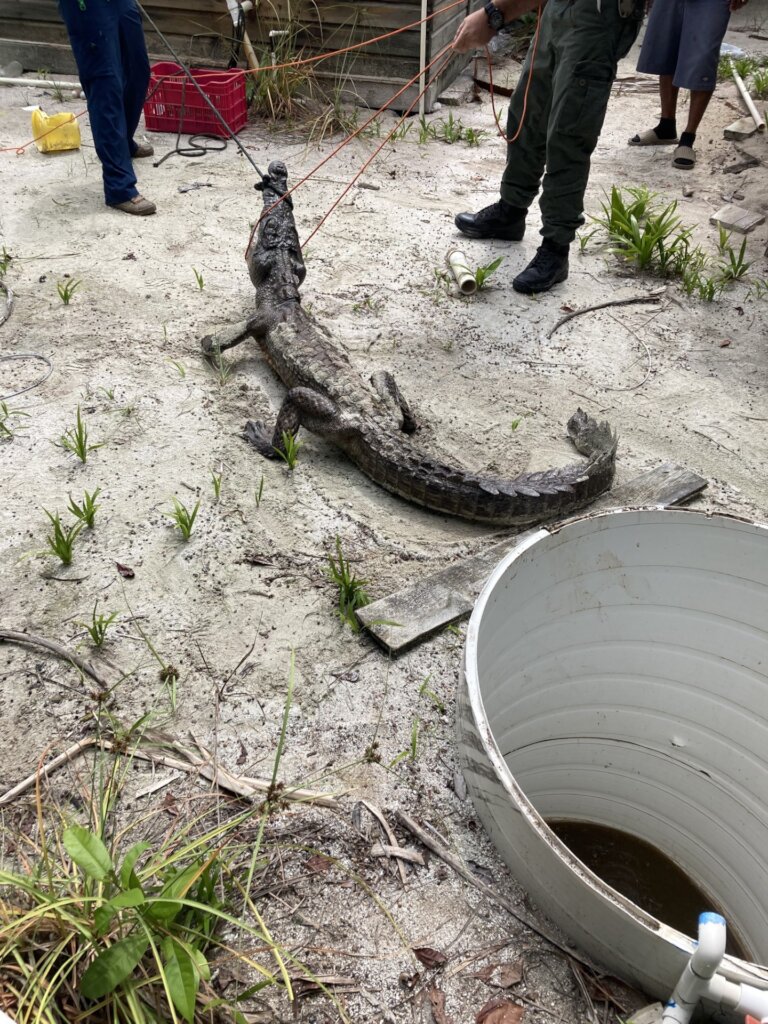
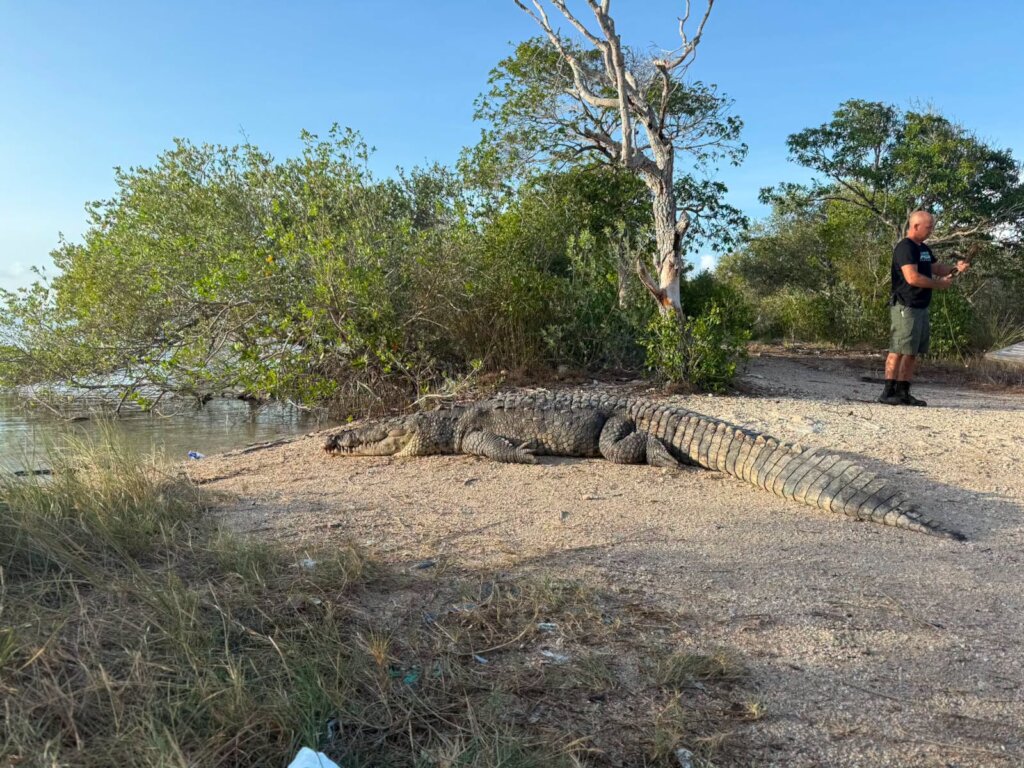
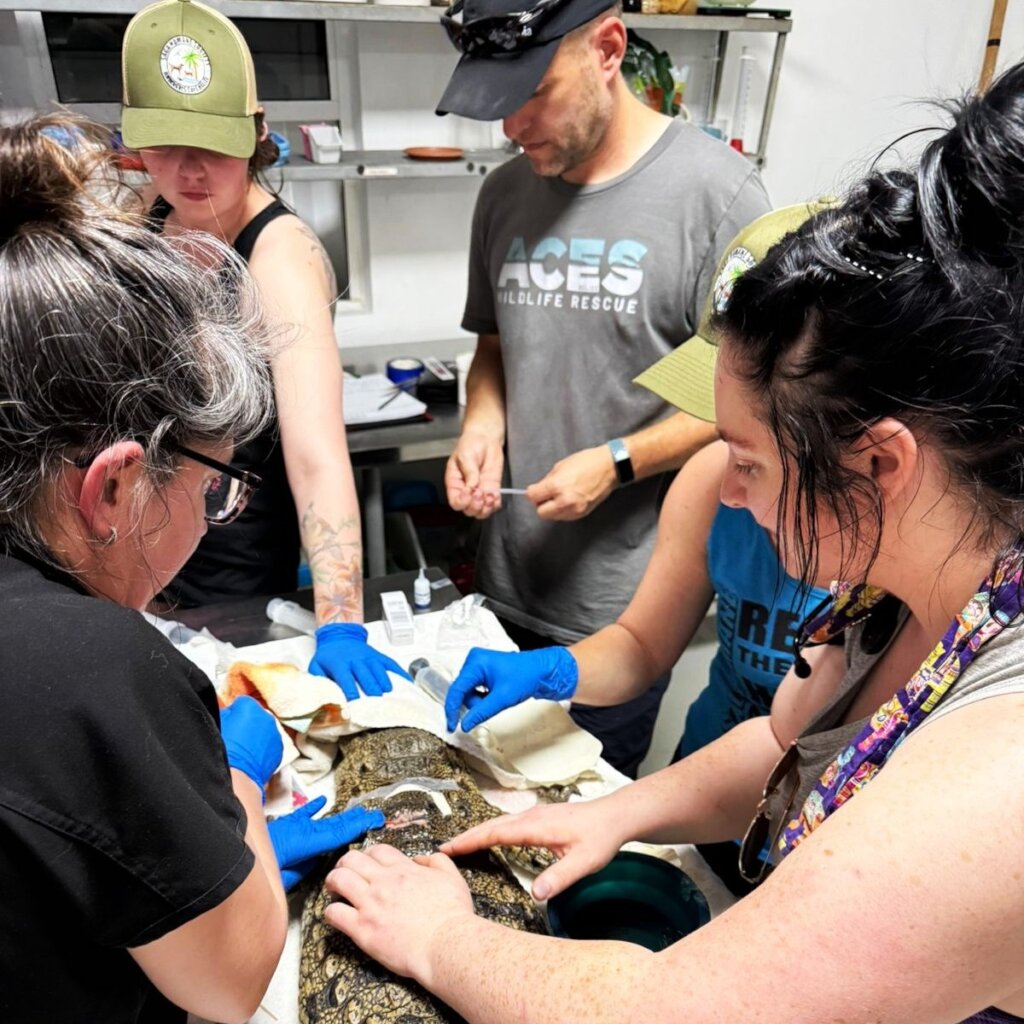
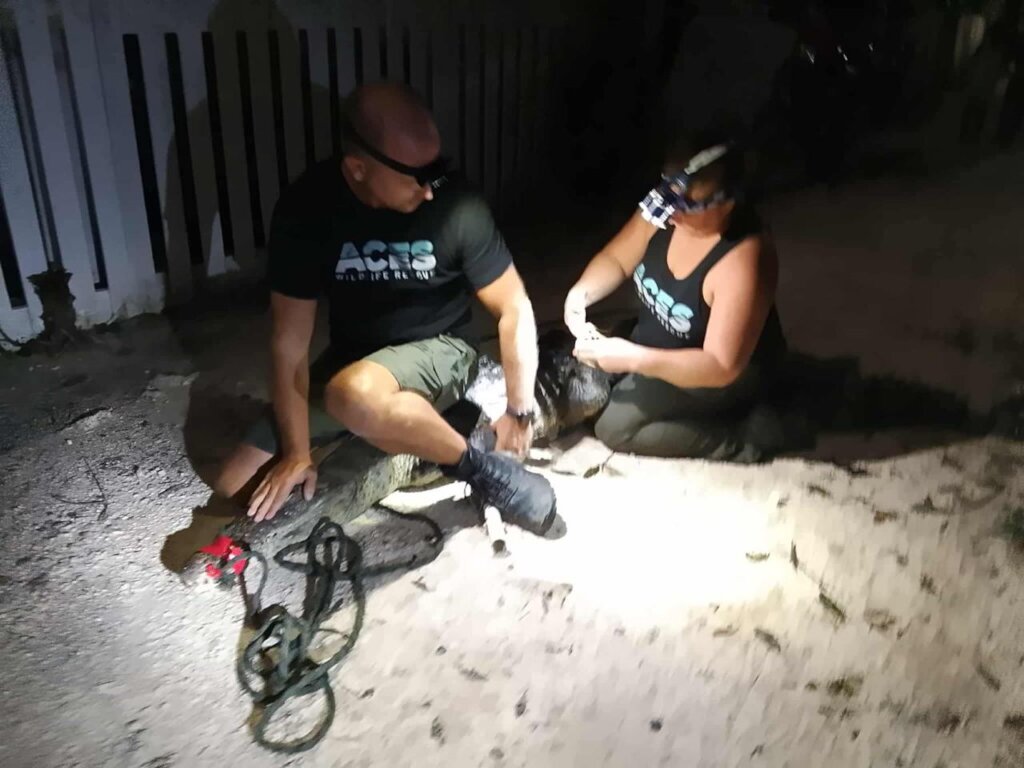
A couple of weeks ago, we were called to relocate a large 12-foot crocodile that had found its way onto a residential property while investigating barking dogs.
It is important to remember that dogs are not excluded from a crocodile's prey list. As pet owners, it is therefore our responsibility to take steps to keep our animals safe.
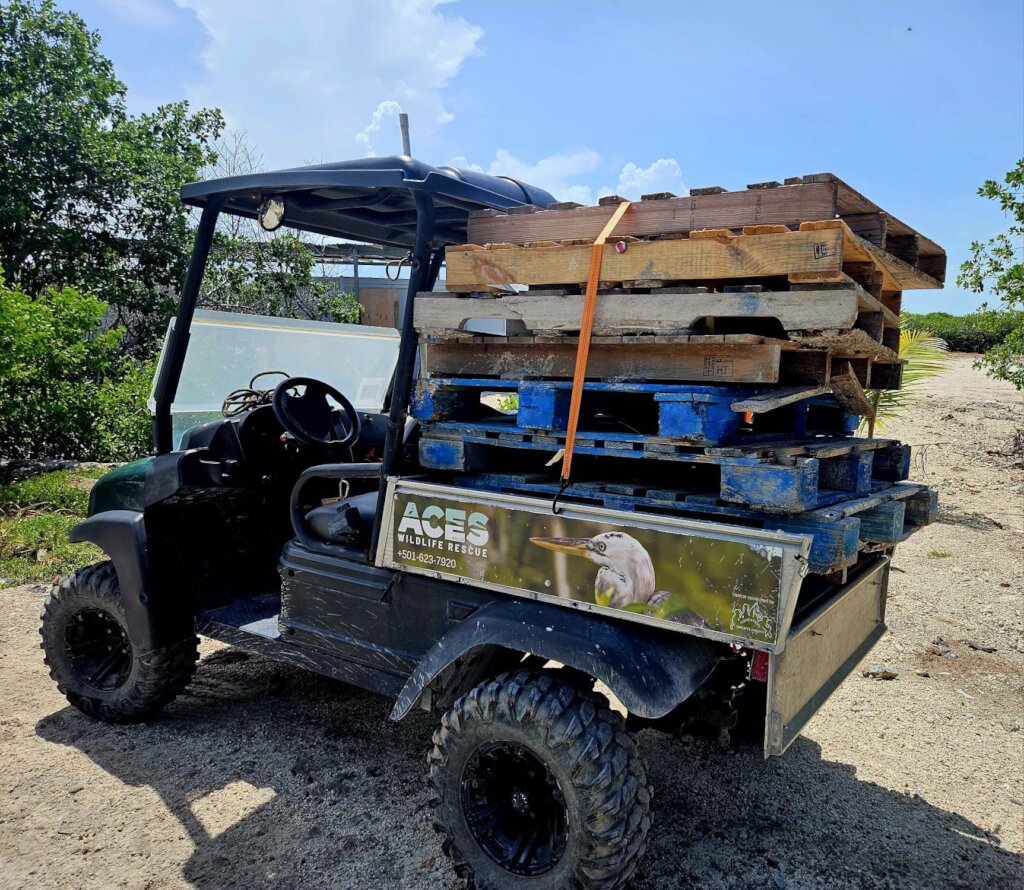
In this particular case, the crocodile was relocated to reduce the immediate risk of conflict. We also provided the property owner with free pallets to help secure the remaining open sections of their property and reduce the likelihood of the crocodile gaining access again.
However, relocation is not a long-term solution to living alongside crocodiles.
Crocodiles have large home ranges and may return to areas where they have previously found food, water or other resources. This is why being proactive rather than reactive is so important.
Simple measures can significantly reduce the likelihood of crocodiles entering human-inhabited areas:
ACES does not receive government funding to manage crocodiles across the Northern Cayes. However, as wildlife rehabilitators, we are passionate about helping our community learn how to coexist safely with the incredible wildlife that shares these islands with us.
Education and outreach are some of the most important aspects of our work. Our ultimate goal is to see fewer wild animals entering rehabilitation in the first place, because the best place for healthy wildlife is where it belongs — in the wild, free across the Cayes.
That is why we continue to dedicate our time to working alongside our community, assisting with crocodile encounters, answering hotline calls and providing practical advice on how people and wildlife can safely coexist.
And that brings us to the end of our July update!
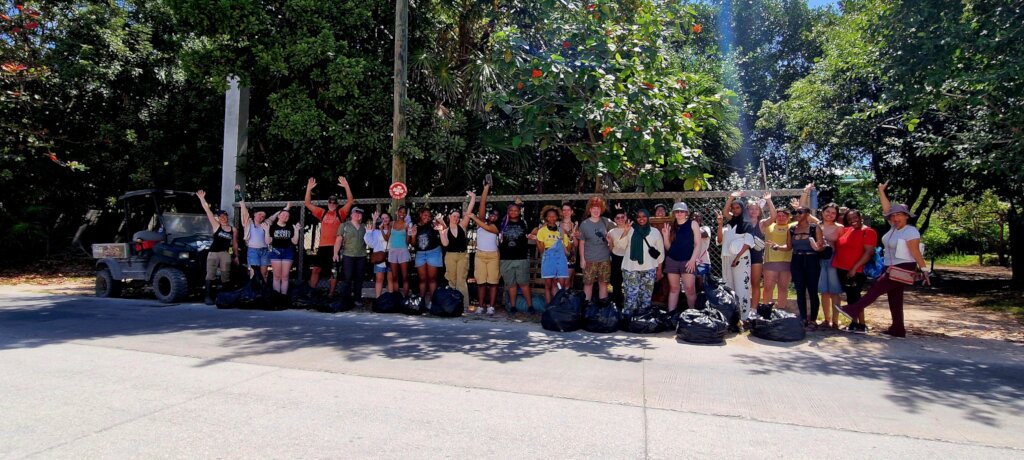
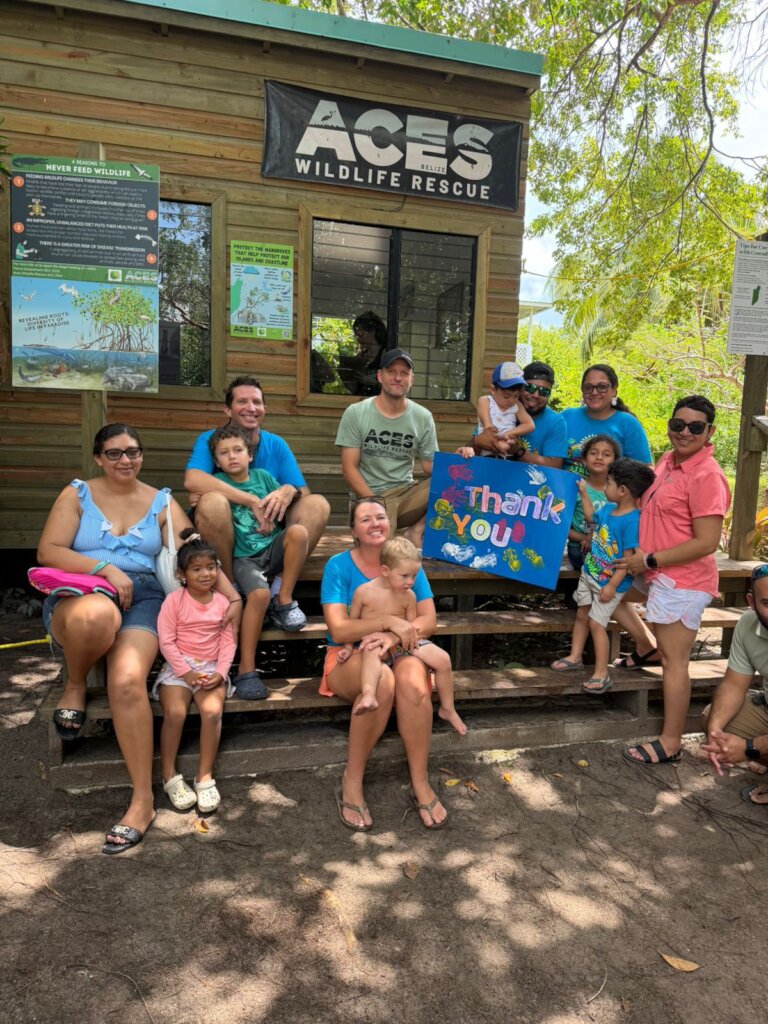
It has been another incredibly busy month for the ACES team, and we couldn't do any of this without the continued support of our community, donors, volunteers and supporters.
From tiny baby birds and Rocket the raccoon to our resident crocodiles, every animal that comes through our doors depends on the generosity of people who believe in protecting Belize's incredible wildlife.
Thank you for being part of the ACES Wildlife Rescue family and for helping us keep the Cayes wild and free.
With gratitude,
The ACES Wildlife Rescue Team
By Matt Barnes | Centre Co Manager
By Ben Sept | Board Chair and Wildlife Rescuer
Project reports on GlobalGiving are posted directly to globalgiving.org by Project Leaders as they are completed, generally every 3-4 months. To protect the integrity of these documents, GlobalGiving does not alter them; therefore you may find some language or formatting issues.
If you donate to this project or have donated to this project, you can receive an email when this project posts a report. You can also subscribe for reports without donating.



Support this important cause by creating a personalized fundraising page.
Start a Fundraiser