By Sarah LaBrasca | Sarah LaBrasca
Smart Earth Network has partnered with Philippino fishermen and conservationists to revolutionise endangered dugong conservation.
The success of our Philippine-based project designed to save IUCN red-listed dugongs in the West Pacific has been significantly boosted by so many kind donations and the tireless involvement of our partners. Since the start of our campaign in mid-2015, significant progress has been made. We can now consider that conservation of these fragile creatures is effectively being facilitated thanks to the comprehensive picture of the dugong population that is being built up thanks to the solution that SEN has helped establish. This in turn enables targeted conservation activities to be put into practice and correctly monitored.
Let’s remember how it all started.
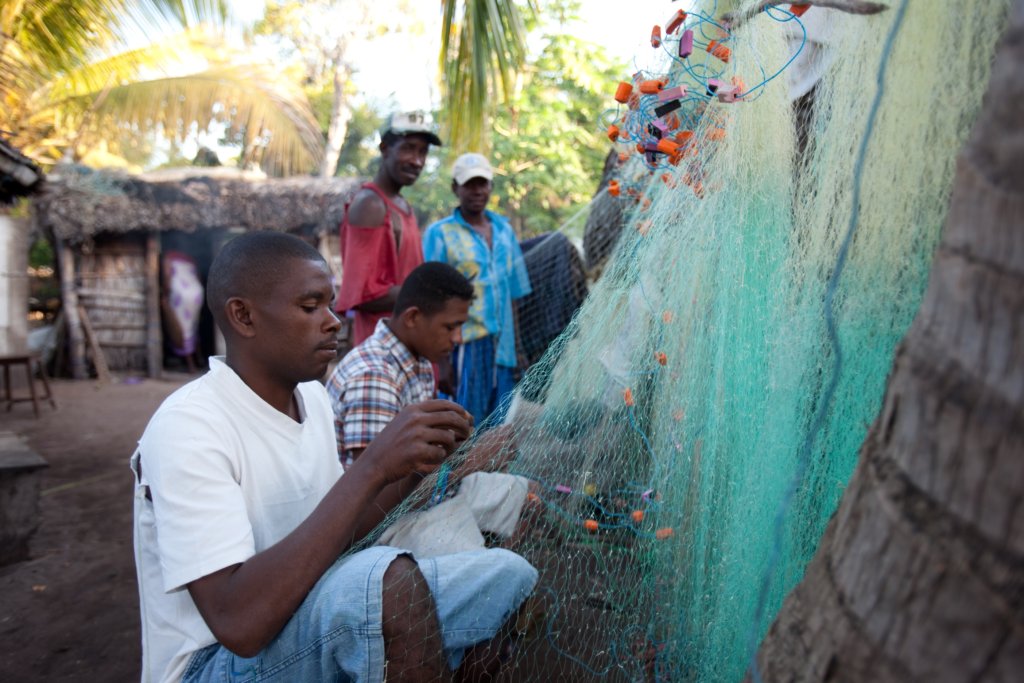
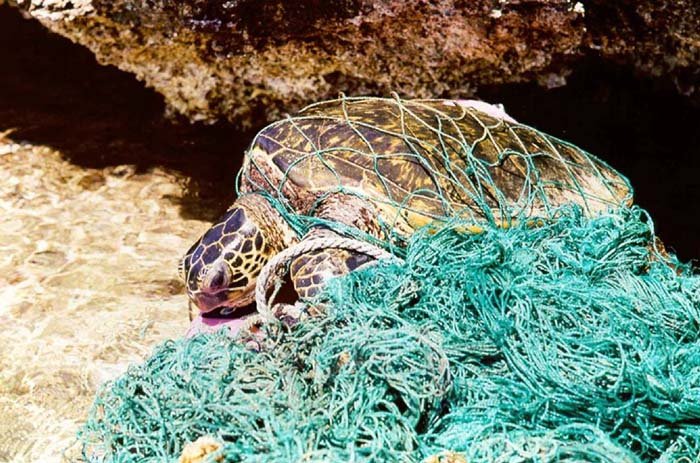
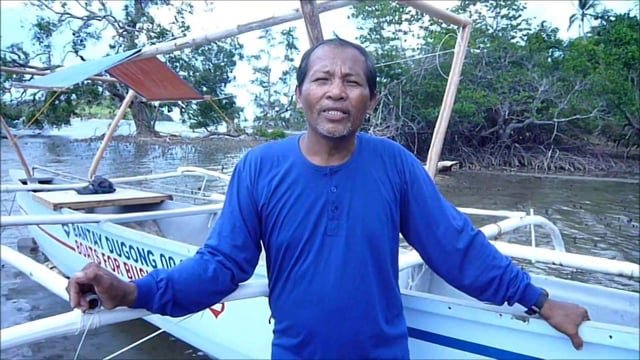
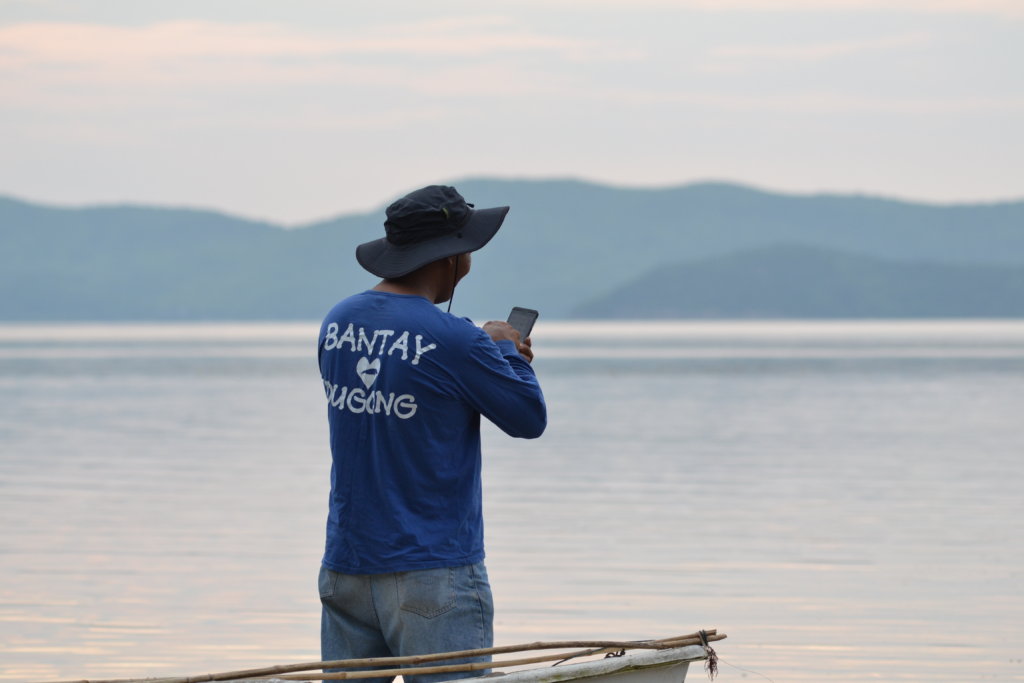
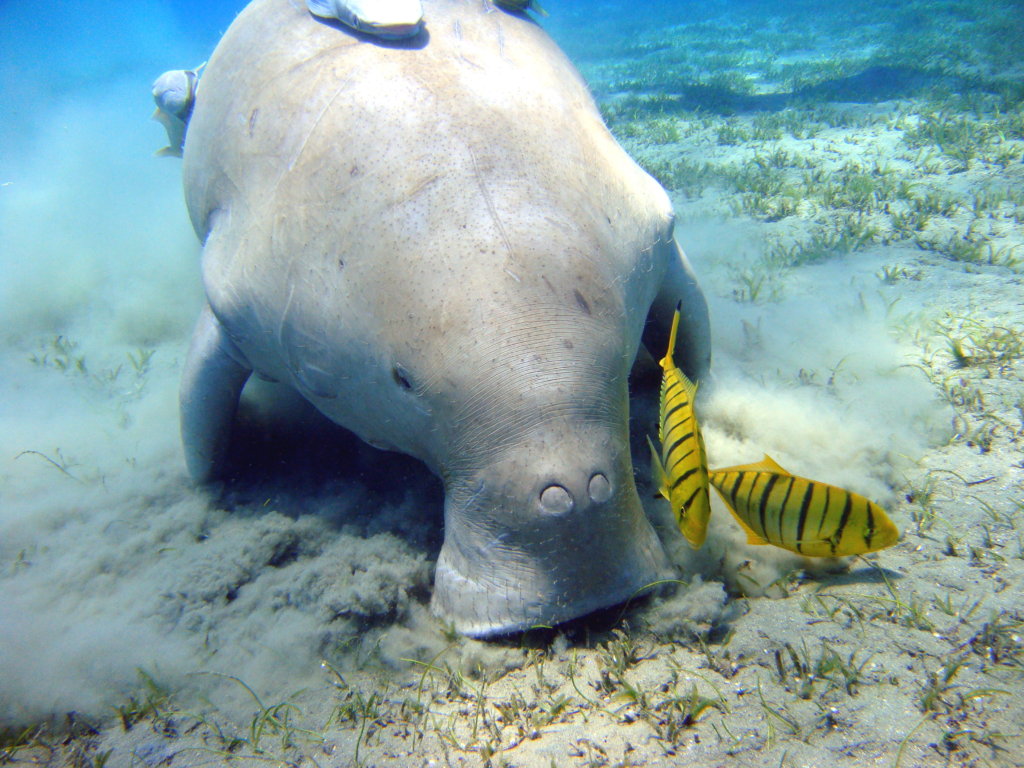
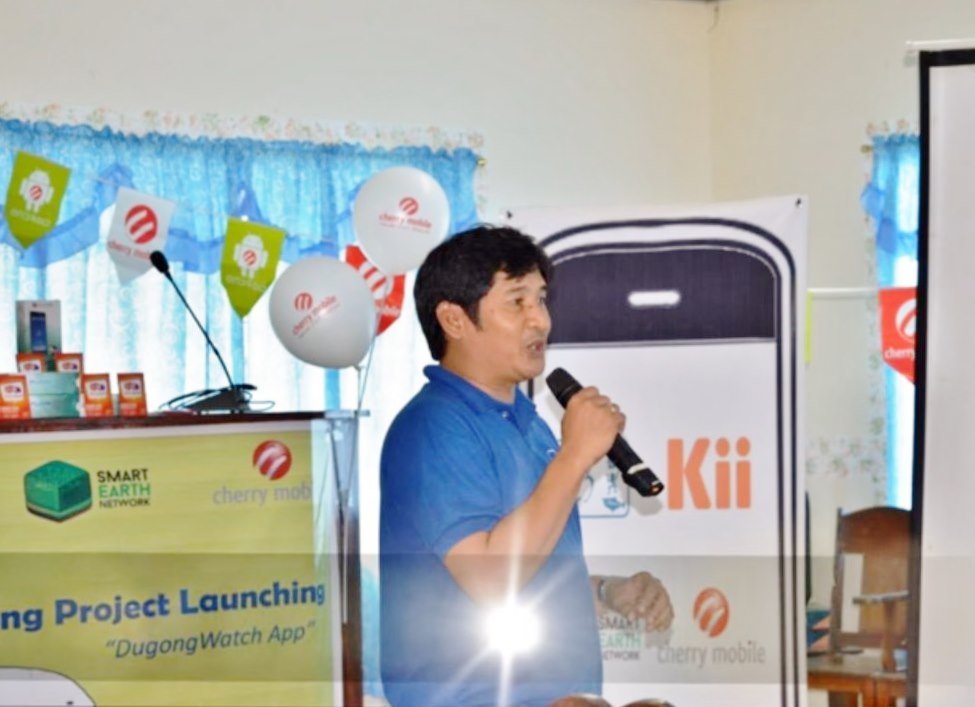
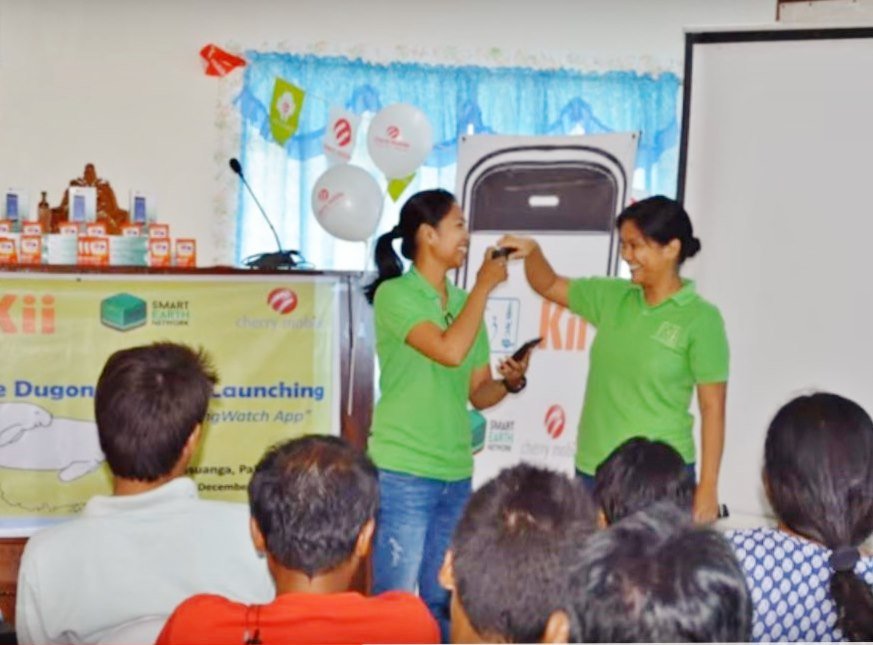
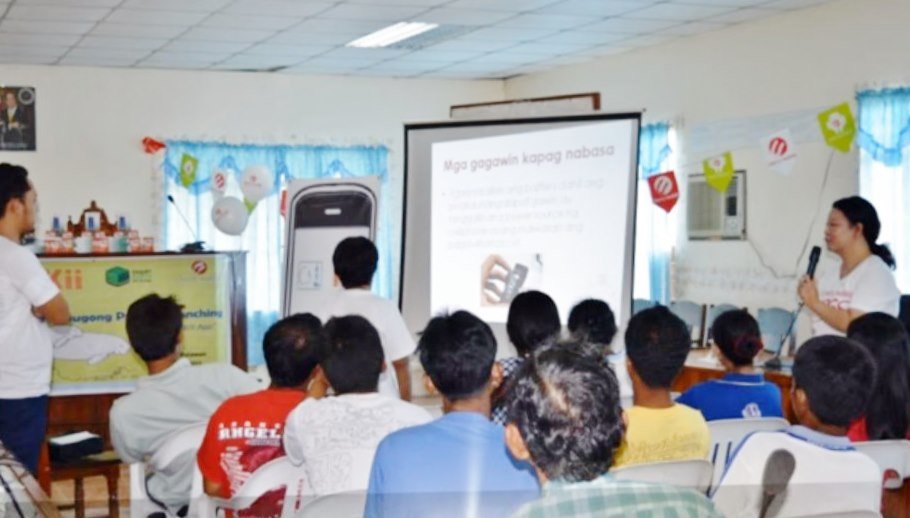
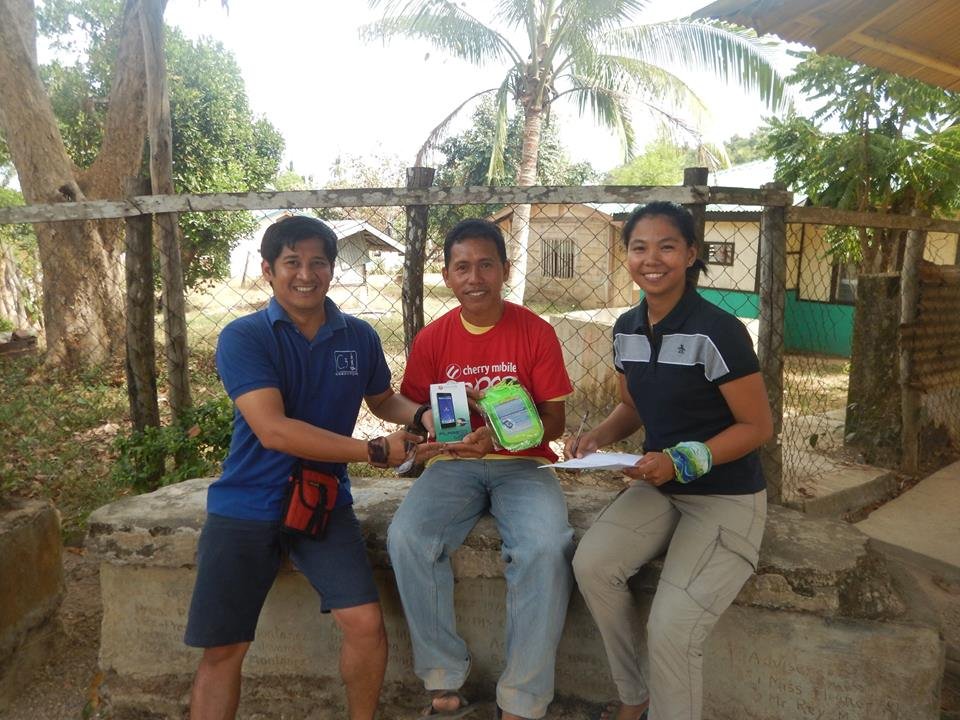
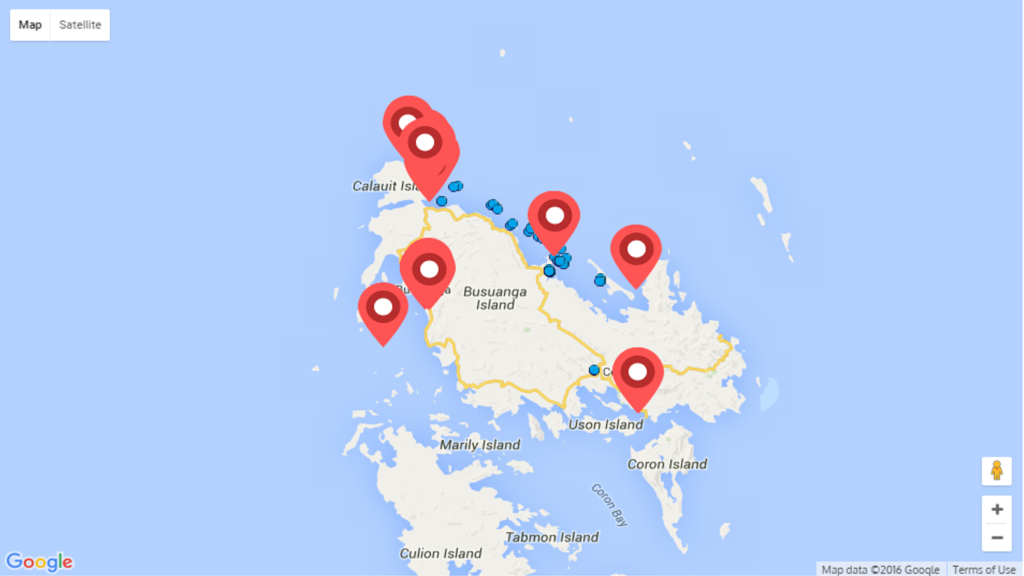
Peaceful seagrass grazing dugongs are a symbol of happiness and good luck in the Philippines. But their population is diminishing and local fishermen are almost the only ones to observe them now. Dugongs are under threat, due to poaching, entanglement in large fishing nets and loss of habitat. Working with local NGO Community Centred Conservation (C3), SEN developed an efficient and cost-effective monitoring system which allows local fishermen to take photos and automatically record the location, time and date of dugong sightings by using a specially developed app on a smart phone.
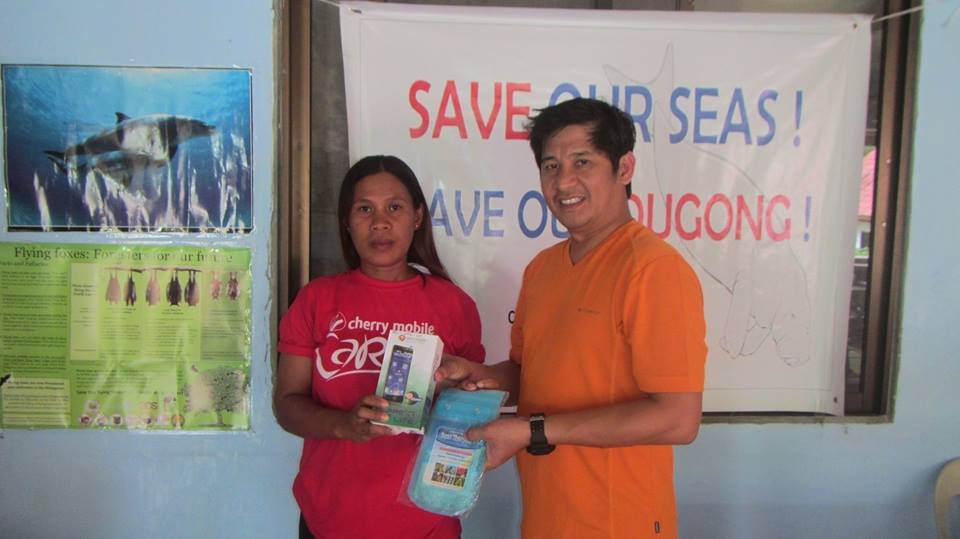
Our previous report explained that difficulties were encountered in transferring the photos from some of the fishermen’s mobile phones to the database. We are pleased to announce that C3 and Cherry Mobile have overcome this and maps are now updated and functional. A live database of the numbers, locations and threats to the dugong is established, the local community is engaged and practices put in place to best assist the protection of this vulnerable dugong population.
Simon Hodgkinson, SEN’s founder, comments, ‘The Dugong app is far more effective and covers a much wider area giving us data on a daily basis. It is much less costly and allows fishermen to possess smart phones which very few could afford without them being associated with the project. Far from being the enemy of environmentalism, technology can provide a level of assistance which we could only dream of a few years ago’.
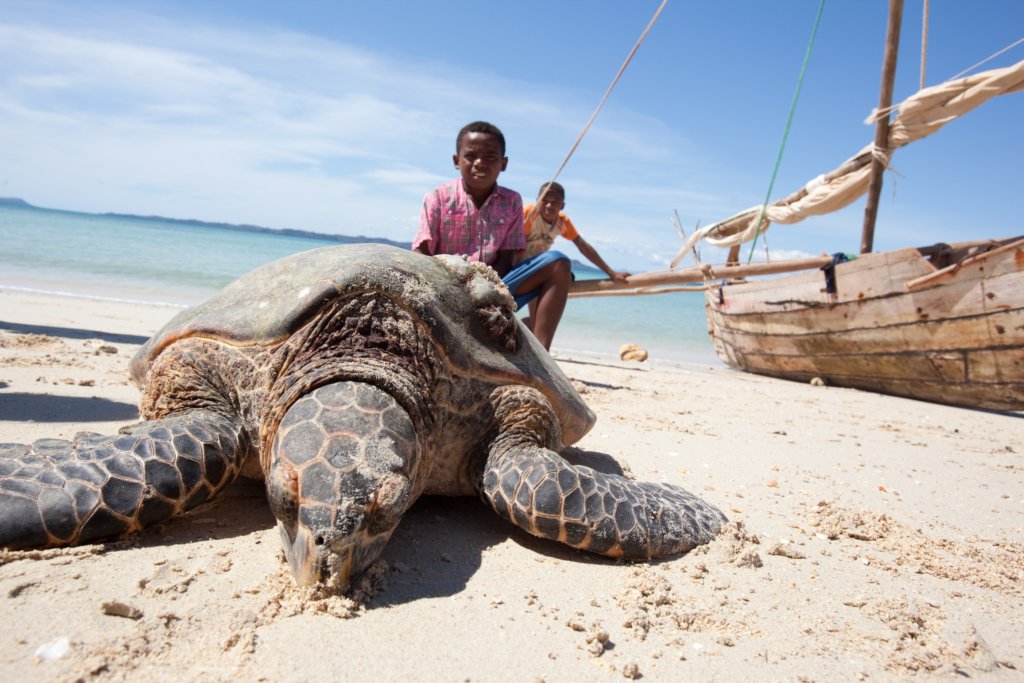
SEN would like again to thank everyone who has shown concern for this project. Conservation work is never finished and dugong and sea turtle populations remain fragile. This project may be a little drop in the (Indian) ocean, but its development and success represents an enormous opportunity for future involvement in other conservation areas and for other endangered species. The Dugong project is already showing the way - technology and conservation can unite to open a new era of environmental action.
SEN is looking at challenges from other conservation organisations which could benefit in the same way as the Dugong Project in the Philippines. The app is being integrated into an anti-poaching reporting app which will soon be tested and deployed in a national park in Africa. There will soon be more news on this on our website.
Because you have expressed your interest in this project and your concern for nature conservation, please link up to the SEN website and see more updates on conservation issues and technical ideas to help preserve nature. If you wish you can join us (there’s no fee or engagement). Keep in touch with SEN via our website: www.smartearthnetwork.com
Links:
By Sarah LaBrasca | Project Leader
By Sarah LaBrasca | Project Leader
Project reports on GlobalGiving are posted directly to globalgiving.org by Project Leaders as they are completed, generally every 3-4 months. To protect the integrity of these documents, GlobalGiving does not alter them; therefore you may find some language or formatting issues.
If you donate to this project or have donated to this project, you can receive an email when this project posts a report. You can also subscribe for reports without donating.