By Guadalupe Ramirez | Director
In the K'iche'-speaking communities of Santa Catarina Ixtahuacán, Sololá, the lack of drainage is less a technical deficit than a symptom of governance. The system formally invites participation but rewards only the communities equipped to navigate it.
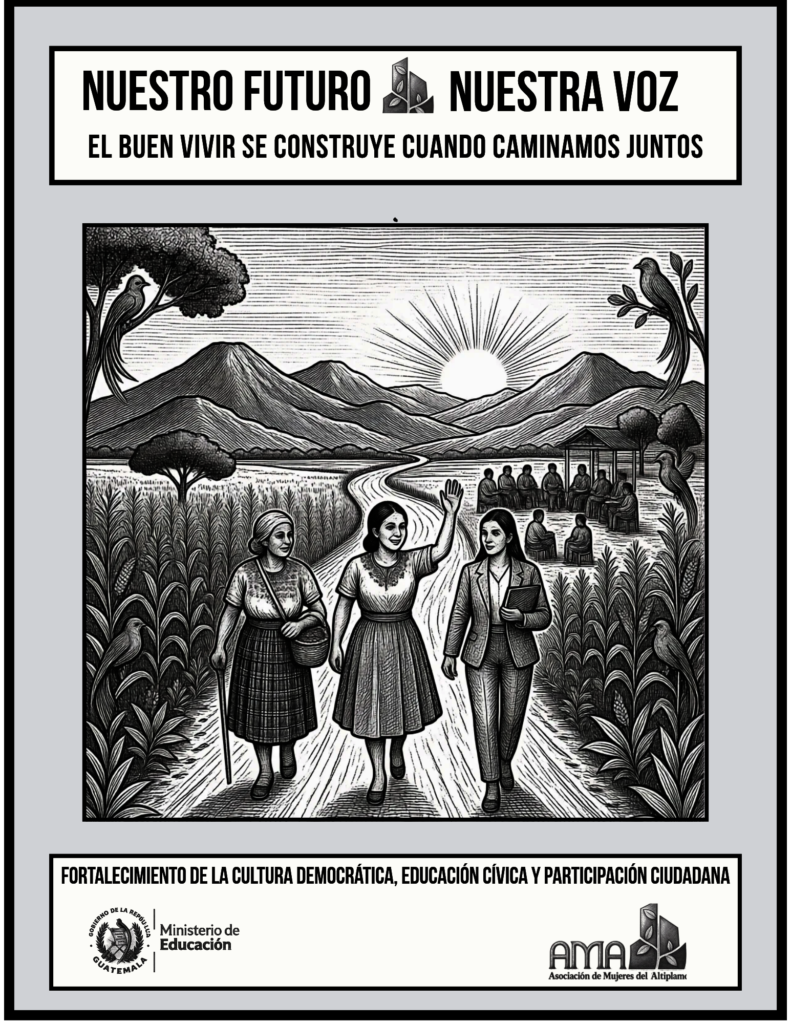
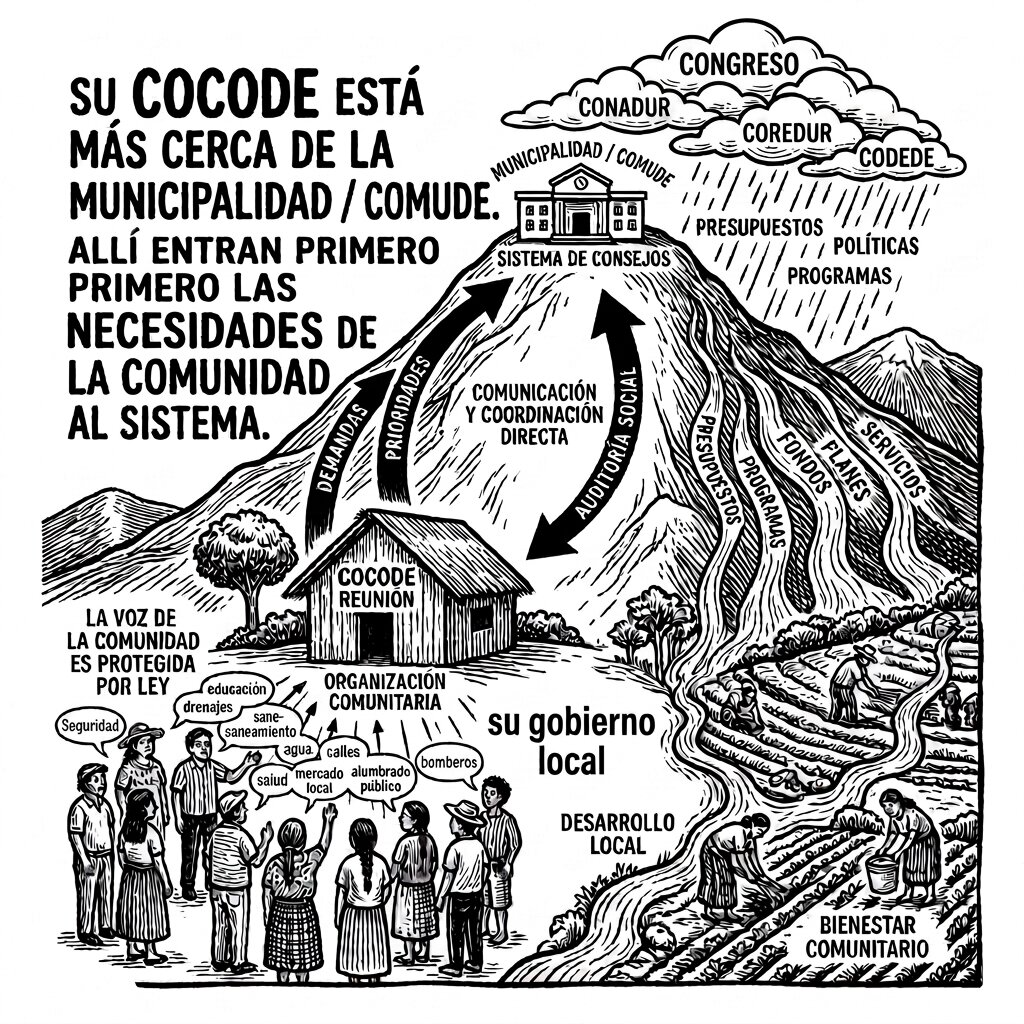
The 1996 Peace Accords ended 36 years of civil war. They committed the Guatemalan state to recognizing indigenous peoples and decentralizing power. The Law of Development Councils (Decree 11-2002) gave this commitment institutional form through the Consejos Comunitarios de Desarrollo (COCODES), or Community Development Councils. Communities elect COCODES in assemblies. The councils were meant to let historically excluded Maya communities shape national budget priorities from below. Proposals rise through municipal, departmental, and national councils.
In practice, the promise of participation has been quietly inverted. Rather than the state reaching down to meet community needs, communities must reach up — navigating a complex, multi-tiered process of feasibility studies, technical proposals, and itemized budgets before the state will acknowledge their needs at all. Communities that cannot produce these documents in the state's administrative idiom are, in effect, invisible. Municipal support may further depend on political allegiance rather than need. The system does not deny funding to struggling communities; it simply ignores them.
The Burden on Women
This burden falls heaviest on Maya women. Hours spent simmering and grinding nixtamal leave little time for civic life. Time poverty and governance exclusion reinforce each other.
AMA's Response
In the past four months, AMA has:
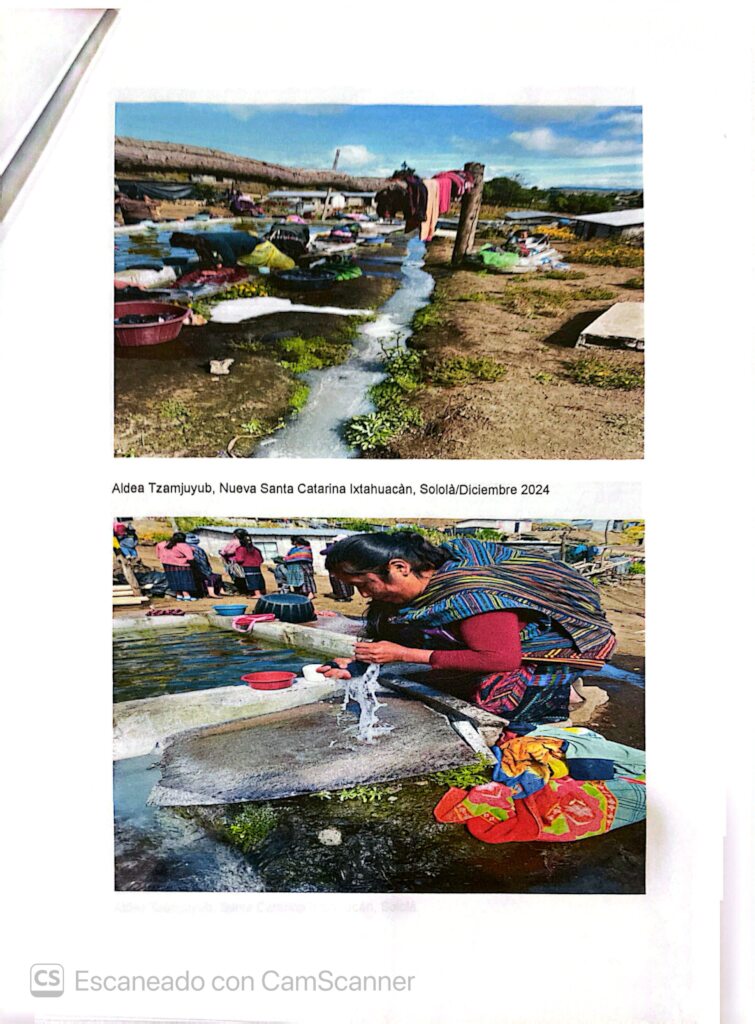
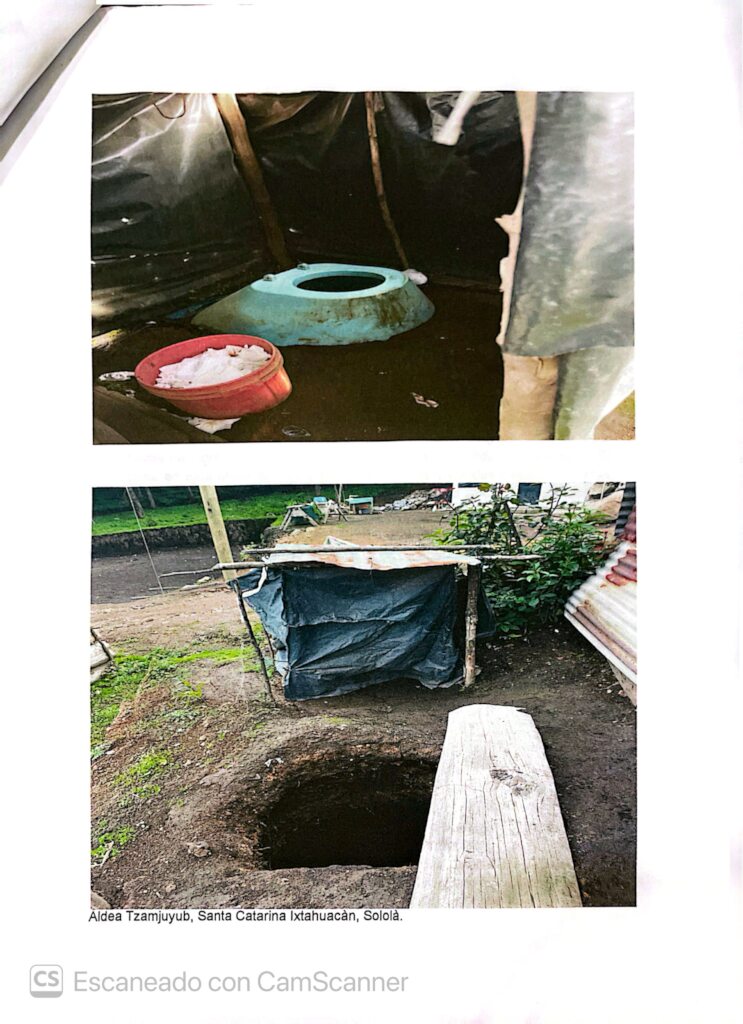
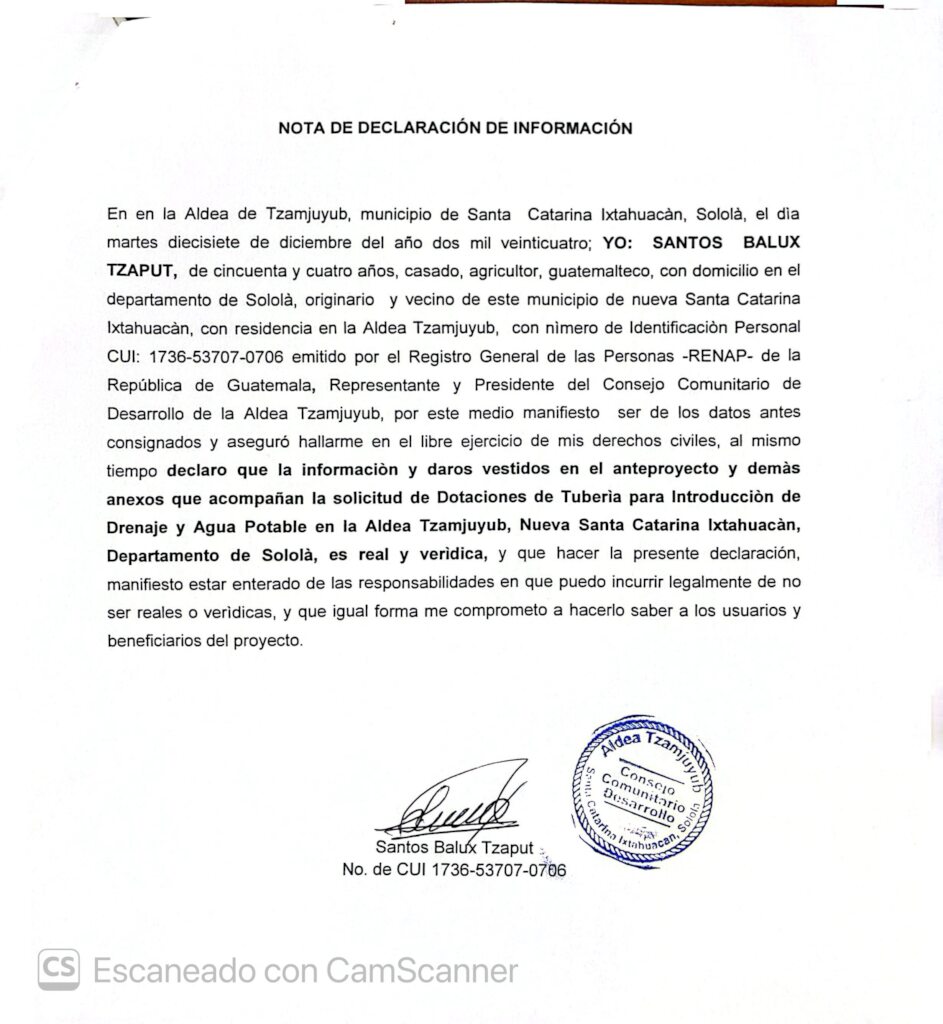
Tzanjuyú shows the stakes. It has no drainage, no potable water, latrine-only sanitation, and weak participation by women in its COCODE. In December of 2024, we assisted them in developing their dossier, which was registered this August with the national Social Development Fund after a year of obtaining the required engineering and departmental sign-off.
The project's central claim is that civic capacity is a precondition for infrastructure, not a byproduct of it. Investment must now close the pre-investment gap: feasibility studies, engineering designs, and registration in the national public investment system. This support does not replace state responsibility. It enables communities to make the state honor the Peace Accords' unfulfilled promise.
By Ligia Gomez | Executive Assistant to Community Organizer
By Lesly Bravo | Well Being Promoter, Midwife & Doula
Project reports on GlobalGiving are posted directly to globalgiving.org by Project Leaders as they are completed, generally every 3-4 months. To protect the integrity of these documents, GlobalGiving does not alter them; therefore you may find some language or formatting issues.
If you donate to this project or have donated to this project, you can receive an email when this project posts a report. You can also subscribe for reports without donating.


Support this important cause by creating a personalized fundraising page.
Start a Fundraiser