



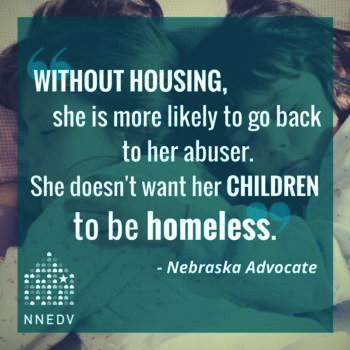

The service provided by Raise Your Voice Saint Lucia Inc. addresses an immediate, life-threatening gap in St. Lucia’s domestic violence response. As detailed in our project overview, we routinely receive calls from women in active, volatile relationships who fear for their lives, yet the island’s primary domestic violence shelter is perpetually at full capacity. Our funds are split between two equally critical functions: providing emergency shelter for these women in imminent danger of fatal assault, and offering up to six months of rental support for those who have escaped an abusive relationship but face homelessness and lack monetary autonomy. Without this dual approach, victims are tragically forced to choose between returning to their abusers or sleeping on the streets with their children—a choice that directly contributes to escalating domestic homicides and family homelessness.
The scarcity of dedicated safe spaces makes our role as a "first responder" absolutely vital. When the official shelter is full—which is a near-constant reality—our volunteers have no option but to personally shelter victims temporarily. We then must scramble to find private rental apartments, a solution that is neither sustainable nor scalable for a small non-profit. The funds raised are used to secure these standalone apartments, but the high demand means we can only support a limited number of women and their children at any given time—our goal is to provide for five families concurrently. This is a drop in the bucket compared to the calls we receive, forcing us into agonizing triage decisions where limited funding directly determines who gets a safe door to lock and who is turned away.
Compounding this crisis is the relentless demand juxtaposed against our severely limited funding. This chronic underfunding means we cannot secure a dedicated safe house; we can only patch together short-term rentals. Every dollar must stretch to cover not just rent, but also essential needs like food, clothing, and transportation to ensure children can continue their education. When funding runs out, we are forced to stop rental assistance prematurely, sometimes leaving women who are not yet fully independent with the unthinkable choice of returning to their abuser or becoming homeless again.
The long-term impact of fully funding this service is nothing less than saving lives and breaking the cycle of abuse. With adequate resources, we could secure a stable safe house, guarantee shelter to every woman who calls in a lethal crisis, and provide the safe, stable environment needed for counseling, empowerment, and reintegration into society. Instead, the current reality of high demand and low funding means we are constantly reacting to emergencies without the means to build lasting solutions. We urgently appeal for sustained support—not just one-time donations but monthly commitments—to ensure that no victim is turned away because we lack the funds for a simple, locked door and a roof overhead. The difference between life and death for a woman and her children in St. Lucia today is the availability of that safe space.




.jpg)






