By Sydney Usselmann | Programms & Office Intern
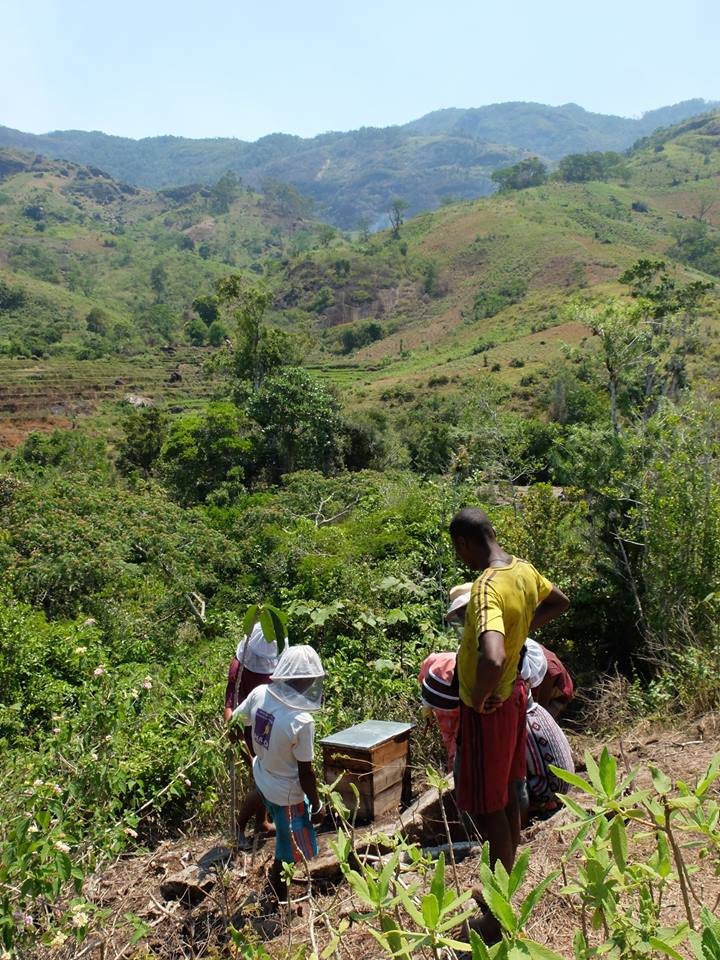
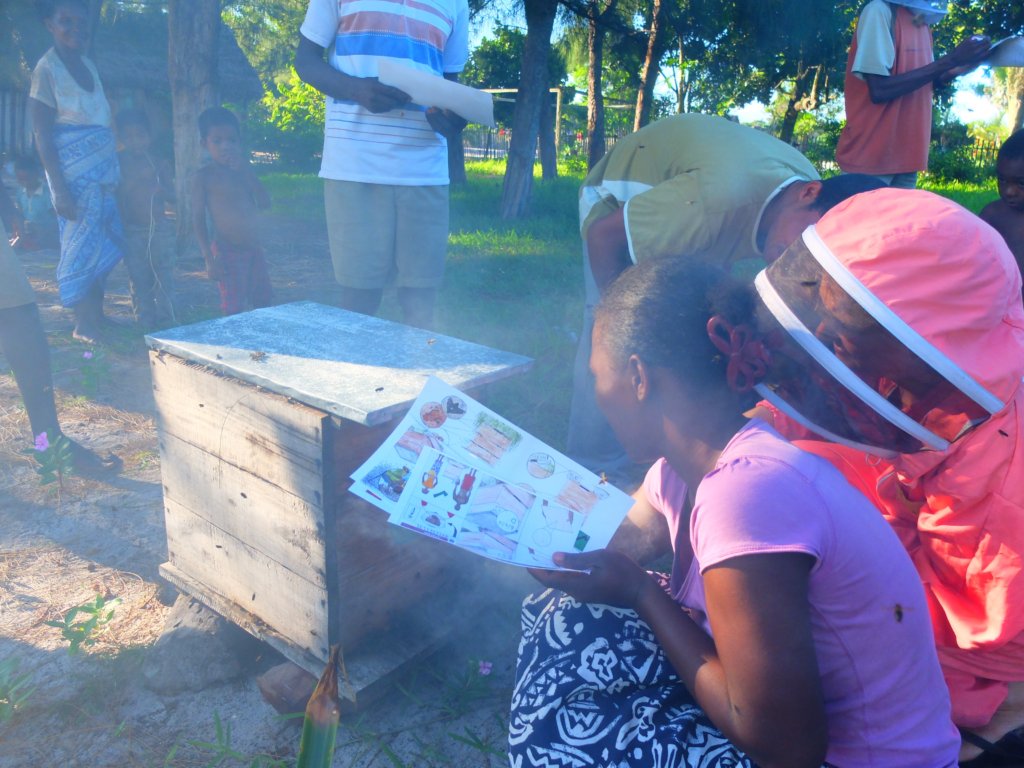
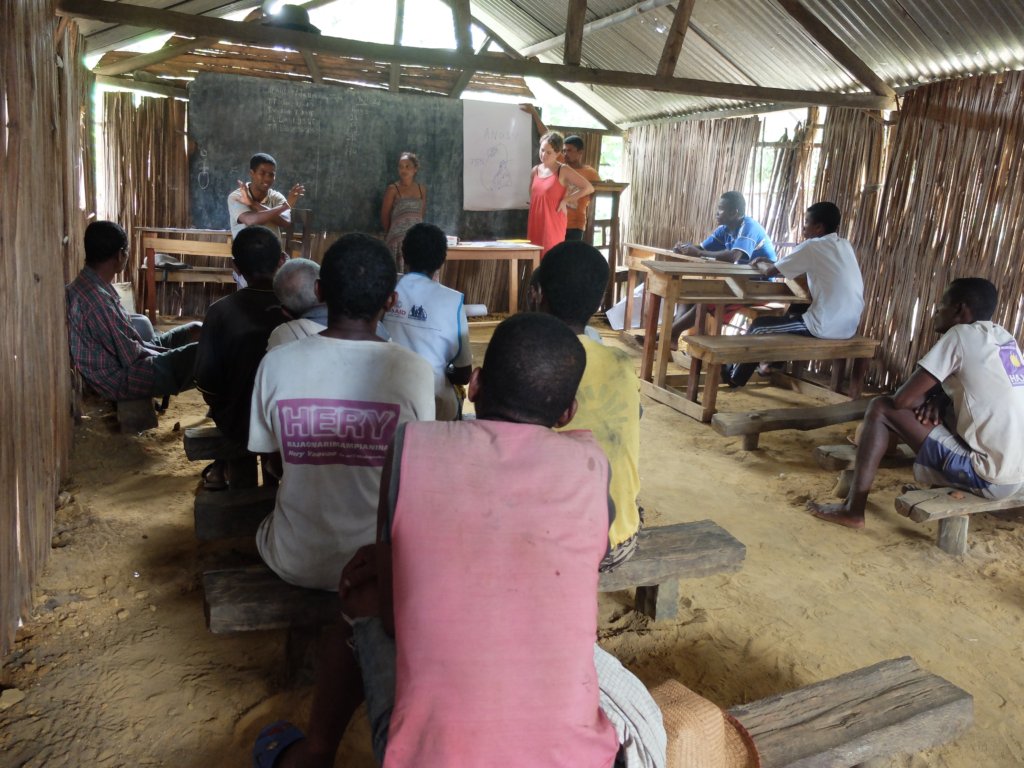
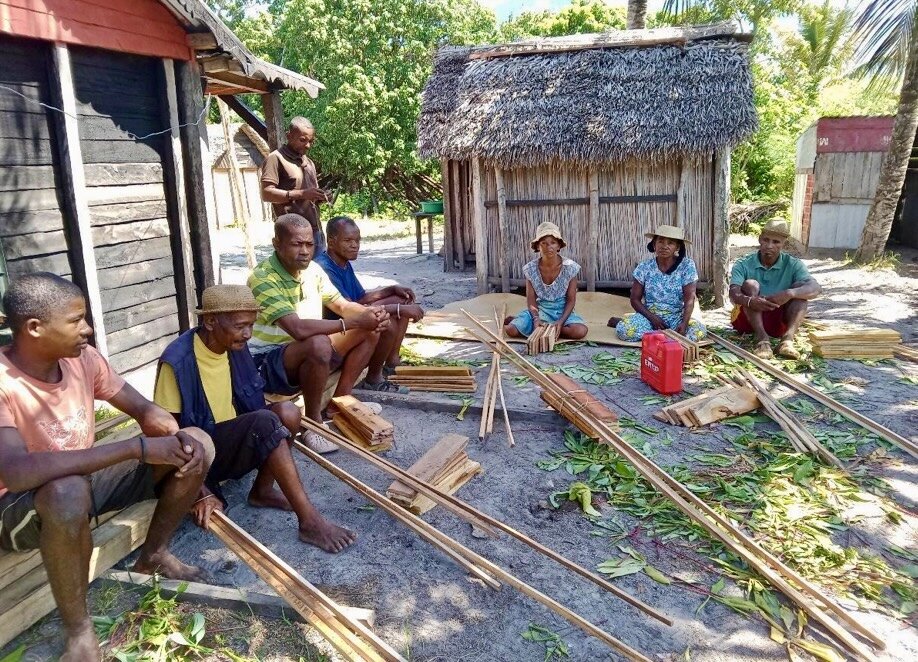
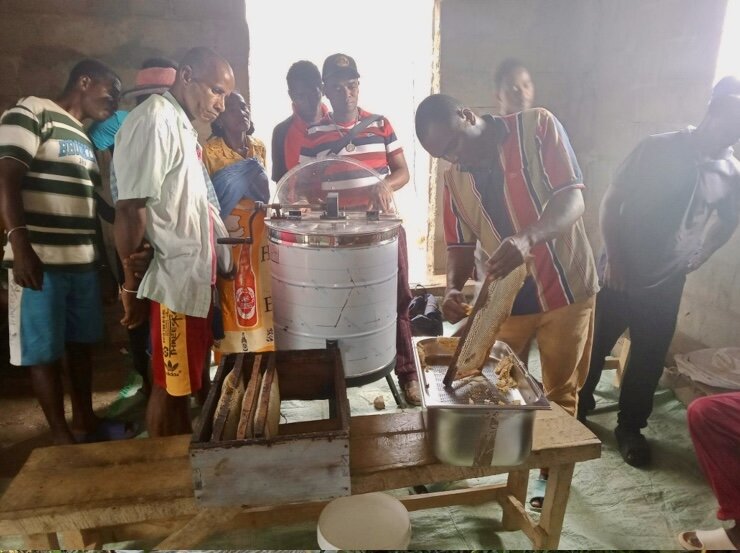
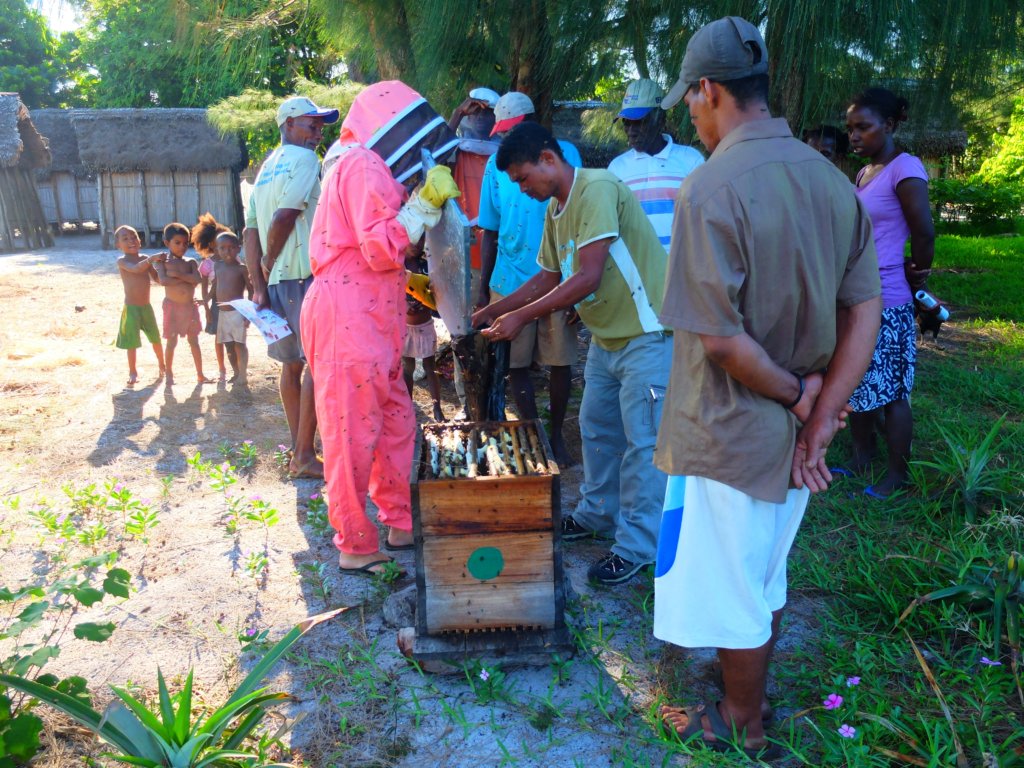
Project Renitantely Phase II works with 48 beekeepers across six rural communities in the Anosy region of south-eastern Madagascar, where honey provides a supplementary household income. SEED Madagascar aims to make beekeeping more financially and environmentally sustainable by improving hive productivity and honey quality, strengthening beekeepers’ business and market access, and building knowledge of the natural resources on which beekeeping depends.
Phase II was disrupted by a series of extreme weather events in 2025. Wildfires burned large areas of land in January, following the driest October on record in 2024, with up to 160 outbreaks reported at once. Tropical Storm Jude struck in March, and a locust plague then prompted government pesticide spraying in project communities. Together, these events killed 172 of just over 500 participant colonies and weakened many of the remaining hives, as the loss of forest reduced the pollen and nectar available to bees.
Market access proved a separate challenge. A market analysis found almost no local appetite for value-added products such as wax candles, with only 2% of tested products sold. It concluded that participants’ apiaries are too small and too remote for larger exporters to justify collecting their honey. SEED adapted the project in response: rather than recruiting 40 additional beekeepers, it redirected resources to stabilising existing apiaries and replenishing bee forage through tree nurseries and shifted the focus from meeting export honey quality standards to increasing the volume of honey produced.
Recent results suggest the adapted approach is working. Colony numbers rose from 328 in June 2025 to 500 by June 2026, and the share of hives rated as healthy increased from 29% at the start of the phase to 73%. Honey harvested rose from 1,394 litres in 2025/25 to 3,717 litres in 2025/26, raising average income from around £35 to £87 per beekeeper. Over 10,000 tree seedlings were transplanted, and all participants said they intend to continue growing trees without SEED’s support – evidence that households can rebuild income after severe climate shocks while restoring the forage their bees depend on.
SEED is now preparing for the last phase of project Renitantely. This phase will aim to provide the knowledge and resources participants need to sustainably continue beekeeping as a supplementary livelihood activity without SEED’s support. SEED has delivered the key interventions within its scope to support beekeeping as a sustainable secondary income activity in the last two phases, and this last phase will be preparing the transition of participants to independent apiary management, and we thank all our donors for the continued support.
Project reports on GlobalGiving are posted directly to globalgiving.org by Project Leaders as they are completed, generally every 3-4 months. To protect the integrity of these documents, GlobalGiving does not alter them; therefore you may find some language or formatting issues.
If you donate to this project or have donated to this project, you can receive an email when this project posts a report. You can also subscribe for reports without donating.



Support this important cause by creating a personalized fundraising page.
Start a Fundraiser