By Robert Tornu | Friends of Adaklu Policy & Program Advisor
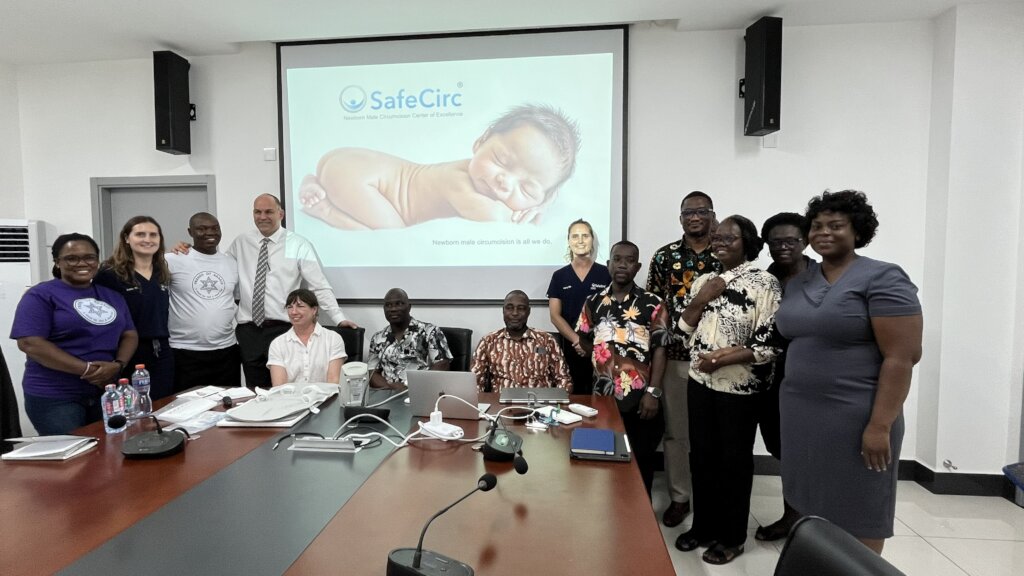
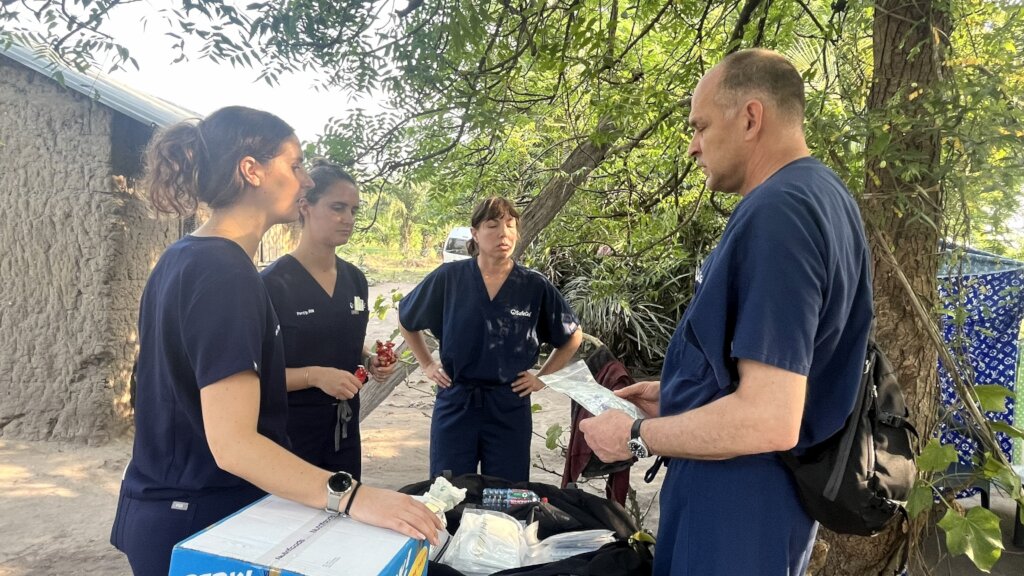
SafeCirc, in collaboration with Fountian Medical Service, successfully carried out a male circumcision program and introduction of the AccuCirc circumcision technology in communities in Adaklu District of the Volta Region in Ghana. The initiative began with a series of stakeholder consultations to ensure alignment, support, and technical guidance. The team visited University of Health and Allied Sciences (UHAS), School of Midwifery, Ho Teaching Hospital, Adaklu District Health Management Team (DHMT), Other relevant institutions and community leaders These engagements provided a platform to introduce and discuss the benefits of AccuCirc, a modern circumcision technology designed to improve safety, efficiency, affordability and accessibility.
The Program Focus was Introduction of AccuCirc Technology demonstrating its effectiveness as a safer, standardized method for male circumcision, community health promotion raising awareness about the health benefits of circumcision, including hygiene and disease prevention and partnership building strengthening collaboration between NGOs, health institutions, and local authorities to ensure sustainability. The program not only delivered direct health services but also fostered stronger ties between medical institutions and community-based organizations. By prioritizing innovation and collaboration, Safecirc and Friends of Adaklu contributed to advancing public health interventions in Ghana.
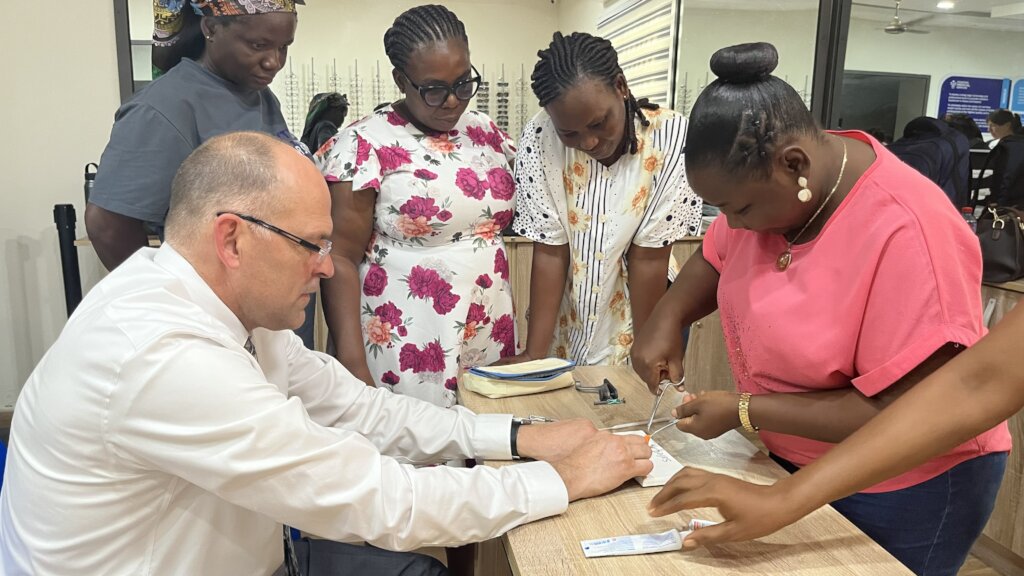
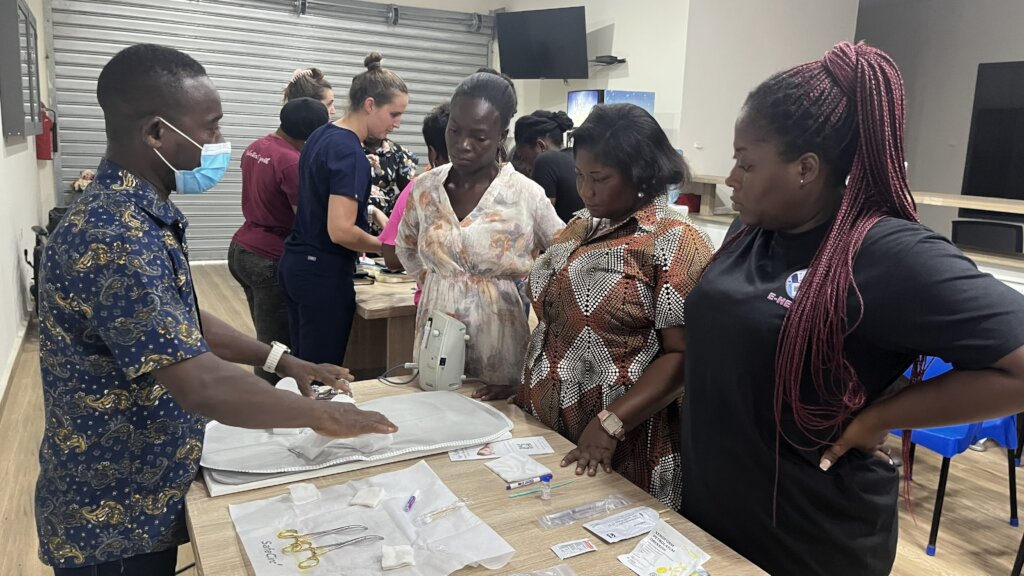
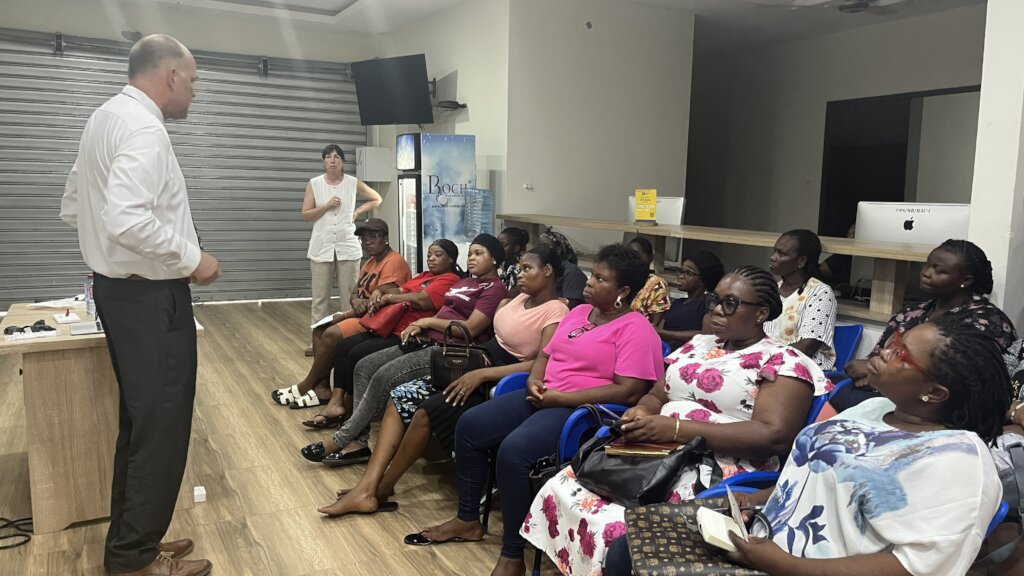
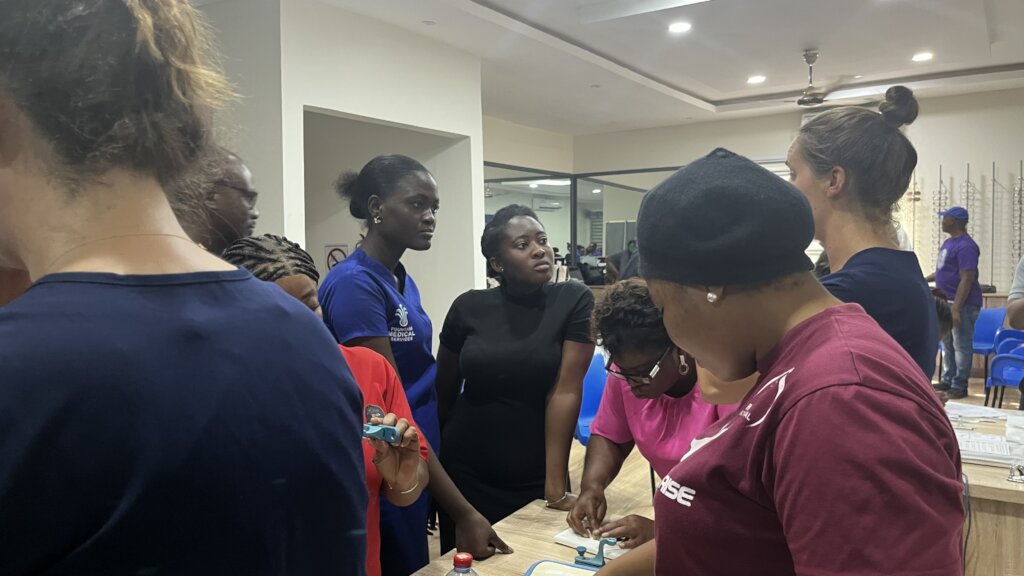
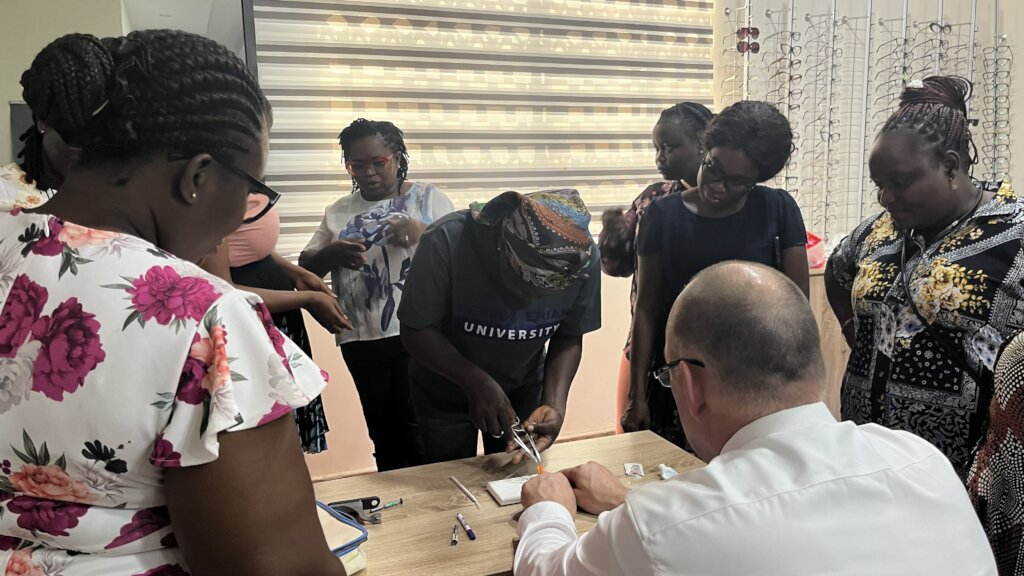
As part of the project’s broader health promotion and child protection interventions, a specialized training was organized for selected midwives across the Volta Region. The training focused on equipping participants with practical skills in the safe and effective use of the AccuCirc circumcision device. This initiative aimed to:
· Enhance midwives’ technical competence in neonatal male circumcision.
· Promote standardized, safe procedures to reduce risks associated with traditional methods.
· Strengthen community confidence in health facilities by ensuring quality service delivery.
The training sessions combined theoretical instruction with hands-on demonstrations, enabling midwives to gain confidence in applying the device. By building the capacity of frontline health workers, the project contributes to improved child health outcomes and supports the overarching goal of protecting children at risk of losing parental care.
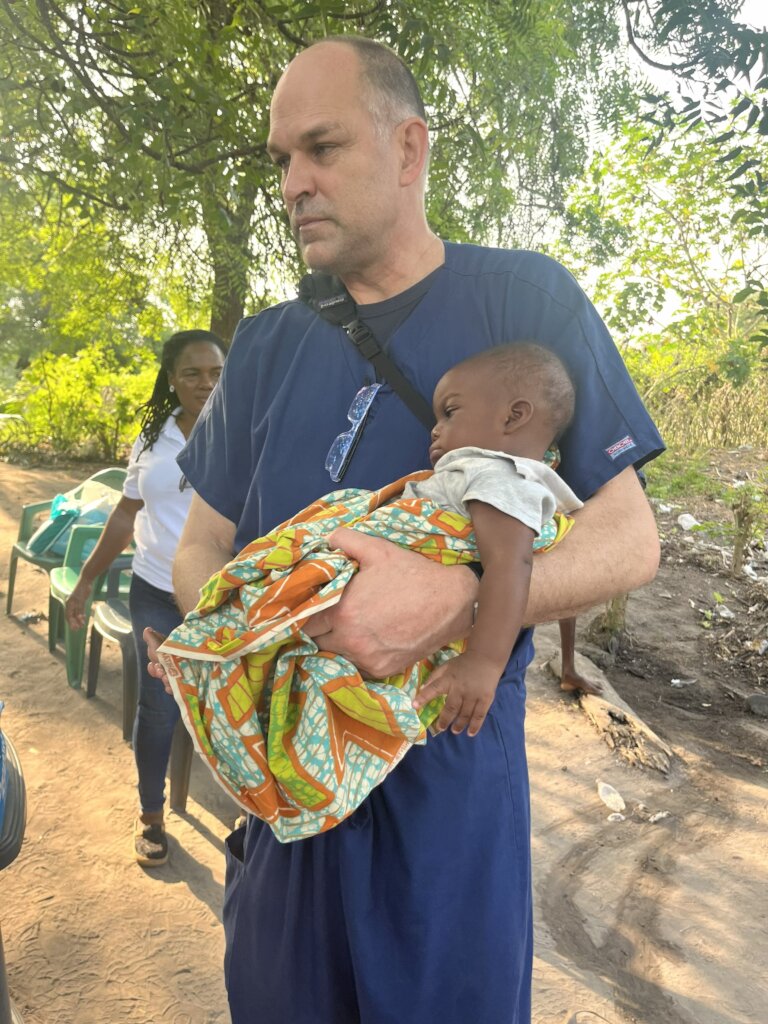
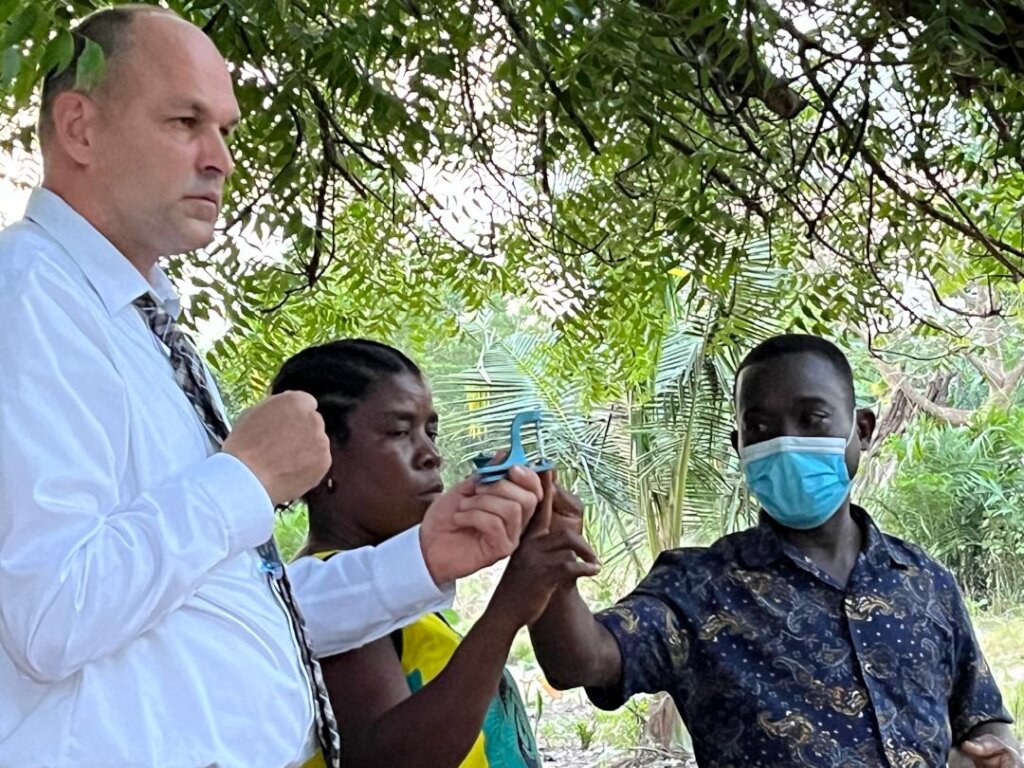
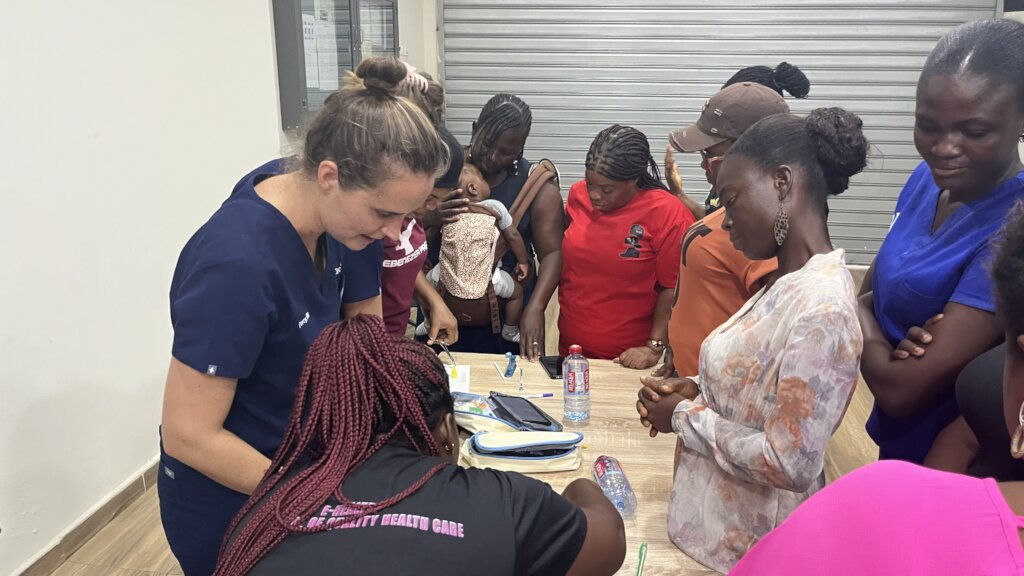
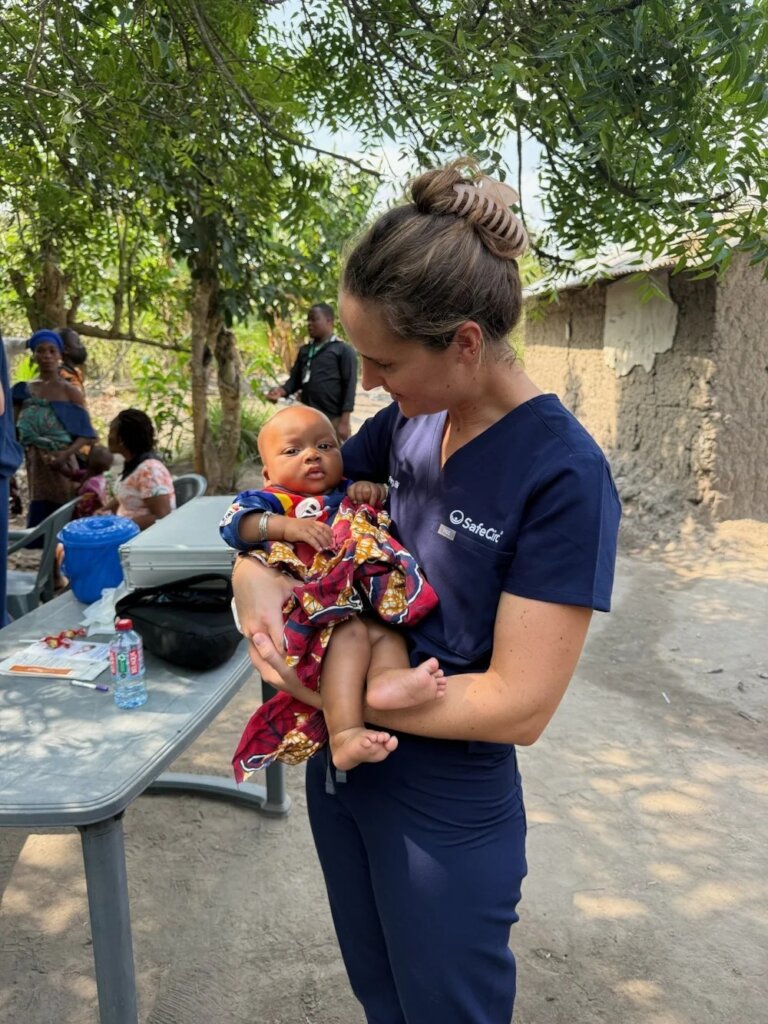
Following the training of midwives on the AccuCirc device, the project team facilitated practical sessions in selected communities across the Volta Region. These sessions provided midwives with hands-on experience, ensuring they could confidently apply the device under supervision.
In addition to the clinical practice, the team conducted community education campaigns to raise awareness about the importance of safe circumcision. Key messages emphasized:
· The health benefits of standardized procedures compared to traditional methods.
· The role of trained midwives in ensuring safety and reducing complications.
· How safe circumcision contributes to child health and protection.
Community members actively participated, with midwives demonstrating the procedure and answering questions. This dual approach combining professional training with grassroots education strengthened trust between health workers and families, while reinforcing the project’s commitment to protecting children at risk of losing parental care.
An exit meeting was also held with stakeholders and management, where the team reviewed the activities carried out, shared lessons learned, and discussed sustainability measures. During this meeting, the facilities assured the project team of their commitment to provide technical support whenever the need arises. This assurance strengthens collaboration between the project and local health institutions, ensuring continuity of safe circumcision services and reinforcing child health protection efforts.
Progress Report on Implementation and Challenges
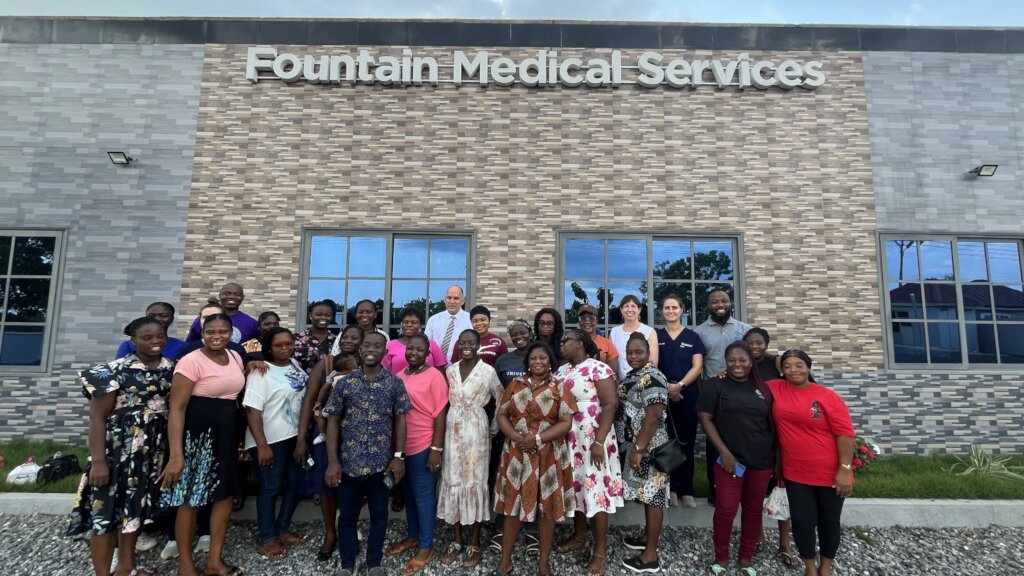
After the training on the use of AccuCirc device, the midwives transitioned smoothly into practice at Fountain Medical Center. Their newly acquired skills were quickly put into action, and the service has already reached fourteen (14) newborn children. Among these, one (1) was just a week old, while the remaining thirteen (13) ranged from two weeks to three months of age.
This early phase of implementation reflects both the confidence of the midwives and the trust of the community in the AccuCirc technology. Each child attended represents not only a successful application of the training but also a step toward strengthening child health and safe circumcision in the community. The diversity in ages shows that families are engaging with the SafeCirc AccuCirc device for circumcision at different stages of infancy, which is encouraging for continuity of care.
The experience at Fountain Medical Center demonstrates how training can translate into tangible impact when practitioners are supported to apply their knowledge directly in service delivery. It is a promising beginning that highlights the importance of capacity building and the readiness of caregivers to embrace improved health care practices in circumcision.
After the SafeCirc training on the AccuCirc technology, midwives at Fountain Medical Center began applying their skills in practice, and the service has already reached fourteen (14) newborns one just a week old, and thirteen between two weeks and three months. What makes this achievement even more significant is the commitment shown by families. Most of the clients who bring their children to the center travel more than ten kilometers, coming from communities such as Sokode, Dabra, Police Depo, Batik, and Adaklu Helekpe.
This willingness to journey long distances reflects both the value families place on the circumcision and the service using the AccuCirc technology and the trust they have in the midwives’ care. It also highlights the pressing need for accessible health interventions in rural and peri-urban areas, where specialized services are often limited. The SafeCirc program is therefore not only building the confidence of midwives but also bridging critical gaps in child health services for communities that would otherwise remain underserved.
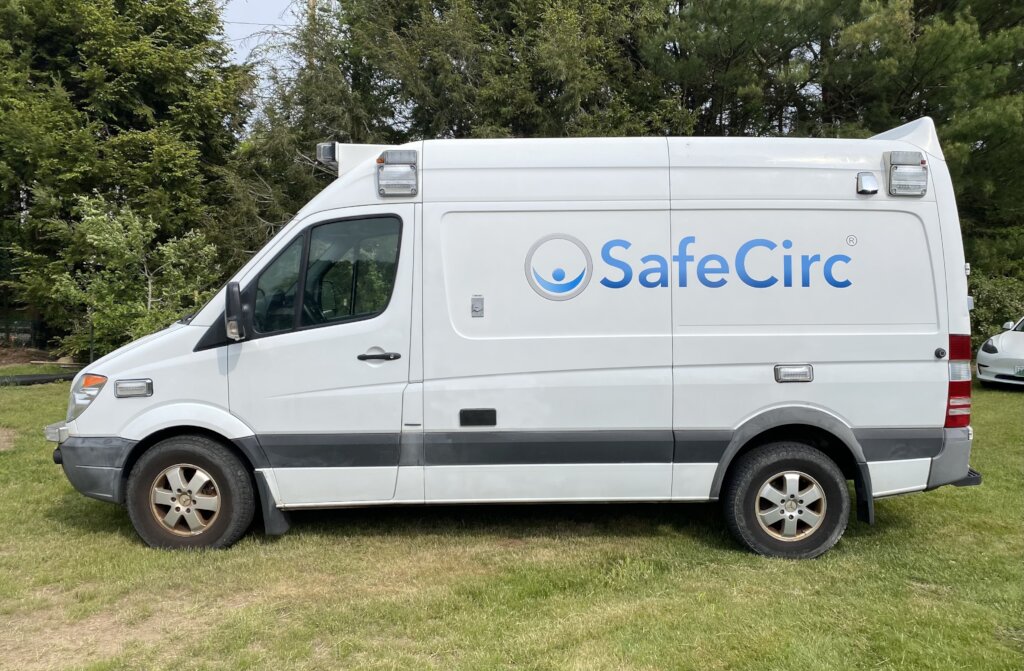
However, the long distances have created inconveniences for parents after receiving the service. More than twenty (20) parents have since called for the team to extend care into their communities. Despite this strong demand, transportation challenges have limited outreach programs, and only four (4) children outside the facility have been attended to so far.
This situation underscores both the value families place on AccuCirc technology and the urgent need to explore community-based service delivery models. The willingness of parents to request local visits highlights the program’s relevance, while the logistical barriers point to areas where support such as transport resources or decentralized service points could significantly expand access and impact.
Project reports on GlobalGiving are posted directly to globalgiving.org by Project Leaders as they are completed, generally every 3-4 months. To protect the integrity of these documents, GlobalGiving does not alter them; therefore you may find some language or formatting issues.
If you donate to this project or have donated to this project, you can receive an email when this project posts a report. You can also subscribe for reports without donating.



Support this important cause by creating a personalized fundraising page.
Start a Fundraiser