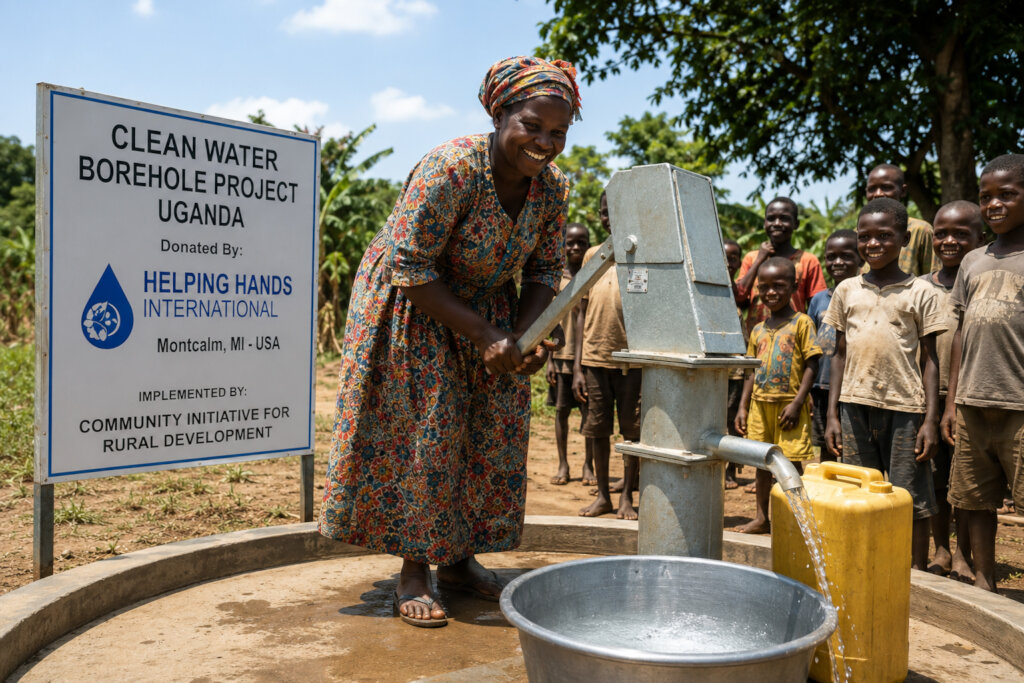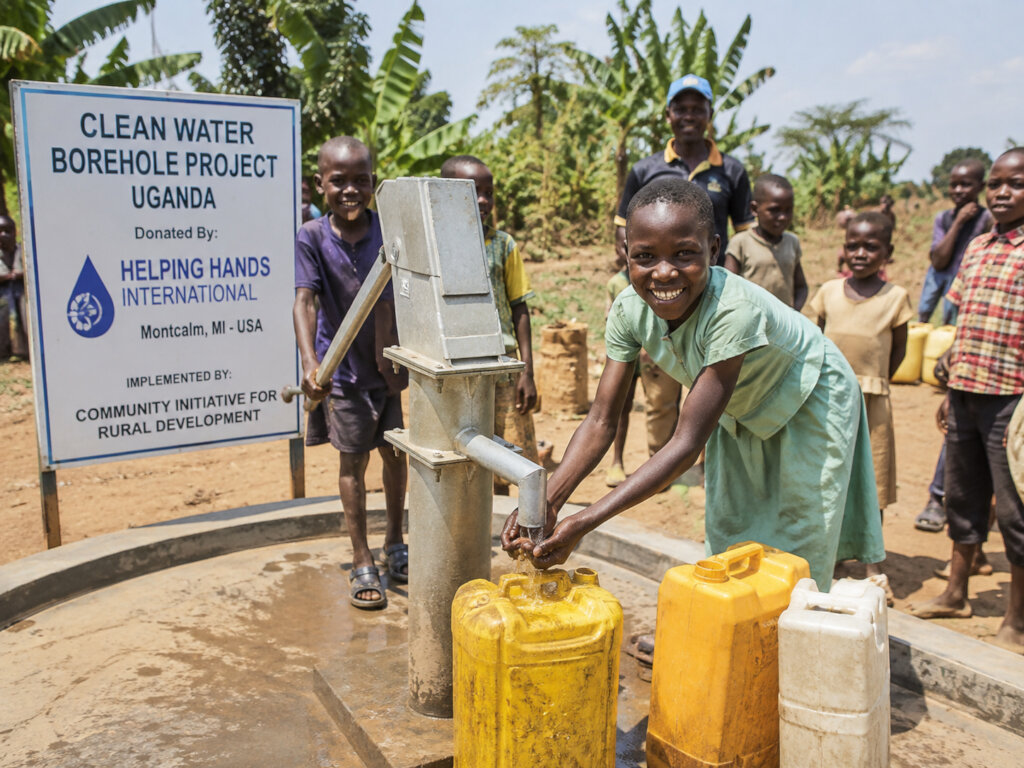
Access to safe and clean drinking water remains a major challenge for many rural communities in Uganda. Families often rely on unsafe water sources such as rivers, ponds, and unprotected springs, exposing them to waterborne diseases including diarrhea, typhoid, and cholera. Women and children also spend many hours each day collecting water, limiting opportunities for education, income generation, and community development.
Many rural communities in Uganda continue to face severe shortages of safe and clean drinking water. Residents often depend on contaminated water sources such as rivers, ponds, and unprotected springs, which expose them to waterborne diseases including diarrhea, cholera, typhoid, and dysentery. These illnesses contribute to poor health, increased medical expenses, and preventable deaths, particularly among children under five. Women and children are disproportionately affected,
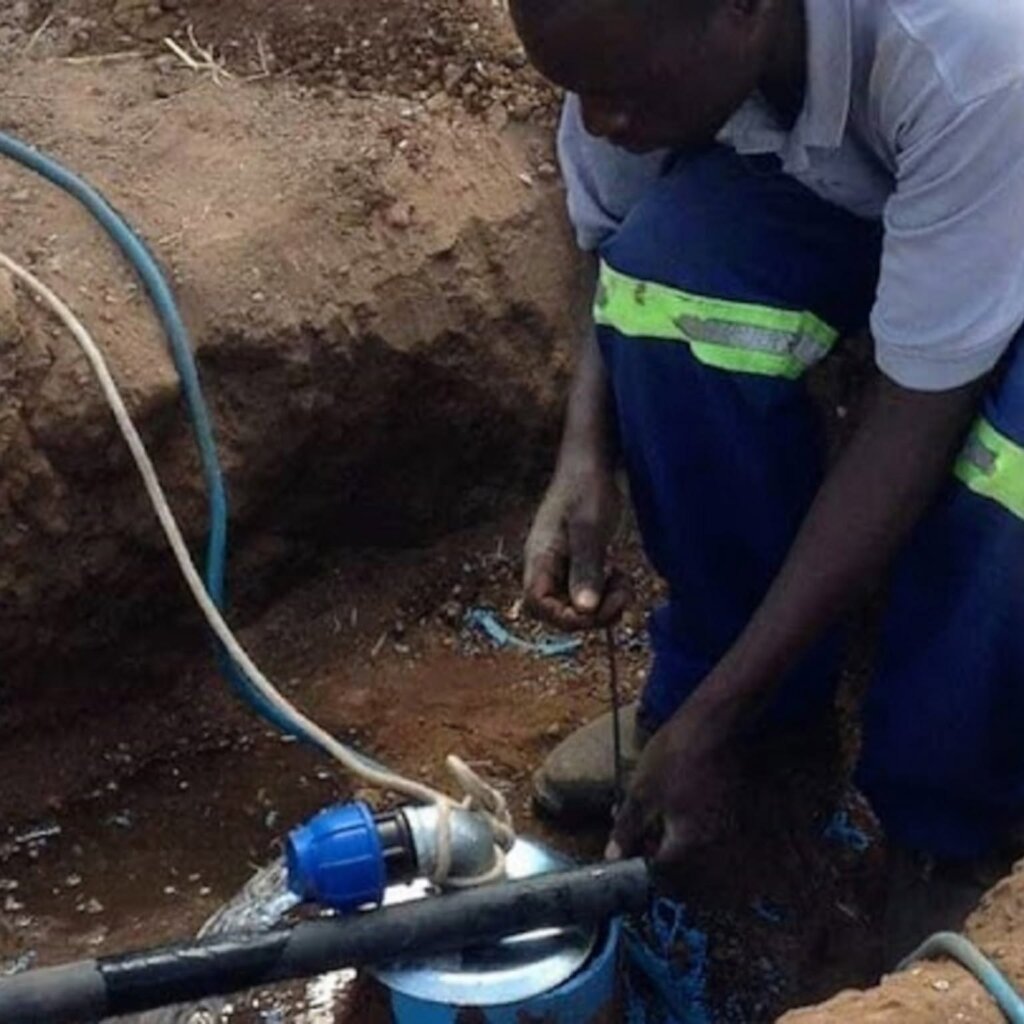
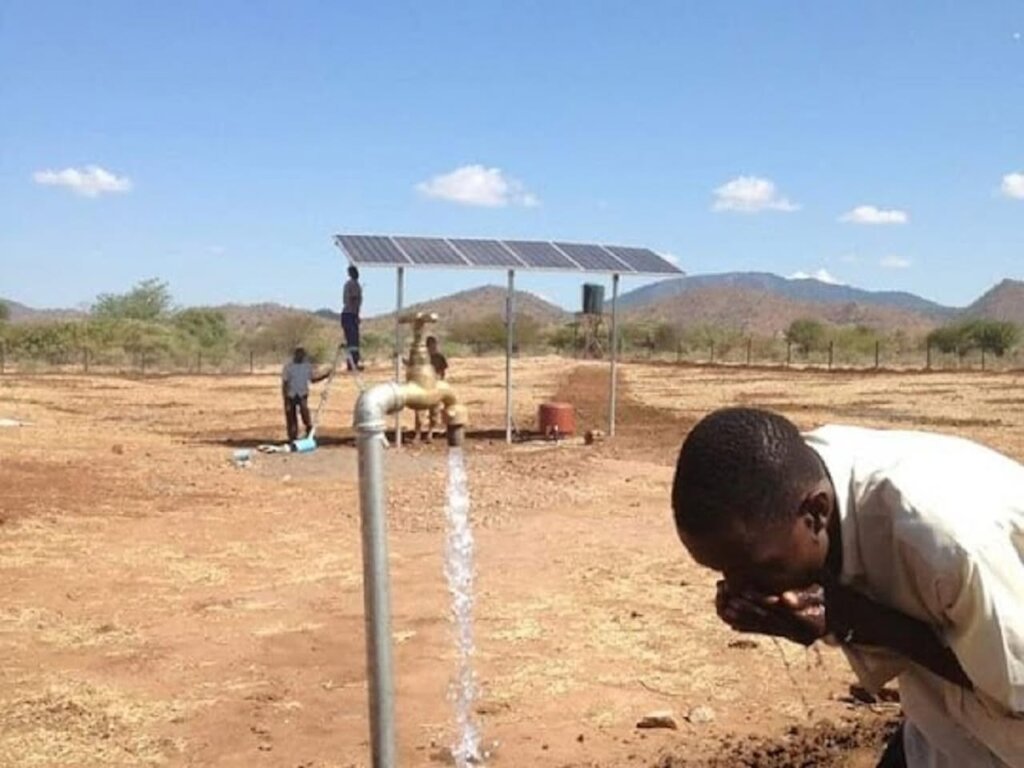
This project will address the lack of safe and reliable water by drilling and equipping a borehole in the target community. A hydrogeological survey will be conducted to identify the most suitable location, after which the borehole will be drilled, tested, and fitted with a durable hand pump or solar-powered pumping system, depending on local needs and available resources. The project will provide a dependable source of clean drinking water, reducing the community's reliance on contaminated .
The borehole drilling project will have a lasting positive impact on the target community by providing sustainable access to safe and clean drinking water for many years. Improved access to clean water will reduce the prevalence of waterborne diseases, leading to better health, lower healthcare costs, and increased life expectancy. Children will benefit from improved school attendance and performance because they will spend less time collecting water and experience fewer water-related illnesses



Support this important cause by creating a personalized fundraising page.
Start a Fundraiser