By Isabella Amony | Project leader
Summary of Activities
During this reporting period, the SAFE Initiative continued to strengthen access to quality sexual and reproductive health (SRHR) services in fishing communities through a dual approach of health worker capacity building and community-based engagement.
1. Capacity Building for Health Workers
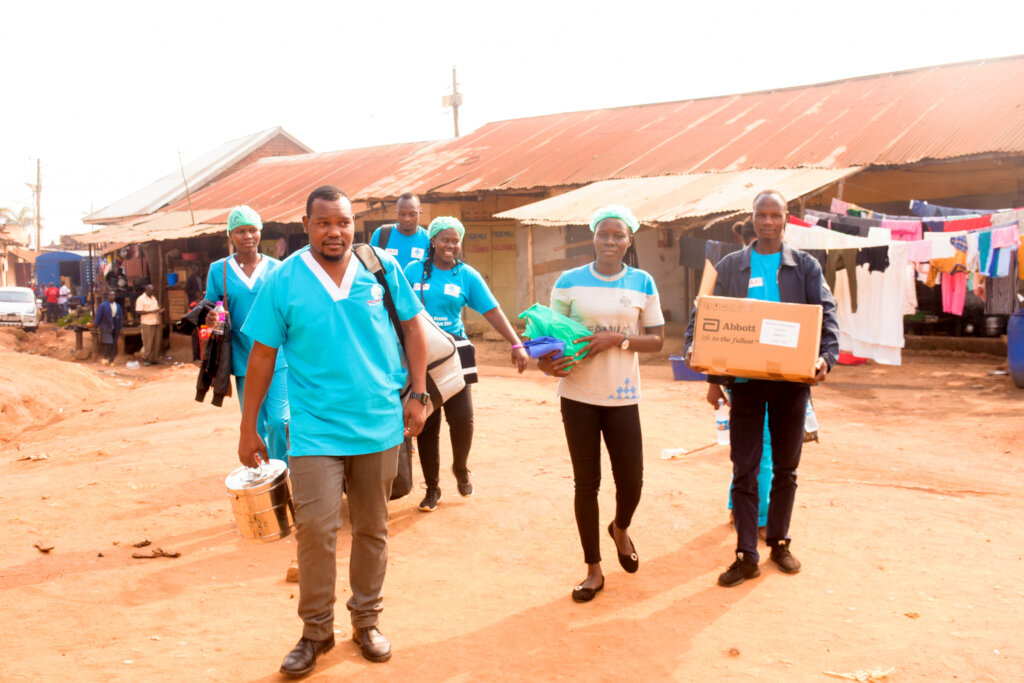
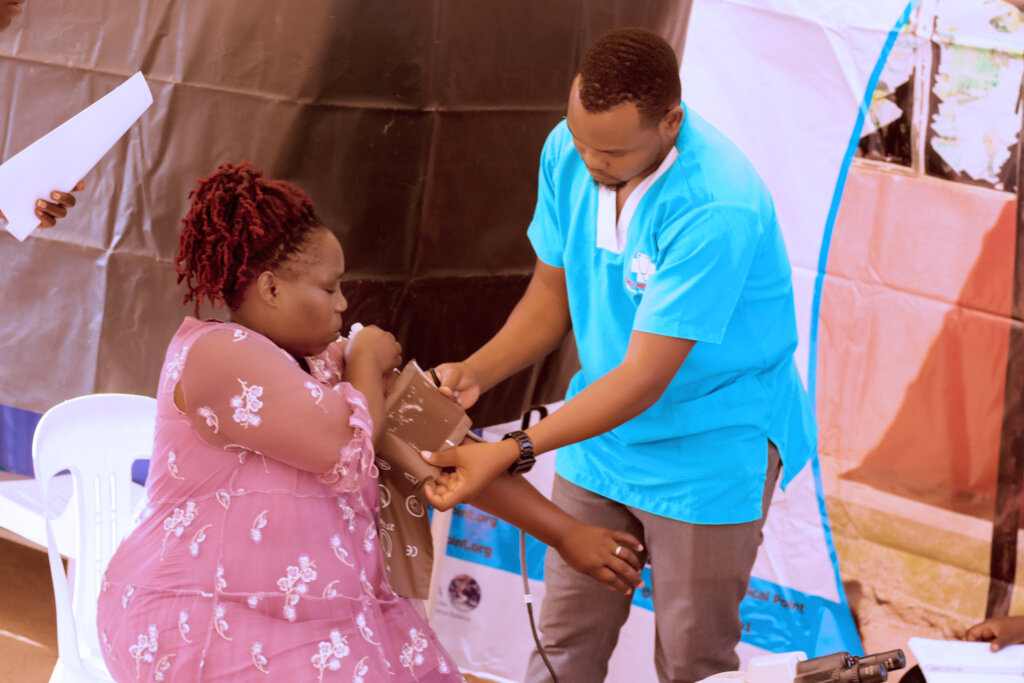
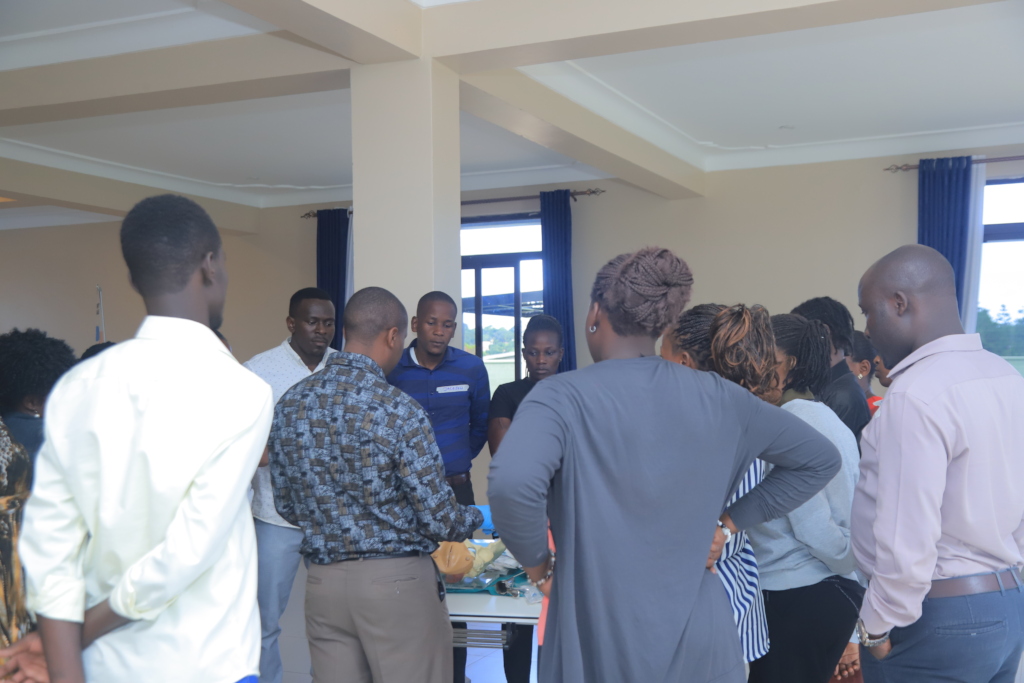
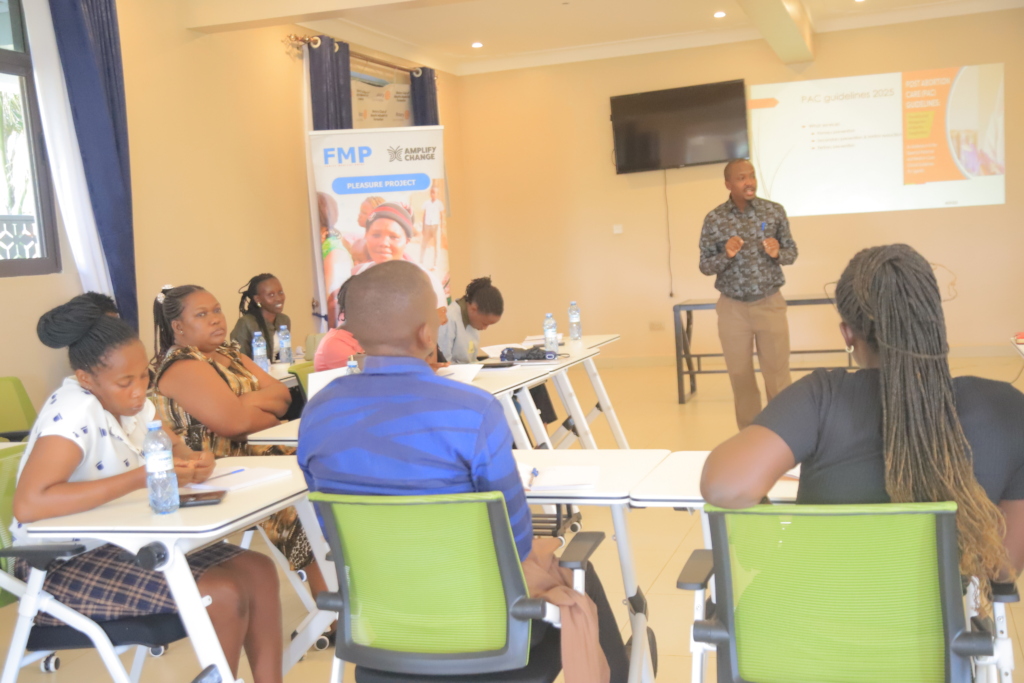
We provided routine onsite and virtual technical assistance to all 10 partner health facilities to strengthen their ability to deliver post-abortion care (PAC) and long-term contraceptive services.
Through these continuous mentorship visits, 31 health workers, including clinical officers, nurses, and midwives, demonstrated improved competence in both medical and surgical SRHR procedures. These improvements are critical in ensuring that women and girls receive timely, safe, and high-quality care within their communities.
2. Strengthening Service Availability
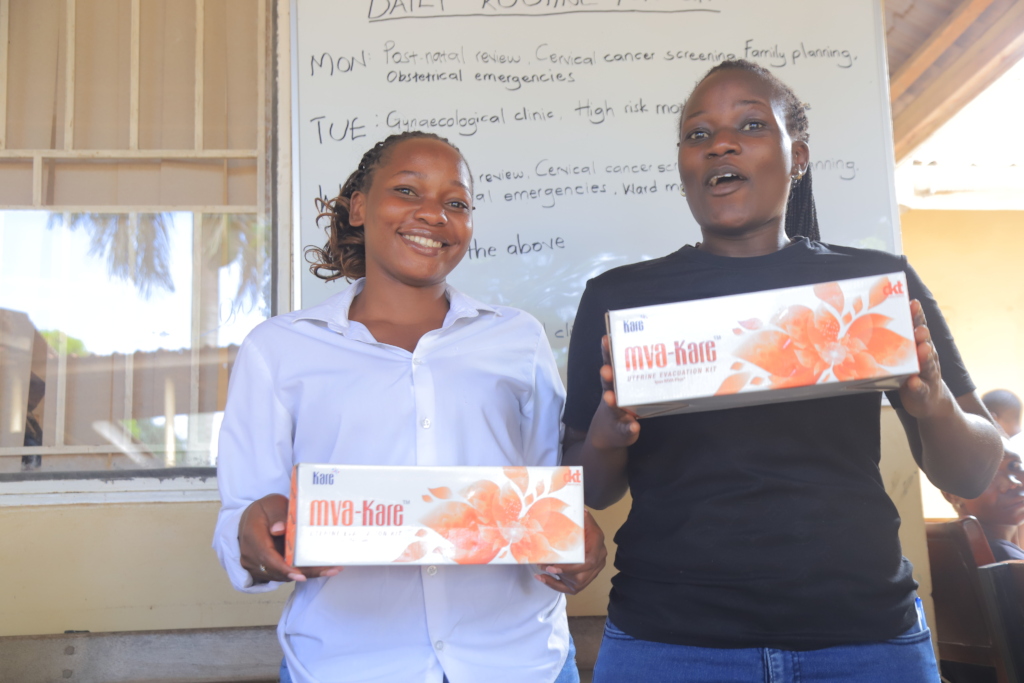
To further support service delivery, we supplied Manual Vacuum Aspiration (MVA) kits to 03 partner facilities. These essential tools enabled the facilities to safely manage incomplete abortions and expand access to lifesaving post-abortion care services, particularly for vulnerable women and girls in underserved fishing communities.
3. Community Engagement through Musawo Sessions
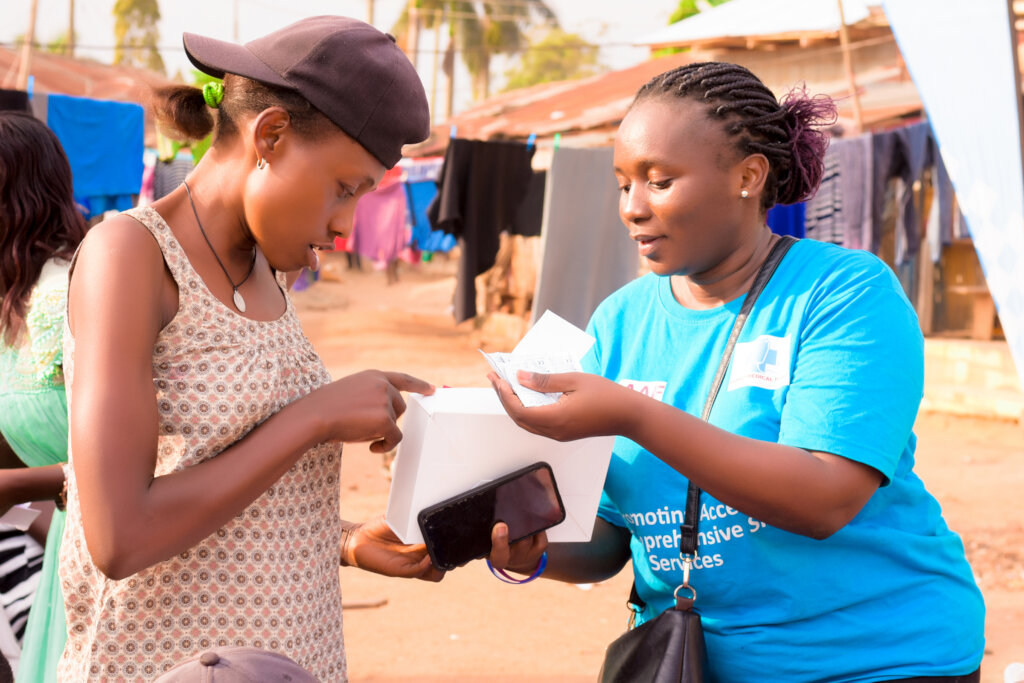
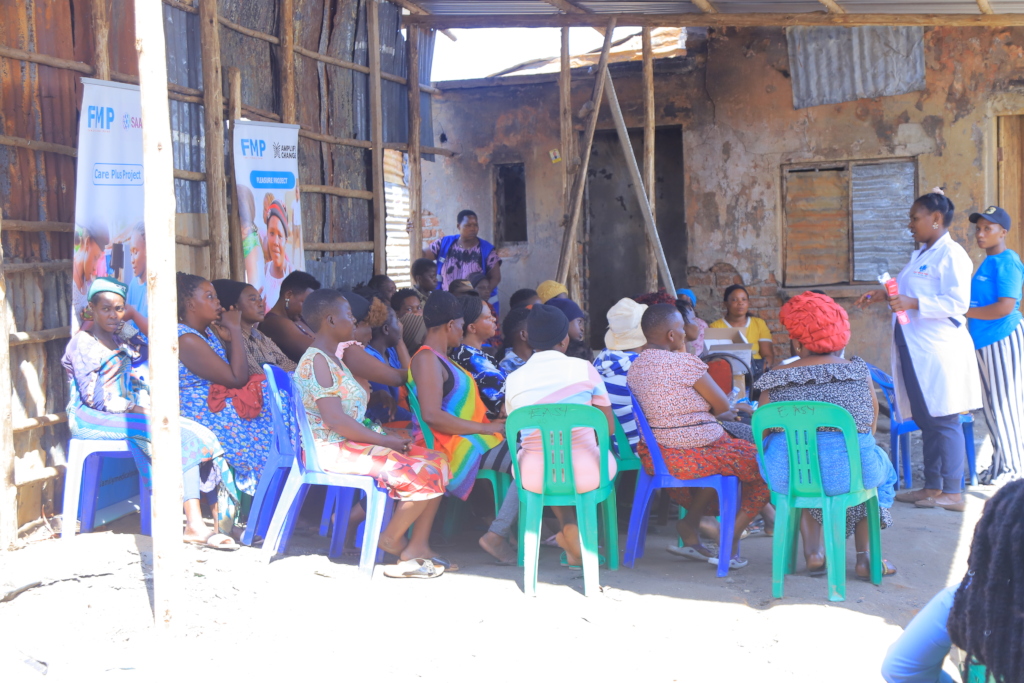
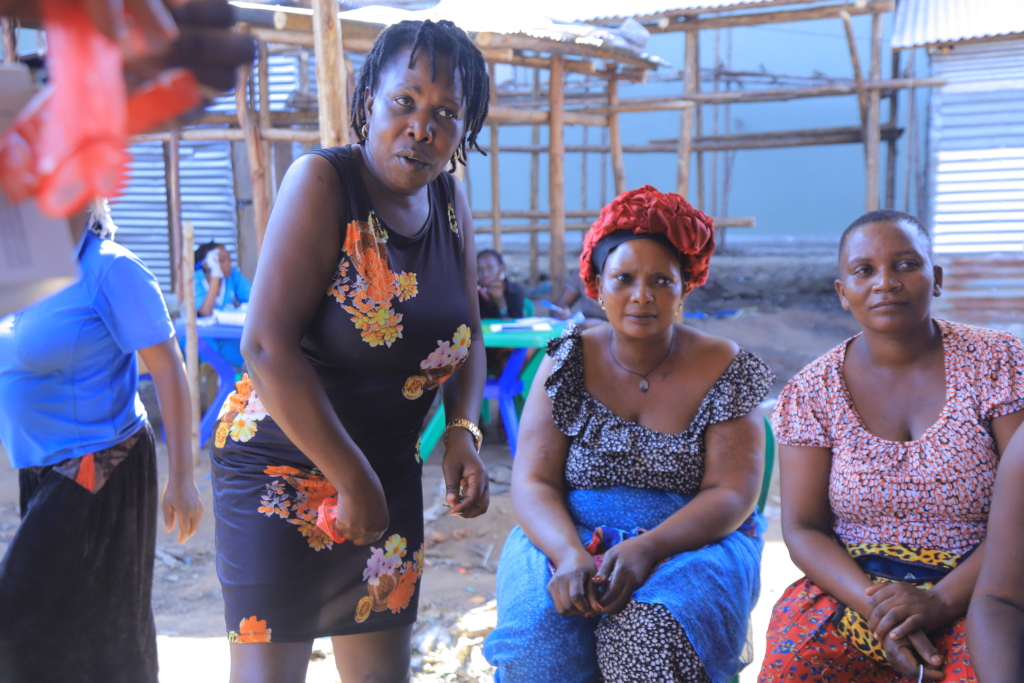
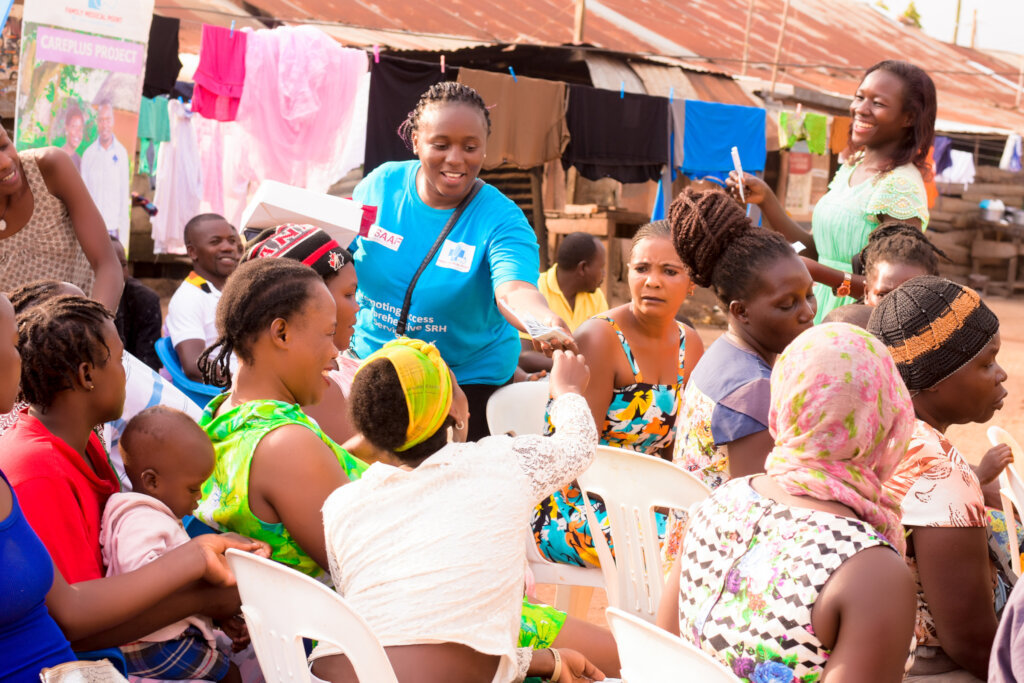
We conducted four Musawo Sessions in Nakiwogo, Kigungu, and Kasenyi fishing communities and reached 768 women and girls with accurate SRHR information.
Musawo Sessions are safe, informal, and stigma-free spaces where women can openly discuss reproductive health concerns, ask questions without fear, and receive accurate SRHR information. These sessions are supported by trained Community Peer Mobilizers (CPMs), trusted women leaders within the fishing communities who play a vital role in mobilizing participants and fostering trust.
Impact
Through our combined facility-based and community interventions this quarter:
We observed:
Story of Change
Margaret, a midwife at Entebbe Medical Chambers in Kasenyi landing site, has been part of our partner network for the past six months and regularly participates in monthly technical support visits.
This quarter, Margaret received a client presenting with an incomplete abortion, experiencing heavy bleeding, severe pain, and visible fear. The client had attempted to terminate her pregnancy using medication obtained informally, without proper guidance, and complications had developed.
Although Margaret had encountered post-abortion care cases before, she had never managed one of this complexity on her own.
Drawing on the skills and confidence gained through ongoing mentorship and training, Margaret calmly and competently managed the case, provided the necessary care, stabilized the client, and conducted a follow-up the next day. The client made a full recovery.
At the quarterly review meeting, Margaret reflected:
“Before FMP’s training, I would have panicked. I would have sent her away or called someone else. This time, I knew what to do, step by step. I stayed calm because I had practiced this. And when the client left my room, she said thank you for the care and for not judging her.”
Her story highlights how investing in health worker capacity directly translates into lifesaving care, dignity, and trust for women and girls.
Looking Ahead
Despite progress, demand for services continues to grow. Sustained support will be essential to:
Project reports on GlobalGiving are posted directly to globalgiving.org by Project Leaders as they are completed, generally every 3-4 months. To protect the integrity of these documents, GlobalGiving does not alter them; therefore you may find some language or formatting issues.
If you donate to this project or have donated to this project, you can receive an email when this project posts a report. You can also subscribe for reports without donating.



Support this important cause by creating a personalized fundraising page.
Start a Fundraiser