By Sarah Galvin | Director PHASE Worldwide
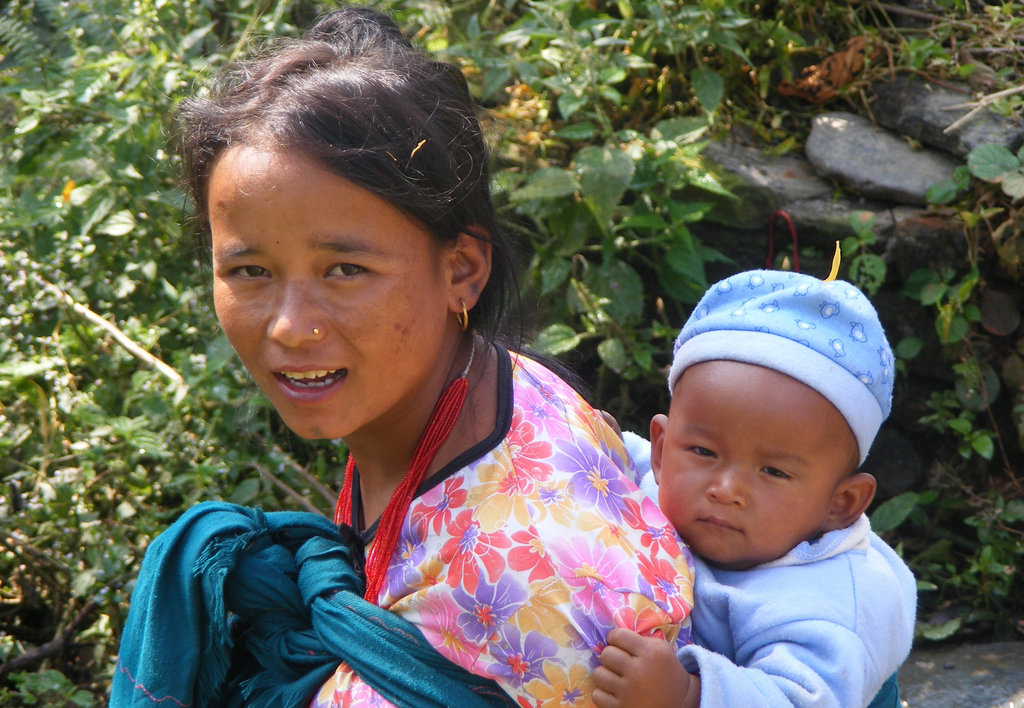
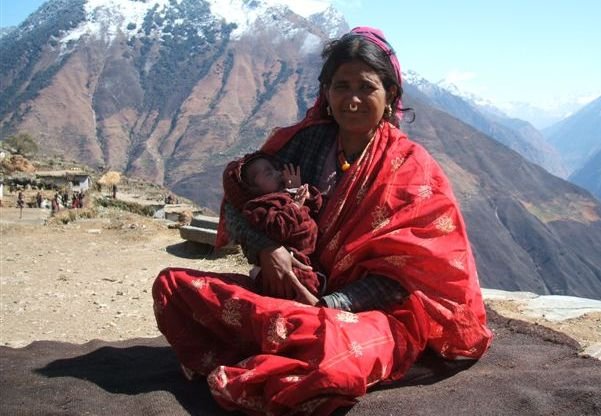
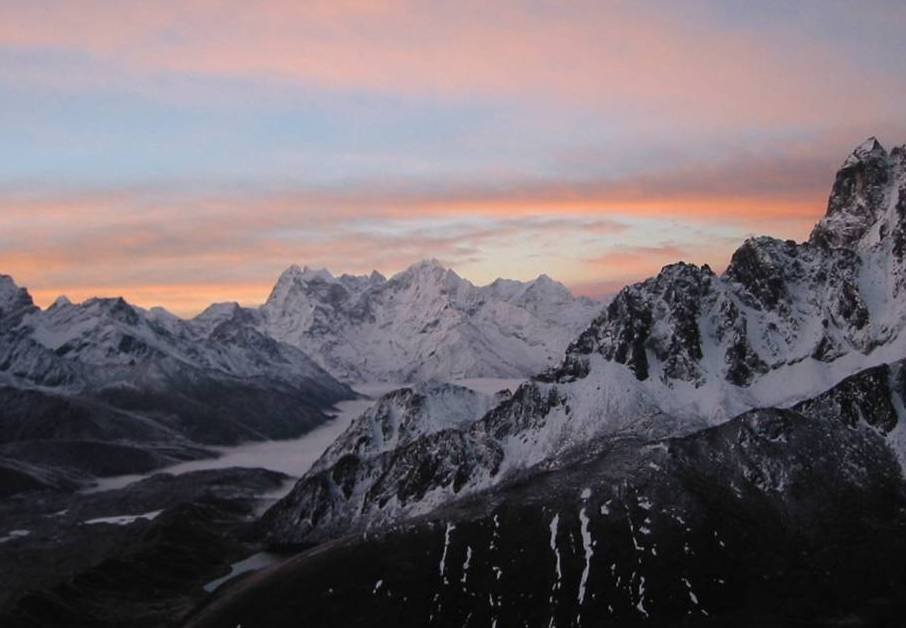
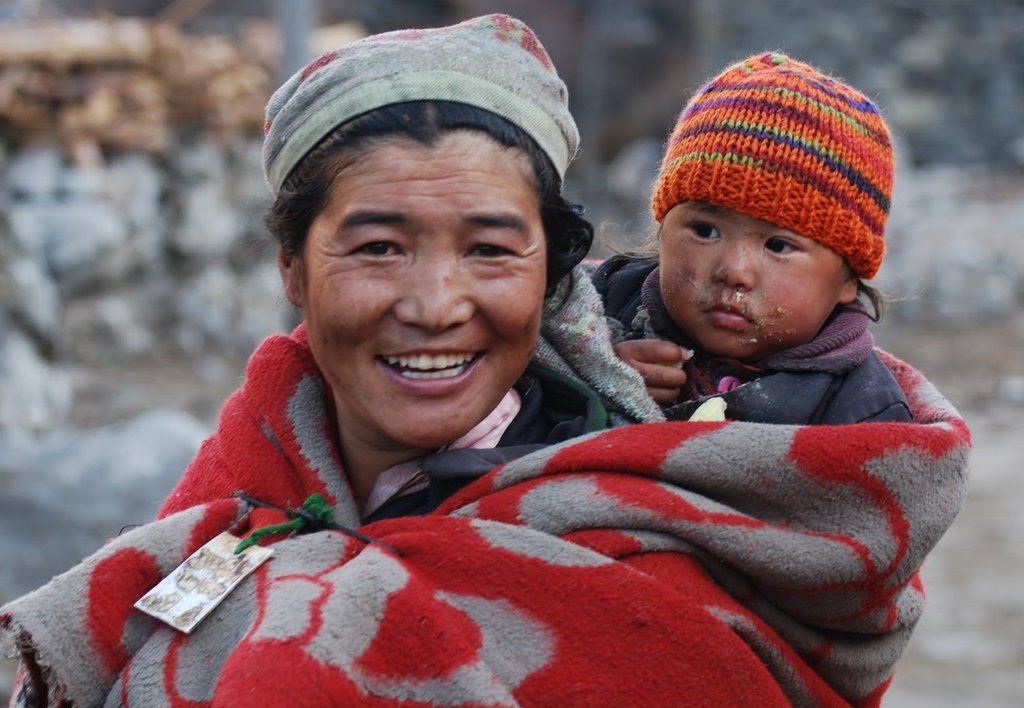
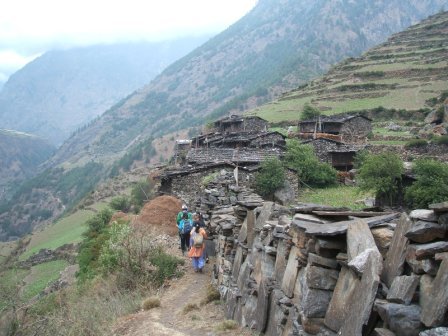
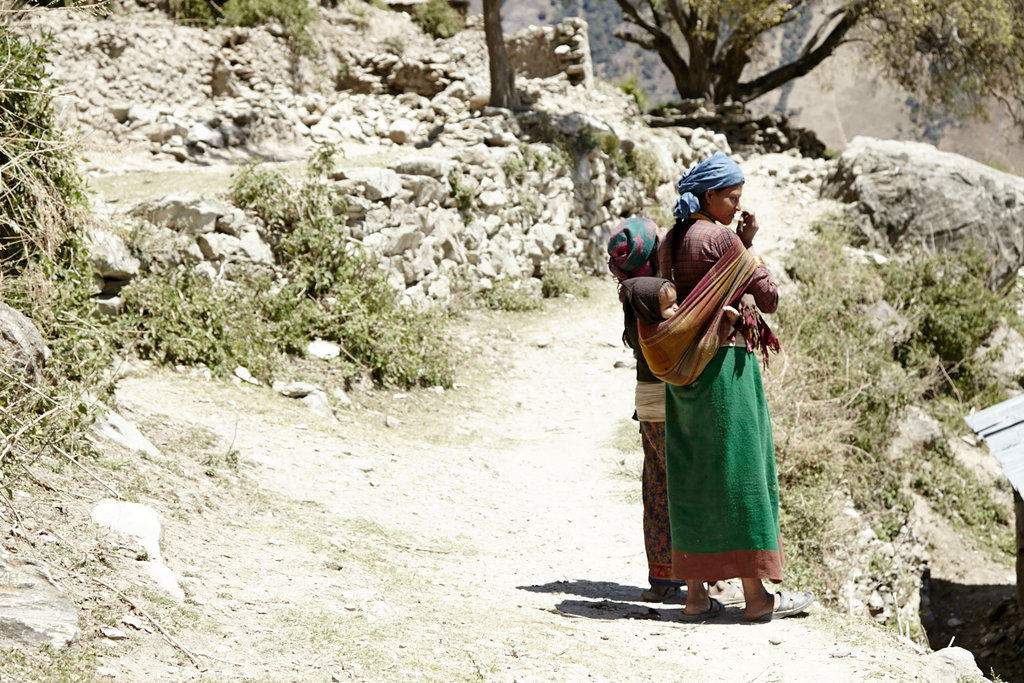
In the isolated communities of Himalayan Nepal, childbirth is extremely dangerous. A lack of healthcare provisions and medical knowledge has led to an extremely high rate of mortality among pregnant women and their children. To arrive at a road, villagers must walk for up to 5 days and a lack of health posts, sterile medical equipment and healthcare professionals, particularly those trained in the areas of childbirth and pregnancy, puts mothers and their families at a risk of disease and medical complications.
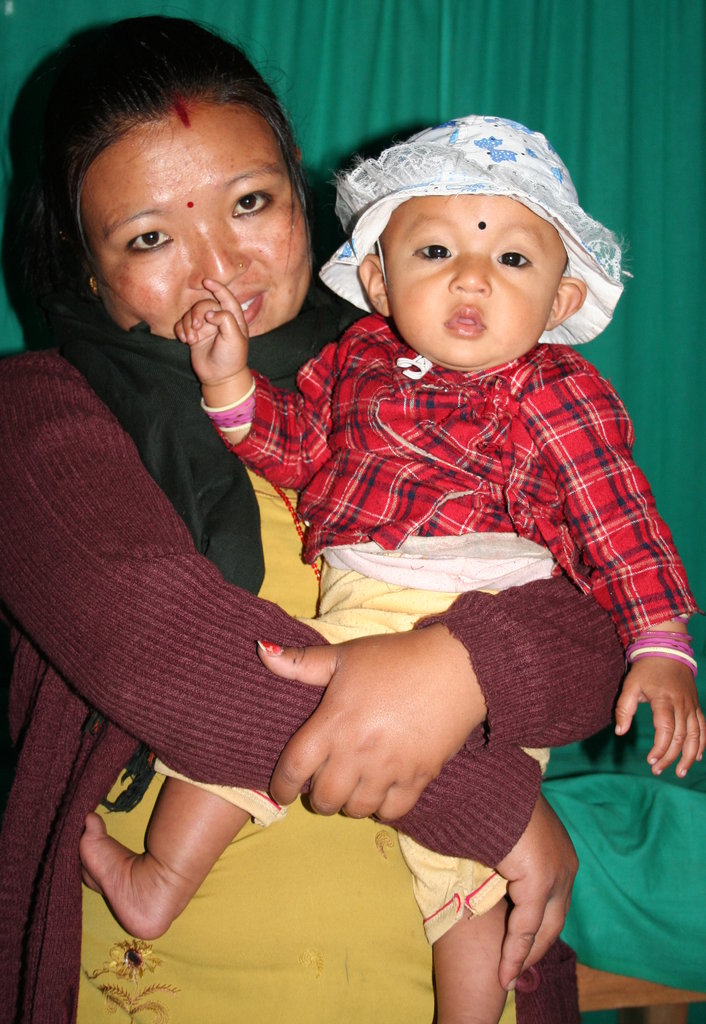
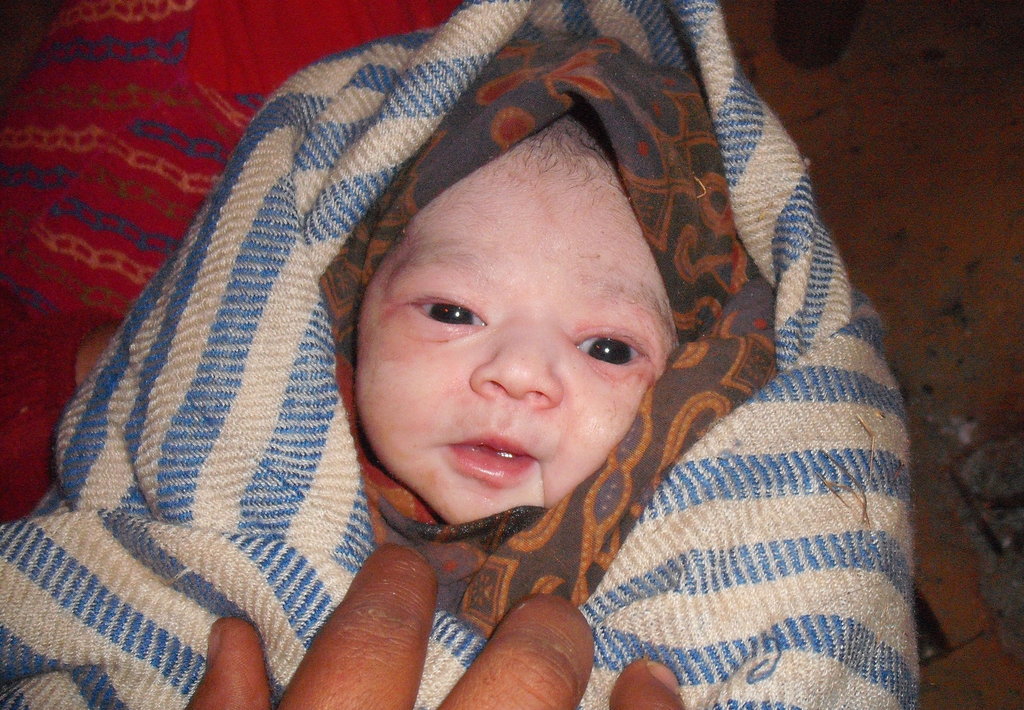
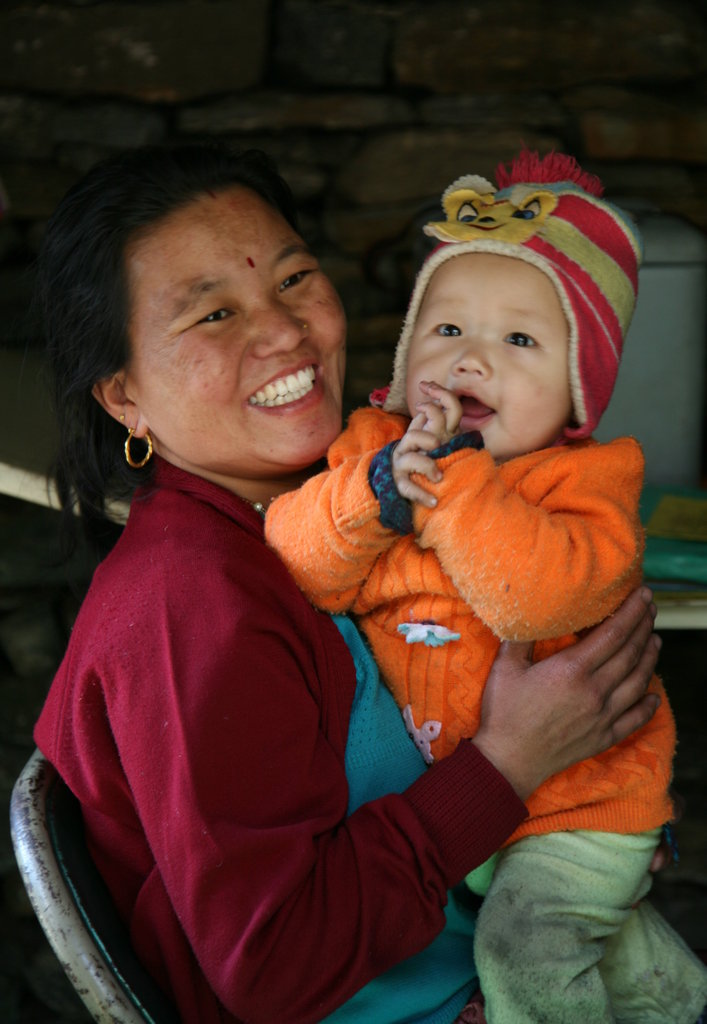
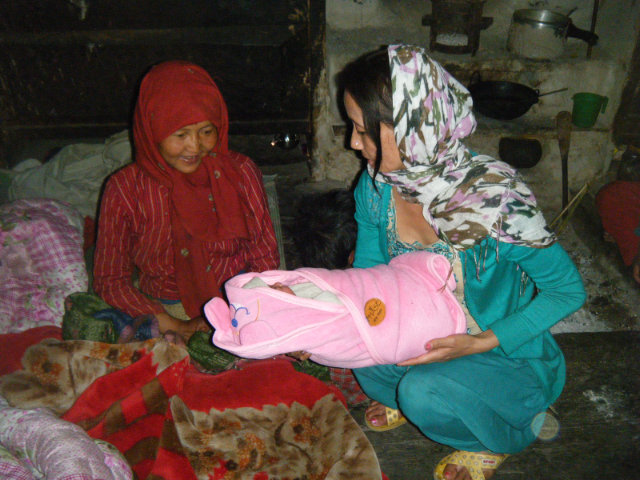
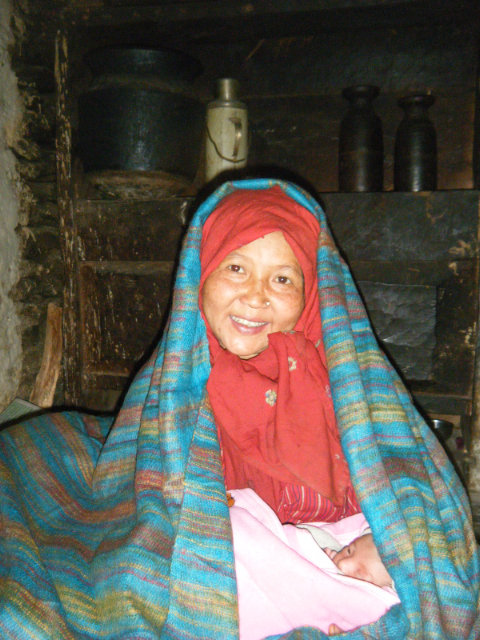
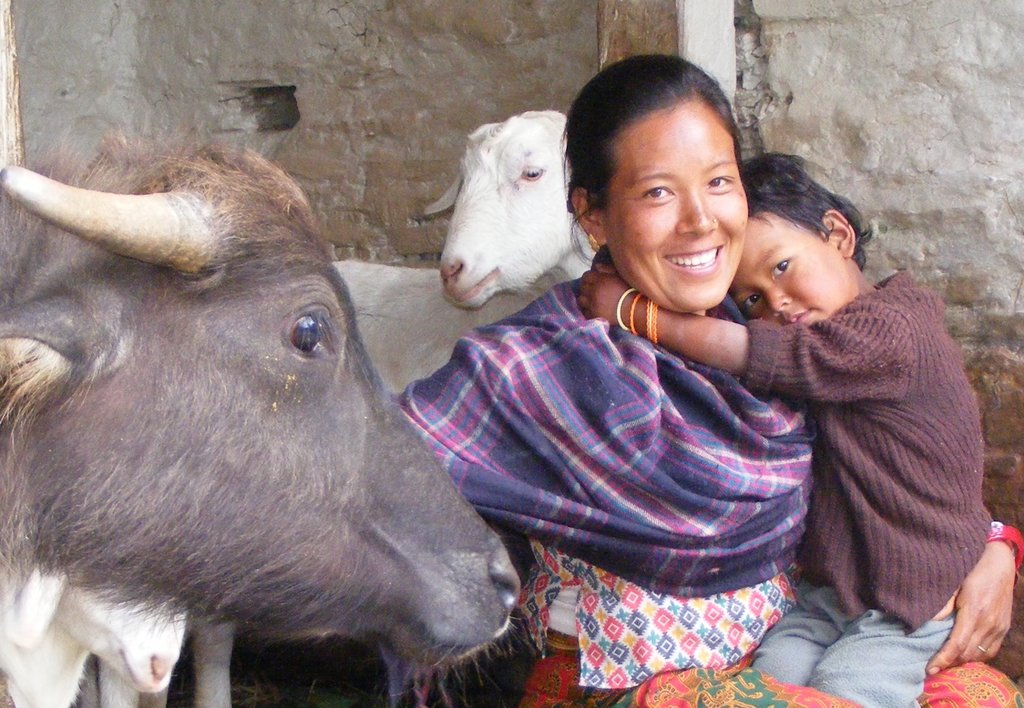
Maili, a mother of four living in Kashigaun in the Gorkha district, conceived her fifth child at the age of forty and suffered life-threatening complications after the birth of her baby. The birth itself was successful, but Maili experienced difficulties when the placenta was not expelled. Retained placenta is an extremely dangerous and potentially fatal condition, as it can cause postpartum haemorrhage (excessive bleeding after the delivery of the child) and if left untreated can lead to infection which spreads throughout the body through the blood stream. Haemorrhage is a leading cause of maternal death in the region. It is therefore essential that women such as Maili receive immediate medical attention.
Like many women in the remote communities of Himalaya, Maili was being treated by traditional healers from the village. Traditional healers are well-respected in these Nepalese communities and villagers often seek their medical care before turning to modern medicine. Villagers have trusted these healers and their methods for generations. (For more information on traditional healers - click here
However, a lack of knowledge of childbirth related medical treatments meant that by the time health staff at PHASE health post were alerted of Maili’s emergency, she was in a critical condition. It had been two days since the delivery of her child and due to excessive bleeding Maili was unable to talk and was drifting in and out of consciousness.
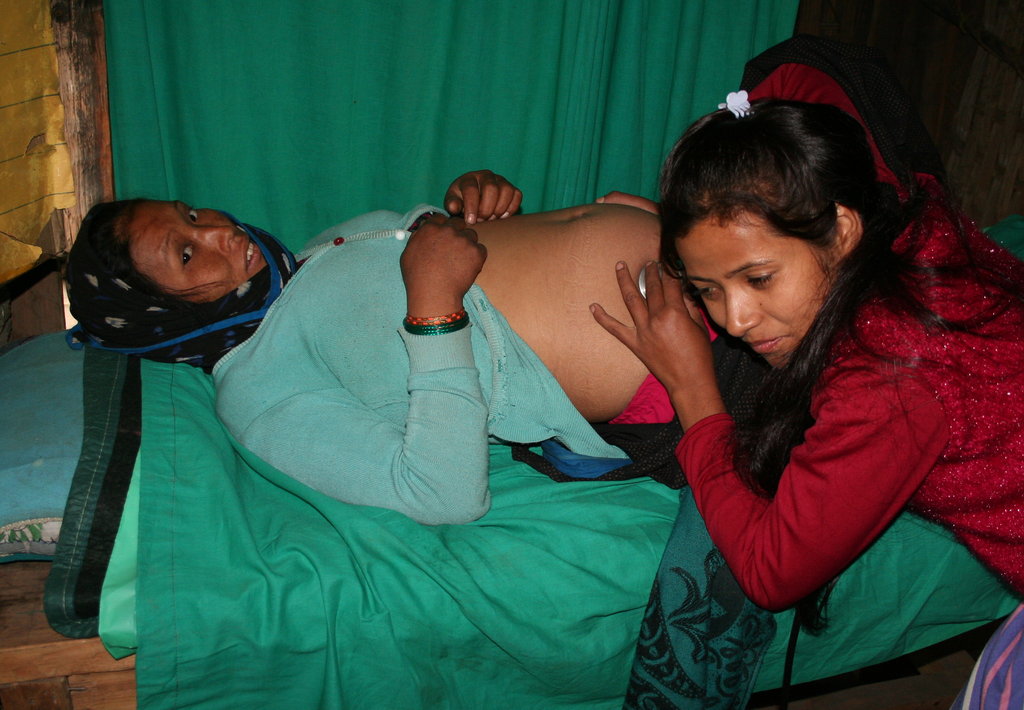
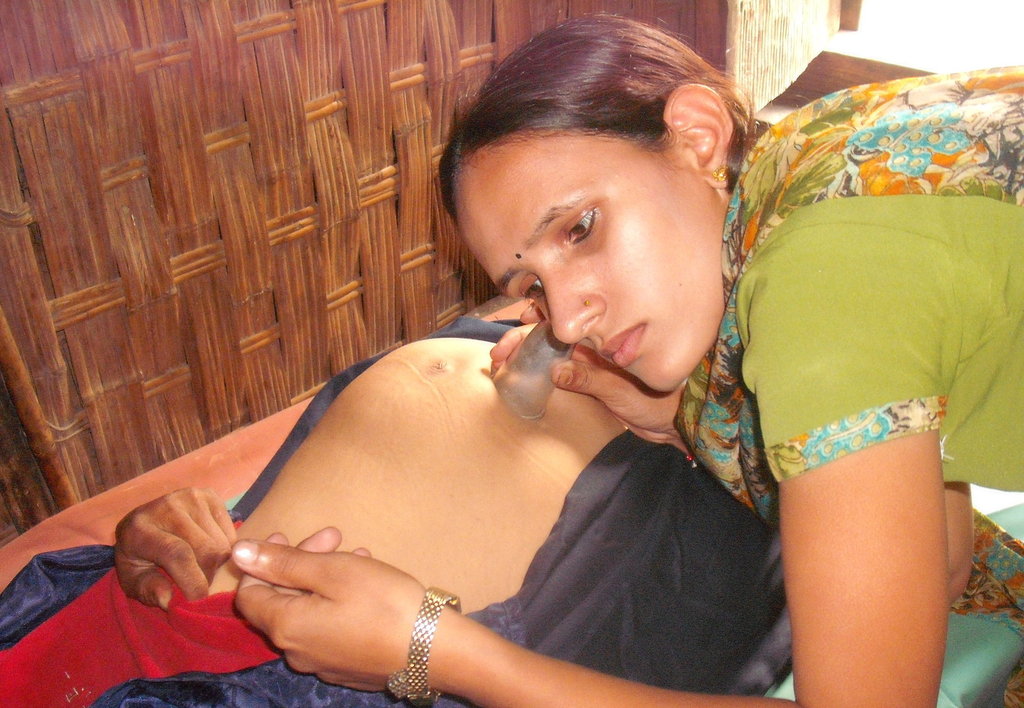
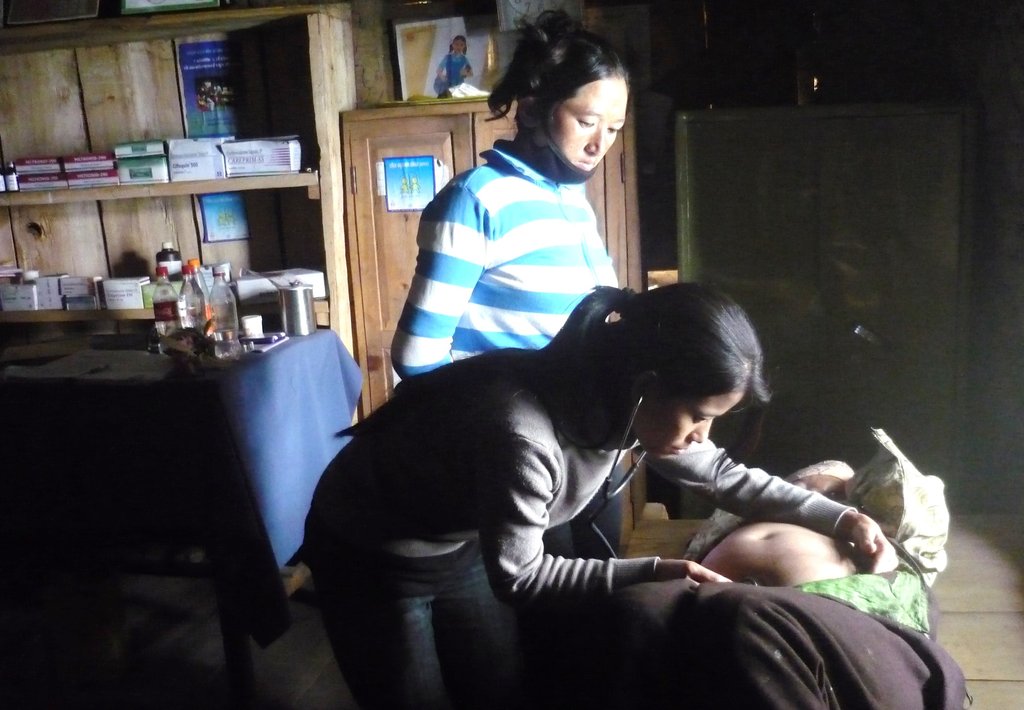
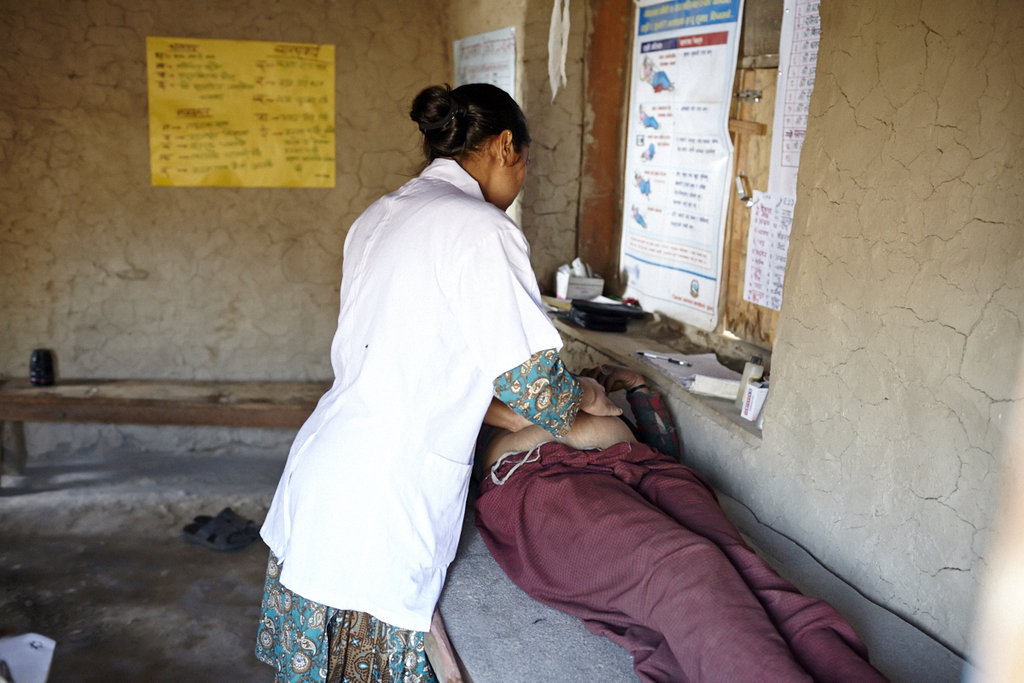
Thankfully, the PHASE team included trained midwives with the necessary medical knowledge and equipment to treat the mother of five. Through using an IV drip, catheterization and uterus massage, the medical team were able to expel the placenta and bring Maili’s bleeding under control. Essential antibiotics were given to the mother, along with vitamin A and iron tablets. The immediate danger was kept under control and the staff advised Maili to start breast-feeding her child - Traditional healers abided by the local tradition of not allowing the mother to start breast-feeding before the placenta is expelled, unaware that breast-feeding can actually help the placenta to come out easily and that withholding breast milk from a new born baby can lead to dehydration and even death.
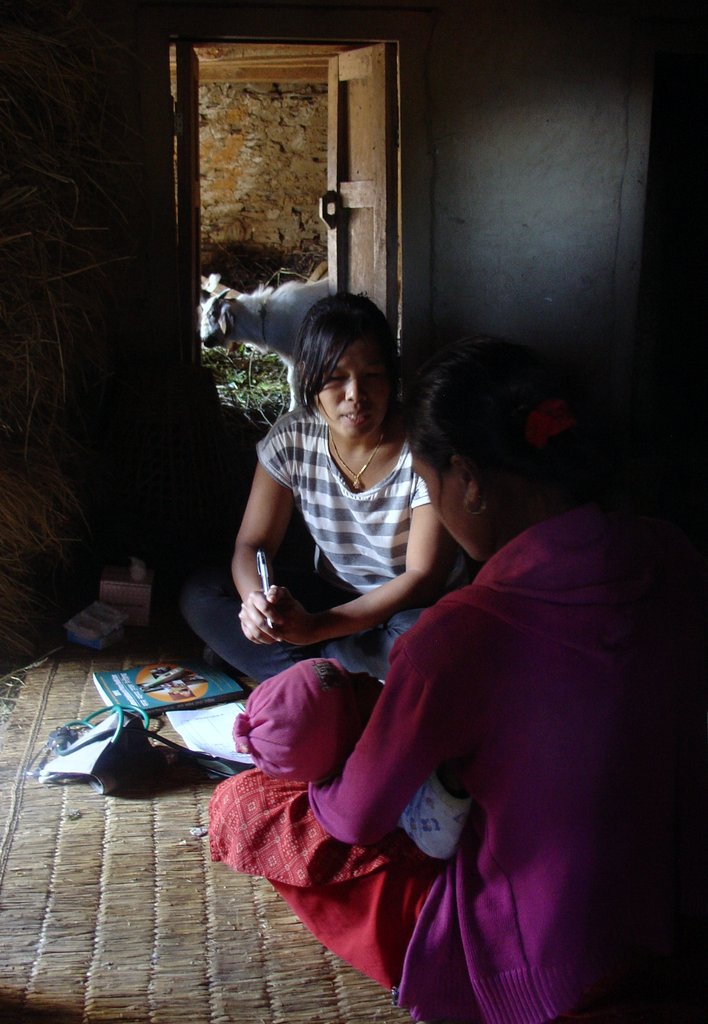
Finally, the health team gave Maili essential information on health, baby care, breast feeding, nutrition and personal hygiene in order to improve her own health and that of her family. Just as the medical team were leaving, Maili began to cry this time from happiness, illustrating the huge difference that trained medical professions can make in these isolated communities.
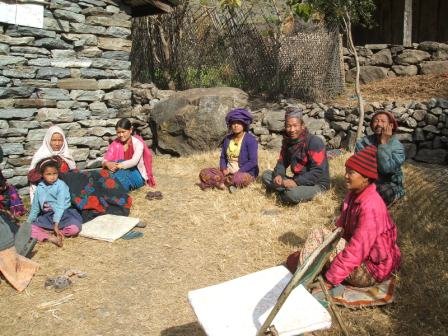
In a region where 1 in 31 women die from pregnancy-related complications, Maili is not an isolated case. One of the main problems is health education. Whilst embracing the culture of these remote communities, PHASE works with traditional healers to enable them to recognise when members of the community should be referred to the PHASE health posts and to provide education on issues such as personal hygiene, nutrition and safe motherhood. The Traditional Healers Training Day is one example of the partnership between PHASE and traditional healers PHASE also encourages women to seek medical advice from both traditional healers and the medical professionals at the PHASE health posts, rather than waiting until the situation becomes critical before contacting the PHASE medical team. Two days after Maili’s complications, a similar case occurred in the same neighbourhood, but this time traditional healers suggested PHASE’s medical team be contacted immediately, enabling the mother to quickly receive life-saving treatment.
Had Maili not received treatment from the PHASE medical professionals, a family would have been left without a mother, placing her five children at risk. Losing a mother puts the family in danger and increases their chances of being trapped in a cycle of poverty.
To support this project please go to - http://www.globalgiving.co.uk/projects/safe-births-in-nepal/
By Sarah Galvin | Director
By Sarah Galvin | Director, PHASE Worldwide
Project reports on GlobalGiving are posted directly to globalgiving.org by Project Leaders as they are completed, generally every 3-4 months. To protect the integrity of these documents, GlobalGiving does not alter them; therefore you may find some language or formatting issues.
If you donate to this project or have donated to this project, you can receive an email when this project posts a report. You can also subscribe for reports without donating.