By Sarah Galvin | Director
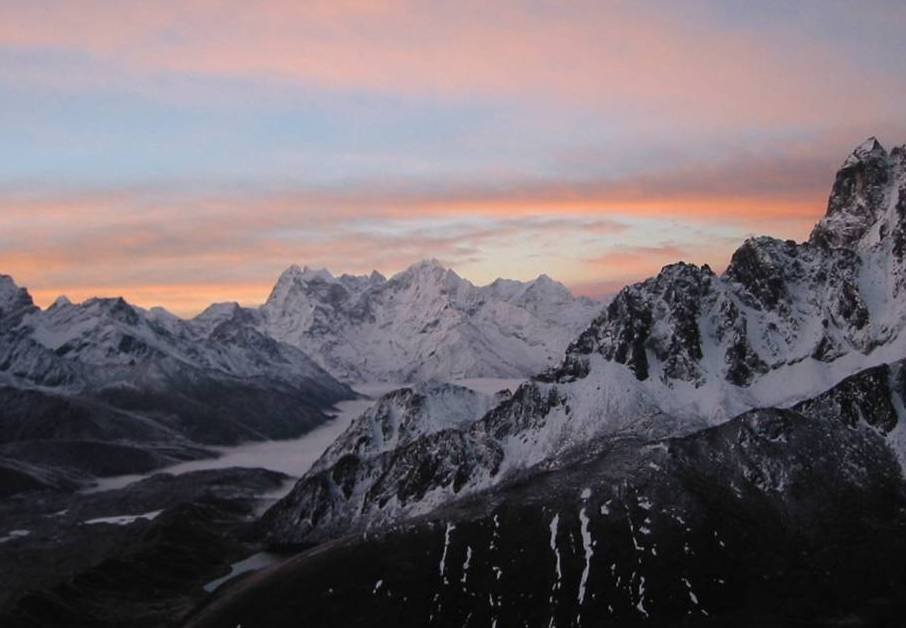
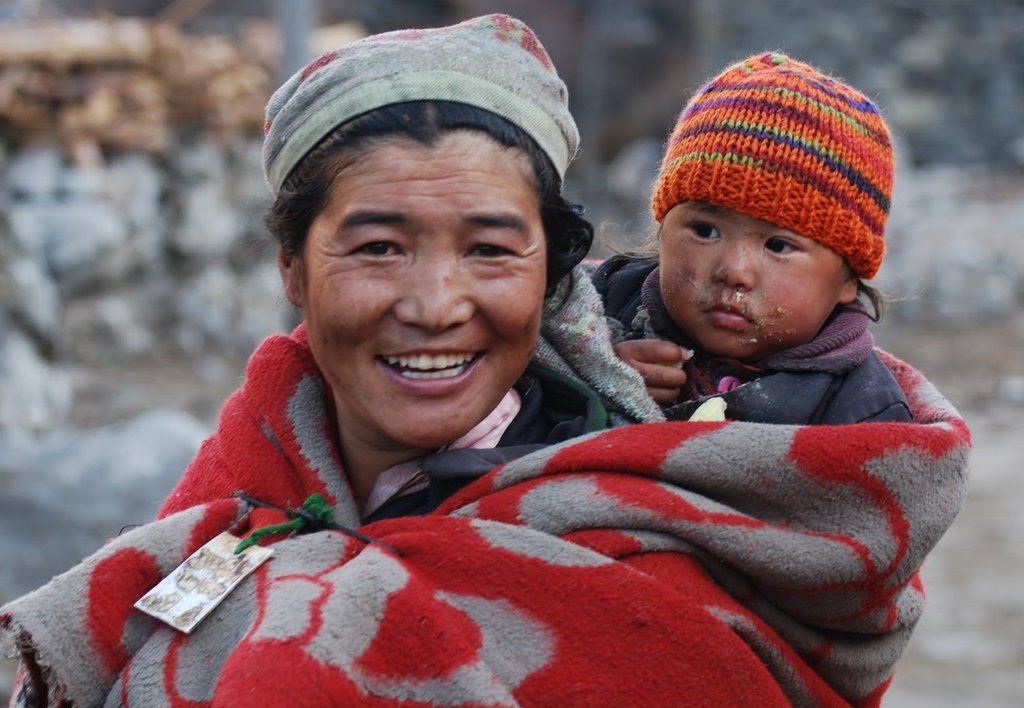
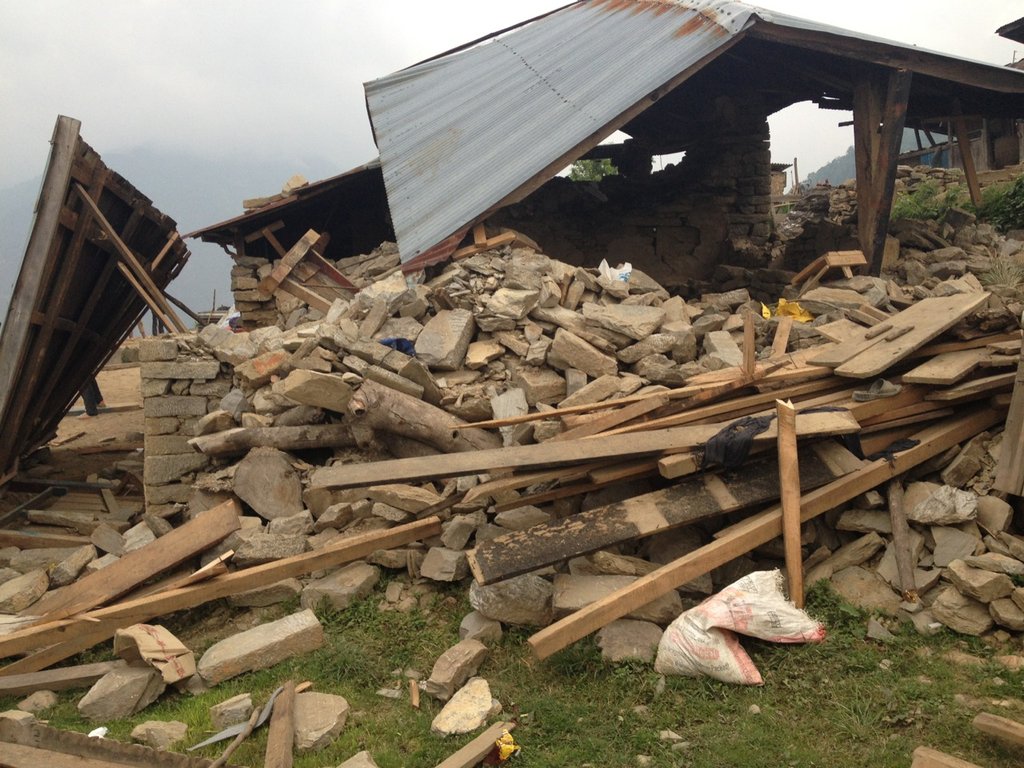
It has been just over a month since everything changed for remote communities in Nepal. The epicentre of the 7.8 magnitude earthquake of 25th April was in Gorkha district, right in the heart of the area that PHASE has been supporting. PHASE health care staff were all in remote villages treating patients when the disaster struck. The communities where PHASE works were amongst the most badly-affected. Homes, schools and health posts were among the buildings reduced to rubble, and there were unfortunately high numbers of casualties and fatalities in the region.
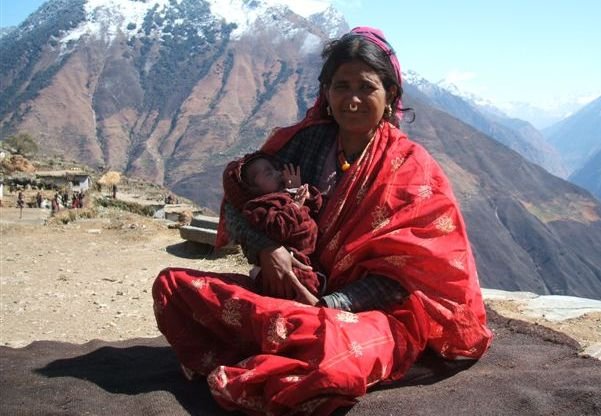
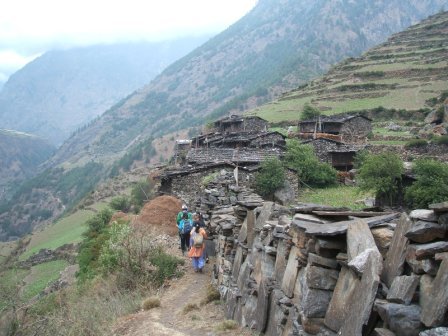
One of the biggest challenges for the emergency relief effort in general, in the days and weeks that followed the quake, is that areas that were already extremely remote are now almost entirely cut off from access. Earthquake damage and the risk of landslides have rendered many roads and mountain trails impassable. An advantage of PHASE is that we already had staff on the ground in many affected areas, and remarkably, they have managed to continue to offer an health care service with only limited interruption throughout.
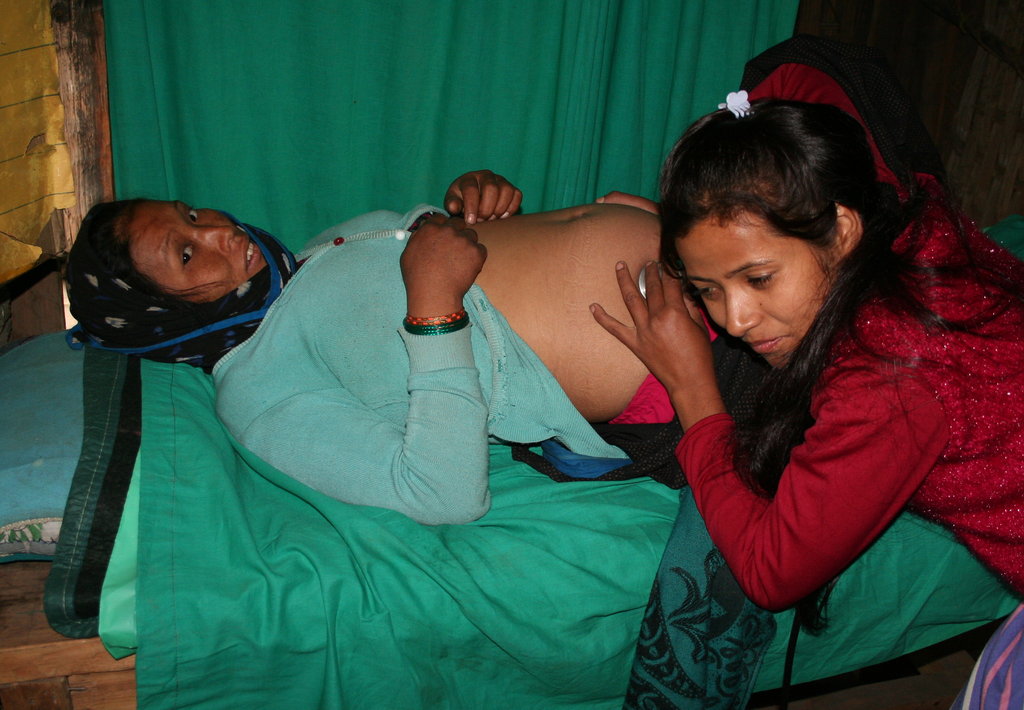
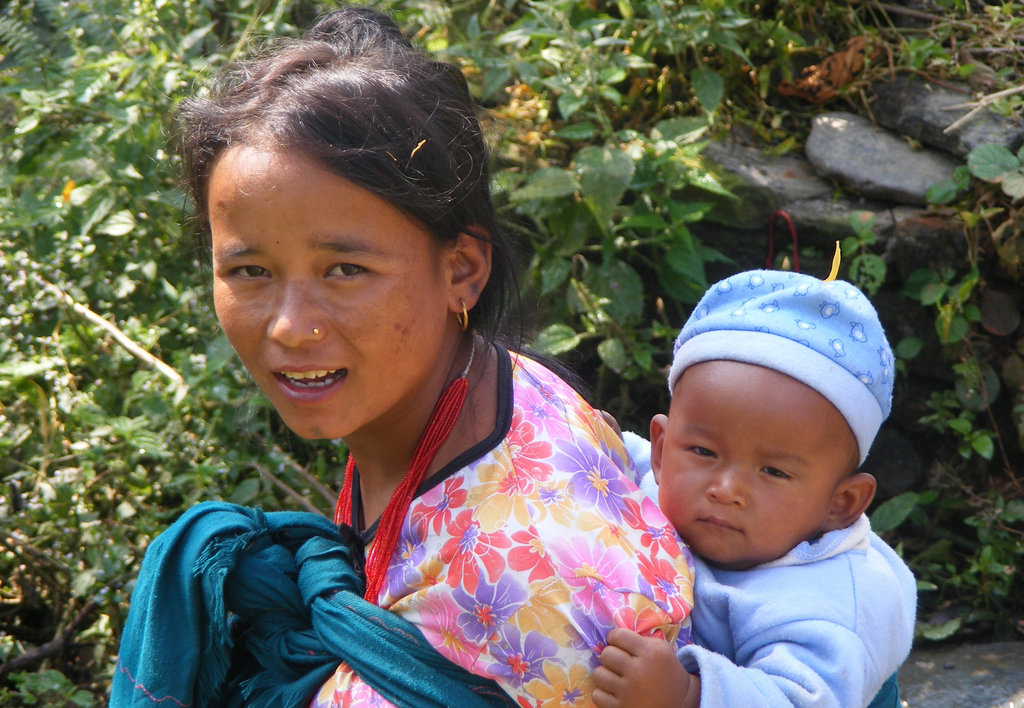
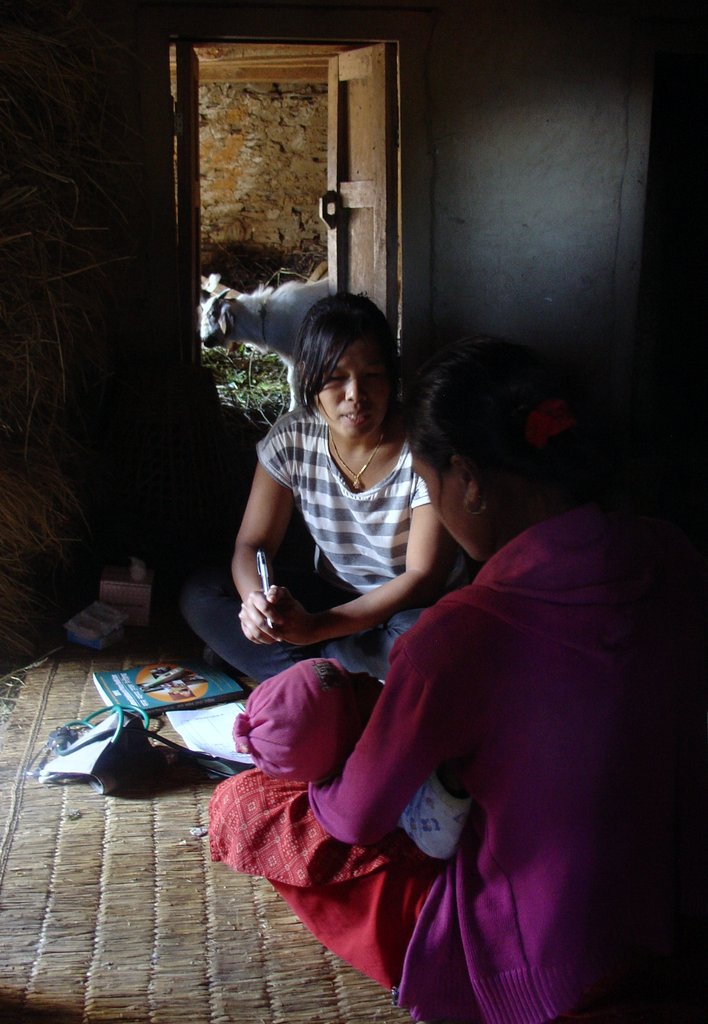
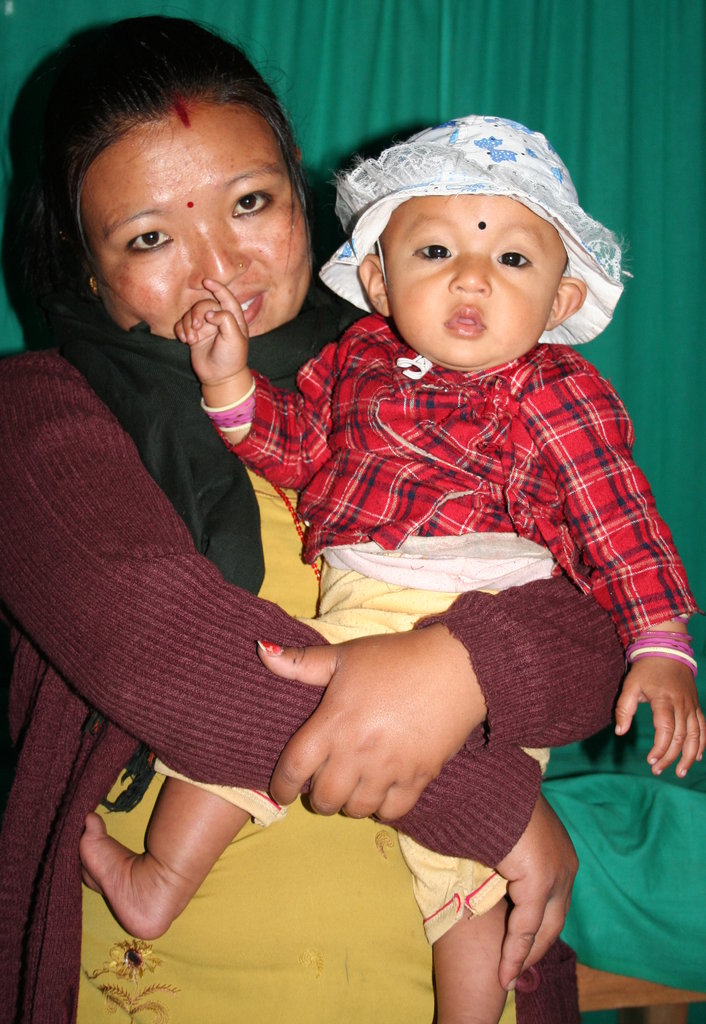
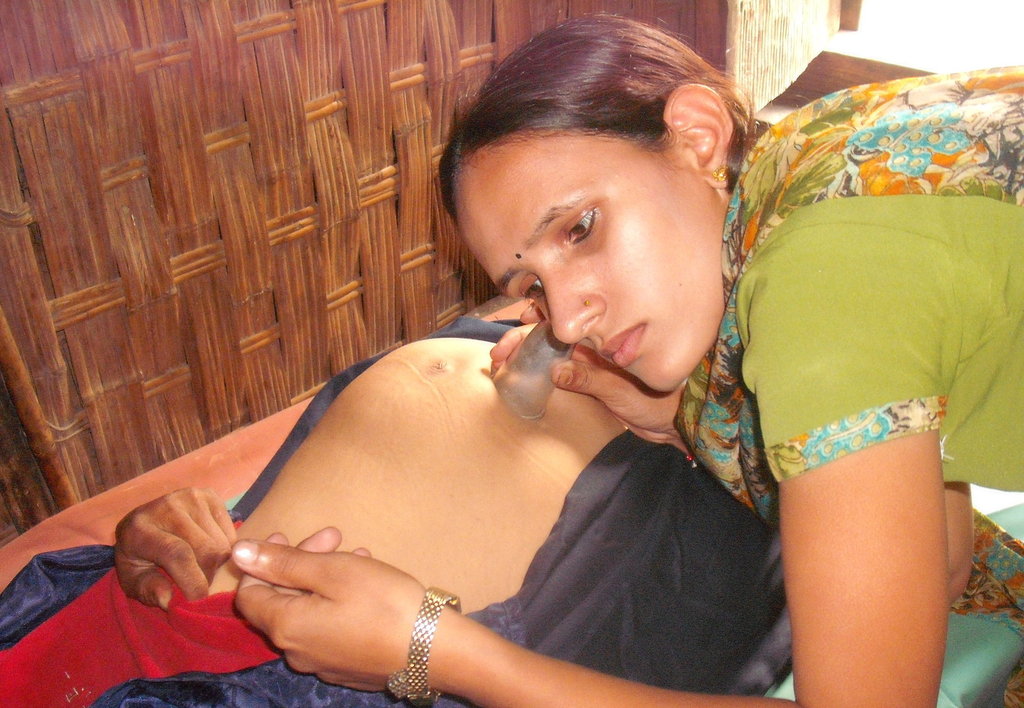
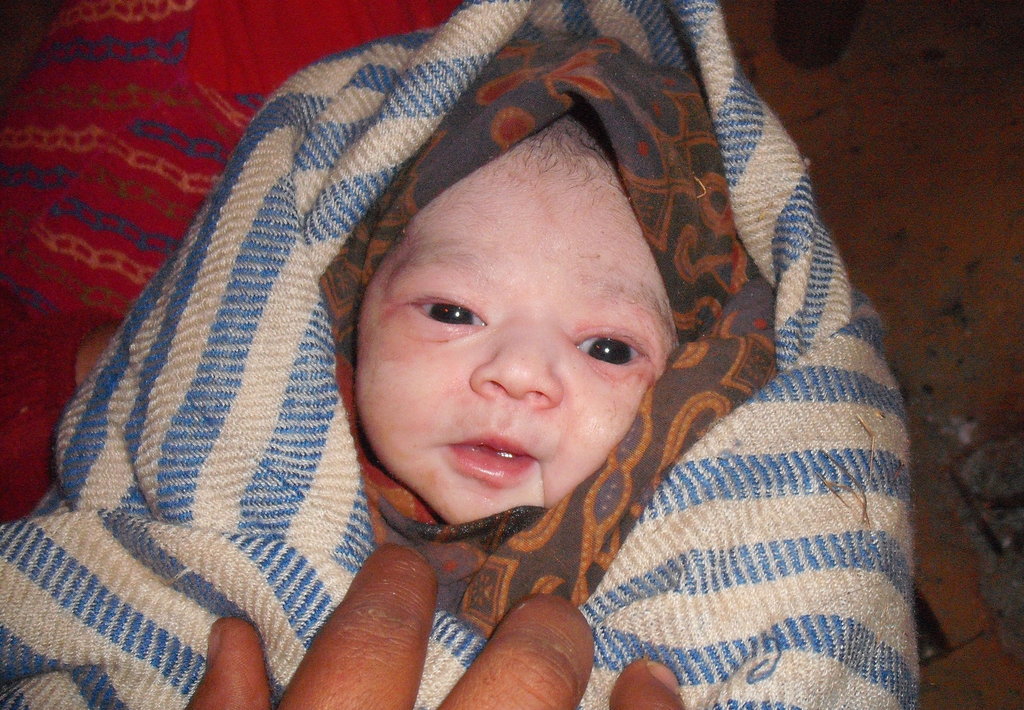
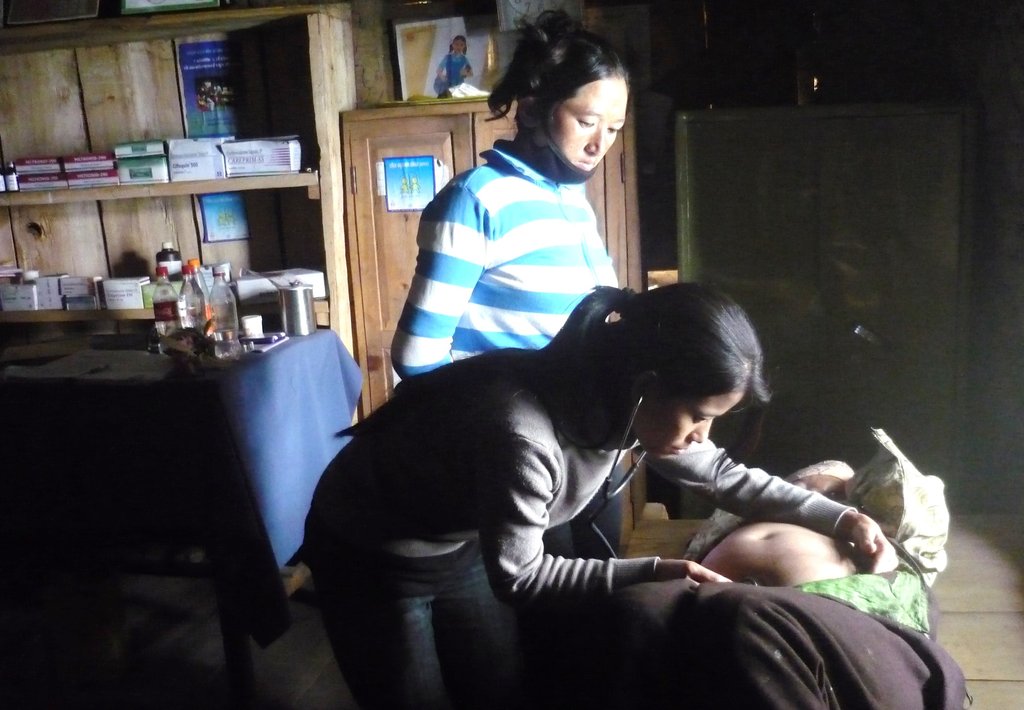
Dr Elena Hazelgrove-Planel is a British GP who was volunteering with PHASE in Kashigaun village, Gorkha, at the time the earthquake struck. She told us a story that illustrates the importance of keeping maternal health care services running during the crisis. Just a few days after the quake struck, PHASE healthcare workers saw a mother who had very recently given birth to a baby, but who had retained the placenta. This is a life-threatening complication, but PHASE health worker Anita was able to diagnose the condition and remove it. Had PHASE not been there to respond to this emergency, the mother would have likely not survived. Not only would this have been a tragedy in the wake of a disaster that had already taken so many, but her death would have put her new born baby at a huge risk too. Formula milk is not available in such remote areas, and with communities coping with uncertain shelter and livelihoods, a motherless infant would have had low chances of survival. Thankfully, this mother was able to recover and return to breastfeeding her baby.
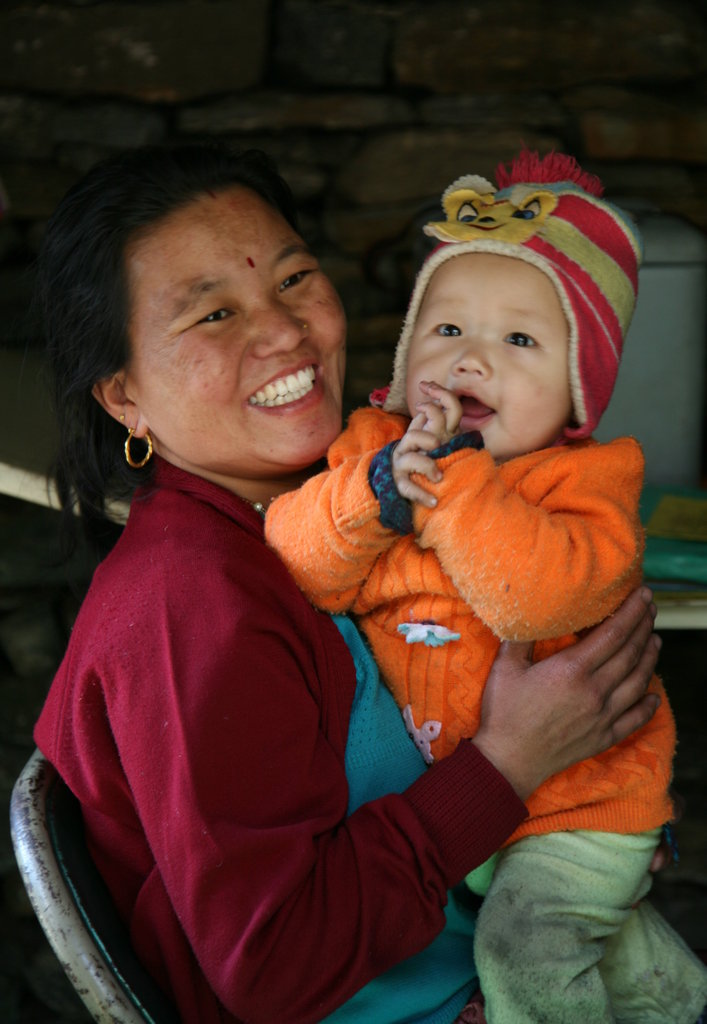
PHASE has been working tirelessly to support the emergency relief efforts, but we also cannot forget the importance of keeping our essential maternal and child health projects running. After a disaster, many organisations abandon long-term projects to focus on short-term needs. At PHASE we believe that at a time where many people have lost homes, farms, income and even family members, it is vital to continue this basic ongoing support. Even things such as ensuring people have access to contraception can allow them to feel more control over their lives at an otherwise risky and uncertain time.
PHASE Worldwide continue to rely on donors like you to keep our essential projects open during a time of crisis. We could not provide the much-needed service that we do without your donations, and are grateful to everyone who already generously offered their support and solidarity to the earthquake-affected communities of the Nepal Himalaya. To support the PHASE Emergency Earthquake Appeal go to: www.phaseworldwide.org
Links:
Project reports on GlobalGiving are posted directly to globalgiving.org by Project Leaders as they are completed, generally every 3-4 months. To protect the integrity of these documents, GlobalGiving does not alter them; therefore you may find some language or formatting issues.
If you donate to this project or have donated to this project, you can receive an email when this project posts a report. You can also subscribe for reports without donating.