By Sarah Galvin | Director, PHASE Worldwide
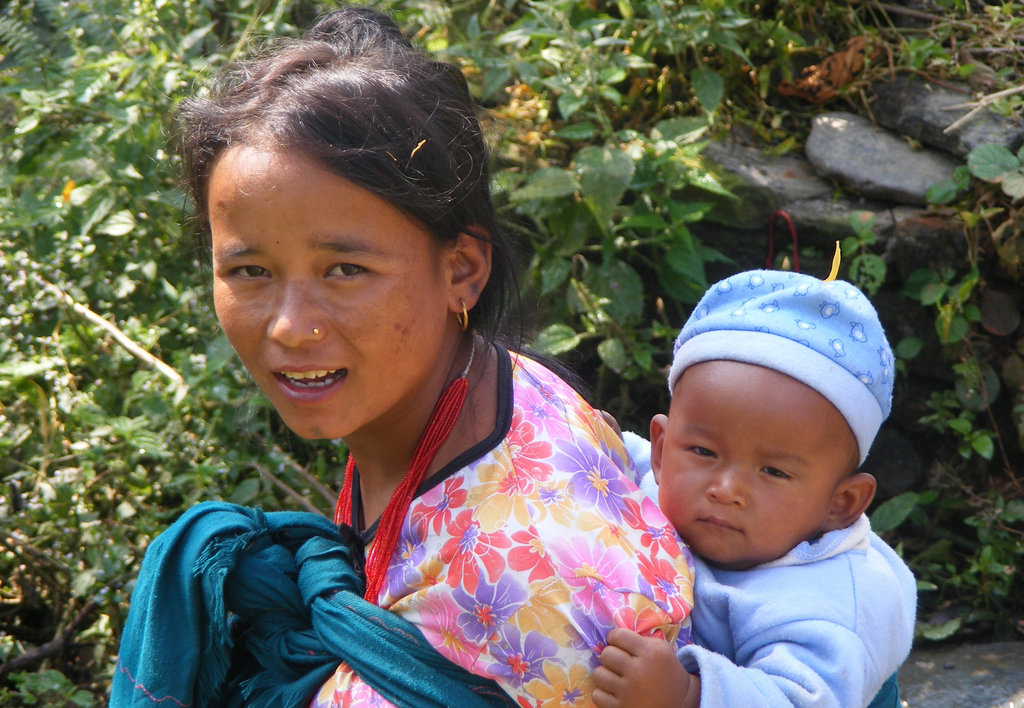
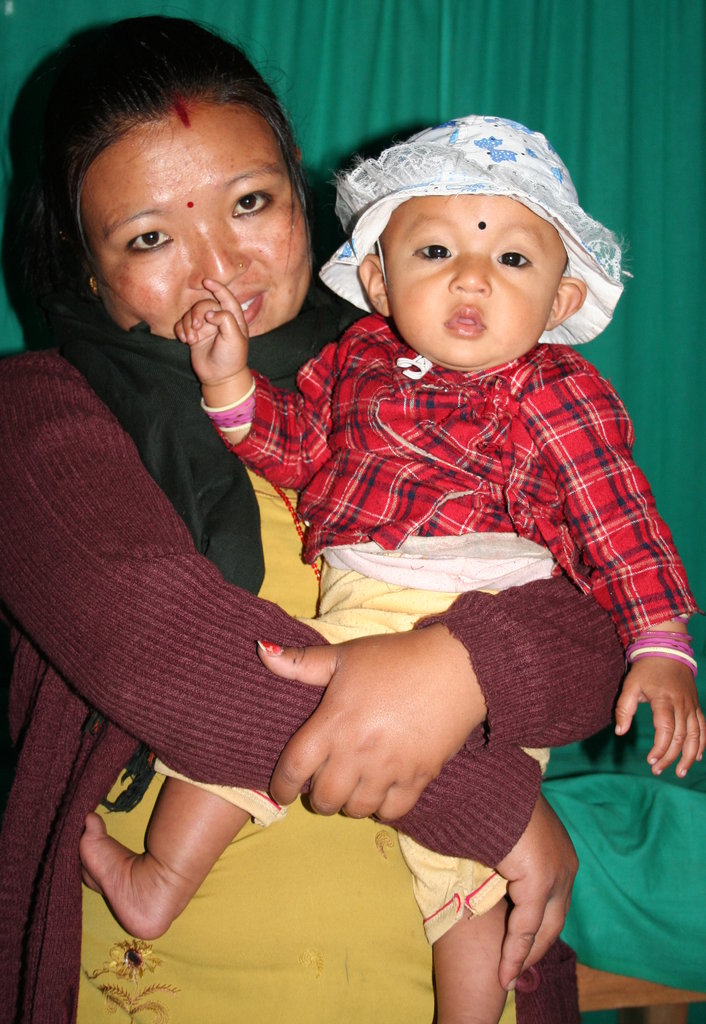
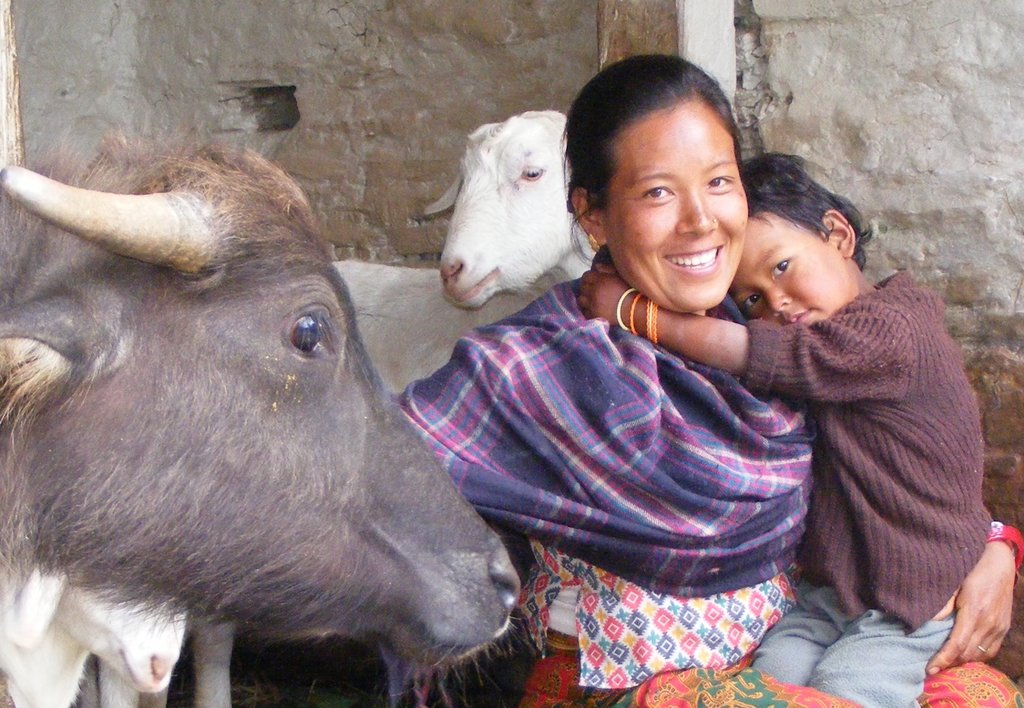
Mag is a 17 year old girl from the north Gorkha region of Nepal. Until recently she had never seen a health worker.
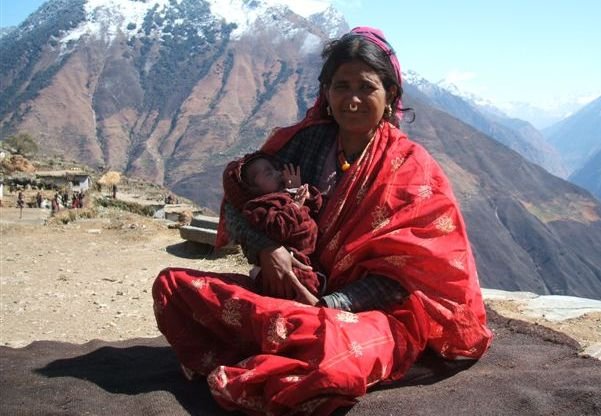
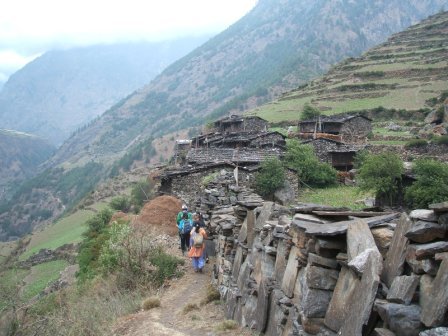
Mag explains – “I live in a rural village named Kashigaun in a northern part of the Gorkha district. My family includes my father-in-law and my husband. Our family is poor and I didn’t receive a primary education. I decided to get married when I was 15 years old.”
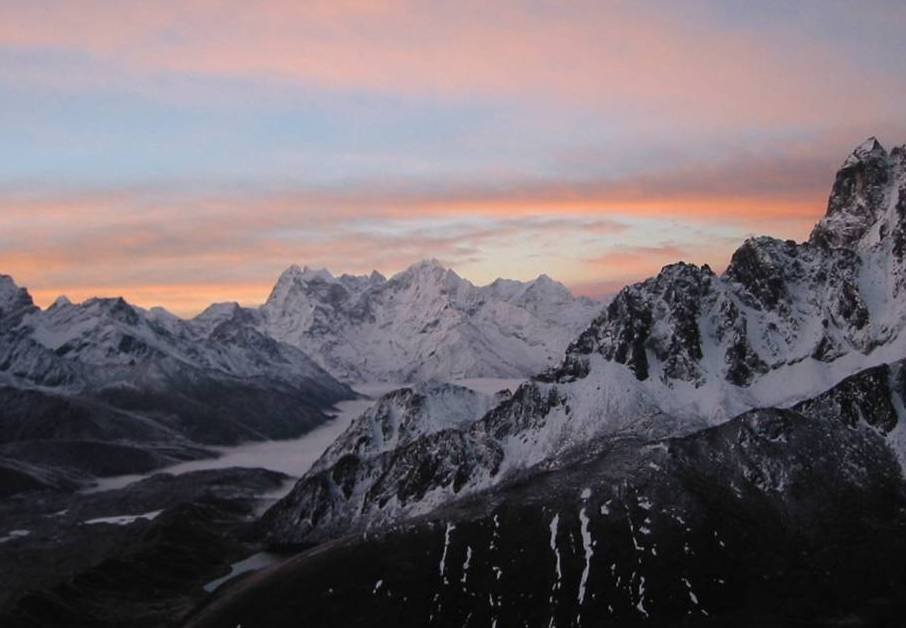
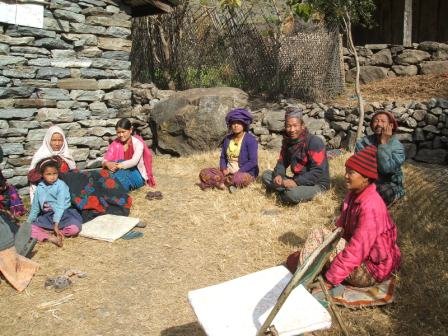
Most people in the Gorkha area get married at an early age. There are government schools but it can take 2 or 3 hours of walking to reach them from some of the more inaccessible and remote villages.
Mag says – “as I hadn’t been to school I didn’t know that I shouldn’t marry and conceive at a young age, and I also did not know about family planning. I got pregnant at the age of 17. I am the only daughter-in-law in the family so I have a lot of family responsibilities. I had to work hard even during pregnancy and was very busy with household work. I didn’t know that I should have a health checkup during pregnancy or that I should take adequate rest and consume iron tablets. I used to feel shy to ask others about it. This is partly the reason why I didn’t go for checkups. I didn’t have any complications so I thought that nothing would happen to me. I was healthy.”
At this time there was only one government health clinic in each cluster of villages. Consequently many of the villages, including where Mag lives, were far from the clinic and many people could not access them easily.
She recalls – “I was at home and my pregnancy was gradually showing. A community health worker who lives close to me learned about my pregnancy and visited my house advising me to take iron tablets and de-worming tablets. She also told me to visit the health post for a checkup. I followed her advice and consumed iron and de-worming tablets but didn’t visit for the checkup since there was a male health service provider in the health post and I felt awkward”.
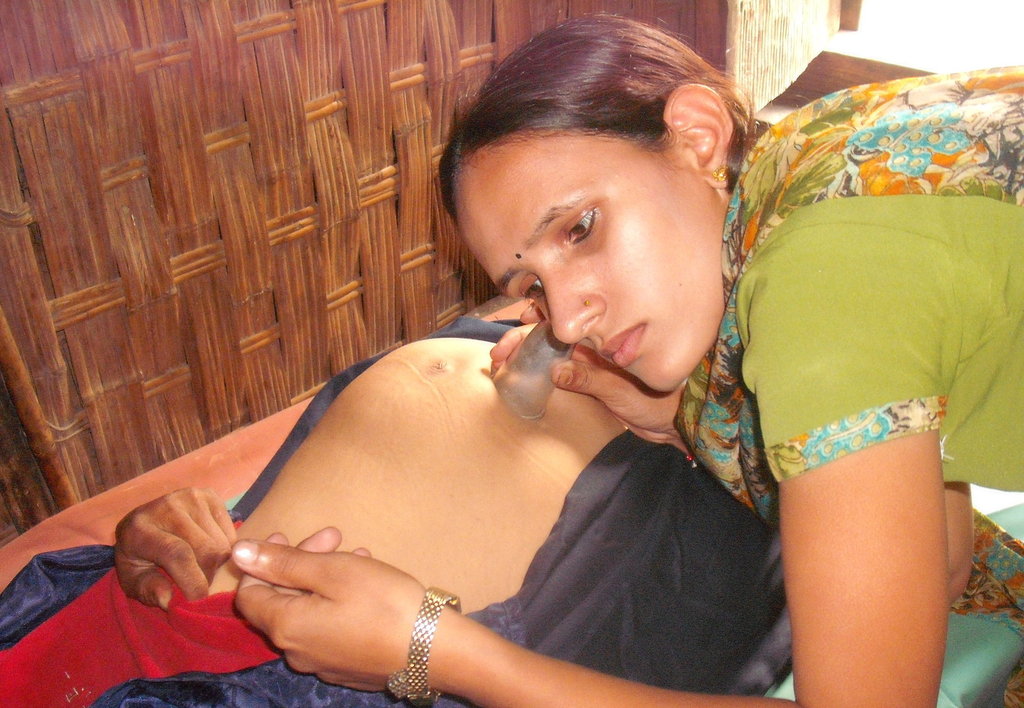
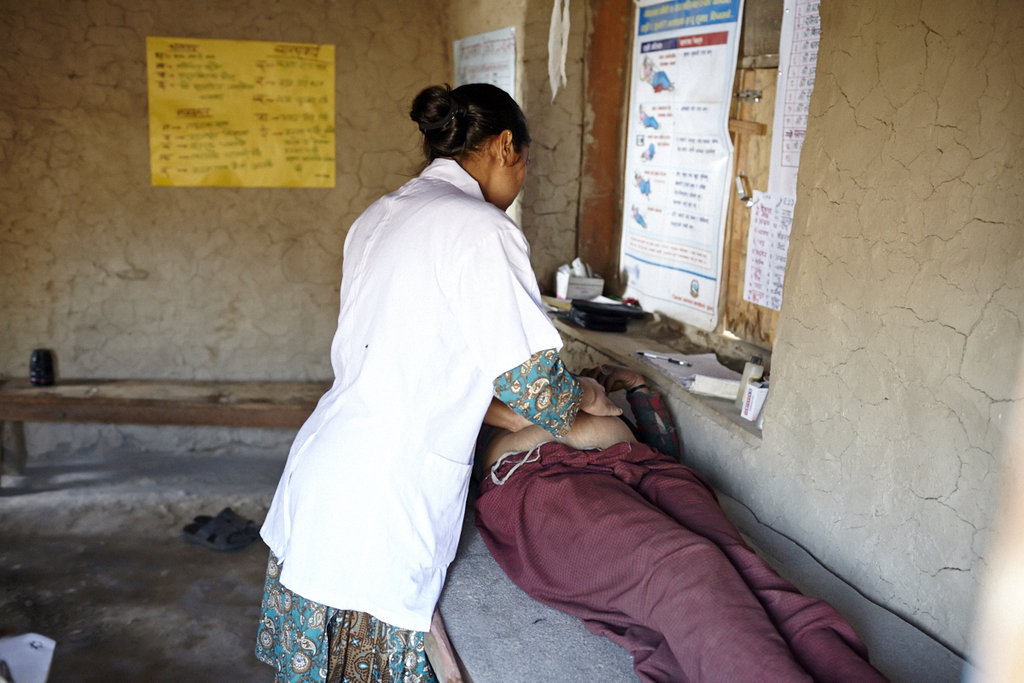
PHASE started to work in Kashigaun in February 2014. The staff see patients in the health post three days a week and also work in the community on health awareness raising activities for three days.
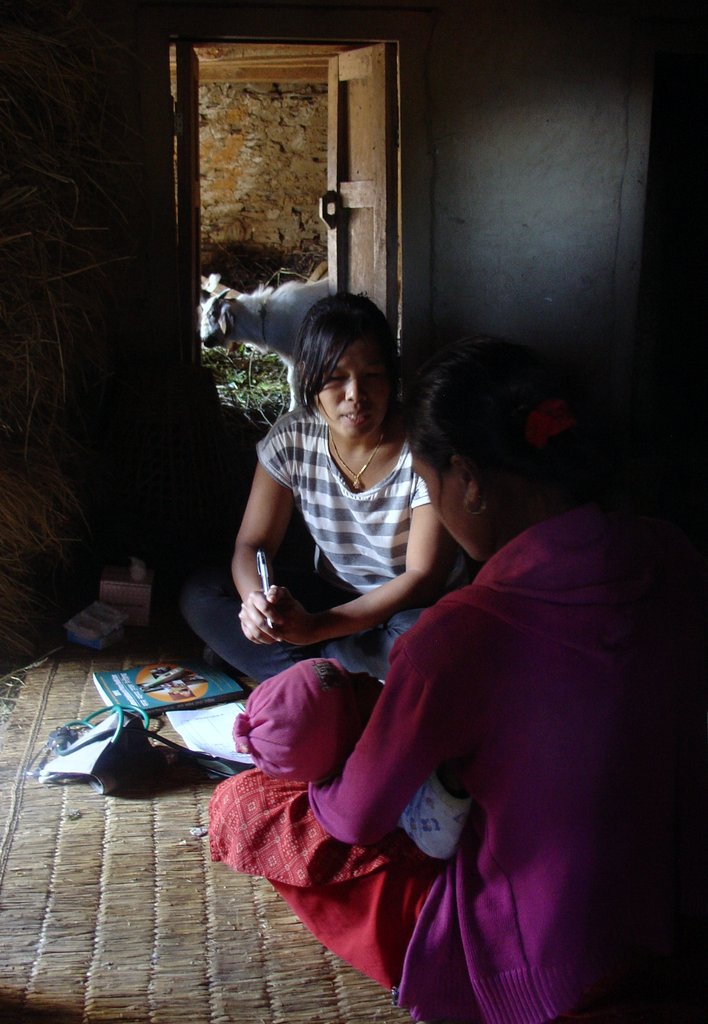
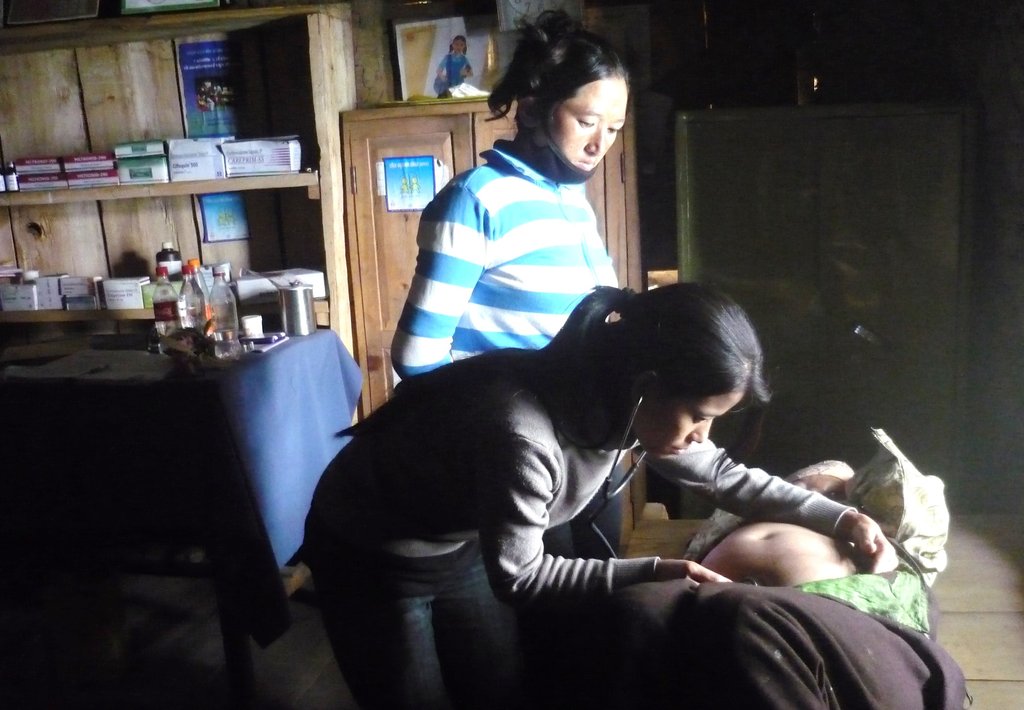
Mag says- “I found out that female health providers were now working at the health post, however I still felt shy about visiting for a checkup. The days passed by, then one day, the sisters of PHASE Nepal came to us for a community program. They talked to me about my pregnancy and told me about danger signs that can lead to complications, delivery preparedness, and complications that are likely to occur during and after delivery. They told me to visit the health post the next day for a checkup.”
“I didn’t visit for a checkup as my delivery month had already arrived. Towards the end of February, I had labour pain. I didn’t tell anyone about it and just suffered all night long. At dawn, I told my husband that I wasn’t well and ask him to prepare the morning meal. My husband and father in law ate and then went to work. My husband is also only 17 years old so maybe because he is young he thought that I was suffering from other problems. He went to work telling me to rest. ”
Mag was scared of calling the health staff so she called her mother to tell that she had some pain and she was not sure whether or not it was labour pain. Her mother came immediately.
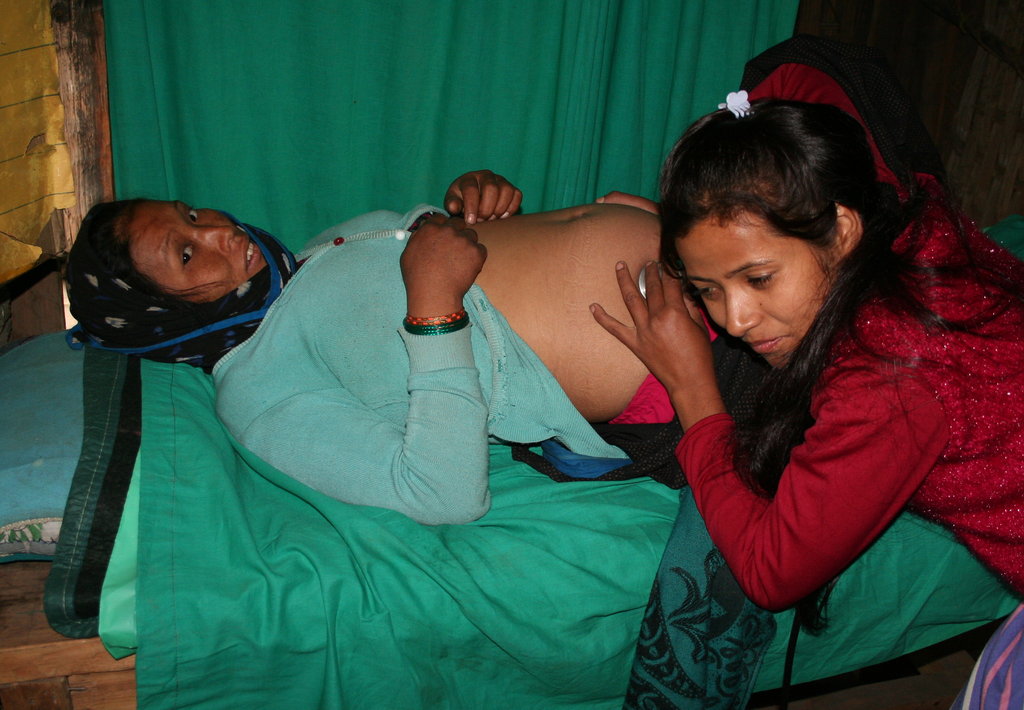
“My mother cared for me and we didn’t call anyone else, as we thought that if other people came to see me then my labour would be even longer. Luckily on that day, sisters of PHASE Nepal were visiting our village to run a clinic. They came to see me and checked me over and told me that there were two babies inside which were in the wrong positions. They told me that I should go to a well equipped hospital immediately. The sisters were upset that I had not visited the health post after I met them.”
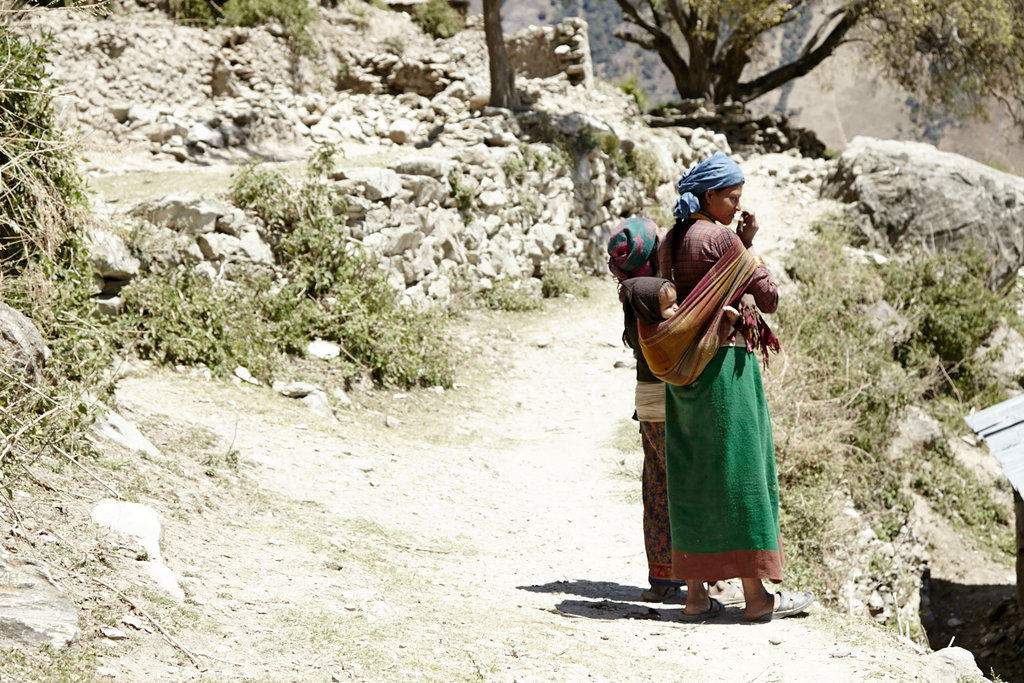
It was a serious situation. The PHASE staff immediately called some neighbours to help. Mag’s father-in-law and husband arrived home and the PHASE staff explained Mag’s condition to them. They were advised to take her to hospital quickly. However, due to the remoteness of the area, this was no easy feat.
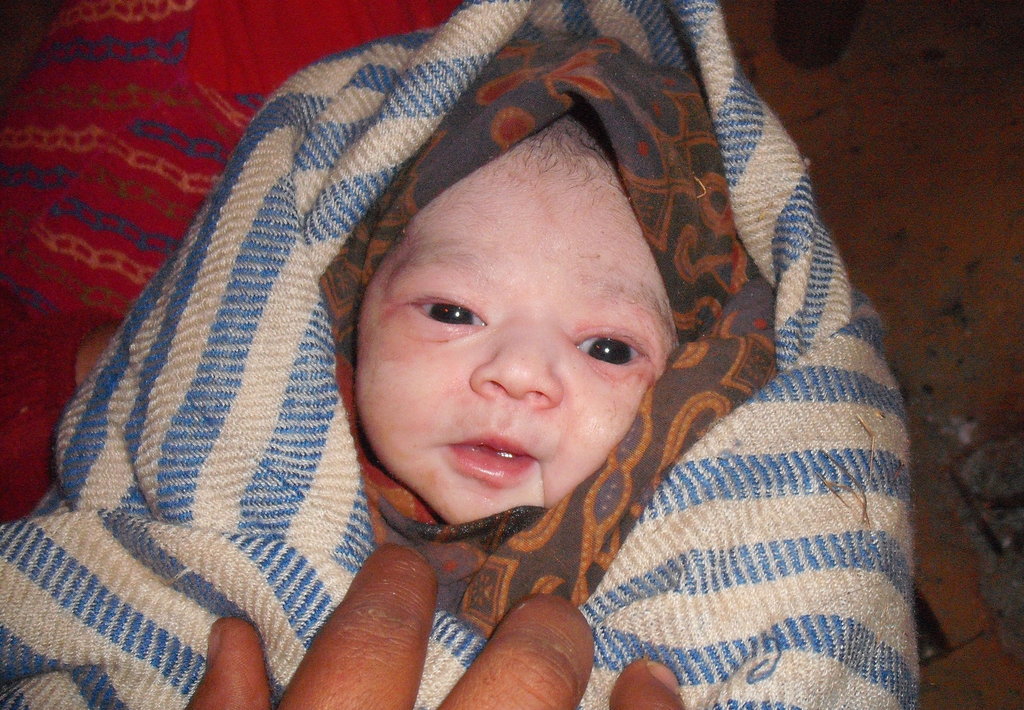
Mag recalls – “I was terrified. I asked the sisters to save me and take the babies out. But they told me that this could be dangerous for my life as well as the babies. They told me to calm down, and took care of me. Everyone worked together and they managed to take me to the hospital – the PHASE staff, neighbours and my husband took me to the bus station which is 6 hours walk from my village. From the bus station, I was taken to a city called Chitwan. By the time I reached there one baby had died as she was in a breech position. My second baby was saved.”
“If there has not been a PHASE Nepal sister in the village at the time I gave birth then myself and both my daughters may have died. If I had followed their earlier advice then both of my babies might be alive. I want to give my heartfelt thanks to PHASE Nepal and the staff who are working in remote rural areas providing health services. From now on I will visit the health institution for checkups during pregnancy as well as for delivery. I will also make other women like me aware of the importance of health care in pregnancy by telling them my own story.”
Donate to our "Safe births in the Nepal Himlaya" project between on the 2nd March and 3rd March (TODAY!) and your donation will be increase by 50% by Global Giving! (check if there is still funds left and how PHASE is doing on the leaderboard here
Project reports on GlobalGiving are posted directly to globalgiving.org by Project Leaders as they are completed, generally every 3-4 months. To protect the integrity of these documents, GlobalGiving does not alter them; therefore you may find some language or formatting issues.
If you donate to this project or have donated to this project, you can receive an email when this project posts a report. You can also subscribe for reports without donating.