By Andrew Herrera and Ira Stollak | Executive Director
Curamericas Global's Casa Materna Project is being implemented in conjunction with our USAID-funded Child Survival program. The report below shows combined results from the intergrated project, active in three municipalities of San Sebastian Coatán, San Miguel Acatán, and Santa Eulalia with our in-country partner, Curamericas Guatemala. Data is from October 1, 2013 - September 30, 2014.
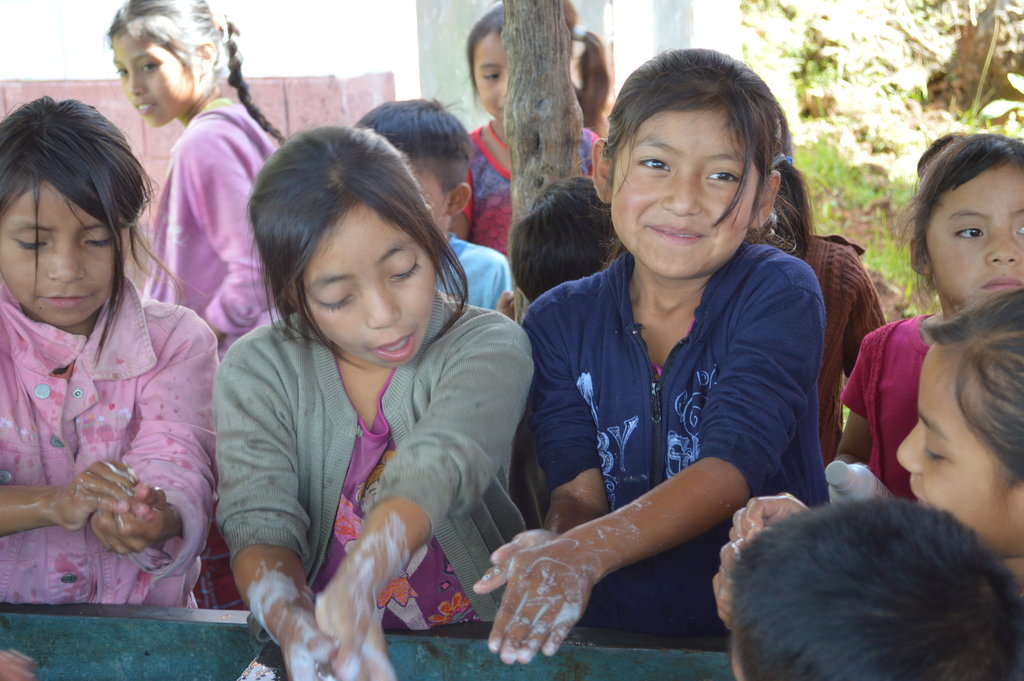
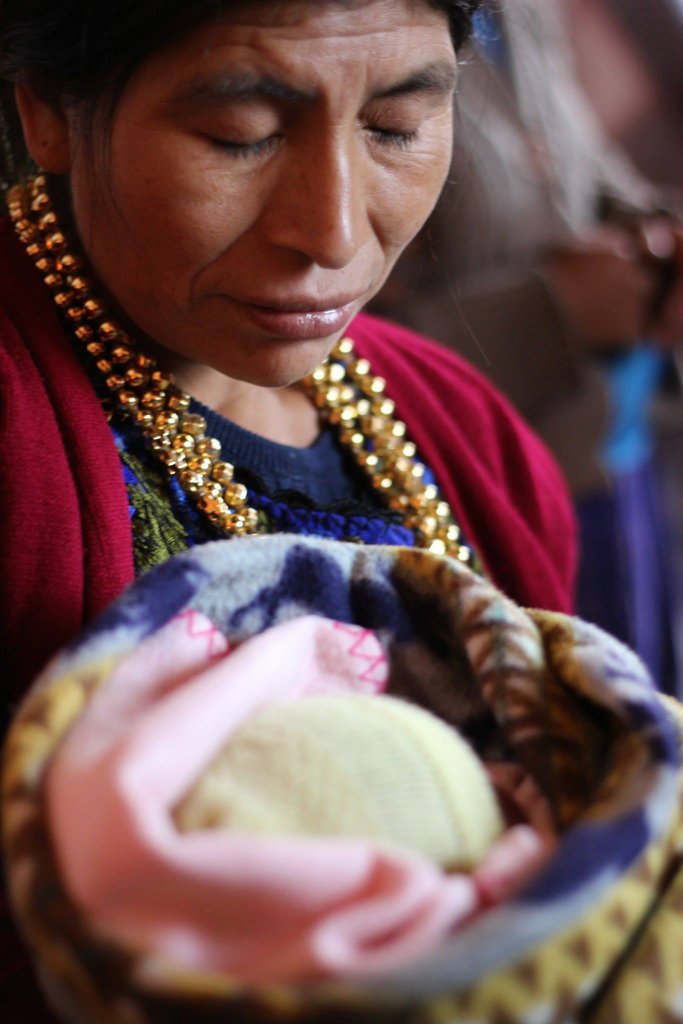
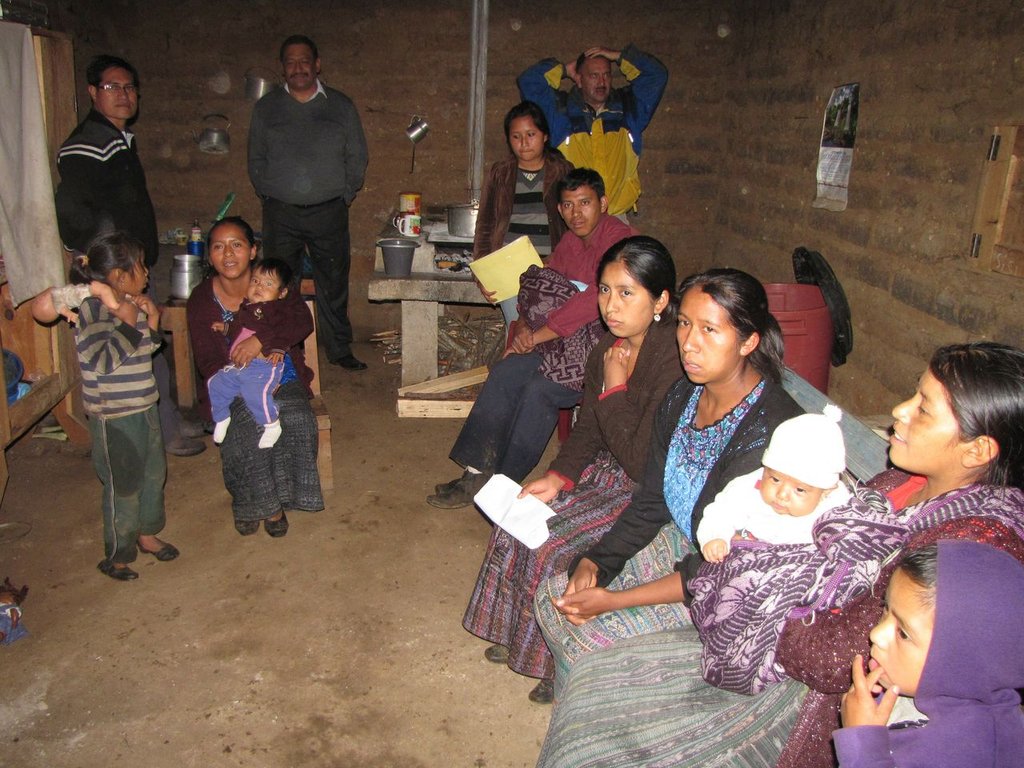
We added to our staff 16 new Educadoras (Health Educators) who recruited and trained 84 new Community Facilitators (Care Group Promoters). Ninety-one new communities were mobilized via trust-building community assemblies; implementing a community census and map; establishment of a community register to capture and share the community’s health data; performing a participatory Community Health Diagnosis, and drafting a Community Health Plan to respond to the community’s health needs. Then we established the Care Group infrastructure in all 91 communities, with the recruitment and training of 259 Comunicadoras (Care Group Volunteers) and their creation of Self Help Groups (Neighborhood Women Groups). We’ve already reached 4,147 new mothers with life-saving health education. Already 77 new communities have established transport plans for obstetric emergencies.
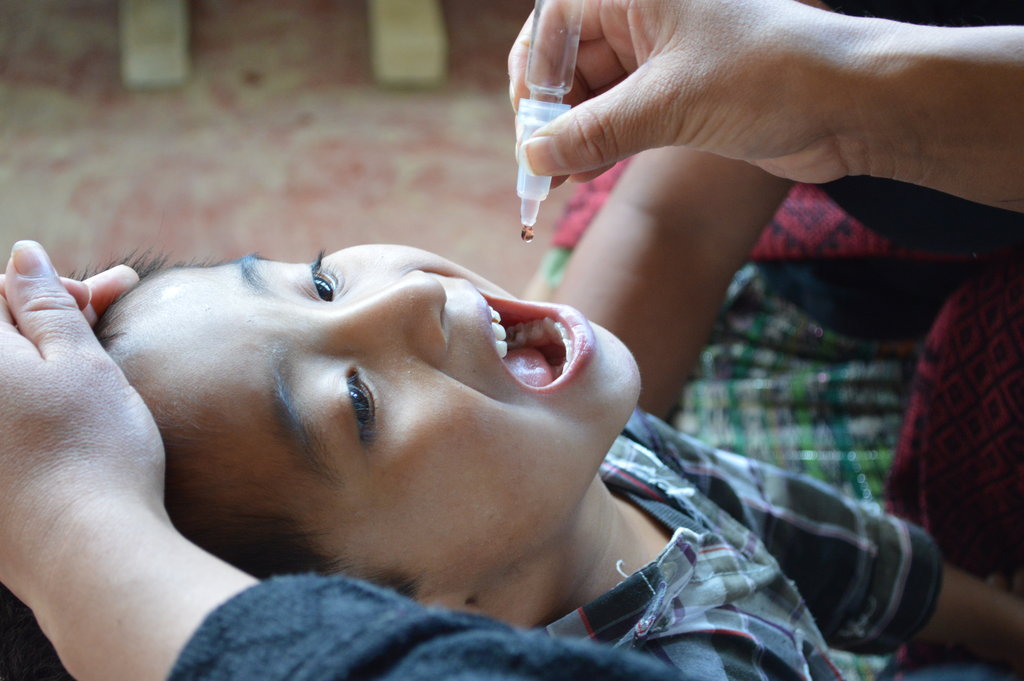
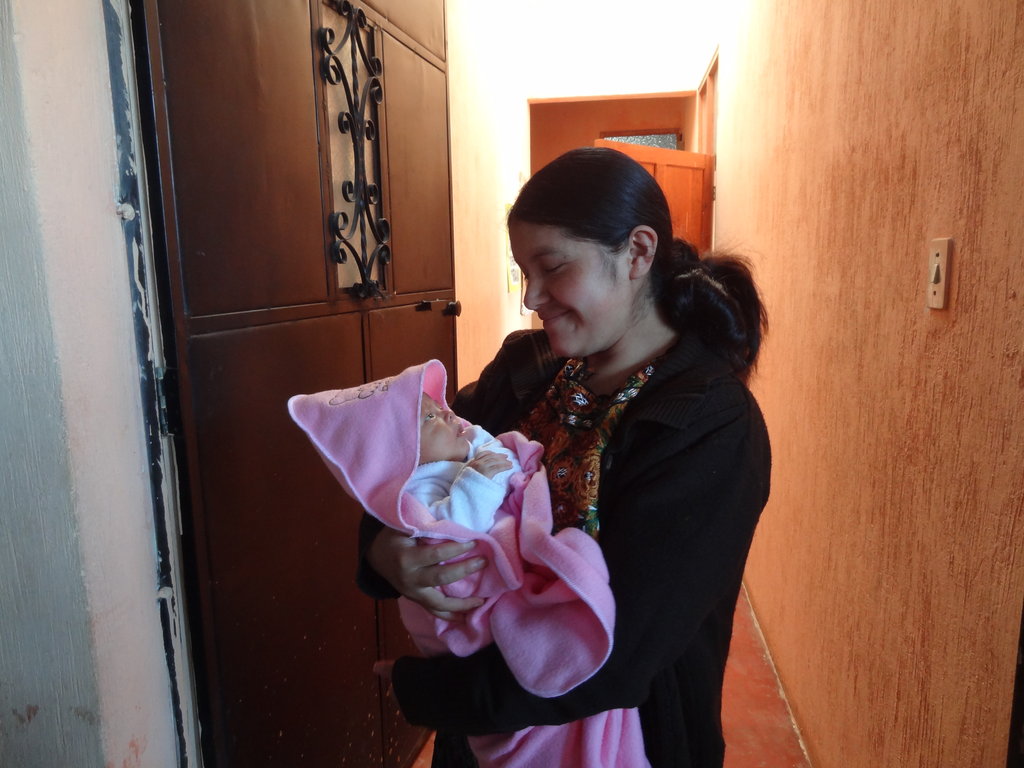
Demonstrating Actual Impact- Our CBIO+Care Group methodology has the unique ability to monitor not just coverage of interventions but actual impact on child and maternal mortality. Knowing number of births and deaths enables us to calculate changes in child and maternal mortality. Data indicates that in 89 communities we reduced U5 mortality by 37%; and maternal mortality by 63%. In 2014 we halved child deaths from both pneumonia and diarrhea, especially in the 1-11 month age group, and eliminated eclampsia and infection deaths in women.
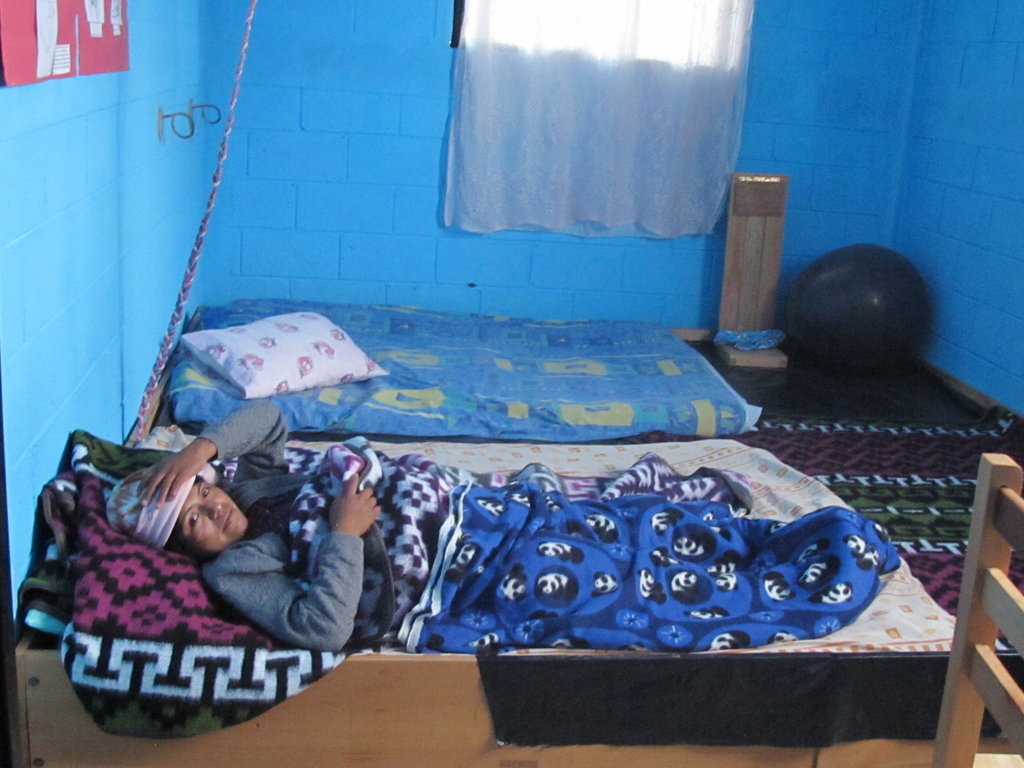
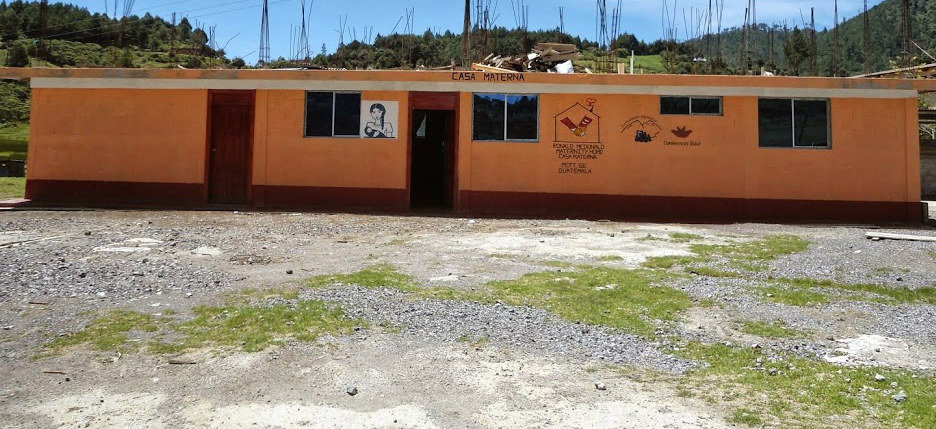
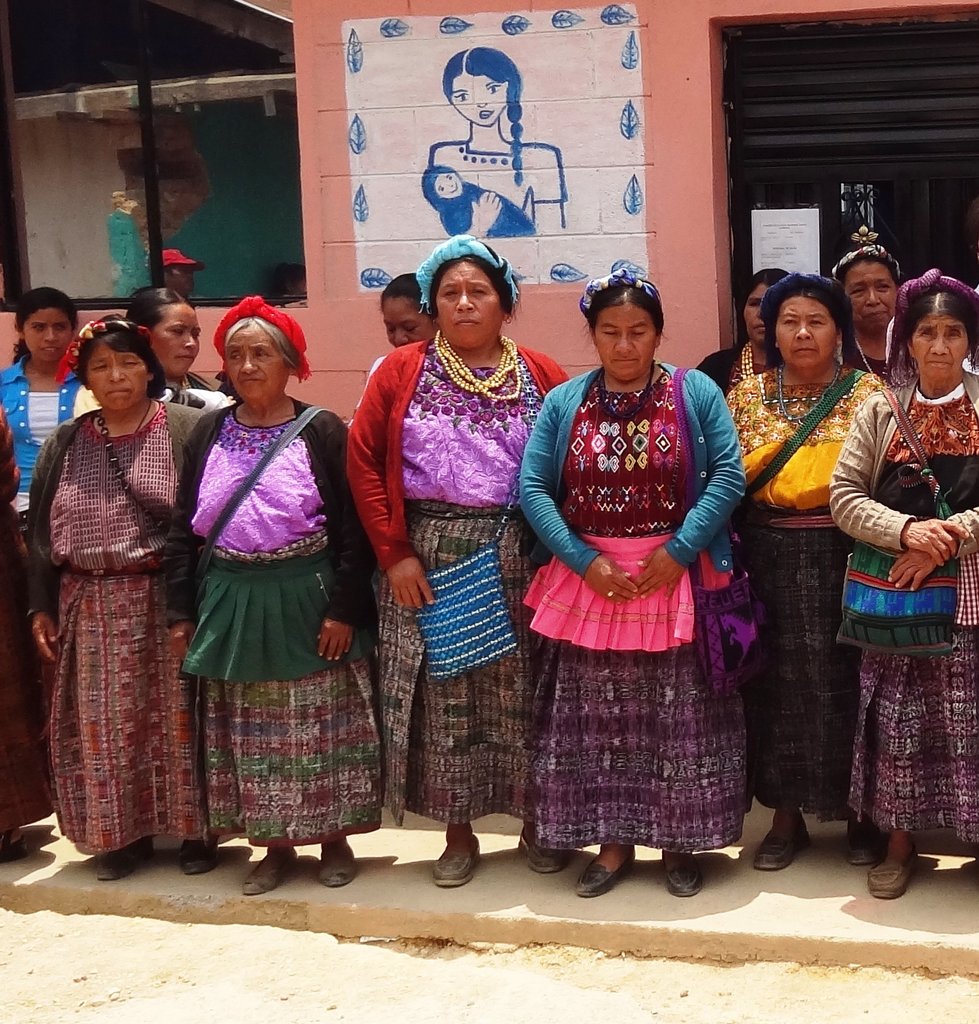
Empowering Women and Communities: Our research provided clear evidence that we are successfully empowering the women of this extremely male-dominated Maya culture. Our research survey showed that the percentage of women in original communities who participated actively in 5 community meetings and expressed an opinion increased from only 10% at baseline to 48% Women’s participation in health-related decision-making also increased, particularly for place of delivery (from 68% to 86%). Our data also showed how we are building social capital in these communities ravaged by the 30-year civil war: 66% of the mothers interviewed reported that their community had worked together in the previous month to achieve a community project (vs. 13% at baseline); 157 communities (87%) have established transport plans for obstetric emergencies; and 45 communities have built with their own hands Casa Maternas to provide clean safe births (see below).
There is much more data and stories from the field. We will be sure to share more soon! All of this would not be possible without your support. Thank you!
Please let us know what you think and how we might be able to improve our work. Contact me with any questions or comments at Andrew@curamericas.org or by phone 919.510.8787.
Links:
Project reports on GlobalGiving are posted directly to globalgiving.org by Project Leaders as they are completed, generally every 3-4 months. To protect the integrity of these documents, GlobalGiving does not alter them; therefore you may find some language or formatting issues.
If you donate to this project or have donated to this project, you can receive an email when this project posts a report. You can also subscribe for reports without donating.