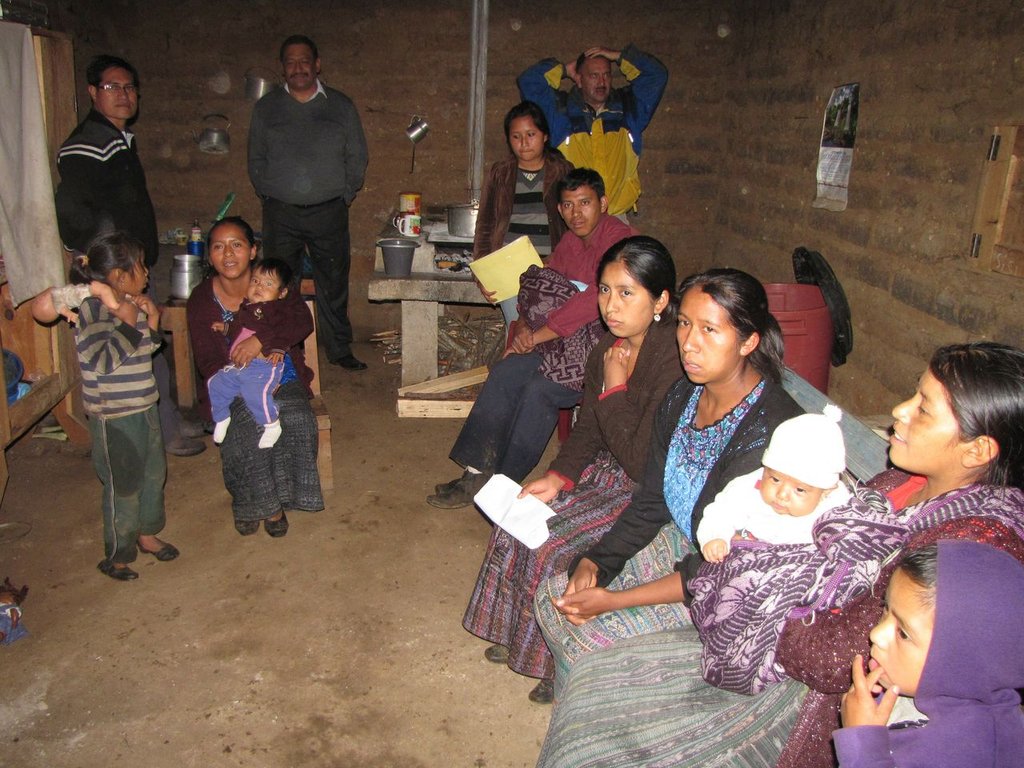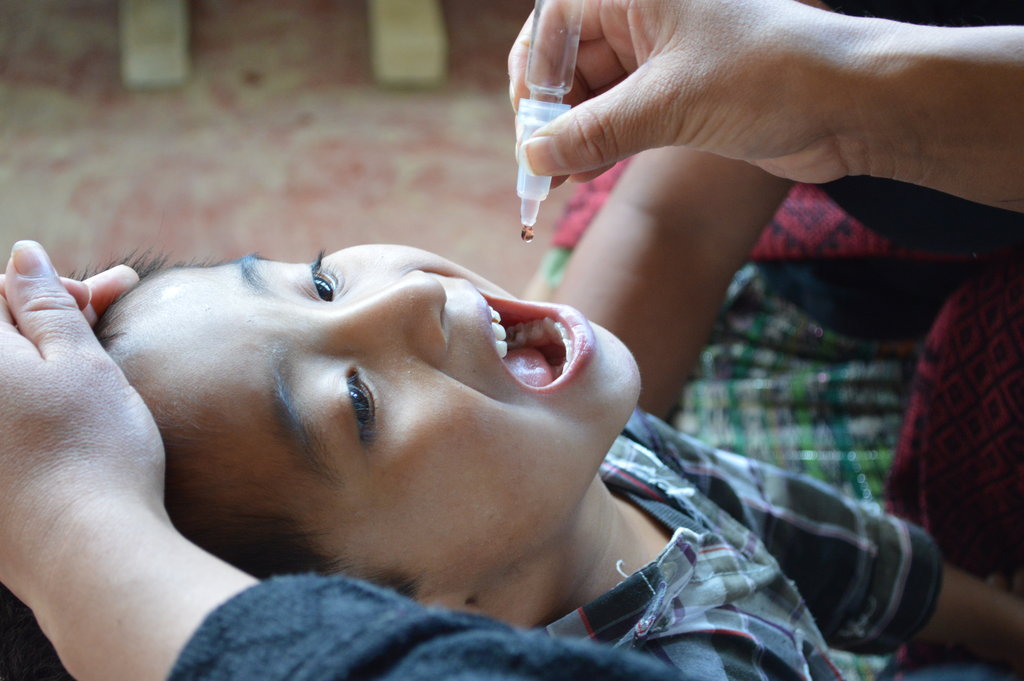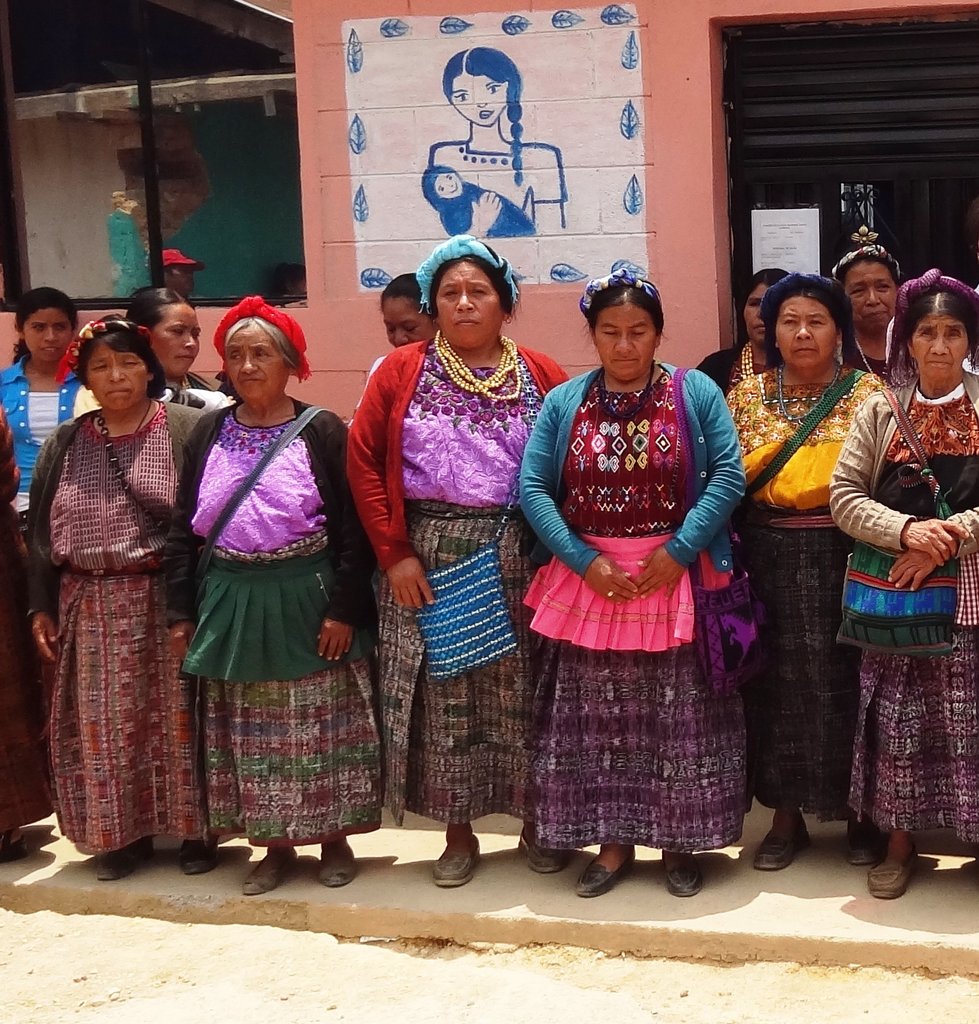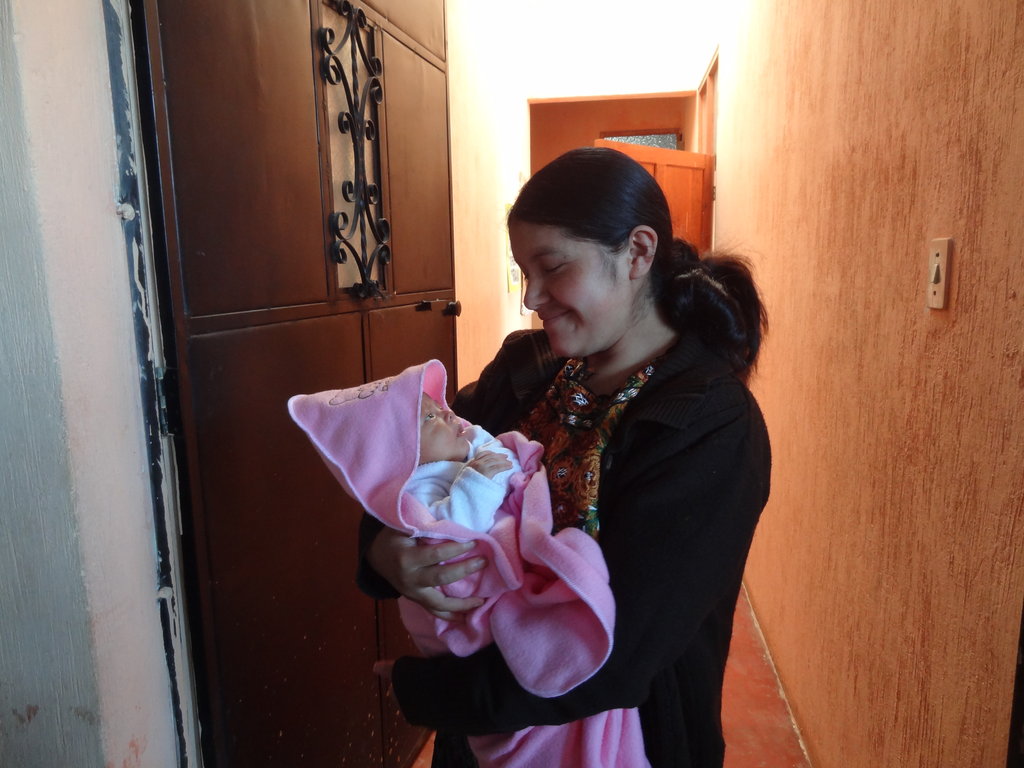
The project supports part of the Casa Materna program in rural Guatemala, an area known as "The Triangle of Death" where women face a 1 in 20 lifetime chance of dying in childbirth. We use low-cost, evidence-based interventions to train and equip Mayan community healthcare workers to provide life-saving care and education to women. Be part of sustainable community health and development in a high-need area where women and children die unnecessarily from readily preventable and treatable causes.
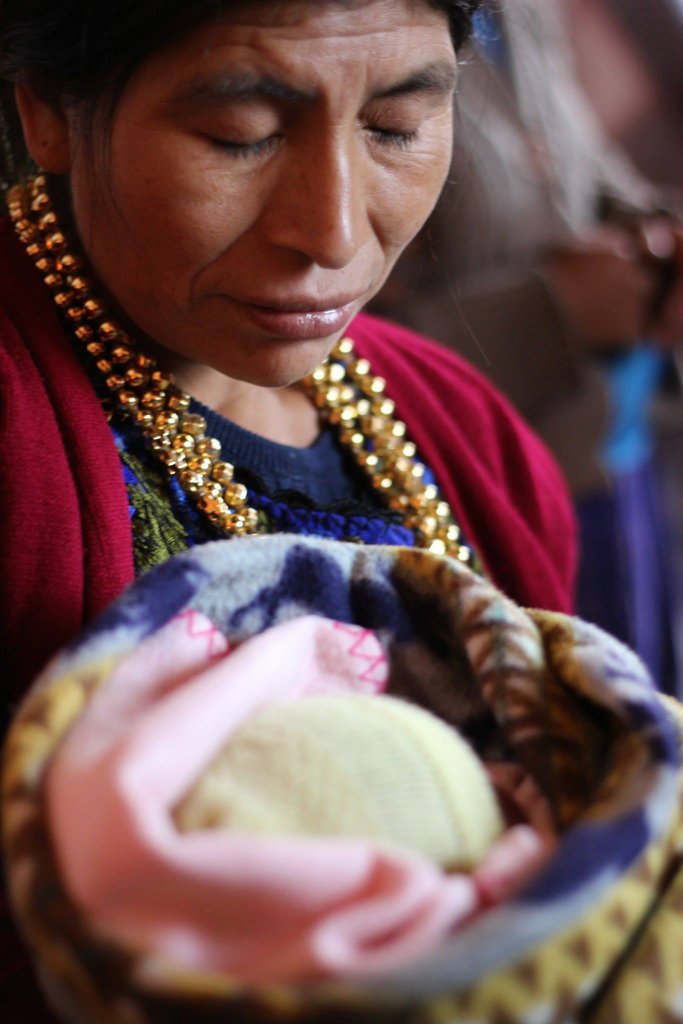
The first 1,000 days of life, from conception to the second birthday, is a child's most critical developmental window. But in rural Guatemala, Mayan women receive inadequate nutrition and prenatal care, and deliver underweight babies in her dirt-floored home, unable to respond to complications. There is no basic care and mother and child frequently die from complications. Women face a 1 in 20 chance of dying in childbirth and infants suffer the third highest mortality rate in Latin America.
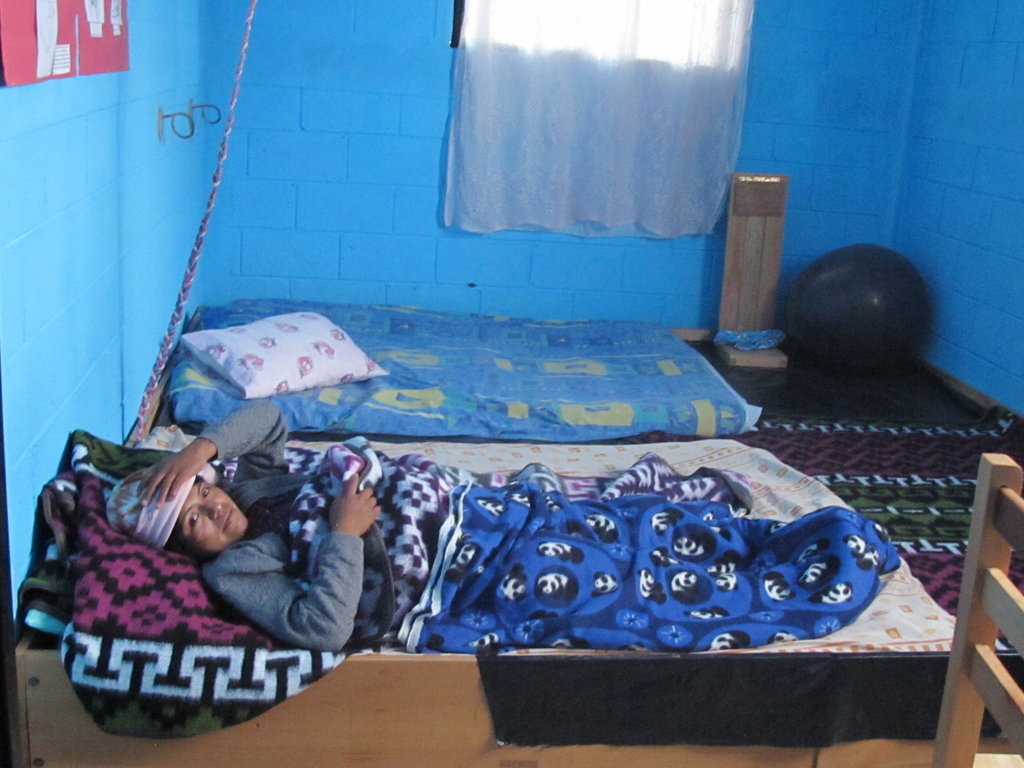
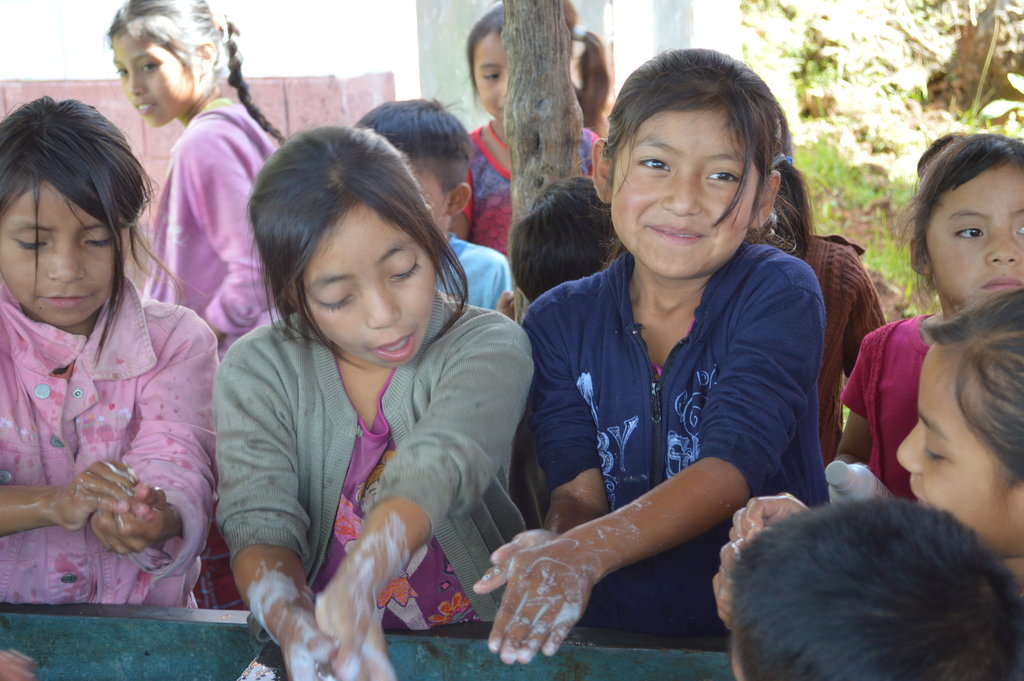
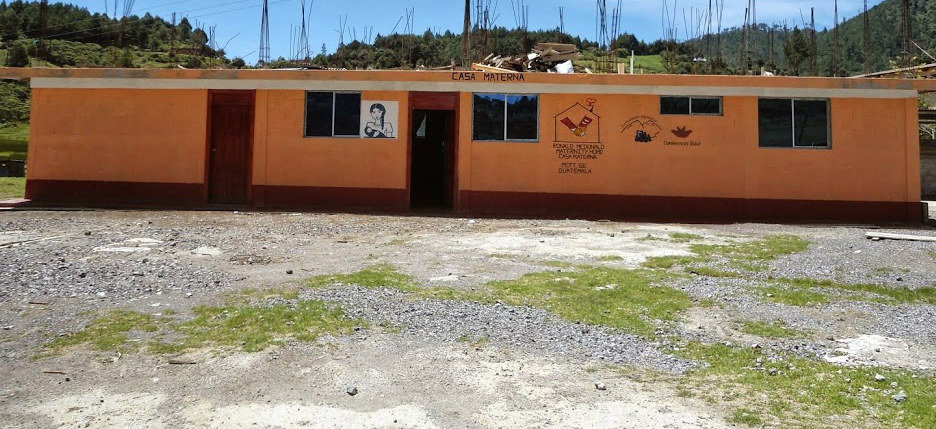
The Casa Materna is a strategically located birthing center owned and constructed by the community. The Casa Materna allows women to deliver in a culturally supportive environment with access to trained health care workers. Outreach into the communities is accomplished through mother peer educators who are trained to teach community members to take ownership of their health to combat readily preventable illnesses and the primary causes of death such as diarrhea, pneumonia and malnutrition.
Sustainability is incorporated into this program from inception, with government and community ownership of the program. Curamericas' first Casa Materna has already reduced municipal infant mortality by 68% and maternal mortality by 88 %.To impact these first 1,000 days we will replicate the success of our first Casa Materna and save lives and reduce maternal and child mortality rates in a catchment area serving approximately 10 communities and 2,500 Mayan children and 3,200 women.