By Saidu Abubakar | Project Leader
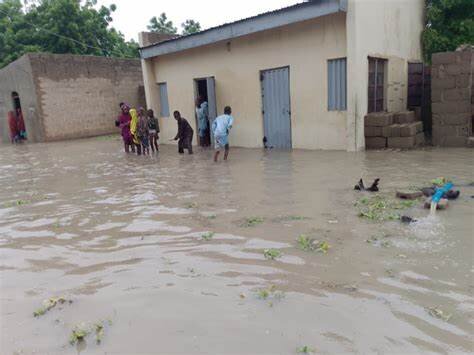
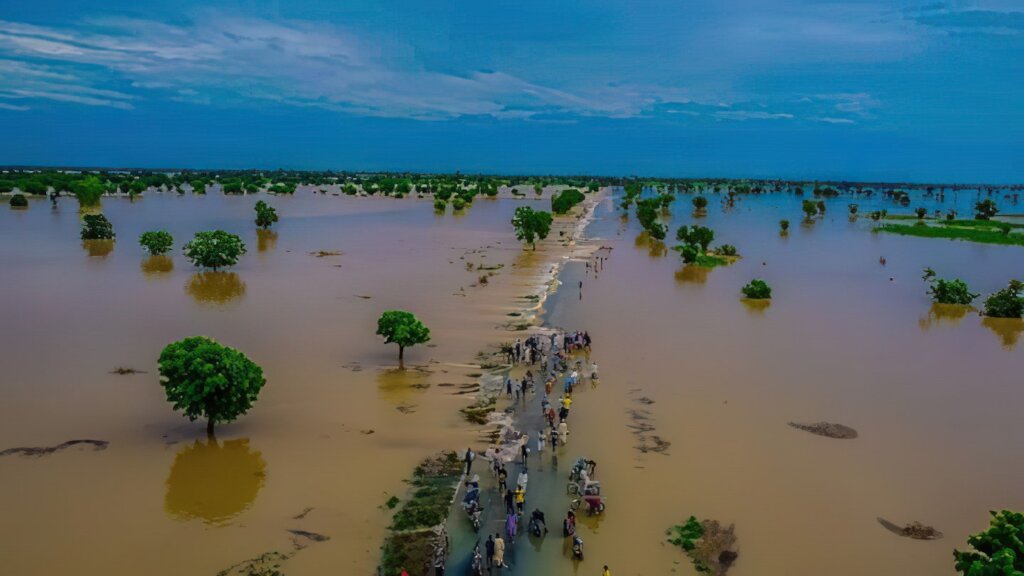
Climate change is rapidly altering rainfall patterns, increasing the frequency of extreme weather events, and threatening agricultural productivity across Nigeria. Rural communities, particularly those dependent on rain-fed agriculture, are among the most vulnerable to these changes. Irregular rainfall, prolonged dry spells, flooding, and heat stress are increasingly affecting crop yields, livestock productivity, and household food security.
Recognizing the urgent need to strengthen community preparedness and adaptive capacity, SocietalLens Initiative launched the Rural Climate Resilience Awareness Campaign (R-CRAC 2025). The campaign was designed as a community-centered intervention aimed at improving climate awareness, strengthening disaster preparedness, and equipping rural farmers with practical tools to adapt to climate variability.
The initiative focuses on climate-sensitive regions where communities experience significant exposure to droughts, floods, and unpredictable rainfall patterns. By aligning activities with the agricultural growing season and major weather events, the project seeks to ensure that climate information reaches communities at the time it is most useful.
Since its launch, the project has begun implementing a number of foundational activities including community climate awareness campaigns, farmer sensitization sessions on climate-smart agricultural practices, engagement with local leadership structures, and dissemination of climate and early warning information.
Initial engagement with rural communities has shown strong interest in the initiative. Farmers have expressed a clear need for timely climate information and practical training that can help them adjust planting decisions, manage risks, and protect their livelihoods. Community leaders have also demonstrated strong support for integrating climate resilience into local planning processes.
However, while the project has made meaningful progress during its initial phase, current funding remains insufficient to support full-scale implementation. Existing resources have allowed SocietalLens Initiative to launch pilot-level activities and begin engaging communities, but the scale of the climate challenges facing rural Nigeria requires a much broader intervention.
Additional financial support will be essential to expand outreach, strengthen climate services, provide more comprehensive farmer training, and establish sustainable community resilience systems across more vulnerable regions.
SocietalLens Initiative remains deeply committed to advancing this important work and is grateful to the donors and partners whose early support has helped lay the foundation for the R-CRAC 2025 initiative.
2. Background and Context
Climate change represents one of the most significant development challenges facing Nigeria today. Over the past decade, rural communities have experienced increasing climate variability characterized by delayed rainfall onset, early cessation of rains, more frequent flooding events, rising temperatures, and unpredictable seasonal patterns.
For smallholder farmers, these changes have profound consequences. Agricultural calendars that were once predictable have become increasingly unreliable. Farmers who traditionally relied on generational knowledge to determine planting periods now face uncertainty about when rains will begin and how long they will last.
In many communities, crop failures linked to climate variability have contributed to reduced incomes, increased food insecurity, and greater vulnerability among already marginalized populations.
Despite these growing risks, many rural communities still lack access to timely climate information, practical adaptation strategies, and disaster preparedness mechanisms that could help them reduce climate-related losses.
The Rural Climate Resilience Awareness Campaign (R-CRAC 2025) was therefore conceived as a response to these challenges. The campaign aims to bridge the gap between climate information and community action by ensuring that rural populations are equipped with the knowledge and tools necessary to anticipate, prepare for, and respond to climate risks.
The project adopts a community-centered approach that prioritizes local engagement, farmer education, and collaboration with traditional and local government leadership structures.
By strengthening climate awareness and promoting climate-smart practices, the project seeks to support communities in building long-term resilience to climate shocks.
3. Project Objectives
The overall goal of R-CRAC 2025 is to strengthen the resilience of rural communities to climate variability and extreme weather events.
Specific objectives include:
1. Improve Climate Awareness
Increase understanding of climate risks among rural populations through targeted outreach and awareness campaigns.
2. Strengthen Farmer Adaptation Capacity
Equip farmers with practical climate-smart agricultural techniques that enable them to manage climate variability more effectively.
3. Support Early Warning Systems
Improve community access to seasonal forecasts and early warning information that supports timely agricultural decision-making.
4. Promote Local Disaster Preparedness
Engage community leaders and local institutions in developing preparedness strategies that reduce vulnerability to climate-related hazards.
5. Encourage Long-Term Climate Resilience Planning
Support dialogue and planning processes that integrate climate resilience into local governance and development initiatives.
4. Activities Implemented
Despite limited resources, SocietalLens Initiative has successfully initiated several core activities under the R-CRAC 2025 campaign.
Community Climate Awareness Campaigns
One of the first components of the project involved conducting climate awareness outreach sessions within targeted rural communities. These sessions focused on explaining the impacts of climate change in practical and locally relevant terms.
Community members were engaged in discussions about how changing rainfall patterns, floods, droughts, and rising temperatures affect agricultural productivity, livestock health, and water availability.
The outreach sessions were designed to ensure that climate science is translated into understandable information that rural populations can relate to their daily experiences.
These discussions have helped build awareness around the need for proactive adaptation strategies.
By Saidu Abubakar | Project Lead
Project reports on GlobalGiving are posted directly to globalgiving.org by Project Leaders as they are completed, generally every 3-4 months. To protect the integrity of these documents, GlobalGiving does not alter them; therefore you may find some language or formatting issues.
If you donate to this project or have donated to this project, you can receive an email when this project posts a report. You can also subscribe for reports without donating.



Support this important cause by creating a personalized fundraising page.
Start a Fundraiser