By Sharon Mukucha | Project Manager
Organisation: Angels Palace Organisation (APOF)
Project Leader: Sharon Mukucha Makaza
Reporting Period: August 2026
Project Location: Mhondoro and Ward 5, Rwizi, Chegutu Rural District, Zimbabwe
Main Activities: Mentorship Camp, Life Skills Development, Drug and Substance Abuse Awareness, and Sports Day
1. Project Overview
Angels Palace Organisation continues to advance its commitment to empowering orphans and vulnerable children through its project, Roots of Resilience: Nurturing a Stronger Tomorrow. The initiative seeks to strengthen the emotional, social and personal resilience of vulnerable children by providing mentorship, life skills development, positive guidance and opportunities for personal growth.
During August 2026, Angels Palace implemented its annual Mentorship Camp and community Sports Day, bringing together children and young people for mentorship, peer interaction, recreational activities and positive youth engagement.
These activities were designed to create a supportive environment where young people could develop confidence, build healthy relationships, make informed decisions and recognise their potential to contribute positively to their communities.
The programme also incorporated awareness of drug and substance abuse, using mentorship and sport as positive approaches to encouraging healthy lifestyles and responsible decision-making.
2. Activities Implemented2.1 Angels Palace Mentorship Camp – 28–29 August 2026
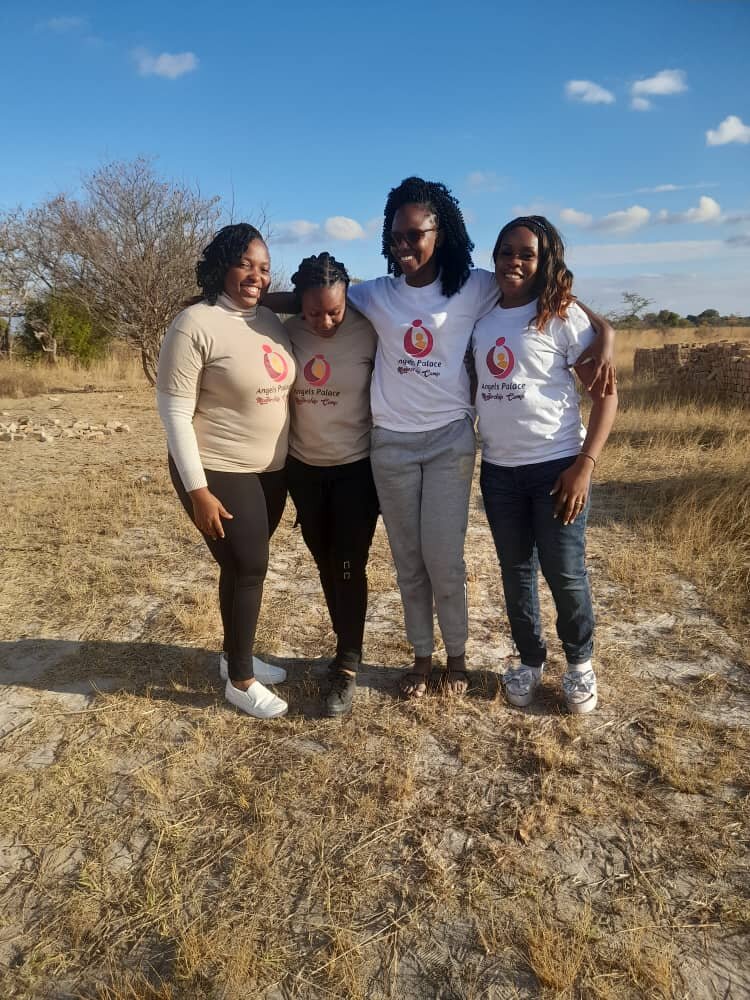
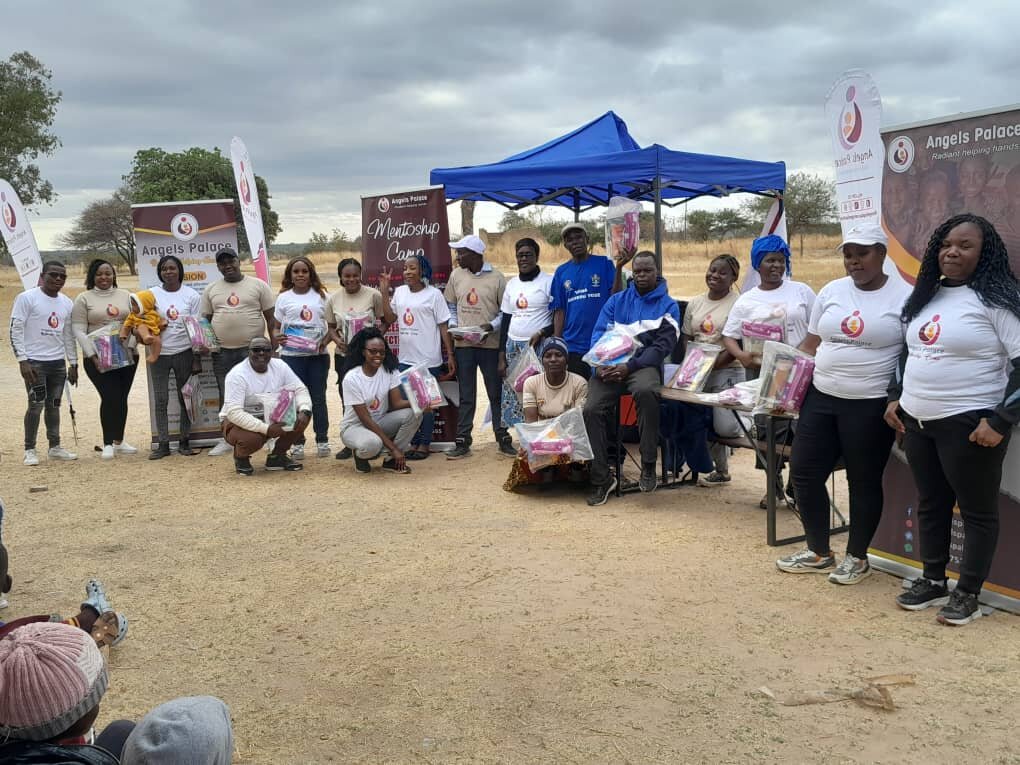
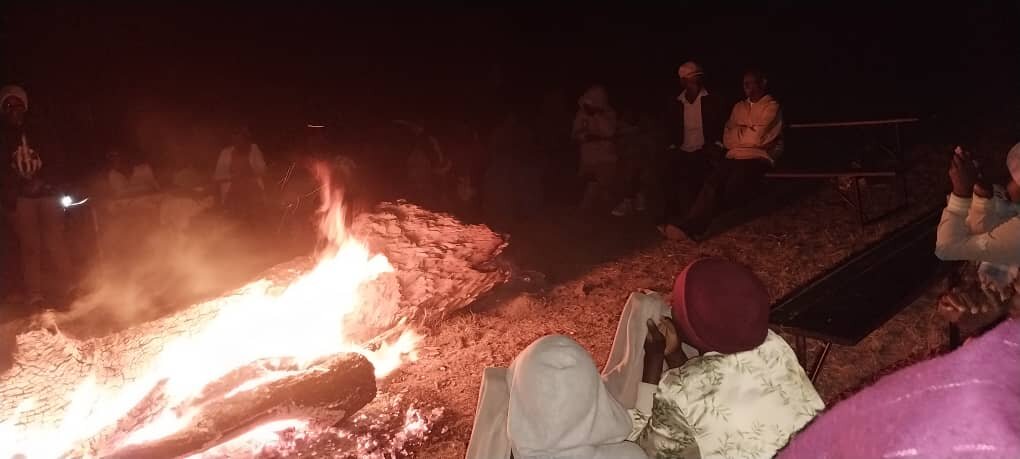
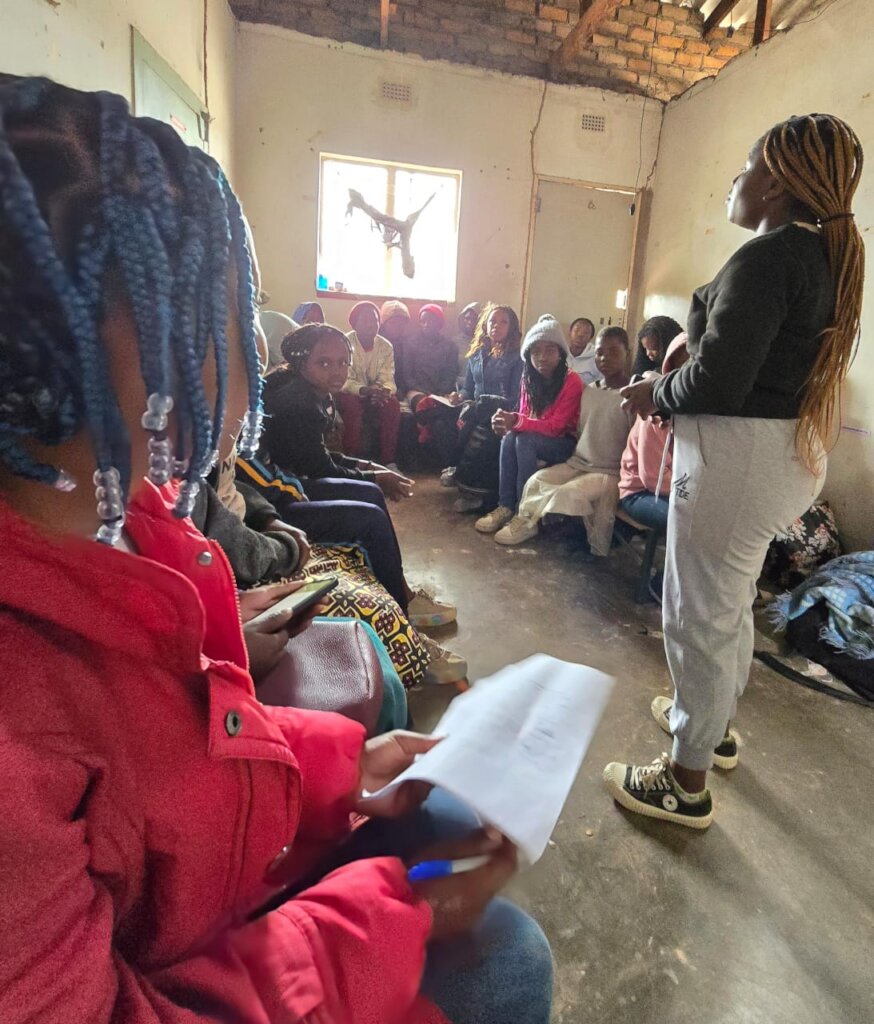
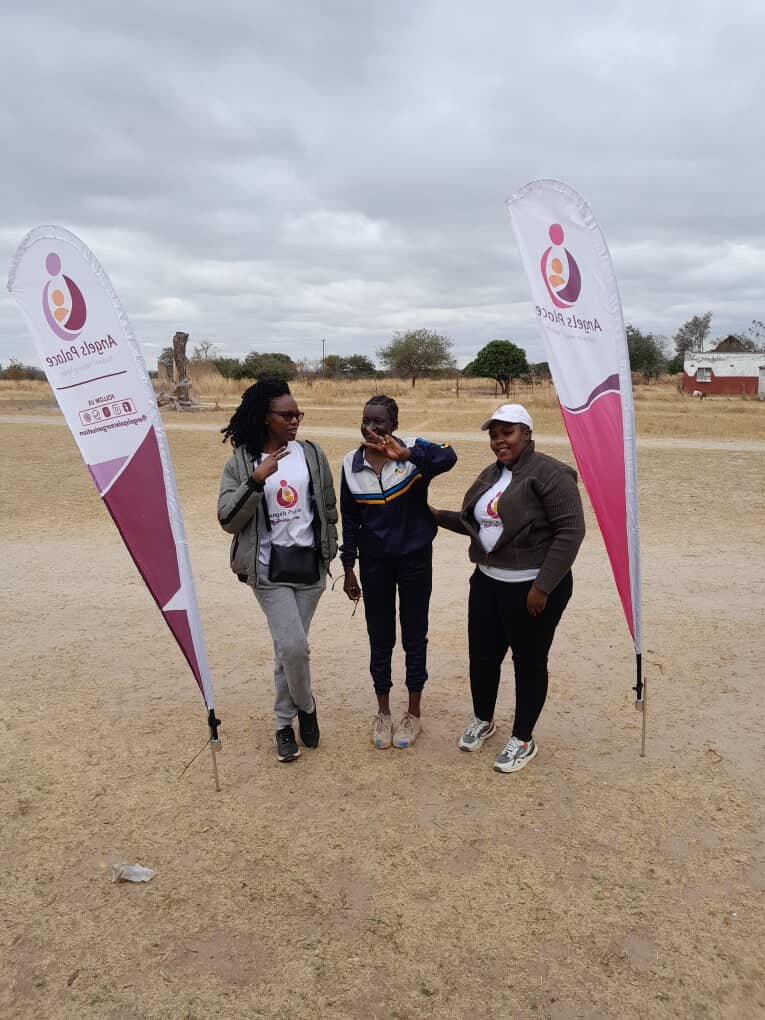
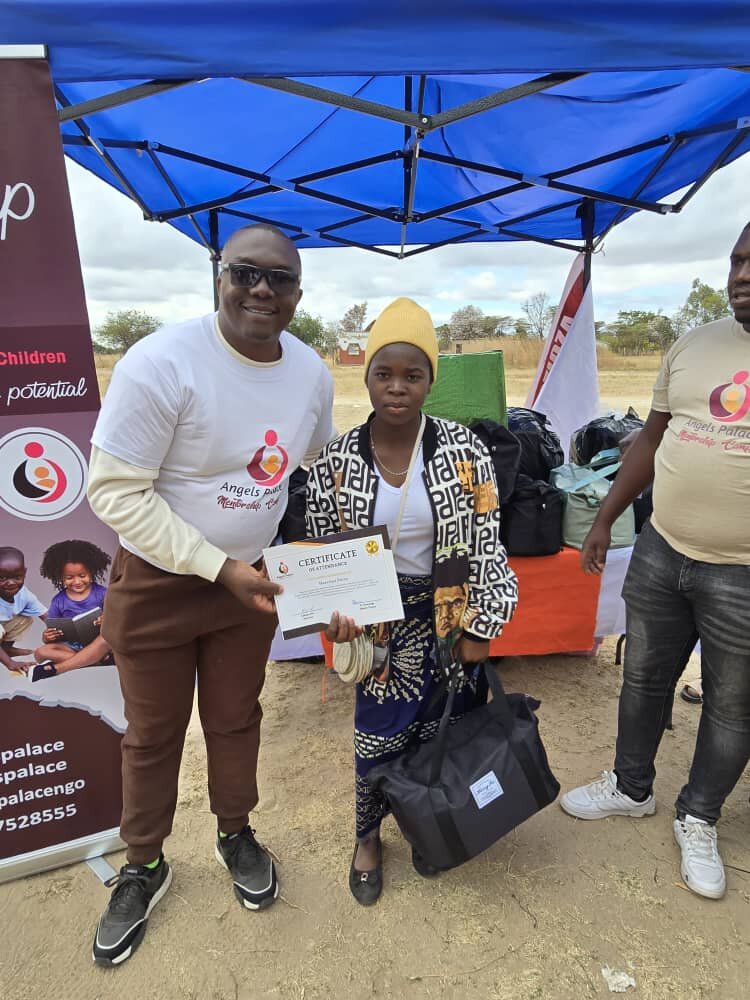
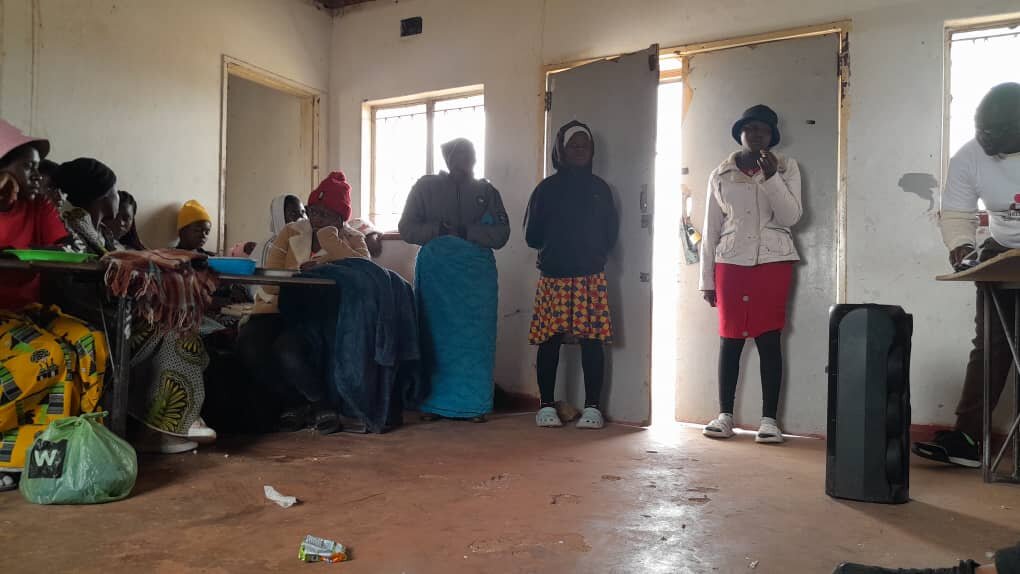
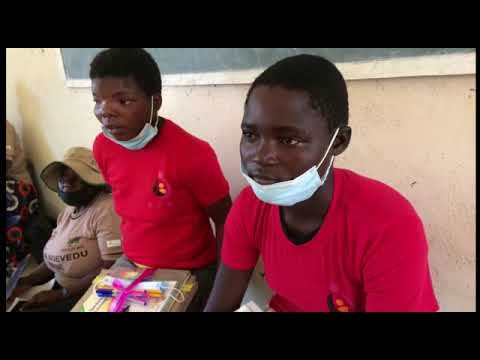
Angels Palace Organisation hosted its 2026 Mentorship Camp at its home in Mhondoro from 28 to 29 August 2026. The camp formed part of the organisation's ongoing efforts to provide structured guidance, encouragement and personal development opportunities to orphans and vulnerable children.
The camp provided an opportunity for participants to engage in mentorship, life skills development, team-building activities and positive social interaction.
The key objectives were to:
Encourage self-confidence, self-esteem and personal responsibility among participating children.
Promote positive decision-making and awareness of the consequences of risky behaviours.
Strengthen teamwork, communication and interpersonal relationships.
Encourage young people to set personal, educational and future career goals.
Provide a supportive environment in which children could feel valued, included and encouraged.
The camp reinforced the importance of consistent mentorship in helping vulnerable children navigate social pressures, build resilience and develop a positive outlook towards their future.
2.2 Drug and Substance Abuse Awareness
Drug and substance abuse remains a concern for young people, particularly those who may lack adequate guidance, positive recreational opportunities and supportive social networks.
As part of the mentorship programme, Angels Palace promoted awareness of the importance of avoiding drug and substance abuse and making responsible lifestyle choices.
The programme encouraged young people to recognise the value of protecting their health, choosing positive peer relationships, seeking guidance from trusted adults and participating in constructive community activities.
By integrating prevention messages into youth mentorship and sporting activities, the organisation sought to encourage healthier choices and demonstrate that sport, education, mentorship and personal development provide positive alternatives to harmful behaviours.
This approach supports the project's wider objective of nurturing resilient young people who can face challenges, resist negative peer pressure and make informed decisions.
2.3 Community Sports Day – 29 August 2026
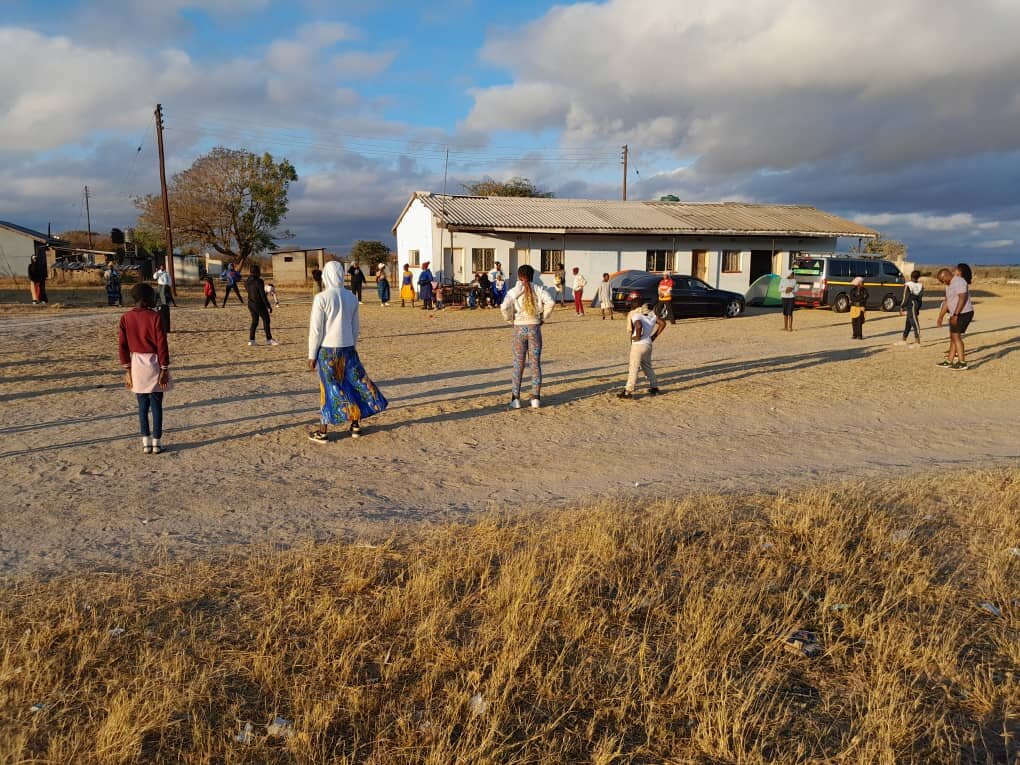
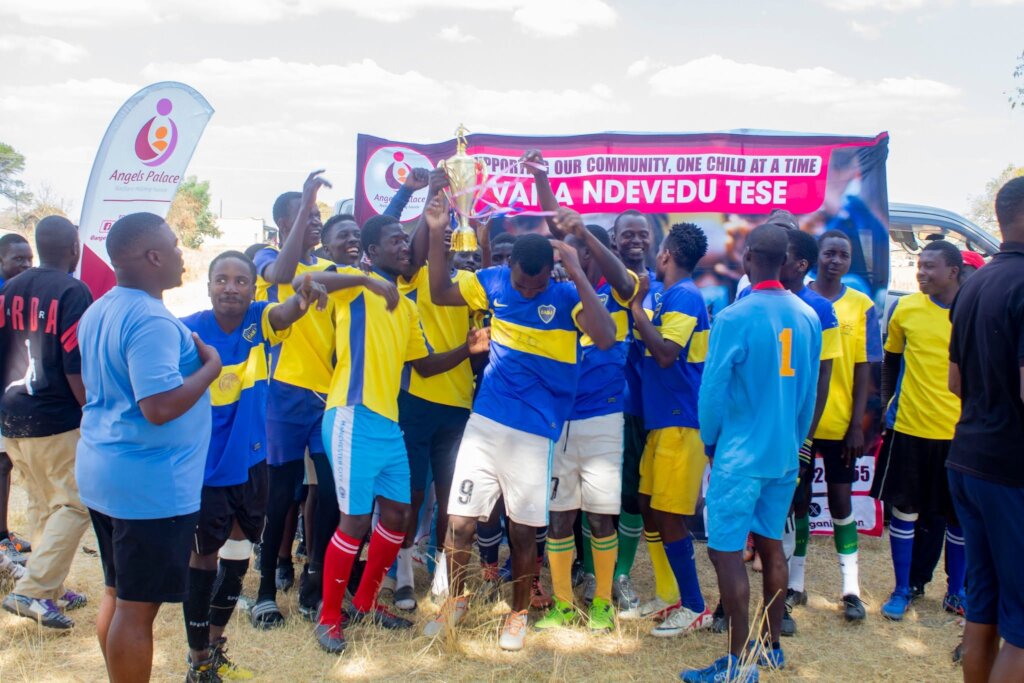
On 29 August 2026, Angels Palace Organisation held a community Sports Day at Ward 5, Rwizi, bringing together eight football teams for a day of sporting competition, teamwork and community engagement.
The event provided young people with a constructive platform to demonstrate their sporting abilities, develop discipline and interact positively with their peers.
The competition was organised around a single football pitch, with teams participating in the day's scheduled matches. The event culminated in the presentation of medals, a football and the Angels Palace Rotating Trophy.
Eagle FC emerged as the winner of the Angels Palace Rotating Trophy.
Beyond the competition, the Sports Day promoted teamwork, respect, discipline, fair play and peaceful interaction among young people. It also created an opportunity to reinforce messages about avoiding drug and substance abuse and choosing healthy, productive activities.
The event demonstrated how sport can complement mentorship by engaging young people in practical activities that build confidence, encourage positive relationships and strengthen their sense of belonging.
Angels Palace appreciates the involvement of community partners, including Musikana Dzidza and Actions for Youth Foundation Trust, whose participation contributed to the broader youth engagement and community spirit surrounding the programme.
3. Progress Towards Project Objectives
The August activities represented practical progress towards the objectives of Roots of Resilience.
Improved access to mentorship: The camp created an opportunity for children and young people to receive guidance and participate in personal development activities.
Positive youth engagement: The Sports Day offered constructive recreational opportunities that encouraged teamwork, discipline and healthy competition.
Drug and substance abuse prevention: Awareness messages promoted responsible choices, positive peer relationships and healthier lifestyles.
Social inclusion and belonging: Bringing young people together through mentorship and sport helped create opportunities for interaction, cooperation and community participation.
Community collaboration: The participation of community partners and sporting teams demonstrated the importance of collective action in supporting vulnerable children and young people.
These activities contribute to the project's long-term goal of helping children develop the confidence, skills and support networks needed to navigate challenges and build brighter futures.
4. Beneficiaries Reached
The 2026 Mentorship Camp targeted approximately 50 children and young people, while the Sports Day brought together eight football teams.
The activities were designed to benefit orphans and vulnerable children and engage young people within the wider community.
The eight participating football teams represent an important measure of sporting participation. However, the number of individual participants across both activities should be confirmed against attendance registers before final submission. The figures should not be combined without checking for individuals who participated in both activities.
5. Funding Status and Resource Mobilisation
Although Angels Palace Organisation has established its Roots of Resilience project on GlobalGiving, the organisation has not yet received GlobalGiving funding to implement the activities covered by this report.
Despite this financial limitation, Angels Palace remained committed to its mission and proceeded with the mentorship and sporting activities through available organisational resources, community participation and partner engagement.
Implementing these activities without project funding demonstrates the organisation's commitment to vulnerable children and its determination to sustain community-based interventions despite resource constraints.
However, the lack of dedicated funding limits the organisation's ability to expand the programme, increase the number of beneficiaries, provide more structured mentorship sessions and sustain follow-up support.
GlobalGiving support would enable Angels Palace to strengthen the programme, reach more vulnerable children and provide more consistent opportunities for mentorship, life skills development and drug and substance abuse prevention.
6. Challenges Encountered
The main challenge during the reporting period was limited financial resources.
Without dedicated project funding, the organisation faced constraints in expanding programme activities, securing additional materials and providing sustained follow-up support to beneficiaries.
The available resources also limited the scale at which the organisation could extend mentorship and prevention activities to other rural communities.
Despite these challenges, Angels Palace prioritised community participation, partnership and the effective use of available resources to ensure that the planned activities could proceed.
7. Next Steps
Angels Palace Organisation intends to build on the progress made during the August 2026 activities by:
Continuing mentorship and life skills development for orphans and vulnerable children.
Strengthening drug and substance abuse prevention awareness through youth-focused activities.
Encouraging continued participation in sport and other positive recreational programmes.
Developing stronger partnerships with community organisations, volunteers and potential donors.
Mobilising resources to expand the programme and support more children in rural Chegutu.
Improving beneficiary tracking and documenting outcomes to measure the programme's longer-term impact.
8. Conclusion and Appreciation
The 2026 Angels Palace Mentorship Camp and community Sports Day were important steps in advancing the objectives of Roots of Resilience: Nurturing a Stronger Tomorrow.
Through mentorship, positive youth engagement, sporting activities and drug and substance abuse awareness, Angels Palace continued to create opportunities for children and young people to develop confidence, strengthen relationships and make healthier life choices.
Although GlobalGiving funding has not yet been received for this project, Angels Palace remains committed to supporting vulnerable children and building resilient communities.
We welcome the support of donors, partners and well-wishers who share our vision of a future in which every child has the opportunity to grow, thrive and fulfil their potential.
Together, we can nurture resilience today and build a stronger tomorrow.
By Sharon Mukucha | Project Manager
By Sharon Mukucha | Project leader
Project reports on GlobalGiving are posted directly to globalgiving.org by Project Leaders as they are completed, generally every 3-4 months. To protect the integrity of these documents, GlobalGiving does not alter them; therefore you may find some language or formatting issues.
If you donate to this project or have donated to this project, you can receive an email when this project posts a report. You can also subscribe for reports without donating.



Support this important cause by creating a personalized fundraising page.
Start a Fundraiser