By Chancy Simwela | Project officer
Human trafficking is a serious crime and human rights violation where people are recruited, transported, harbored, or controlled through force, fraud or coercion for the purpose of exploitation. Particularly the exploitation of vulnerable women and children, is one of the gravest violations of human dignity. Most Malawian trafficking victims are exploited internally, though Malawian victims of sex and labor trafficking have also been identified in various countries as well as neighboring countries for Malawi where most young people are recruited to work in farms and other places, furthermore women and Girls in particular are trafficked into commercial sexual exploitation, often under false pretenses of education, employment or domestic work. Some are held in bars, rest houses, or forced into prostitution. To a lesser extent, Malawi is a transit point for foreign victims and a destination country for girls subjected to conditions of forced labor or commercial sexual exploitation. Therefore, there is a strong need to strengthen knowledge and understanding about this serious crime, its effects on girls.
Human trafficking is a modern day slavery using people as objects for profits by taking away their freedom and human rights. CEGI through different partners has been on the ground to raise awareness in communities and schools by providing of reliable information, working with GBV survivors of trafficking at grassroots level. CEGI realized that many of the same vulnerabilities that drive gender-based violence (GBV), such as gender discrimination, poverty, and lack of education, also serve as root causes of human trafficking. GBV not only drives trafficking but also acts as a tool used by traffickers to manipulate and control individuals, especially women and children, into both sex work and forced labor.
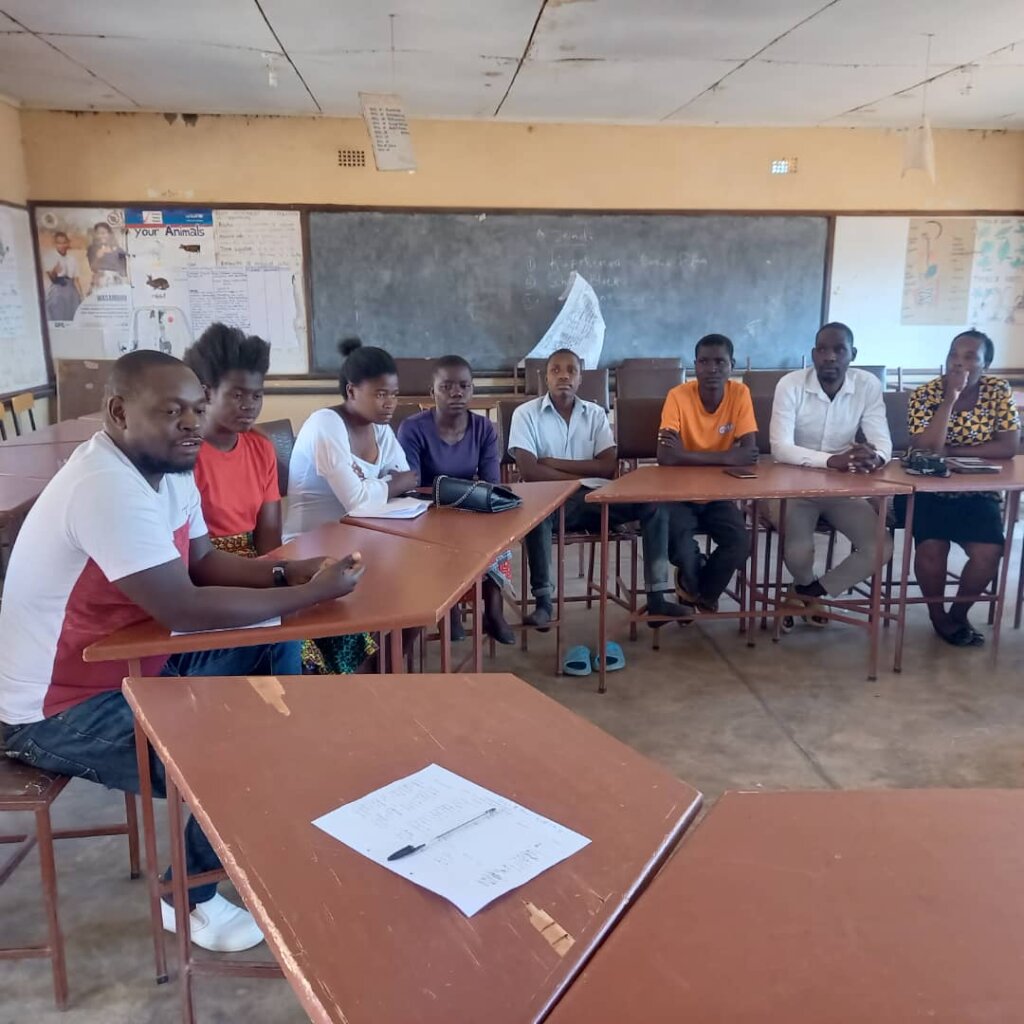
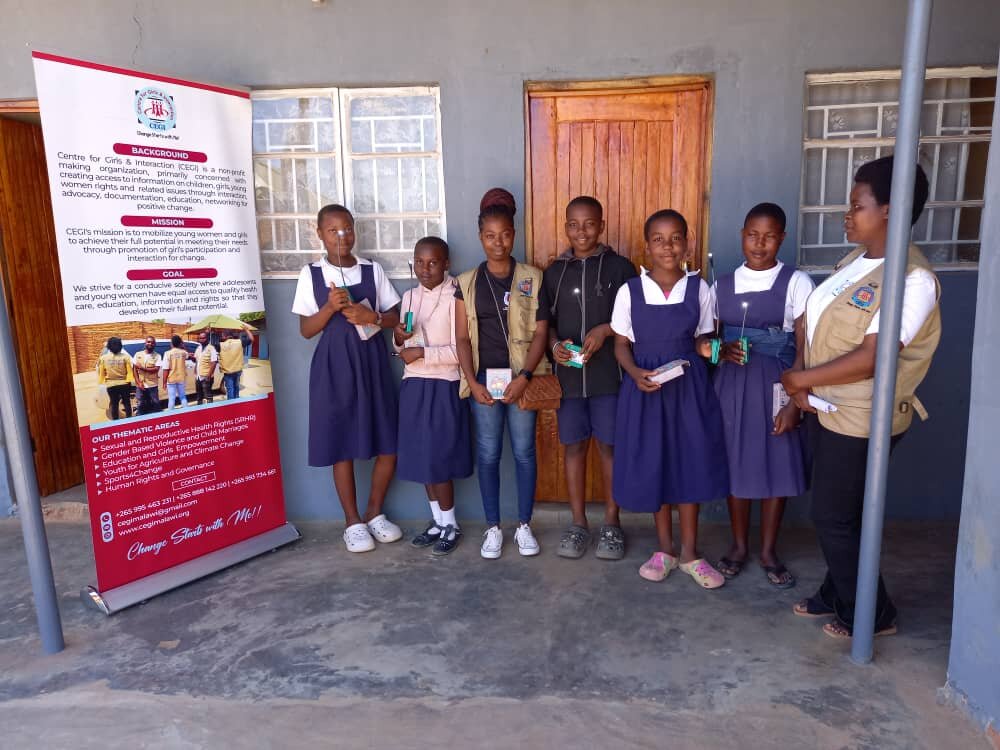
Research suggests that primary school learners in Malawi lack adequate knowledge about GBV, SRHR and human trafficking, due to societal gender norms, family environment and poverty. The purpose is to find out how much knowledge the learners have about GBV, SRHR and human trafficking, and to find out some of the challenges they face at school and their homes in connection to GBV, SRHR and human trafficking. Our prevention efforts focus on addressing vulnerabilities before they are exploited. Through educational campaigns in schools, churches and communities, we create awareness about the dangers of trafficking. In rural areas, we conduct street plays and workshops to empower women and young girls with knowledge about their rights and the skills to pursue dignified livelihoods. And most importantly to give them enough information so they get equipped and at the same time where they can report these kind of cases.
The problem is deeply rooted in structural vulnerabilities such as poverty, inequality, and limited access to education and employment. In collaboration with law enforcement and NGOs, we ensure victims receive medical care, counselling and legal support. Shelters offer safety, helping survivors begin their recovery. Reintegration is supported through education and employment opportunities, giving survivors the tools to rebuild their lives and regain independence.
Achievement
- Currently, CEGI in close collaboration with Resilience Fund Africa has managed to raise awareness of the reality of trafficking and promotion of a clear and forceful message to the society of zero tolerance towards trafficking in women for sexual exploitation as well as to improve access to information and materials about trafficking in local languages and to facilitate co-ordination and networking through creating sustainable solutions.
- Raising awareness of the reality of trafficking and promotion of a clear and forceful message to the society of zero tolerance towards trafficking in women for sexual exploitation, this activities attracted and engage 25 faith leaders and 30 community leaders.
- Increased awareness among learners about the causes and consequences of GBV, child marriages and HIV/AIDS and how this can destroy their future.
- The activity also helped in changing learners’ behavior and actions such as increased cooperation to report GBV incidents and seek support for themselves
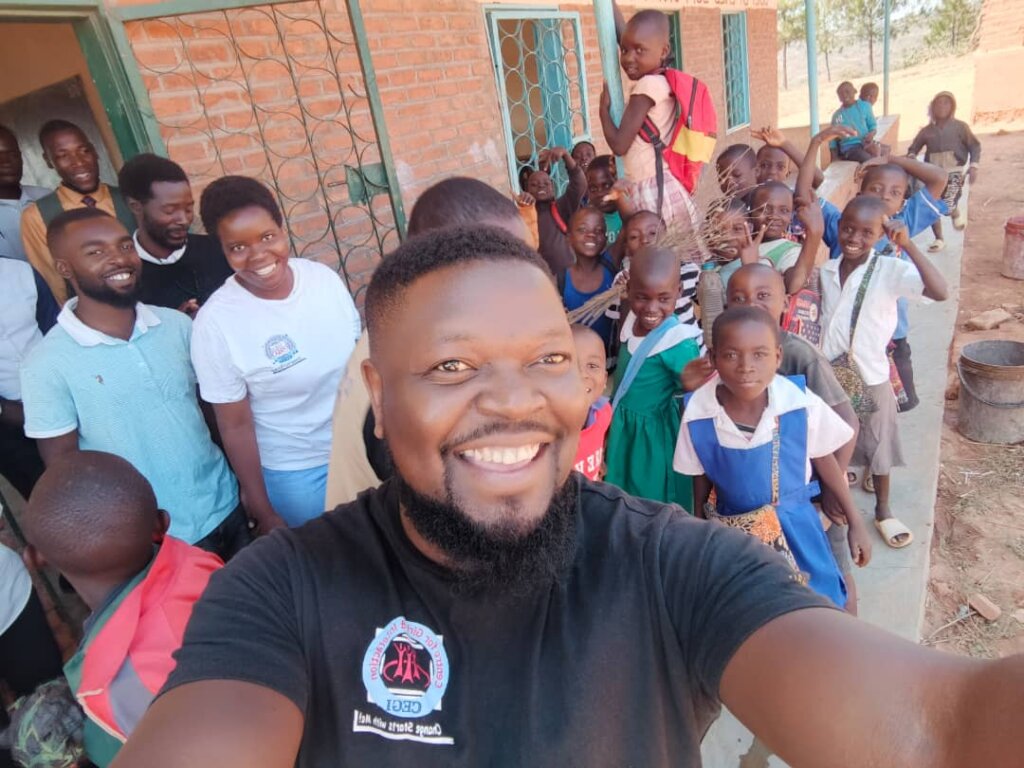
- 10 schools awareness raising with over 1350 students received the message.
Challenges
- Lack of well-coordination with other stakeholders due to poor communication and distance for the planned activities.
- Lack of poor mobility in hard to reach areas due to rains and poor roads.
- Lack of awareness among law enforcement, judiciary, and the public about trafficking patterns laws reduces effective identification and prosecution
- Lack of funds in reaching out to many communities and schools about our work.
- Corruption and official’s complicity, where some officials are alleged to facilitate trafficking impede justice and foster a culture of impunity
Way-forward
- Partnership with different stakeholders both at community and district levels to combat trafficking in children and girls through joint activities and project.
- More awareness and prevention meetings needs to be conducted in schools and communities.
- Taking early steps to combat the spread of human trafficking by warning vulnerable groups and creating healthy environments.
- Support laws and policies that prevent human trafficking and protect the communities.
- Engaging with communities and parents by raising awareness about GBV, SRHR and human trafficking which can help create a safe supported environment for leaners to discuss these issues.
- Anti-corruption measures,Target corruption within system that facilitate trafficking
Lessons learned
- Due to inadequate information about SRHR, GBV and Human Trafficking in schools and communities, we learnt that some learners are victims of GBV from their own parents or guardians hence they drop out of school.
- There is less information about GBV, SRHR and human trafficking in their communities.
- There’s need for more engagement and interventions in schools and communities to tackle these issues.
Conclusion
Human trafficking in Malawi remains a persistent violation of human rights, enabled by poverty, inequality and systemic enforcement gaps. While legal frameworks and national plans exist, stronger implementation, inter-agency coordination, victim services and community engagement are crucial to meaningfully reduce trafficking and supports survivors
Links:
Project reports on GlobalGiving are posted directly to globalgiving.org by Project Leaders as they are completed, generally every 3-4 months. To protect the integrity of these documents, GlobalGiving does not alter them; therefore you may find some language or formatting issues.
If you donate to this project or have donated to this project, you can receive an email when this project posts a report. You can also subscribe for reports without donating.



Support this important cause by creating a personalized fundraising page.
Start a Fundraiser