By Cory Golden | Communications
SANCTUARY
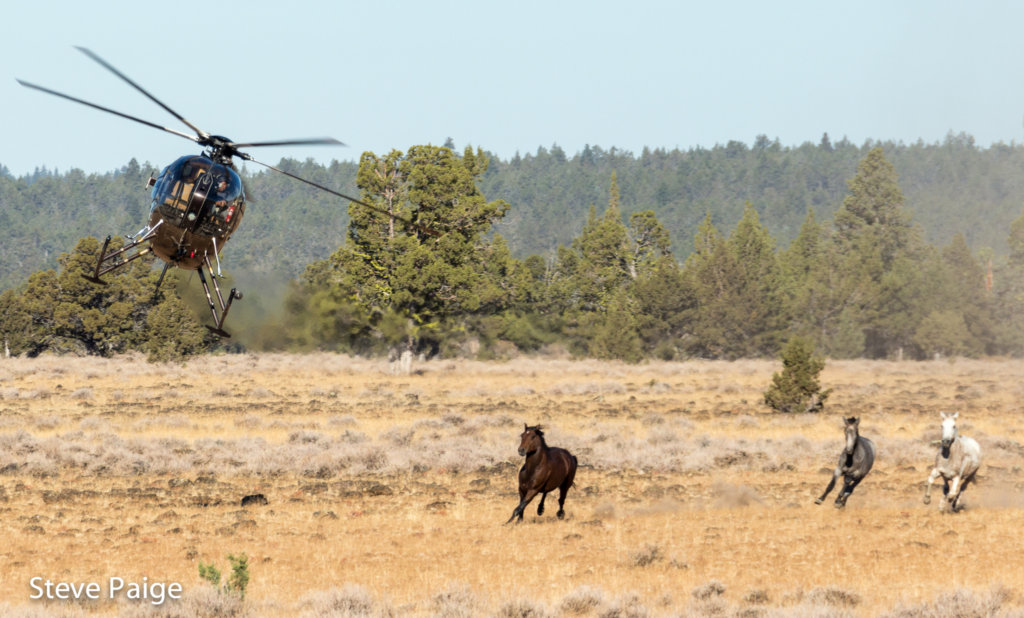
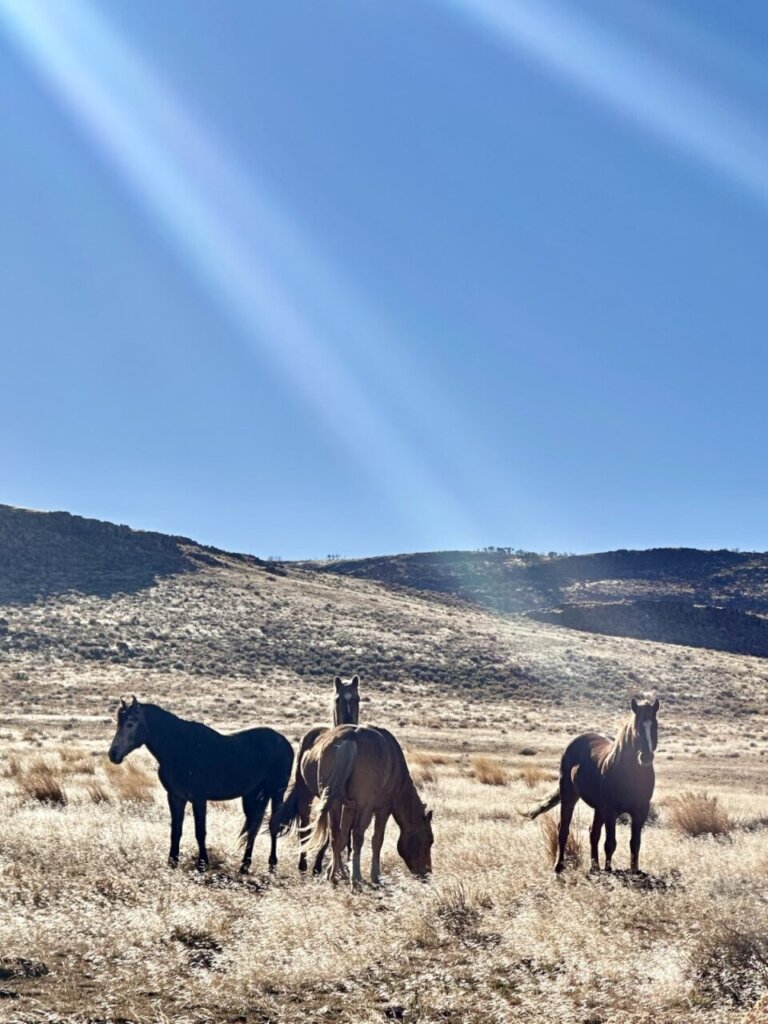
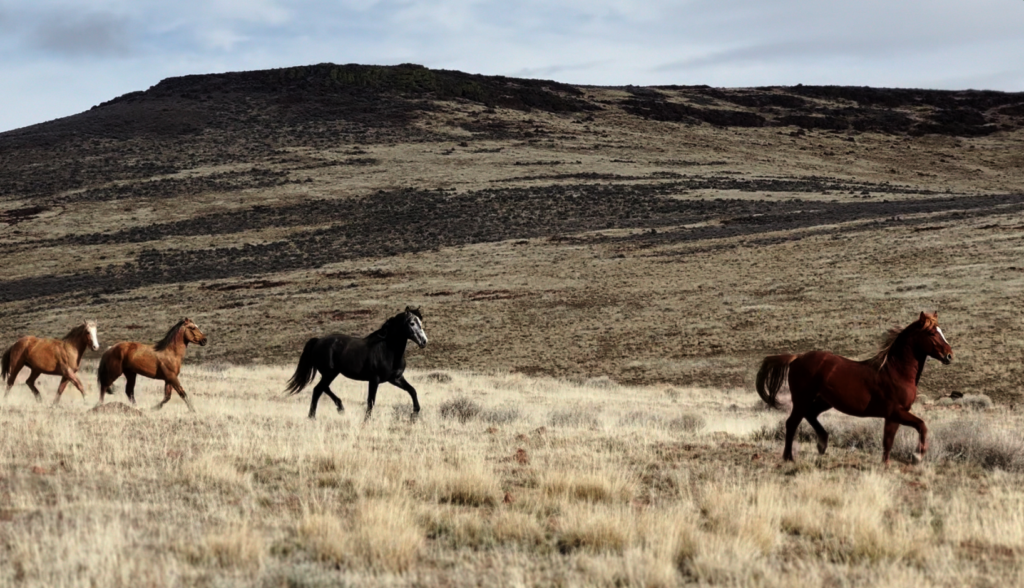
This summer, Return to Freedom worked to reunite four wild mares that were part of the same family band on the range, only to be separated by a government helicopter roundup.
This is the story of Cleopatra, Olivia, Nesta and Lulu:
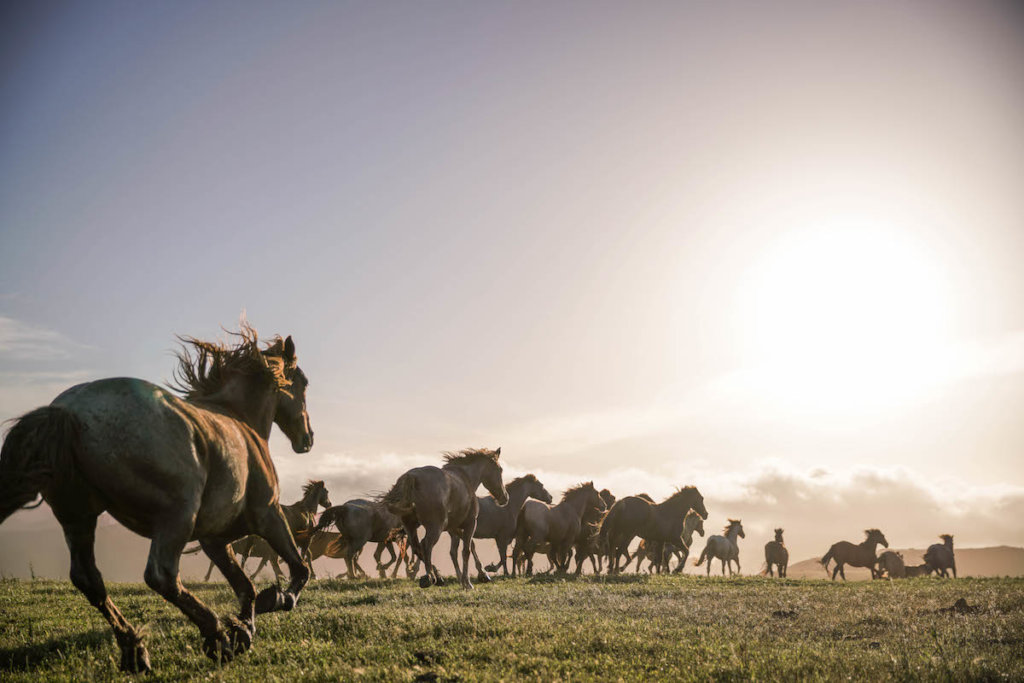
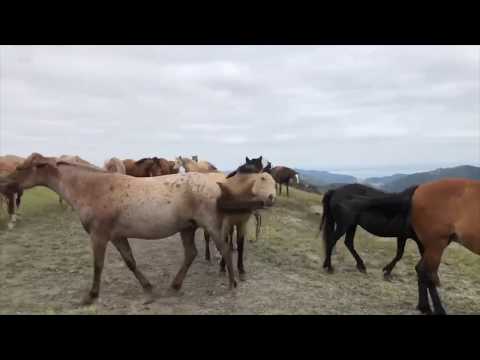
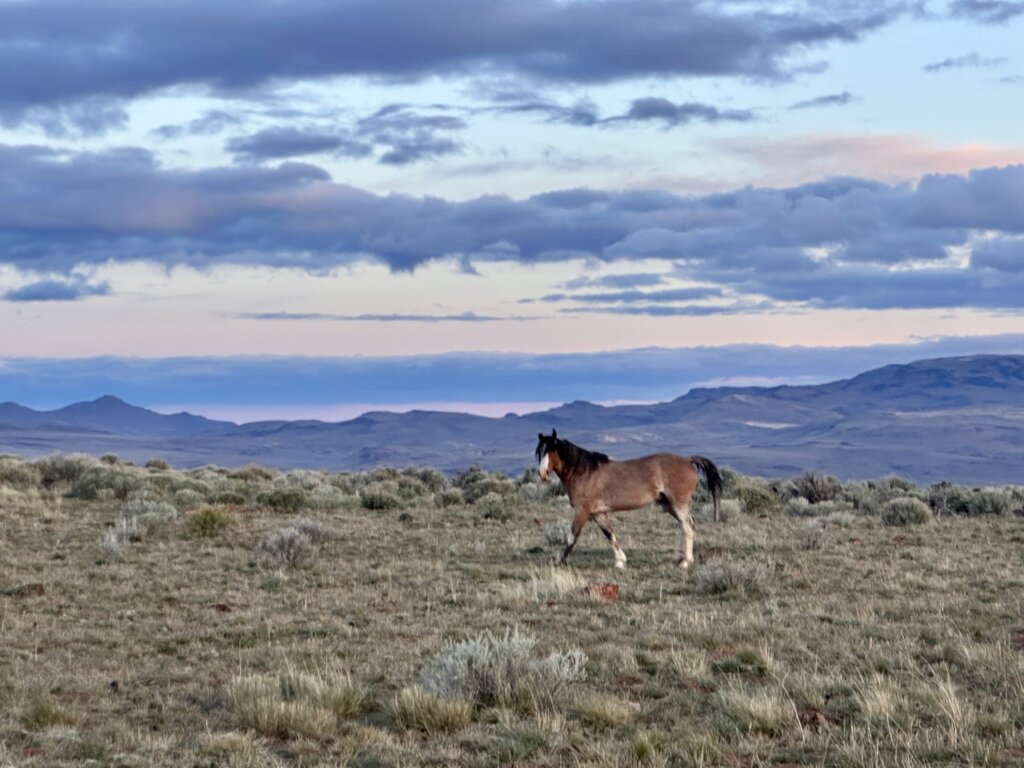
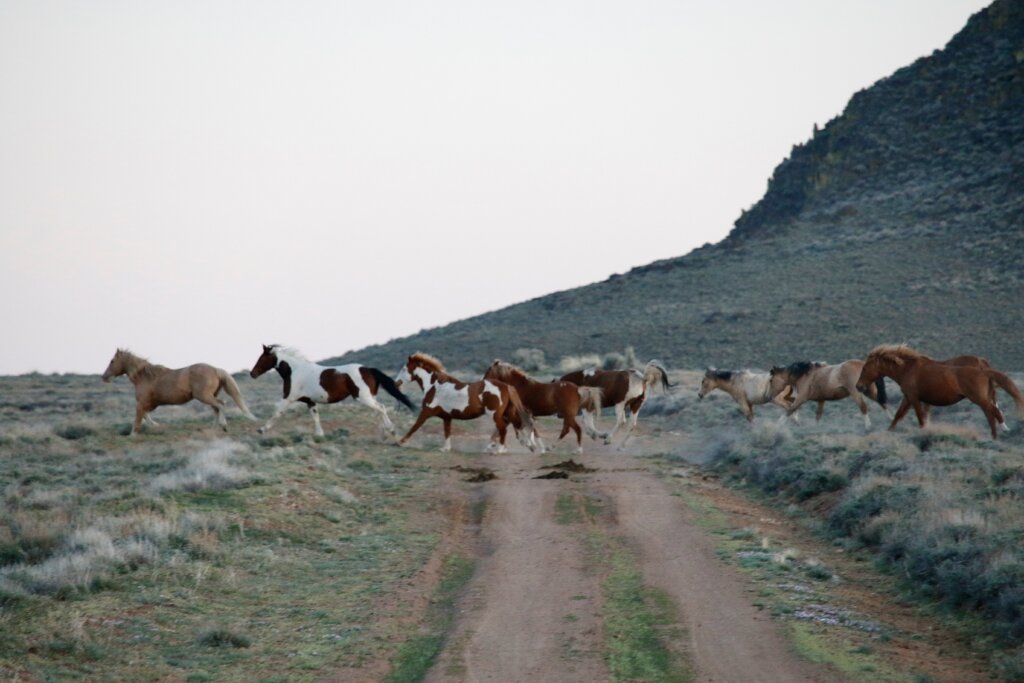
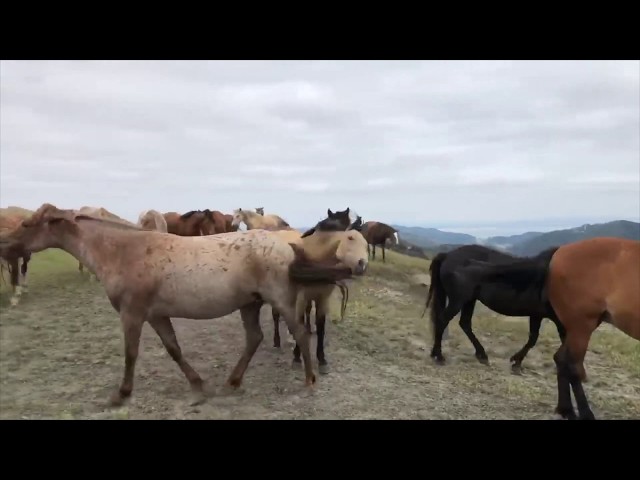
The mares lived wild and free on the Onaqui Mountain Herd Management Area in Utah, where they were part of a family band led by a stallion known as Oreo, who died of an injury on the range.
In 2021, the mares were among 435 wild horses captured in a government helicopter roundup in which they were ripped away from their freedom and each other.
Since then, Cleopatra, Olivia, Nesta and Lulu have endured a journey filled with suffering. They have been sold multiple times, survived neglect, and ended up in kill pens, narrowly escaping being shipped to a Mexican slaughterhouse.
Red Birds Trust saw Cleopatra show up at auction and was able to save her. They contacted RTF looking for a safe sanctuary. We asked if they knew where any of her other family band members might be found.
We were informed that three of Cleopatra’s family had ended up in Florida after going through multiple owners, enduring neglect and significant weight loss along the way.
In the photos that we received of the mares on the range, we noticed that one of them, Olivia, is inseparable from Cleopatra. We believe Olivia is Cleopatra’s daughter!
Cleopatra arrived safely at Return to Freedom’s Lompoc, Calif., flagship sanctuary from Texas in late June. While in quarantine here, she has bonded with Romeo, a recently rescued gelding from Nevada’s Virginia Range.
But the news gets better: We were able to raise sufficient funds to bring Olivia, Nesta and Lulu from Florida to California. All arrived healthy.
Now we’re preparing to release the four mares and Romeo onto our San Luis Obispo, Calif., satellite sanctuary, 2,000 acres of rolling, oak-studded hills with views of the Pacific Ocean in the distance.
MORE SANCTUARY NEWS
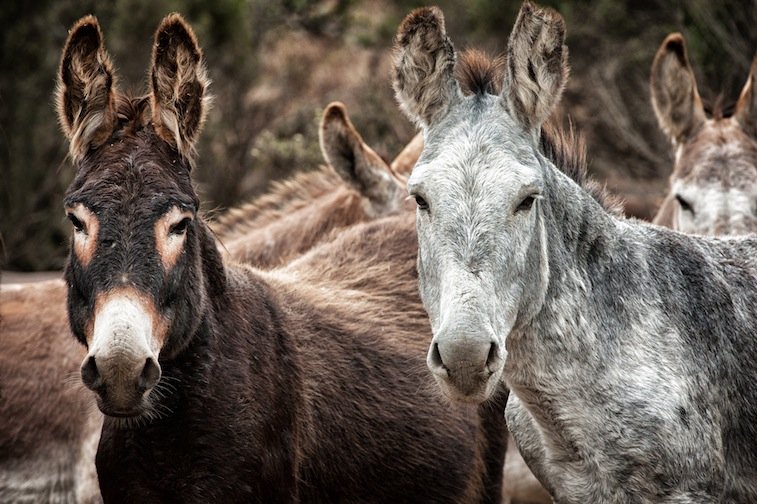
Last year, record rains pushed our small ranch team to its limits. Now, it’s hard at work preparing for what forecasters say may well be an unprecedented El Niño weather pattern.
Here on California’s Central Coast, heavy rain can quickly turn our adobe clay soil into deep, boot-sucking mud. Roads become difficult or impossible to navigate. Flooding and mudslides can threaten our ranch team’s access to hundreds of rescued wild horses and burros who depend on us every day.
The prolonged rain, heavy winds and thick mud are especially dangerous for our senior and special-needs horses and burros.
We’ve built six new shelters so far. We’re working to improve drainage, grade roads, and create dry ground. We need to add more shelters and windbreaks, improve barns to accommodate more animals during severe weather, and protect hay supplies in areas we can reach even if flooding cuts off vehicle access.
We also need to stock our barns with hay before the storms arrive. During severe weather, suppliers may be unable to load or deliver—and our horses still need to eat every single day.
ADVOCACY
On Aug. 20, The New York Times published a story highlighting a disturbing increase in wild horses being sold to slaughter, including one horse trader who purchased hundreds of horses for $25 apiece, then resold them. The story drew considerable public attention nationwide.
Not addressed in the Times story were changes made in July to the Bureau of Land Management’s (BLM) sales policy that strengthen protections against buyers profiting from sending wild horses and burros to slaughter.
Under the revised bill of sale, buyers may not “recklessly or negligently” sell a wild horse or burro to slaughter, either directly or indirectly, placing responsibility squarely on the buyer. This disallows a buyer from saying they were unaware that a horse they sold had been sent to slaughter, and gives prosecutors something to pursue.
BLM has also increased the sales fee from $25 to $125.
RTF advocated for changes to BLM’s sales policy for years. Its work has included:
MORE ADVOCACY NEWS
A record 239 members of the U.S. House of Representatives now support a bill to ban horse slaughter and the export of American horses for slaughter, as of this writing.
We’re grateful to everyone who has written or called their representative, and thanks to our advocacy team, including our lobbyist Chris Heyde, and our colleague organizations for helping us achieve unprecedented support for the bipartisan Save America’s Forgotten Equines (SAFE) Act!
The stand-alone SAFE Act bill is one of two routes Congress could take to finally remove the threat of slaughter for all equines, wild and domestic:
The second is language inserted into the surface transportation reauthorization bill that would ban shipping equines for slaughter.
The support for the SAFE Act will be enough to pass the bill if it’s brought up for a vote. That backing also sends a strong message that the ban should stay in the transportation bill, but we continue pushing every day, both with our lobbyist in Washington, D.C., and our all of our wonderful grassroots advocates across the country.
PHOTOS
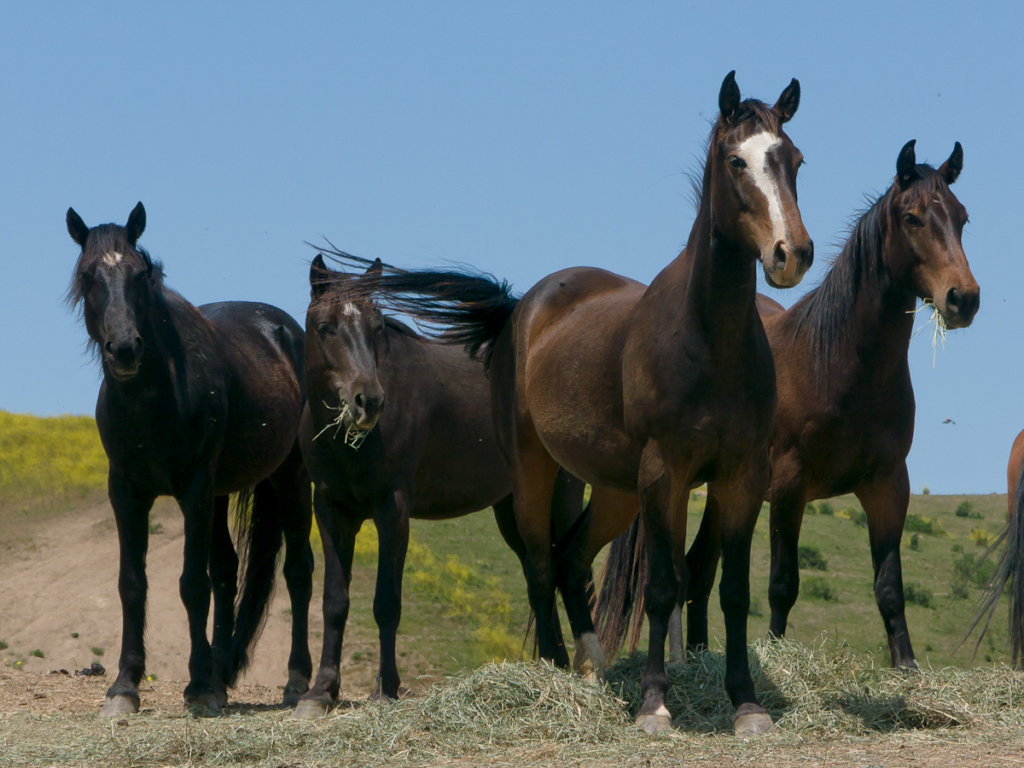
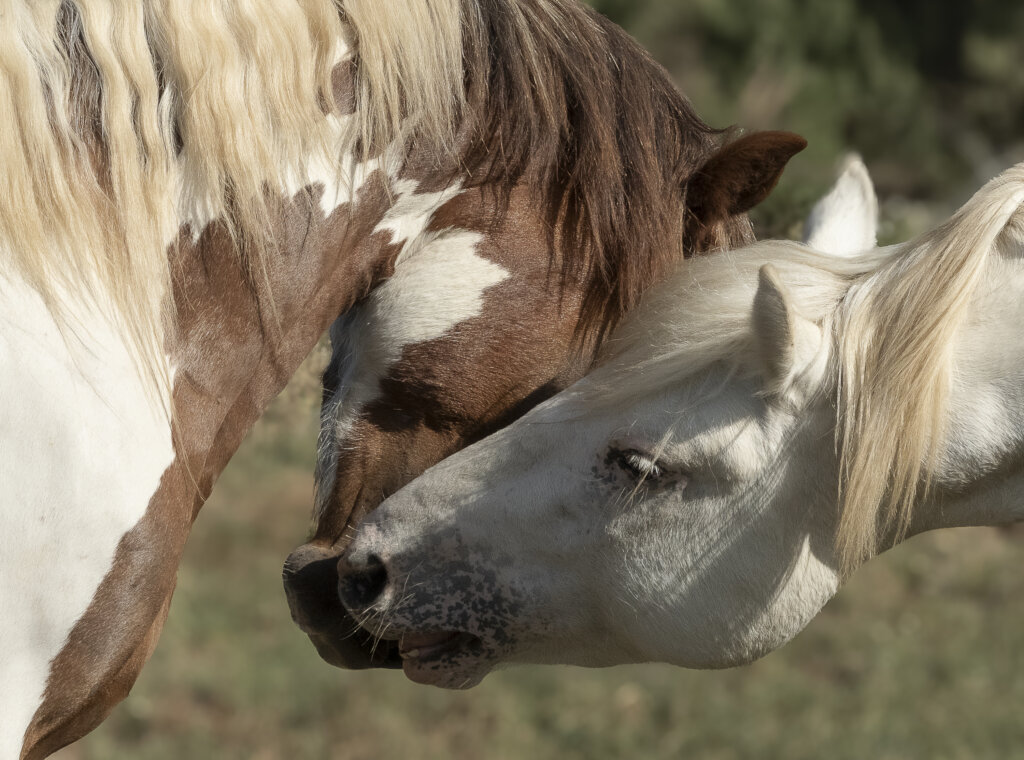
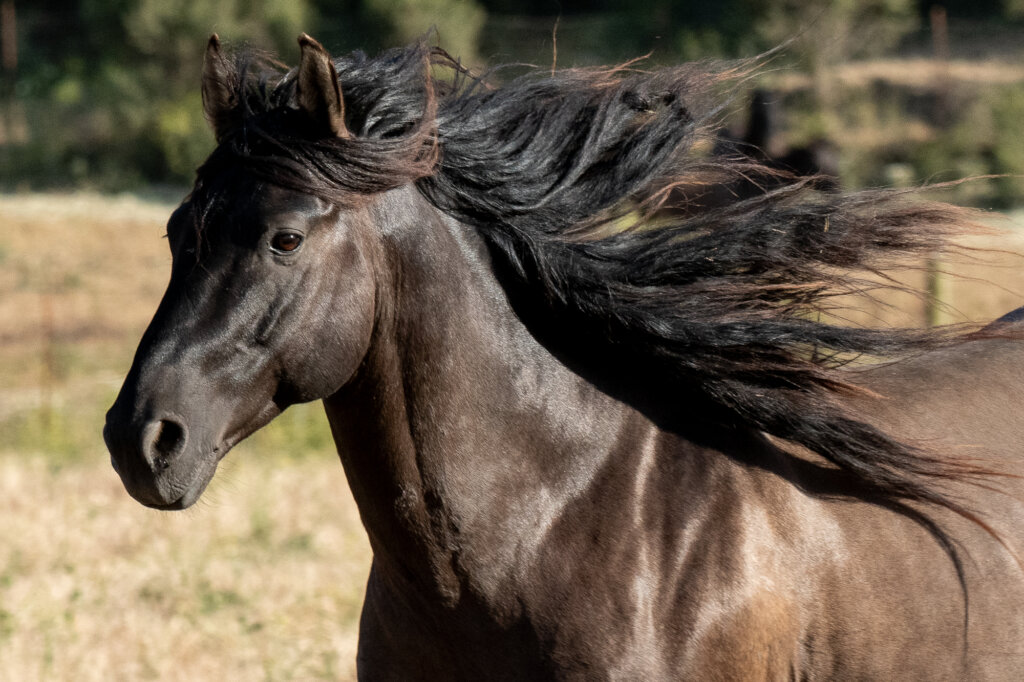
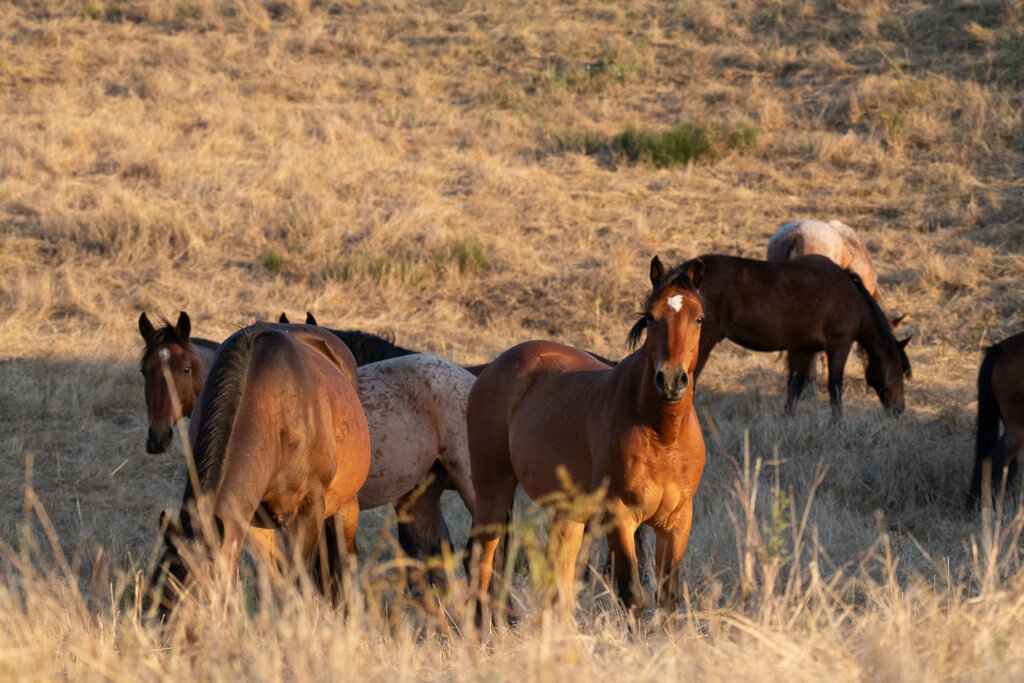
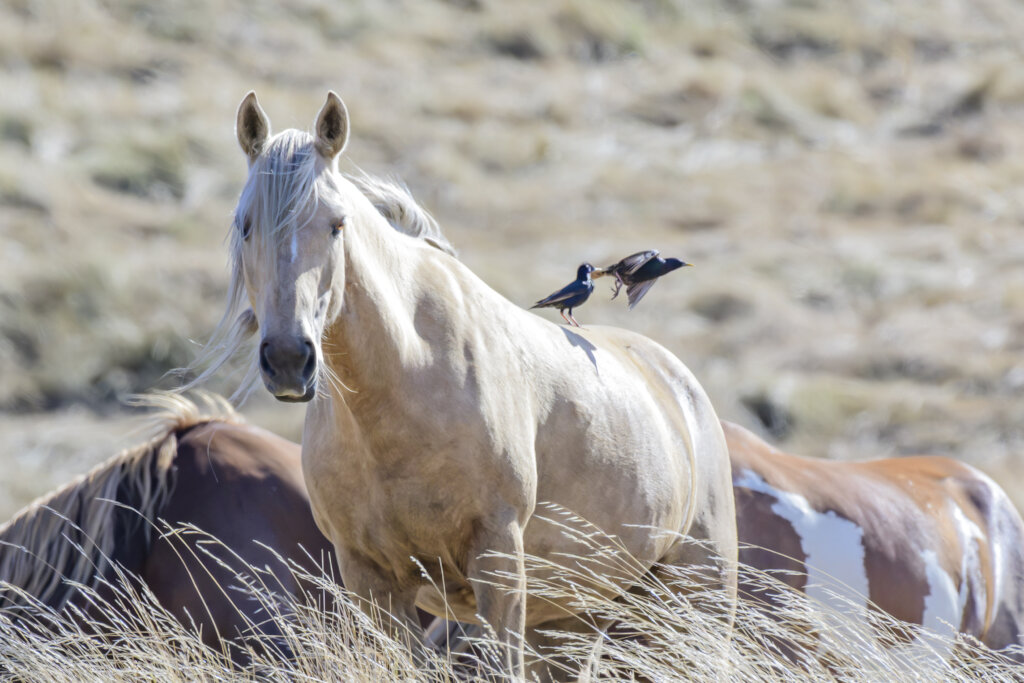
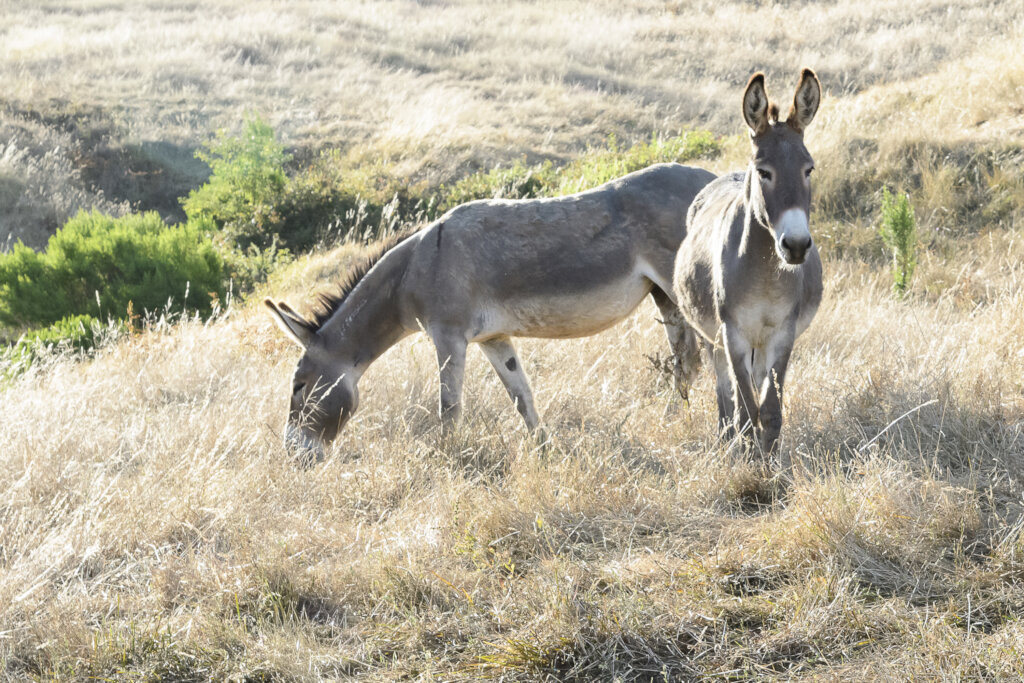
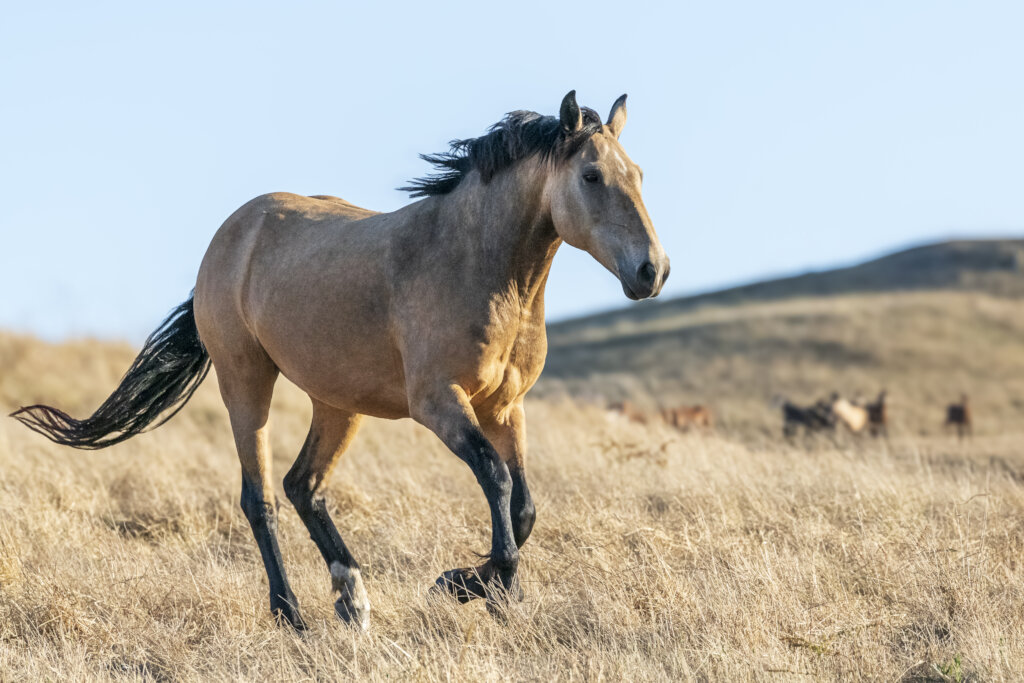
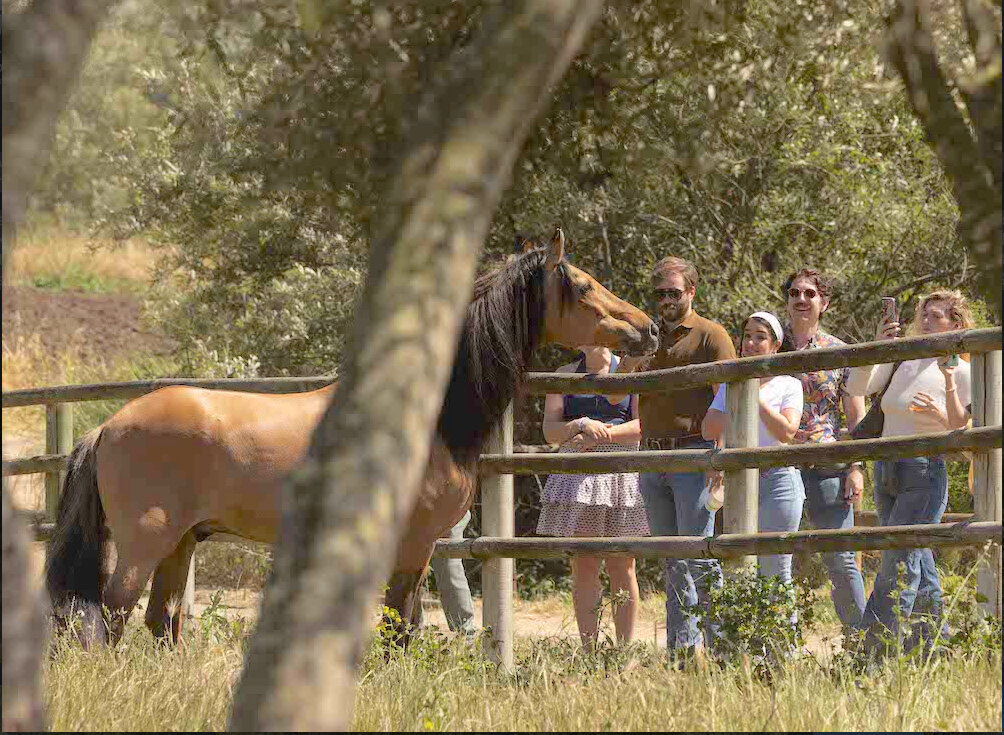
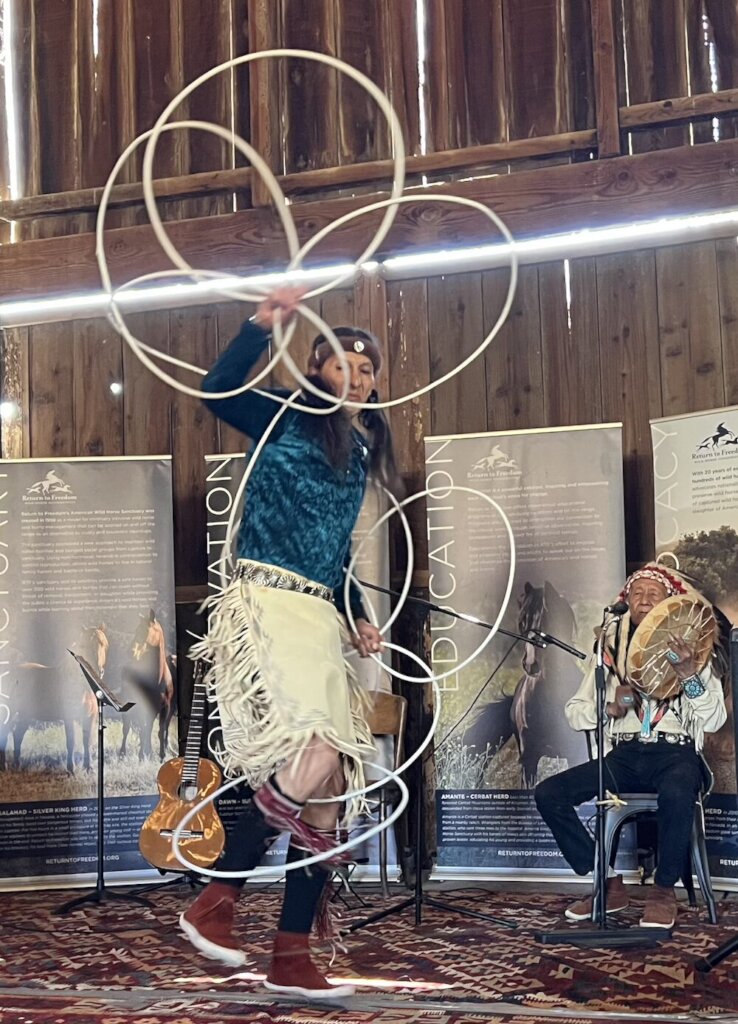
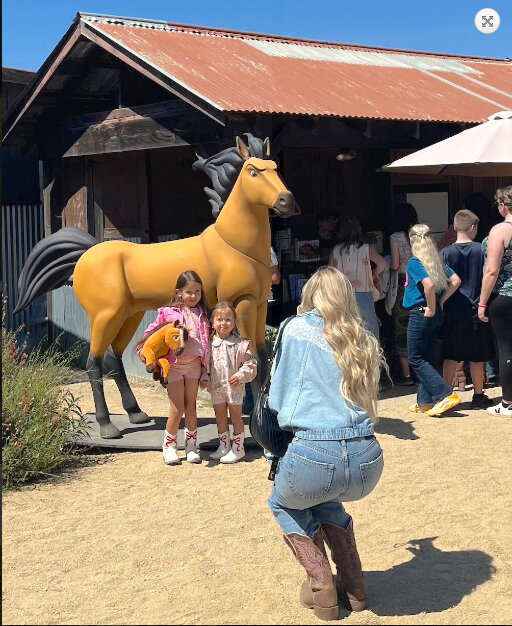
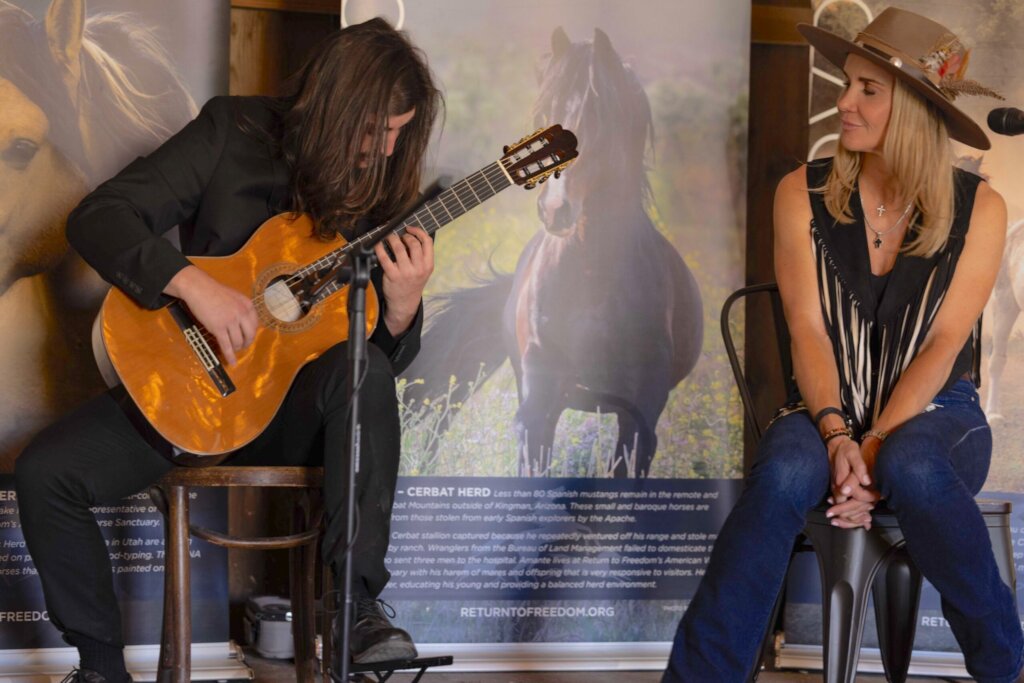
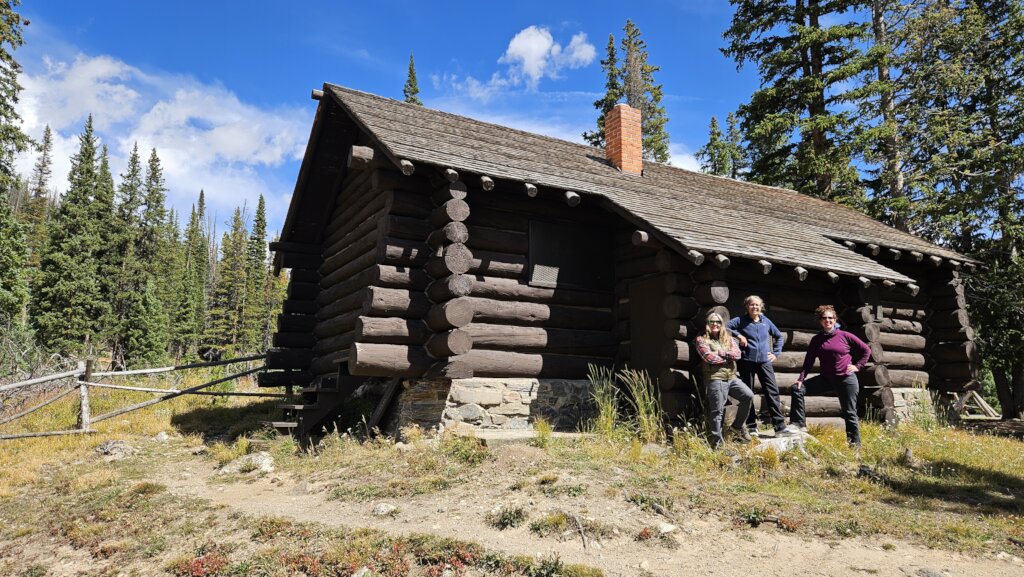
Beautiful scenes from our Lompoc and San Luis Obispo locations by Barbara Eilert.
Links:
By Jack Carone | Project Leader
By Team RTF | Project Leader
Project reports on GlobalGiving are posted directly to globalgiving.org by Project Leaders as they are completed, generally every 3-4 months. To protect the integrity of these documents, GlobalGiving does not alter them; therefore you may find some language or formatting issues.
If you donate to this project or have donated to this project, you can receive an email when this project posts a report. You can also subscribe for reports without donating.



Support this important cause by creating a personalized fundraising page.
Start a Fundraiser