By Bernardo Manzano Lepe | Project Leader
Summary
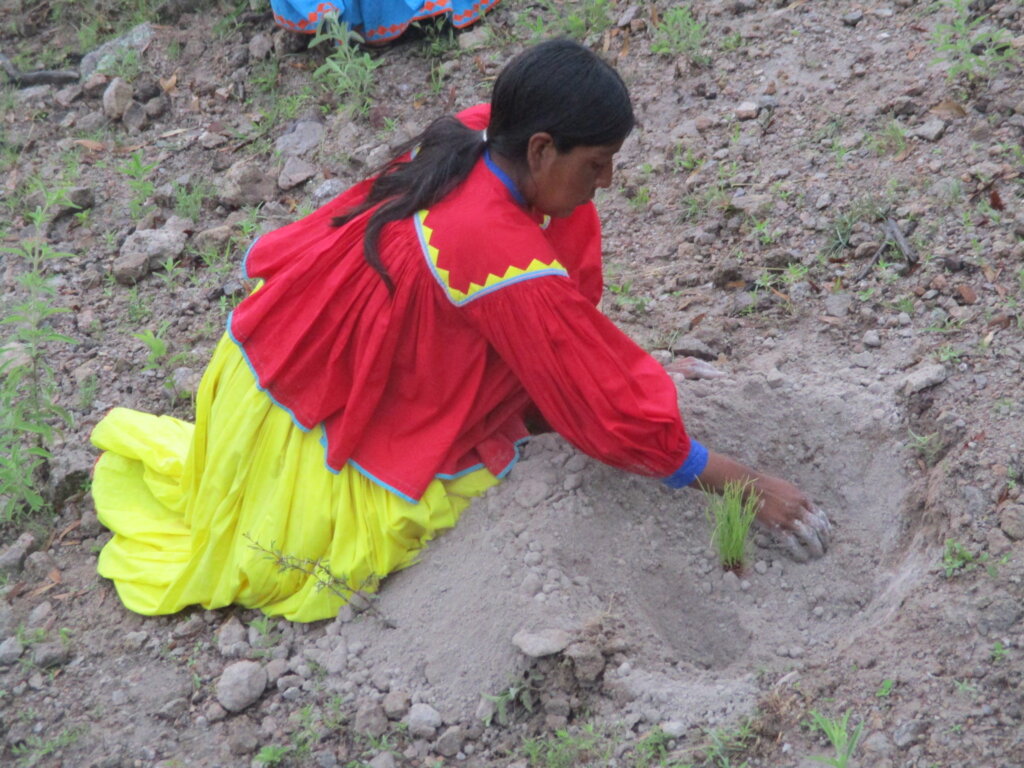
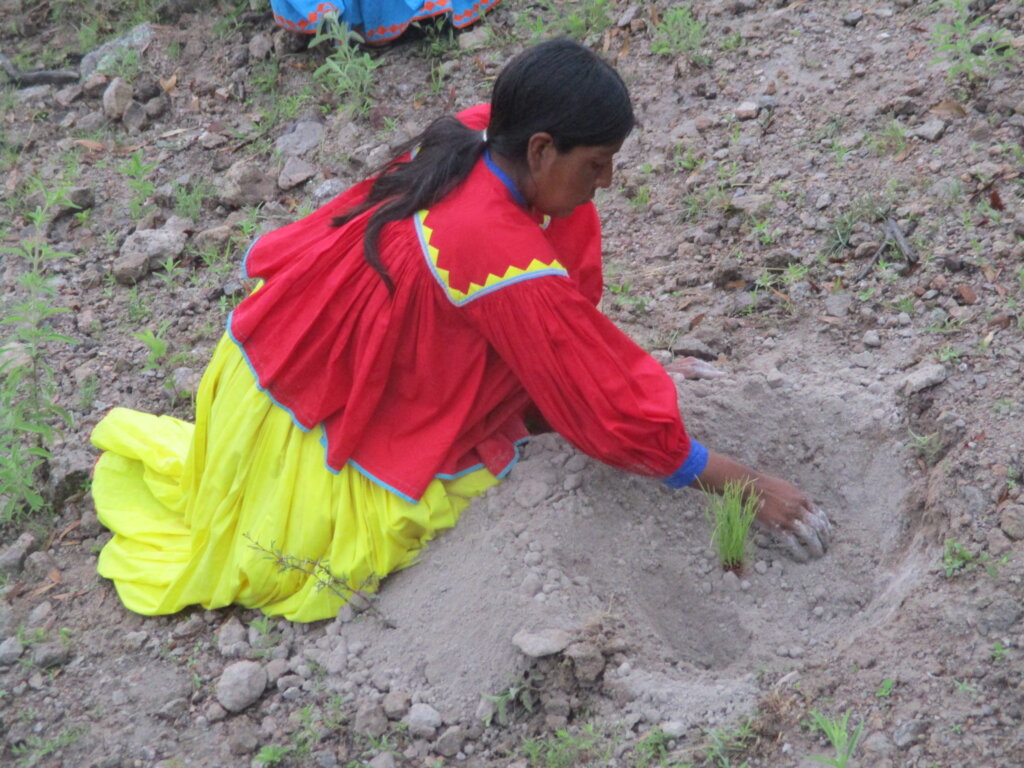
During July and August 2026 we planted 40,000 native pine, sotol and palmayuca seedlings with the rarámuri communities of Coyachique and Kowinpachi in Batopilas and Bawinokachi in Bocoyna. The seedlings were donated in kind by Fundación Grupo México and the planting wages, freight and coordination were covered by Fondo Unido Chihuahuam, Young Living Foundation and GlobalGiving supporters. The work was done by community crews, on their own land, during the only weeks of the year when the rain makes planting possible.
Full report
In the Sierra Tarahumara there is a narrow window each year — roughly six weeks between the first serious rains of July and the end of August — when plants seedling have a real chance of taking root. Miss it and you wait another year. This report is about what our partner communities did inside that window.
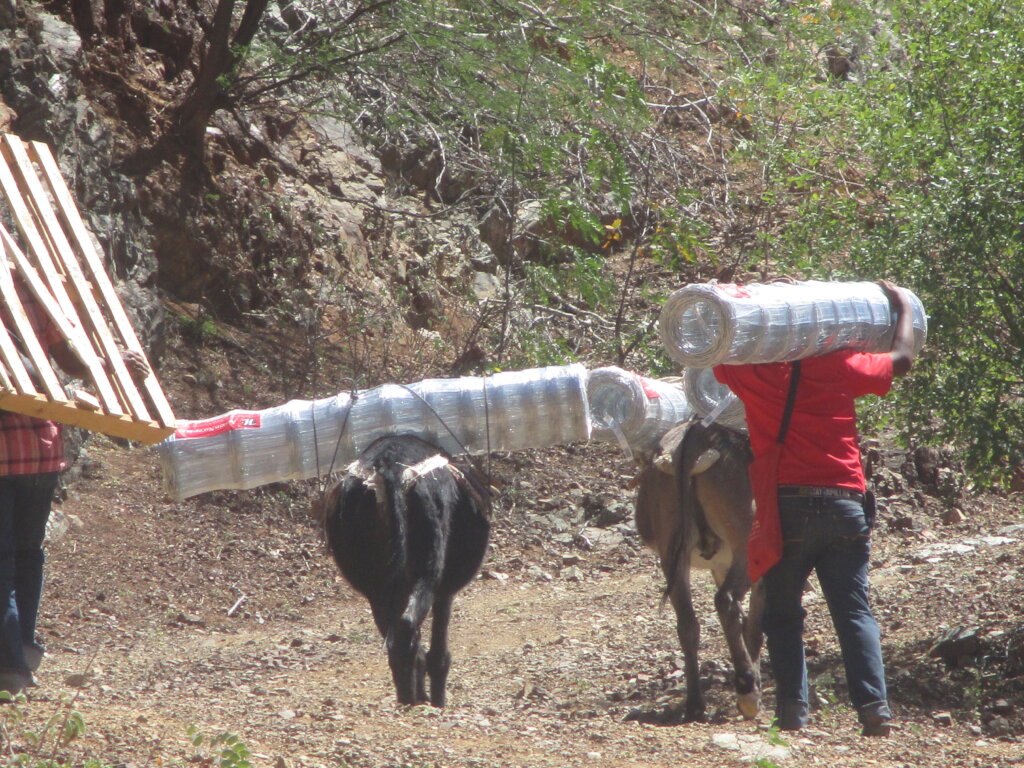
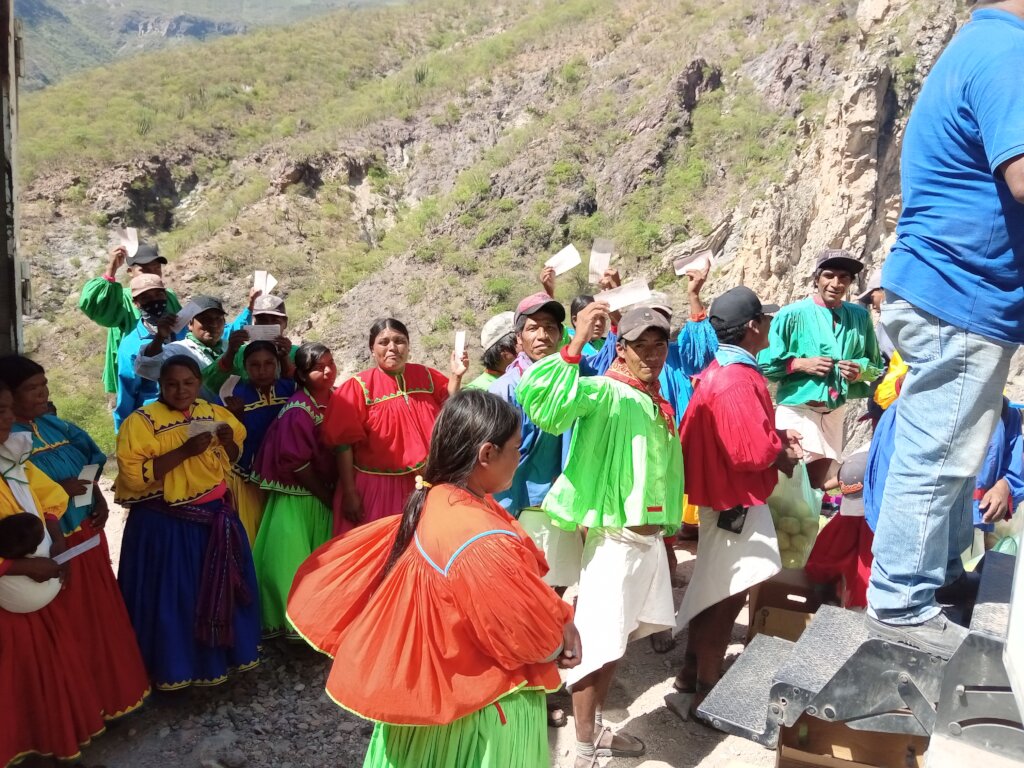
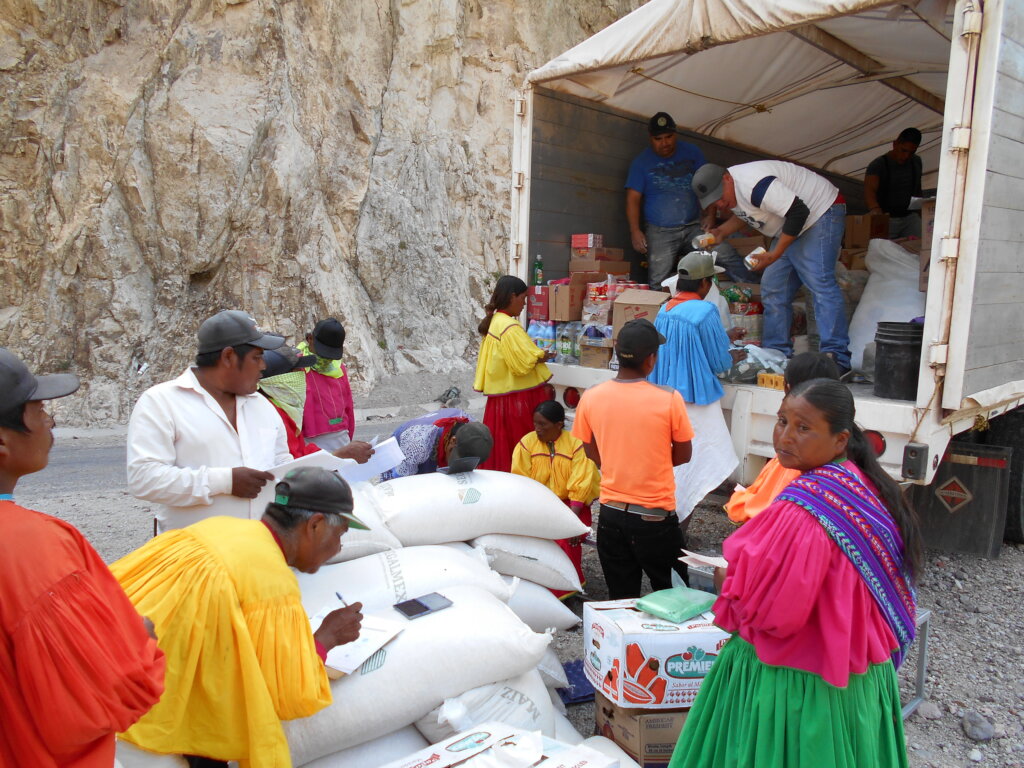
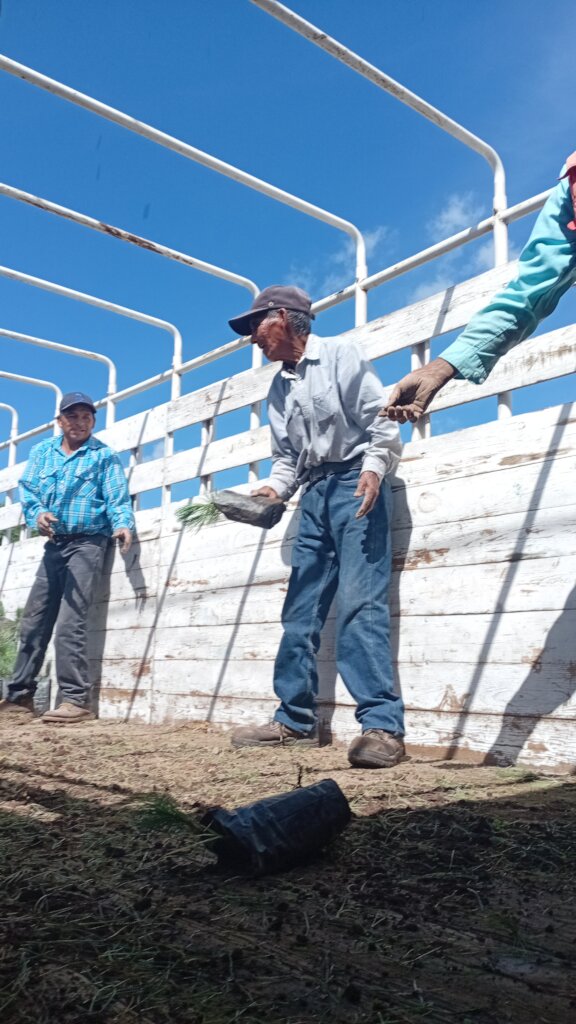
On 22 July a trailer reached Creel carrying the seedlings. Unloading them was its own day of work: wheelbarrows, pickup trucks and a line of people moving trays from the trailer to the staging area. From there the plants travelled on into the canyons, to ground that no truck reaches.
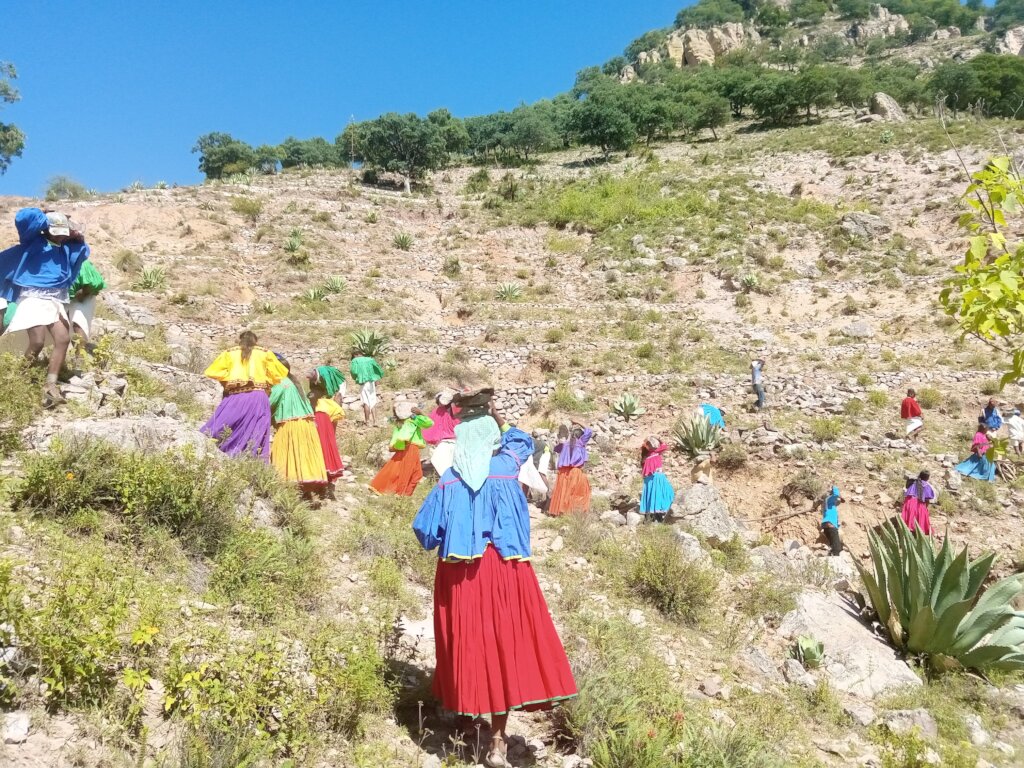
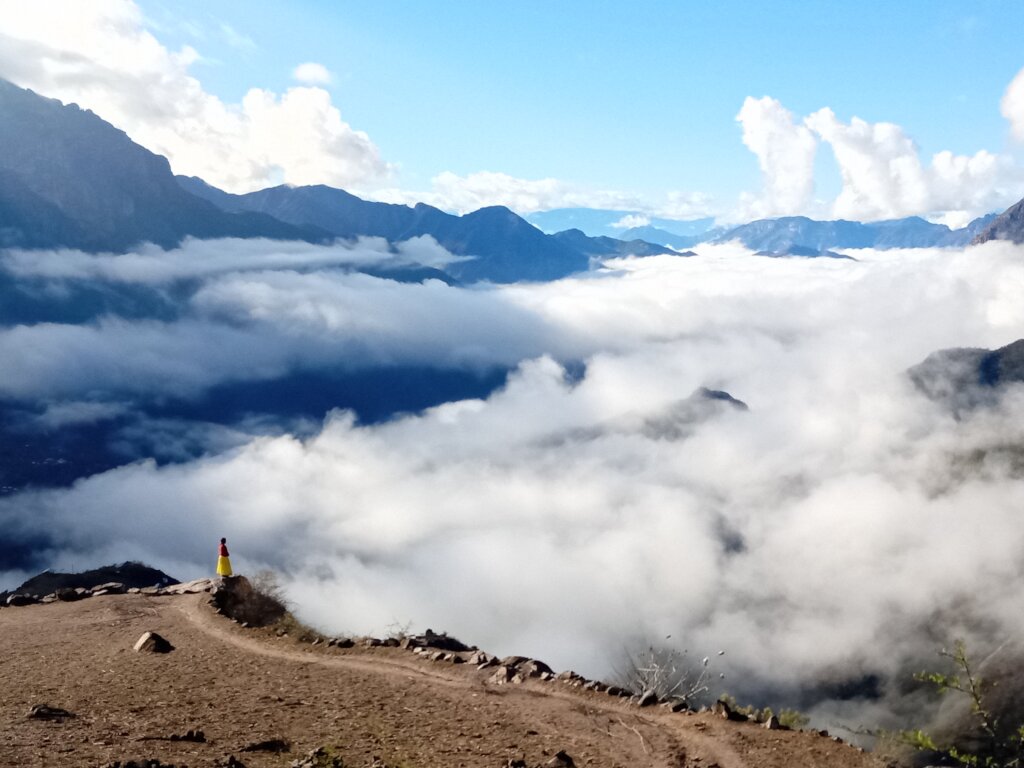
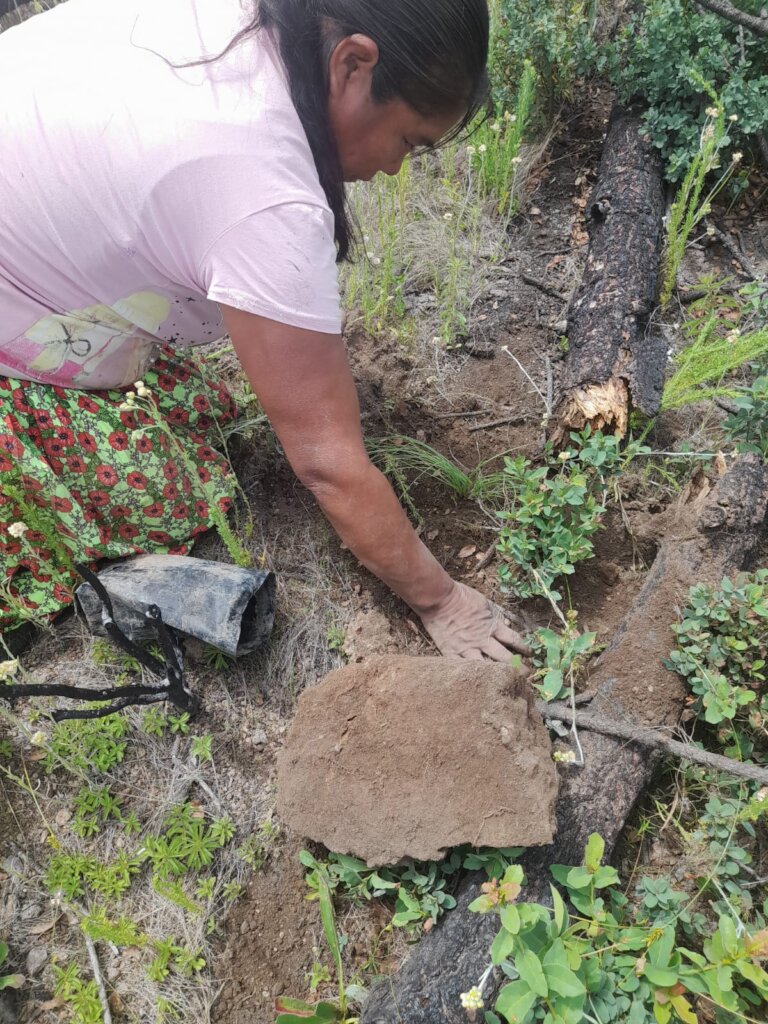
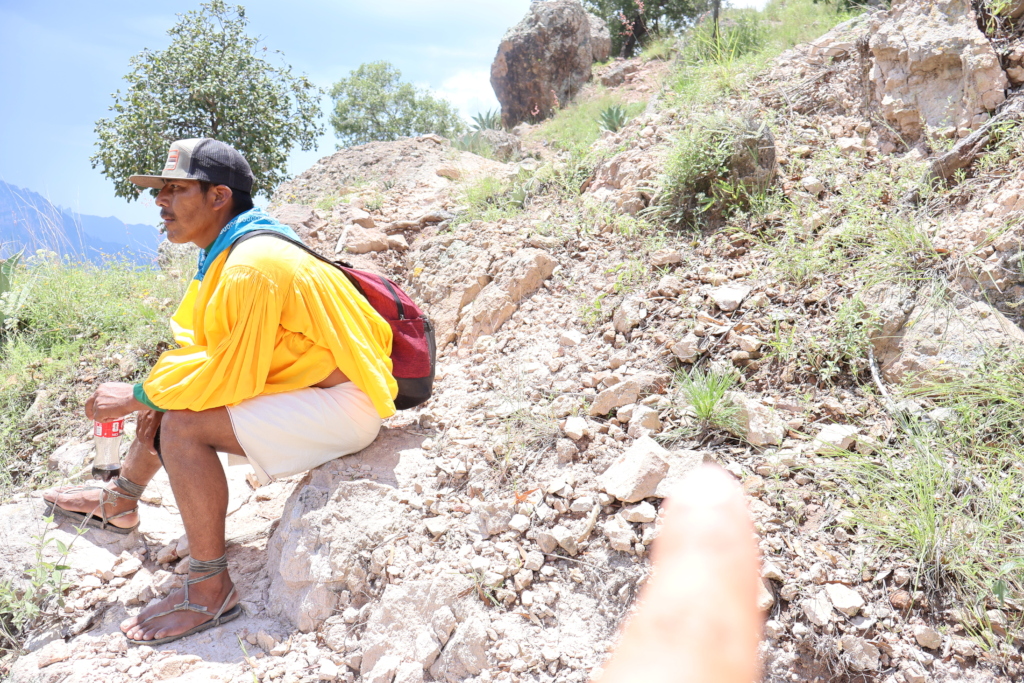
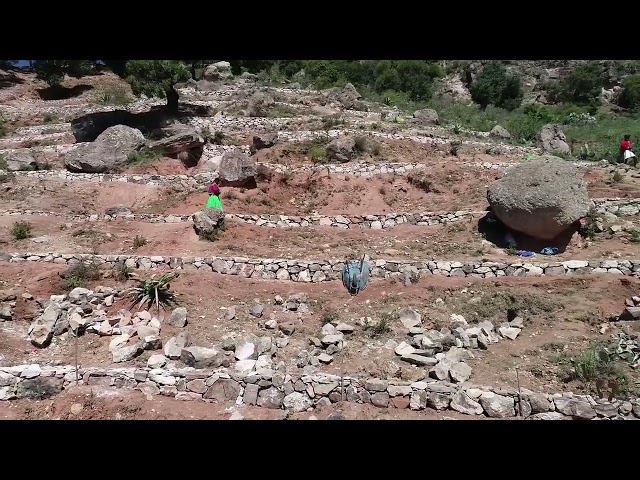
Two landscapes received them. In Bawinokachi, Bocoyna, the planting area is recovering from fire — the photographs from 8 August show blackened trunks and fallen branches among the new growth, which is exactly the terrain where reforestation matters most. In Coyachique and Kowinpachi, Batopilas, the ground is steep, rocky and hot; the crews climb it carrying seedlings and water.
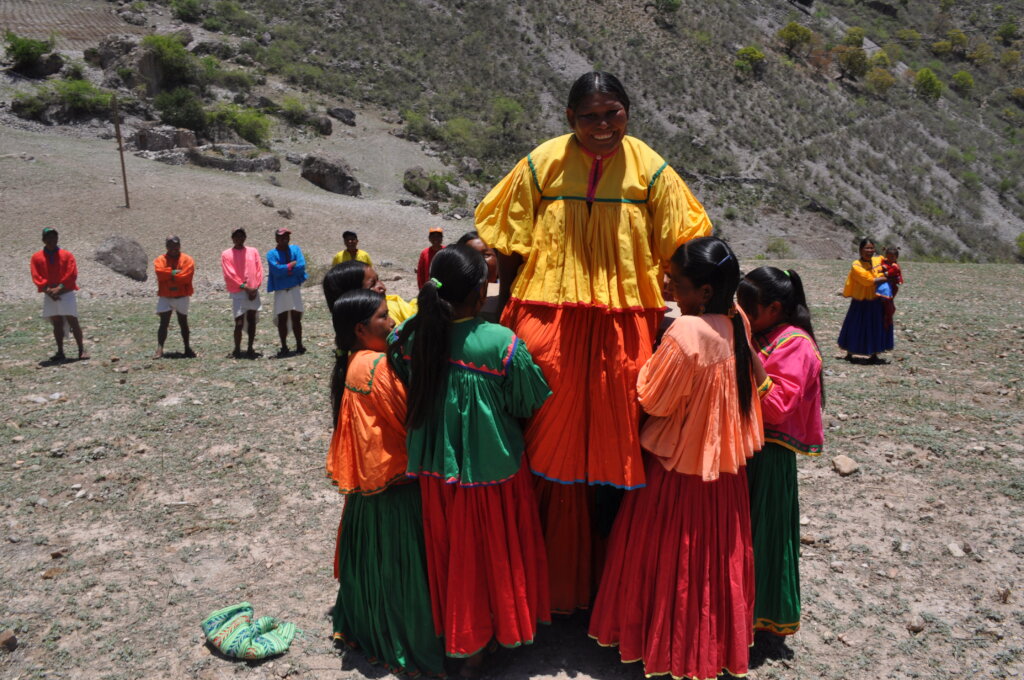
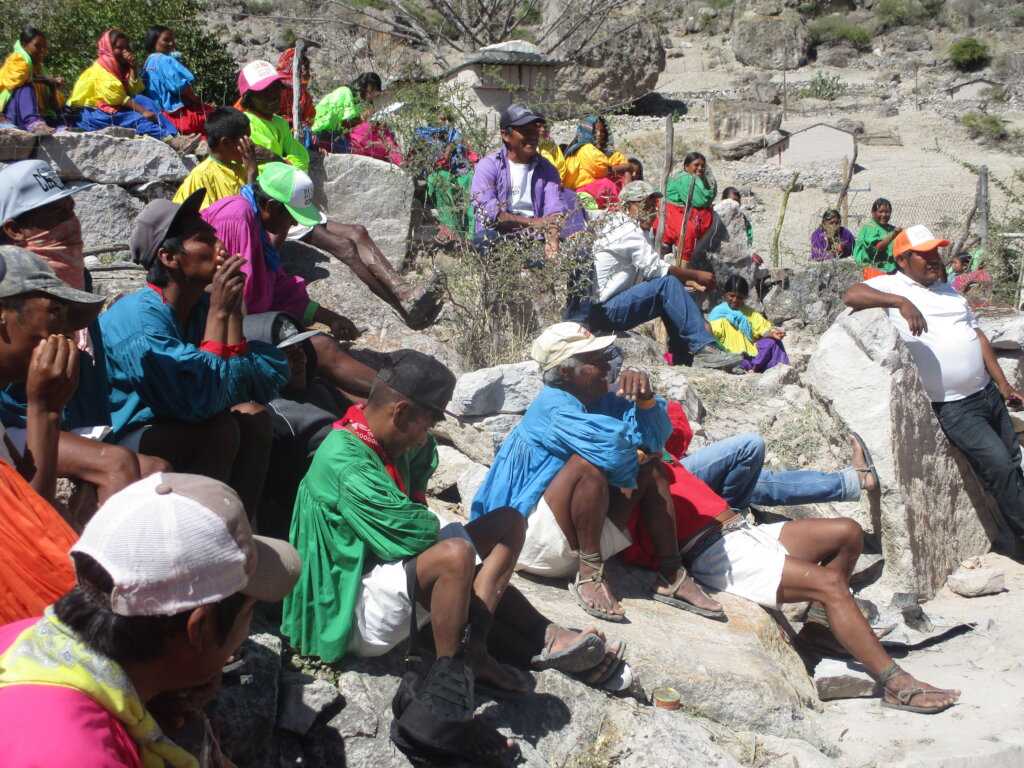
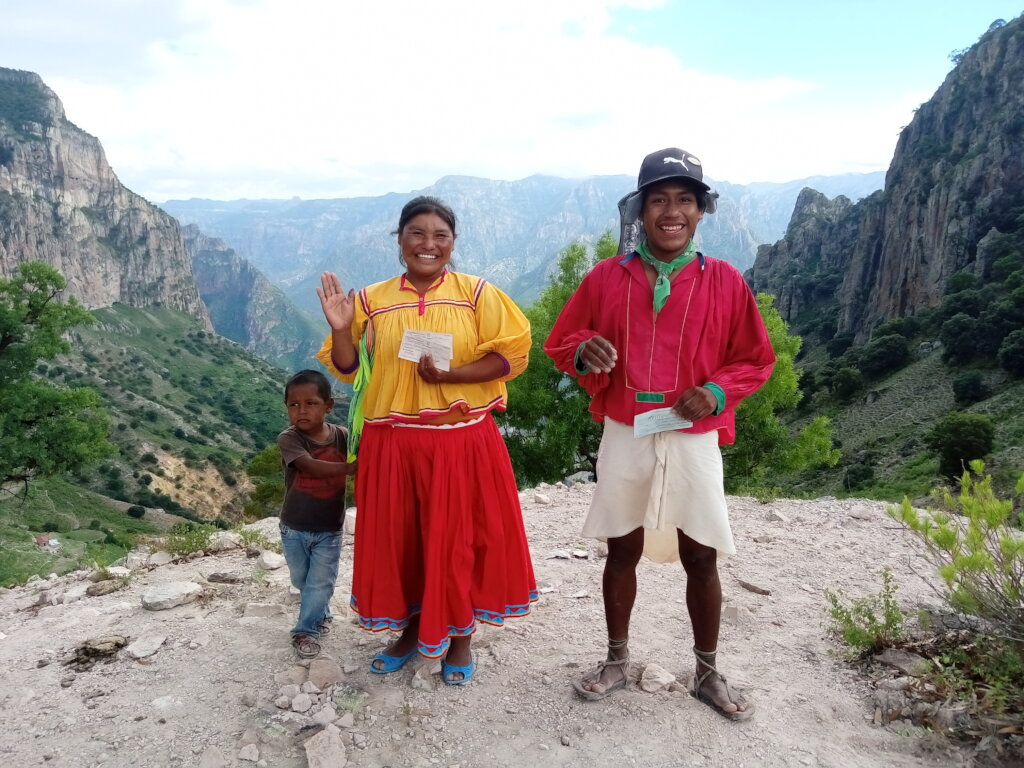
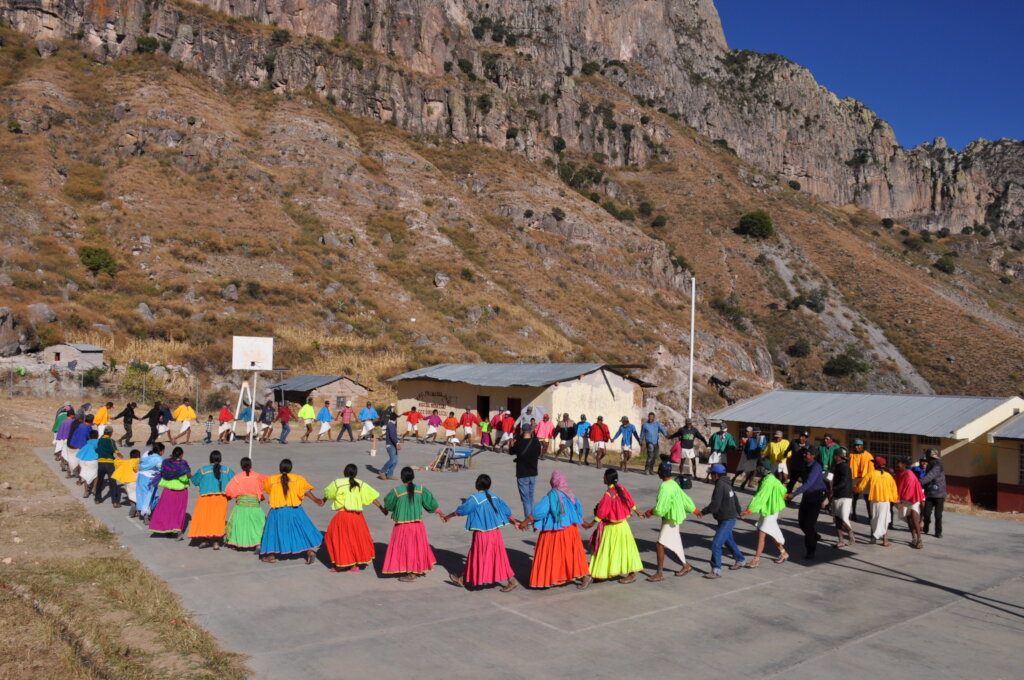
The planting was carried out by community crews working for a daily wage. This matters as much as the trees. In communities where paid work is scarce and migration is the usual alternative, a reforestation season is several weeks of dignified, paid work at home. The crews are made up of women and men from the communities themselves, and the Bawinokachi crew is coordinated by a community member rather than by outside staff.
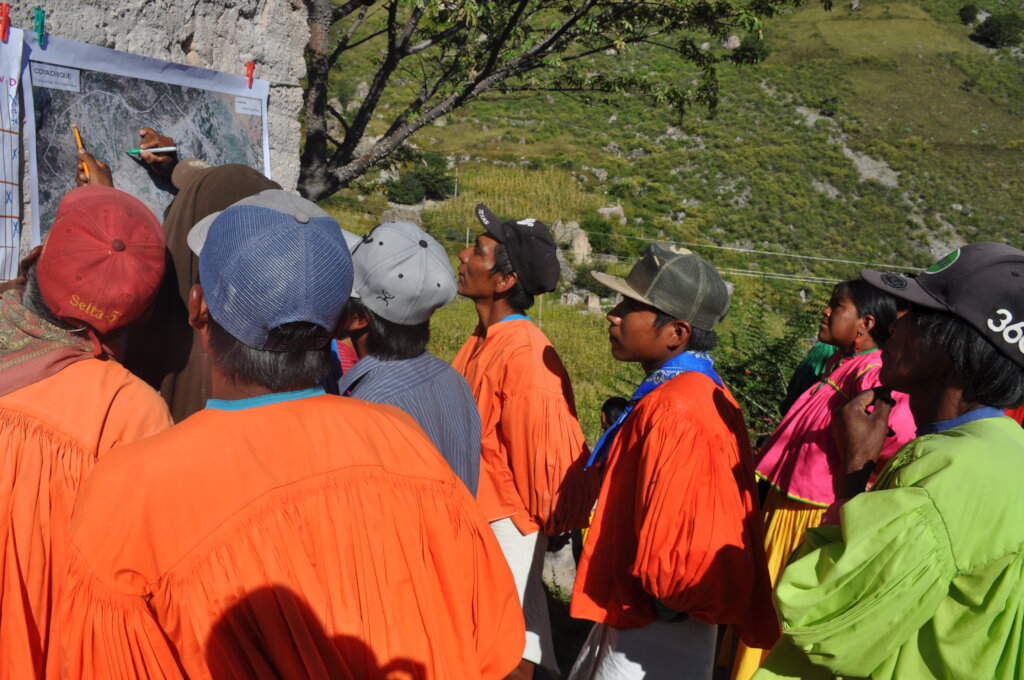
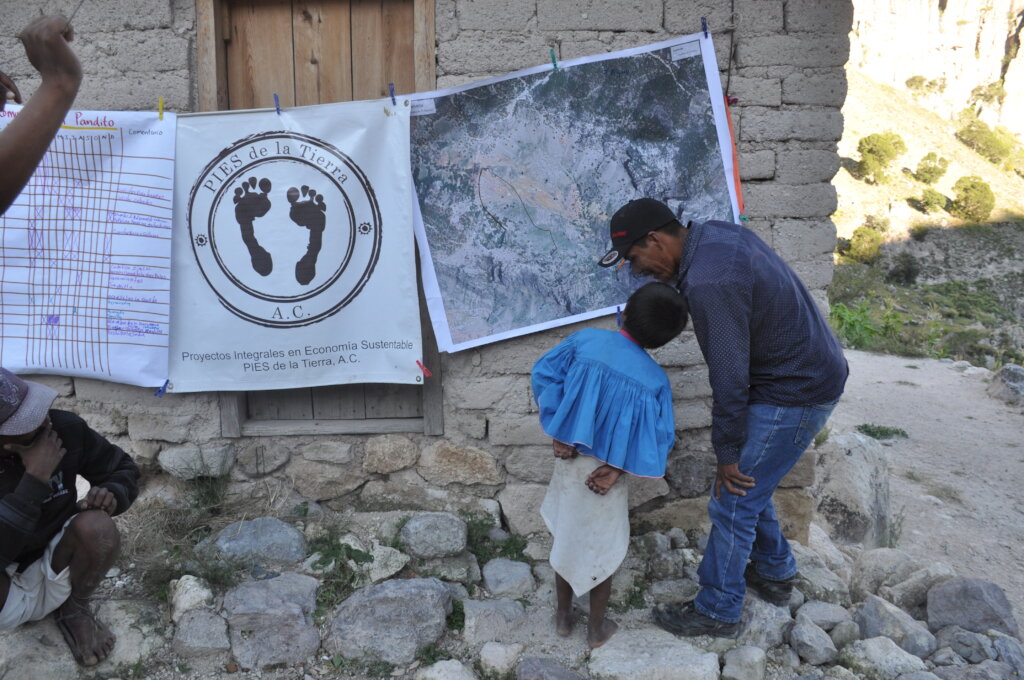
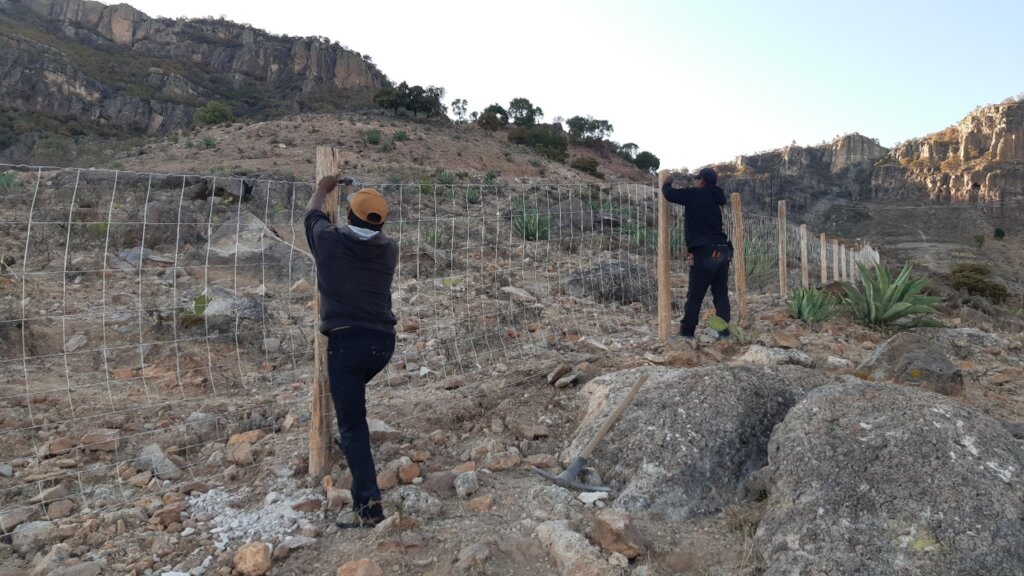
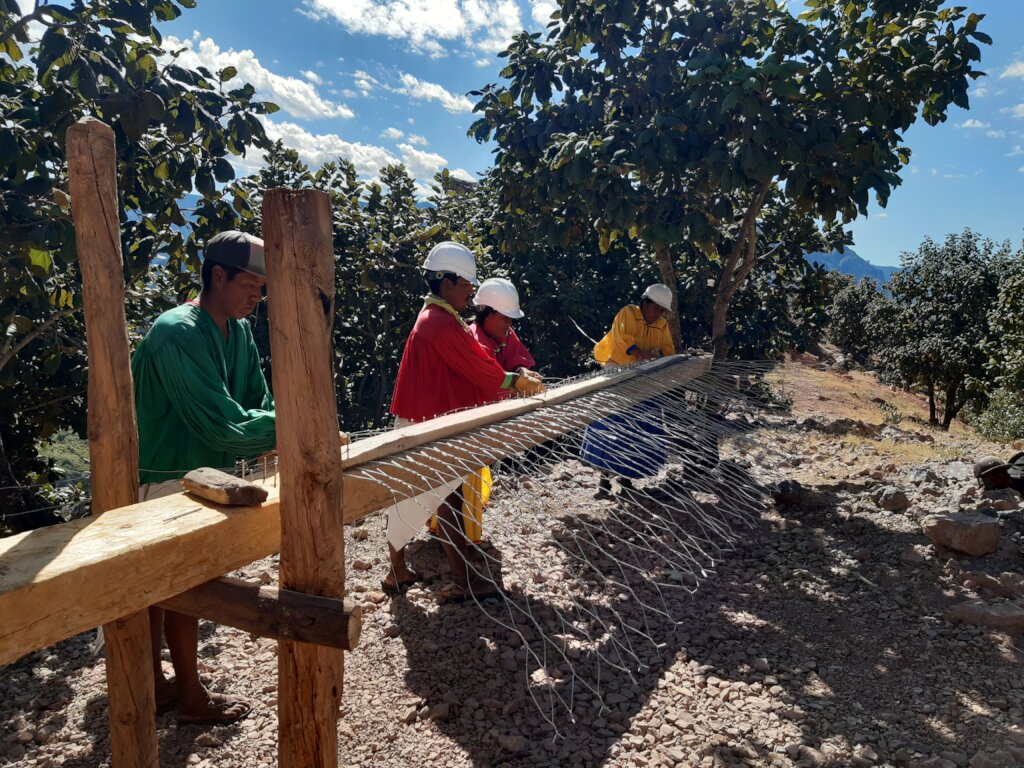
The purpose of these plantings is not only forest cover. The communities we accompany depend directly on their springs for drinking water. Plants hold the soil, slow the runoff of the summer storms and help rainwater infiltrate rather than wash away. Restoring the upper part of a watershed is, in practice, the cheapest way to protect the water supply of the families living below it. The communities have voluntarily set aside 38 hectares in the upper watershed for conservation, and exclusion fencing is maintained to keep livestock out of the young plantings.
This is the continuation of a long relationship, not a one-off campaign. The same communities planted 31,200 trees in 2022 and 20,000 in 2023, and have built stone barriers, gabion dams and spring protection works alongside them. Each season adds to what the last one started.
The season in numbers
Item
Figure
What your donation funds
GlobalGiving donations to this project go to the part of the work that in-kind donations never cover: the daily wages that put the seedlings in the ground, the freight that moves them into the canyons, the fuel for the trips, and the follow-up visits that tell us whether the trees survived. A donated seedling that nobody is paid to plant stays in the nursery.
What comes next
Thank you
To every person who supported this project: the trees are in the ground because you helped pay the hands that planted them. To the families of Coyachique, Kowinpachi and Bawinokachi, who did the work on their own land and for their own water — Matétera bá.
PIES de la Tierra, A.C. · Av. Gran Visión 569, Creel, Bocoyna, Chihuahua, Mexico · contacto@piesdelatierra.org · www.piesdelatierra.org
Sources: Fundación Grupo México donation records and planting polygons (KML); Fondo Unido Chihuahua project budget; PIES de la Tierra photographic archive, July–August 2026; Board minutes of 13 August 2026.
Links:
Project reports on GlobalGiving are posted directly to globalgiving.org by Project Leaders as they are completed, generally every 3-4 months. To protect the integrity of these documents, GlobalGiving does not alter them; therefore you may find some language or formatting issues.
If you donate to this project or have donated to this project, you can receive an email when this project posts a report. You can also subscribe for reports without donating.



Support this important cause by creating a personalized fundraising page.
Start a Fundraiser