By Federico Beltran | Operations Specialist
Reef Star Universe in Varadero: Pausing Installation due to “El Niño”
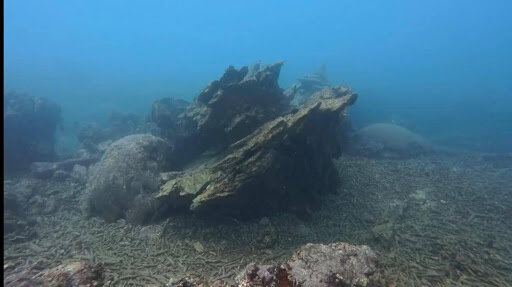
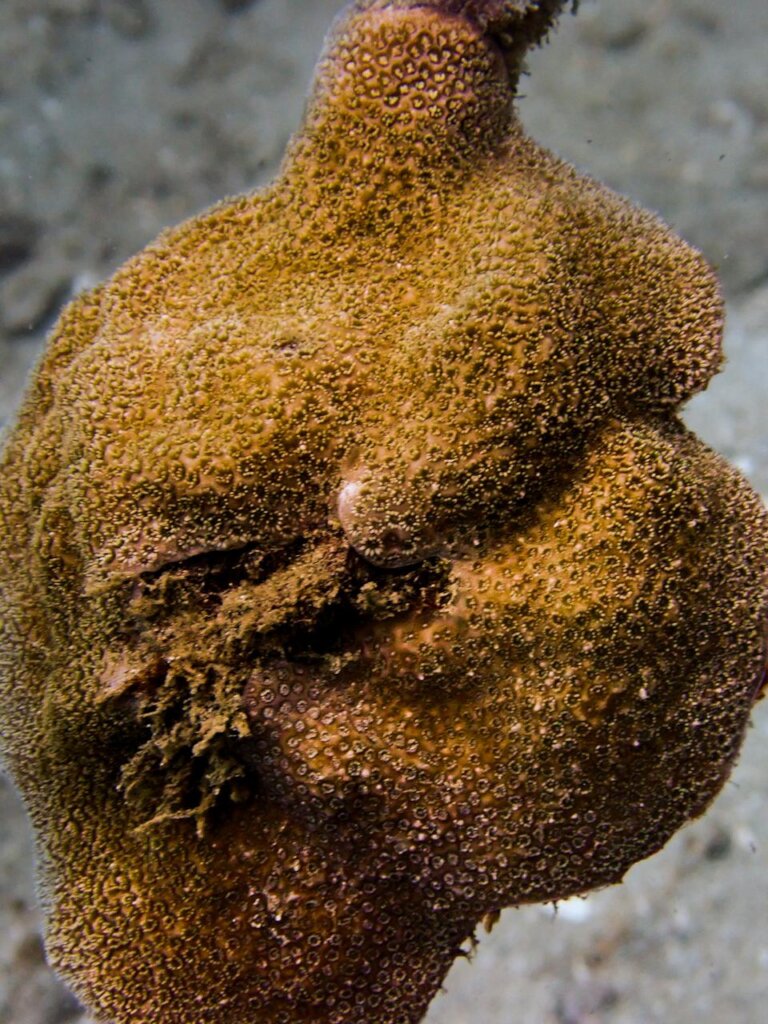
El Niño is a naturally occurring climate pattern characterized by warmer-than-average sea surface temperatures in the central and eastern tropical Pacific Ocean, which disrupts global weather and ocean circulation. That warming matters directly for reefs like Varadero because when sea temperatures rise above average for prolonged periods of time, corals become stressed and expel the algae they depend on for food, causing bleaching events across the reef. If prolonged, these events can lead to coral mortality and coral cover loss. As of late August–early September 2026, El Niño is firmly established and strengthening, with sea-surface temperatures in the central–eastern tropical Pacific already more than 2–3°C above average, and forecasters are describing it as a "very strong" to potentially "historic" event.
At Varadero, sea temperatures have been running above average since July, with forecasts indicating peaks exceeding 3.5°C above normal by October across the Colombian Caribbean. With those numbers in the foreseeable future, the Ministry of Environment convened a technical roundtable in early June with restoration practitioners from across the country to agree on science-based criteria for restoration work during this kind of thermal stress. The recommendation was to pause new coral outplanting wherever temperatures put fragments at risk, to avoid losing both the corals and the effort invested in them.
A Hard Call: No New Installation This Year
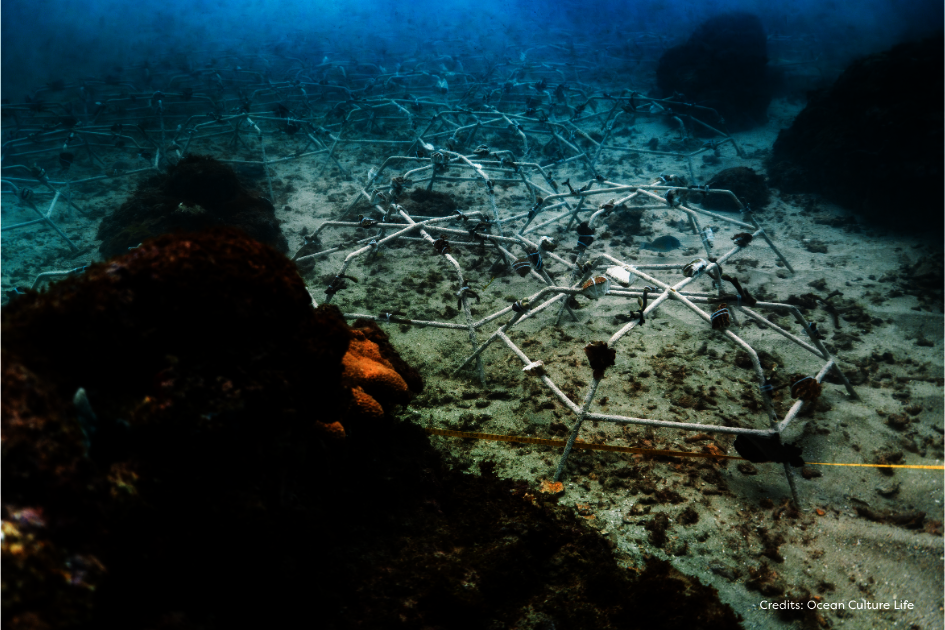
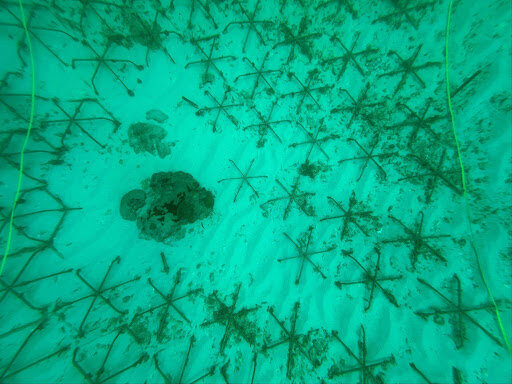
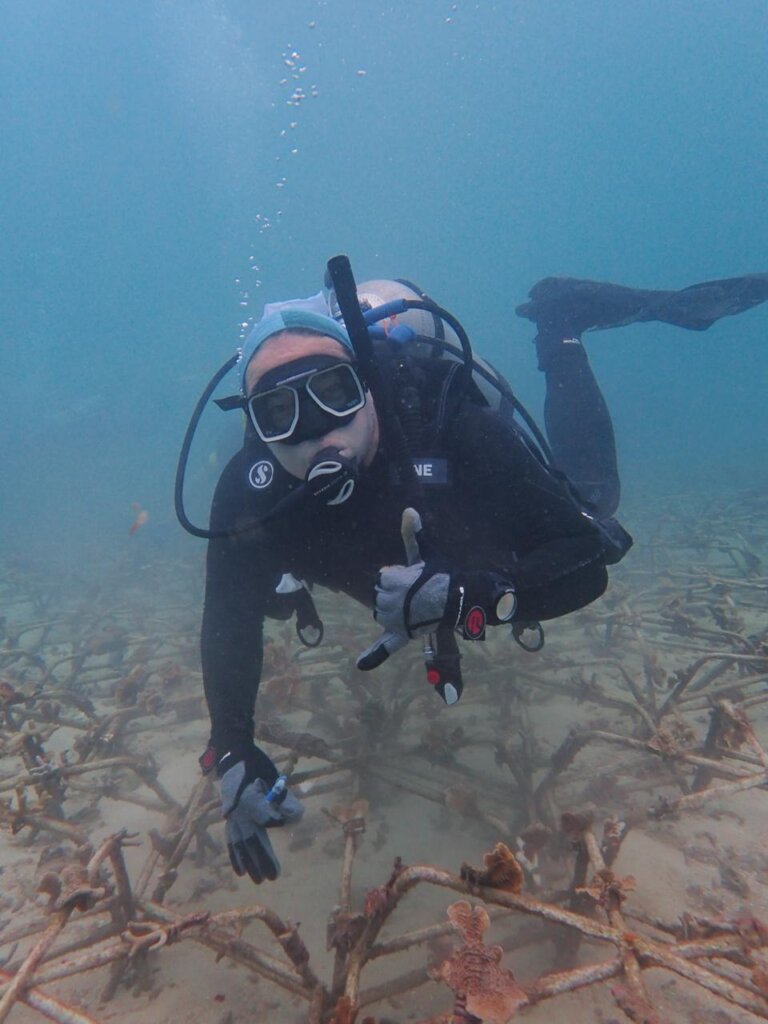
Following that guidance, we've decided to postpone the installation of the 400 additional Reef Stars originally planned for Varadero this year. With corals on the reef already under heat stress, fragmenting them and putting them through the process of attaching them to Reef Stars would add extra strain at exactly the wrong moment, risking the loss of both the biological material and the effort invested. That's too high a risk for us to take and therefore our decision to postpone indefinitely until water temperatures drop.
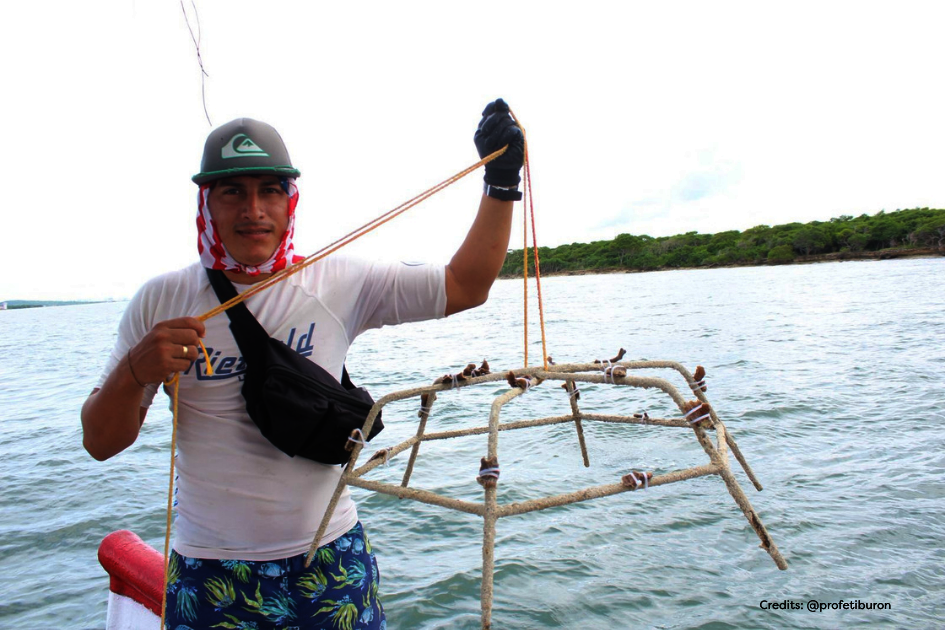
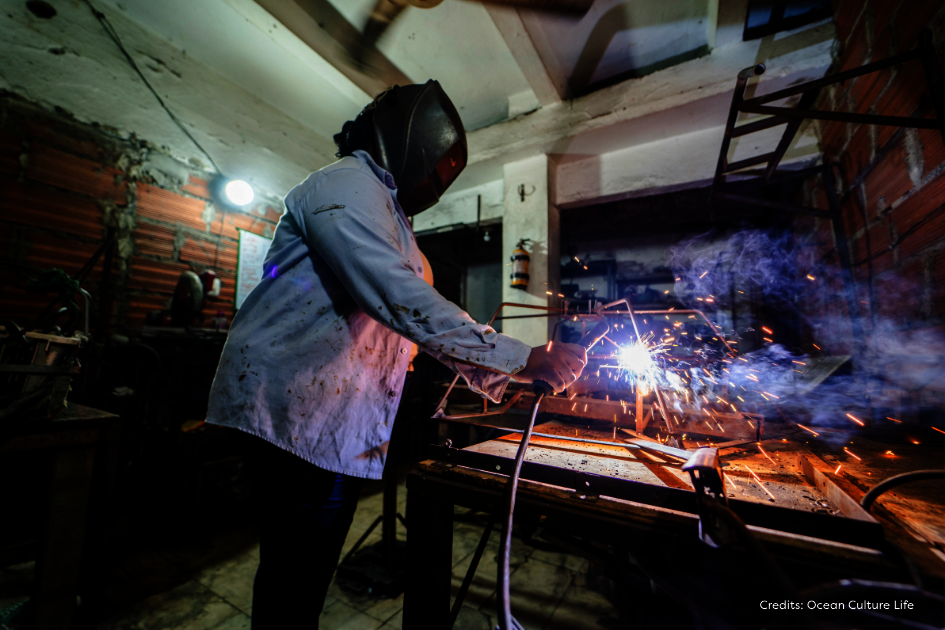
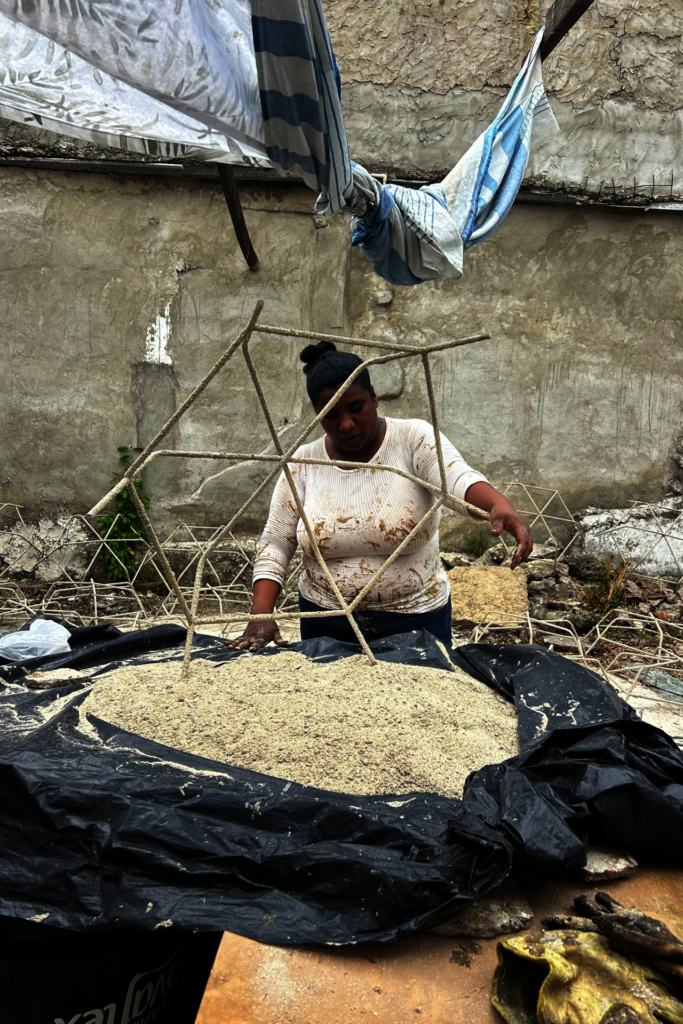
On the bright side, we've already advanced production of the 400 Reef Stars, so as soon as ocean temperatures drop enough to move forward with the expansion, we'll be ready to act quickly.
Reef Check Monitoring with the Community
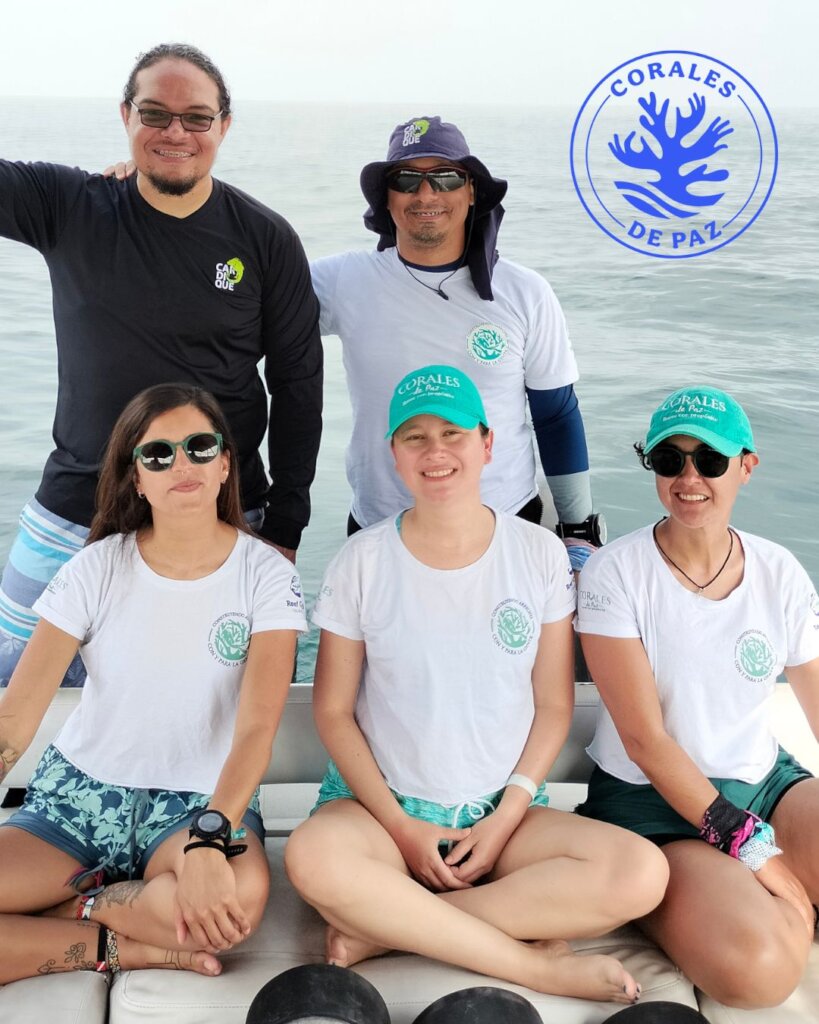
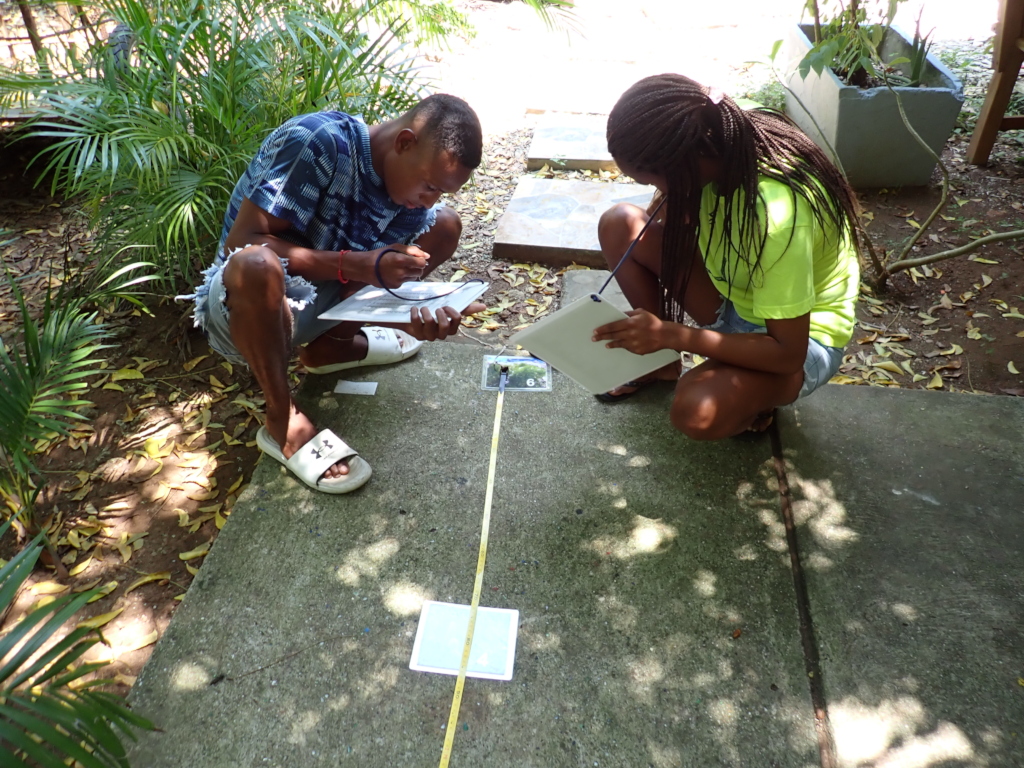
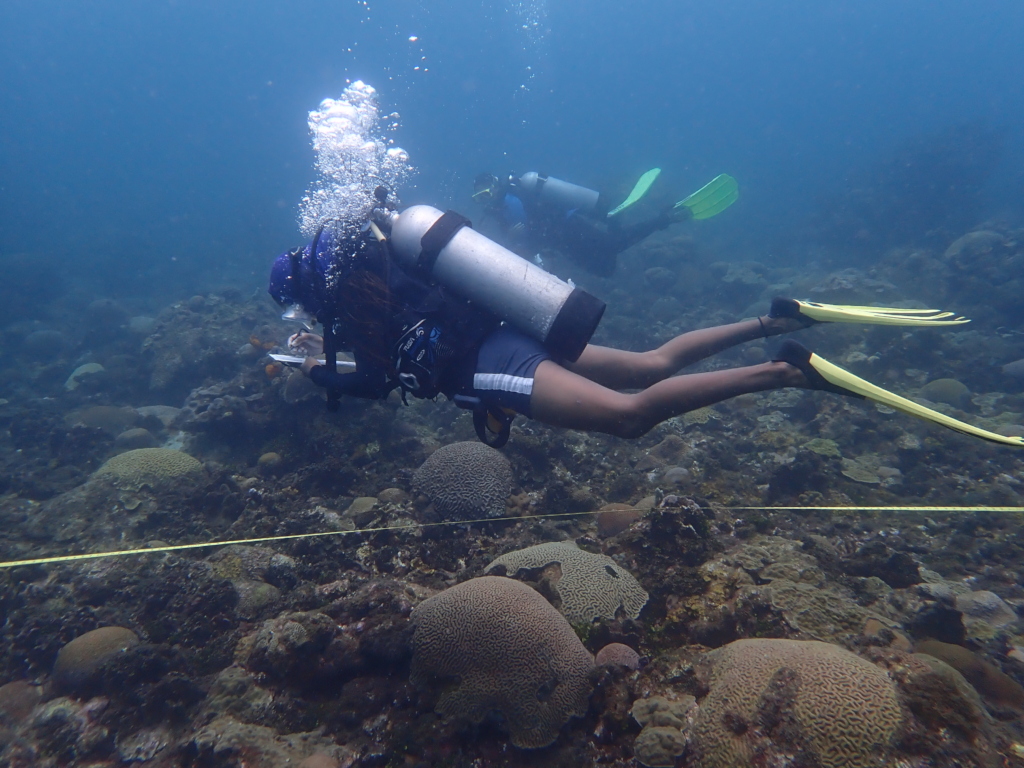
Pausing installation doesn't mean pausing the project. At the end of September, we're running a Reef Check monitoring survey, a citizen science protocol, at Varadero with the local community members we've been training over the past year. For them, it's another chance to keep diving, sharpen the survey skills they've built, and deepen their understanding of the reef, this time learning firsthand the effects of a “Super Niño” on the reef. For us, it gives a first read on how the reef is responding as temperatures climb, before conditions reach their peak.
El Niño Monitoring and Maintenance
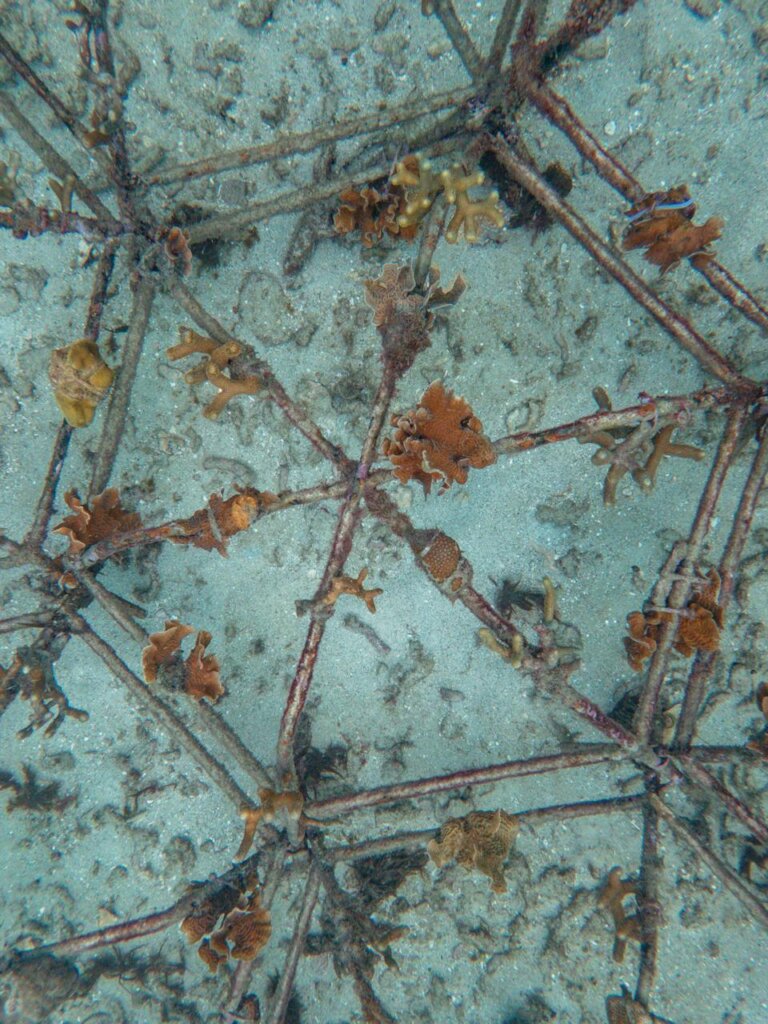
We're following that with maintenance and monitoring visits to our restoration sites in October. The plan is to gather data as thermal stress is expected to peak. For this, we're going in for a deeper visit that combines scientific monitoring with maintenance: collecting the data we need to analyze how the Super Niño is affecting our restoration site and the wider reef, while doing the hands-on work to give the existing corals their best shot at getting through it. Together, these visits turn a difficult year into useful data on how our restoration methodology performs under real climate pressure, which will shape how we build and protect the next phase of the Reef Star Universe.
Thank you for being part of this journey with us. Your support helps us continue showing up for Varadero’s reef.
By Federico Beltran | Operations Specialist
By Federico Beltran | Operations Specialist
Project reports on GlobalGiving are posted directly to globalgiving.org by Project Leaders as they are completed, generally every 3-4 months. To protect the integrity of these documents, GlobalGiving does not alter them; therefore you may find some language or formatting issues.
If you donate to this project or have donated to this project, you can receive an email when this project posts a report. You can also subscribe for reports without donating.



Support this important cause by creating a personalized fundraising page.
Start a Fundraiser