By Federico Beltran | Operations Specialist
Over the past three months, our work at the Reef Star Universe in Varadero, Cartagena, has focused on responding to an unexpected and powerful climate event that directly affected the reef.
In early February 2026, the Colombian Caribbean experienced a strong cold front associated with a polar air mass moving south from North America that brought strong winds, intense wave energy, and prolonged rough sea conditions. In Cartagena, authorities reported wind gusts reaching up to 55 km/h offshore and waves between 2 and 4 meters. The event was severe enough to cause beach closures, navigation restrictions, and widespread impacts on coastal communities and marine ecosystems.
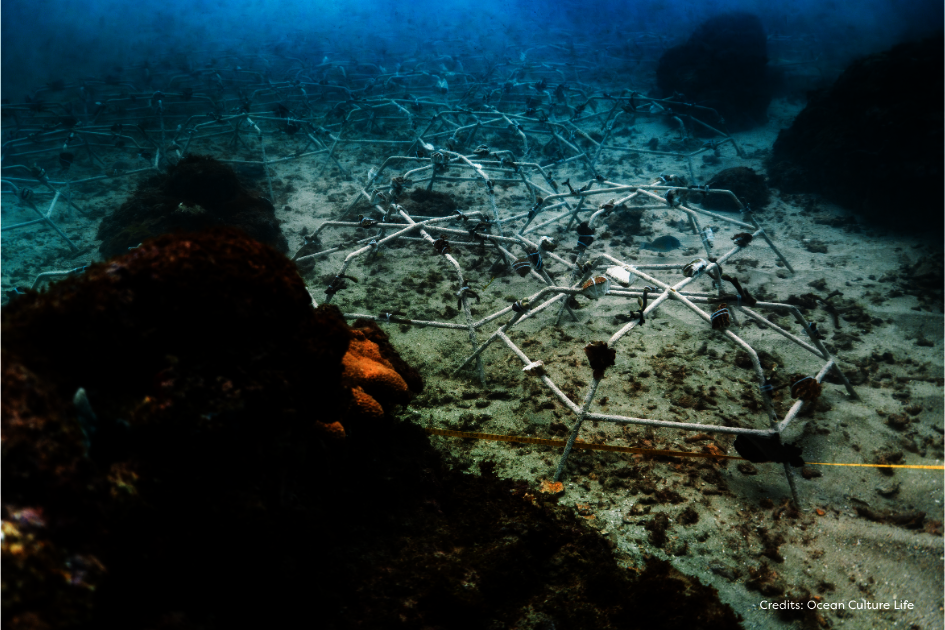
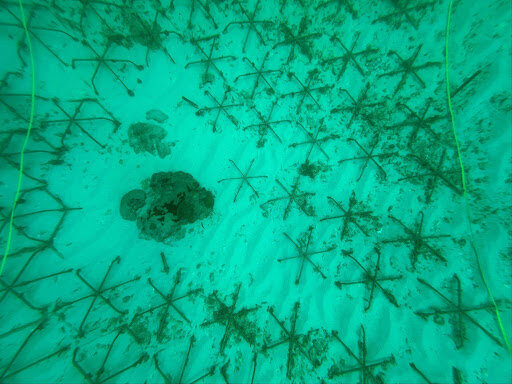
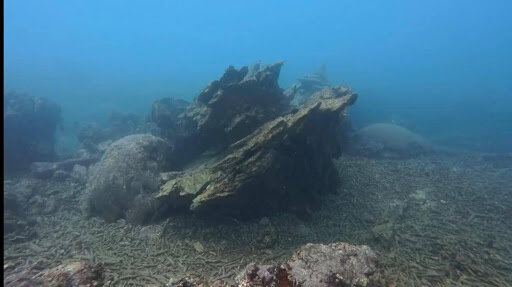
Once conditions were safe and maritime restrictions were lifted, our team returned to Varadero reef and our restoration sites to assess the situation. What we found confirmed the force of the event: large natural coral colonies had been overturned, sand and rubble had shifted across the seafloor, and several Reef Stars had been partially or completely buried by sediment.
What happened to the Reef Stars?
The cold front became a real test for the restoration sites. Some coral fragments were lost, and several structures were affected by sediment movement. In one area, around 25 Reef Stars were completely buried by sand. However, one of the most important findings was that the Reef Star network largely remained structurally connected. Even under extreme wave energy, the system did not collapse, and many structures continued helping stabilize the reef substrate.
This was a difficult moment for the project, but also an important lesson: coral restoration must be prepared for a changing climate, stronger disturbances, and increasingly unpredictable ocean conditions. At the same time, the event showed that our methodology is effectively fulfilling one of its main purposes: stabilizing the substrate to create better conditions for future coral settlement and reef recovery.
Our response
Following the initial assessment, our team promptly moved to stabilize the sites and support the surviving corals. The response focused on three priorities:
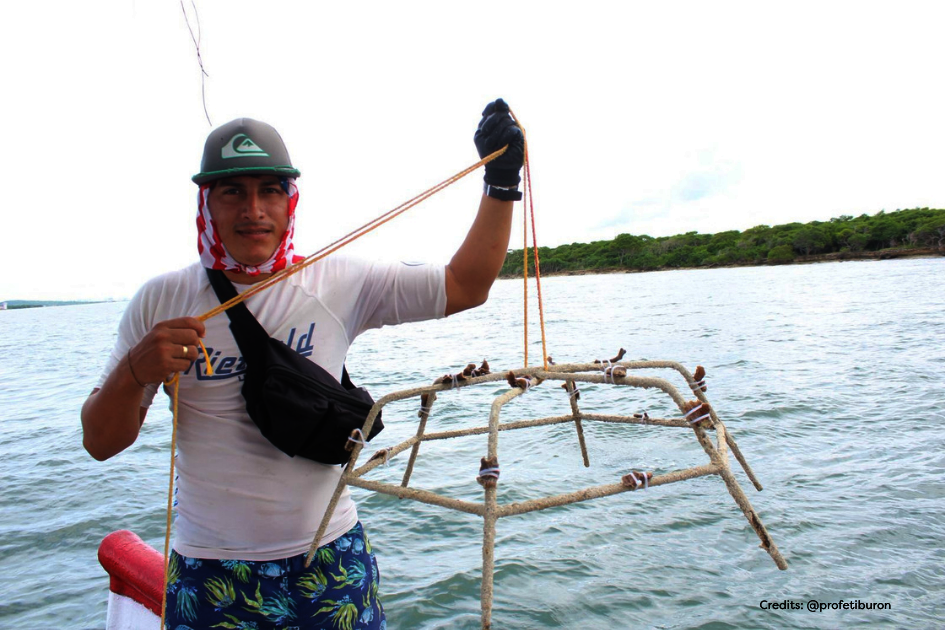
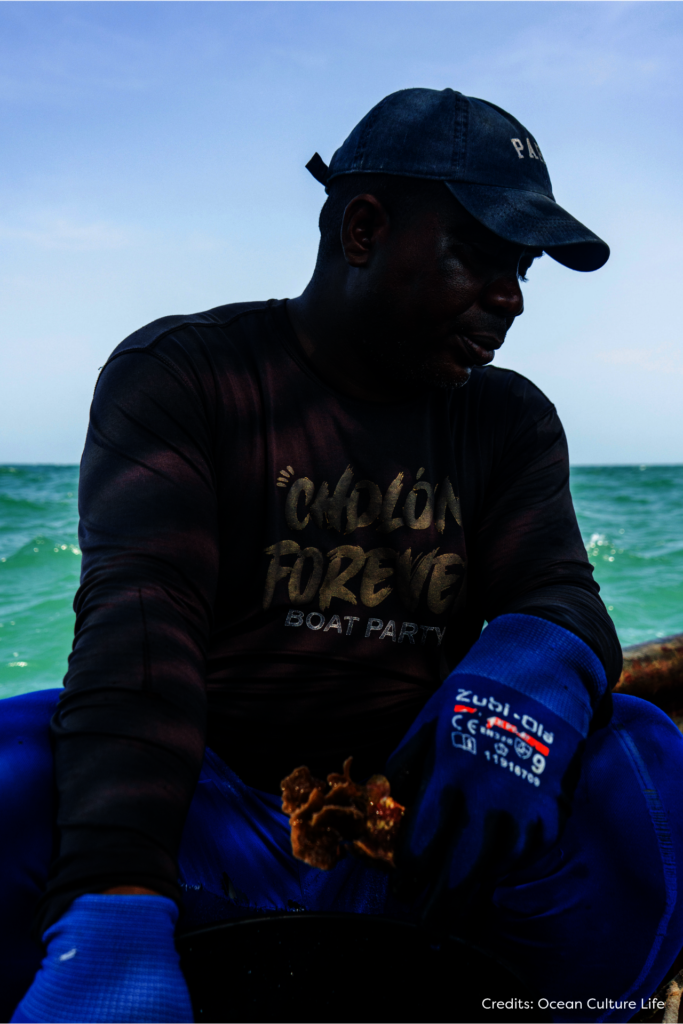
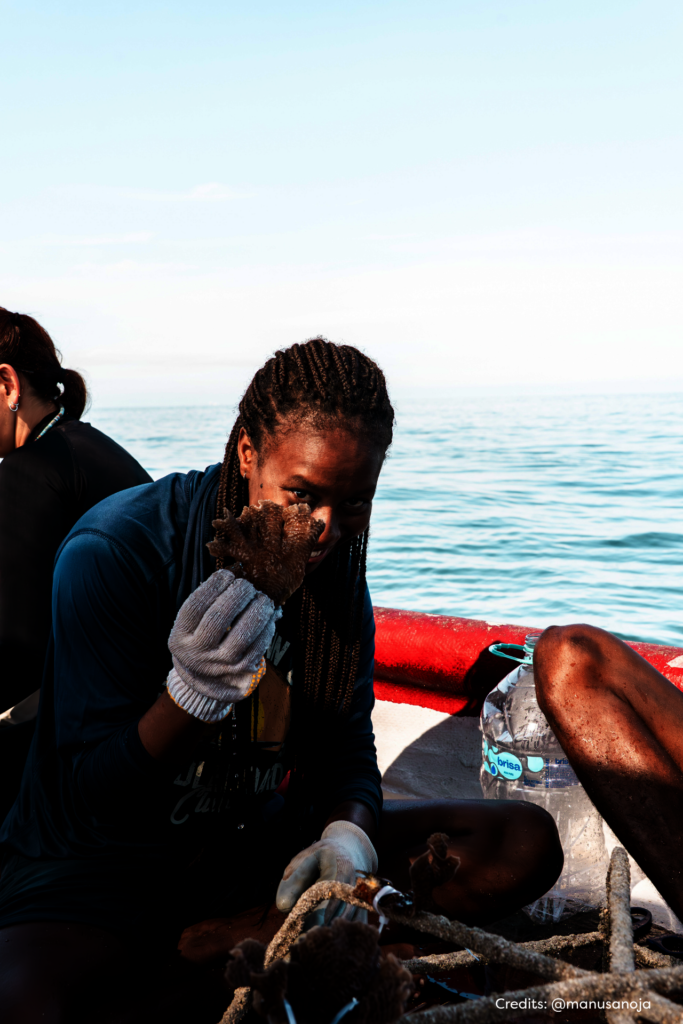
First, we evaluated the level of damage across both restoration areas to understand where Reef Stars had disconnected, lifted, or been buried. Then, we carried out maintenance and recovery actions, including cleaning sediment off the Reef Stars, repositioning and anchoring for better stability where possible, and tying coral fragments back onto the structures to improve their chances of survival. Finally, we completed post-intervention monitoring to understand how the reef, the corals, and the surrounding marine life were responding after the event.
Although not all damage could be reversed, these actions helped protect the work already done and gave the surviving corals better conditions to continue growing.
What we learned
The event showcased both the vulnerability and the resilience of coral restoration efforts.
On one hand, the cold front caused a significant impact on the corals that had already been growing on the Reef Stars. The surrounding reef was also heavily affected, with large natural coral colonies overturned and important coral areas damaged.
On the other hand, the Reef Star structures demonstrated strong performance under extreme conditions. The network remained mostly operational, helped stabilize rubble, and continued providing habitat complexity for marine life.
For us, this confirms that restoration is not only about transplanting corals. It is about long-term care, monitoring, adaptation, and learning how to help reefs survive in a changing environment.
Looking ahead
We are preparing for an important new phase: the installation of 400 additional Reef Stars in September. This next installation will allow us to expand the Reef Star Universe in Varadero, grow our impact, and continue building a living network that supports coral recovery, marine life, and local community participation.
Thank you for being part of this journey with us. Your support helps us continue showing up for Varadero’s reef.
Project reports on GlobalGiving are posted directly to globalgiving.org by Project Leaders as they are completed, generally every 3-4 months. To protect the integrity of these documents, GlobalGiving does not alter them; therefore you may find some language or formatting issues.
If you donate to this project or have donated to this project, you can receive an email when this project posts a report. You can also subscribe for reports without donating.



Support this important cause by creating a personalized fundraising page.
Start a Fundraiser