By Alyona Saprykina | Head of Partnerships
At Gen.Ukrainian, we continue our work to restore childhood for children affected by the war in Ukraine.
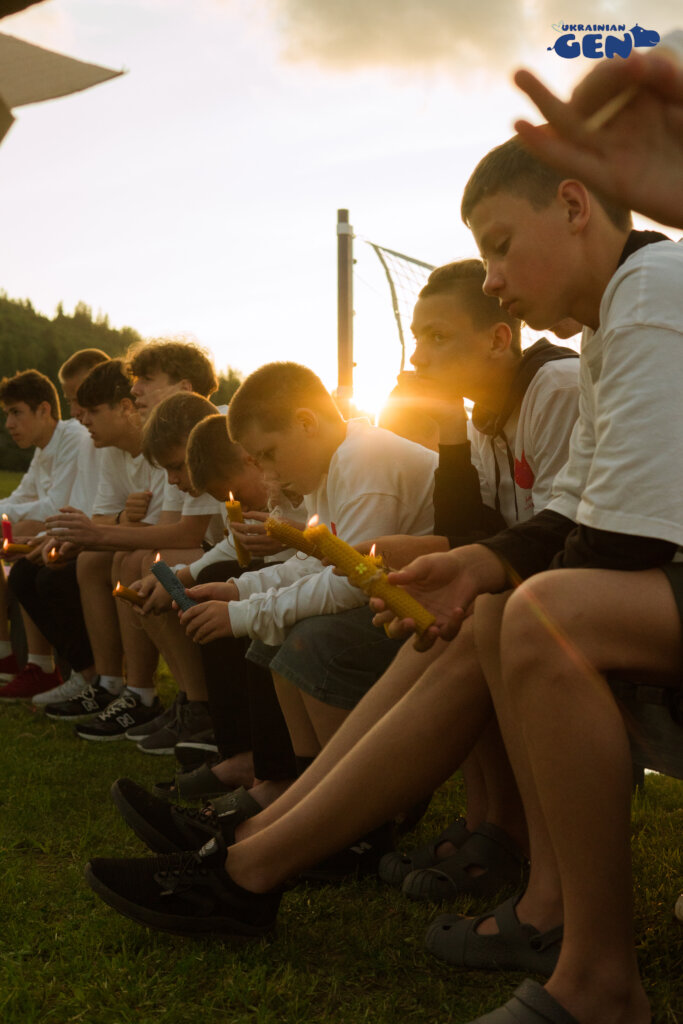
Since our last update, the next intensive psychological rehabilitation camp of the 2026 cycle has taken place. This camp focused on children experiencing ambiguous loss, one of the most painful and difficult forms of loss for a child.
These are children whose parent or close loved one is missing because of the war, or is being held in captivity. For them, grief has no clear ending. There is no certainty, no final answer, and often no space where they can safely speak about what they feel. Many children live between hope and fear every day.
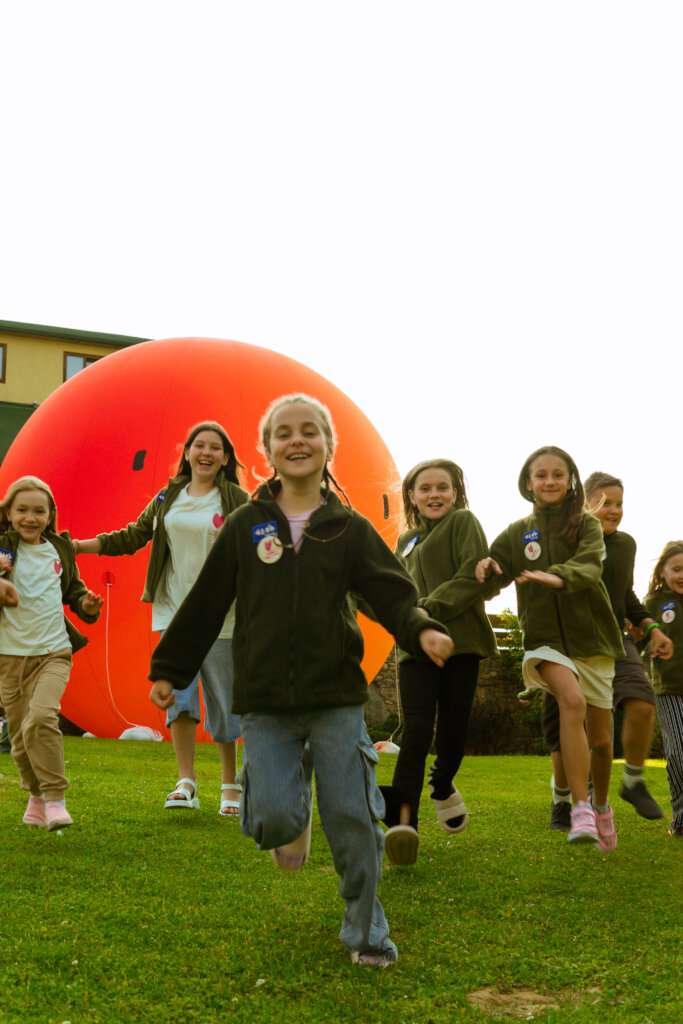
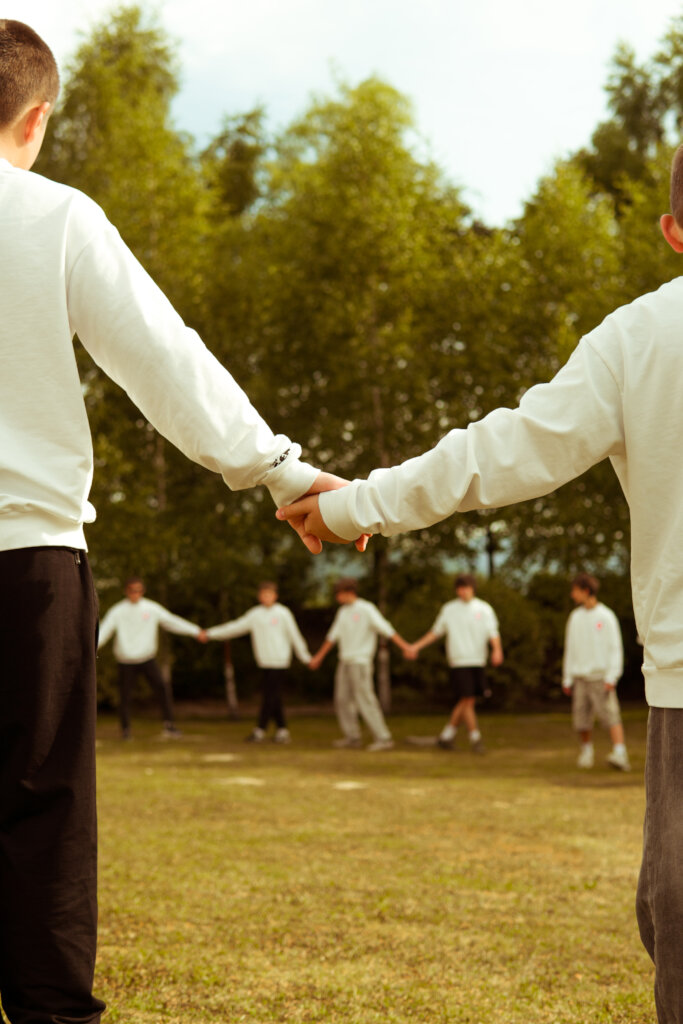
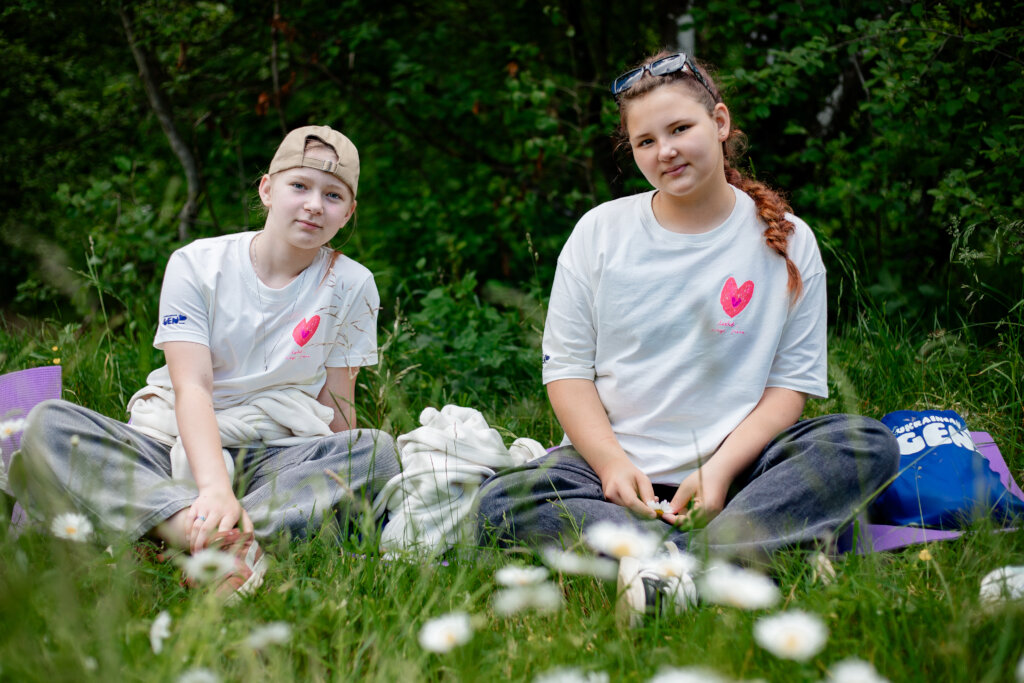
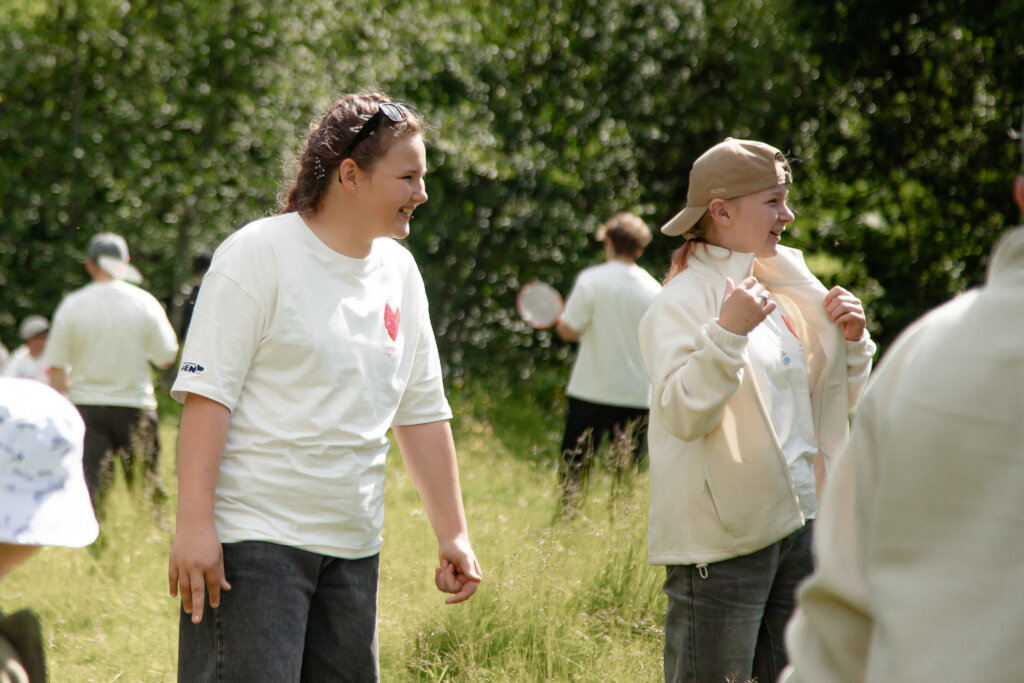
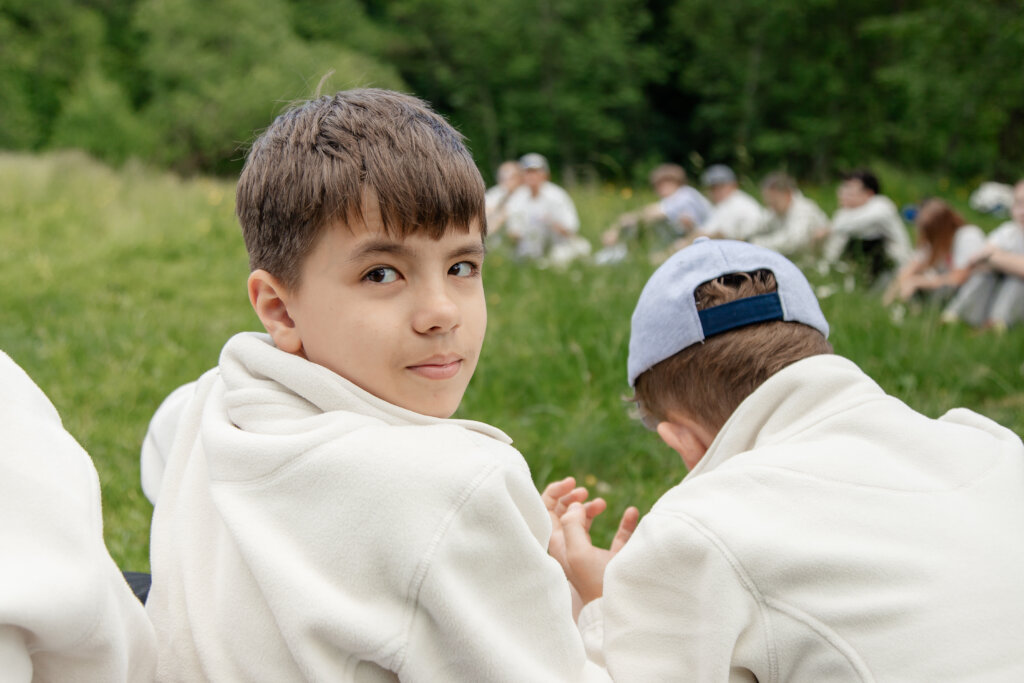
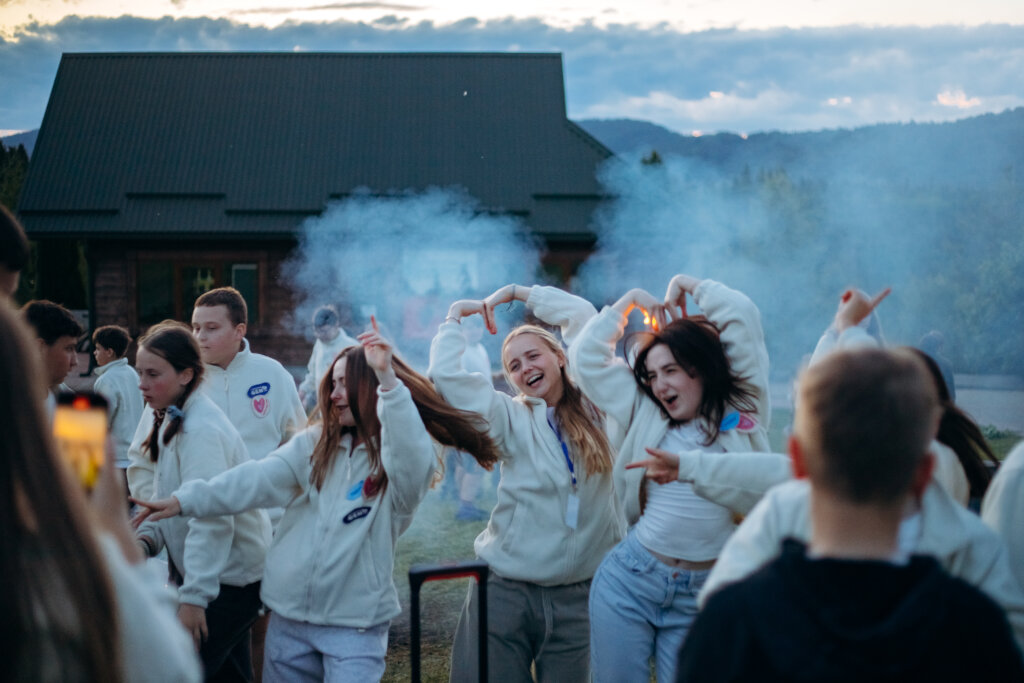
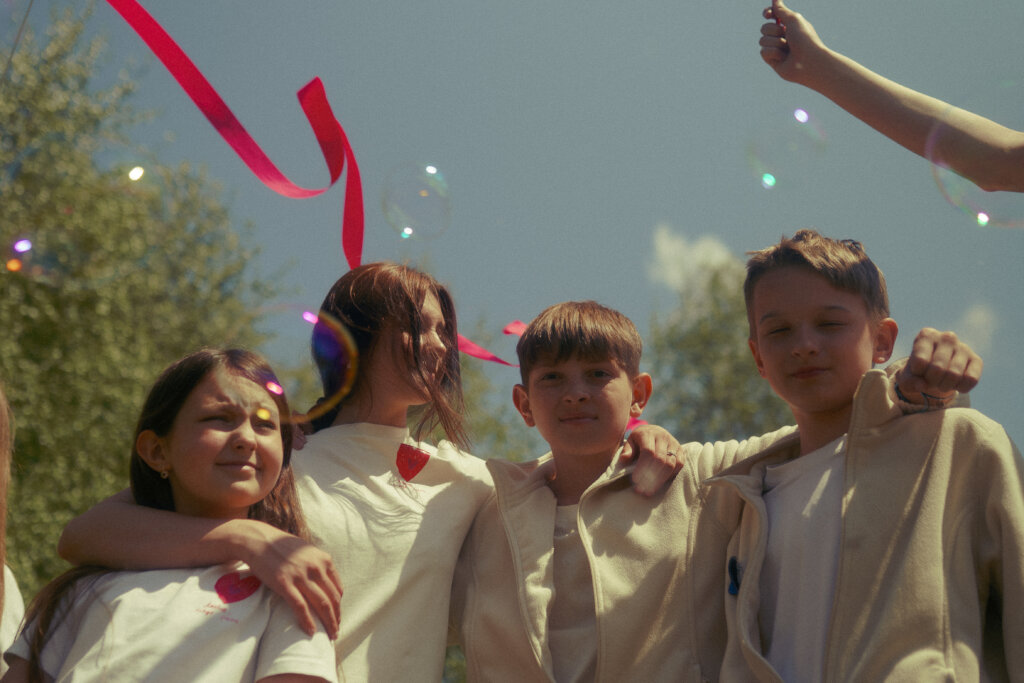
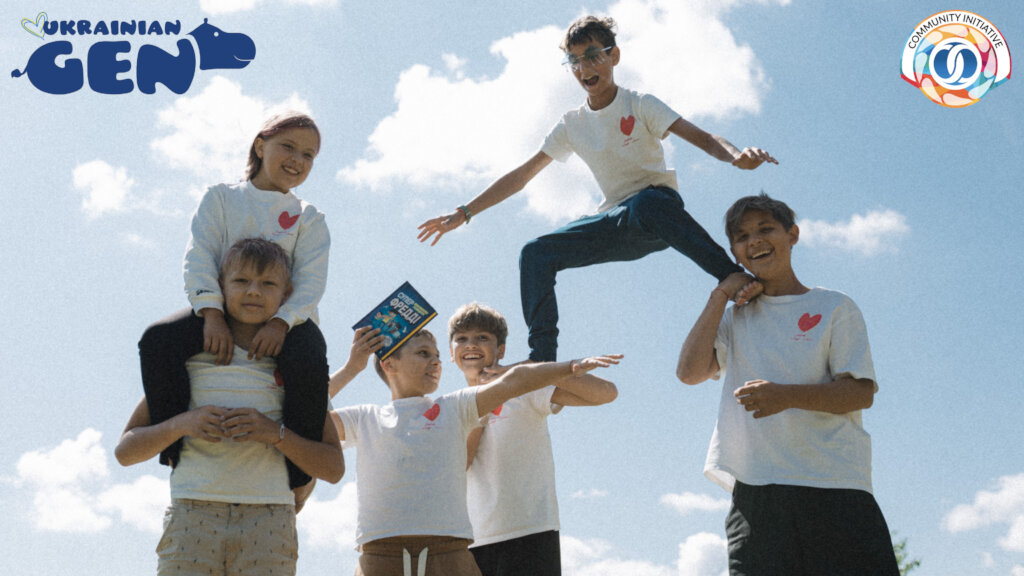
During this 21-day Gen.Camp, 51 children received professional psychological support in a safe, structured, and caring environment.
For children living with ambiguous loss, healing does not mean “accepting” what happened. It means learning how to live with uncertainty without being completely overwhelmed by it. It means finding words for feelings that are often hidden. It means understanding that fear, anger, guilt, hope, and sadness can all exist at the same time.
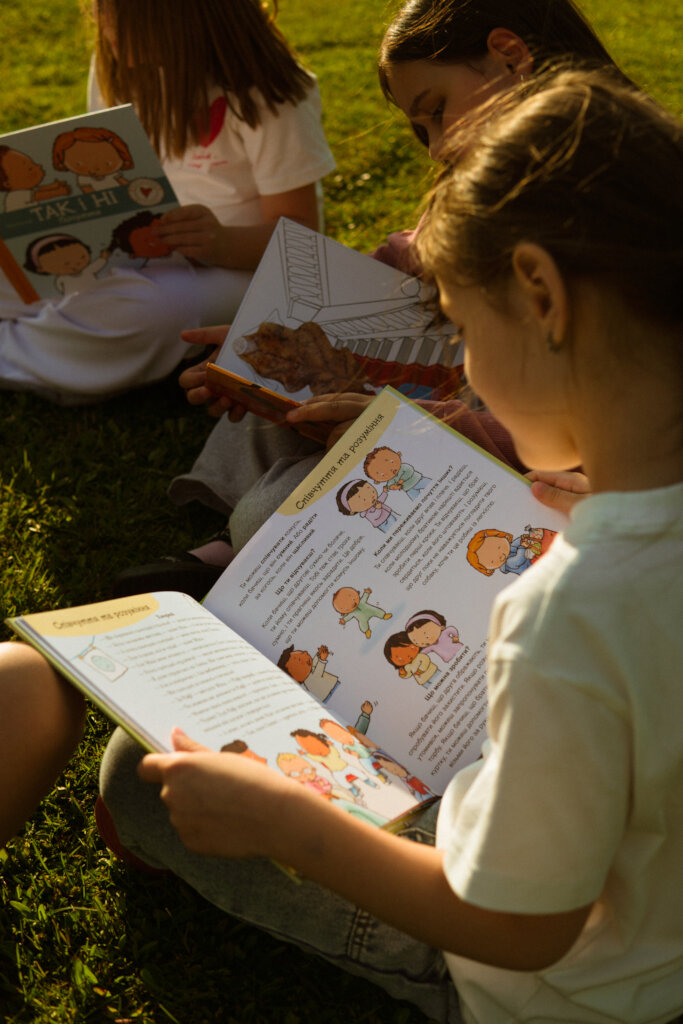
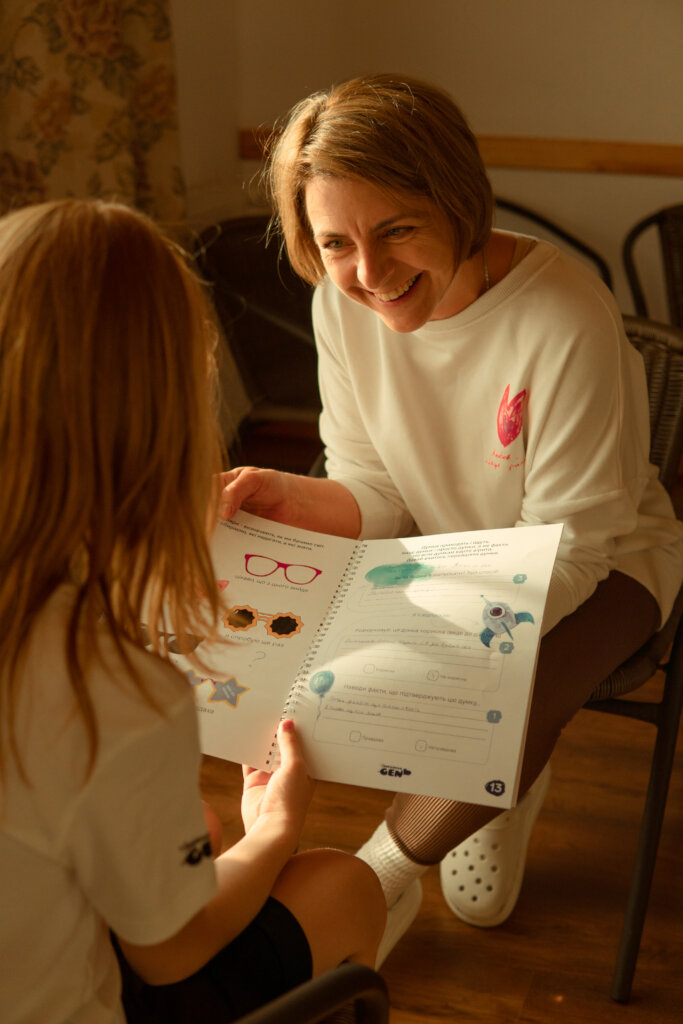
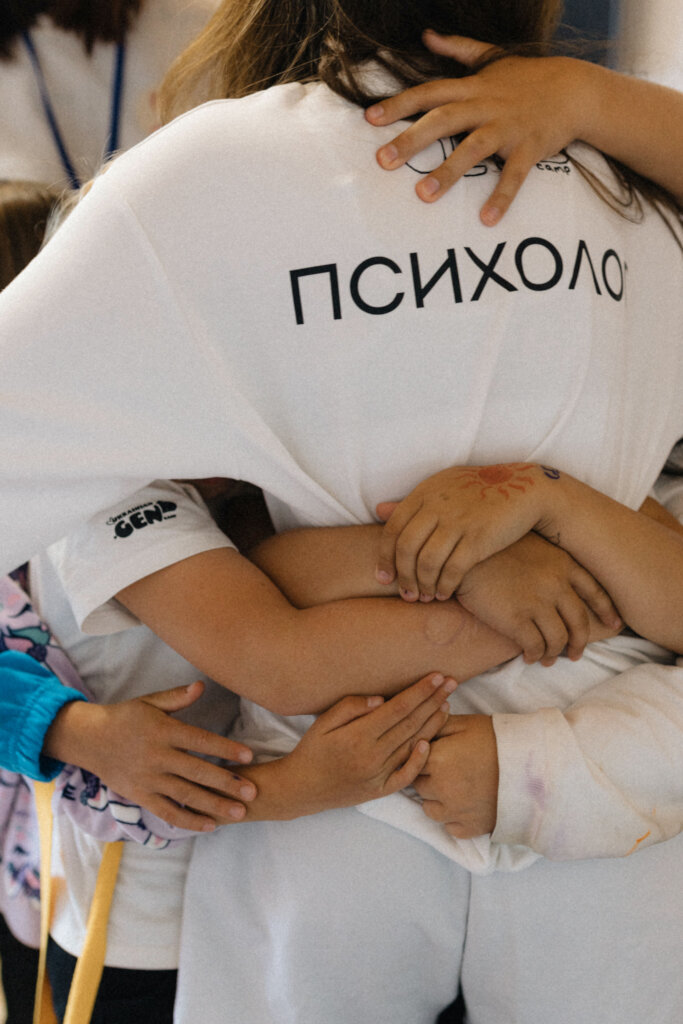
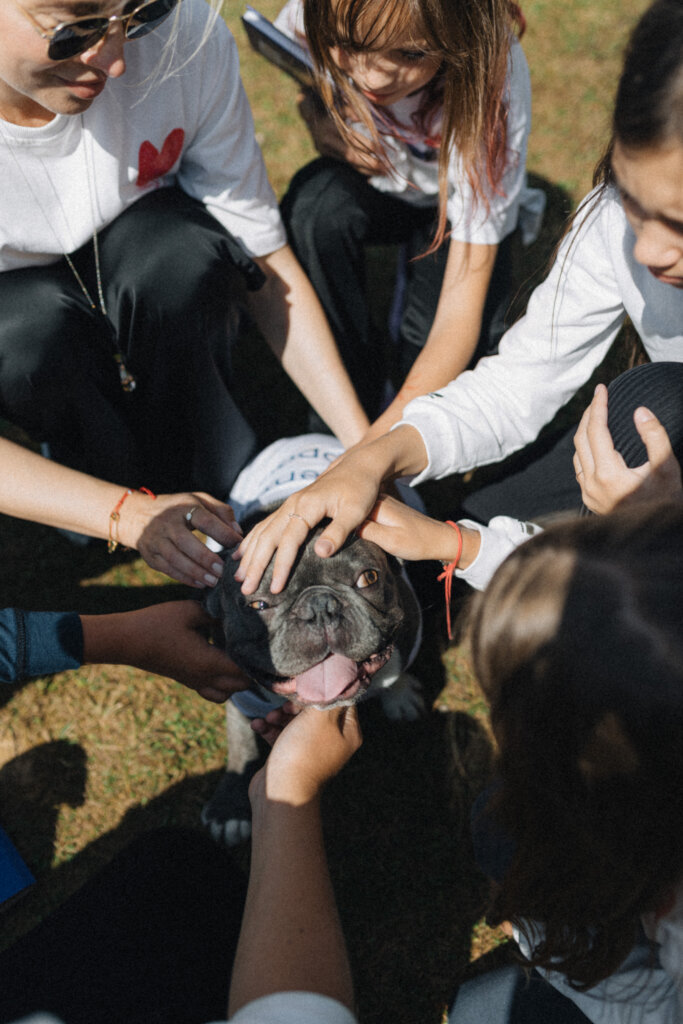
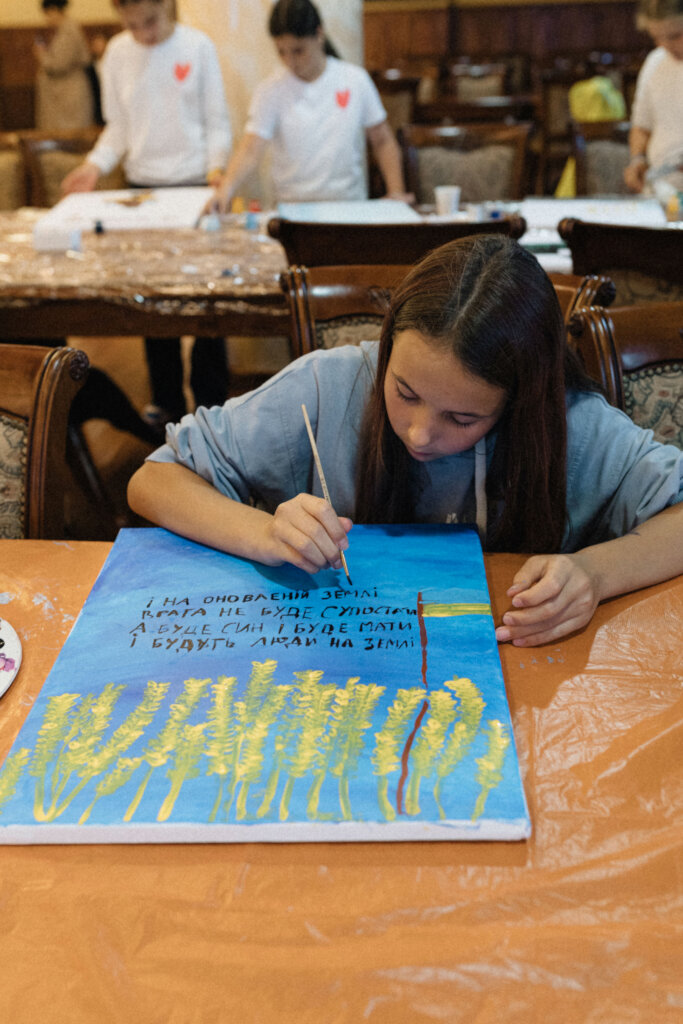
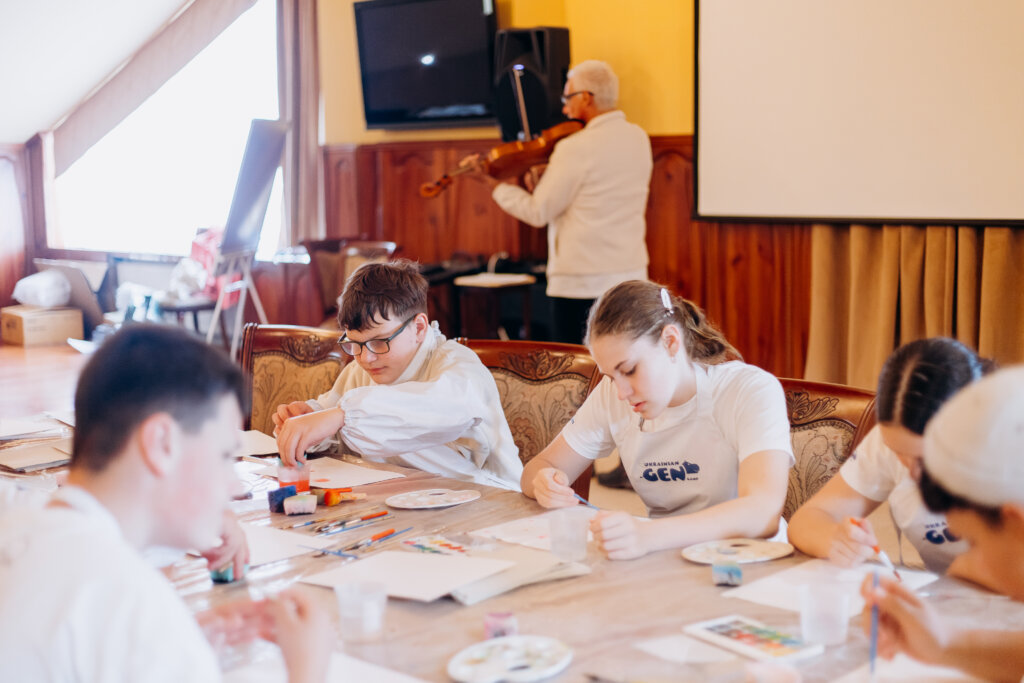
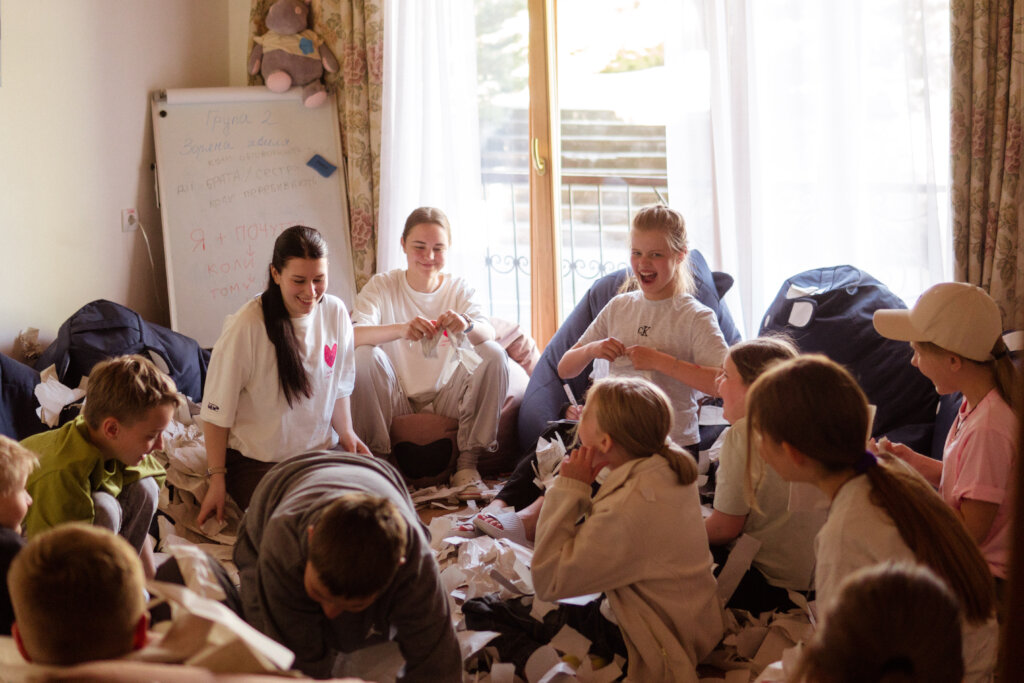
The programme combined individual therapy, group sessions, art therapy, body-based practices, sports, structured daily routines, and time for rest and connection. Children worked with psychologists both individually and in groups. They also took part in creative activities, social-emotional learning, and daily routines designed to help the nervous system feel safer and more stable.
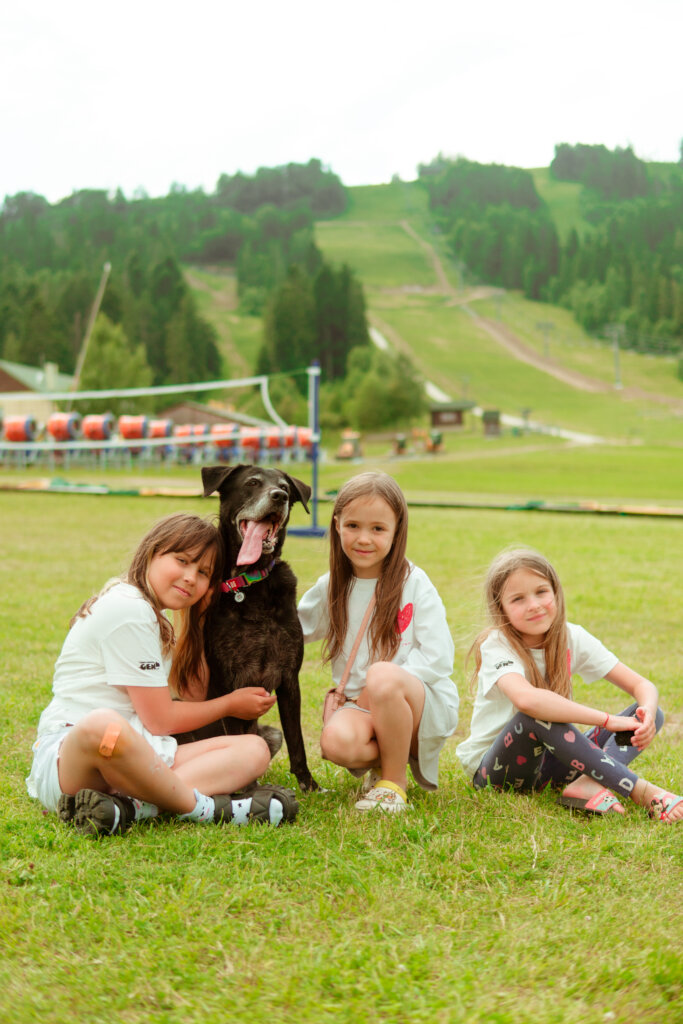
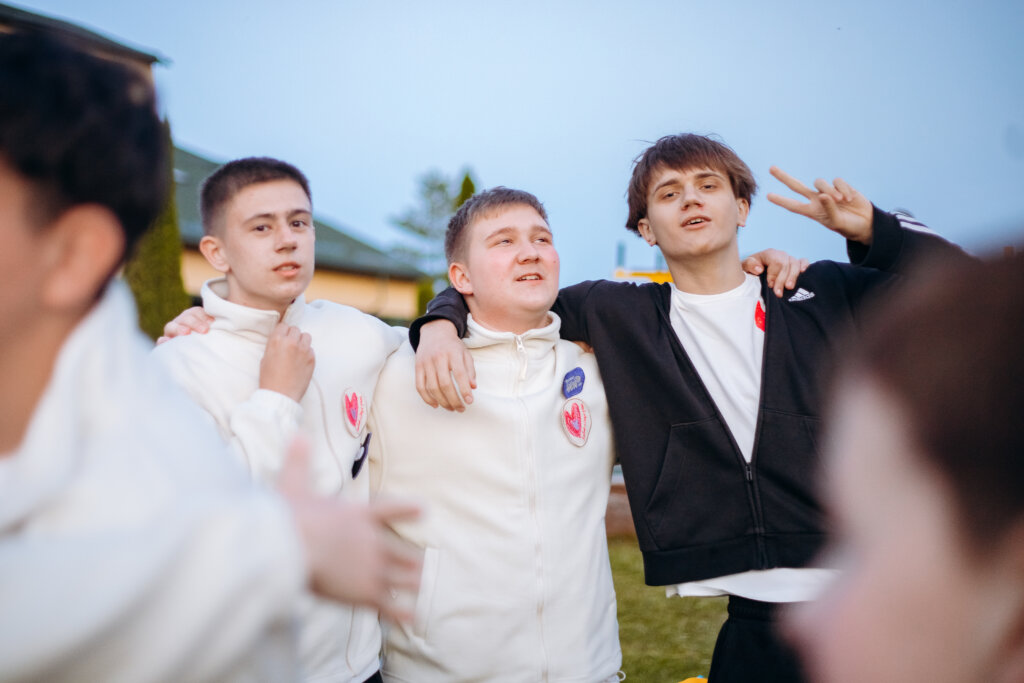
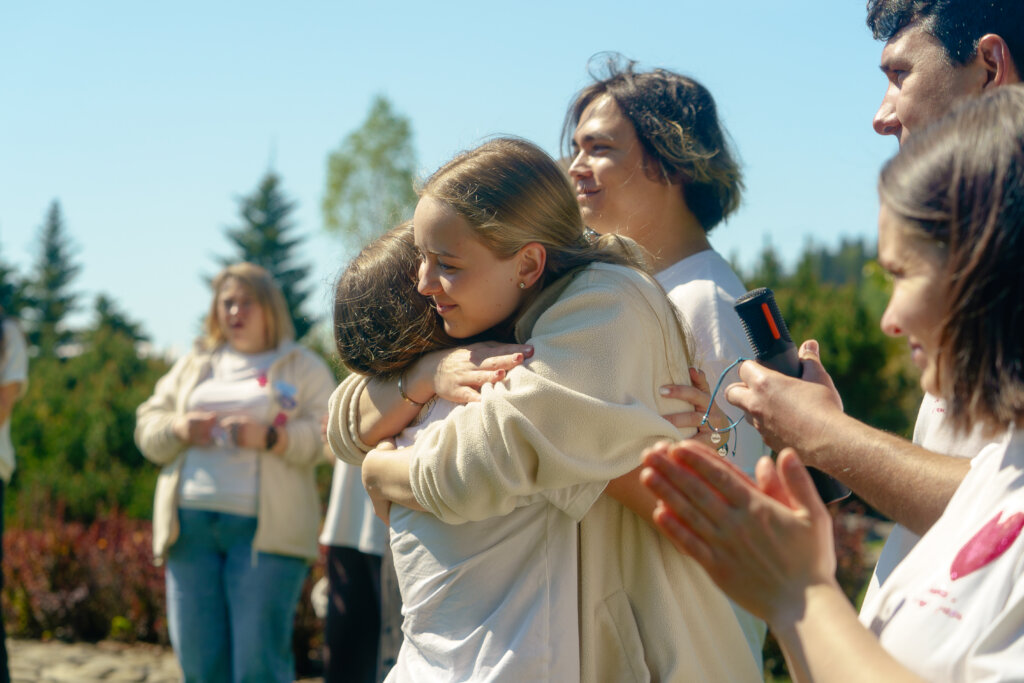
A very important part of the camp was the peer environment. Many children with missing parents feel isolated in everyday life. They may not know anyone with a similar experience. At Gen.Camp, they meet other children who understand this pain without long explanations.
One teenager said after the programme:
“In Gen.Camp, everything is created for children like me. In society, care for children of missing persons is often limited to a minute of silence.”
Another child, who had been very anxious at the beginning of the camp, said by the end:
“I now understand that my dad may not come back. But now I can live with this thought.”
These words are difficult to read. But they also show why this work is needed. The goal is not to take away the child’s pain. The goal is to help the child carry it in a safer way, with support, dignity, and connection.
We also measured children’s psycho-emotional state before and after the programme using validated psychological tools. The results showed meaningful positive changes.
After the 21-day intensive:
86.3% of children showed a reduction in trauma-related symptoms;
the share of children with low levels of PTSD symptoms increased from 40% at the beginning to 70% by the end of the programme;
70.6% of children reported that their feelings connected to the traumatic event had become easier to experience than at the start.
In practical terms, this means that children had fewer intrusive memories, less avoidance, more emotional stability, better communication, and more tools for self-regulation.
Gen.Camp is part of a longer support pathway. After the intensive programme, many children continue to need psychological care, support from parents and caregivers, and, in some cases, referral to specialised services.
That is why Gen.Ukrainian is building an ecosystem around the child: follow-up support through the Continuity Programme, guidance for families, supervision and training for psychologists, and education for professionals who work with children in schools, communities, and public services. Our goal is to make sure children are not left alone with their trauma, but continue to receive care from adults who understand trauma and know how to support them safely.
GlobalGiving supporters are part of the wider circle that makes this work possible. Your donations help us keep building and sustaining support for children who have lived through loss, uncertainty, displacement, shelling, and fear.
Together, we are helping them feel seen, supported, and less alone. Together, we are helping them reclaim their right to childhood.
THANK YOU.
Links:
By Alyona Saprykina | Head of Partnerships, Gen.Ukrainian
By Yuliia Nikolaichuk | Gen.Ukrainian Partnerships and Development Manager
Project reports on GlobalGiving are posted directly to globalgiving.org by Project Leaders as they are completed, generally every 3-4 months. To protect the integrity of these documents, GlobalGiving does not alter them; therefore you may find some language or formatting issues.
If you donate to this project or have donated to this project, you can receive an email when this project posts a report. You can also subscribe for reports without donating.



Support this important cause by creating a personalized fundraising page.
Start a Fundraiser