By Nancy Baker | Communications Director
After a year of COVID lock down in the Peruvian Amazon, our aquaponics project in Yarinacocha is getting back on track.
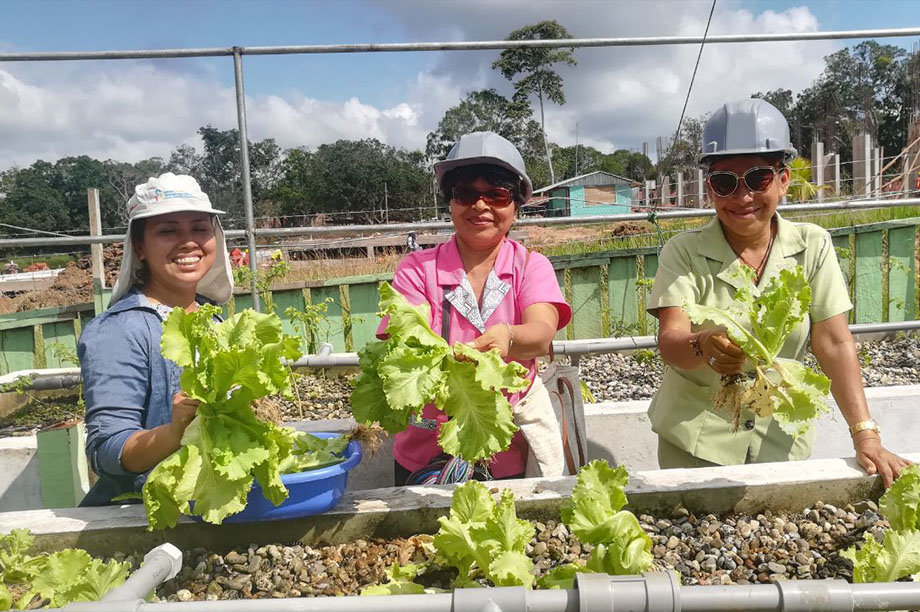
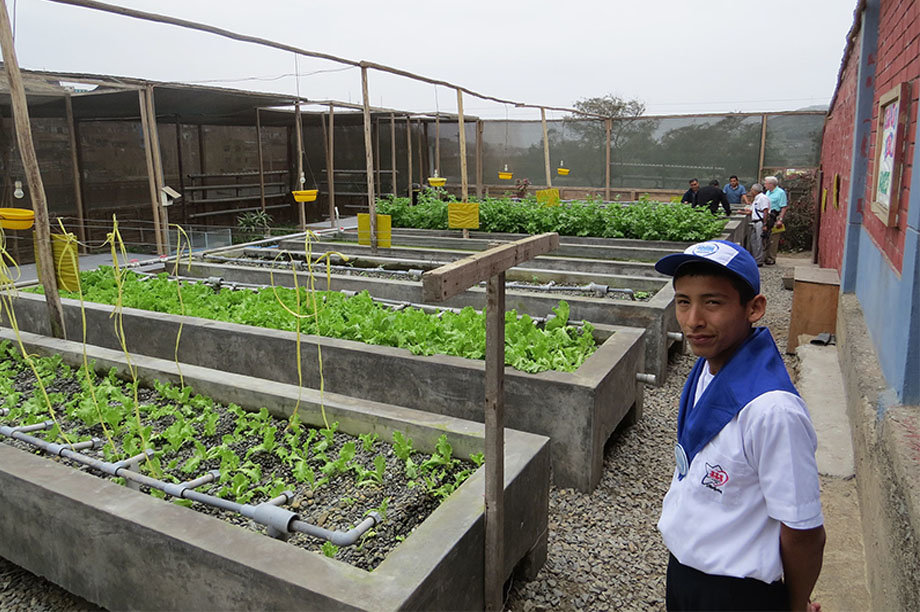
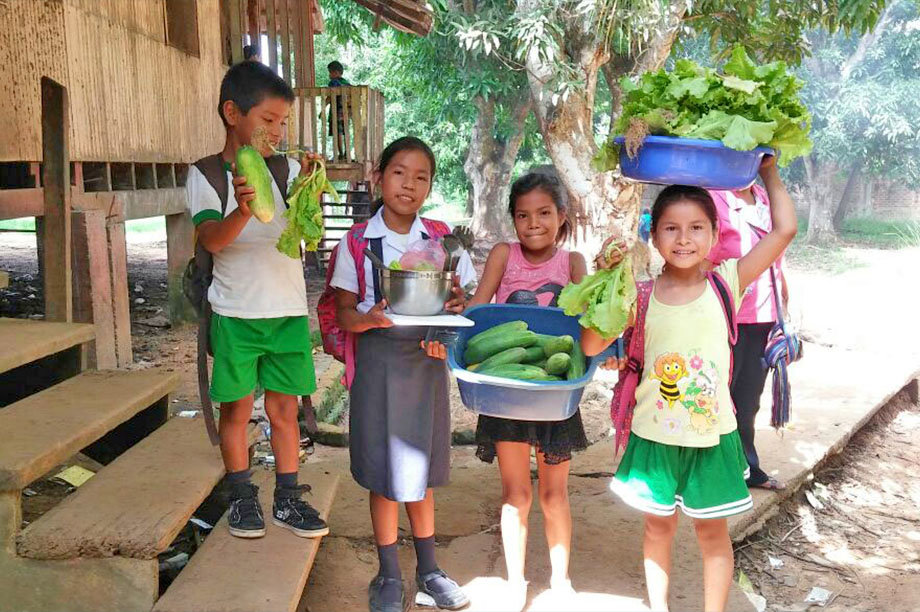
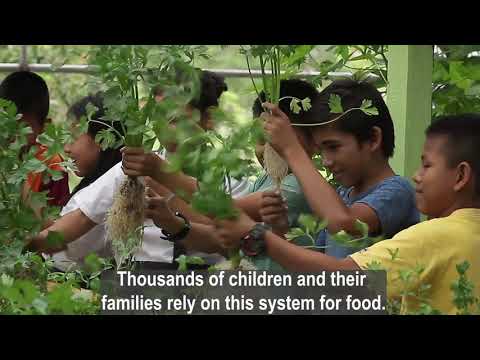
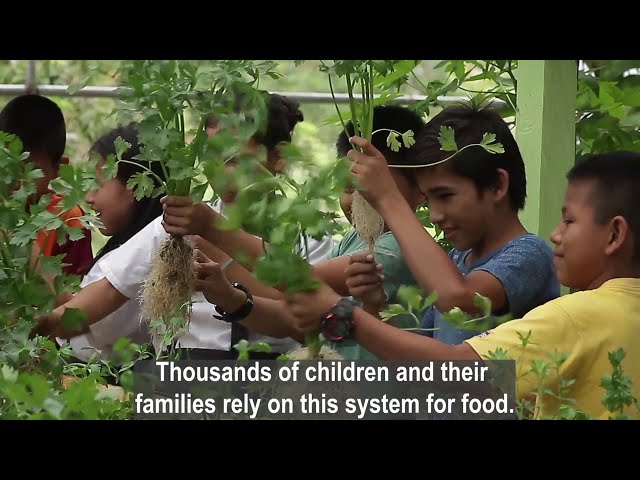
Several years ago, INMED Andes implemented a commercial-scale aquaponics system at the Instituto Superior Pedagógico Bilingüe de Yarinacocha to bolster agricultural productivity, climate resilience and economic empowerment for the surrounding indigenous community, as well as to provide better nutrition and food security for the children who attend the primary school on campus and their families.
In addition to increasing access to fresh produce and fish among the indigenous Shipibo-Conibo tribe, INMED led comprehensive technical and operational trainings, workshops and skills development opportunities in aquaponics and climate-smart agriculture for local students, teachers-in-training, educators and community members. The INMED Aquaponics® system also became a vital resource for researchers from the Universidad Nacional Intercultural de la Amazonía and the Instituto de Investigación de la Amazonia Peruana for climate-smart agriculture research—as well as a tool for fostering environmental regeneration and protecting local biodiversity.
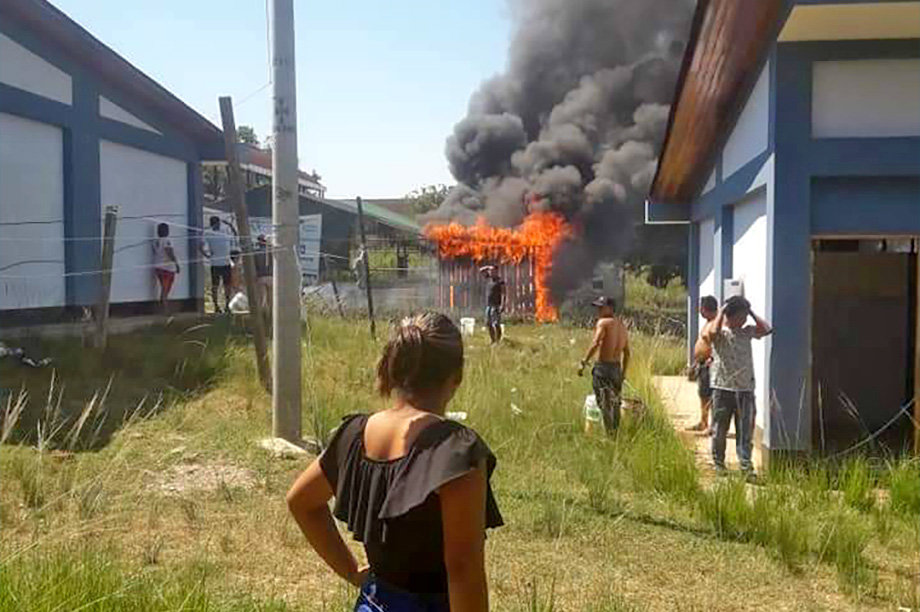
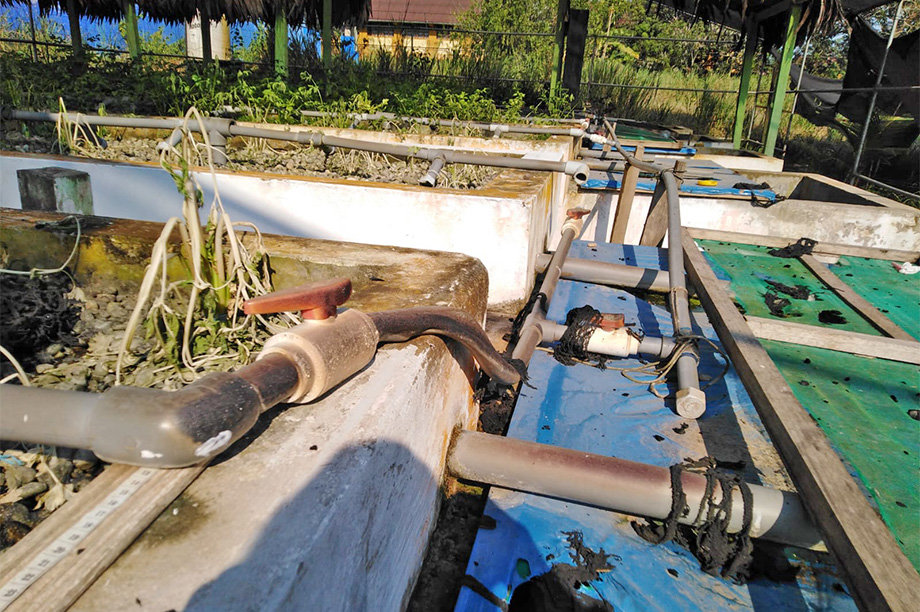
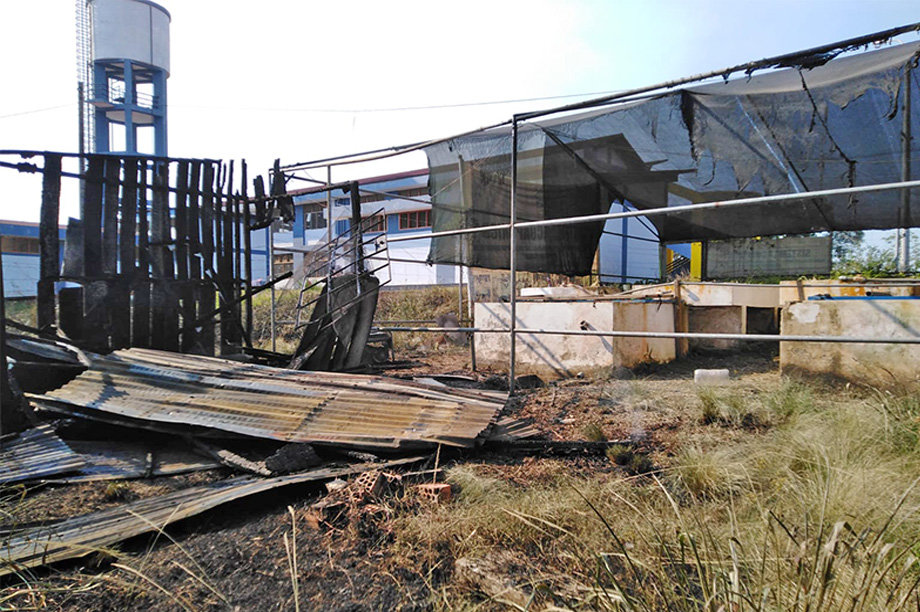
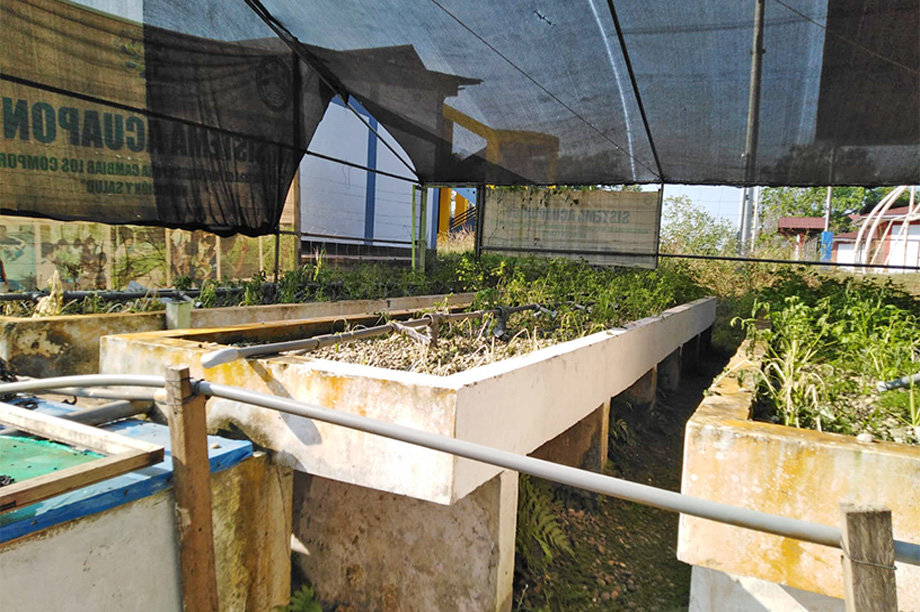
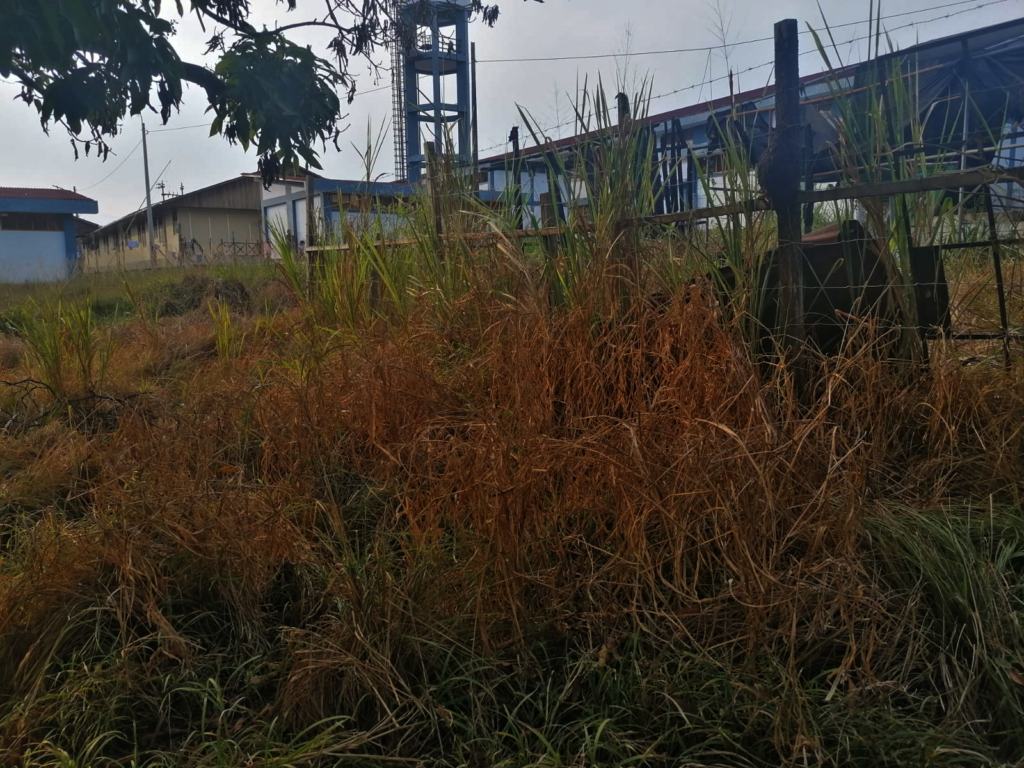
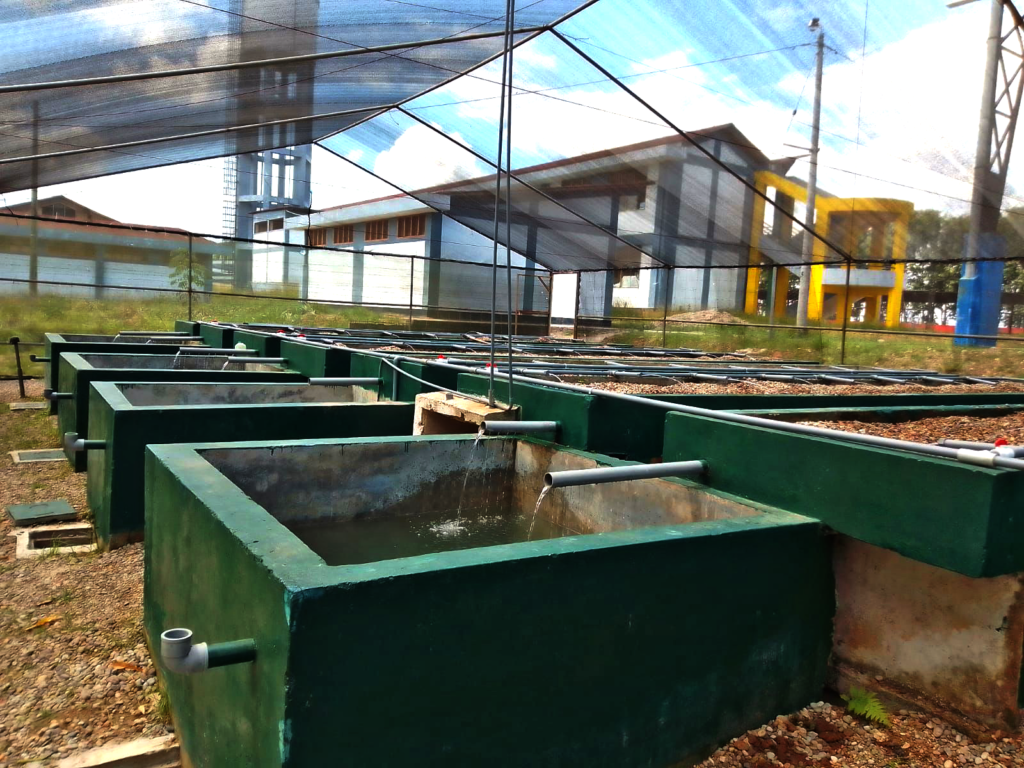
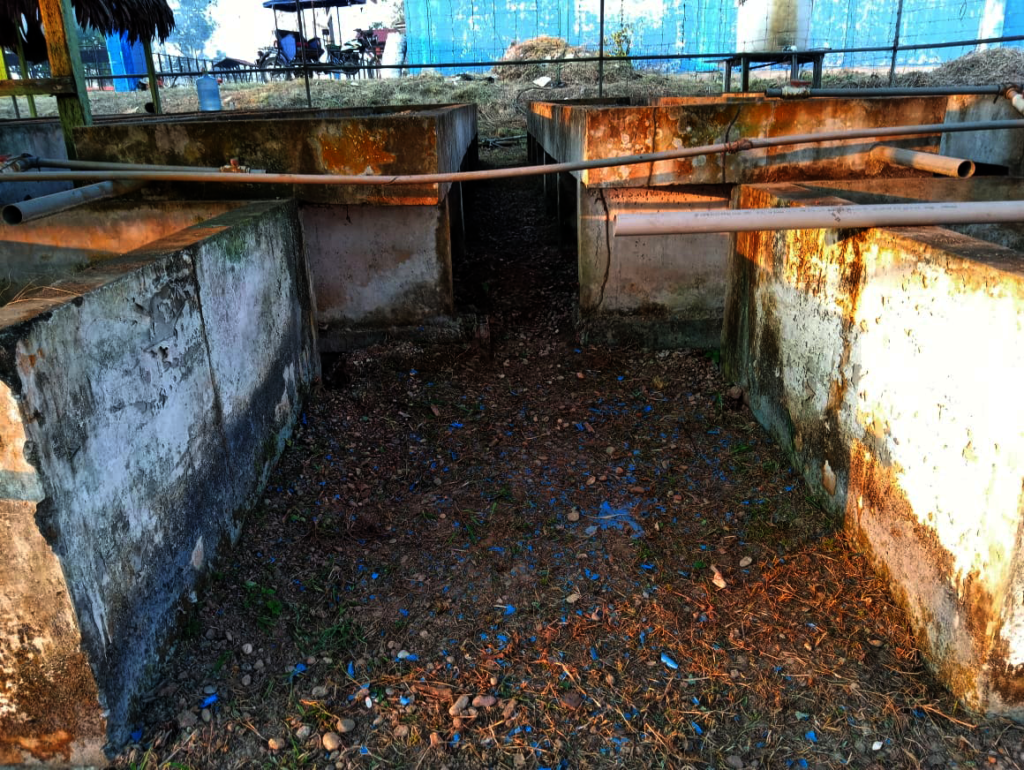
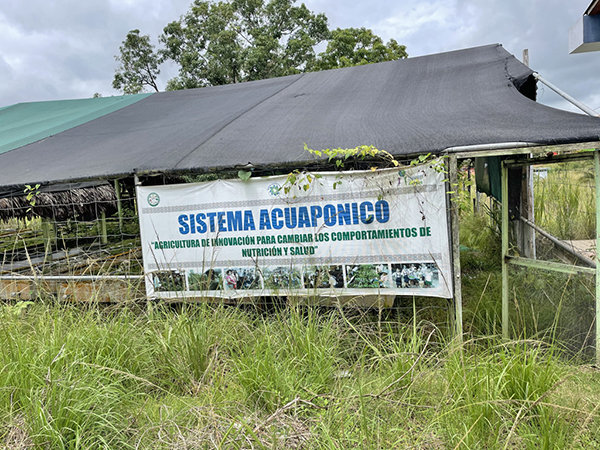
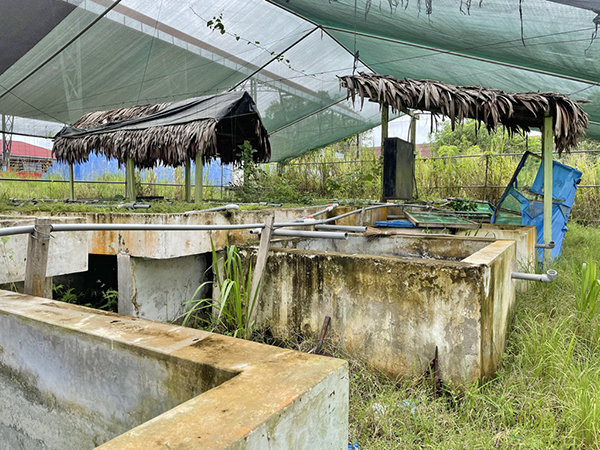
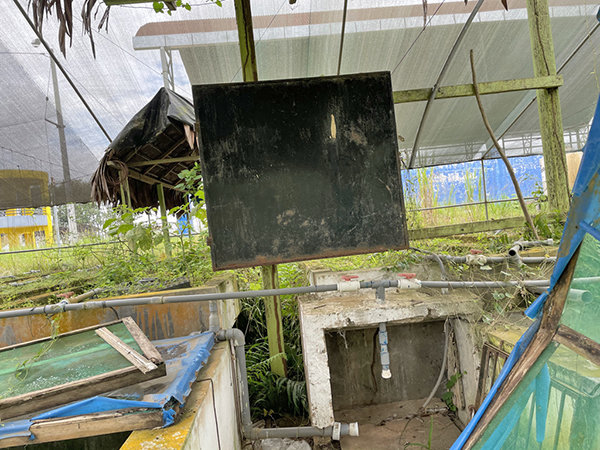
After a fire swept through campus in late 2020, the system was damaged to the point of being inoperable. However, true to form, the infrastructure proved resilient. Thanks to an influx of donations from GlobalGiving donors like you and funding from two foundations, the system is being built back better than ever. Our team at INMED Andes has worked tirelessly since August to spruce up the growbeds and fish tanks, repair the plumbing and install a new shade net.
A special feature of the system is solar power, which is the first of its kind in the region. According to INMED Andes Country Director Fernando Perez, MD, the cost of energy in the Peruvian Amazon is extremely high. Implementing solar power will allow the system to operate independently, reducing costs and protecting the environment. It is expected that the solar system will also generate other widespread benefits across the region.
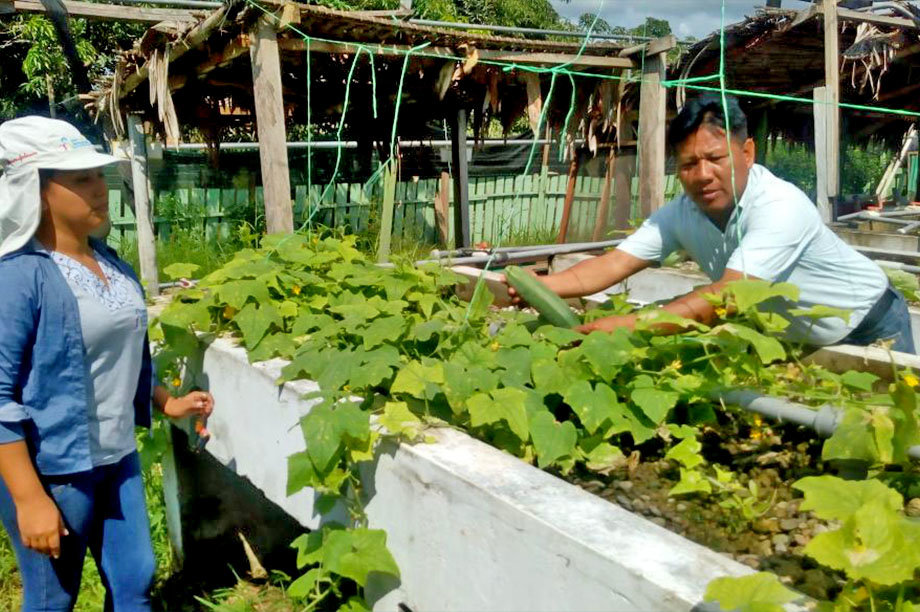
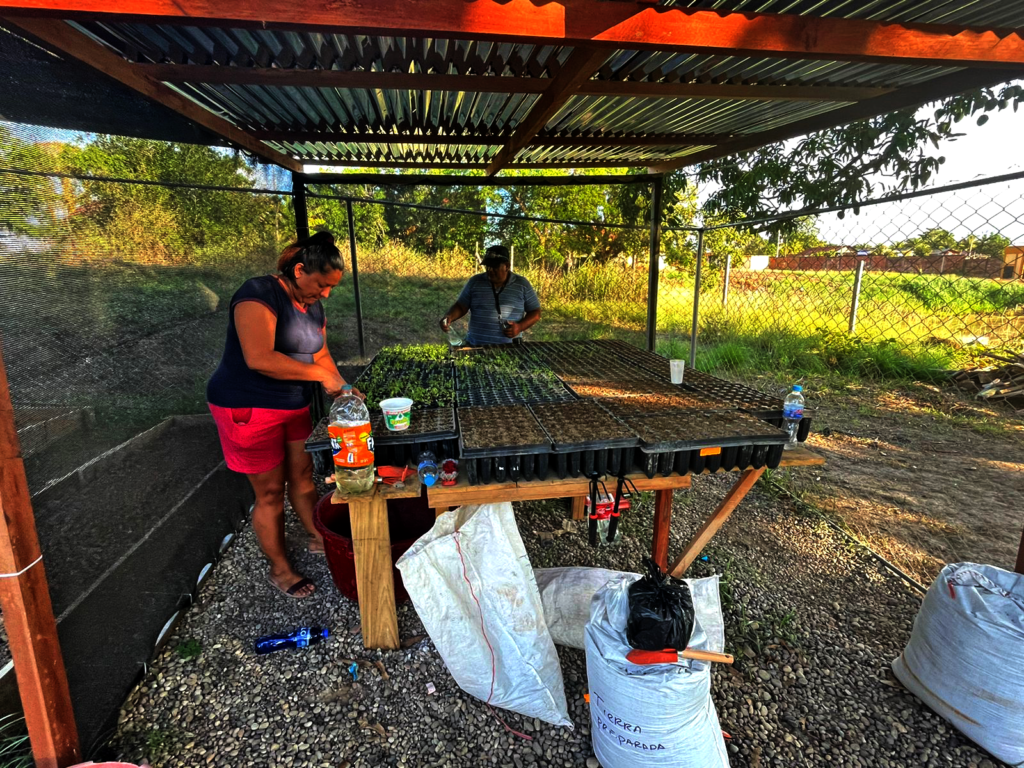
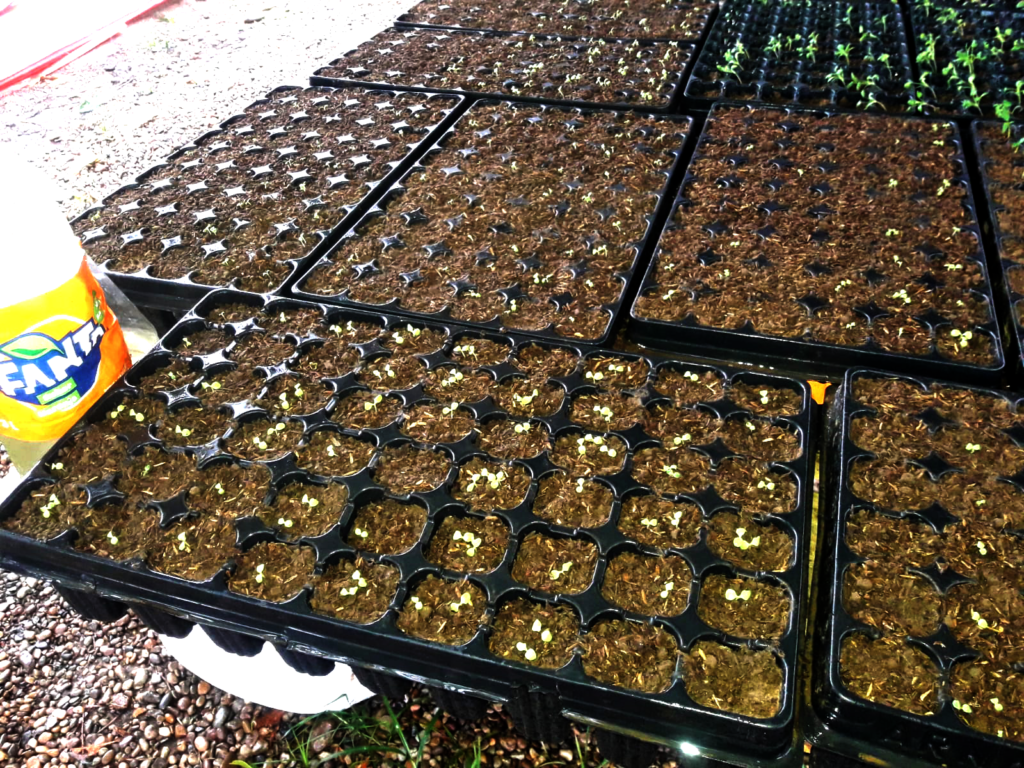
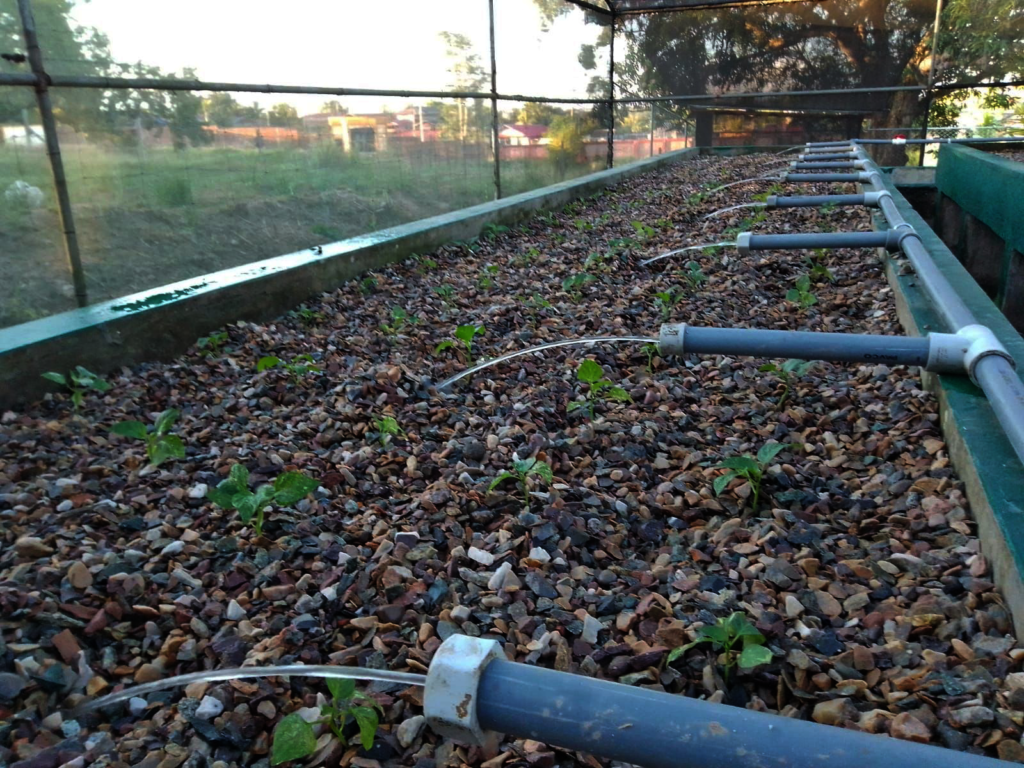
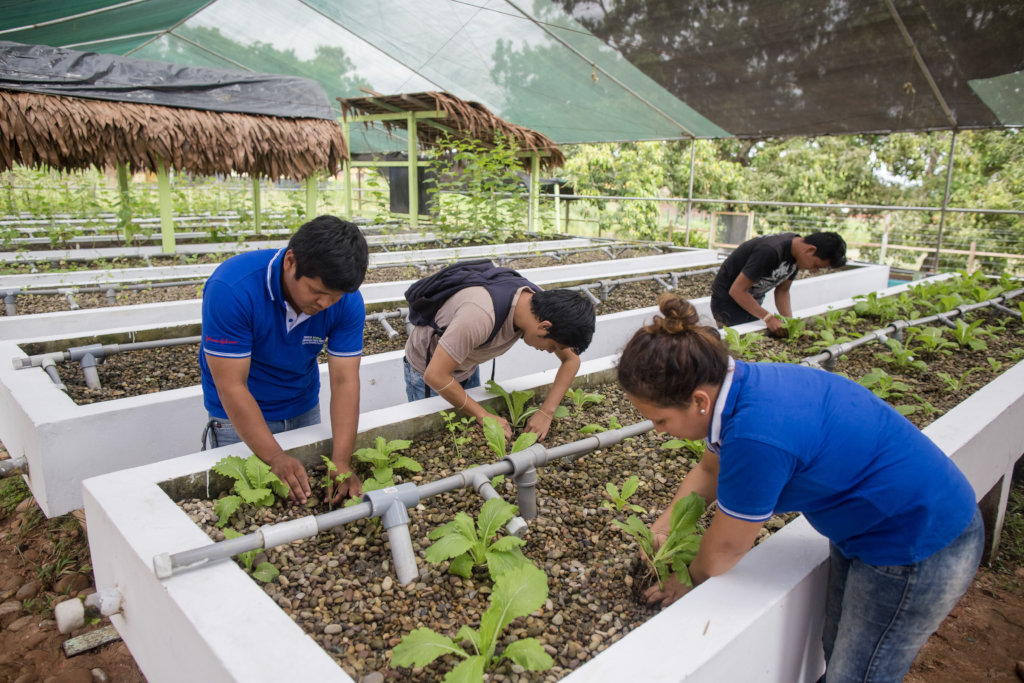
This month, our team is planting seedlings in the growbeds and preparing the fish tanks for fingerlings. The first harvest of crops is projected for the second week of January 2022, which our team, partners and Shipibo-Conibo community eagerly await.
Thank you for your generous support and interest in this project. If you haven't done so already, please consider becoming a recurring donor to help us scale the impact in a very distressed region.
By Nancy Baker | Communications Director
By Nancy Croft Baker | Communications Director
Project reports on GlobalGiving are posted directly to globalgiving.org by Project Leaders as they are completed, generally every 3-4 months. To protect the integrity of these documents, GlobalGiving does not alter them; therefore you may find some language or formatting issues.
If you donate to this project or have donated to this project, you can receive an email when this project posts a report. You can also subscribe for reports without donating.