By Eena Geslaine Barrun | Team Manager
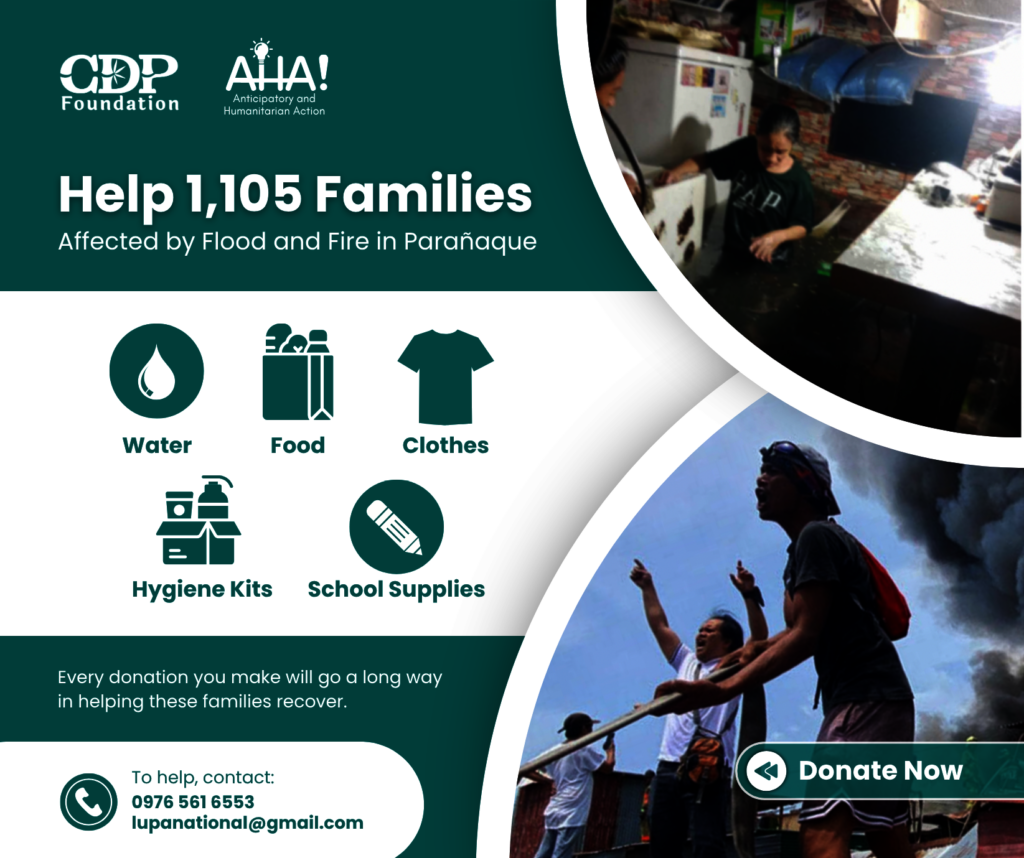
In May 2025, CDP Foundation Inc. (CDPFI) was contacted by its partner organization, LUPA-Pilipinas, to request urgent support for families affected by severe flooding in Barangay Moonwalk, Parañaque City. Several days of continuous rainfall, worsened by ongoing construction activities—reportedly related to a nearby DMCI project—resulted in significant flooding across multiple sitios, damaging homes and displacing residents.
The affected communities include:
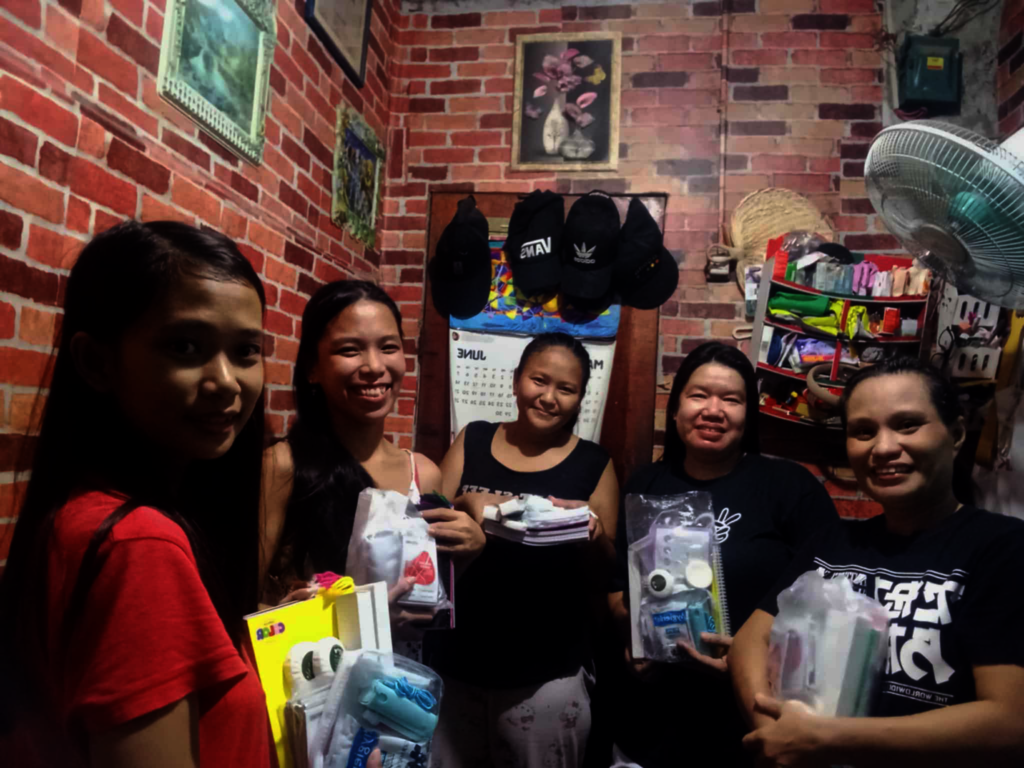
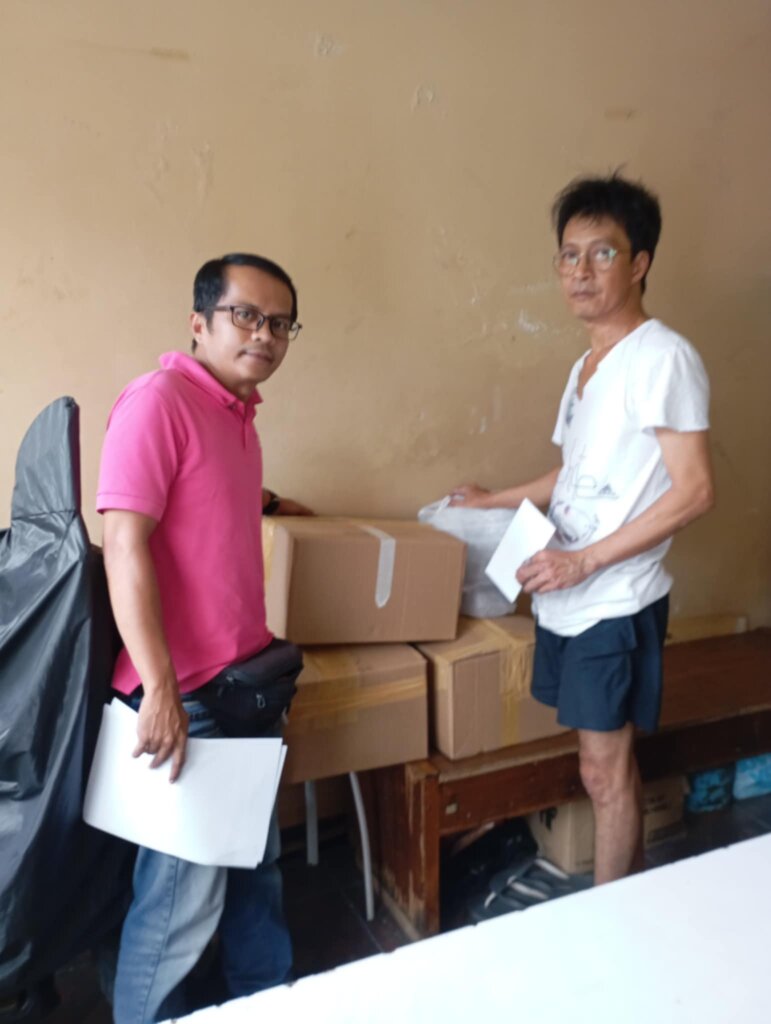
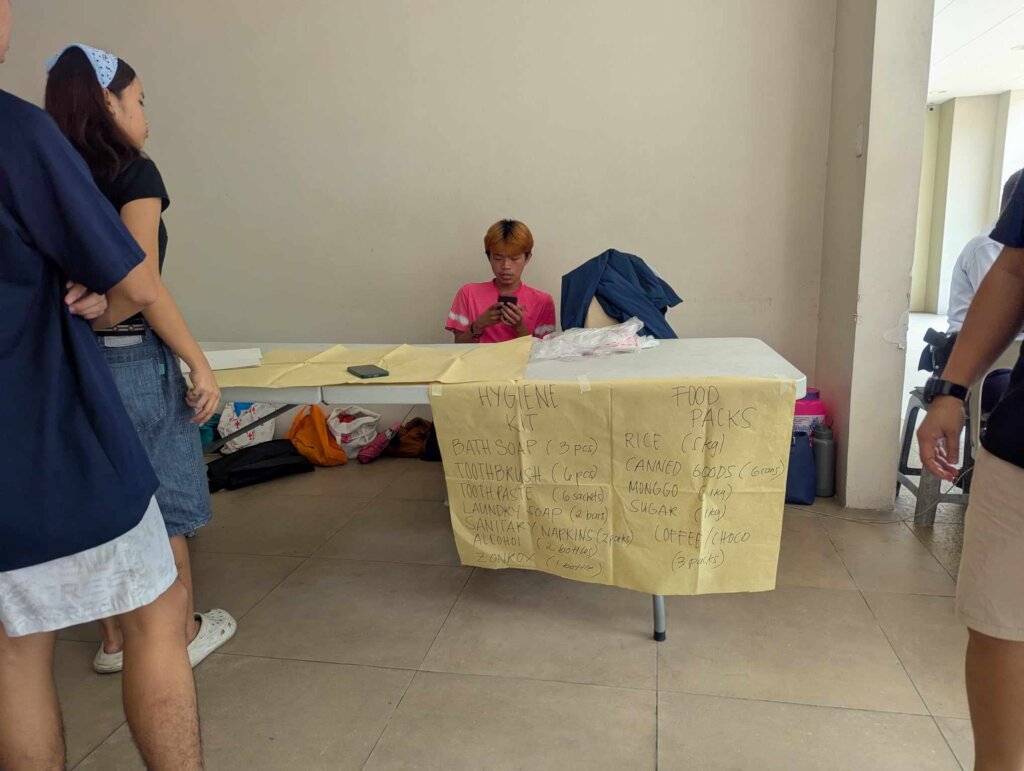
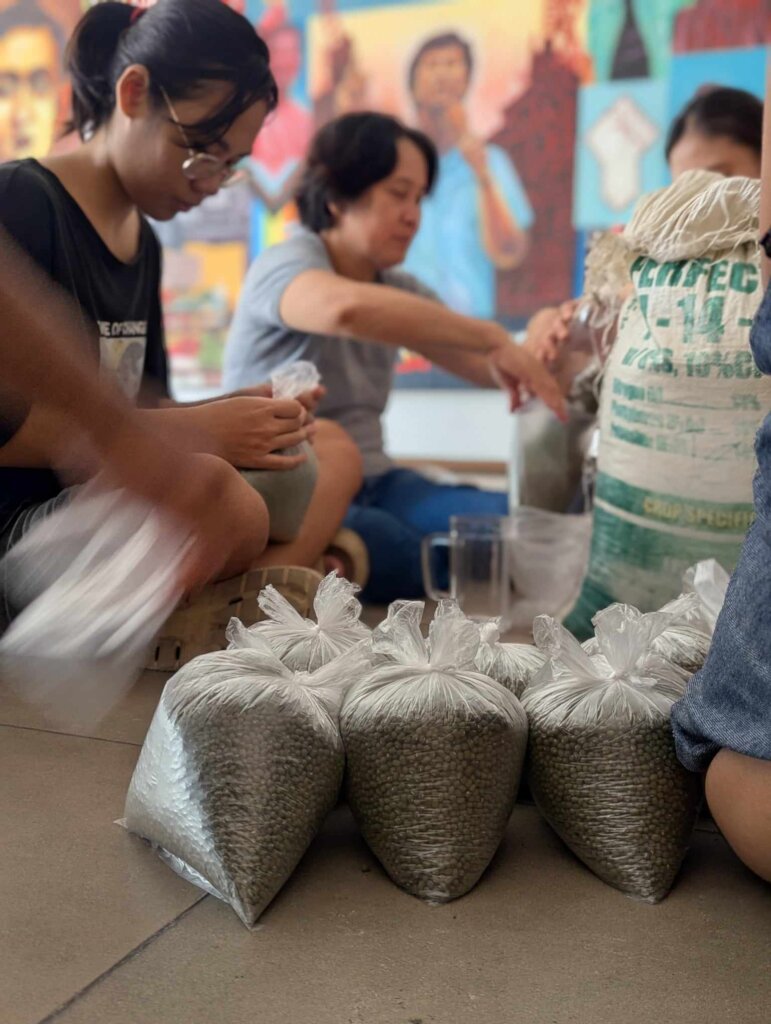
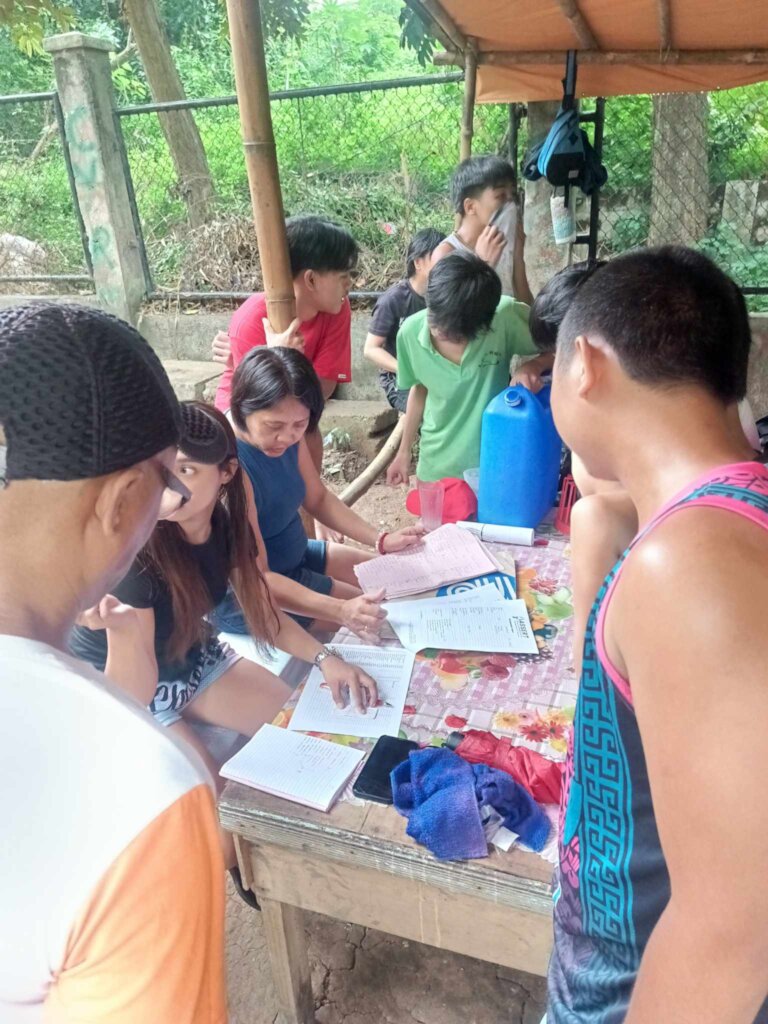
CDPFI was able to conduct an internal call for donations among its staff and was able to gather the following, along with a cash donation from the Adventist Church Services (ACS): First-aid and hygiene kits, emergency blankets, work lights, hand-pressed flashlights, facemasks, thermometer, handy health kits, oats, granola bars, canned goods, drinking water, and school supplies.
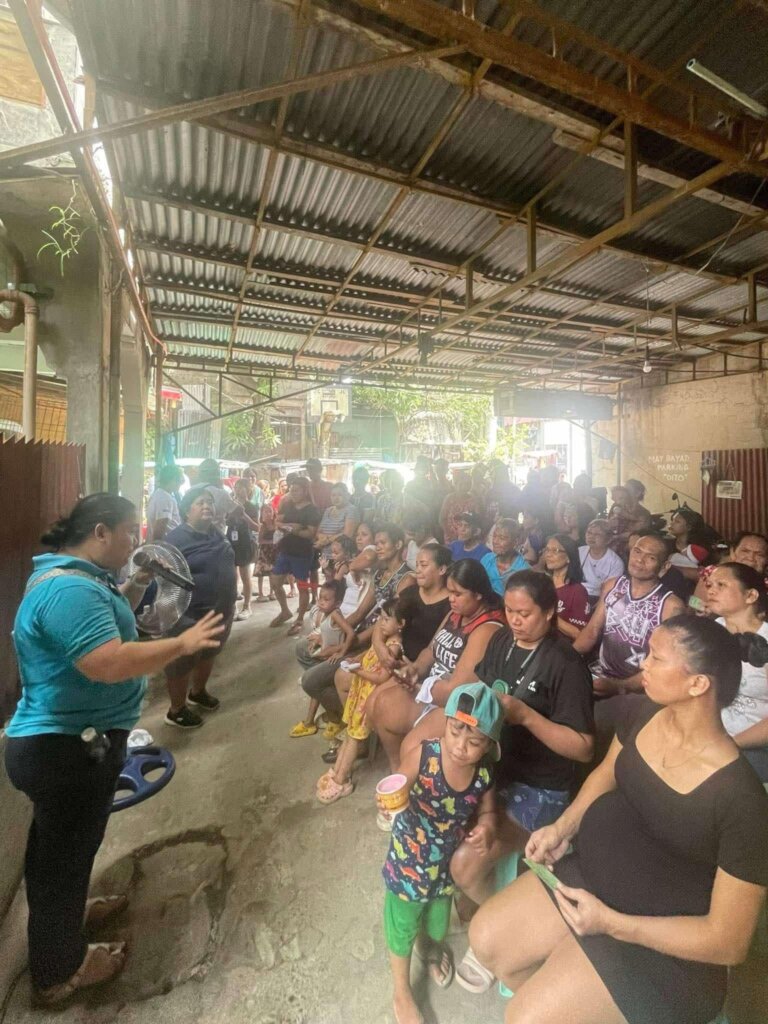
CDPFI was able to mobilize immediate relief assistance. With limited resources, LUPA-Pilipinas made the strategic decision to prioritize children and affected students to maximize the impact of their response. Relief items were distributed discreetly following a community meeting, ensuring dignity and minimizing conflict in light of the resource constraints.
According to Ms. Marinel Cueno, Women’s Committee Head of LUPA-Pilipinas, the support—though modest—was warmly received and made a meaningful difference. While the community is gradually recovering, there is heightened anxiety as the rainy season approaches once again.
Looking Ahead: From Relief to Resilience
This incident marked the first reported case of flooding in the area, with residents attributing the cause to a nearby construction project. The next crucial step is coordinating with the local government to address the root causes and mitigate future risk.
Reflecting on the experience, Ms. Cueno shared insights on how it has shaped LUPA-Pilipinas’ perspective on preparedness and anticipatory action. She emphasized the urgent need for capacity building and disaster preparedness across all partner communities.
“In these hazardous times—whether from fire or flooding—it is not enough for a single community to be prepared,” she said. “We need trained leaders who can cascade knowledge to their members. If we can build the capacity of at least three leaders each in South Manila, Quezon City, Malabon, and Bulacan, our communities will be significantly safer and more resilient.”
By Eena Geslaine Barrun | Team Manager
By Eena Barrun | Team Manager
Project reports on GlobalGiving are posted directly to globalgiving.org by Project Leaders as they are completed, generally every 3-4 months. To protect the integrity of these documents, GlobalGiving does not alter them; therefore you may find some language or formatting issues.
If you donate to this project or have donated to this project, you can receive an email when this project posts a report. You can also subscribe for reports without donating.



Support this important cause by creating a personalized fundraising page.
Start a Fundraiser