By AMINA MUCHAPA Gisele | Chefe de projet/Coordinatrice nationale de FOCHI
French Version
Résumé Exécutif
Au cours de la période allant de mai à juillet 2026, la Fondation Chirezi (FOCHI) a mis en œuvre avec succès le projet de renforcement du leadership féminin pour la paix et la relance économique communautaire dans la ville d'Uvira. Le projet visait à renforcer les capacités de 75 femmes leaders affectées par les conflits armés et la pauvreté afin qu'elles deviennent des actrices de paix et de développement économique au sein de leurs communautés.
La mobilisation et la sensibilisation de 75 femmes leaders communautaires ; La formation de 75 participants sur la gestion des conflits, le leadership féminin et la relance économique locale ; La création de trois Associations Villageoises d'Épargne et de Crédit (AVEC) ; cohésion sociale et à l'amélioration des moyens de subsistance des participants et de leurs ménages.
2. Contexte du projet
La situation humanitaire dans l'Est de la République Démocratique du Congo demeure marquée par les conséquences des conflits armés récurrents qui ont provoqué d'importants mouvements de populations au cours des dernières années. Dans le territoire d'Uvira, particulièrement dans la Plaine de la Ruzizi, les localités de Sange, Luvungi, Katogota et leurs environs accueillent aujourd'hui de nombreux réfugiés congolais retournés du Burundi ainsi que des personnes déplacées internes ayant fui les violences armées dans différentes zones du Sud-Kivu. Après plusieurs mois, voire une année de refuge ou de déplacement, les ménages retournés et déplacés font face à d'énormes difficultés de réintégration socio-économique. Les femmes et les jeunes sont particulièrement touchés par cette situation en raison de la perte de leurs moyens de subsistance, du faible accès aux ressources productives, de la précarité économique et de leur faible participation aux mécanismes communautaires de prise de décision et de résolution des conflits. L'arrivée massive des populations réfugiées et déplacées exerce également une pression importante sur les ressources locales déjà limitées, notamment les terres agricoles, les opportunités économiques et les services sociaux de base. Cette situation favorise parfois des tensions entre communautés d’hôtes, retournées et déplacées internes, fragilisant davantage la cohésion sociale et la coexistence pacifique dans la région. Face à ces défis, la Fondation Chirezi (FOCHI) a lancé ce projet afin de renforcer le rôle des femmes leaders issues des communautés hôtes, des réfugiés congolais retournés du Burundi et des déplacés internes de la Plaine de la Ruzizi dans la consolidation de la paix et le développement local. À travers la mise en place de trois Associations Villageoises d'Épargne et de Crédit (AVEC), le projet vise à promouvoir l'autonomisation économique des femmes, renforcer leur résilience face aux chocs socio-économiques et développer leur participation active à la prévention et à la gestion pacifique des conflits communautaires.
3. Activités Réalisées
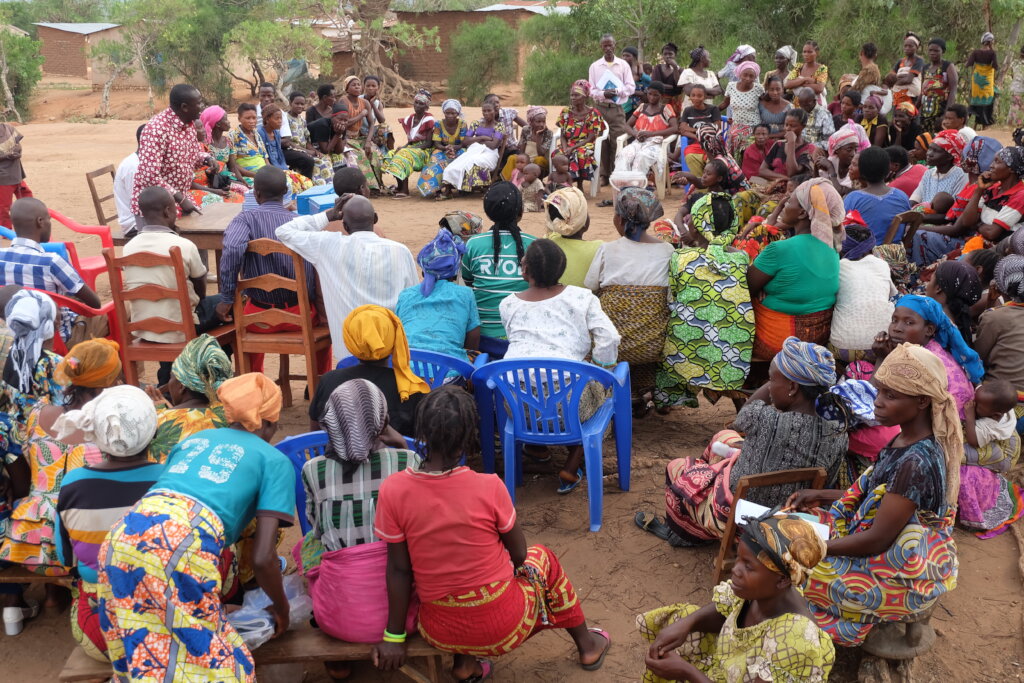
Activité1 : Mobilisation et Sensibilisation des Femmes LeadersDurant le mois de mai 2026, plusieurs réunions communautaires ont été organisées dans différents quartiers d'Uvira.Résultats obtenus75 femmes leaders identifiées et enregistrées ;6 réunions communautaires réalisées ;Plus de 250 membres de la communauté sensibilisée sur la participation des femmes à la paix locale.Les participantes provenaient notamment des quartiers de Kasenga, Kalundu, Mulongwe et Kavimvira.
Activité 2 : Formation des Femmes Leaders Une série de formations intensives de cinq jours a été organisée. Modules développés Leadership féminin et gouvernance communautaire ; Prévention et gestion des conflits ; Médiation communautaire ; Gestion financière simplifiée ; Fonctionnement des AVEC ; Entrepreneuriat local.
Activité 3 : Création des 3 Supers AVECTrois Associations Villageoises d'Épargne et de Crédit ont été officiellement constituées.AVEC crééesAVEC UviraAVEC SangeAVEC LuvungiChaque AVEC compte 25 membres.RésultatsStatuts et règlements intérieurs élaborés ;Comités élus ;Calendriers de cotisation adoptés.
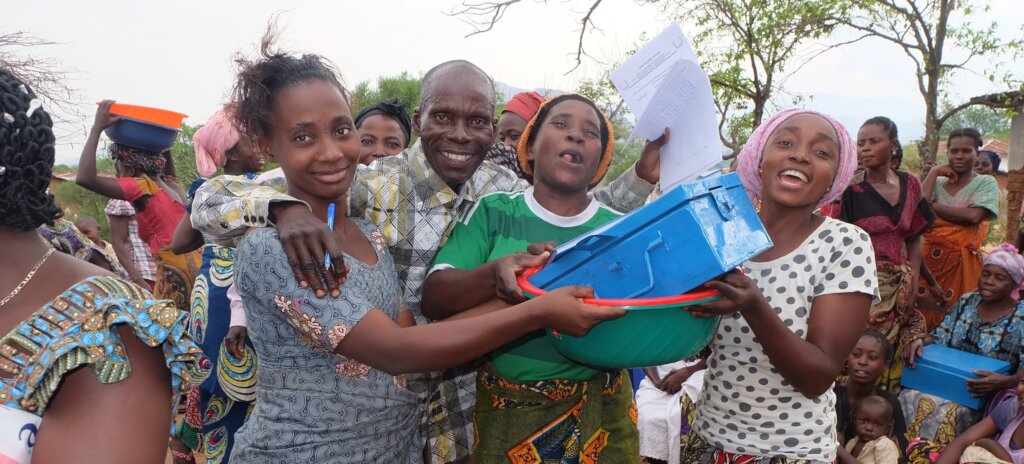
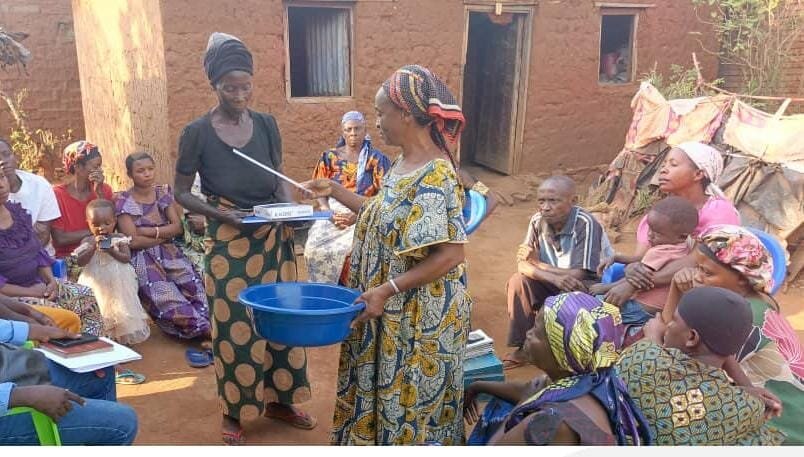
Activité 4 : Distribution des Kits de DémarrageLes trois groupes attendent recevoir les équipements nécessaires au fonctionnement de leurs activités.Kits distribuésCoffres sécurisés ;Carnets d'épargne ;Registres ;Calculatrices ;Tampons officiels ;Fournitures administratives.Ces kits vont renforcer la crédibilité et la transparence des groupes.
Activité 5 : Mise à Disposition des Fonds de DémarrageUn montant total de 3 600 USD sera transféré aux trois AVEC.RépartitionAVEC Uvira : 1 200 USDAVEC Sange : 1 200 USDAVEC Luvungi : 1 200 USDCes fonds vont permettre le lancement des premiers microcrédits destinés aux activités génératrices de revenus.Activité 6 : Assistance Technique et Suivi FOCHI va assurer un accompagnement continu.Actions réalisé12 visites de terrain ;Sessions de coaching mensuelles ;Suivi des remboursements ;Appui à la tenue des registres financiers.Principales activités à financer par les crédits Petit commerce ;Vente de produits agricoles ;Transformation alimentaire ;Couture ;Commerce transfrontalier de petite échelle.
4. Résultats Attentes
5. Témoignages
des Bénéficiaires« Grâce à cette formation, les femmes ont participé aux réunions communautaires où les conflits ont été discutés. Elles vont se sentir capables de contribuer à la recherche de solutions. »25 Membre de 3 AVEC d'Uvira« Le crédit obtenu m'a permis de relancer mon petit commerce de légumes. Aujourd'hui je peux subvenir aux besoins de mes enfants. »25 Membre de l'AVEC de Sange et 25 membres de l'AVEC de Luvungi6.
6. Difficiles Rencontrées
Déplacements limités dans certaines zones en raison de l'insécurité.Hausse des prix du transport local.Retards occasionnels liés aux conditions météorologiques.Ces défis seront surmontés grâce à une planification flexible et à l'implication active des dirigeants communautaires.
7. Impact observé
Après trois mois d'exécution :Les femmes participent davantage aux mécanismes communautaires de paix.
Les trois AVEC fonctionnent régulièrement. Les premières activités économiques financées sont opérationnelles. La solidarité et la confiance entre les participants se sont renforcées.
Les bénéficiaires bénéficient désormais de mécanismes durables d'épargne et d'accès au crédit.
8. Leçons Apprises
L'approche AVEC constitue un outil efficace pour renforcer simultanément la cohésion sociale et l'autonomisation économique.
Les femmes leaders jouent un rôle déterminant dans la prévention des conflits locaux. L'accompagnement technique améliore régulièrement et considérablement la performance des groupes.
9. Conclusion
La première phase du projet va atteindre ses objectifs avec succès.
Les 75 femmes bénéficiaires disposeront désormais de capacités renforcées en leadership, gestion des conflits et gestion économique.
Les trois AVEC constituant des structures durables qui continueront à soutenir les initiatives économiques locales et la promotion de la paix dans la communauté.
FOCHI remercie chaleureusement GlobalGiving, ses donateurs ainsi que les communautés locales pour leur engagement dans la réussite de cette initiative.
Fait à Uvira, le 01 Juin 2026.
Pour la Fondation Chirezi « FOCHI »
Madame Amina GISELE
Coordinatrice.
English Version
1. Executive Summary
During the period from May to July 2026, the Chirezi Foundation (FOCHI) successfully implemented the project to strengthen women's leadership for peace and community economic recovery in the city of Uvira. The project aimed to build the capacity of 75 women leaders affected by armed conflict and poverty so that they could become agents of peace and economic development within their communities.
Key achievements include
The mobilization and awareness-raising of 75 women community leaders;
The project will contribute to strengthening social cohesion and improving the livelihoods of the participants and their households.
2. Project Context
The humanitarian situation in eastern Democratic Republic of Congo remains marked by the consequences of recurring armed conflicts that have caused significant population displacements in recent years. In the Uvira territory, particularly in the Ruzizi Plain, the localities of Sange, Luvungi, Katogota, and their surrounding areas are currently hosting numerous Congolese refugees returning from Burundi, as well as internally displaced persons who have fled armed violence in various areas of South Kivu.
After several months, or even a year, in refuge or displacement, returning and displaced households face enormous difficulties in socio-economic reintegration. Women and young people are particularly affected by this situation due to the loss of their livelihoods, limited access to productive resources, economic insecurity, and their limited participation in community decision-making and conflict resolution mechanisms.
The massive influx of refugees and displaced persons also places significant pressure on already limited local resources, including agricultural land, economic opportunities, and basic social services. This situation sometimes fosters tensions between host communities, returnees, and internally displaced persons, further weakening social cohesion and peaceful coexistence in the region.
Faced with these challenges, the Chirezi Foundation (FOCHI) initiated this project to strengthen the role of women leaders from host communities, Congolese refugees returning from Burundi, and internally displaced persons in the Ruzizi Plain in peacebuilding and local development. Through the establishment of three Village Savings and Loan Associations (VSLAs), the project aims to promote women's economic empowerment, strengthen their resilience to socio-economic shocks, and increase their active participation in the prevention and peaceful management of community conflicts.
3. Activities Carried Out
Activity 1: Mobilizing and Raising Awareness Among Women Leaders
During May 2026, several community meetings were organized in different neighborhoods of Uvira.
Results obtained
The participants came mainly from the neighborhoods of Kasenga, Kalundu, Mulongwe and Kavimvira.
Activity 2: Training for Women Leaders
A series of intensive five-day training courses was organised.
Modules developed
Results
The assessments showed a significant improvement in the participants' knowledge.
Activity 3: Creating the 3 Super WITHs
Three Village Savings and Credit Associations have been officially established.
WITH created
Each AVEC has 25 members.
Results
Activity 4: Distribution of Starter Kits
The three groups are waiting to receive the equipment necessary for the operation of their activities.
Kits distributed
These kits will enhance the credibility and transparency of the groups.
Activity 5: Provision of Start-up Funds
A total amount of USD 3,600 will be transferred to the three AVECs.
Distribution
These funds will enable the launch of the first microloans intended for income-generating activities.
Activity 6: Technical Assistance and Monitoring
FOCHI will provide ongoing support.
Actions taken
Main activities to be financed by loans
4. Results Achieved
Indicator
Foreseen
Accomplished
Women mobilized
75
75
Trained women
75
75
WITH created
3
3
Kits distributed
3
3
Funds to be distributed
USD 3,600
USD 3,600
Follow-up visits
12
12
Participation rate
90%
96%
5. Testimonials from Beneficiaries
“Thanks to this training, the women participated in community meetings where conflicts were discussed. They will feel empowered to contribute to finding solutions.”
25 Member of 3 AVEC of Uvira
“The loan I received allowed me to restart my small vegetable business. Today I can provide for my children.”
25 members of the AVEC of Sange and 25 members of the AVEC of Luvungi
6. Difficulties Encountered
These challenges will be overcome through flexible planning and the active involvement of community leaders.
7. Observed Impacts
After three months of implementation:
8. Lessons Learned
9. Conclusion
The first phase of the project will successfully achieve its objectives. The 75 women beneficiaries will now have enhanced capacities in leadership, conflict management, and economic management. The three Village Savings and Loan Associations (VSLAs) constitute sustainable structures that will continue to support local economic initiatives and promote peace within the community.
FOCHI warmly thanks GlobalGiving, its donors and local communities for their commitment to the success of this initiative.
Done at Uvira, on June 1, 2026.
For the Chirezi Foundation “FOCHI”
Mrs. Amina Gisele
By AMINA MUCHAPA Gisele | Chefe de projet/Coordinatrice nationale de FOCHI
Project reports on GlobalGiving are posted directly to globalgiving.org by Project Leaders as they are completed, generally every 3-4 months. To protect the integrity of these documents, GlobalGiving does not alter them; therefore you may find some language or formatting issues.
If you donate to this project or have donated to this project, you can receive an email when this project posts a report. You can also subscribe for reports without donating.