By Dr. Mukete Tahle Itoe,PhD | Project Team Lead & Supervisor
Introduction
The Refugee Welfare Association Cameroon (REWAC), through its "Resilience Building for GBV Survivors" Project, continues to support women and girls affected by gender-based violence (GBV) in the conflict-affected North-West Region of Cameroon. While legal protection and economic empowerment remain essential pillars of recovery, many survivors continue to suffer from trauma, depression, anxiety, social exclusion, and loss of self-esteem.
During this reporting period, REWAC focused on strengthening community-based psychosocial support mechanisms to promote healing, social reintegration, and resilience among GBV survivors.
Background
The ongoing humanitarian crisis in the North-West and South-West Regions has exacerbated vulnerabilities among women and girls. Many survivors of GBV have experienced repeated displacement, family separation, loss of livelihoods, and severe psychological distress.
Recognizing that recovery extends beyond immediate physical and legal assistance, REWAC implemented activities aimed at improving psychosocial well-being and empowering survivors to become agents of change within their communities.
Activities :
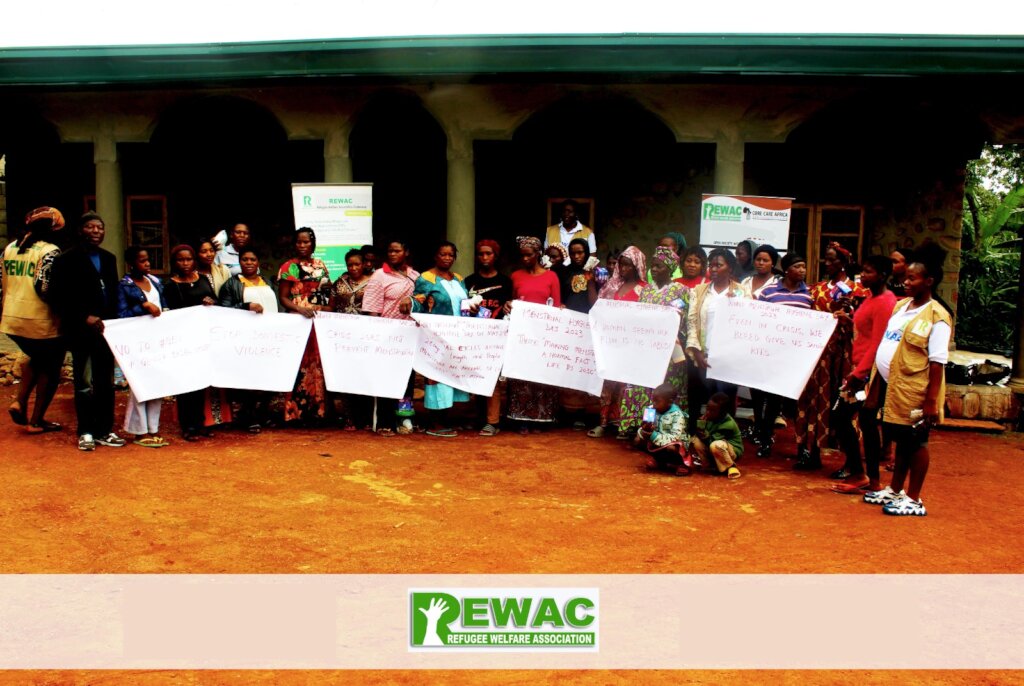
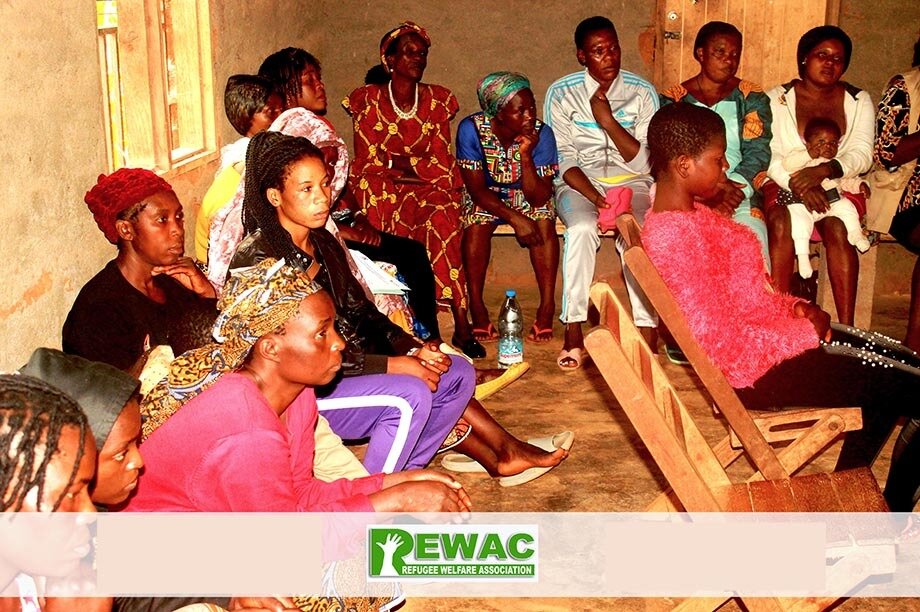
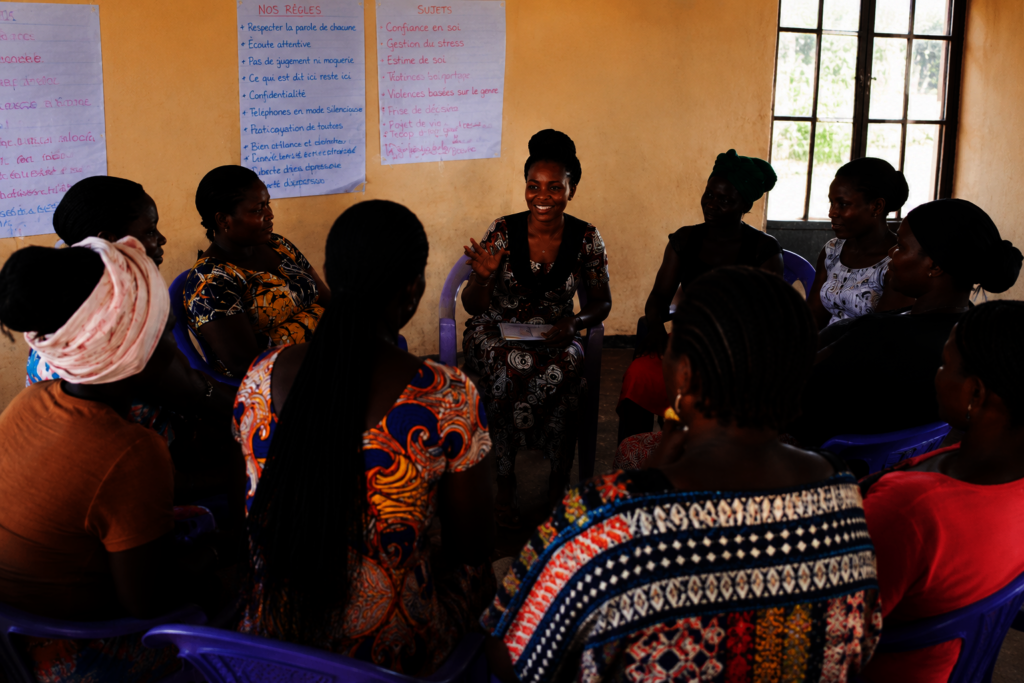
REWAC facilitated the creation and strengthening of five community-based survivor support groups, each made up of 10 women where they could safely share experiences, receive peer support, and rebuild confidence, all within the Bamenda 1 Council Municipality.
The support groups met regularly and provided:
• Peer counselling sessions;
• Group therapy and psychosocial discussions;
• Information on available services;
• Confidence-building and leadership activities.
2 Training of Community Psychosocial Volunteers
Some 20 of these women opted as community volunteers including women leaders and they received training on:
• Psychological First Aid;
• Basic counselling techniques;
• Identification of trauma symptoms;
• Safe referral procedures;
• Confidentiality and survivor-centred approaches.
The trained community volunteers and women leaders now serve as focal points for identifying and supporting survivors within their communities.
3 Individual Counselling Sessions
REWAC provided one-on-one counselling and psychosocial support to vulnerable survivors requiring specialized attention. Survivors were referred, where necessary, to health and protection partners for additional services.
4 Awareness and Anti-Stigma Campaigns
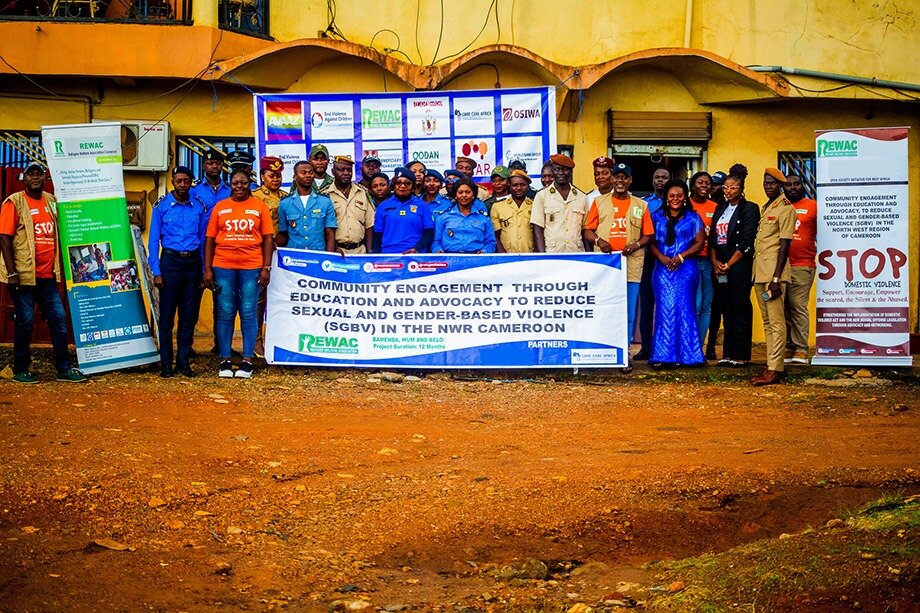
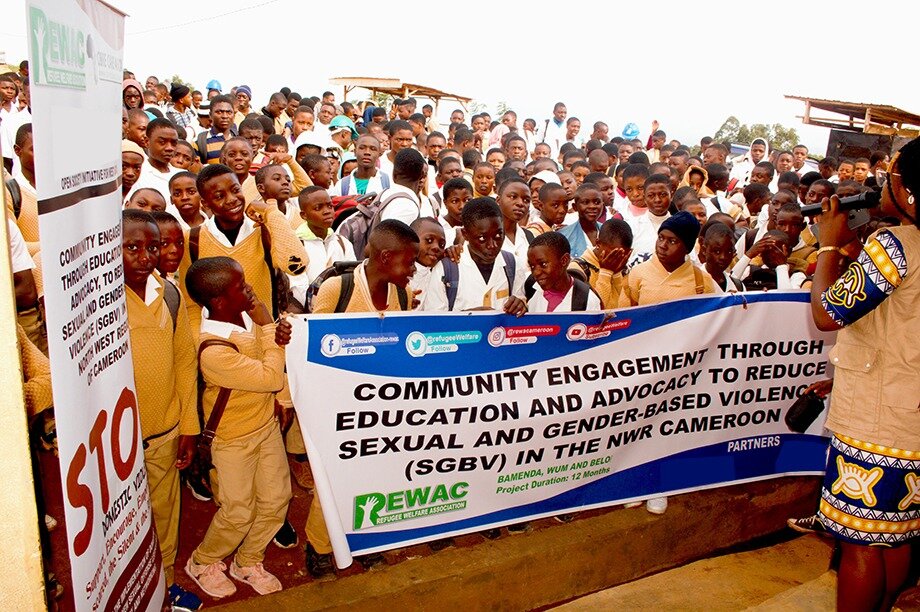
Community sensitization activities were organized to address harmful stereotypes surrounding GBV and mental health. Six radio discussions were undertaken and community dialogues encouraged families and community leaders to support survivors and promote social inclusion.
5 Recreational and Healing Activities
Art therapy, storytelling sessions, and recreational activities were organized in Mendankwe and the Government Bilingual High School, Up Station, in Bamenda to provide safe spaces for emotional healing and community interaction.
Key Achievements
• Increased access to psychosocial support services for GBV survivors;
• Improved emotional well-being and self-confidence among beneficiaries;
• Strengthened community support networks;
• Reduced stigma associated with seeking psychological assistance;
• Enhanced survivor participation in community activities and decision-making processes.
Impact
The project has contributed significantly to restoring hope and dignity among over 100 survivors of GBV. Many beneficiaries reported improved emotional health, stronger social relationships, and renewed confidence to engage in livelihood and community activities.
The establishment of survivor support groups has created sustainable community mechanisms that will continue to provide assistance long after the project period.
One participant stated:
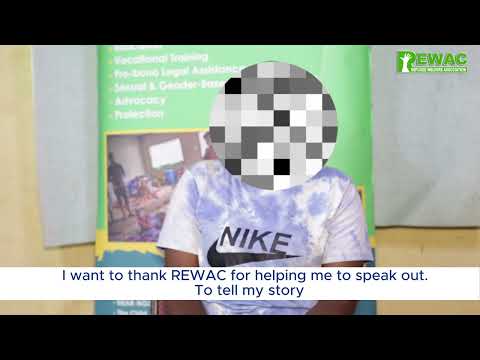
"For the first time since my experience of violence, I no longer feel alone. The support group has become my family and has given me the courage to rebuild my life."
Challenges Encountered
• Limited financial resources to expand counselling services to all affected communities;
• Security challenges and difficult access to some remote locations;
• Persistent social stigma and fear of disclosure among survivors;
• Shortage of trained mental health professionals in conflict-affected areas.
Lessons Learned
• Psychosocial recovery is fundamental to long-term resilience and empowerment.
• Peer support groups provide effective and sustainable mechanisms for healing.
• Community participation significantly reduces stigma and promotes acceptance of survivors.
• Integrating psychosocial support with legal and economic interventions produces better recovery outcomes.
Looking Ahead
In the coming months, REWAC intends to:
• Expand survivor support groups to additional communities;
• Train more community psychosocial volunteers;
• Strengthen referral pathways with health and protection actors;
• Document survivor success stories and best practices;
• Continue advocating for increased investment in mental health and psychosocial services for GBV survivors.
Conclusion
The "Resilience Building for GBV Survivors" Project continues to demonstrate that holistic interventions are essential in restoring dignity, hope, and resilience among survivors of gender-based violence. Through community-based psychosocial support, survivors are rebuilding their lives, regaining confidence, and becoming active contributors to peace and development within their communities.
REWAC remains deeply grateful to GlobalGiving and its donors whose generous support continues to transform the lives of vulnerable women and girls in Cameroon.
Links:
By Dr. Mukete Tahle Itoe,PhD | Project Team Lead & Supervisor
By Dr. Mukete Tahle Itoe,PhD | Project Team Lead & Supervisor
Project reports on GlobalGiving are posted directly to globalgiving.org by Project Leaders as they are completed, generally every 3-4 months. To protect the integrity of these documents, GlobalGiving does not alter them; therefore you may find some language or formatting issues.
If you donate to this project or have donated to this project, you can receive an email when this project posts a report. You can also subscribe for reports without donating.



Support this important cause by creating a personalized fundraising page.
Start a Fundraiser