By Rizki Amalia Adinda Putri | Project Leader
Year 2021 has been fraught with challenges, mainly due to the global pandemic, which has forced us all to adapt with, one way or another. Despite the difficulties we are now facing, COVID-19 has made many people being unemployed, including those living around tiger habitats.
In Indonesia, there has been the Community Activities Restrictions Enforcement or CARE (Indonesian: Pemberlakuan Pembatasan Kegiatan Masyarakat, commonly known as the PPKM), a cordon sanitaire policy of the Indonesian government to reduce the impact of the COVID-19 pandemic since early 2021. Prior to the CARE, the government implemented a large-scale social restriction in several regions in Indonesia. This included the restriction of all activities of non-essential sectors, including conservation, to become the work from home. These restrictions have limited the mobilization of our field teams to carry out most of the field activities. Nevertheless, we maintain urgent activities, especially human – tiger conflict mitigation because it could cost both human and tiger life.
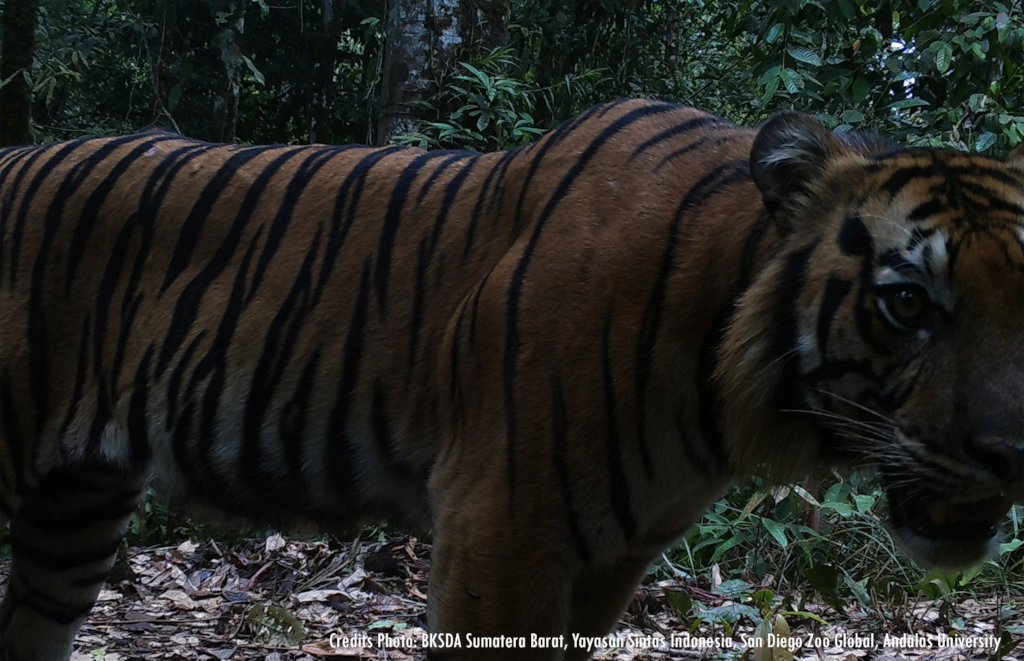
Tiger appearances are still rampant in residential areas; thus, its mitigation cannot be paused waiting for the pandemic to end. On July 23, 2021, Balai Konservasi Sumber Daya Alam (BKSDA, the Provincial Nature Conservation Agency) West Sumatra rescued a female Sumatran tiger from a palm oil plantation managed by PT. Pasaman Marama Sejahtera (PT. PMS). Later, the Sumatran tiger, named as Sipogu, was being taken care at the Kinantan Cultural Wildlife Park (TMSBK), Bukittinggi. BKSDA West Sumatra and the local government agreed to immediately release the tiger back to a nearby natural habitat.
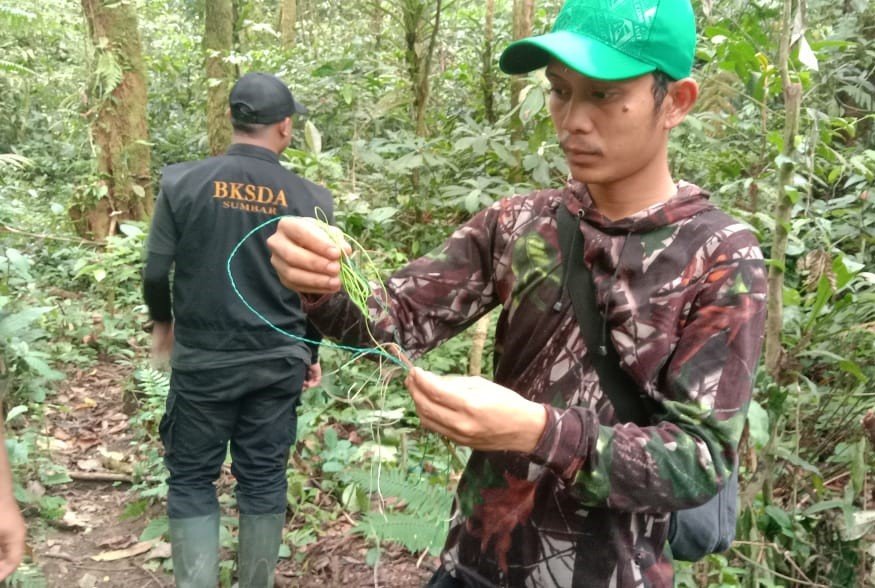
Using a combined species distribution modelling technique, SINTAS Indonesia has assisted the BKSDA West Sumatra in modeling suitable release locations within the West Sumatra province. The predictive map produced from the modelling has been evaluated by the head of BKSDA West Sumatra, and its field officials, including head of Pasaman Resort, section head of Conservation Region I, and relevant BKSDA’s officers. This initiative has become a key initial step of the overall processes of Sipogu releases to her home. Following the predictive map and led by the head of Pasaman and Agam Resorts, two well-experienced field teams have been sent out to carry out a detailed ground check throughout the best predicted release site located in the nearby cultivation-right area. During the ground check, the teams dismantled several nylon and steel snares found in the forest and community garden to secure the release site.
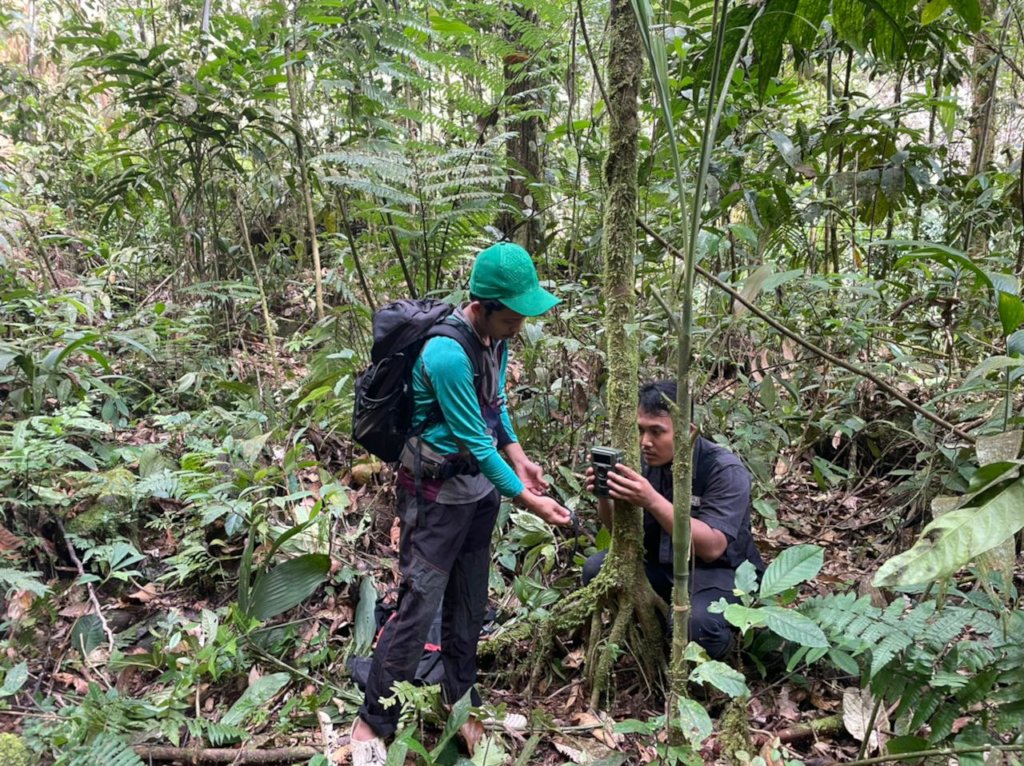
On 30 July 2021, Sipogu was finally released back into the forest. Soon after the release, BKSDA West Sumatra and our team carried out a series of surveillance activities, including intensive foot patrols and set up self-triggered camera traps in several locations to detect Sipogu presence and to anticipate any possible threats in the vicinity. No sign of Sipogu was found around the release location during the surveillance, indicating that Sipogu might have returned to his home happily. We also carried out a series of socialization in six adjacent villages to aware the local tribes toward the importance of Sumatran tiger in their own culture and customs. Links to media coverage related to this activity are provided at the end of this report.
Thank you for trusting us to protect the Sumatran tigers in their natural habitat. You have provided us with a tremendous support even during the pandemic hits.
Links:
Project reports on GlobalGiving are posted directly to globalgiving.org by Project Leaders as they are completed, generally every 3-4 months. To protect the integrity of these documents, GlobalGiving does not alter them; therefore you may find some language or formatting issues.
If you donate to this project or have donated to this project, you can receive an email when this project posts a report. You can also subscribe for reports without donating.