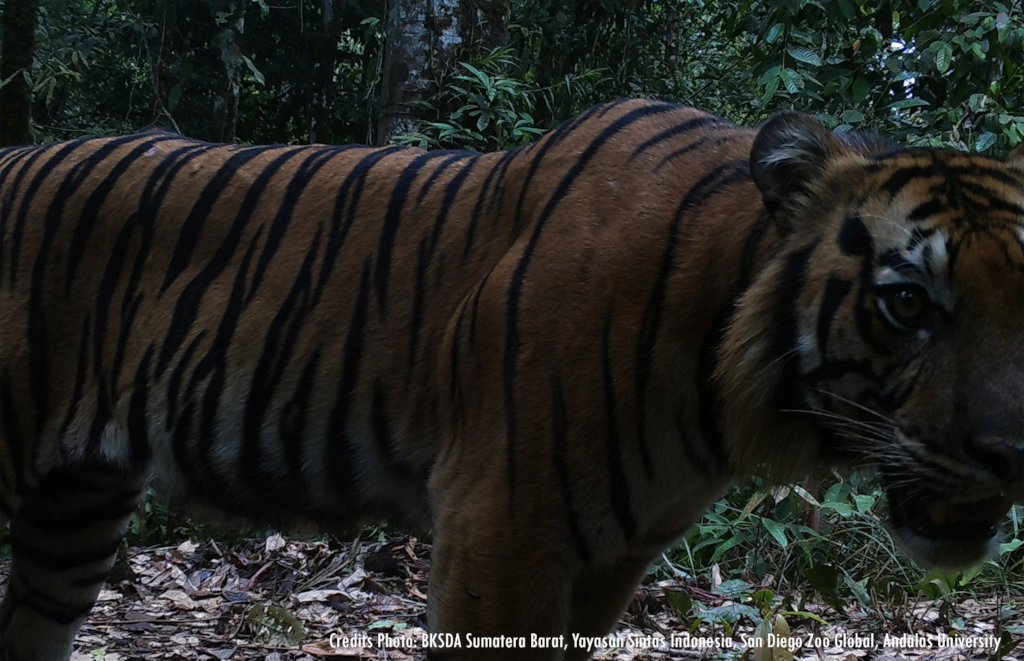
Tigers face a high risk of extinction. Google "tiger in Laos" or "tiger in Cambodia" and see for yourself - it has already happened. Several areas previously recognized as "source sites" where tiger reproduction was documented a mere decade ago are now devoid of tigers altogether or experiencing rapid declines. With a population of ~500 individuals, Sumatra likely contains ~20-25% of the global number of wild tigers. But indiscriminate snare traps severely hinder Sumatran tiger conservation.
The clandestine nature of snaring has undermined efforts to control the complex consequences of this poaching crisis. Insatiable demand in East Asia and rapidly expanding agricultural frontiers in previously remote areas has led to intensive snaring, with devastating impacts on tigers. Once captured, tigers may resort to self-mutilation (chewing through an ensnared limb) in their desperate attempt to escape. However, a slow tortuous death is more common.
With more equipment and funds, more snares can be removed from the forest. More snare-removal patrols surveys will lead to better protection, which tigers are dependent upon for survival. Solutions will come with 1) Implementation of a standardized monitoring program to remove snares and track poachers; and 2) Introduction of a community outreach program. In areas bordering tiger habitat, outreach is urgently needed to explain snaring risks and discuss the importance of tiger conservation.
Our forested study areas provide a valuable buffer against emerging zoonotic diseases, which are largely driven by land-use change and ecological degradation. In the devastating wake of COVID-19, considerable attention has been directed toward the role of intact habitats in reducing pathways of zoonotic pathogen spillover. Therefore, the Sumatran rangers represent one of the first lines of defense against not only snare-setting poachers but also illegal wildlife trade and disease spillover.