![Ready for inauguration festivities soon]()
Ready for inauguration festivities soon
The ZAHANA association is delighted to share with all of you, our donors, benefactors, supporters, and future patrons - the joy we have experienced thanks to your invaluable assistance in implementing our socio-economic support program for the population of four Zahana villages in the municipality of Bevato, now for over 2 decades.
This report is wonderful to write, because a medical clinic will benefit all communities in our area and have a great impact on all projects in our 4 Zahana villages as well.
Our joy is shared by the municipal authorities and the local population, who are delighted to have been awarded funding for a medical clinic. For the first time there will be a clinic in Bevato equipped with a laboratory, a dental clinic, delivery rooms, and the necessary equipment for basic surgery.
This new clinic, funded by a French NGO as the result of Zahana's cooperation with them for many years. It has the stated goal of accelerating the reduction of maternal and infant mortality in the area. This is already the second health facility established in our region thanks to the Zahana Association. The first clinic in the village of Fiadanana has been in operation for a decade now (see website) and is run by our midwife. With a strong focus on maternal health, she has de facto become the main healthcare provider in the area. But currently, people still needed to take a difficult 5-hour journey to the next city if they required hospitalization or specialized medical care or want to see a doctor.
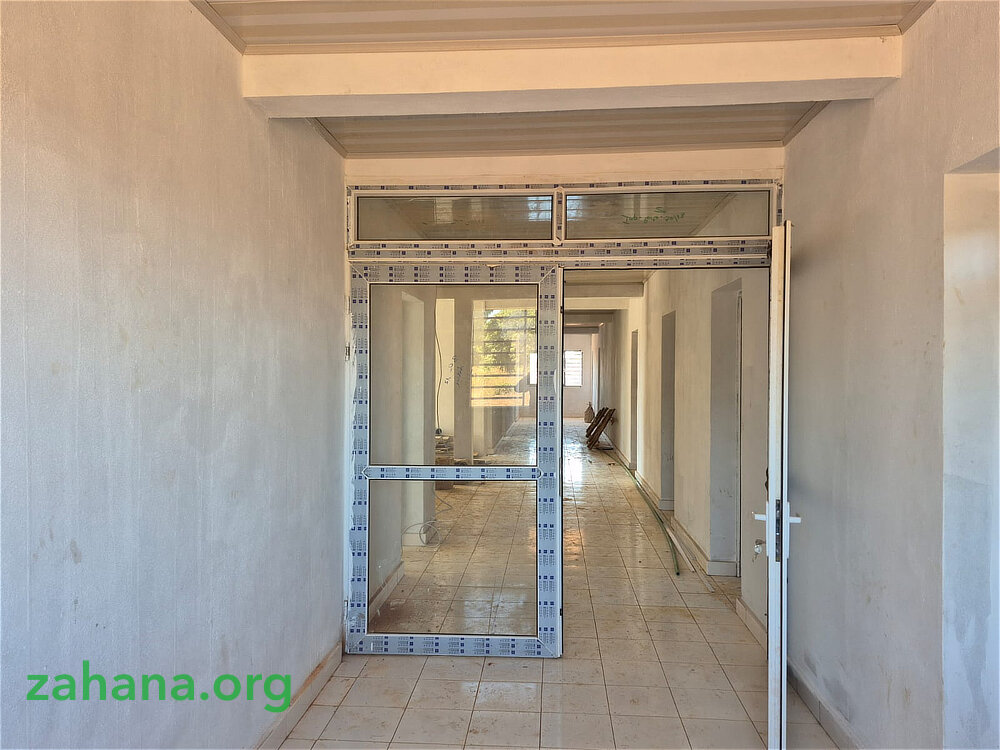
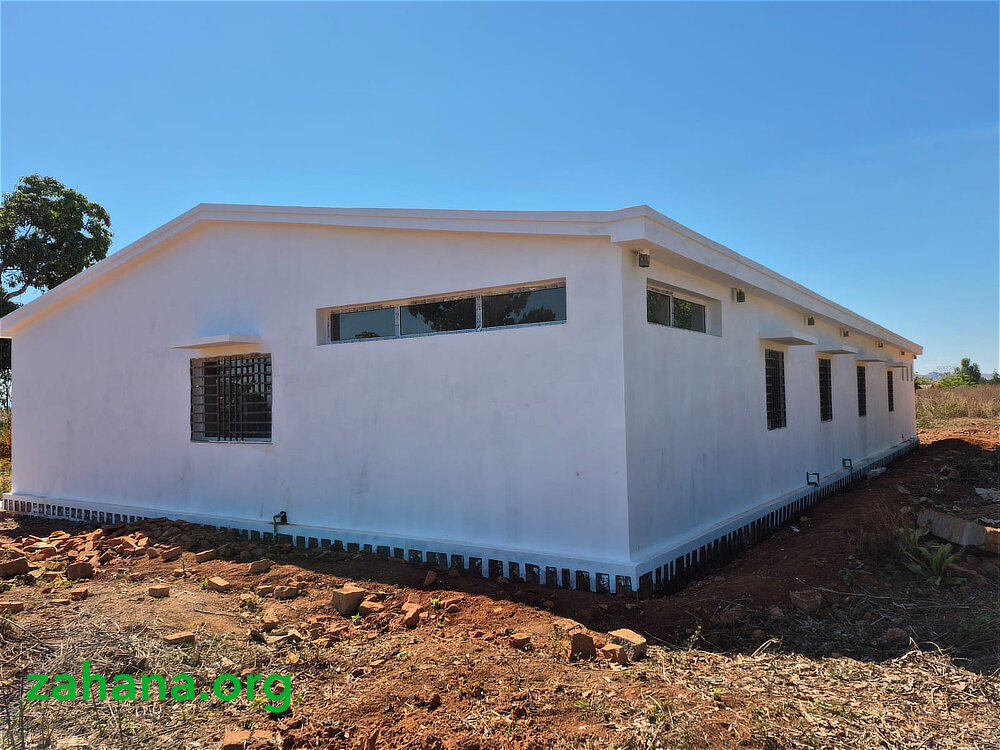
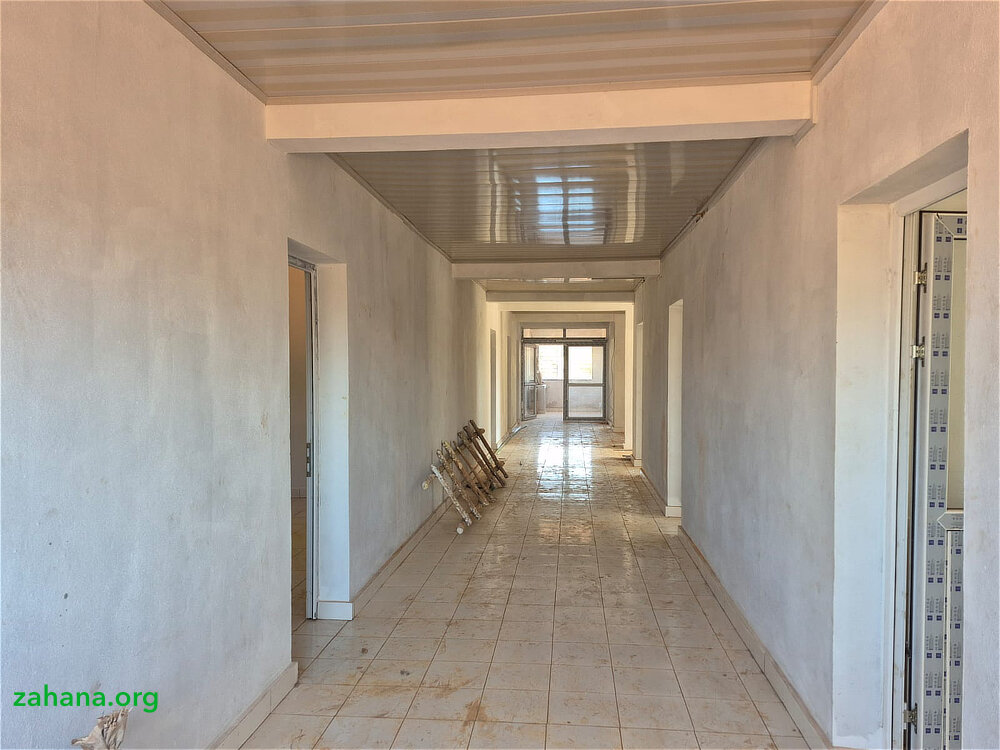
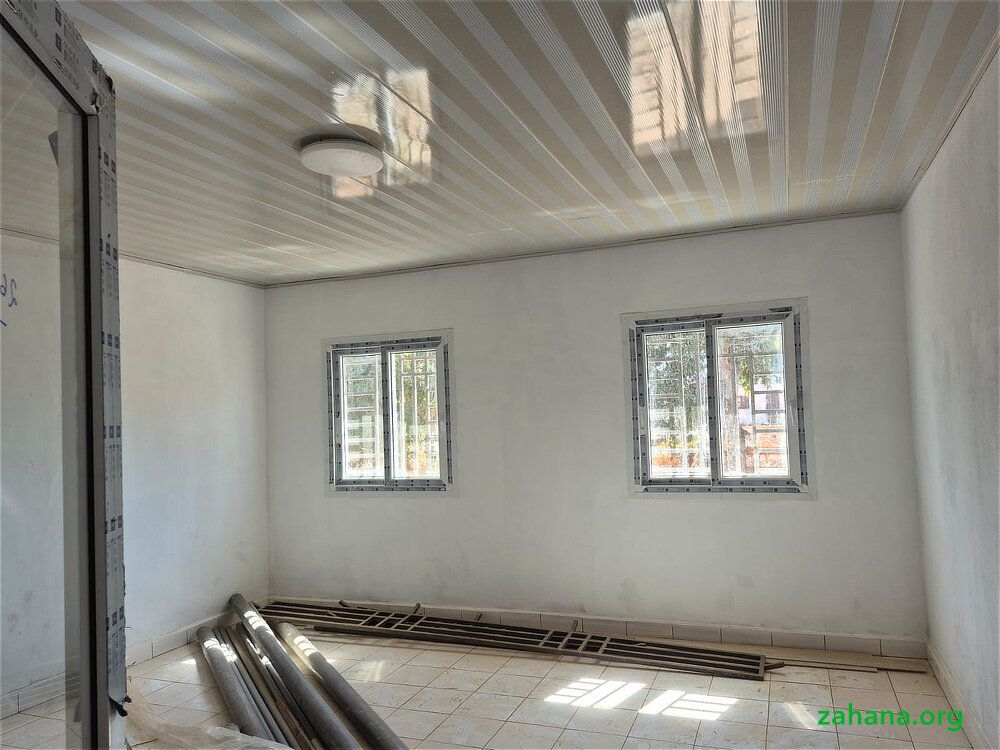
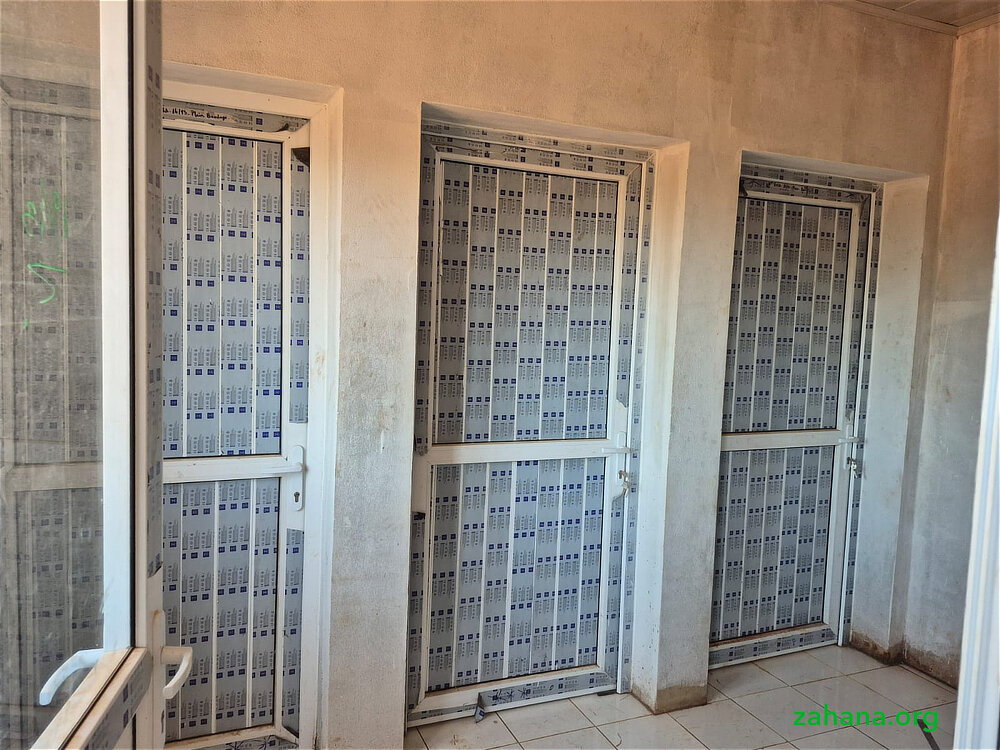
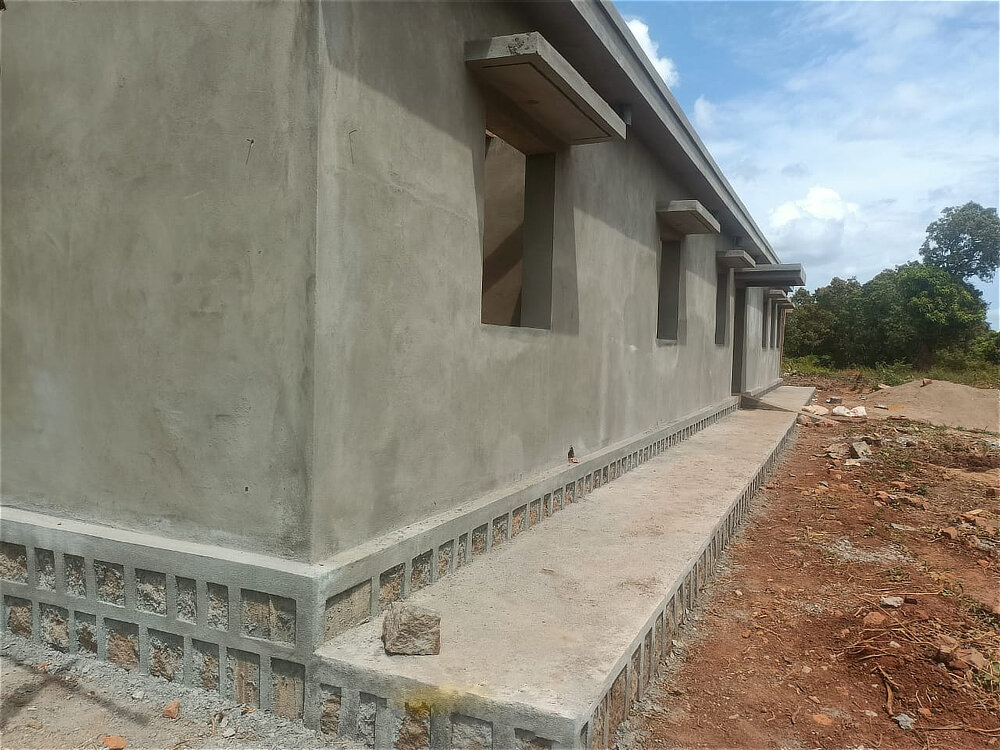
T is no longer just an idea. The construction project already is a work in progress, with the four walls surrounding the premises (24m x 12m) and those separating the various rooms (12 rooms in total) already at ceiling height at the time of this writing.
To make this happen, the community is providing the land, gravel, rubble stone, sand, planks, and logs. All literally carried to the construction site by men and women from the community. The actual construction work is being done by local workers, supervised by technical managers from the municipality in cooperation with the Zahana Association. One can imagine the enthusiasm and uniqueness of the end-of-year celebrations for the people of Bevato, who soon will have access to the very own medical clinic that will serve the entire district. The government will pay the salaries of the medical staff for the clinic and the mayor will be in charge of janitors and caretakers (gardeners.)
This wonderful prospect will greatly benefit from an annex building for the patient’s companions. It still needs to be constructed after the clinic is finished first. This novel idea to provide housing for relatives is vital, since the community has no hotels or accommodations for outside visitors. In addition, the companions are included in the medical care of the patient and have to cook and provide food for their relative. This essential annex building will have three rooms, a bathroom and a kitchen. It is currently estimated to measure 8 meters by 6 meters. We are in the fortunate position that the French NGO also offered to pay to build this the much needed clinic addition.
We are also currently exploring the possibility of this building also hosting a small shop, where baked goods and beverages produced by our microcredit project can be sold to the public. Care takers of patients would get offered a reduced price to ease their financial burden. It is a sad reality of Madagascar that families often have to sell the little they have to pay for medical care, making it difficult for them to get out of poverty.
Looking into the future, it is equally important that the new clinic be equipped with a car that will serve as an ambulance because, as the saying by our local doctors goes: “the woman will always have time to die on the way to us!” On the used car market, a car sturdy enough for the local terrain would be a Toyota Land Cruiser. The office of mayor will be tasked with the upkeep and maintenance of the vehicle, while the fuel needed for transportation is charged to the clients. Like in other towns in Madagascar, the ambulance driver is a government employee.
![Share on Twitter]()
![Share on Facebook]()