By Liz Nabirye | Project Manager
Warm greetings from Kampala. PcERC remains deeply committed to ensuring that patients and families (both adults and children) facing lifelimiting illnesses receive compassionate, dignified, and holistic care that brings hope and improves their quality of life. Between March and May 2026, our team has continued to expand clinical services, strengthen information support, and engage volunteers, despite ongoing challenges of resource shortages and rising financial pressures.
Highlights of Our Work
Clinical Care and Patient Support
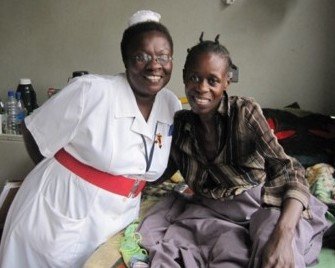
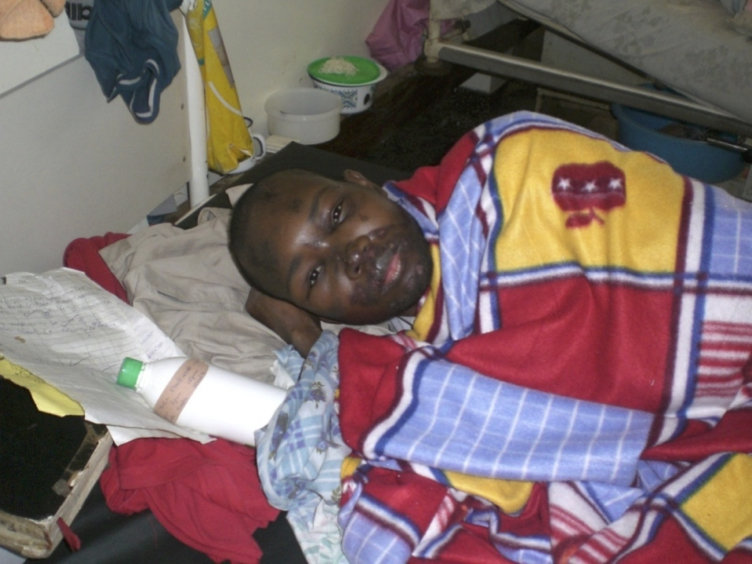
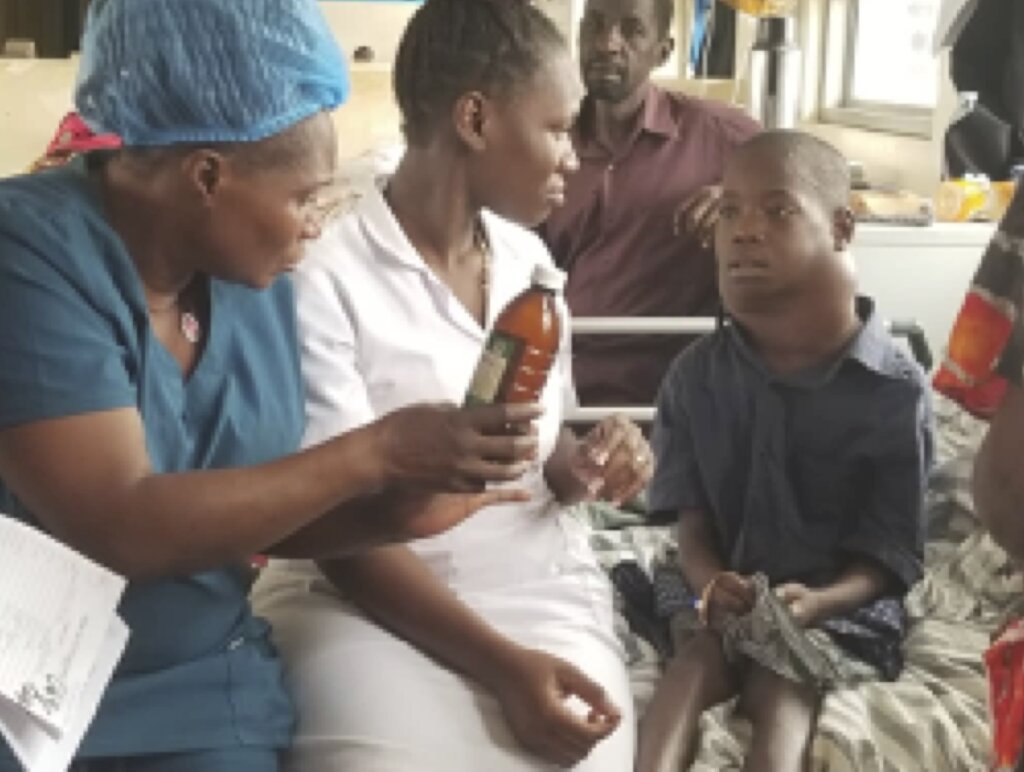
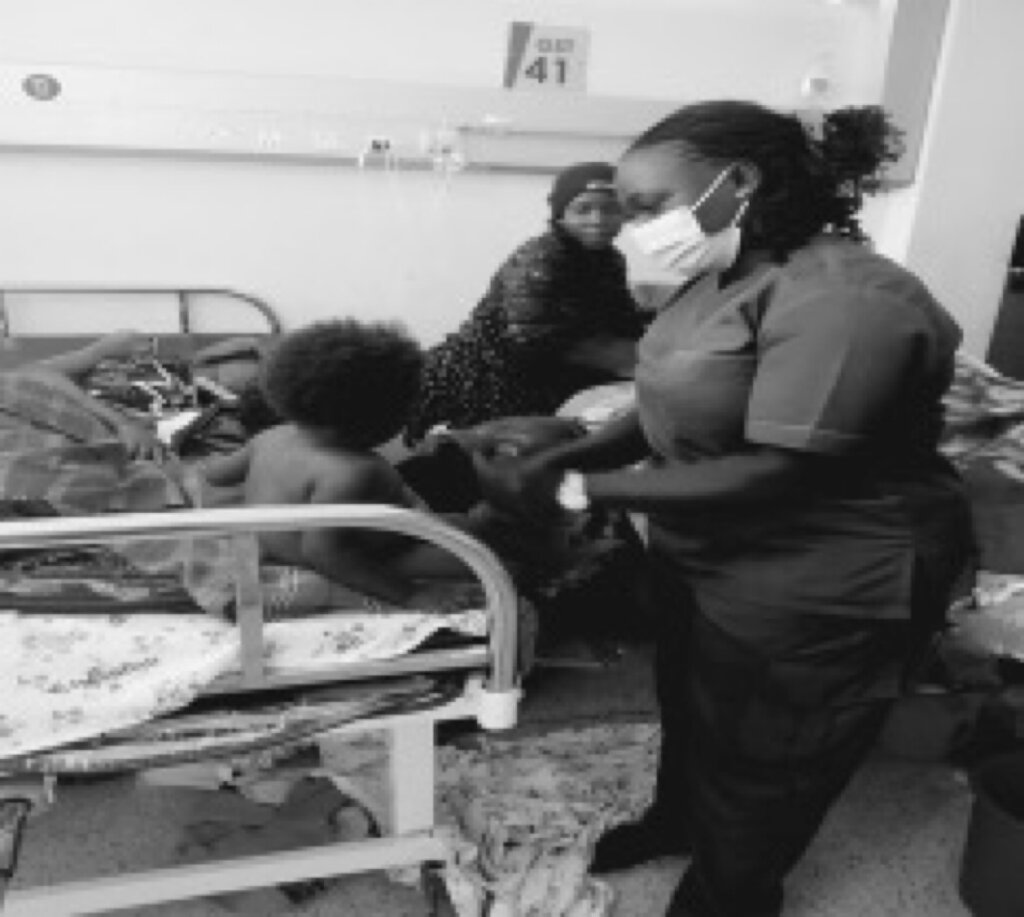
PcERC’s clinical team provided bedside reviews and telephone consultations at Mulago and Kiruddu National Referral Hospitals, ensuring continuity of care to bring hope and improve quality of life for those with palliative care needs. Families were reassured that compassionate care would not be interrupted, even in times of scarcity. One health worker reflected:
“Even when the medicines are delayed, we make sure no child suffers alone. We stand with them until relief comes.”
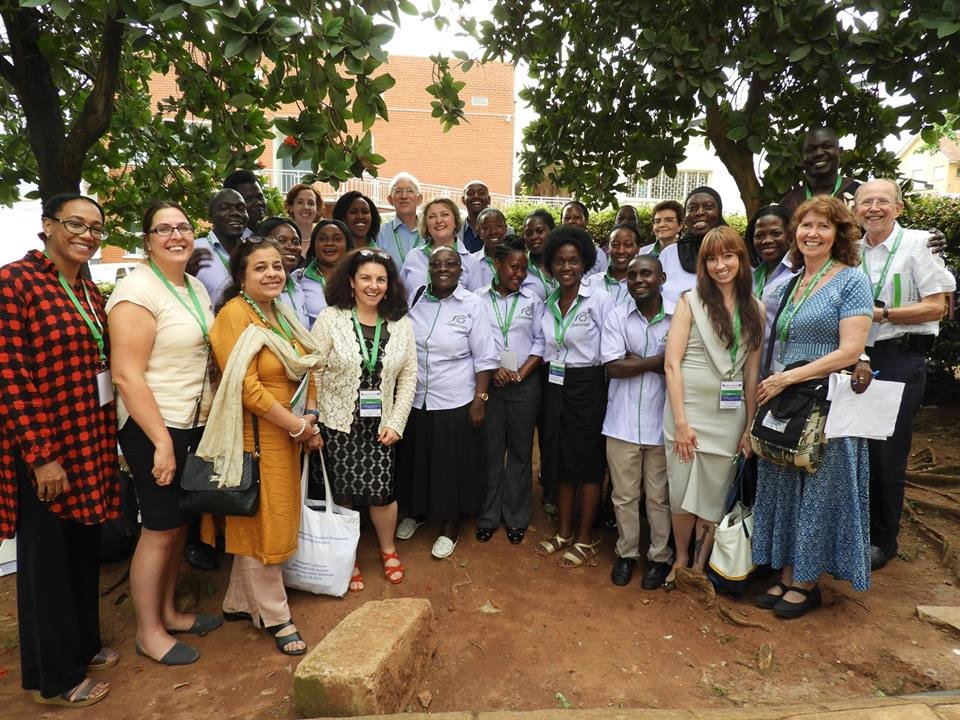
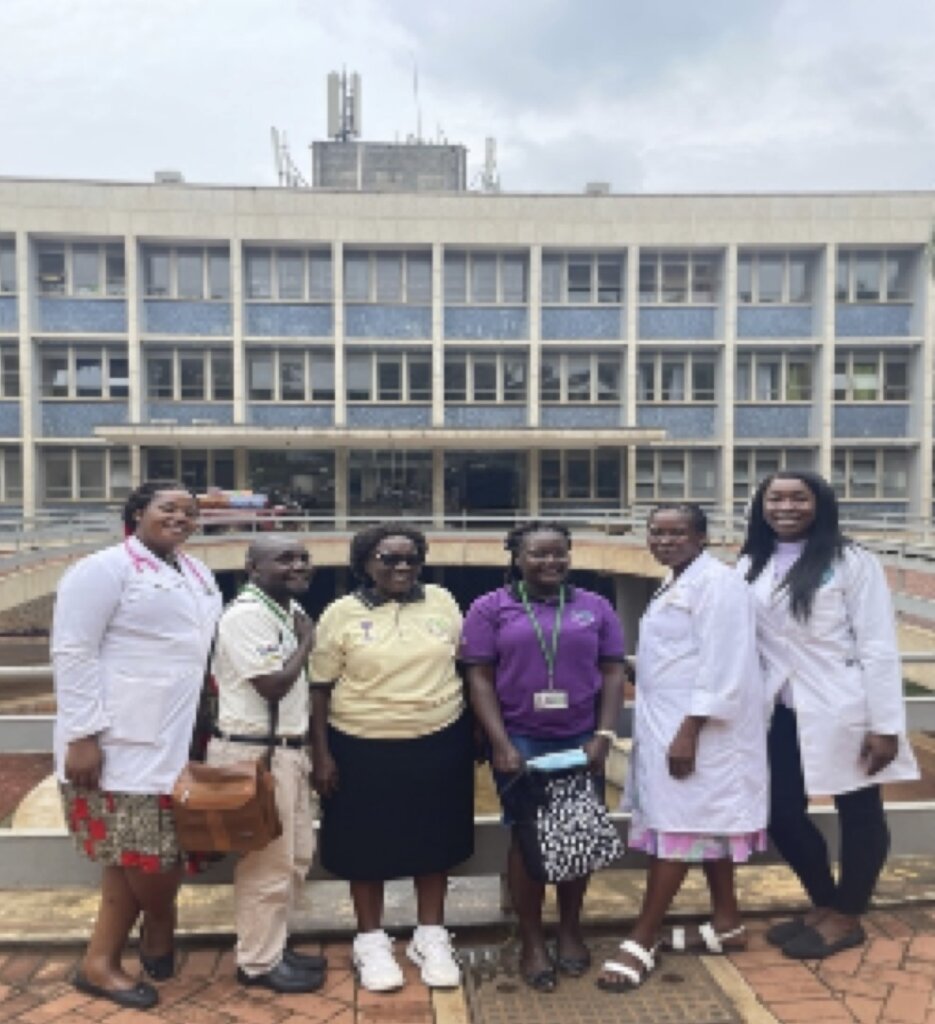
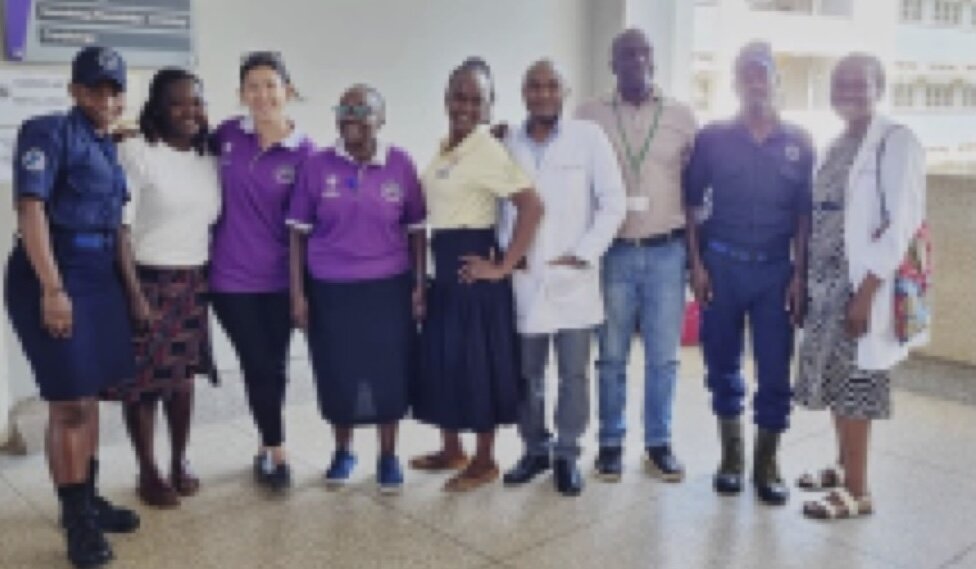
PcERC collaborated closely with Mulago and Kiruddu National Referral Hospitals to ensure access to specialized palliative care. A multidisciplinary team of PcERC staff, public health professionals, volunteers, and academic partners coordinated services and maintained continuity of care.
During this period, PcERC cared for 155 patients, including 30 children, and supported 475 family caregivers with education and guidance to continue care at home. Of the patients served, 95 were diagnosed with cancer and 60 with noncancer conditions. The majority of the patients and family preferred being cared for at home, and on discharge they were linked to the community-based palliative care services for continuity of care,
To extend care beyond hospital visits, PcERC conducted 5,260 telephone consultations via phone and WhatsApp, offering symptom monitoring, guidance, and bereavement support.
“Even after leaving the hospital, the nurse’s call reminded us we were not alone.” caregiver"
Paediatric Palliative Care
Children remained at the heart of our work. Through collaboration with the paediatric teams we cared for 30 children, mostly with cancer and sickle cell disease
A mother's reflection:
“When my child received palliative care, I felt hope again. The team gave us strength."
Volunteer Engagement
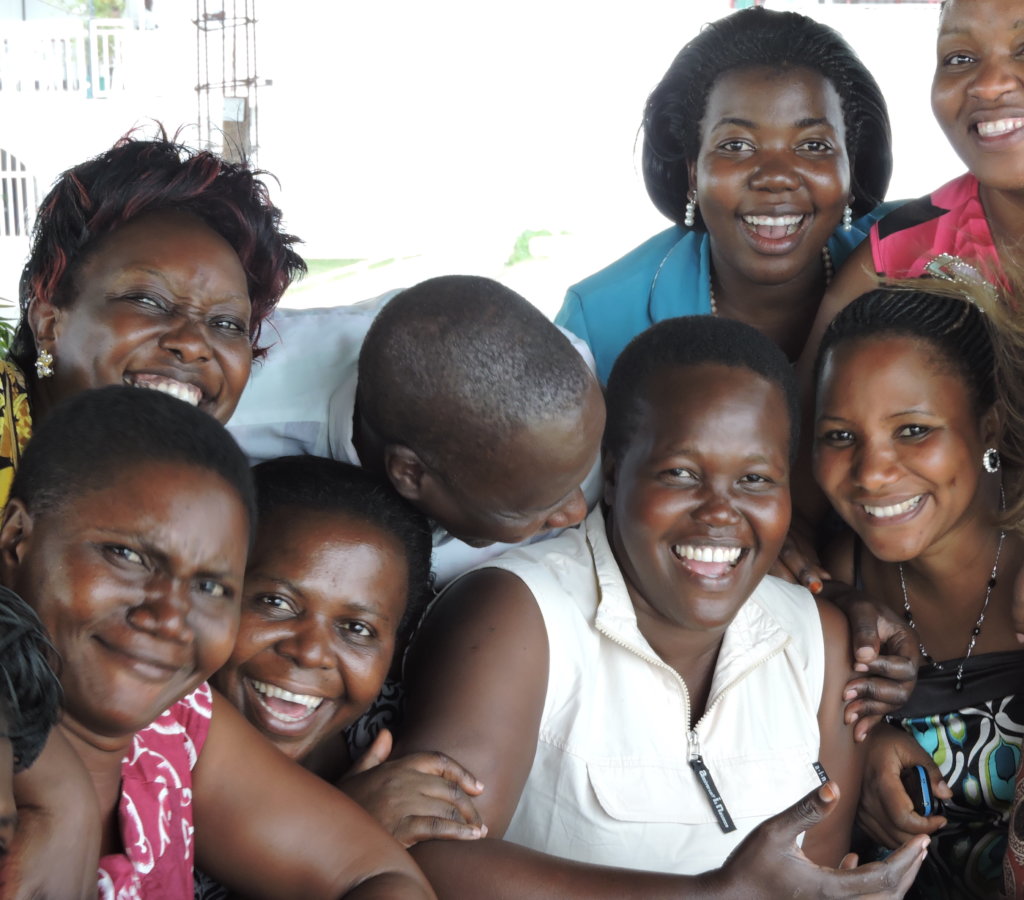
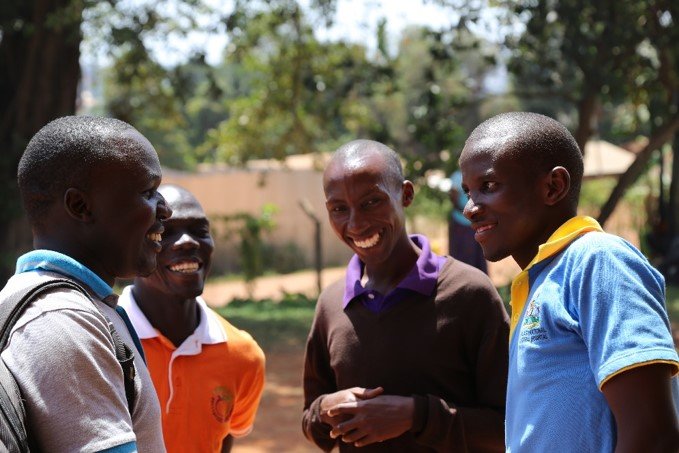
Volunteers continued to be a lifeline for patients and families. Seven dedicated individuals, including specialist nurses and social workers, provided psychosocial and spiritual support twice weekly. One patient described volunteer visits as
“the times I feel human again.” Another caregiver said: “The volunteers became our family when we felt abandoned.”
Their work extended beyond companionship to advocacy, practical support, and care coordination, ensuring no patient faced illness alone.
Our volunteers have continued to play a transformative role. Seven dedicated individuals, including specialist nurses and social workers, have offered psychosocial and spiritual support twice weekly. Their reflections highlight resilience, empathy, and the profound impact of service. One volunteer said:
“I thought I was here to help, but the children taught me resilience and courage.” Another added: “Holding a child’s hand as they smile through pain reminds me why this work matters.”
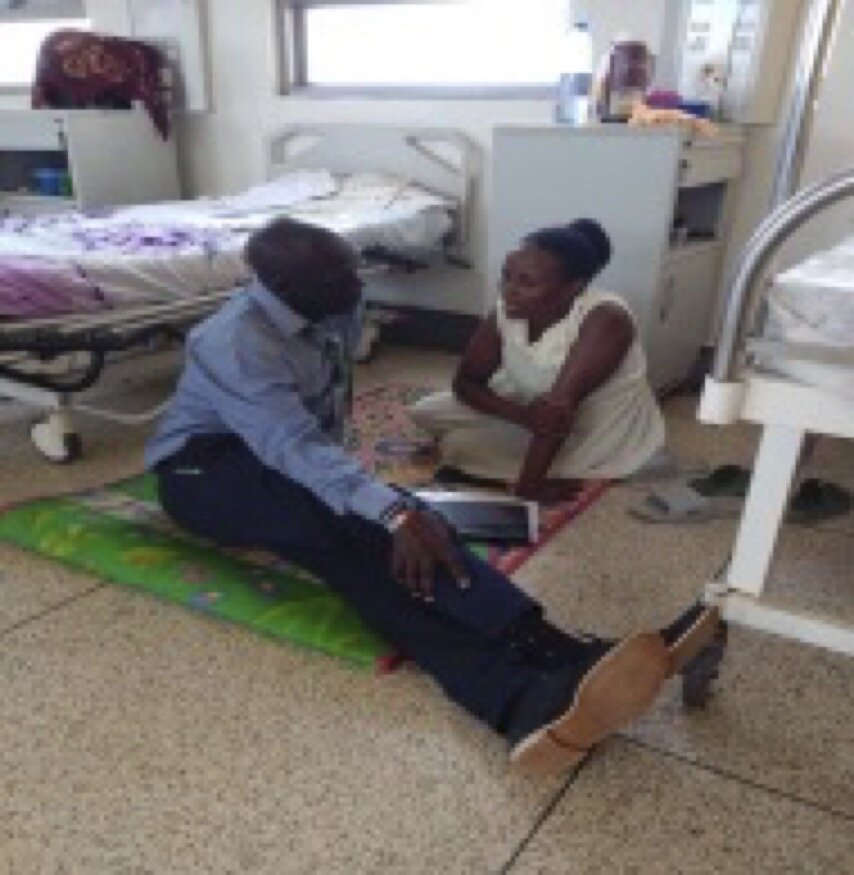
The Information Nurse Programme has remained central to our work. By ensuring accurate entry of palliative care data into HMIS and DHIS2, the programme has made visible the burden of suffering that often goes unrecorded. This evidence has strengthened advocacy for opioid supply and staffing. Beyond data, the Information Nurse has provided personalised oneonone sessions, helping families navigate complex health challenges. Quick responses through phone and WhatsApp have been invaluable, with one caregiver describing the nurse’s call as
“a lifeline at home.” Another parent shared: “When the nurse explained what was happening, I felt peace. Before, we were lost in fear.”
Alongside direct patient support, we have invested in training and mentorship, equipping the next generation of health professionals with the skills and values needed to provide holistic care.
One MSc student reflected: “Before my placement, I thought palliative care was only about endoflife. Now I see it is about dignity, comfort, and hope at every stage.” Another trainee shared: “Mentorship gave me confidence. Watching experienced nurses listen deeply to families taught me that presence is as powerful as medicine.”
Finally, partnerships have been vital in strengthening our reach and credibility. PcERC has worked closely with the Palliative Care Association of Uganda, hospital teams, and international partners such as the American Cancer Society. These collaborations have ensured that information support is embedded into routine care and that advocacy efforts remain culturally sensitive and responsive to the needs of families.
Challenges
Despite these gains, challenges remain. Resource shortages, including essential stockouts and inadequate diagnostic equipment, continue to limit service delivery. Cultural barriers and low health literacy complicate communication with families, while the emotional burden of repeated patient loss risks burnout among clinicians and volunteers. Rising inflation has eroded the purchasing power of funds, forcing families to choose between treatment adherence and meeting basic household needs.
“It breaks my heart when I know what medicine a child needs, but the shelves are empty. We have to improvise, and it is never enough.” (PC nurse)
Voices from Families and Patients
“Sometimes you feel alone when your child is sick, but when the volunteers talk to me and pray with us, I feel encouraged and strong again.” (Caregiver)
“Thank you for listening to me. Sometimes all a patient needs is someone who understands what we are going through.” (Patient)
“We want our child to be comfortable, but sometimes we cannot afford transport to the hospital.” (Parent)
“When the nurse explained morphine was safe, I stopped fearing. My child could finally rest without pain.” (Caregiver)
“The counselling helped me accept what was happening. I felt supported, not judged.” (Mother of a child with cancer)
Conclusion
PcERC has demonstrated resilience, compassion, and innovation in delivering palliative care. With continued support through GlobalGiving, we can bridge funding gaps, strengthen holistic family support, and embed information services into routine practice. In doing so, we ensure that every patient and family facing lifelimiting illness receives dignity, comfort, and hope.
As one caregiver expressed: “Palliative care gave us hope when we thought there was none. It reminded us that dignity is possible, even in illness.”
Way Forward
PcERC will continue
Appreciation
We sincerely thank all our friends, partners, and supporters for enabling this work. Your continued generosity allows patients and families to receive compassionate care, comfort, and dignity during some of the most challenging times in their lives. Your partnership makes all this possible, and we remain deeply grateful.
Project reports on GlobalGiving are posted directly to globalgiving.org by Project Leaders as they are completed, generally every 3-4 months. To protect the integrity of these documents, GlobalGiving does not alter them; therefore you may find some language or formatting issues.
If you donate to this project or have donated to this project, you can receive an email when this project posts a report. You can also subscribe for reports without donating.



Support this important cause by creating a personalized fundraising page.
Start a Fundraiser