By Oliver Namusisi | Project Leader
Food insecurity remains a challenge for many smallholder farming households in Hoima. Farmers depend heavily on agriculture for household food and income, but crop production is increasingly affected by declining soil fertility, unpredictable weather conditions, prolonged dry periods, pests, and limited access to expensive agricultural inputs.
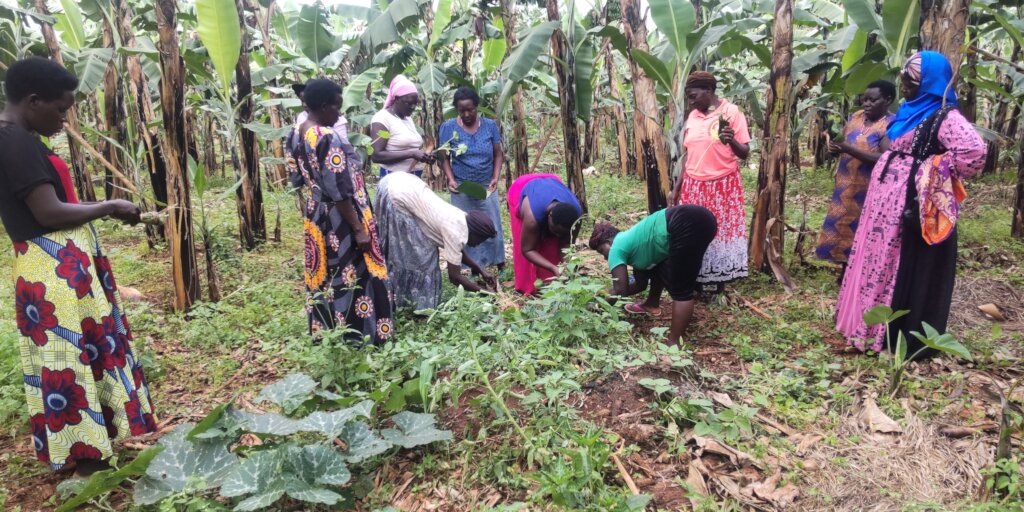
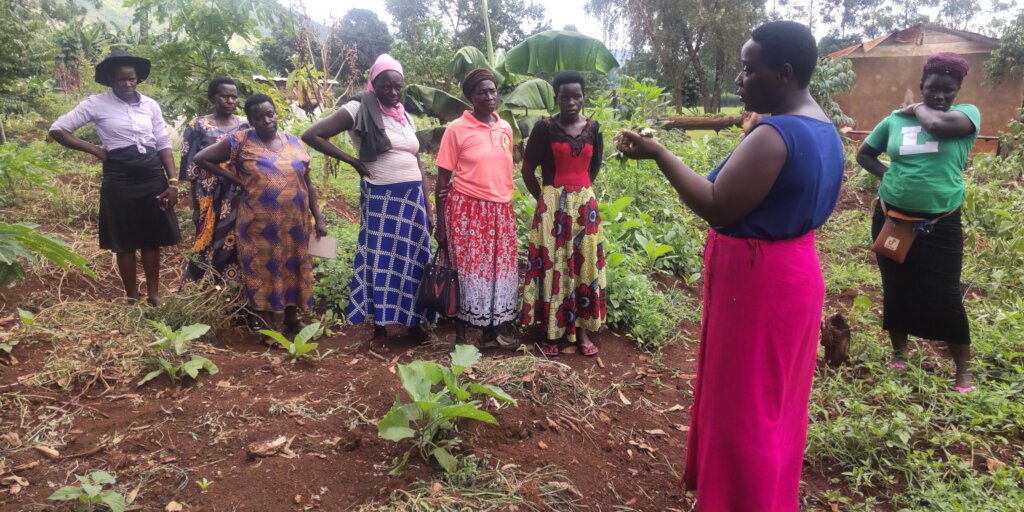
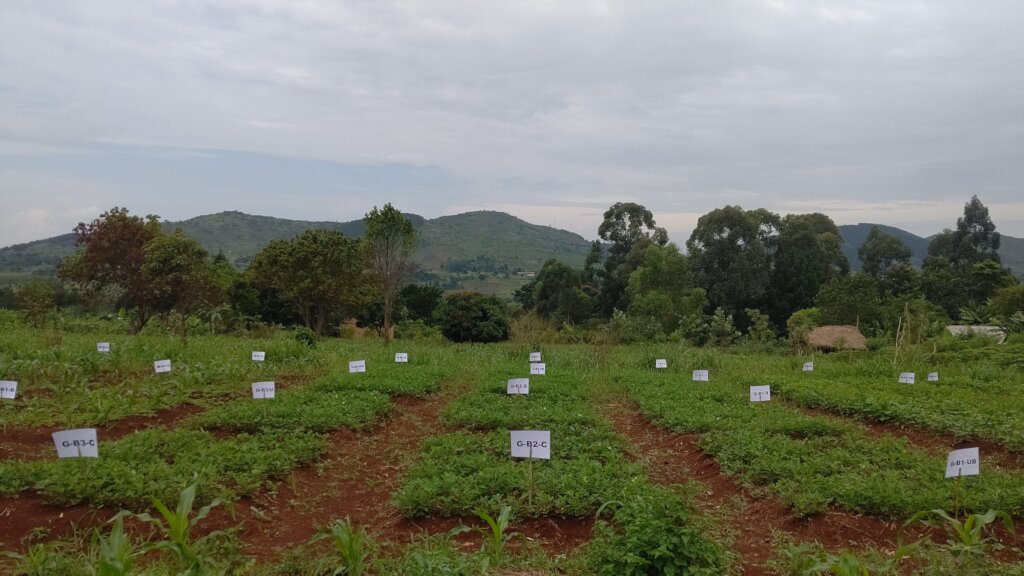
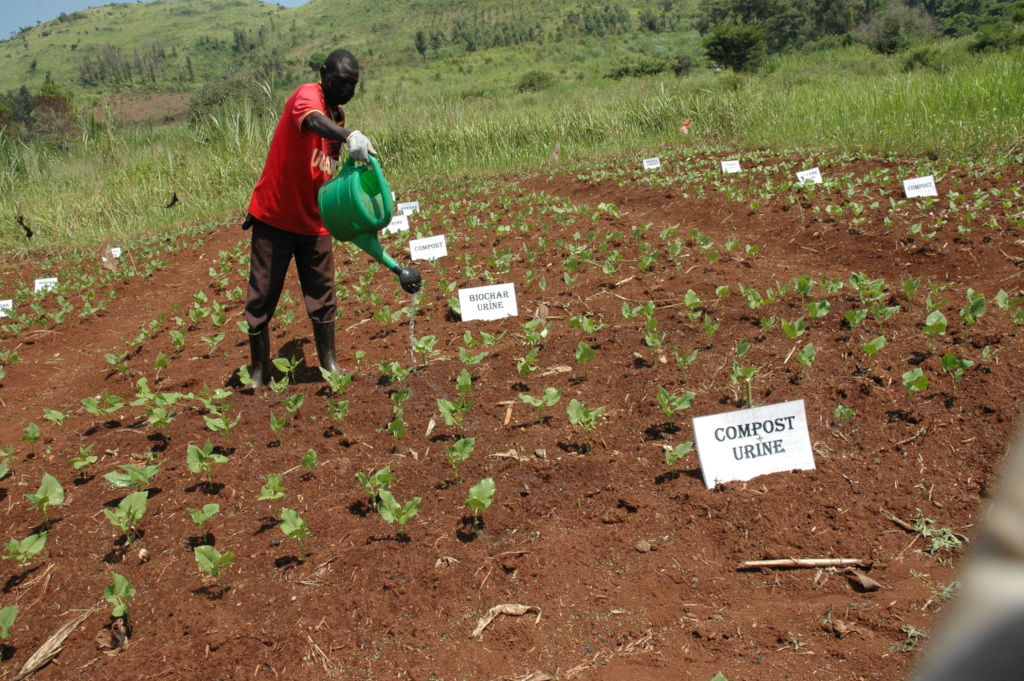
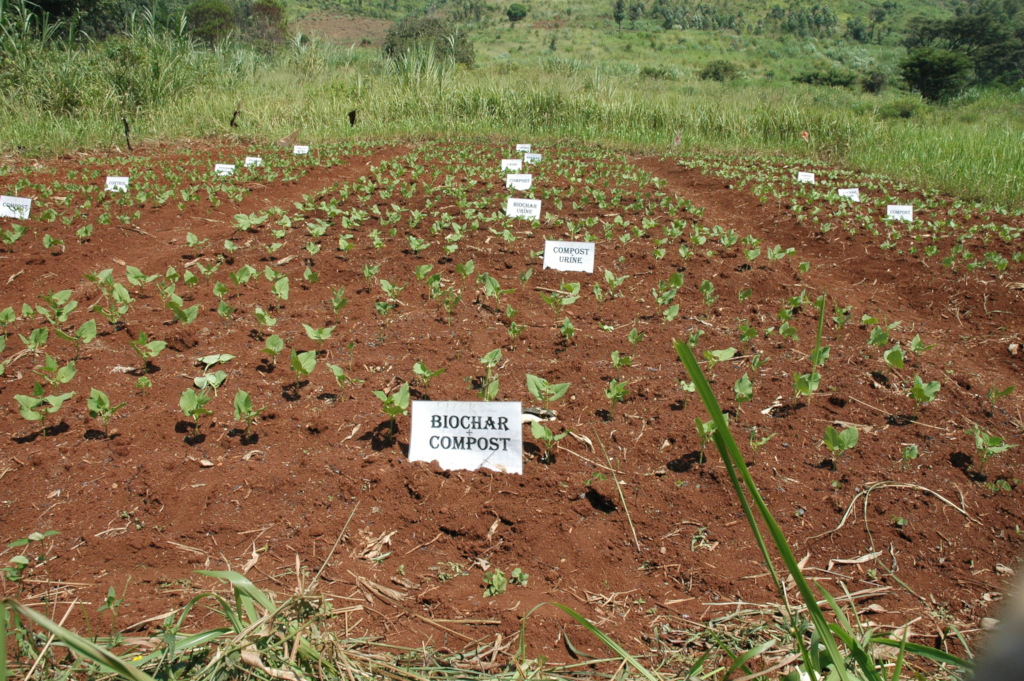
To contribute to improved food security and sustainable agricultural production, the Soil Health & Climate Action Network (SHCAN) established demonstration gardens in Hoima. The demonstration gardens provide farmers with practical opportunities to learn about sustainable and affordable soil fertility management practices, particularly the use of urine, biochar, compost, urine + biochar, urine + compost and compost + biochar.
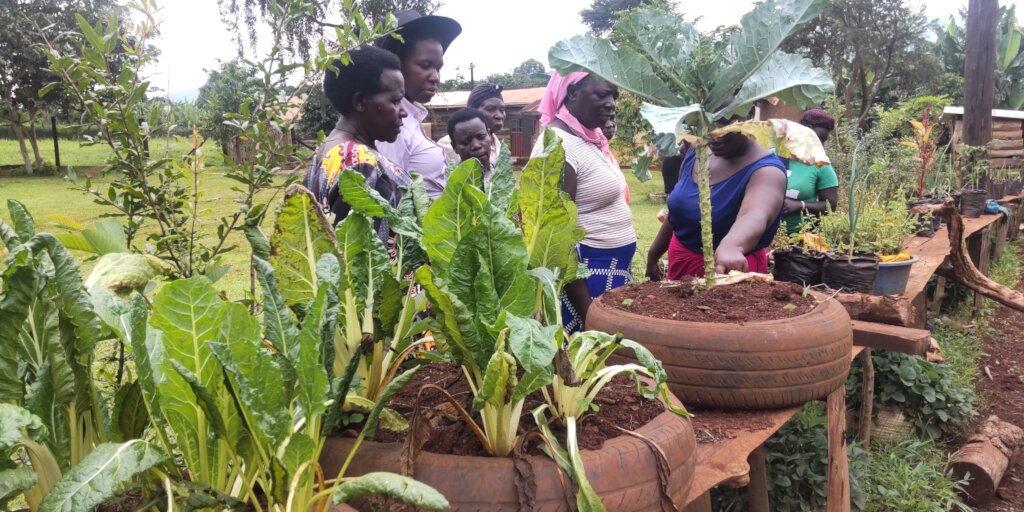
Through these demonstration gardens, farmers have been trained on how to prepare, apply, and manage natural soil treatments and observe their effects on soil health and crop performance. The treatments are gradually contributing to improved soil conditions and crop productivity while promoting better use of locally available resources.
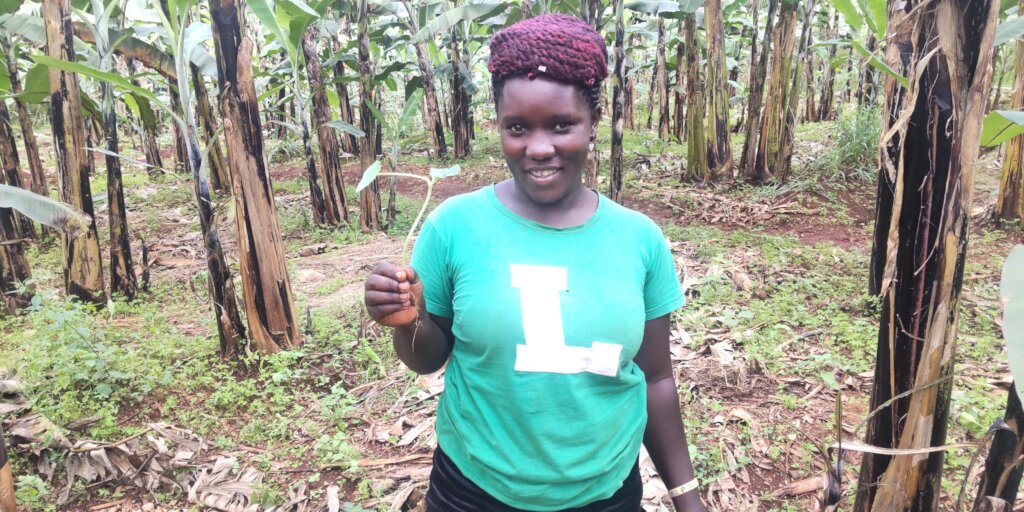
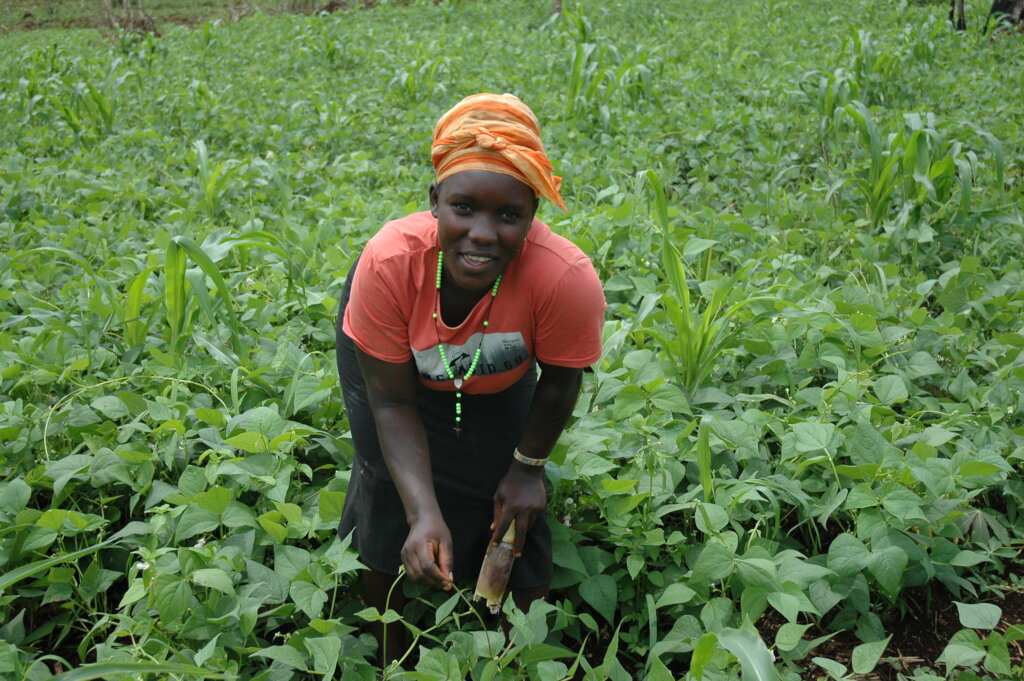
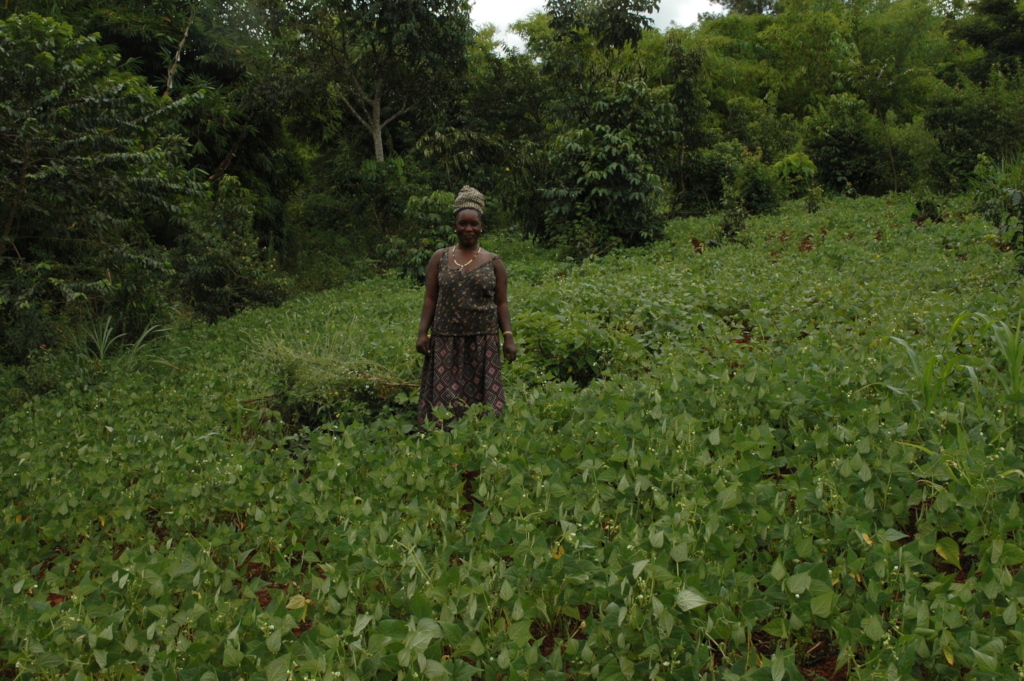
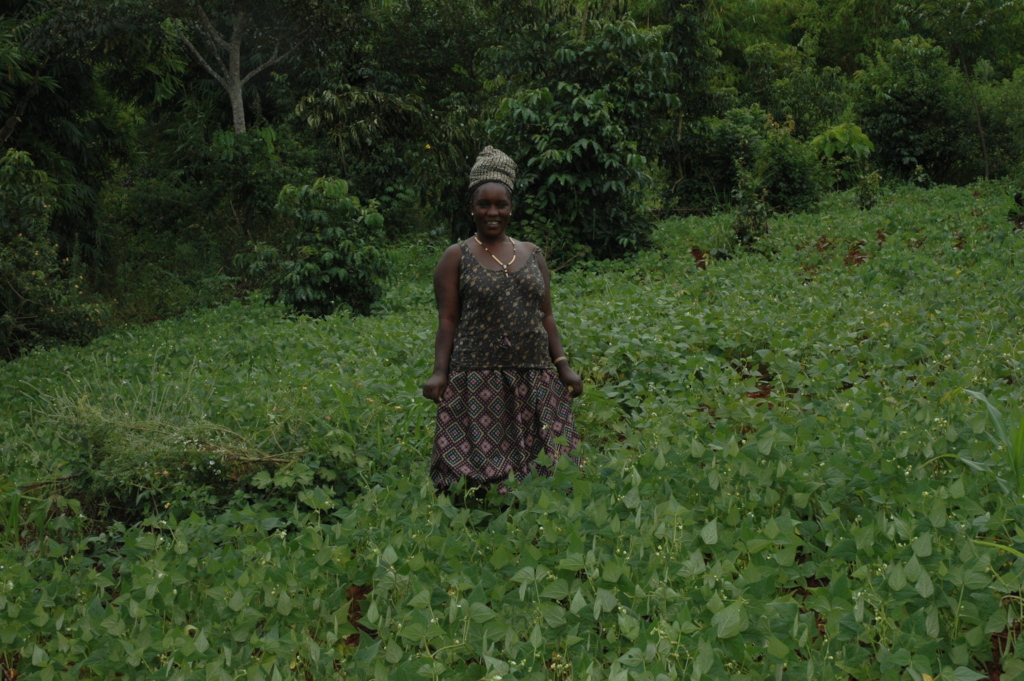
An important outcome from the programme this season was observed among farmers who applied the knowledge gained from the demonstration gardens in their own farms. One such farmer, Abwooli, applied the natural soil treatments she had learned from SHCAN in her own garden. During a season characterized by prolonged sunshine and harsh weather conditions that damaged many farmers' crops, Abwooli's crops survived comparatively well, demonstrating the potential contribution of improved soil management to climate resilience and household food security.
Farmer Experience: Abwooli's Garden
One of the notable experiences during the season was recorded by farmer Abwooli, who had learned about natural soil treatments through SHCAN's demonstration gardens.
After gaining knowledge from the demonstrations, Abwooli applied the soil management practices in her own garden. During this season, the area experienced prolonged sunshine and harsh weather conditions, which affected many farmers' crops. Some farmers experienced significant crop damage due to the extended period of dry conditions.
However, Abwooli reported that the crops in her garden survived the harsh weather conditions, providing an encouraging example of how improved soil management practices may contribute to crop resilience.
Her experience demonstrates the importance of transferring knowledge from demonstration gardens to farmers' own fields. It also shows the potential role of soil-health practices in helping smallholder farmers cope with climate-related stresses.
While one farmer's experience cannot by itself establish that the soil treatments caused the difference, it provides an important field observation and a basis for continued monitoring and documentation of farmers who adopt these practices.
Project reports on GlobalGiving are posted directly to globalgiving.org by Project Leaders as they are completed, generally every 3-4 months. To protect the integrity of these documents, GlobalGiving does not alter them; therefore you may find some language or formatting issues.
If you donate to this project or have donated to this project, you can receive an email when this project posts a report. You can also subscribe for reports without donating.



Support this important cause by creating a personalized fundraising page.
Start a Fundraiser