By Nolbert Muhumuza | Founder/ CEO
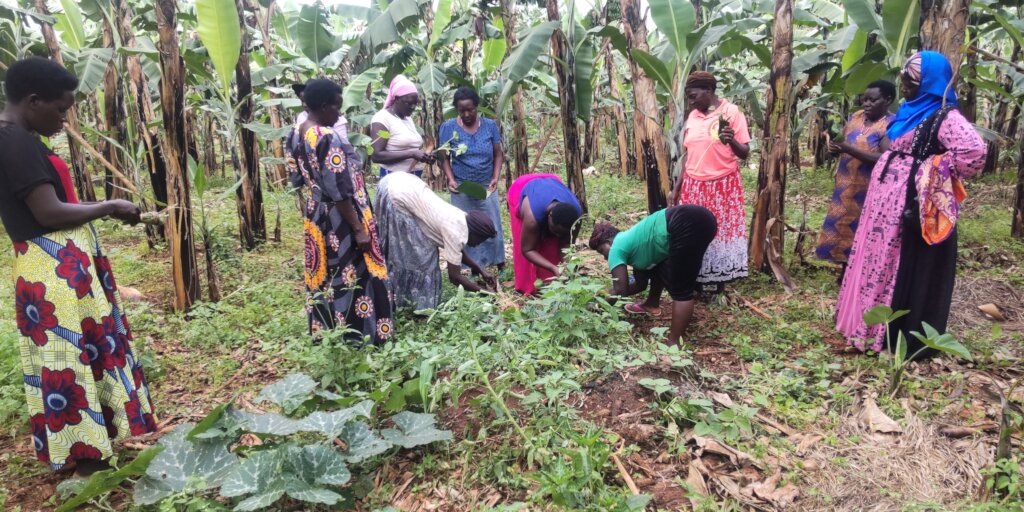
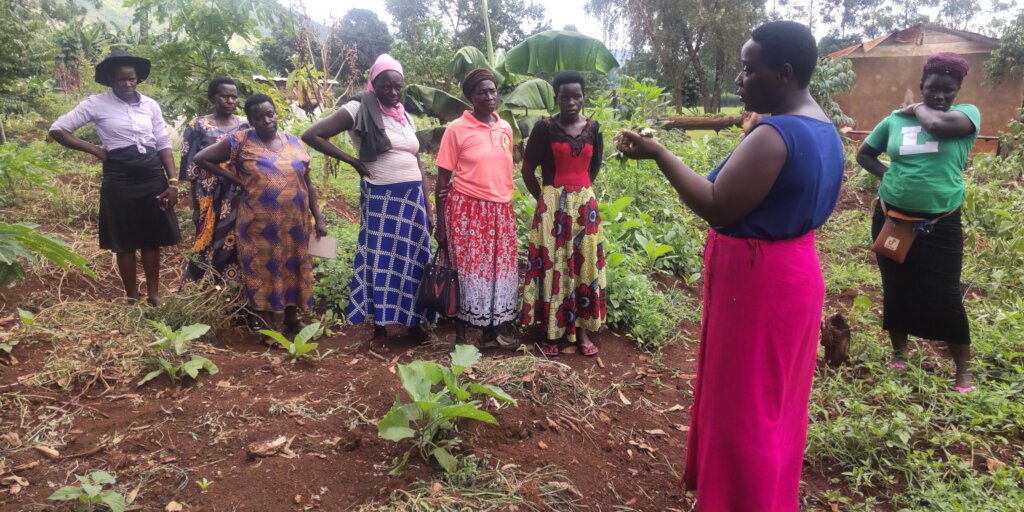
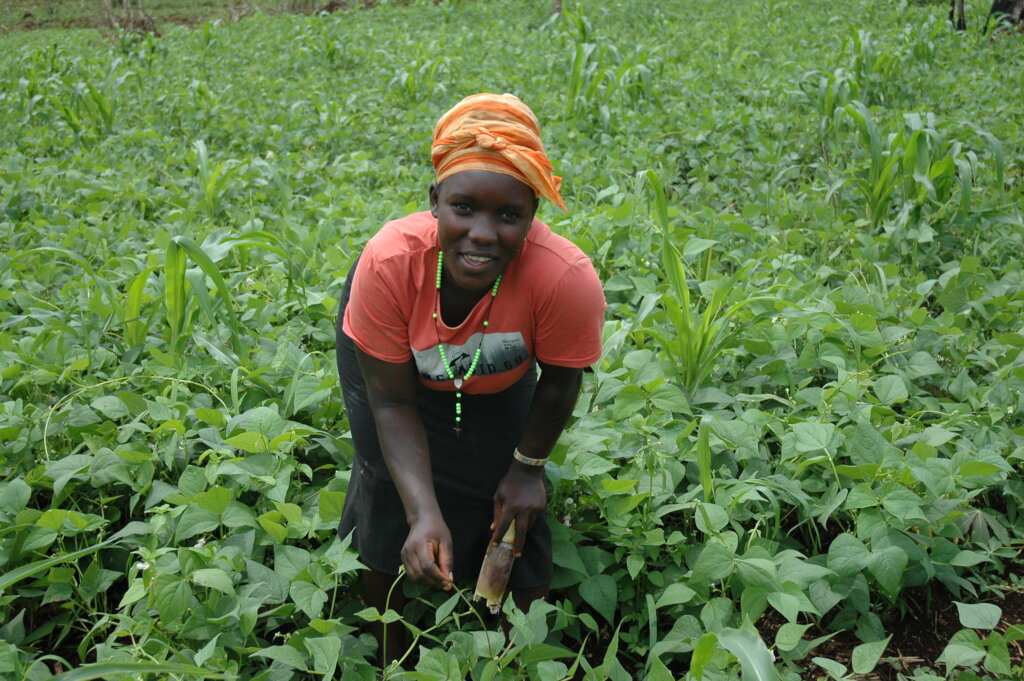
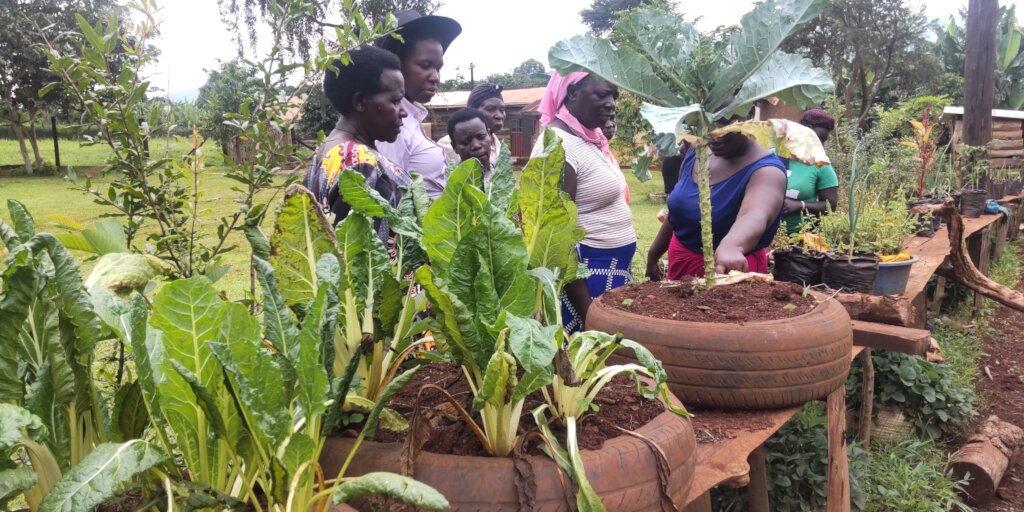
Despite challenging weather conditions, our project in Hoima district continues to demonstrate resilience and impact through the determination of participating women farmers.
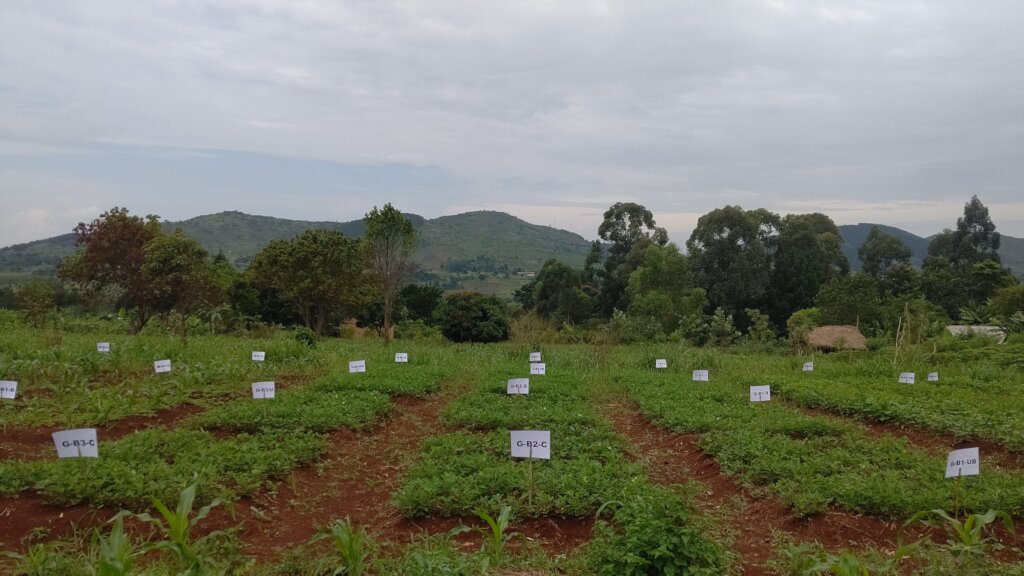
This season has been marked by a prolonged dry spell, which affected planting activities across the communities. Some of the seedlings that were distributed earlier dried out or were attacked by insects, while several women who received seeds delayed planting due to lack of rainfall. To adapt, we are encouraging climate-smart practices such as water-efficient gardens, improved pest management, and careful timing of planting based on weather patterns. Continuous follow-up and technical support are ongoing to help farmers restart successfully when conditions improve.
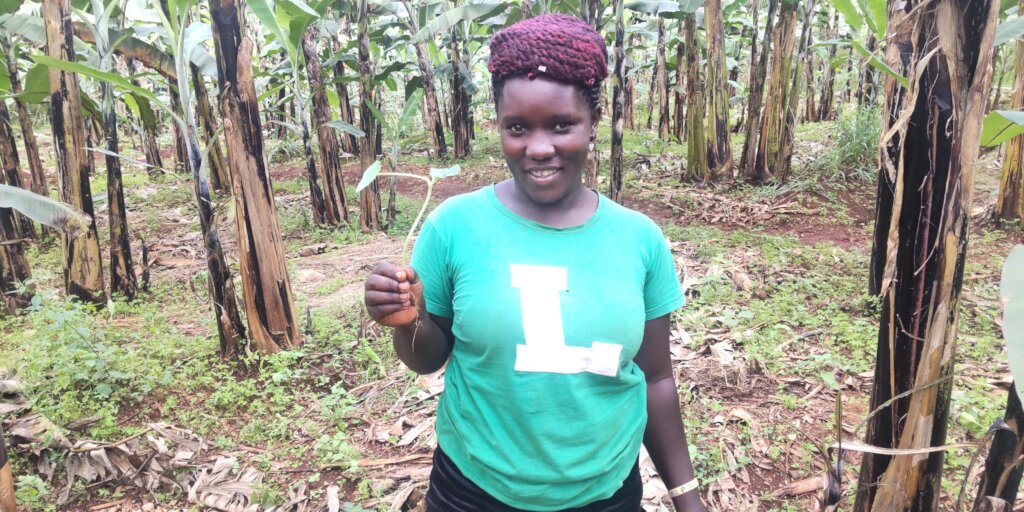
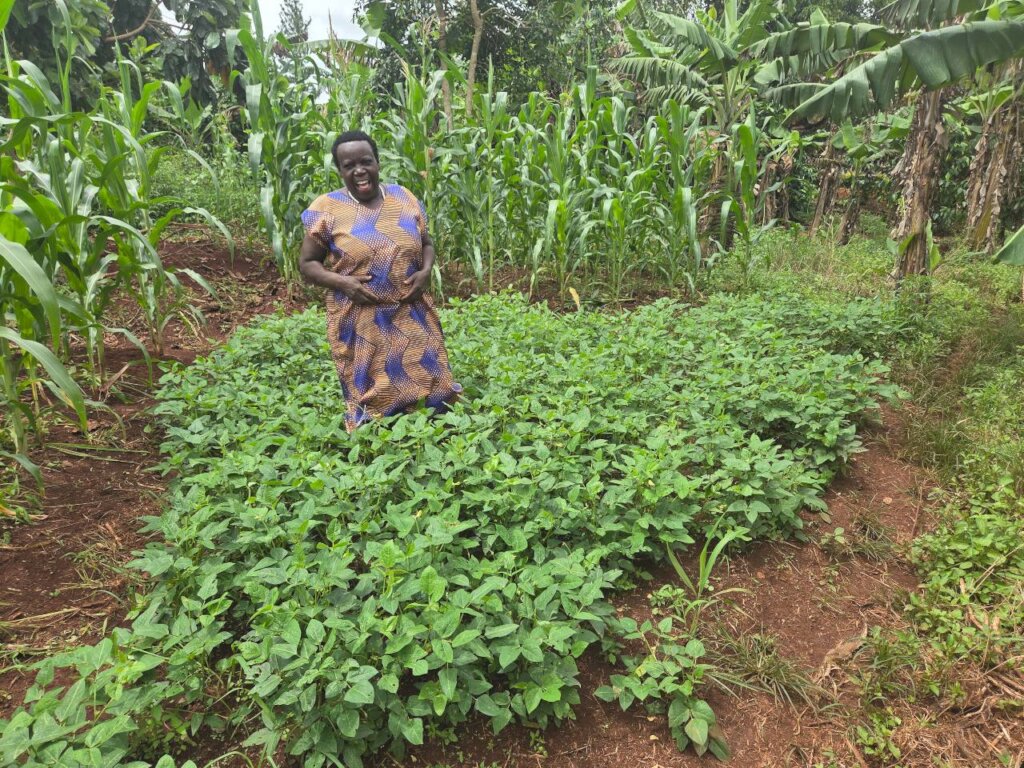
One encouraging example is Josephine, a member of one of our Women Vegetable Clubs, who managed to plant cowpeas (Vigna unguiculata), locally known as Omugobe, early in the season. Cowpea leaves are extremely nutritious, with a protein content of 35–40%, comparable to superfoods like moringa. They are also rich in iron, vitamin E, and vitamin K, making them an important crop for household nutrition. Josephine has already harvested cowpea leaves for home consumption, helping her family improve their diet during a difficult season. She plans to continue planting once the rains stabilize and hopes to sell surplus leaves locally to earn income.
Josephine’s experience shows that even small successes matter. With your continued support, we are strengthening women’s resilience to climate challenges while promoting nutritious, locally adapted crops. Together, we are helping rural women farmers build food security, confidence, and sustainable livelihoods, one garden at a time!
Project reports on GlobalGiving are posted directly to globalgiving.org by Project Leaders as they are completed, generally every 3-4 months. To protect the integrity of these documents, GlobalGiving does not alter them; therefore you may find some language or formatting issues.
If you donate to this project or have donated to this project, you can receive an email when this project posts a report. You can also subscribe for reports without donating.



Support this important cause by creating a personalized fundraising page.
Start a Fundraiser