By Oliver | Project Leader
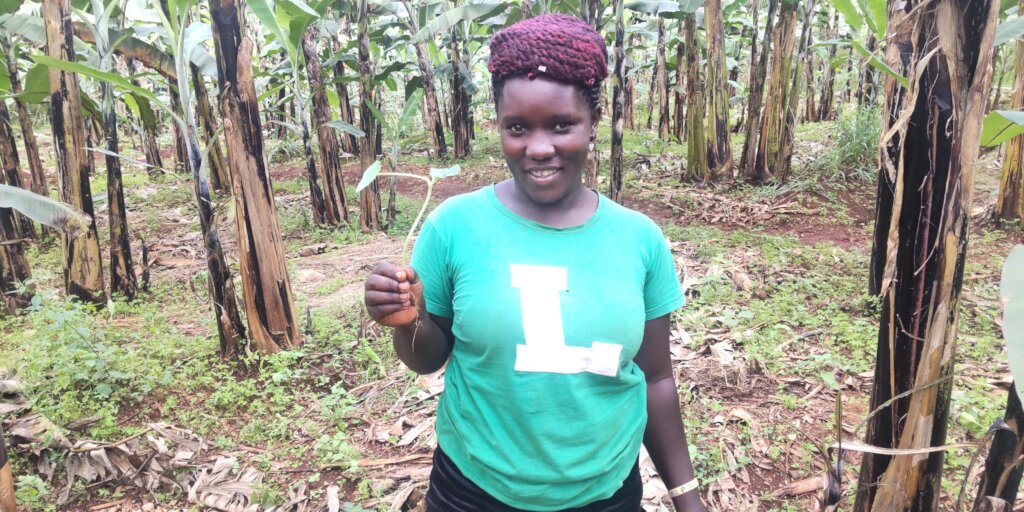
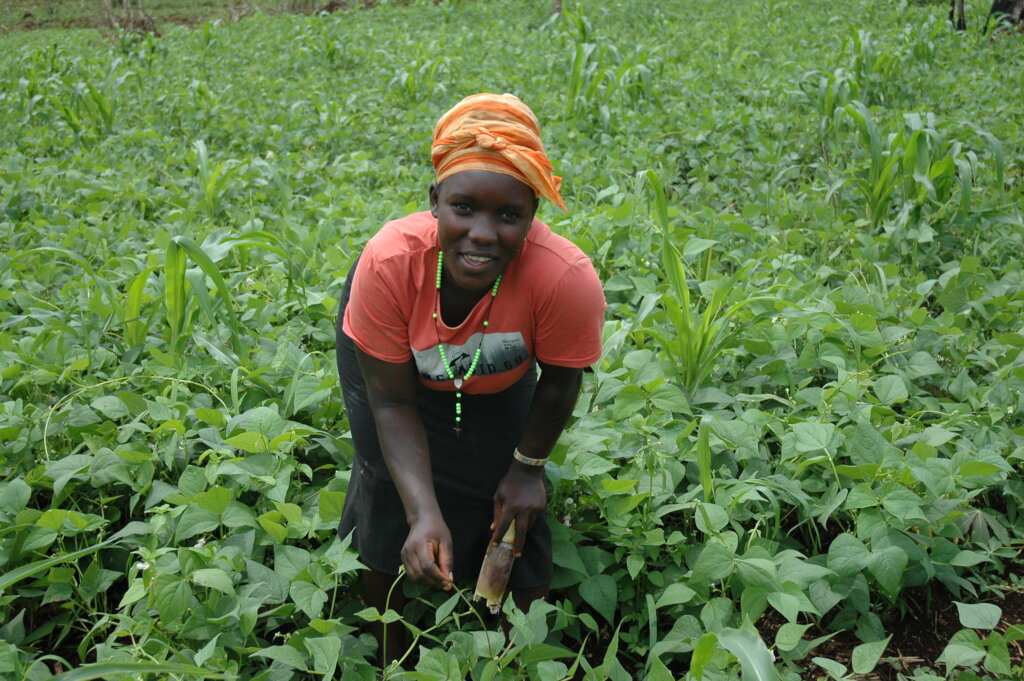
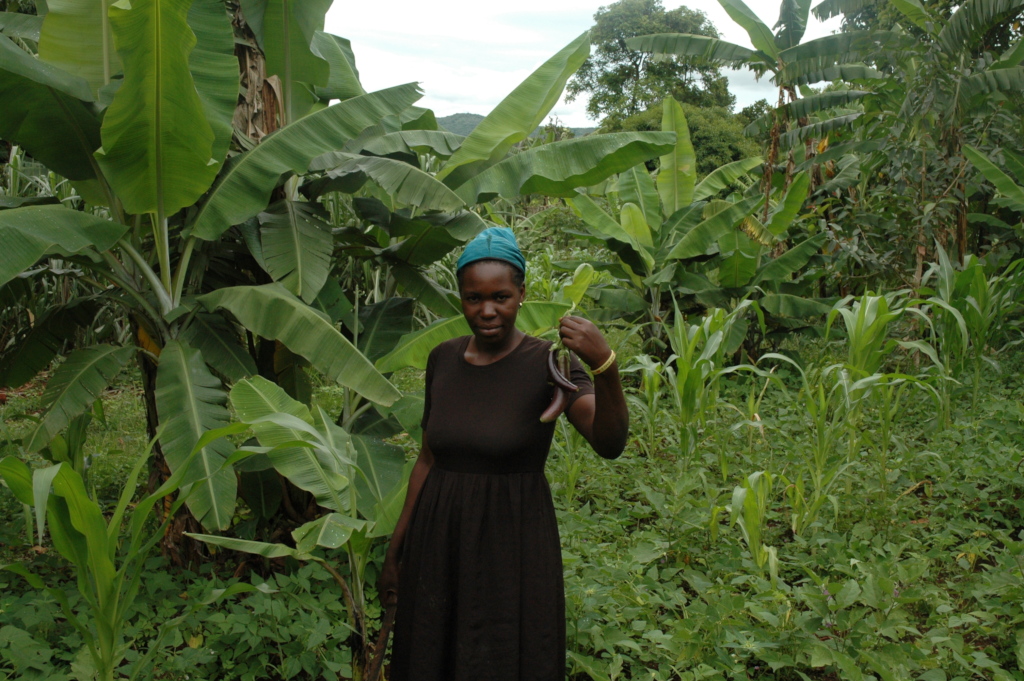
Akiiki, a 25-year-old mother of 3, had been struggling with providing daily food consumption to her family. She relied on whatever was available, a practice that was not sustainable, especially in the dry season. She knew that she needed to do something to ensure she and her children had sufficient food.
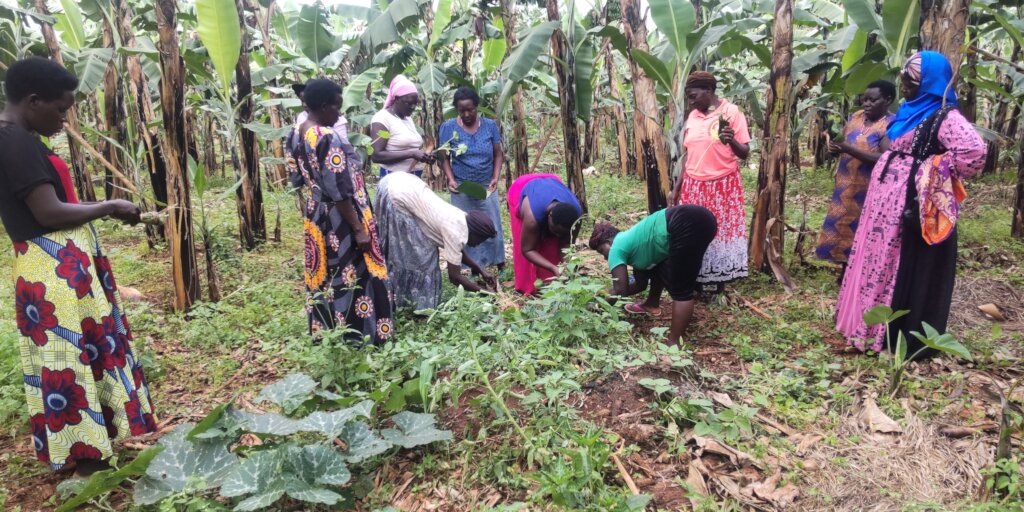
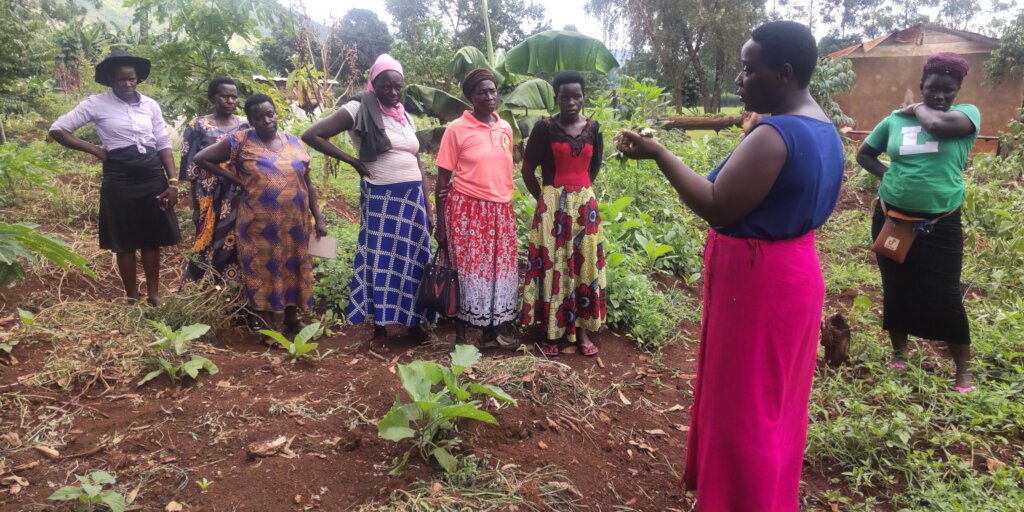
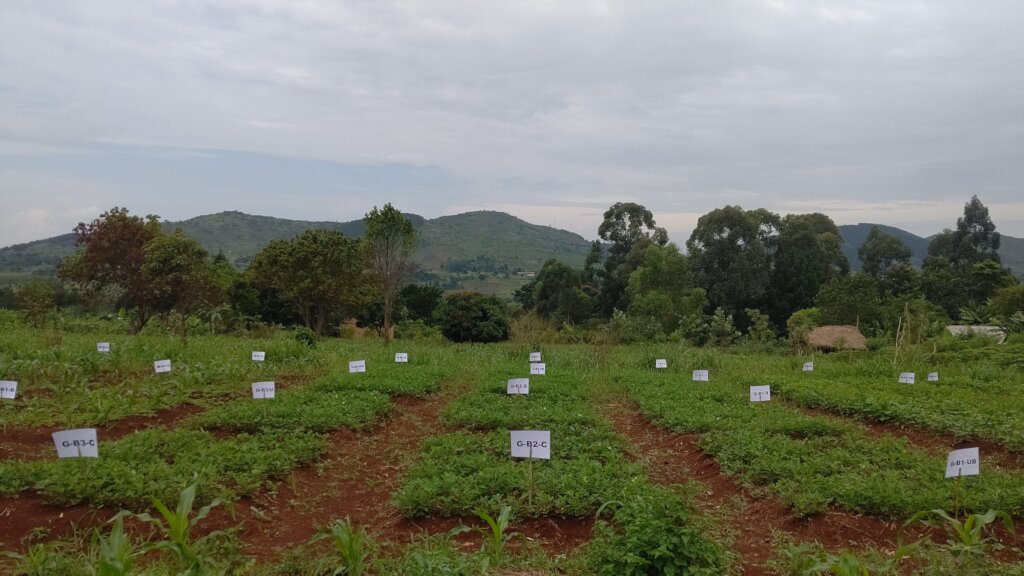
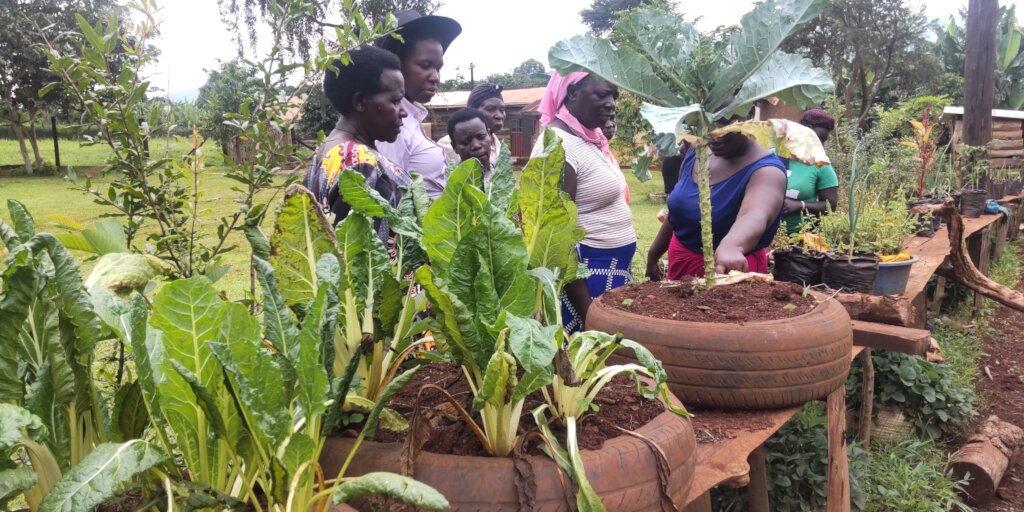
Last year, her and other 12 women expressed interest of learning vegetable and urban farming. We then organized a training led by an expert in urban and vegetable farming. “From the training I learnt how to establish backyard gardens, setting up nursery beds, and rotation of vegetables with other seasonal crops, setting up sack gardens, making organ pesticides and fertilizer, and other modern techniques of vegetable farming.” Akiiki expressed.
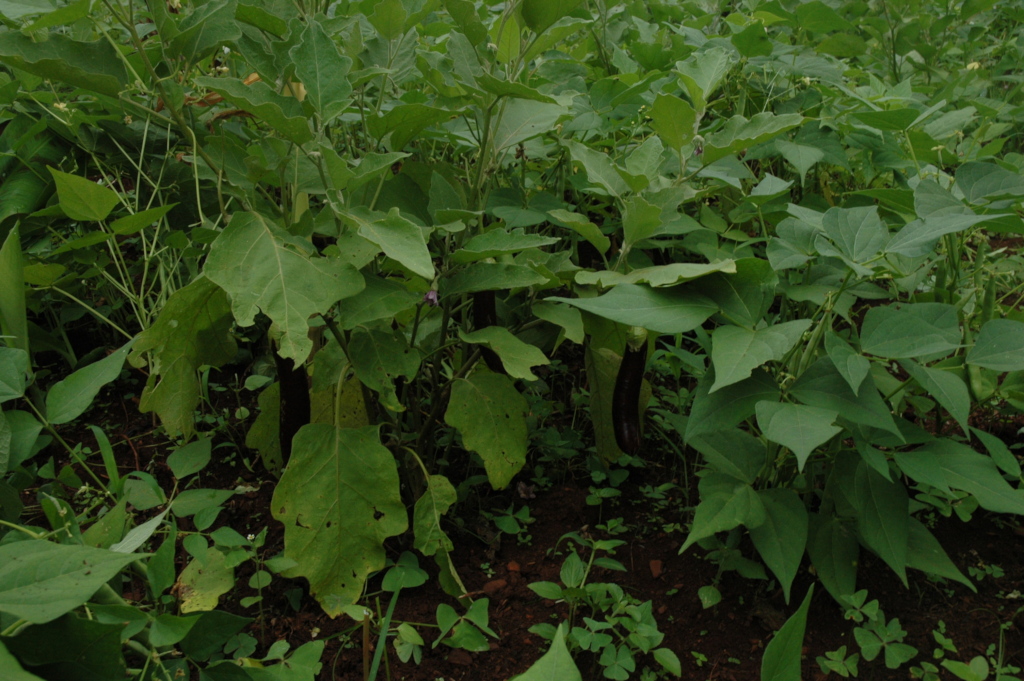
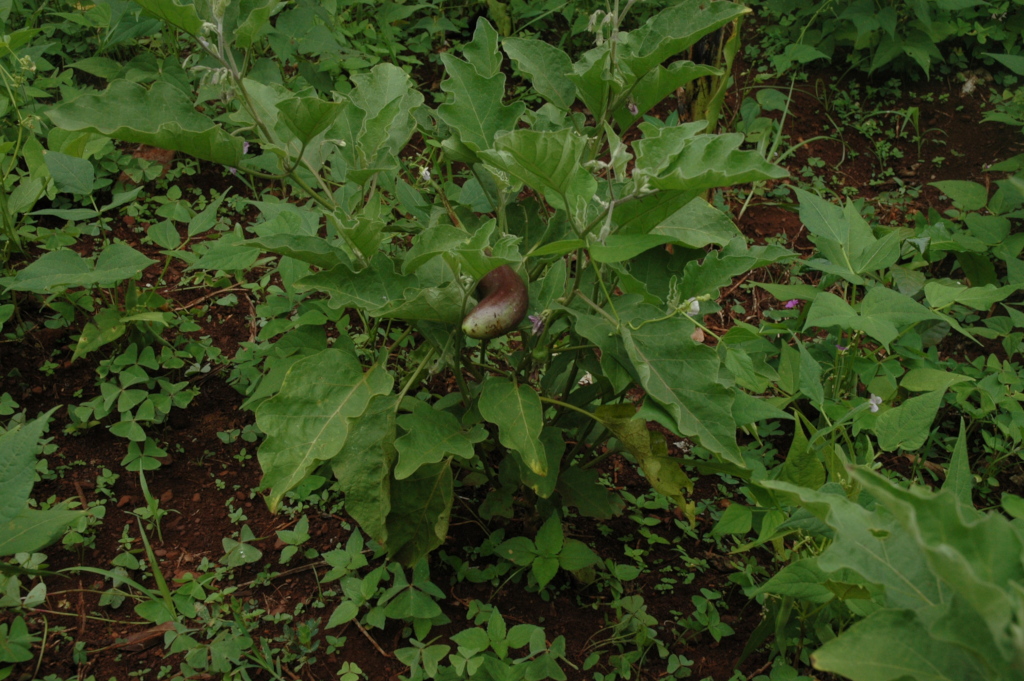
The knowledge she acquired from the training enabled her to establish nursery bed for egg plants and then planted vegetable that can grow almost all year round. “I received African egg plant seeds from SHCAN, planted them and the egg plants have matured. Now, I am certain of feeding my family on and off season.
Akiiki has plans to expand vegetable farming by planting other vegetables: Nakati scientifically known as solanum aethiopioum , Sukuma wiki, okra because vegetables are good sources of vitamins and supplements of diets and also helps lower malnutrition especially in children.
She expressed gratitude to SHCAN for its continued support. She also urged SHCAN to expand Vegetable farming to other remote areas so other communities can benefit from its support.
Project reports on GlobalGiving are posted directly to globalgiving.org by Project Leaders as they are completed, generally every 3-4 months. To protect the integrity of these documents, GlobalGiving does not alter them; therefore you may find some language or formatting issues.
If you donate to this project or have donated to this project, you can receive an email when this project posts a report. You can also subscribe for reports without donating.



Support this important cause by creating a personalized fundraising page.
Start a Fundraiser