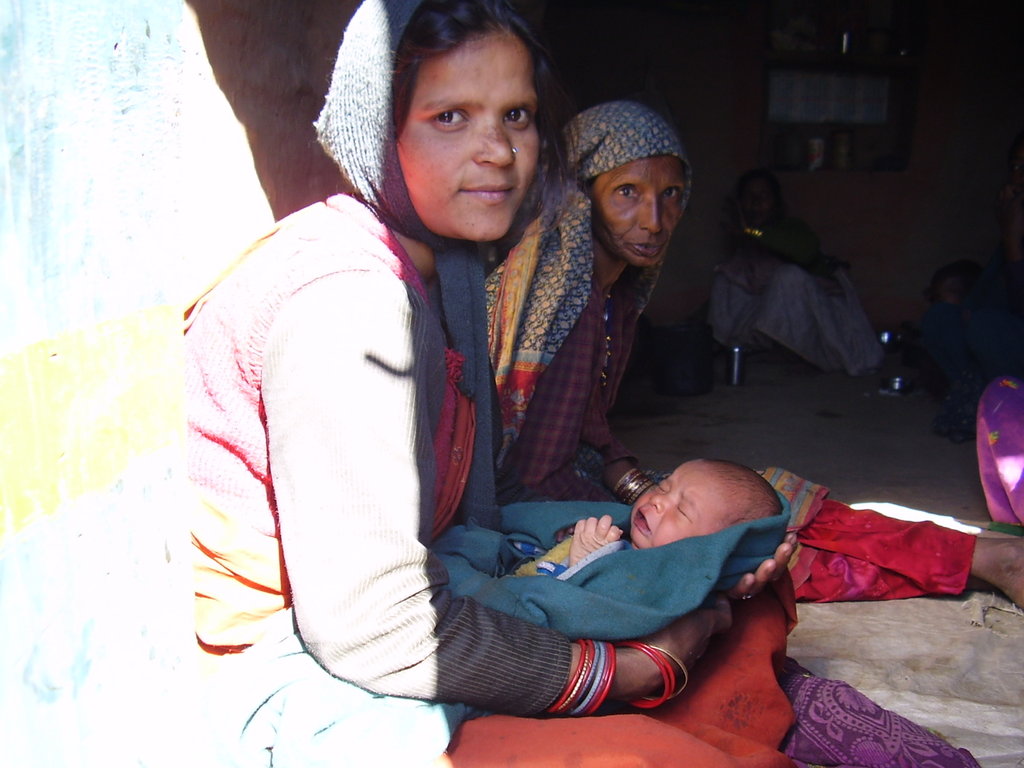
![Happy mother and child]()
Happy mother and child
REDUCING MATERNAL AND CHILD MORTALITY IN KUMAON: A SUM UP OF THE LAST 3 YEARS
Community Health
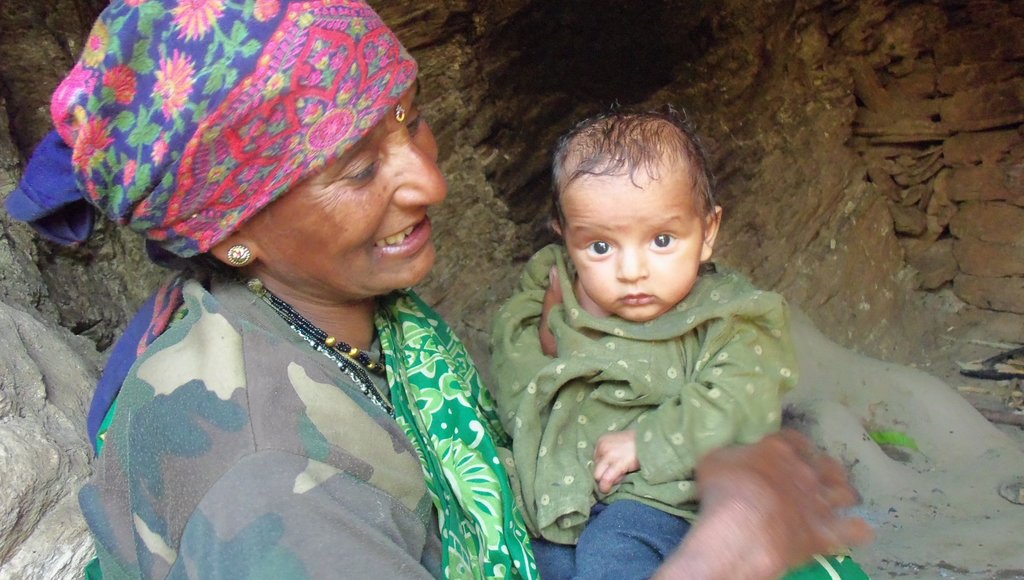
Our health program focuses on rural Kumaon’s most marginalized, i.e. women and children. Girls bear the brunt of the domestic workload, are married off early, are frequently pregnant and, are given second priority in education, nutrition and social rights. They are also subjected to a host of prejudices relating to menstruation and childbirth. Consequently, they have little time, energy or will to look after their children’s basic needs. No wonder, Uttarakhand’s Infant Mortality Rate is 41 per 1000 live births and Maternal Mortality Rate in Okhalkanda Block of Nainital District, in particular, is 353 per 100,000 live births, alarmingly above the state average of 188 as per the 2011 Census.
Our three-year SDTT[1] supported health project closed in January 2013. It sought to create a replicable, community-based health care model to minimize maternal and child mortality while improving overall human health and wellbeing in 30 villages of Nainital District’s remote Okhalkanda Block.
Key project achievements have been:
- All 12-to-23 month old children immunized in these 3O villages, up from 87% in the 2010 baseline survey.
- 98% antenatal care for pregnant women, up from 34% in the 2010 baseline survey. By Aarohi’s definition, this includes 3 Antenatal Care visits by a competent health care provider consisting of a physical examination, Haemoglobin estimation, 2 TT Injections, and the dispensing of 100 Iron Folic Acids Tablets.
- No mother has died during childbirth (or from child birth complications) in the last one and half year.
- Institutional deliveries rose to 42% against a 10% baseline in 2010, and Aarohi-trained Dais (midwives) now conduct 56% of all home deliveries in the project area.
- Malnutrition in children below 3 years has dropped from 38% (first half of 2011) to 18%.
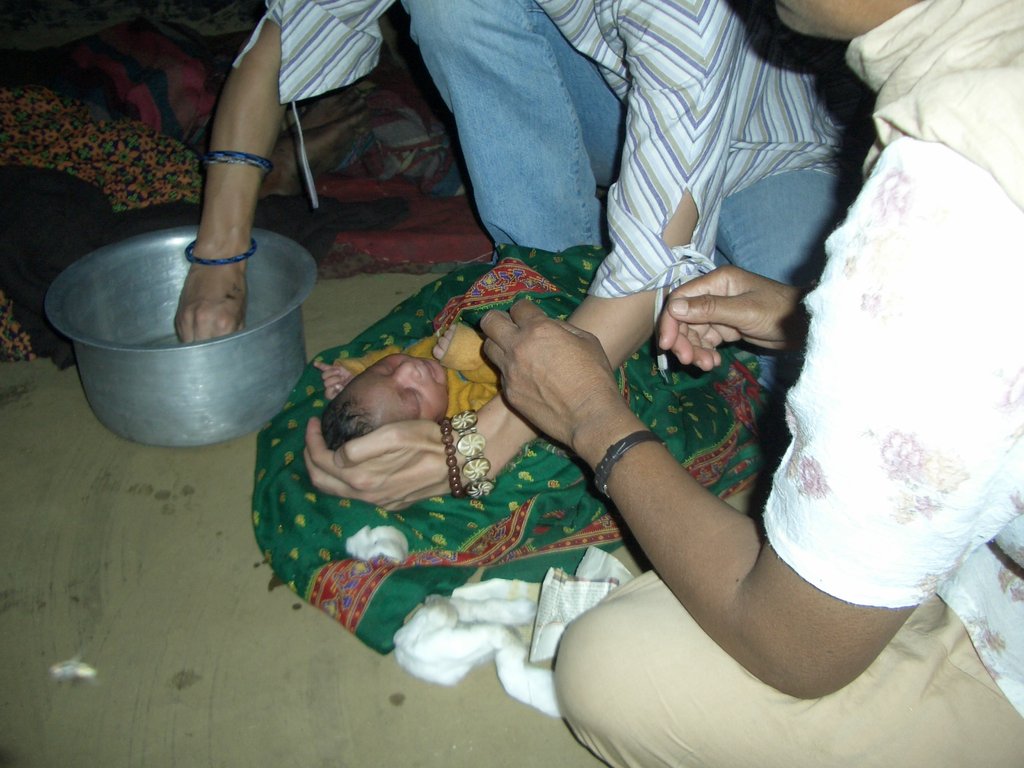
- Capacity building of village level health workers (Swasthya Karmis, ASHAs and Dais) in identifying and referring high-risk mothers, in antenatal care, postnatal care, community mobilization on health issues and in treating minor illnesses.
- Capacity building of organizational staff for better planning and implementation of programs through village committees.
- Successful community mobilization and sensitization of village institutions on health issues, including Gram Panchayats, VHSCs (Village Health and Sanitation Committees) and Schools.
- Active participation of school teachers and students in creating health awareness in the project area.
Health partnerships with government and other NGOs have strengthened significantly. There is better networking with ASHAs (Government-appointed Accredited Social Health Activists), ANMs (Government-appointed Auxiliary Nurse Midwives), block NRHM (National Rural Health Mission) Coordinator and PHC (Primary Health Centre) for implementing village level NRHM goals; regular sharing of work and six-monthly reports with CMO, Nainital (Chief Medical Officer); conducting Eye and Family Planning Camps with support from District level medical teams; liaising with the NRHM State Director for possible association with the state government under the PPP (Public Private Partnership) modeL, liaising with the State and District Coordinator of RSBY (Rashtriya Swasthya Bima Yojana) for empanelment of Aarohi Arogya Kendra under the RSBY Scheme; signing an MOU with “Dimagi Incorporated”, Massachusetts Ave, USA to address maternal and child health issues through mobile telephone technology.
The project’s key beneficiary groups are summarized below:
Villages 30
Households 2,058
Population benefited 12,337
Pregnant women attended to 1,589 (3 years)
Total deliveries undertaken 1,788 (3 years)
Children identified with sickness episodes and consulted / treated by health workers 1,991 (data for last year)
Target children for primary immunization (12-23 months) 1,297 (Annual)
Children 0-5 years monitored for nutrition status 1,234 (Annual)
Children in schools for health awareness 2,967 (Annual)
Youth in colleges interacted with 1,062 (Annual)
VHSC members trained 409 (3 years)
VHSC meetings held 511 (3 years)
Total attendance in VHSC meetings 5,893 (3 years) Average of 14 persons per meeting.
Trainings & workshops conducted 457 (3 years)
Total attendance in trainings and workshops 11,425 (3 years) Average of 25 persons per training
Happily, SDTT will now support the scaling-up of this project to the entire block, covering 105 villages and a population of approximately 42,000. Funding through GlobalGiving have been extremely useful in filling gaps in funding and maintaining continuity of work.
Core competencies of Aarohi
Extract from end term Evaluation Report by Dr Ramani Atkuri (4-8 Dec, 2012)
Aarohi’s main strength lies in its credibility with the community as well as the local health authorities as an organization that is serious about the work it is doing, as well as one which is willing to work in difficult-to-reach areas. The fact that Aarohi has a field office in the project area helps them to understand the situation of the people there and make their own work more relevant.
The team at Aarohi has been able to establish good linkages with Panchayati Raj Institutions at the village level, which is crucial for bringing about sustainable change in the health knowledge and practice in these communities.
Capacity building of health personnel at the village level – of birth attendants as well as of health workers – is another strength of Aarohi. A lot of thought has gone into defining the training curriculum and the training schedule is meticulously followed. The training team is motivated and hard working and has built the knowledge and skills of village level health workers as well as improved awareness levels of the community on various health issues.
The organization has a system in place for regular data collection and collation, as well as for analysis.
The health team of trainers, supervisors, technician and BSPT animators, led by the Assistant Coordinator and Coordinator is young and energetic and motivated. They are able to learn and adapt - amply demonstrated by the number of design modifications that the smokeless chulha (stove) has undergone to make it more user-friendly for the community here.
Challenges and recommendations
Adapted excerpts from the end-term Evaluation Report by Dr Ramani Atkuri, M.D., 4-8 Dec 2012 (the full Report is available on our website).
Evaluators’ observations relating to training and supervision
- The training team’s knowledge of Maternal and Child Care and some other subjects requires strengthening. Also, while the program focuses mainly on maternal and child health, other women’s health issues may warrant attention, especially as uterine prolapse and vaginal infections are a common problem here.
- While the team also trains Health Workers, Supervisors and Dais (Traditional Birth Attendants) to refer anything out of the ordinary, quite a few of these conditions can be handled at home or at the village level.
- Aarohi needs to strengthen Health Worker supervision to ensure that all components of the planned Antenatal and Postnatal care program are systematically carried out.
- Aarohi has a good system of data collection in place, and it is also collated well. However, analysis of data has remained very basic and a lot of valuable information could be inferred with more detailed analysis of the statistics already available.
Evaluators’ observations on child health issues
- Monitoring child growth using adult bathroom scales does not give the required amount of accuracy. It is recommended that spring scales (eg Salter) upto 25 kg be used. These are typically present in all Anganwadi centres.
- While Aarohi reports show under-3 malnutrition reducing (which Aarohi staff attributes to maternal education about childhood diet and safe water, deworming and vitamin supplements), a continuing problem is that children are left to fend for themselves when mothers go out to get firewood or work in the fields.
- Reduced child deaths are attributed to better health awareness in the communities thanks to 1) children’s teams of village health educators (Bal Swasthya Prachar Teams or BSPT), ii) improved functioning of Village Heath and Sanitation Committees, and iii) Aarohi’s own advocacy with the Government to improve immunization services and hospital transportation.
- The BSPT is positively impacting the knowledge and behaviour of children, who will be the future agents for change. It is recommended that this initiative be continued.
- Aarohi’s health awareness work with adolescents is a very important initiative, though not part of the project. If strengthened and systematized, it will also go a long way in improving women’s health.
- Finding over 80% of water sources to be contaminated, Aarohi educated villages on the importance of boiling water and keeping water sources safe. However, Aarohi staff says that diarrhoeal disease continue to occur, though much reduced due to the ORS use and better transport to hospital. Worryingly, 25% of infant deaths appear to be diarrhea-related.
Evaluators’ observations on community related-issues
- Aarohi’s efforts to inform people about the various programs and entitlements under the National Rrural Health Mission and the Rashtriya Swasthya Bima Yojna has been effective in terms of empowering people to access these services. Aarohi can also be commended for its efforts to strengthen Village Health Sanitation Committees and other community process, how well they function is not entirely in the hands of the Aarohi team.
- Aarohi’s ‘demonstration’ trainings in rainwater harvesting structures, garbage pits and smokeless chulhas are being used well.
- Aarohi needs to consider whether it wants to tackle alcoholism, and domestic violence against women, two common and serious problems in this area.
The smile that tells a thousand tales
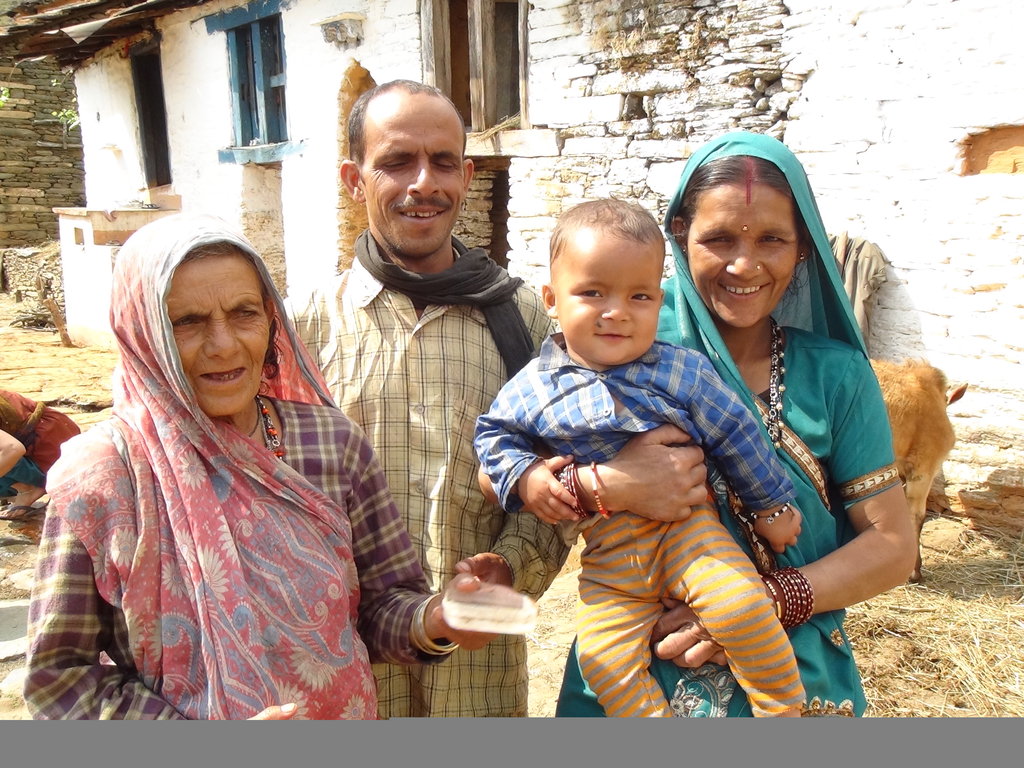
This story is of a family in a small and picturesque village called Karayal, in the remote Okhalkanda Block of Nainital District, where Aarohi works.
Ghanshyam Bahuguna, 36, lives with his wife, Shanti Devi, 32 and his mother, Aama. Pankaj, their son, is one and a half years old. Shanti has been pregnant five times already for the social and family pressure to produce a male child is overbearing in a typical mountain family. And, like her counterparts, her domestic chores are immensely demanding physically. Shanti’s day starts at 5 am and ends at 10 pm. Every Single Day. Yet, she still smiles, for – as she says – happiness finds its ways in little moments, even in a mountain woman’s shattered dreams.
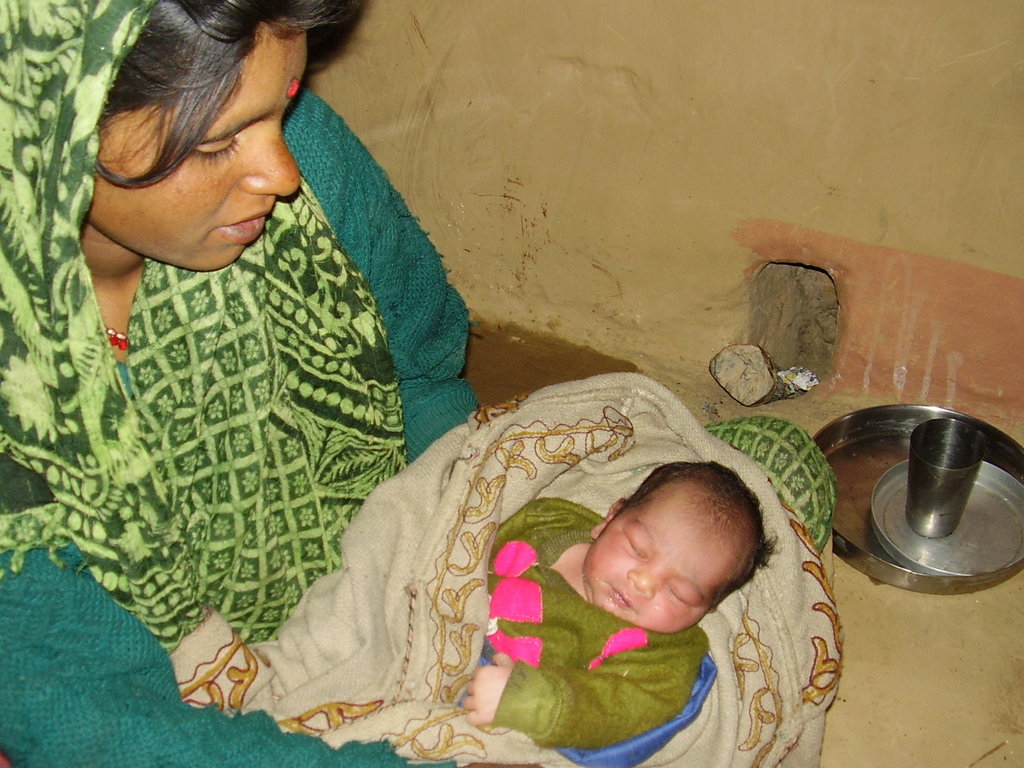
Shanti had a miscarriage during her first three pregnancies, and given the family’s indifference, bore both her emotional and physical suffering alone. The family’s only interest was that she deliver a male child. But, life would give Shanti another chance. She became pregnant a fourth time, just as Aarohi started working in her village, teaching women the importance of ante-natal care and training/organizing Swathya Karmis (health workers) to conduct regular check-ups. Shanti went for a check-up, where the Swasthya Karmi – discovering a breech presentation - advised hospital delivery. However, Shanti was not free to act on this advice, since family elders still typically take all decisions in rural Indian households. Shanti’s conservative mother-in-law, Aama, ruled that her daughter-in-law would deliver at home as she had, assisted by the village mid-wife.
But Aama and the midwife could only get the baby half way out. Lodged firmly inside its mother, the baby died and Shanti lay for hours in a pool of blood - physically and emotionally broken. Yet, the family refused to take her to hospital! Here, Aarohi’s intervention was crucial. The Swasthya Karmi mobilized the village to get Shanti’s family to take her to hospital. Miraculously, she survived, though with the continued stigma of childlessness.
A year later, Shanti was pregnant again. But, by now, Aarohi was well established in Karayal; and its Swasthya Karmi’s made regular home visits to check on expecting mothers and ensure their families gave them utmost care. So, Shanti was closely monitored. Once again, the baby was in a breech position. But, this time the family cooperated, and Shanti delivered a healthy baby boy in hospital by Caesarean Section. Both mother and family were overjoyed.
We ask Ghanshyam how he feels today. Thoughtfully, he says, ‘yadi hamne Aarohi walon ki salaah pahle hi maanee hoti to hamen etnaa pareshaan nahi hona padta…’. (had we heeded Aarohi’s advice earlier, we would not have had to suffer so much).
Shanti tale is not different from that of many rural mountain women. When life presents an unending tedium, happiness finds its ways in little moments. Perhaps that is the secret behind Shanti’s smile.
Curative Health
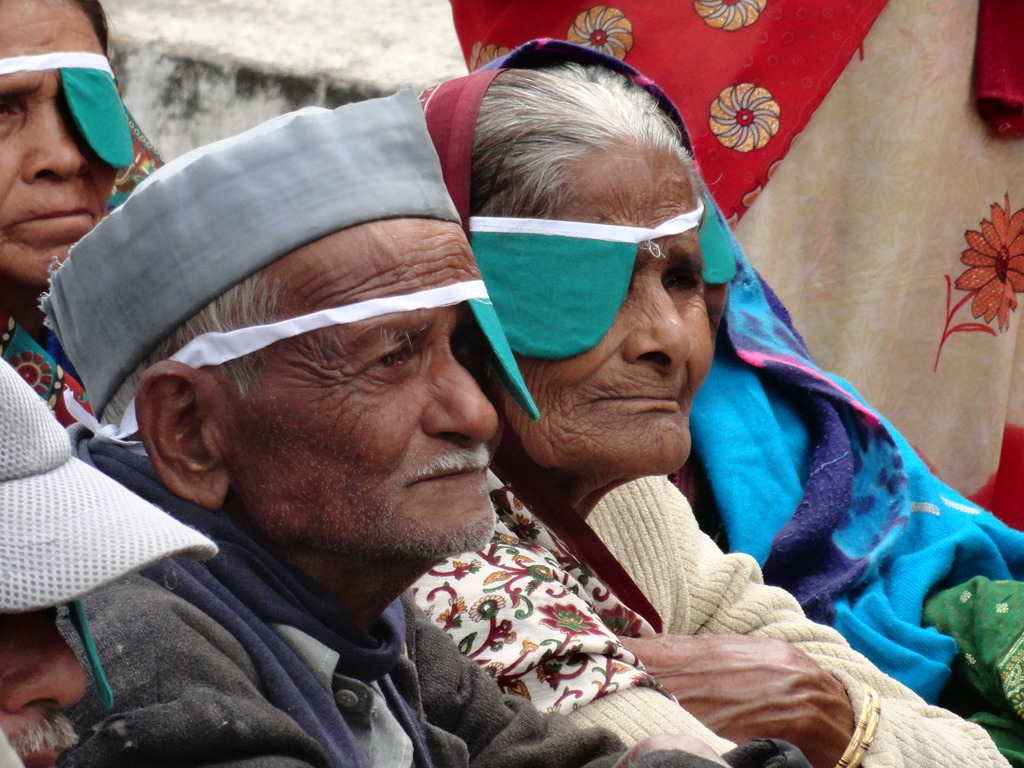
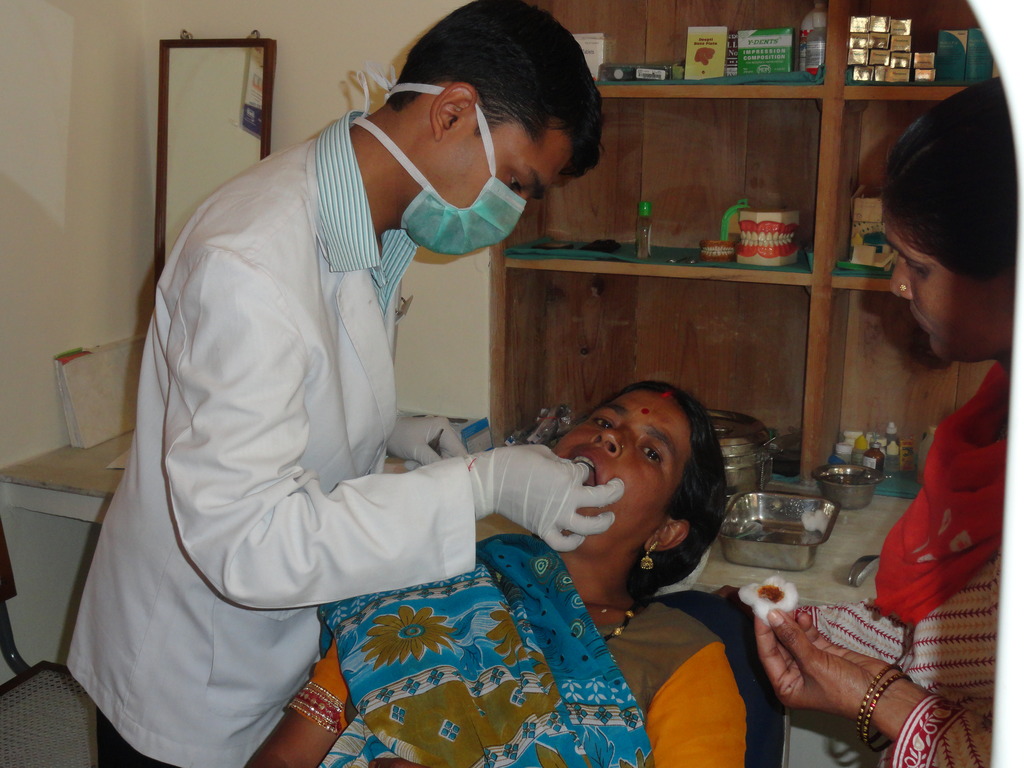
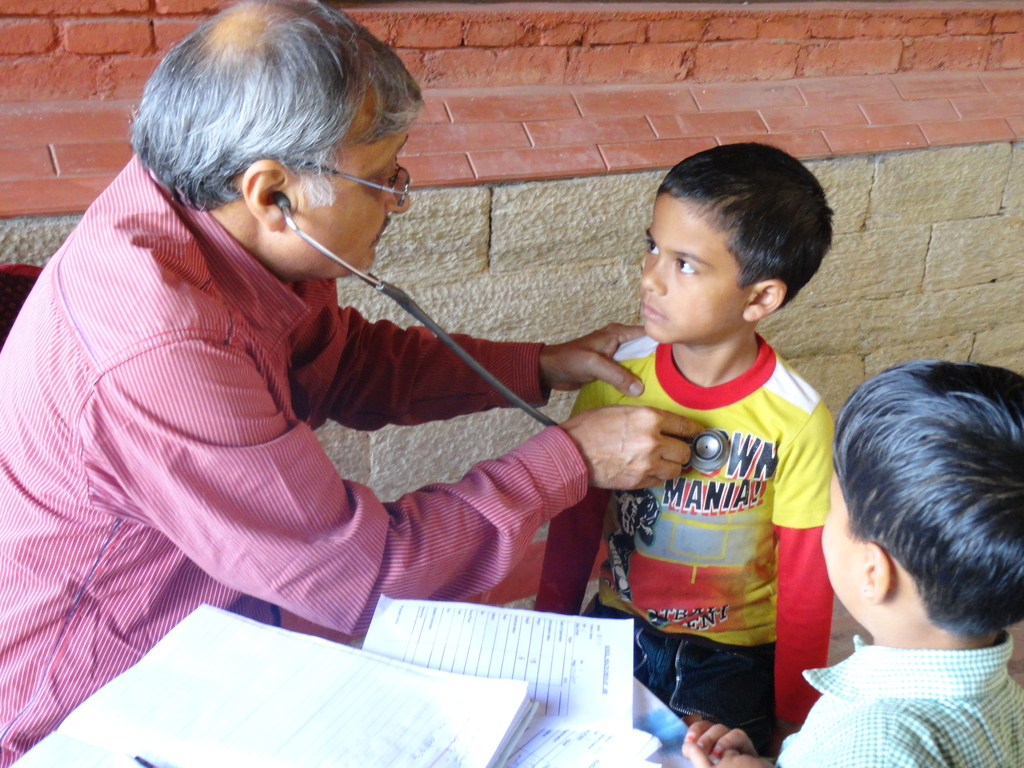
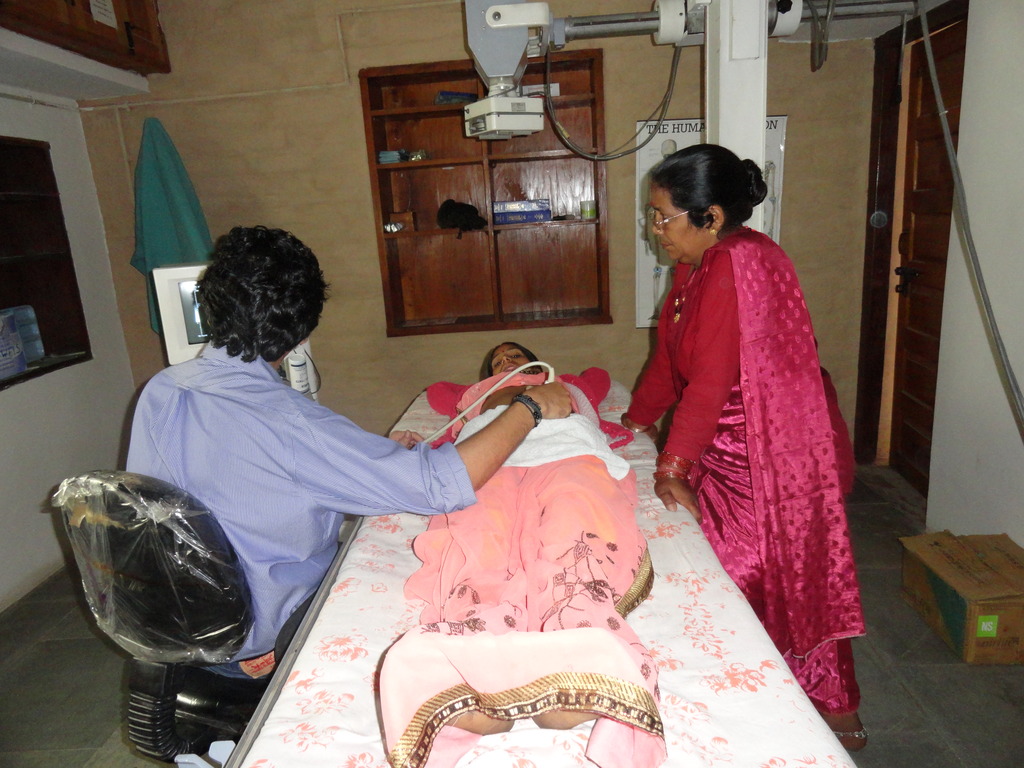
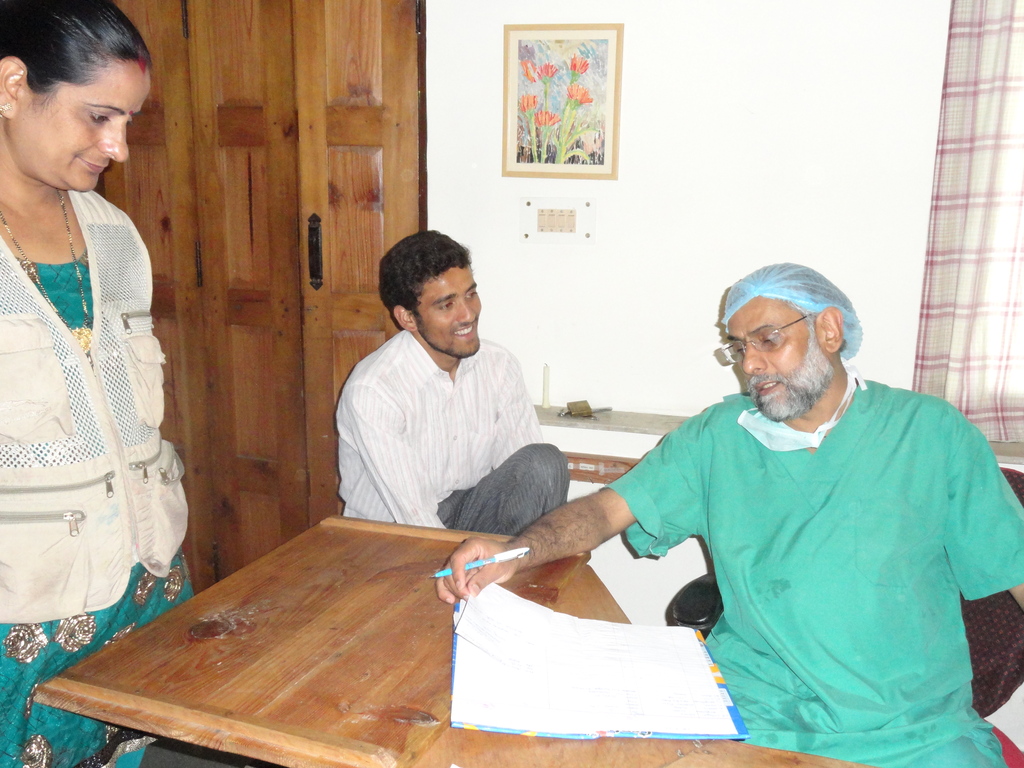
We continued essential routine outpatient, inpatient, diagnostic, emergency services from the hospital at Aarohi. Multi-specialist camps were conducted on a monthly basis providing surgical, ultrasound, medical, paediatric and eye care. During the year, special camps for reconstructive surgery were organized twice, along with ENT camps, and Cataract and family planning camps were conducted in conjunction with the district government facilities. Mobile camps in remote mountain regions were conducted once in Pindari river basin. One camp was aborted due to heavy monsoons that washed the roads away. These camps were clubbed with school medical check-ups in the local schools with deworming and vitamin and calcium supplements for children. The children were monitored for their growth and advised accordingly.
The table below summarizes the leading performance parameters of our hospital-based services this year:
Health at a glance
OPD patients treated at Aarohi Arogya Kendra 1,894
Inpatients treated 62
Home visits / Emergencies 10
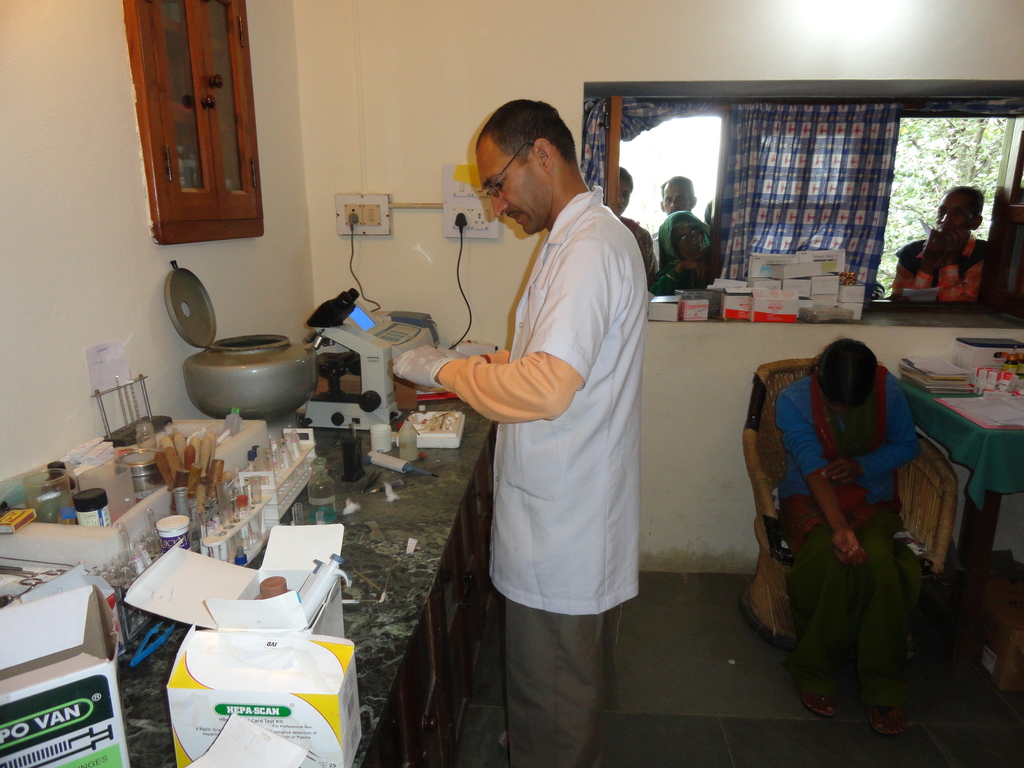
Laboratory test 1,535
X Ray 113
Ultrasound 269
Total villages covered 50
School children screened for health problems 134
No. of dental camps 11
Dental screenings for school children 102
Total dental screenings 412
No. of total dental extractions 130
No. of dental fillings ![Shanti and family]()
Shanti and family
![Saraswati gets a new lease of life]()
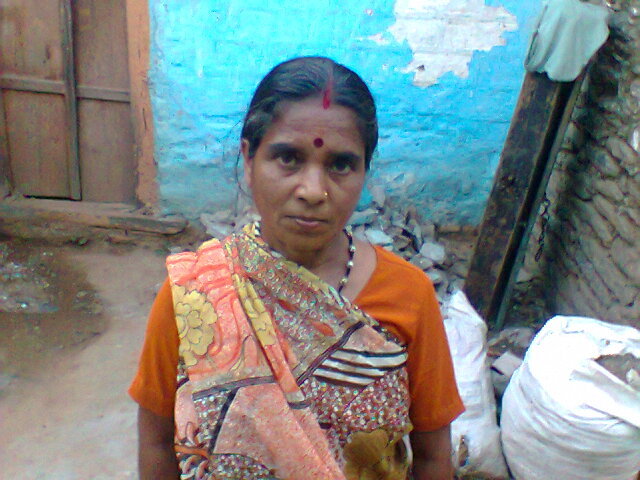
Saraswati gets a new lease of life
![After a cataract camp at Aarohi]()
After a cataract camp at Aarohi
![Share on Twitter]()
![Share on Facebook]()
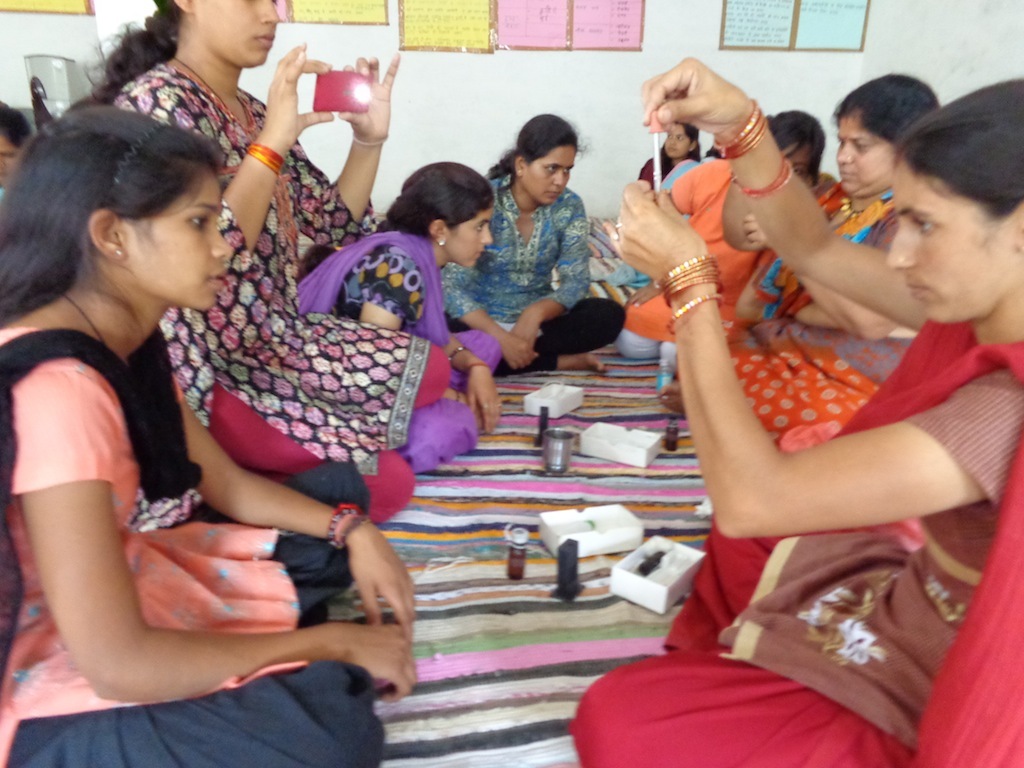 Traning health workers to do Haemoglobin estimate