By Sydney Usselmann | Programms & Office Intern
With the current phase of Project Miatrika ending this year, SEED is preparing for the next stage: Project Miatrika II, Resilience. This new phase will take place from January to December 2027 in 21 villages in the Taolagnaro district of the Anosy region, supported by the health centres in Ankariera, Analapatsy, and Ankilimihatra. The main goal is to reduce and prevent acute malnutrition in children aged 6 to 59 months.
The biggest change will be in how SEED works. Project Miatrika began as an emergency response, focused on large-scale distribution of supplementary food. The next phase will focus more on prevention, community-led recovery, and building stronger connections between families and the health system. SEED wants children to be identified earlier, treated within their own communities, and less likely to become malnourished again.
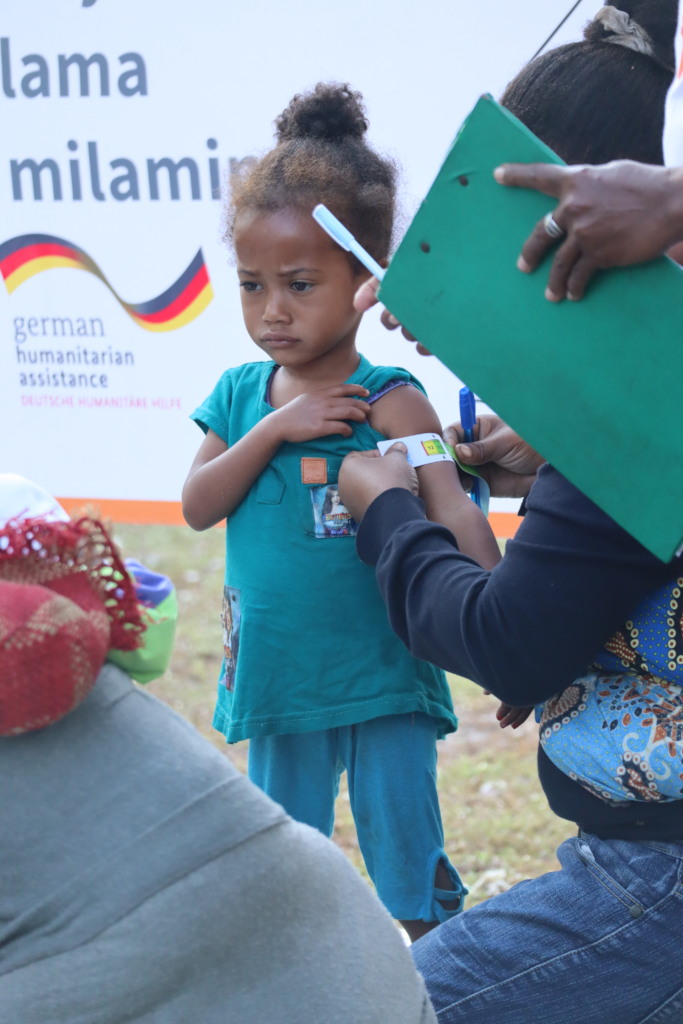
Early detection is still the first step. In 14 villages, community health workers will hold screening campaigns three times a year, reaching about 2,040 children each time. In the other seven villages, SEED will pilot monthly screenings at local treatment sites, along with awareness campaigns and follow-up for families who might miss them. SEED expects to find about 860 children with moderate acute malnutrition each year, although this number may change depending on food security. Children with severe acute malnutrition will be referred to outpatient treatment, and those with medical complications will be taken to the regional specialist facility. SEED will help with transport, food, and medication so families are not held back by these costs.
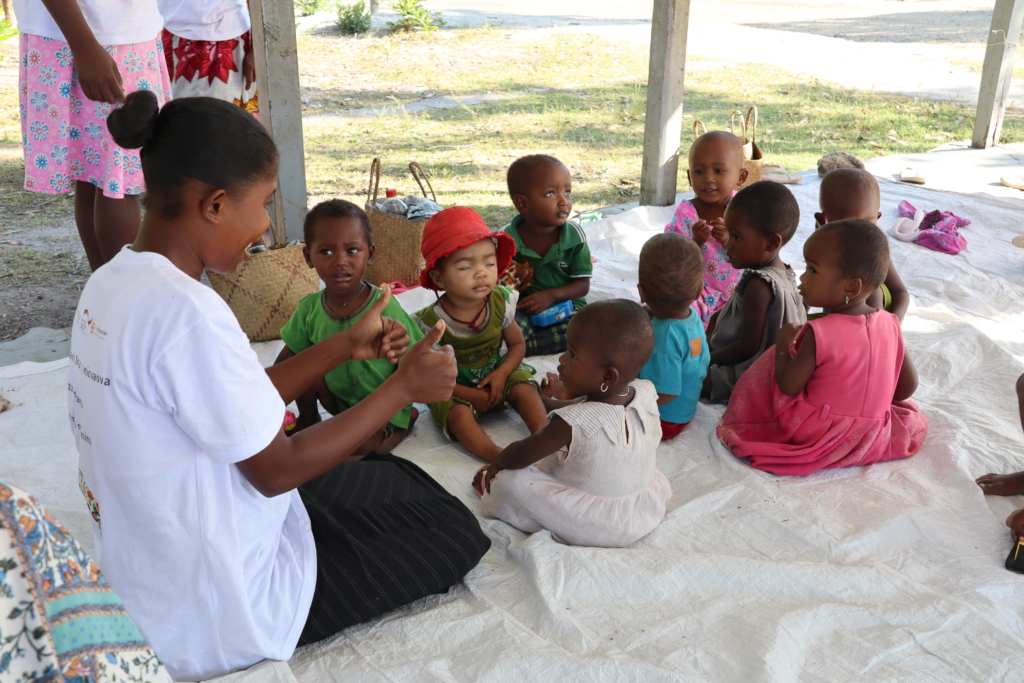
Positive Deviance will be the main way children recover. This approach will identify Model Mothers, whose children are healthy despite facing the same challenges as others, and use their daily habits to teach other caregivers. If a village has at least eight children with moderate acute malnutrition, their caregivers will join a 12-day care group led by trained Model Mothers, followed by three months of home visits. In the current phase, 87% of children in these care groups recovered after 12 days. If there are not enough children for a group, they will go to the local treatment site instead, with extra home visits for those who need more help.
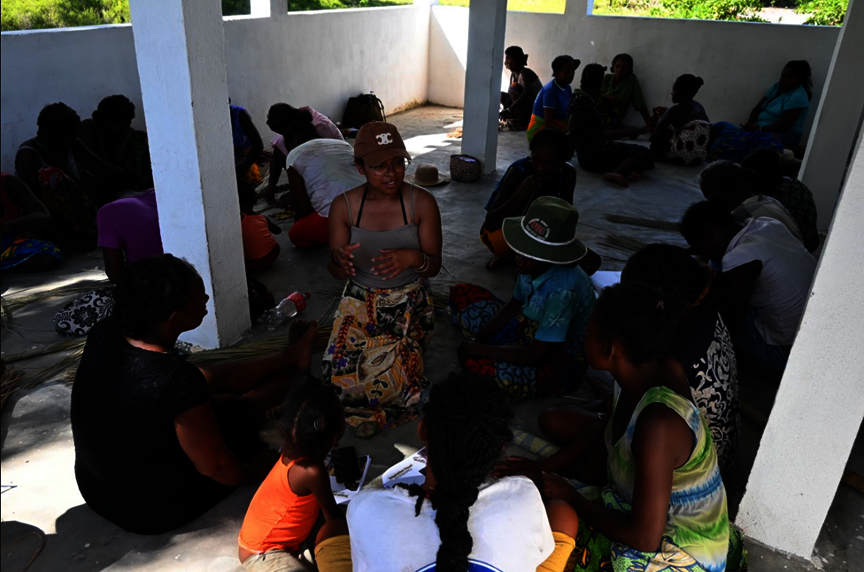
In addition to treatment, community health workers will hold nutrition sessions every two months for about 1,890 caregivers. These sessions will cover feeding young children, food hygiene, and when to seek health care. They will also hold cooking demonstrations using local foods, and participants will learn how to measure their children’s arm circumference to spot malnutrition early. SEED will also strengthen referral links among families, health workers, and treatment sites, and will continue attending monthly regional nutrition meetings.
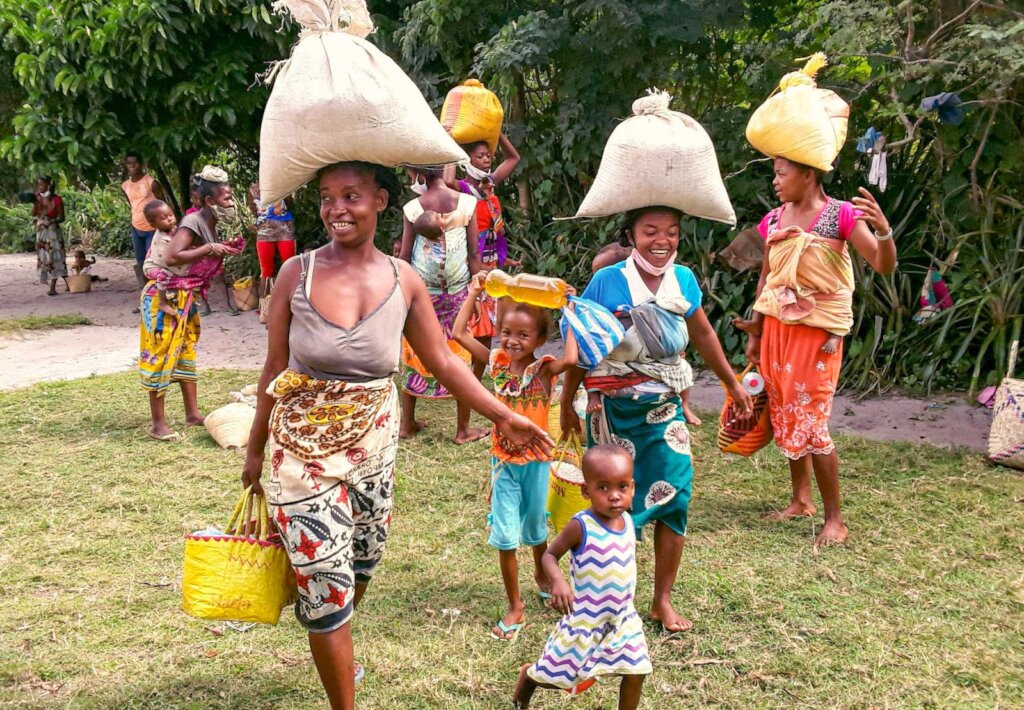
Before the new phase begins, a few months remain in the current one. SEED is finishing the eighth round of treatment for 1,311 children with moderate acute malnutrition, giving food parcels to 984 families in the hardest-hit areas, and providing a second round of deworming tablets to 6,825 children in November.
Thank you for helping make this work possible.
By Ellen Manwaring | Programmes and Office Assistant
By Cassie Senn | Programmes and Office Assistant
Project reports on GlobalGiving are posted directly to globalgiving.org by Project Leaders as they are completed, generally every 3-4 months. To protect the integrity of these documents, GlobalGiving does not alter them; therefore you may find some language or formatting issues.
If you donate to this project or have donated to this project, you can receive an email when this project posts a report. You can also subscribe for reports without donating.



Support this important cause by creating a personalized fundraising page.
Start a Fundraiser