![]()
Overview
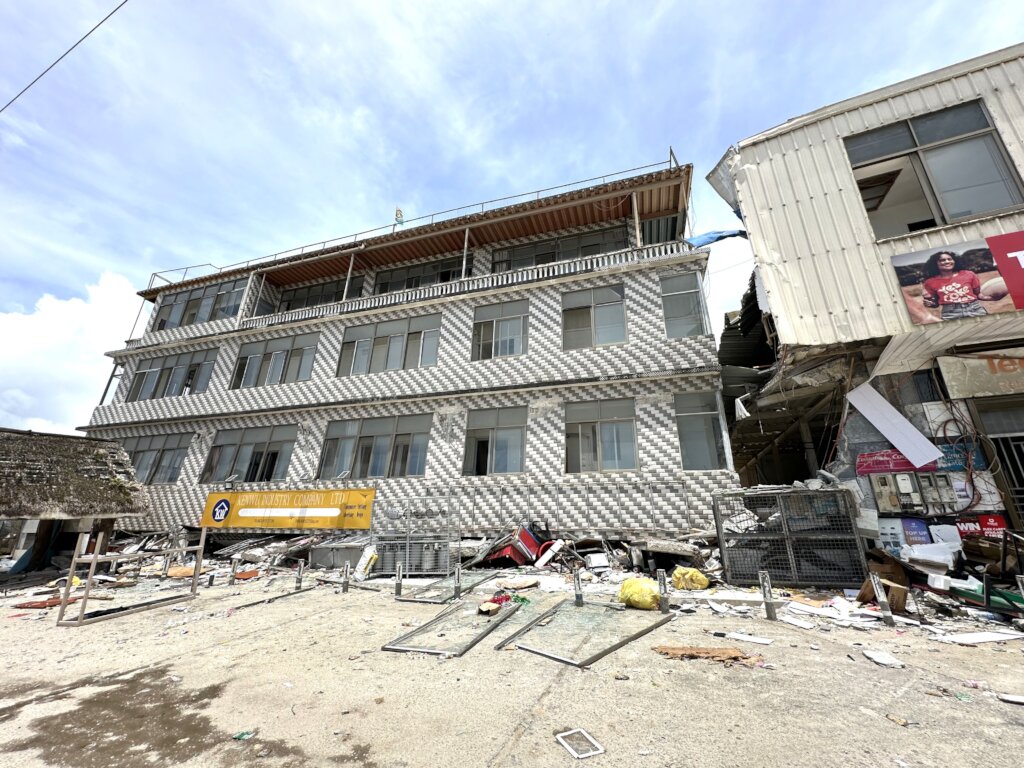
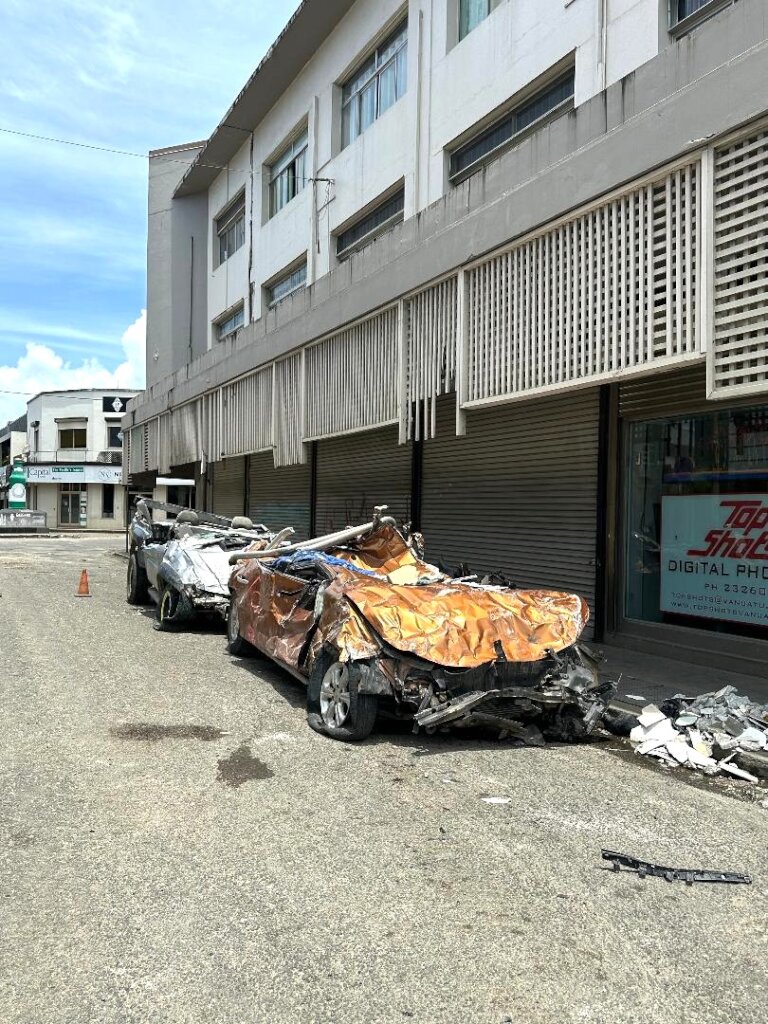
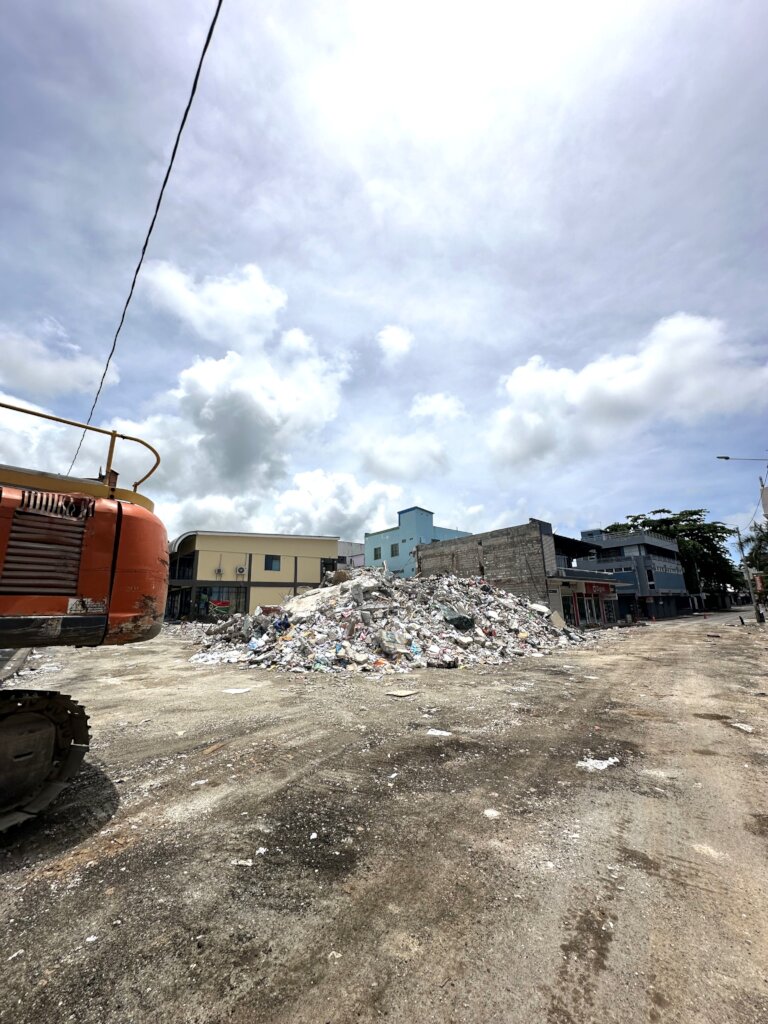
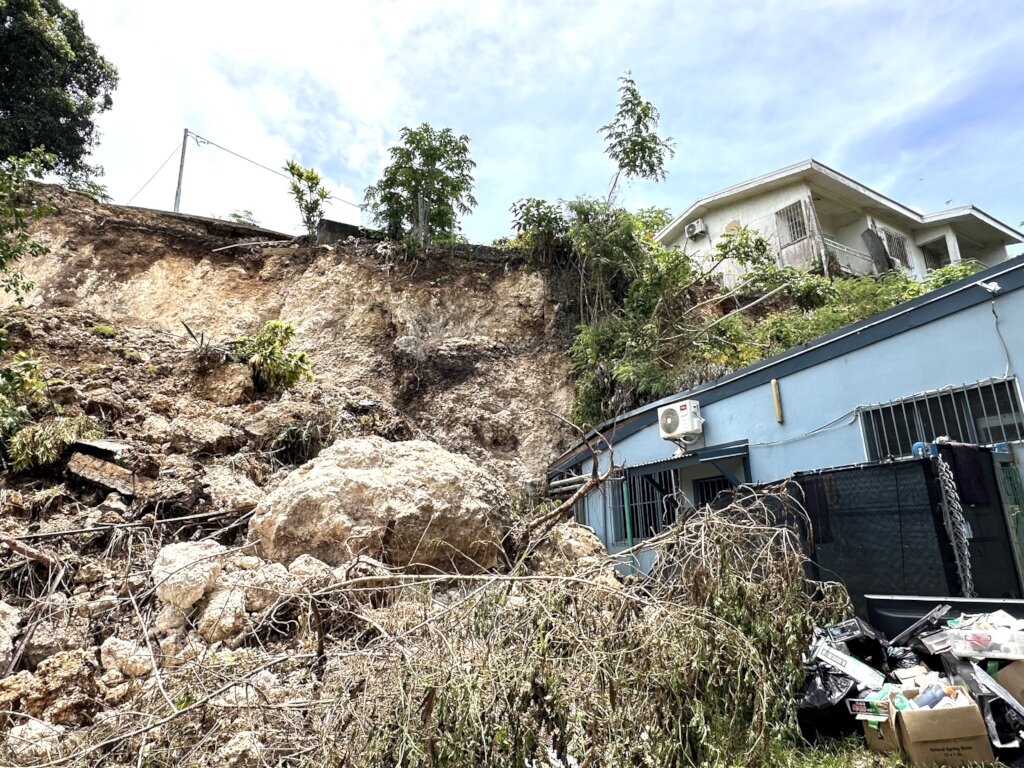
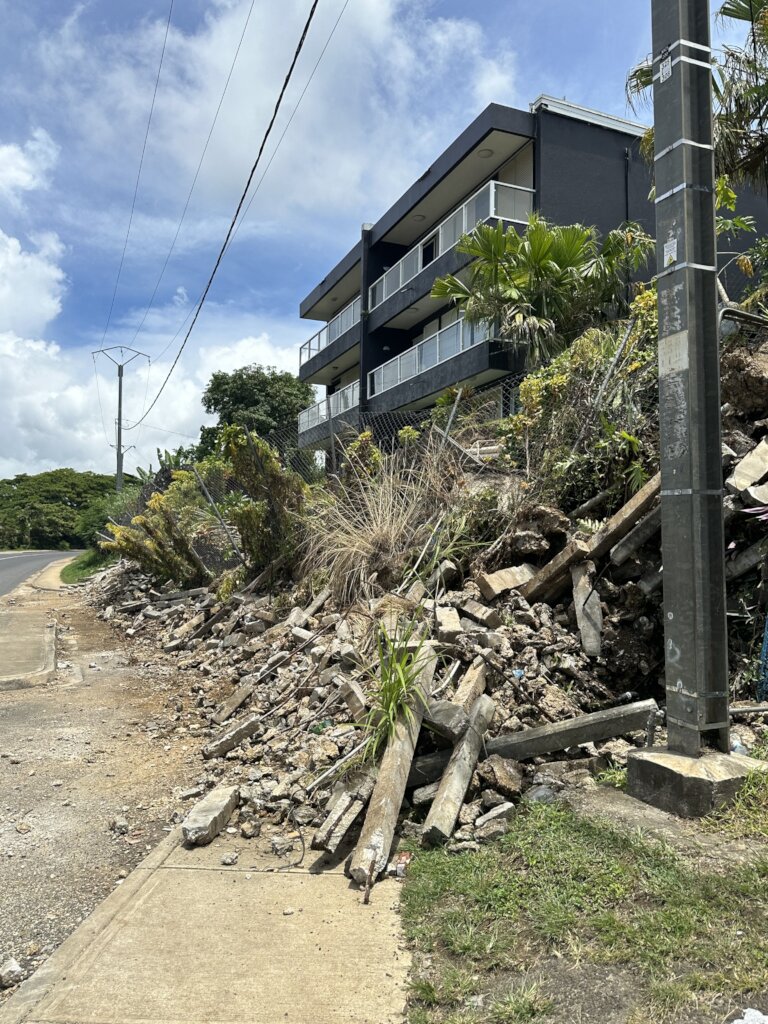
Since the devastating 7.3 magnitude earthquake in December 2024, VRCS has been leading humanitarian efforts across affected areas in Vanuatu, reaching thousands of people with life-saving support. Over 80,000 people were affected and more than 2,400 were displaced. Aftershocks and heavy rains continue to complicate the response, but through the leadership of the Vanuatu Government’s Recovery Operations Centre and the support of IFRC, progress is steadily being made. The transition from emergency to early recovery is ongoing, with a focus on shelter, livelihoods, health, protection, education, and Water, Sanitation and Hygiene (WASH).
Shelter
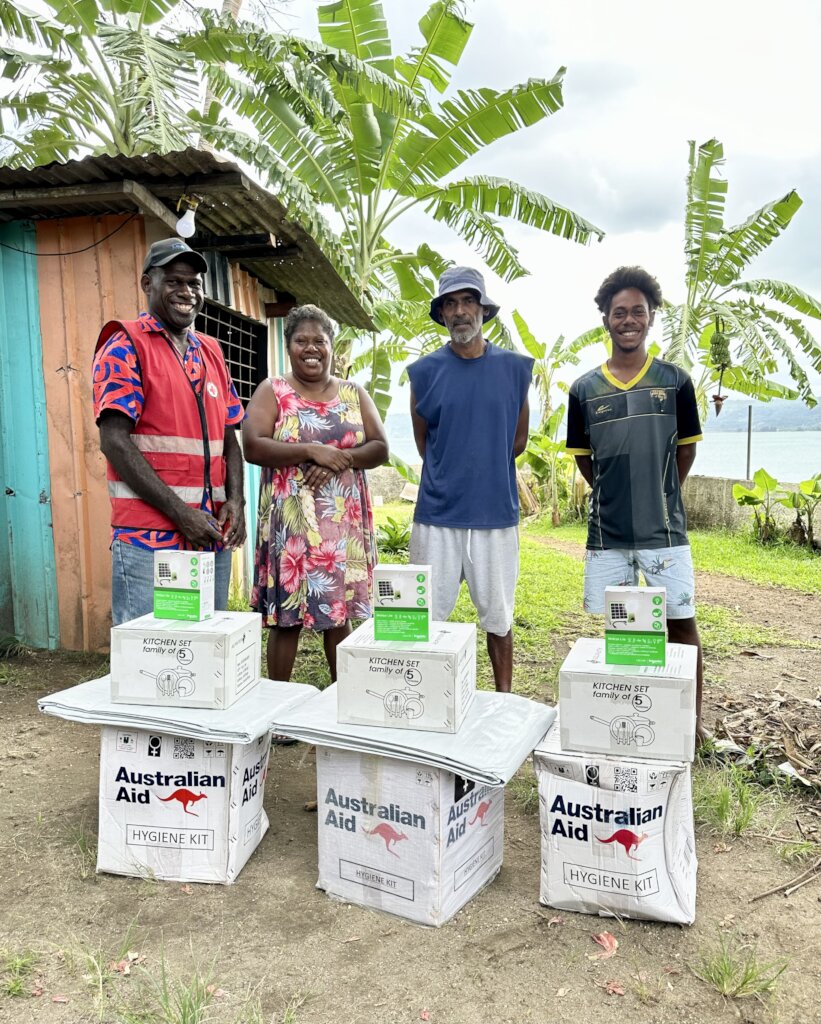
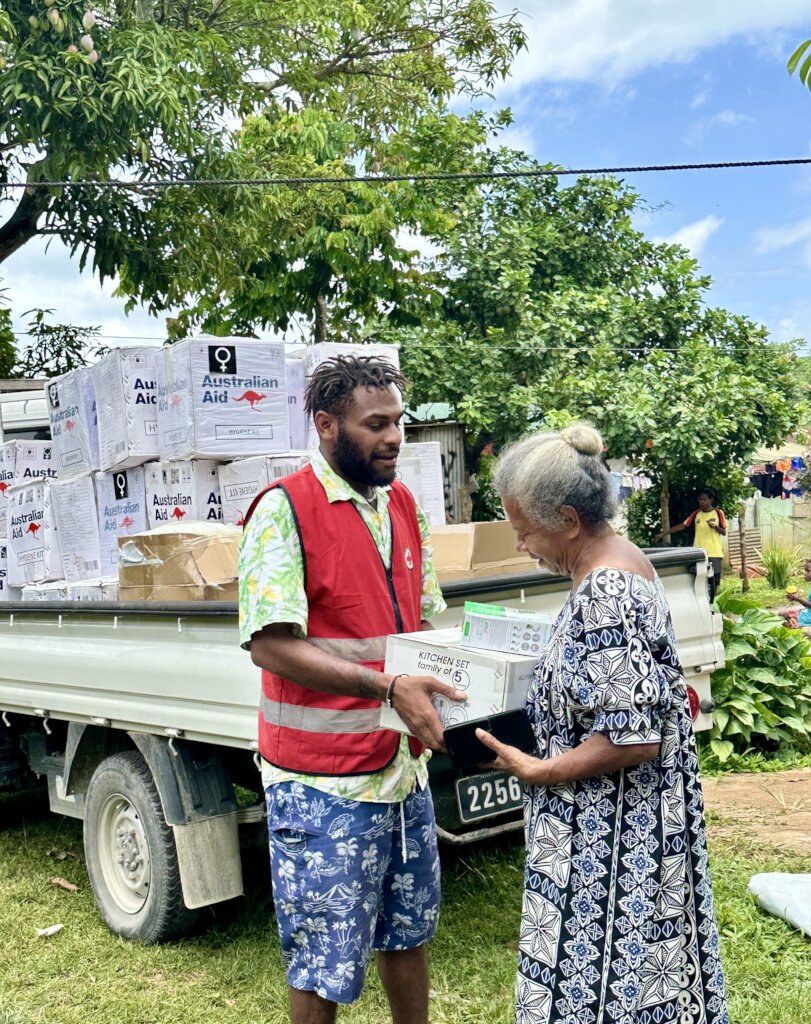
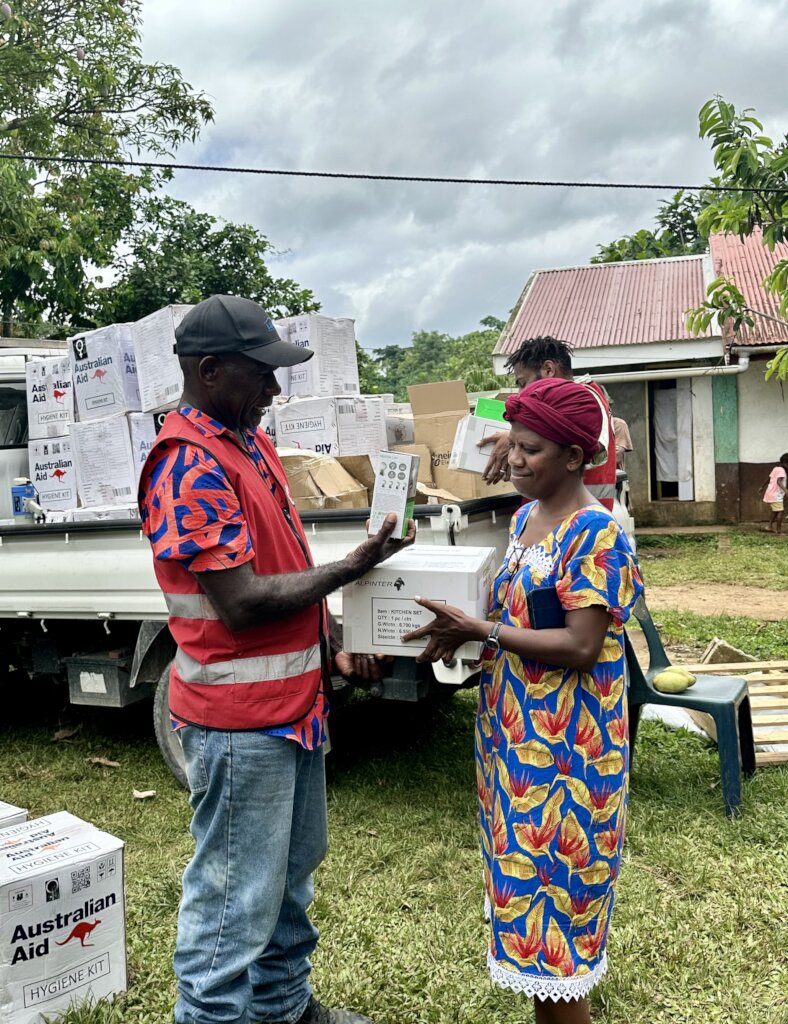
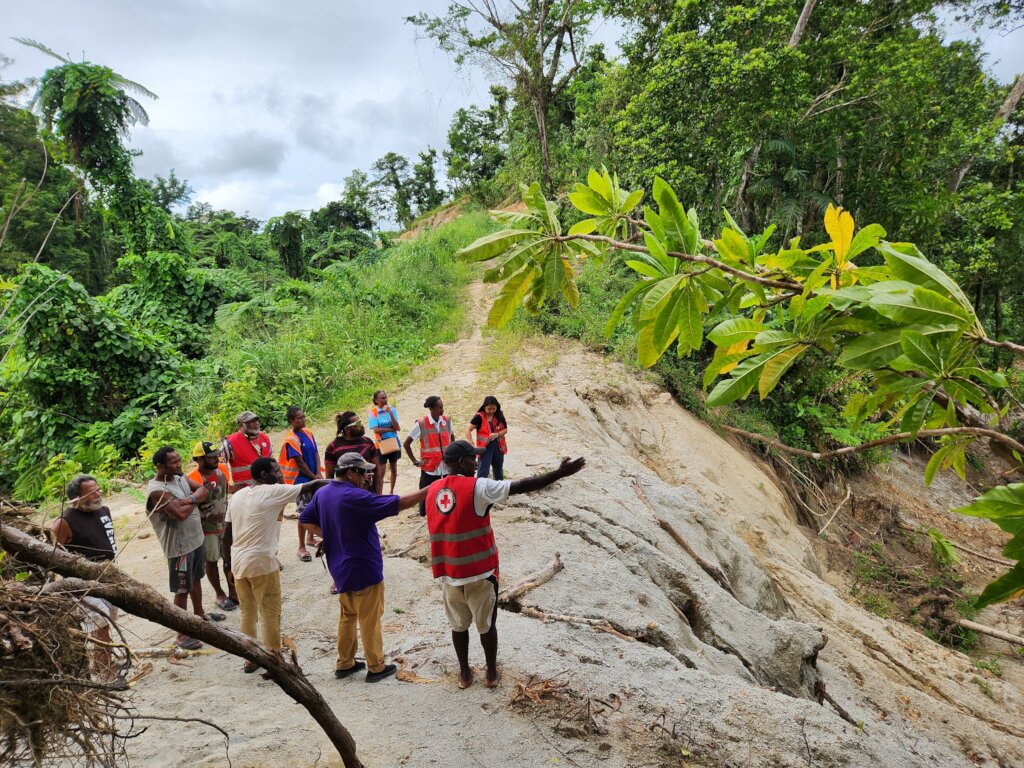
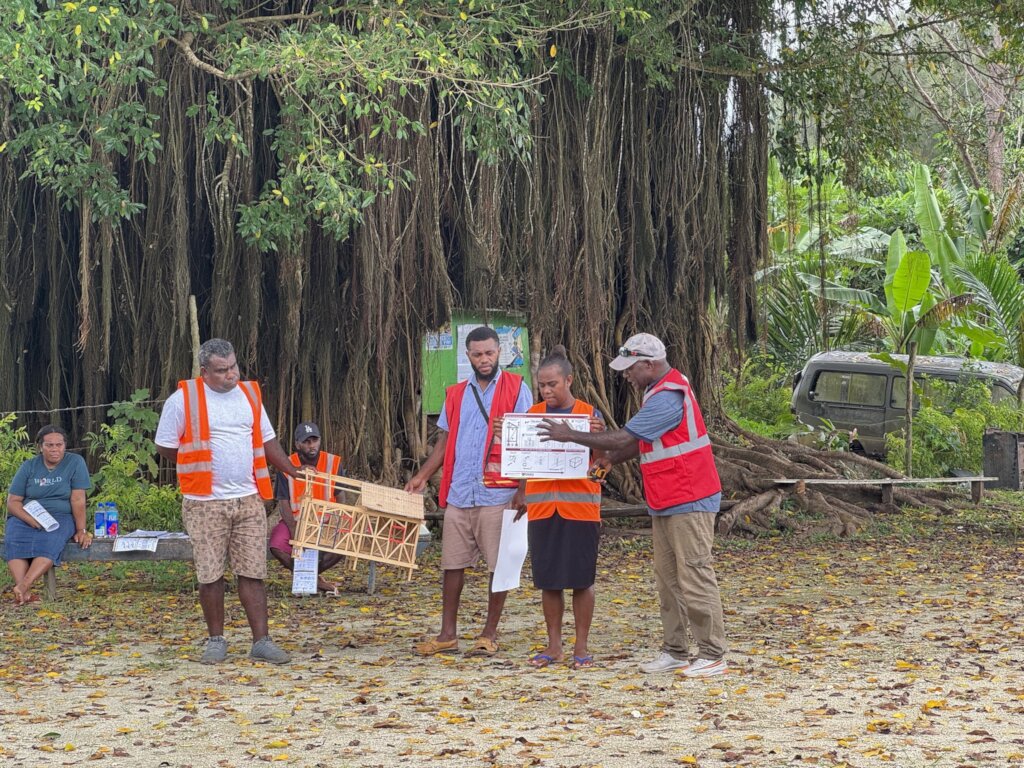
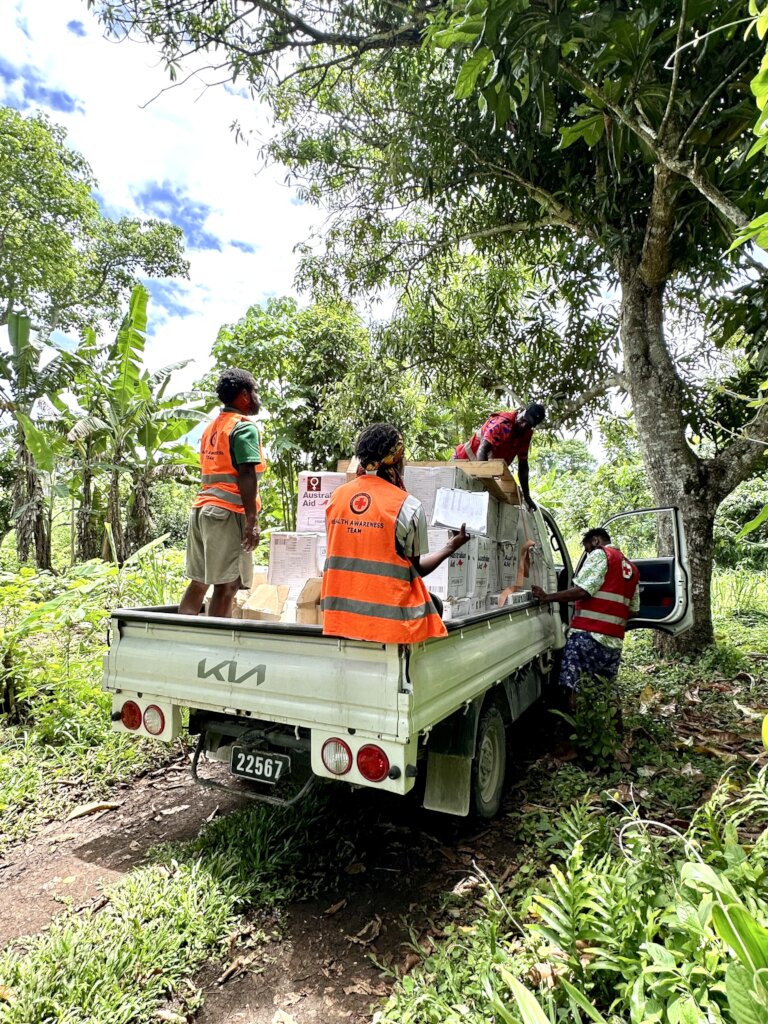
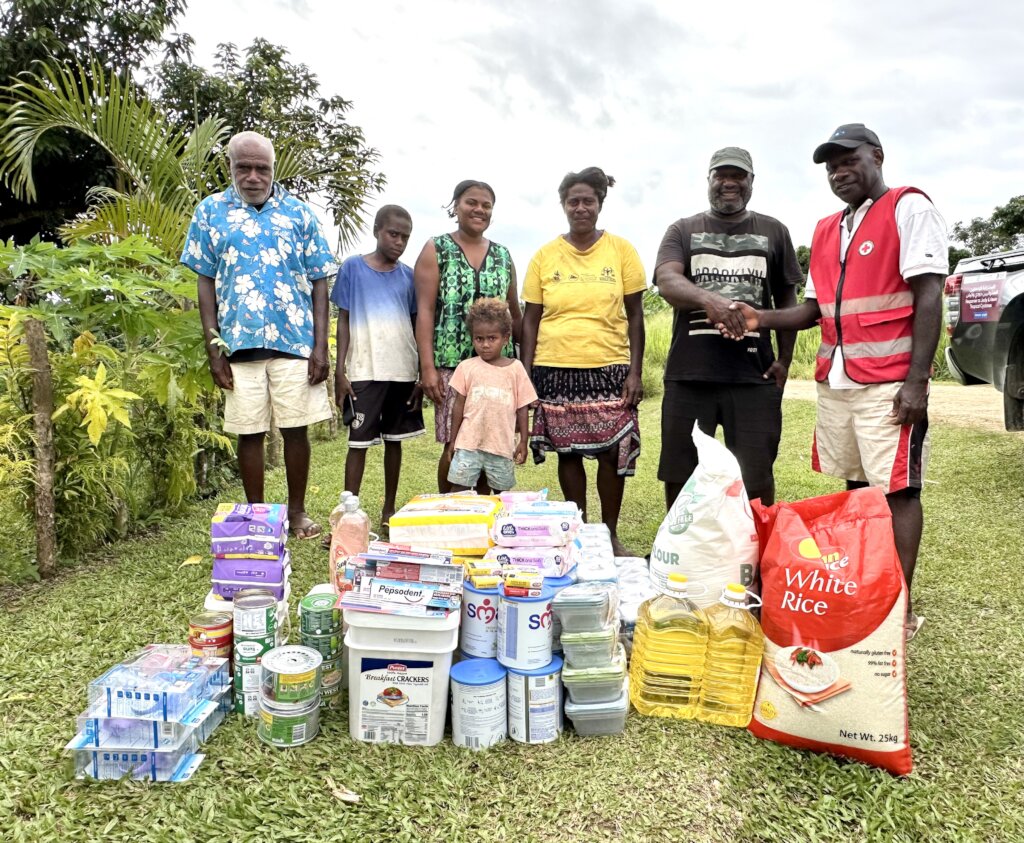
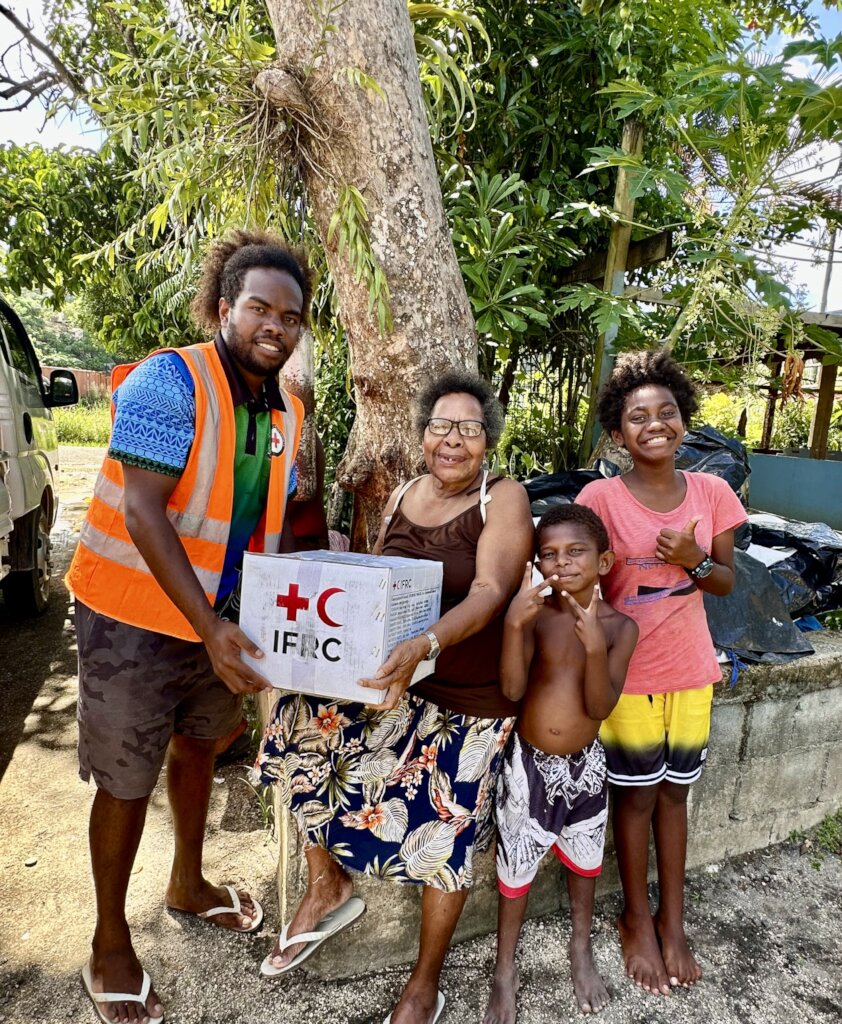
VRCS has distributed tarpaulins to 3,985 people, shelter toolkits to 705, ropes to 985, and kitchen sets to 3,340 individuals. Awareness campaigns on safe shelter practices reached households in Eratap and Etas. Additionally, three trained volunteers conducted shelter assessments in 41 households. Planning is underway to implement a cash-for-shelter program to help families rebuild homes deemed unsafe.
Livelihoods and Basic Needs / Multipurpose Cash Assistance (CVA)
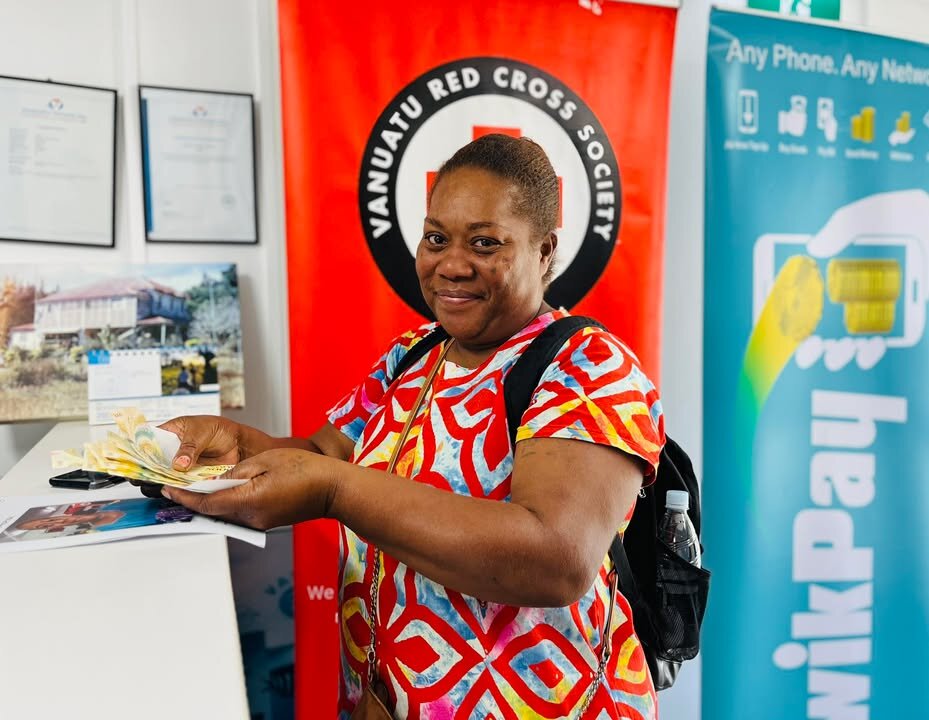
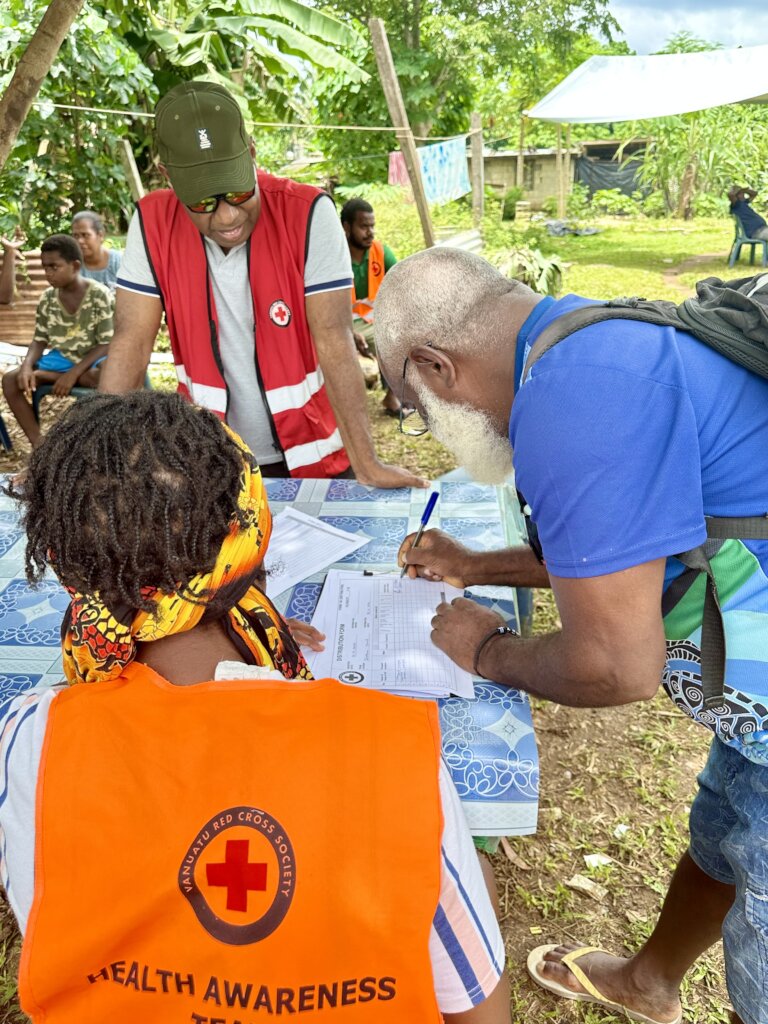
The earthquake displaced workers, especially in Port Vila’s Central Business District. VRCS registered 826 individuals for cash assistance due to unemployment, damaged homes, and injuries. Of these, 462 beneficiaries already received cash support. Another 375 are in line for the second round of disbursement. VRCS partnered with Digicel to facilitate mobile fund transfers and is continuing registrations and validations with the help of 15 volunteers.
Health and First Aid
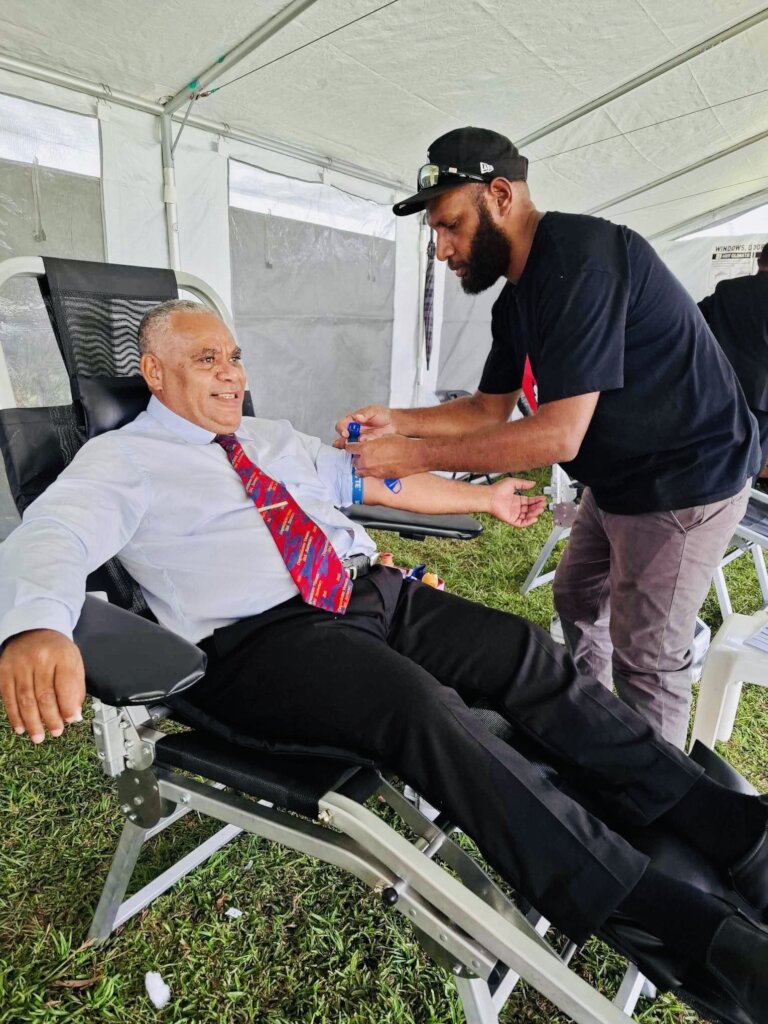
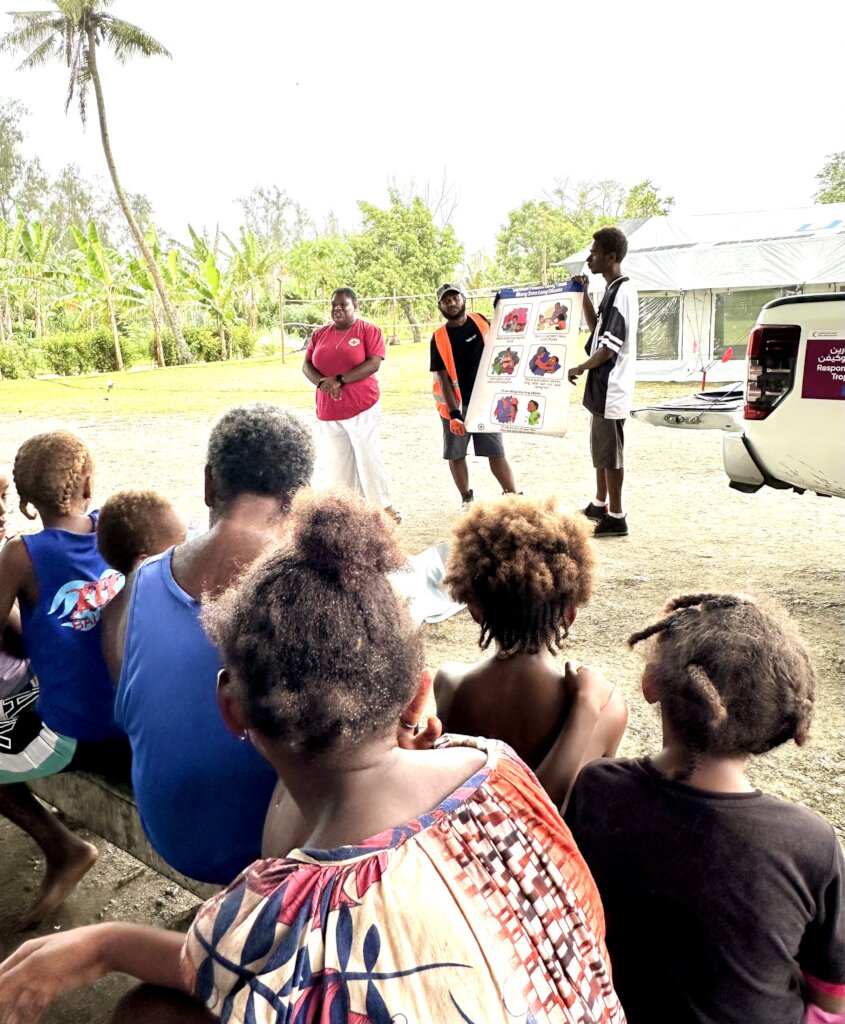
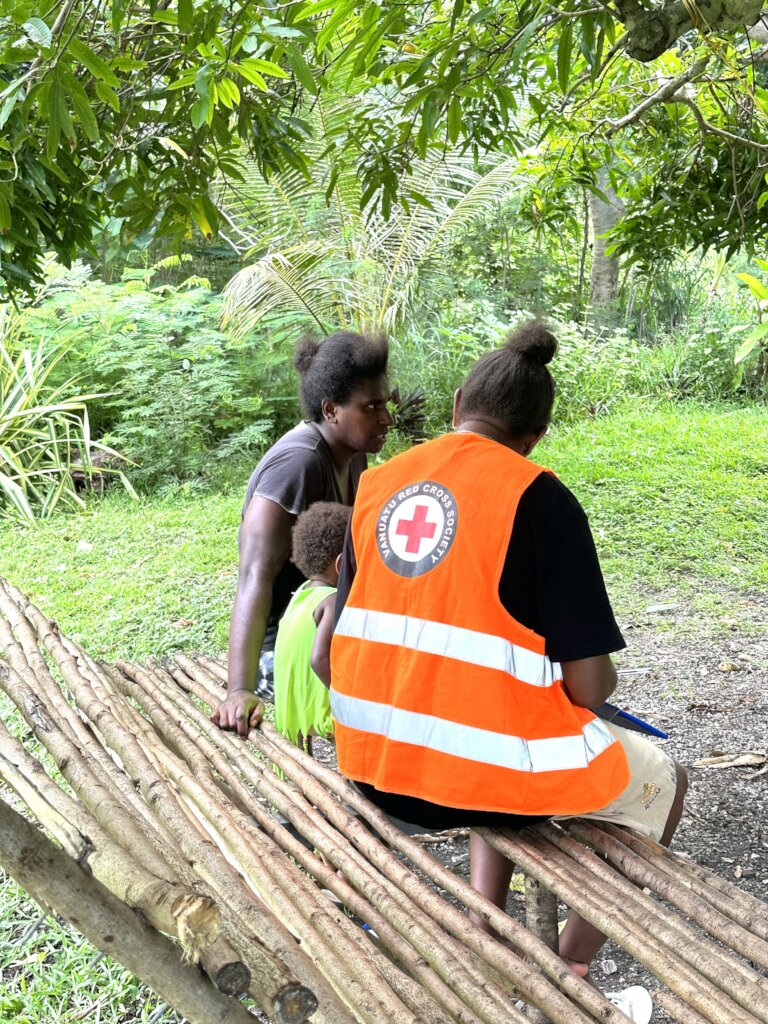
Health outreach and psychosocial support services reached 832 people, while blood awareness campaigns reached 1,105 individuals, resulting in 90 donations. Malnutrition screening (MUAC) covered 707 children. First aid kit procurement continues, and community awareness activities are being regularly conducted in affected areas.
Water, Sanitation and Hygiene (WASH)
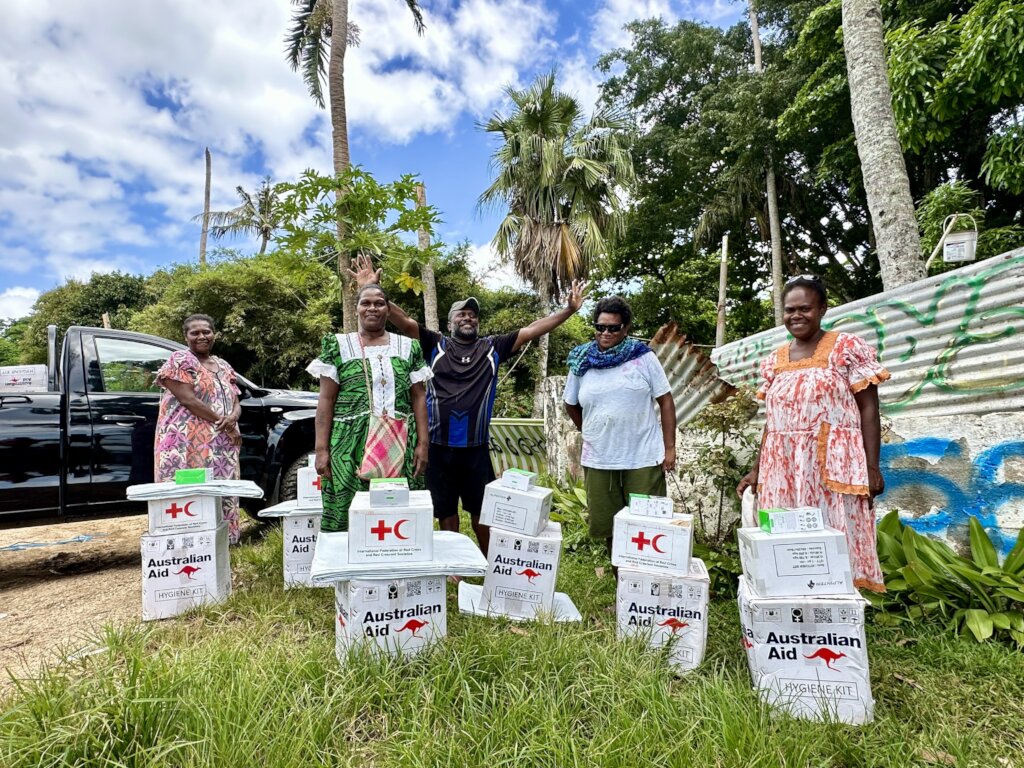
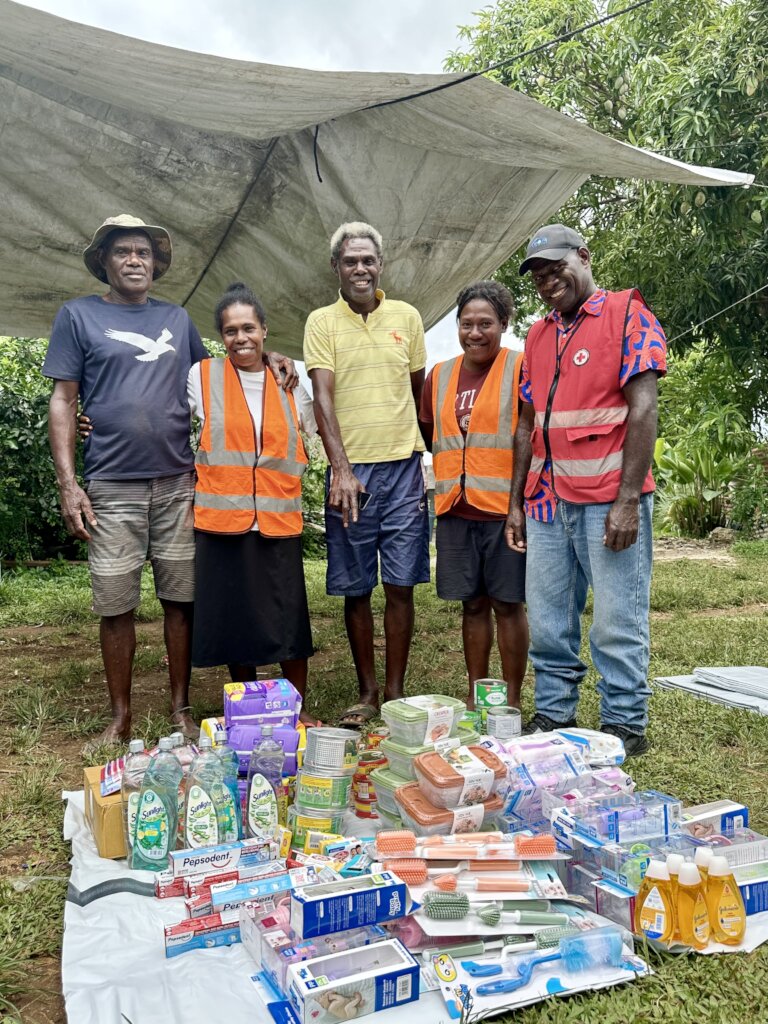
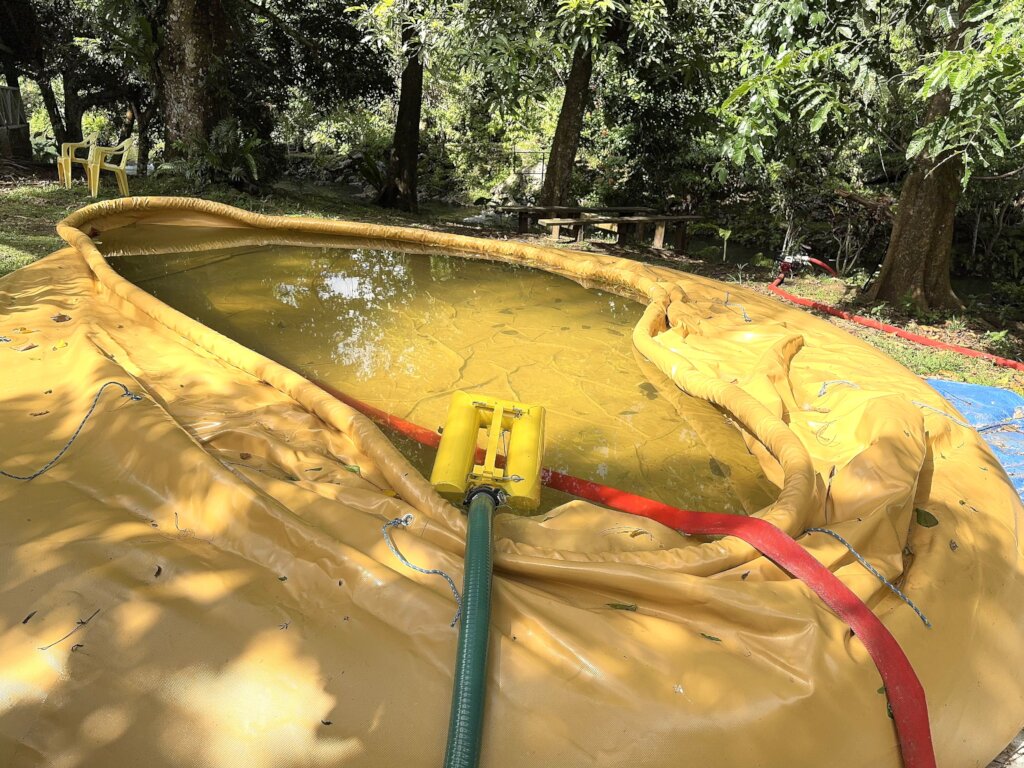
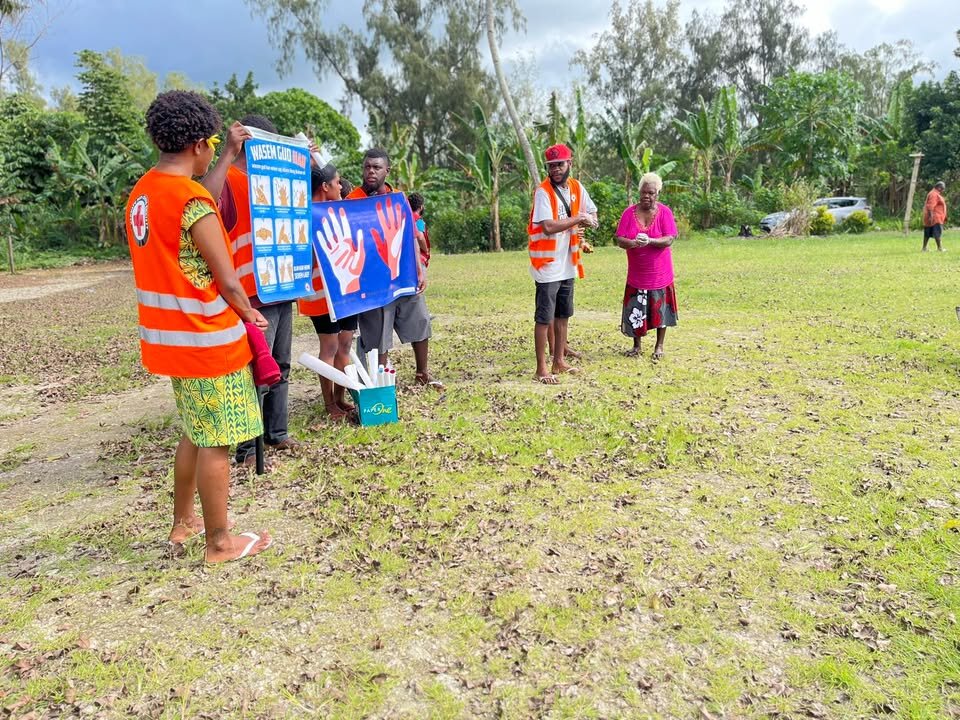
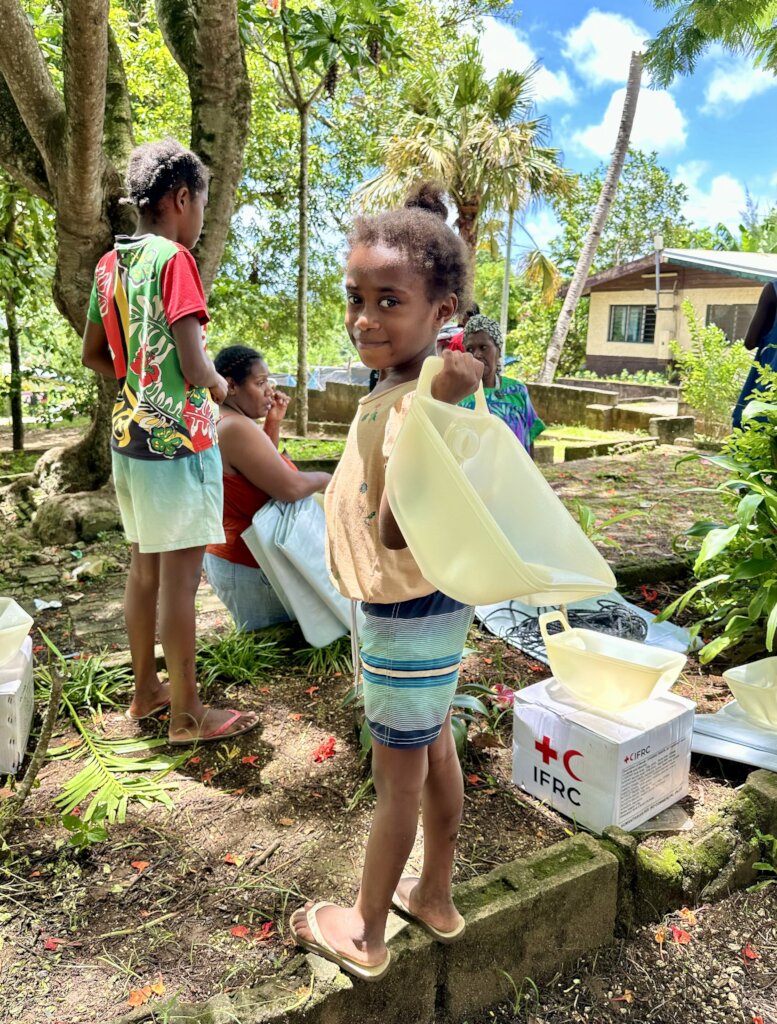
VRCS reached 4,150 people with jerry cans, 5,817 through water trucking, and 3,870 with hygiene kits and promotion activities. A water tank installation was completed and activated in Britano community, while profiling has begun in Rangorango for a new installation. Additionally, 5,575 individuals were supplied with bottled water, responding to widespread access issues caused by damaged infrastructure.
Protection, Gender and Inclusion (PGI)
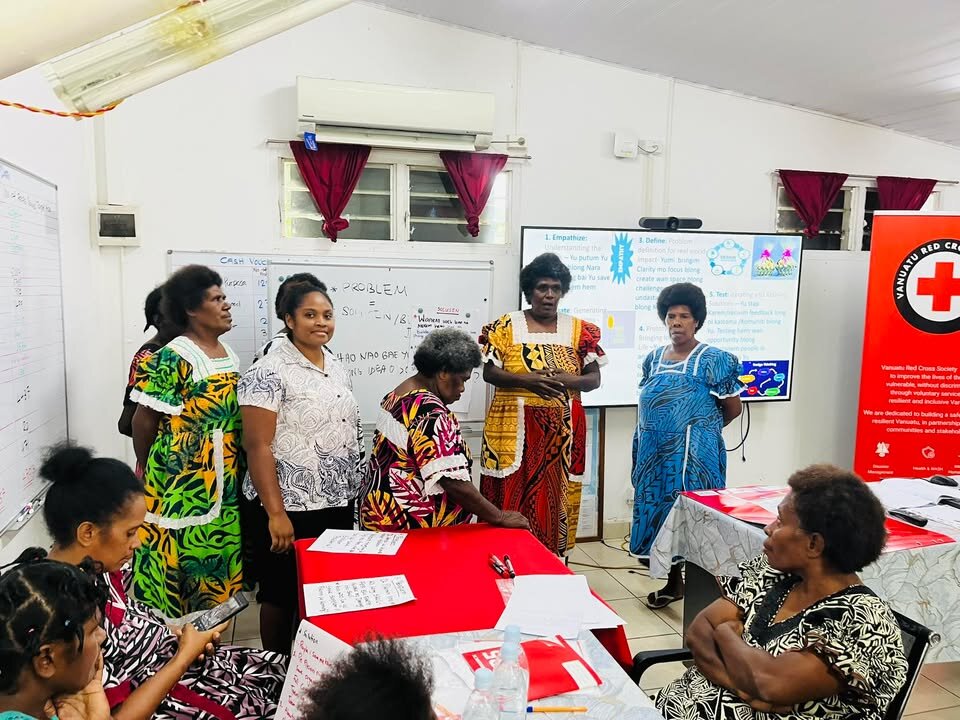
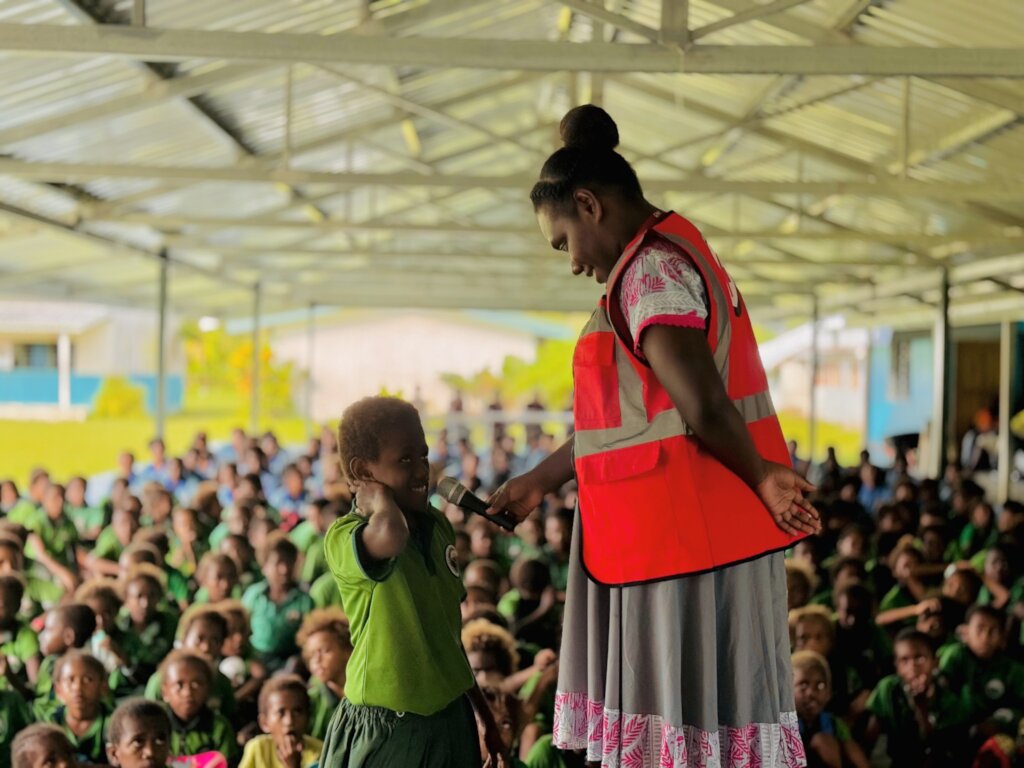
Protection and inclusion efforts are ongoing, with 659 people reached through awareness and training, and 700 women supported with menstrual hygiene kits. Solar lanterns were distributed to 1,165 individuals to enhance safety. The Restoring Family Links (RFL) service supported 103 people to reconnect with family members. PGI awareness was also integrated into earthquake drills in schools.
Education
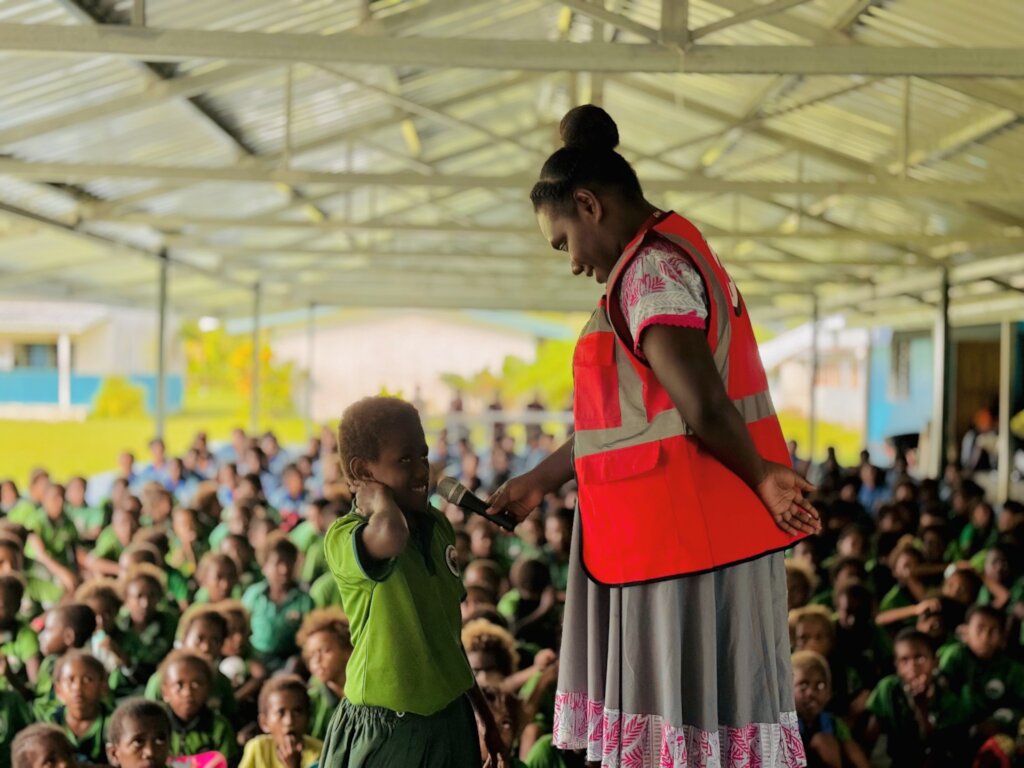
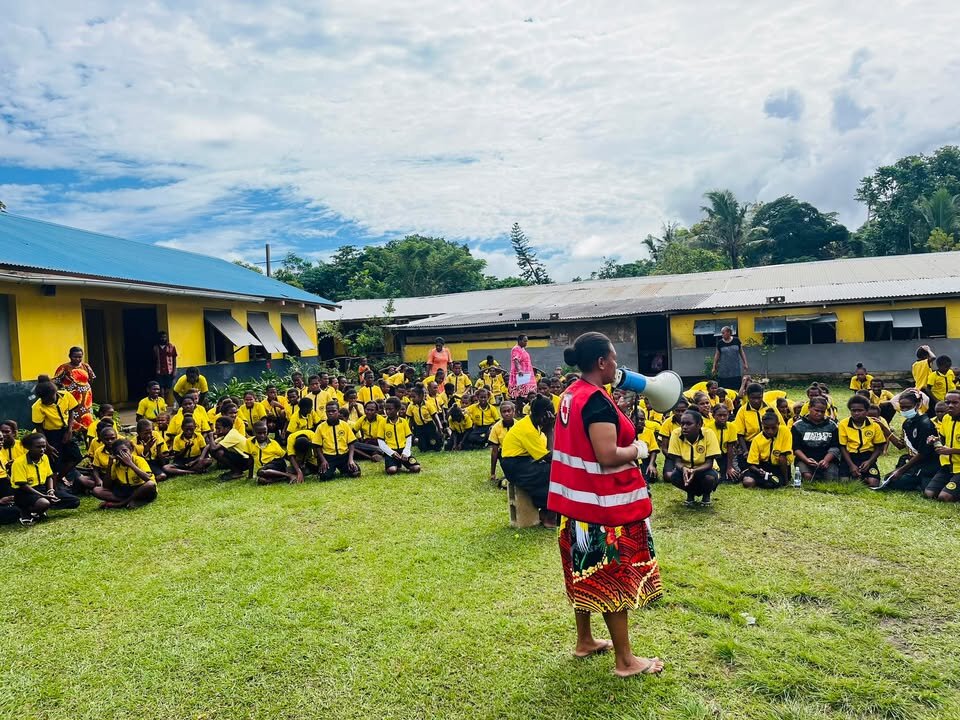
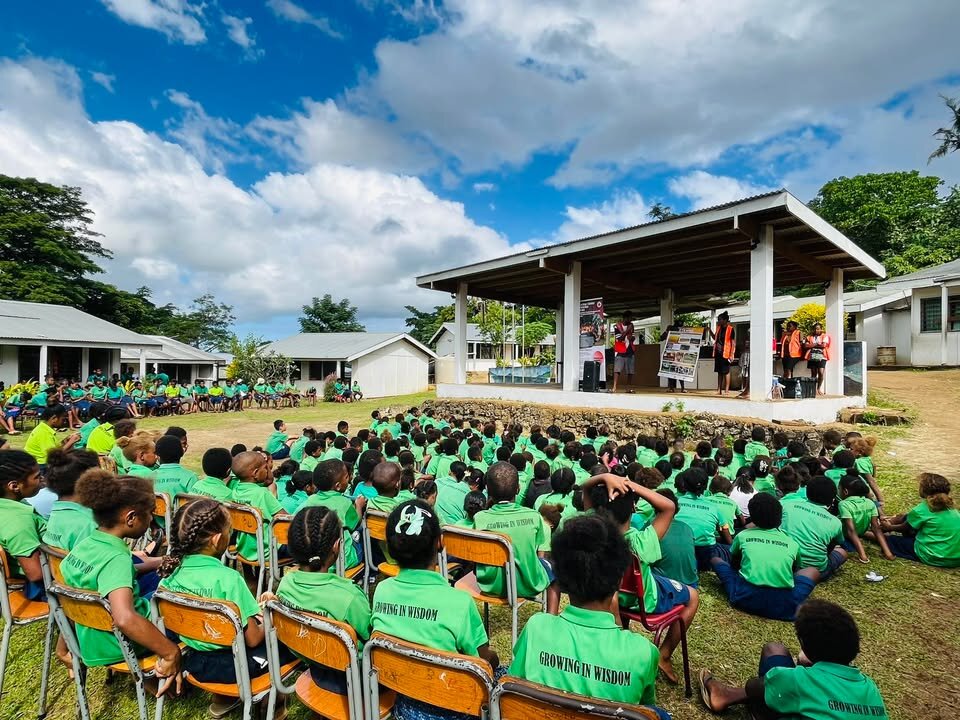
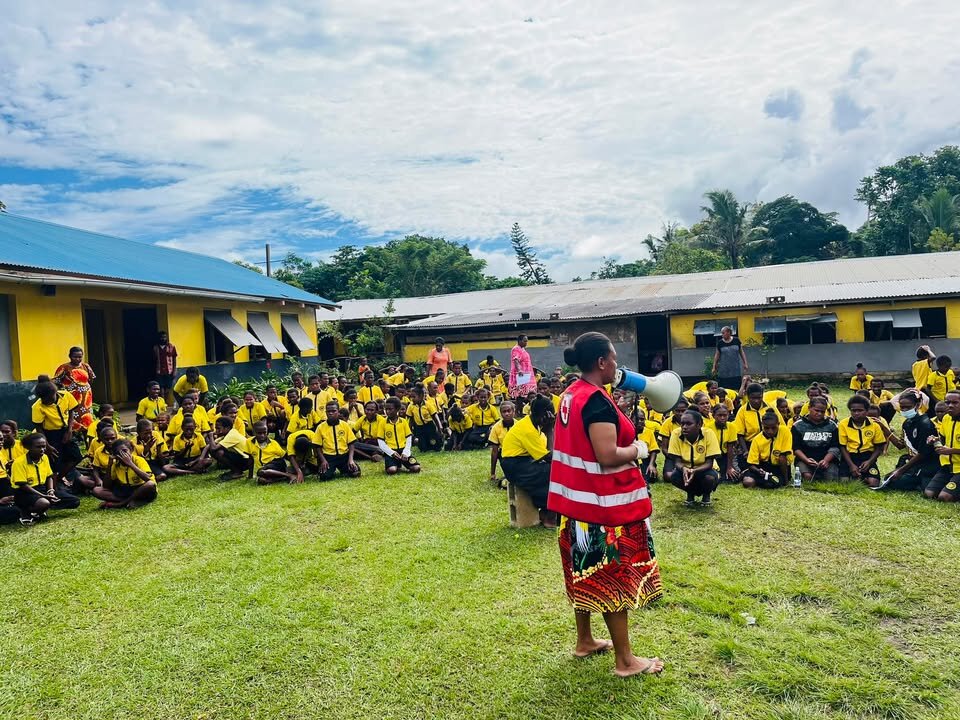
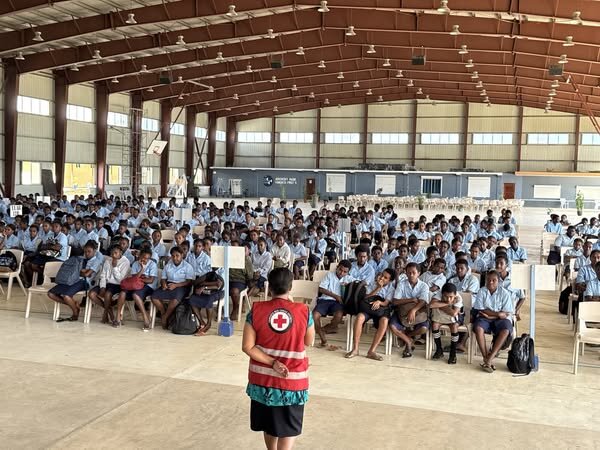
In partnership with UNICEF, VRCS installed 44 tents across 18 schools in Port Vila and North Efate to support continued learning. Earthquake preparedness drills were conducted in five schools, reaching over 2,500 students, including Epauto, Vila North, Momart, and both Pango French and English schools.
Communications and Community Engagement
Community engagement activities reached 940 people. The IFRC communications delegate and VRCS volunteers have been sharing updates and conducting interviews to inform and engage the public. A dedicated information station at the VRCS office recorded 188 walk-ins seeking assistance and information.
Logistics
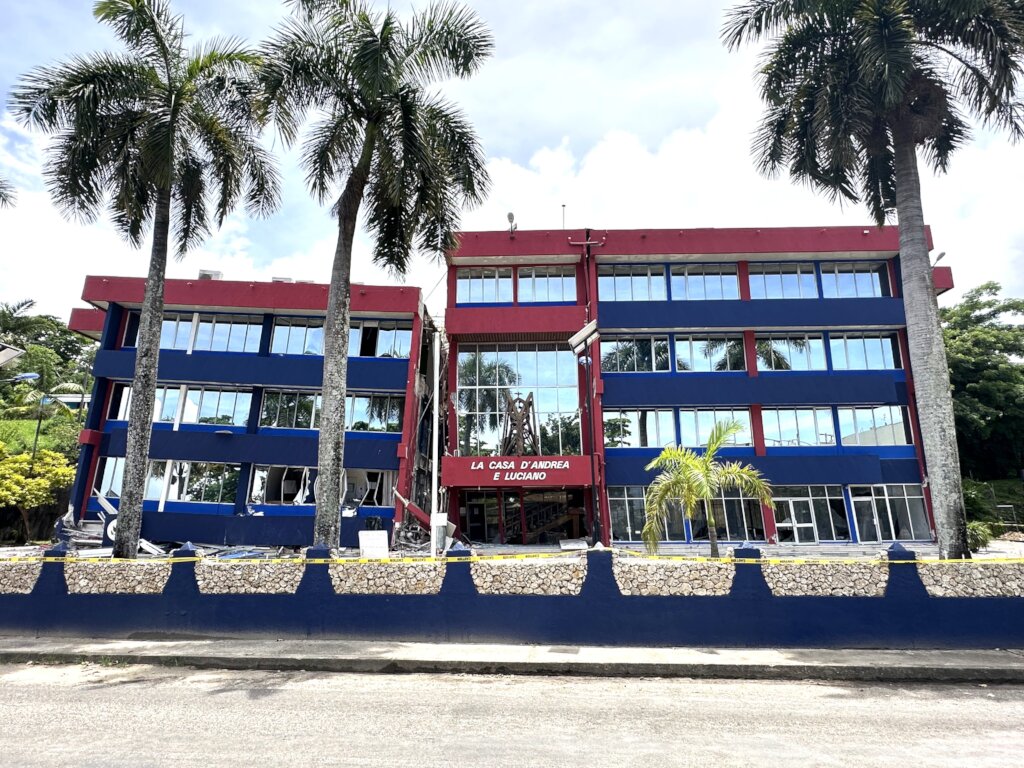
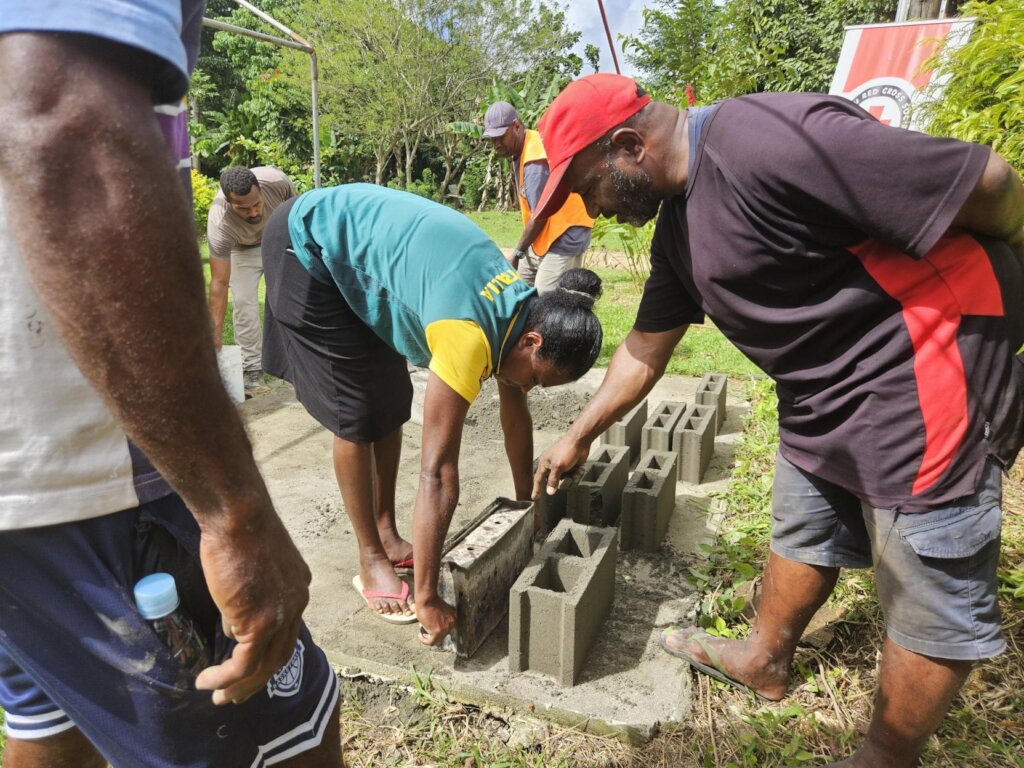
Logistical challenges remain due to damaged roads and restricted port access. However, VRCS logistics volunteers assisted in setting up school tents and are working with engineers to assess structural damage to the VRCS headquarters.
Planning, Monitoring, Evaluation and Reporting (PMER)
Situation Reports have been consistently compiled and shared. Post-distribution monitoring (PDM) was conducted in 151 households to ensure effectiveness and accountability of the response.
IFRC Coordination
The IFRC continues to support VRCS with technical expertise, media engagement, and on-ground surge staff. Regular updates are published on the IFRC GO platform, and coordination efforts are ongoing to ensure a cohesive and effective response.
![]()
![]()
![]()
![]()
![]()
![]()
![Share on Twitter]()
![Share on Facebook]()