Project Report
| Aug 19, 2011
Jonathan receives new Prime radio
By Kristine Pearson | CEO, Lifeline Energy
![Jonathan, 18]()
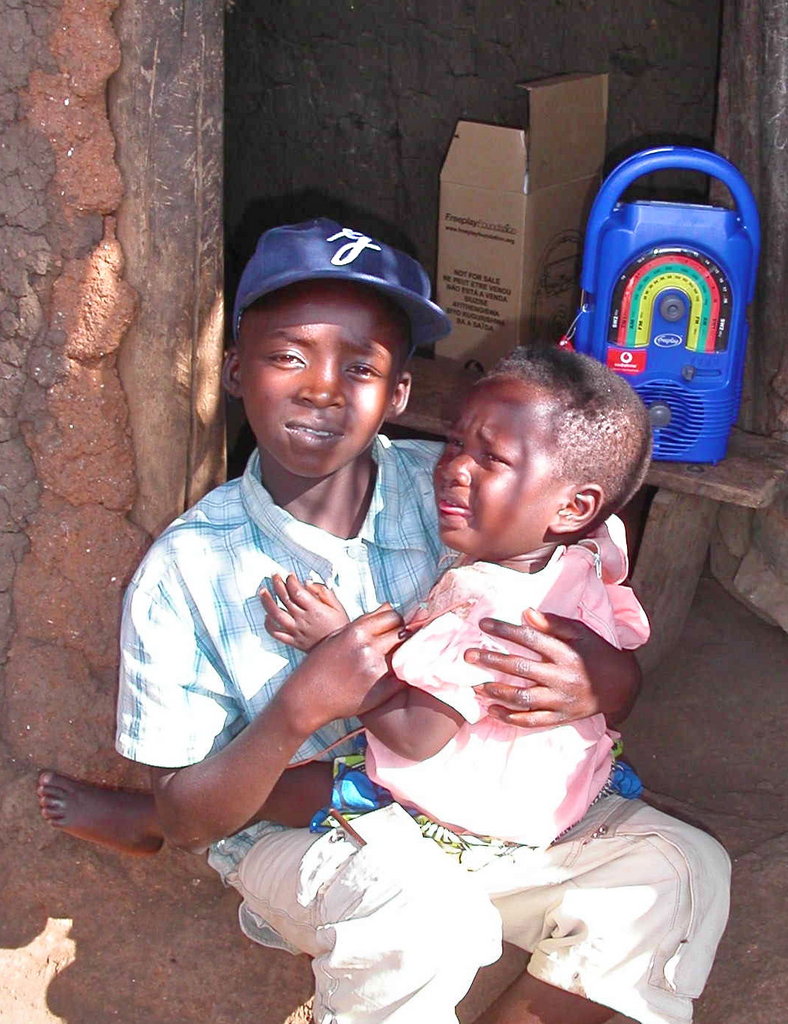
Jonathan, 18
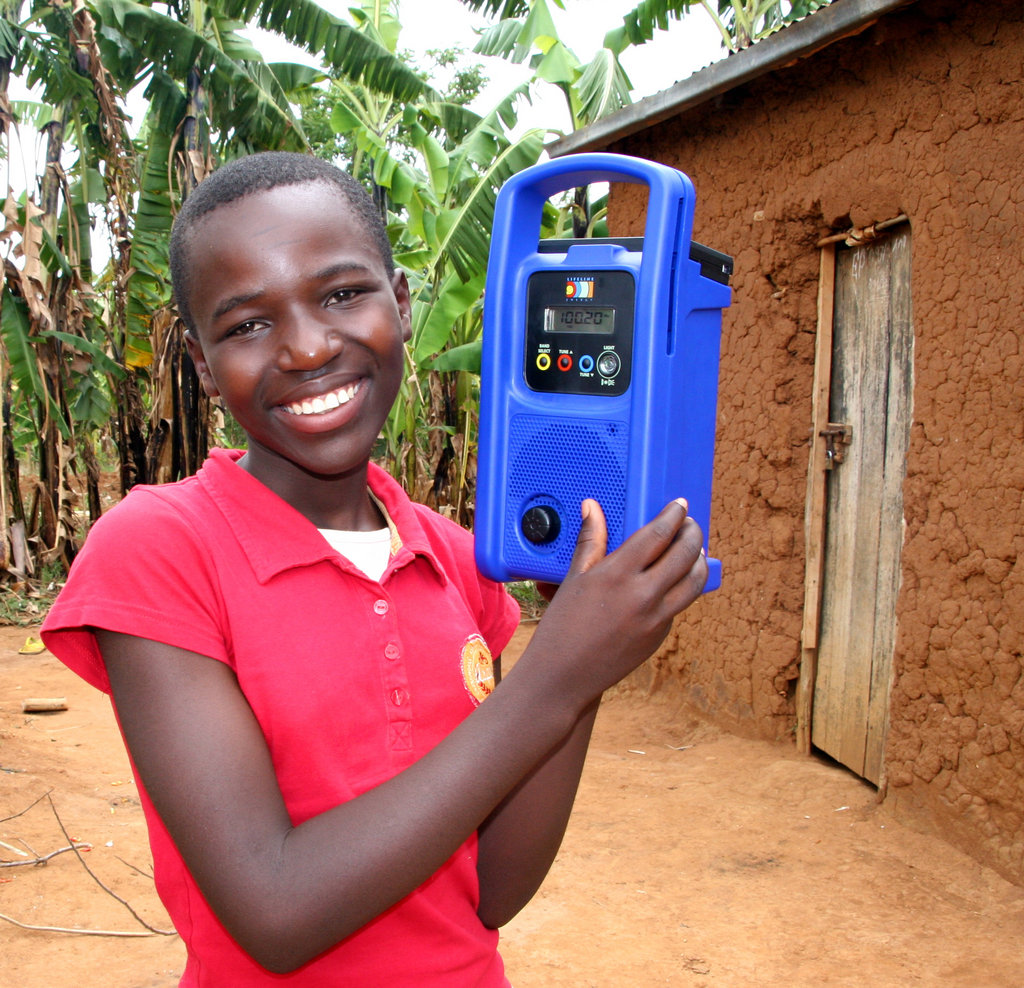
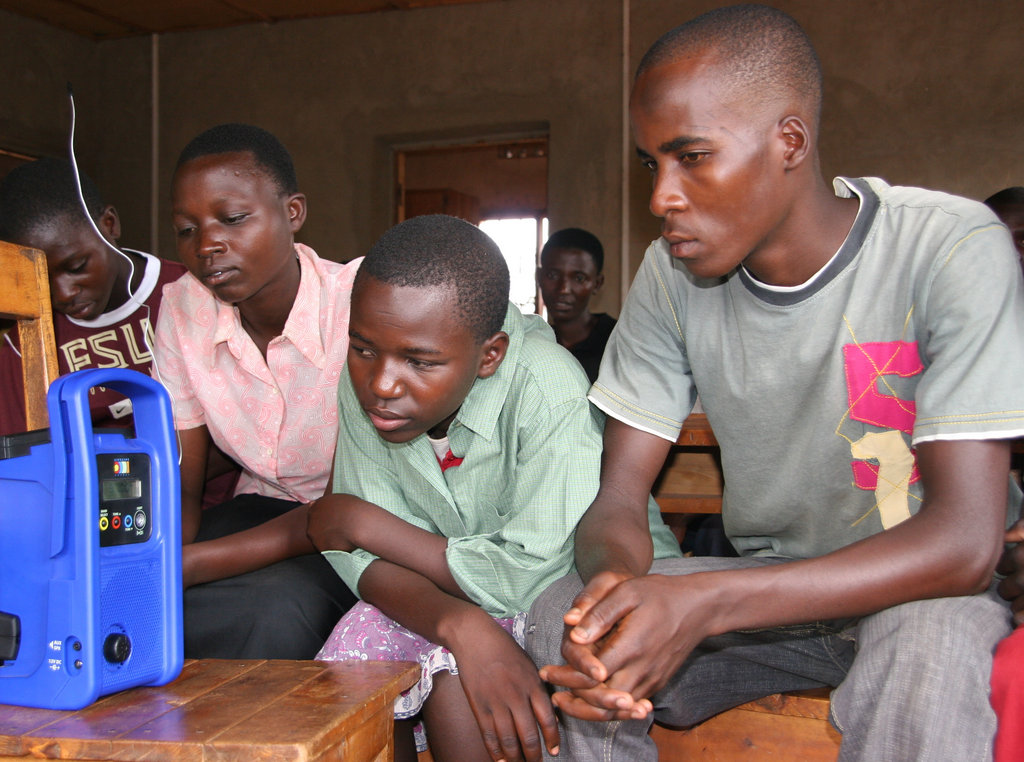
Meet 18-year-old Jonathan, who has been the head of his household since his parents passed away when he was 11. Since then Jonathan has had to shoulder responsibilities that no child should have to bear. He looks after four younger siblings, who are all now in school. He has been known to Lifeline Energy since 2004 when he first received one of our radios. Since the previous one had worn out and he's demonstrated community and family leadership, we wanted to provide him with a Prime. Jonathan has always been generous about inviting neighbours to listen. There are about 20 neighbour children, mostly orphans, who are in his listening 'club'. They especially enjoy two radio dramas, Urunana - which deals with health issues - and Musekeweya - which is themed around peace and reconciliation. In addition, they like to discuss news and current events.
Jonathan will be graduating from secondary school next year and wants to become a doctor. He says: "So many people have helped me and I want to be able to help others. The light in my new radio will help me stay up late to study for exams."
Lifeline Energy has distributed more than 16,000 Prime and earlier model solar and wind-up radios in Rwanda. We have reached an estimated 300,000 listeners living in child and widow-headed households.
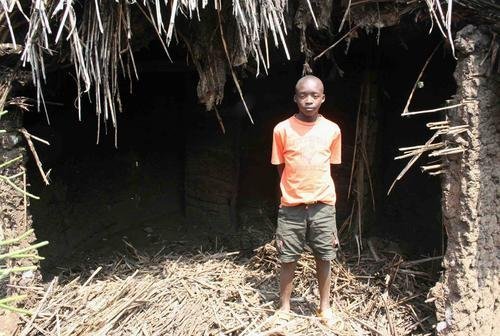
![Jonathan, 11, with his sister.]()
Jonathan, 11, with his sister.
![Share on Twitter]()
![Share on Facebook]()
Apr 6, 2011
Prime to be introduced in Rwanda
By Kristine Pearson | CEO of Lifeline Energy
![The Prime Radio]()
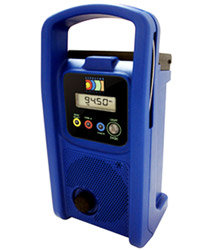
The Prime Radio
Since we first launched the Lifeline radio in 2003 in Rwanda, more than
16,000 have been distributed mainly to child and widow-headed households.
We are delighted that going forward, we will be distributing our new
enhanced Prime solar and wind-up radio.
In addition to providing child-only families with Prime radios enabling
them to gain access to a wide range of programming, we are also
distributing them to under-resourced schools. In the near future, English
learning programmes for teachers and students will be broadcast. English
has been made an official language of Rwanda and everyone is keen to learn
it. Radios in classrooms also enable large numbers of children to listen
to other helpful programmes about health, farming and environmental
issues. Rwanda has the strictest environmental laws in Africa.
Links:
![Share on Twitter]()
![Share on Facebook]()
Dec 18, 2010
Update from the field
By Michelle Riley | Director of External Affairs
Lifeline Energy CEO Kristine Pearson recently traveled to Rwanda to check in on the radio project that is benefiting child headed households. This is the organization’s longest running project and one that she has personally been involved with since its inception in 2000.
When Kristine began distributing radios the child-only households who had no access to radio, they tended to listen to international stations like Voice of America and the BBC, both which broadcast in the local language, Kinyarwanda. Nowadays, favored stations are overwhelmingly Radio Rwanda and community stations which broadcast programs in the areas where the families live.
As always, the children speak of wanting to hear the news, the weather and the time. They are keenly interested in current events not only in Rwanda, but also in the countries that surround them. President Kagame makes weekly radio broadcasts as well and they enjoy listening to what he has to say immensely. In addition, the children always speak about practical radio programs like ones having to do with nutrition, health care, children’s right and most recently the environment. Rwanda has the toughest environmental laws on the continent and children now speak about climate change and global warming which they never did even as recently as two years ago. When they mention music, its gospel music, citing, “you have to be happy when you sing.”
Lifeline Energy’s principal Rwandan partners are CARE, Fair Children Youth Foundation and Trust and Care. Over the years Lifeline Energy has distribution approximately 15,000 self-powered radios in Rwanda. Many more child headed families are anxiously waiting to receive theirs.
![Share on Twitter]()
![Share on Facebook]()