By David Dass | Chief Executive Officer
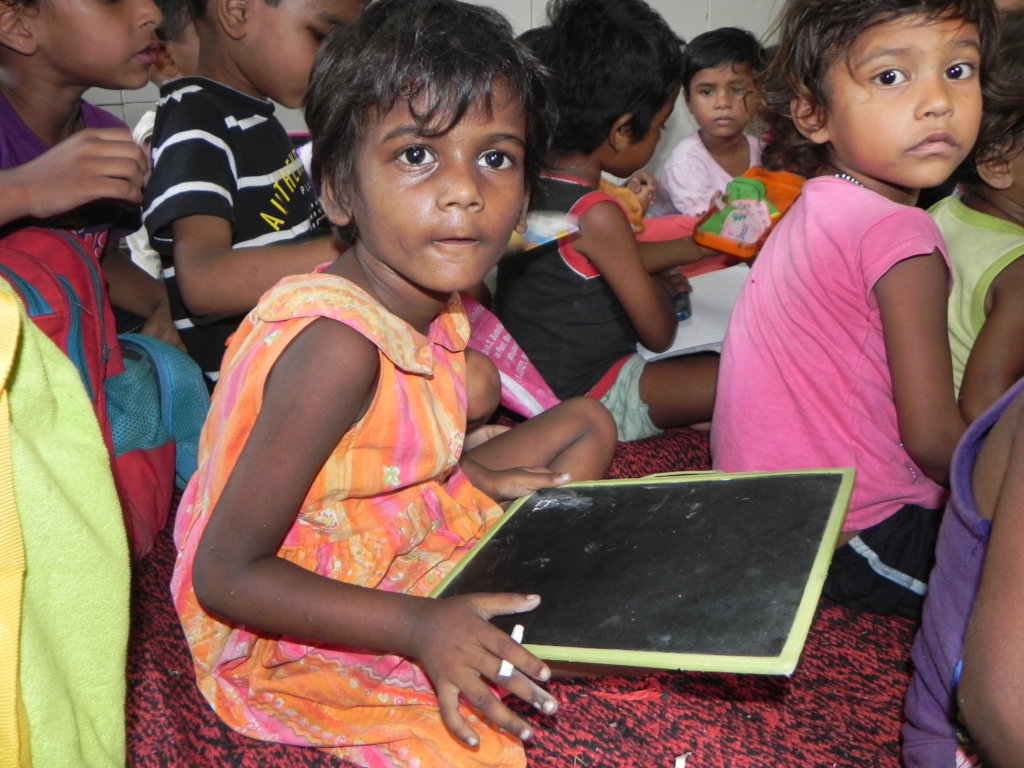
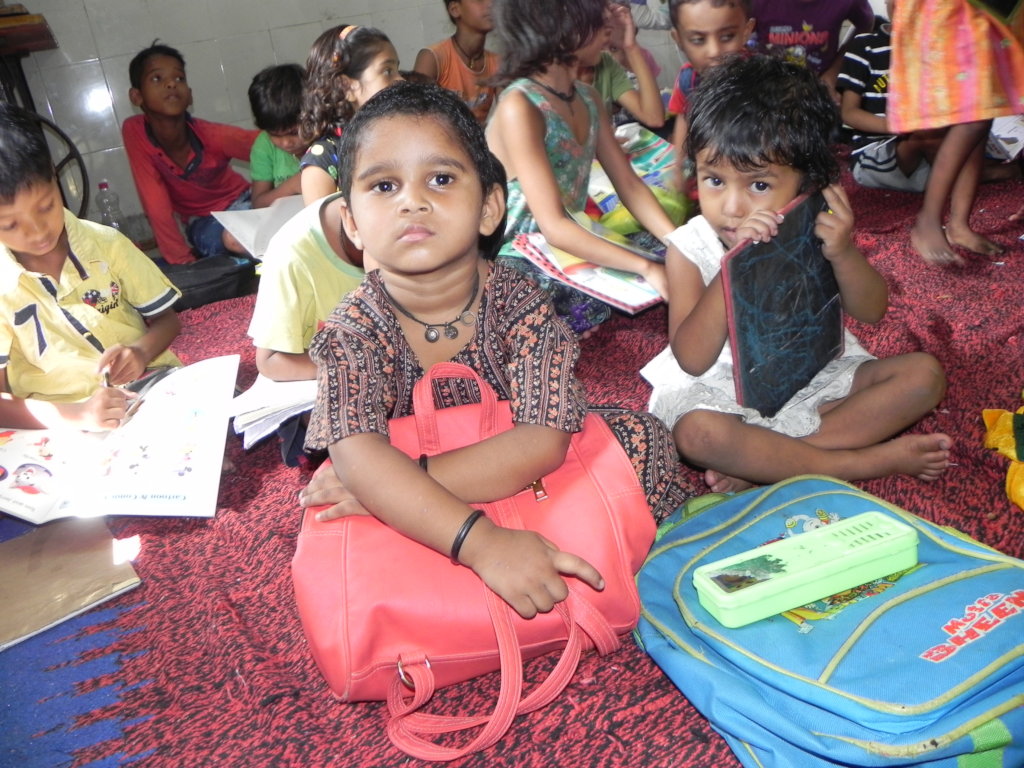
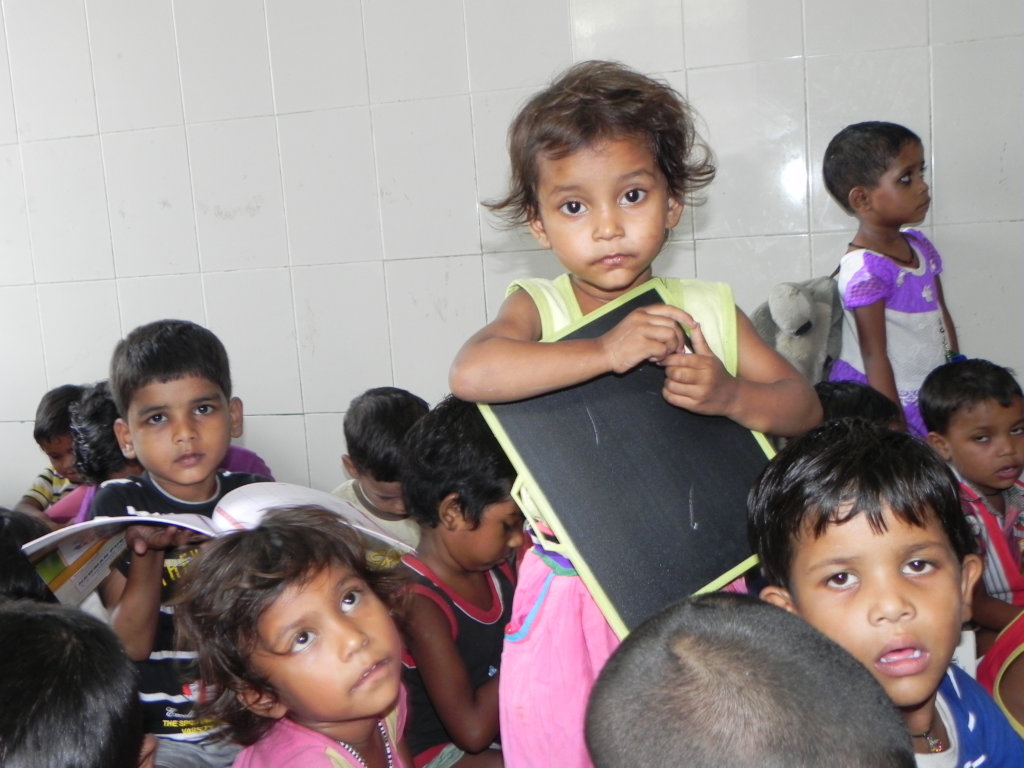
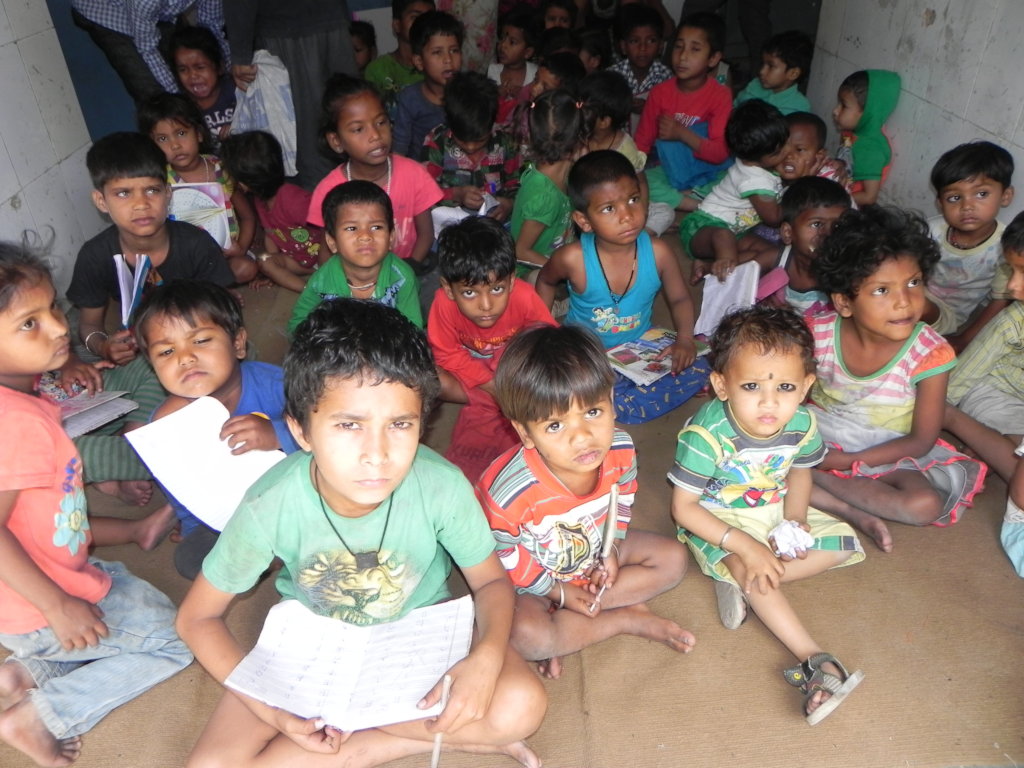
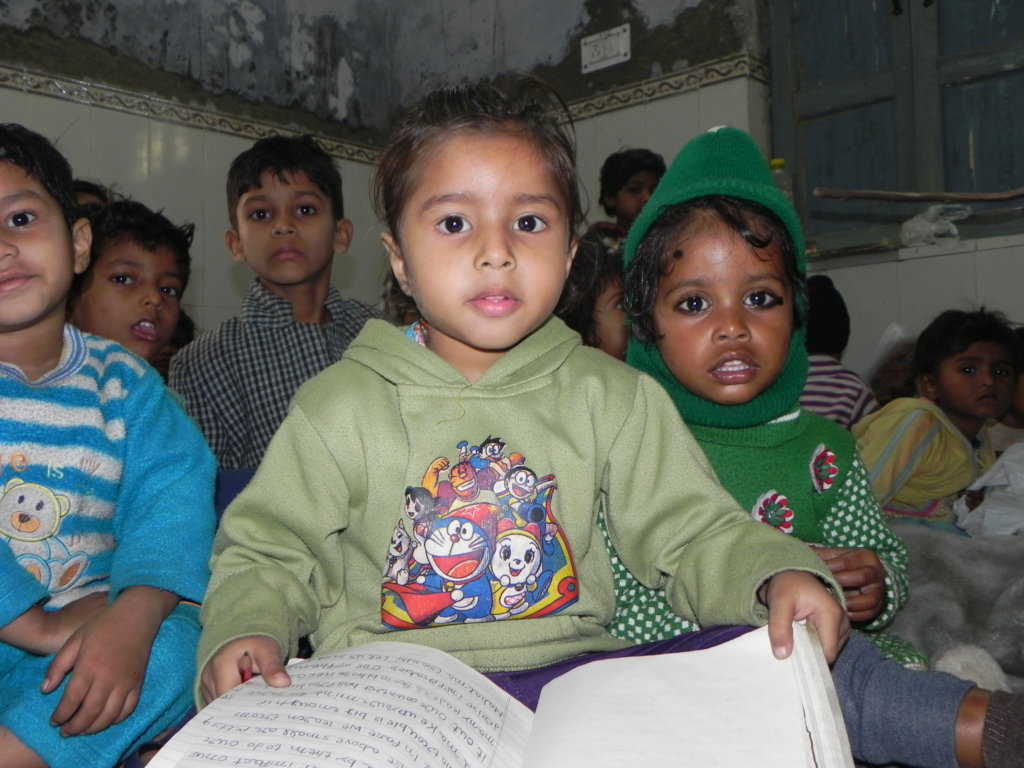
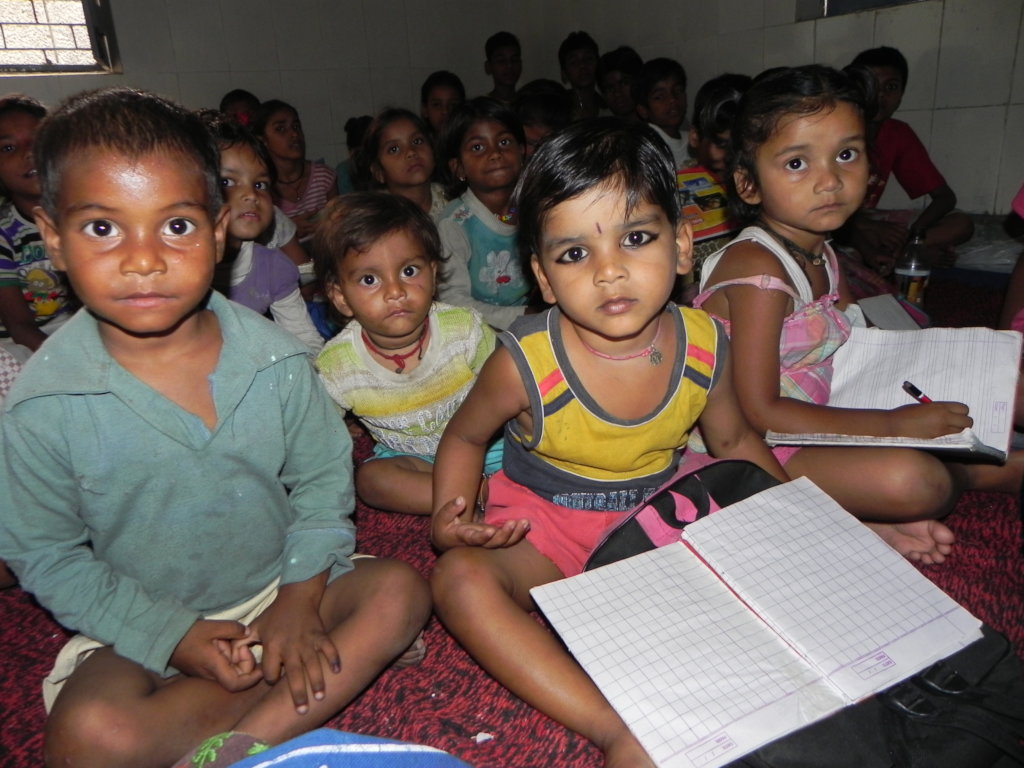
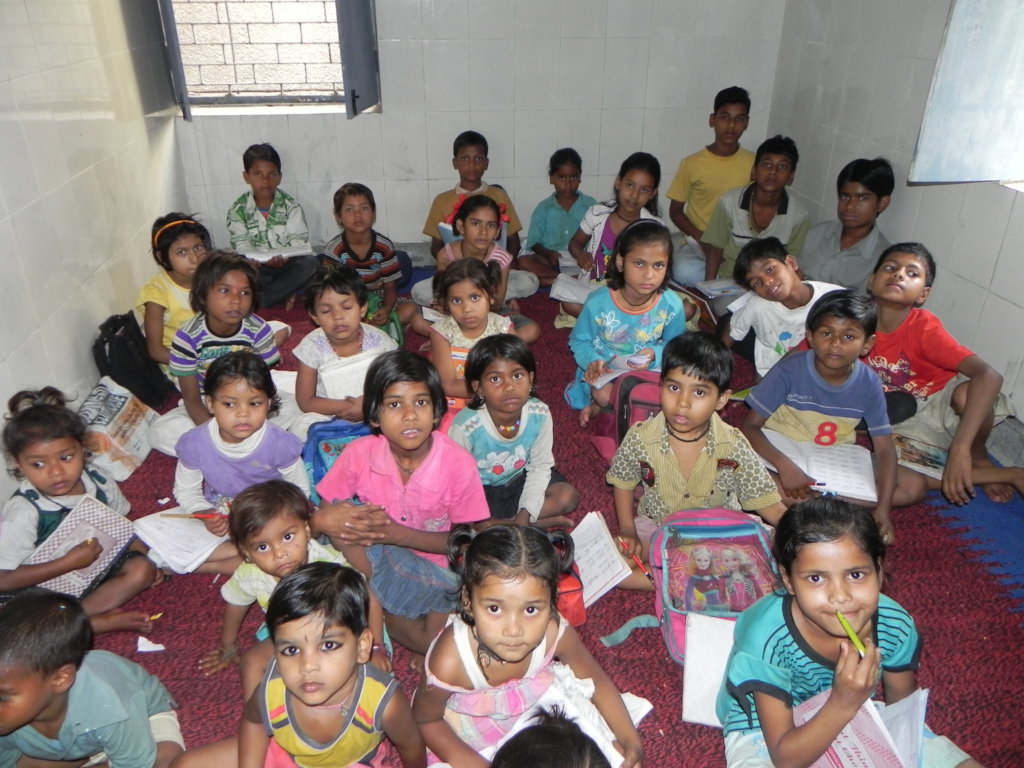
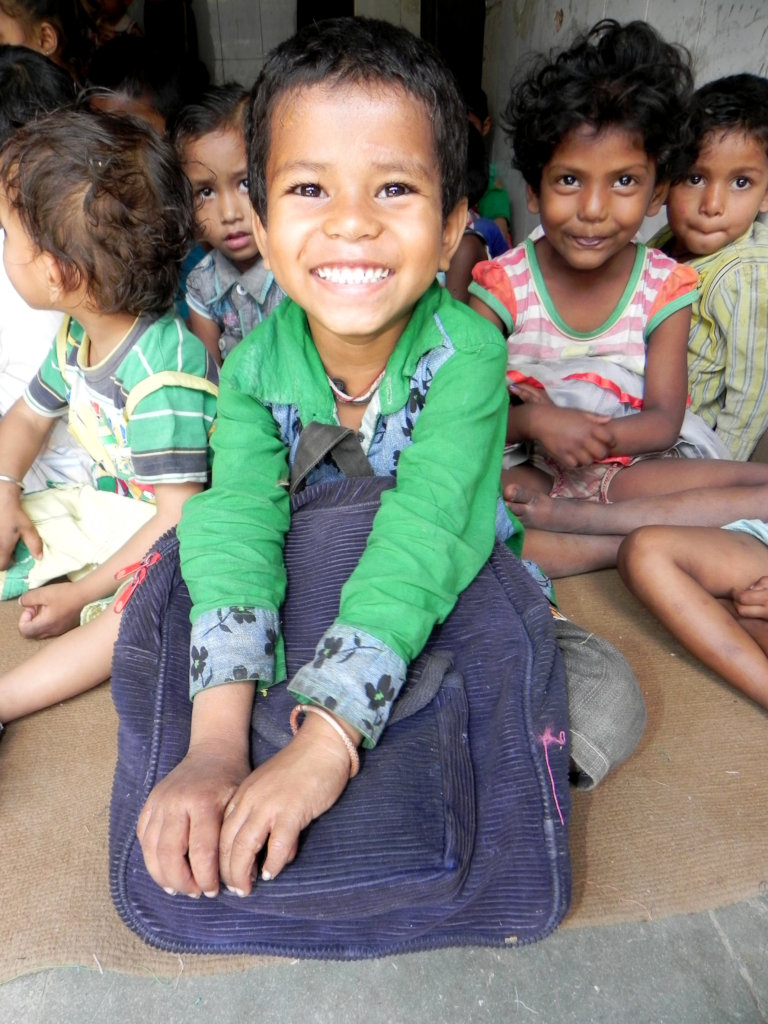
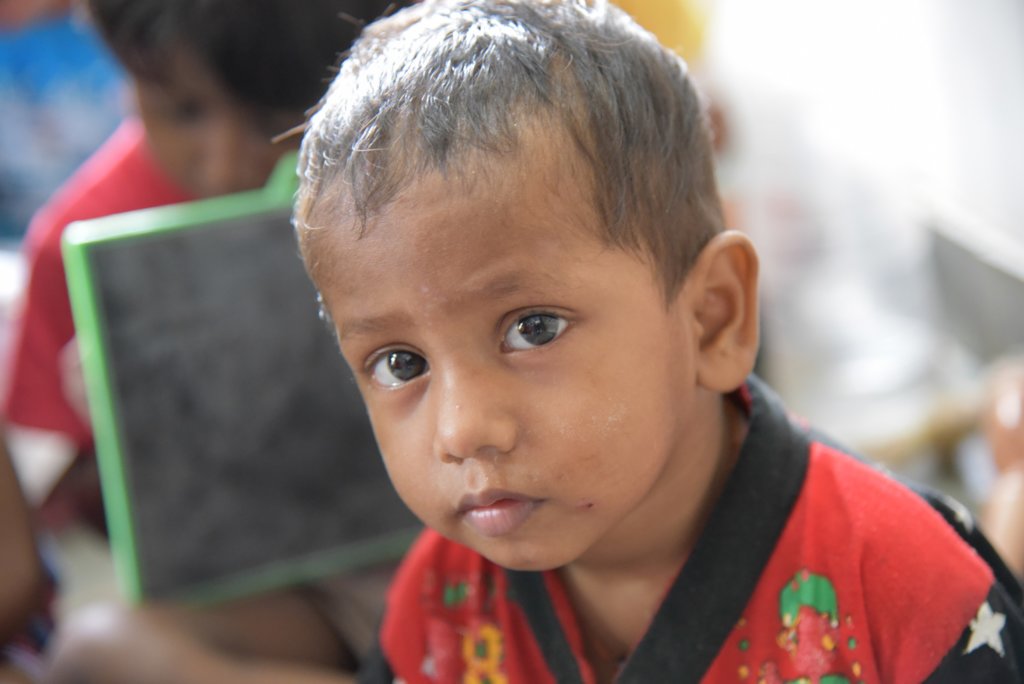
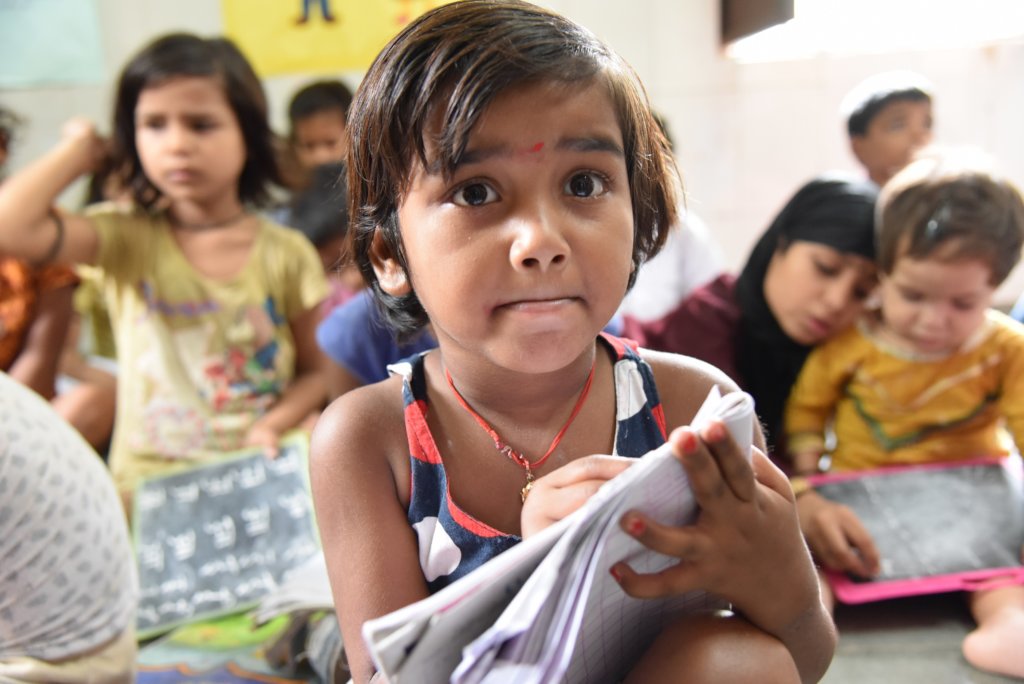
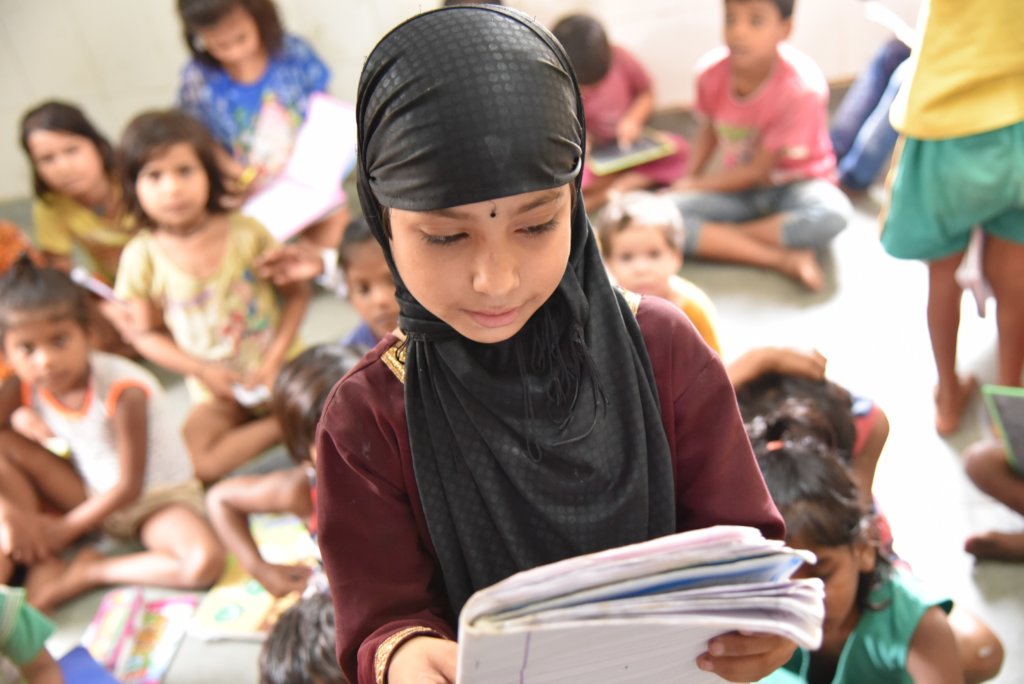
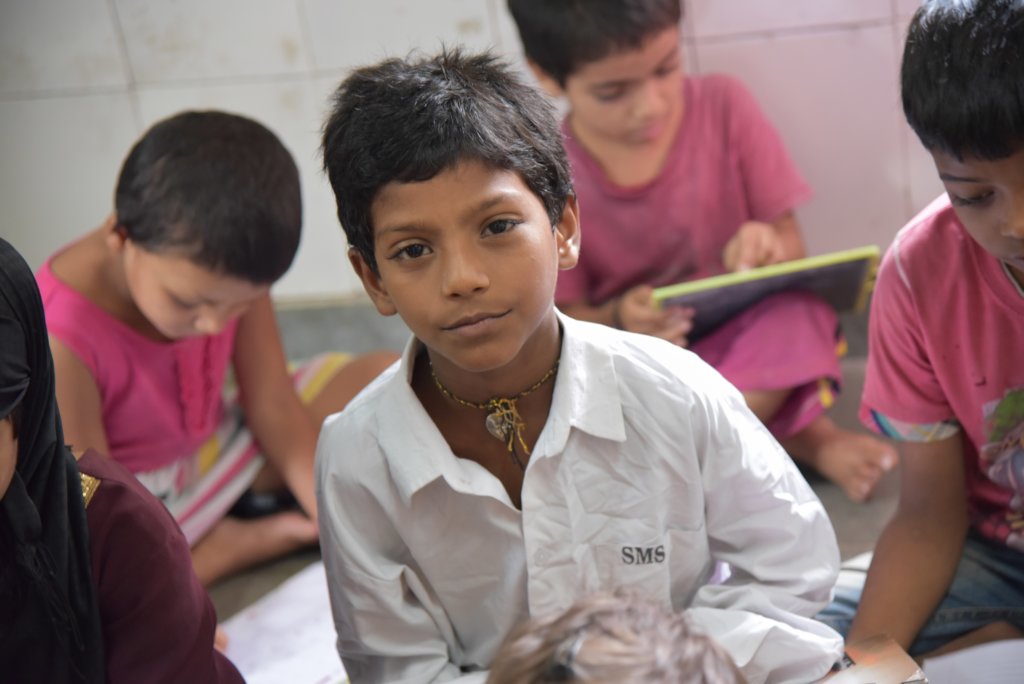
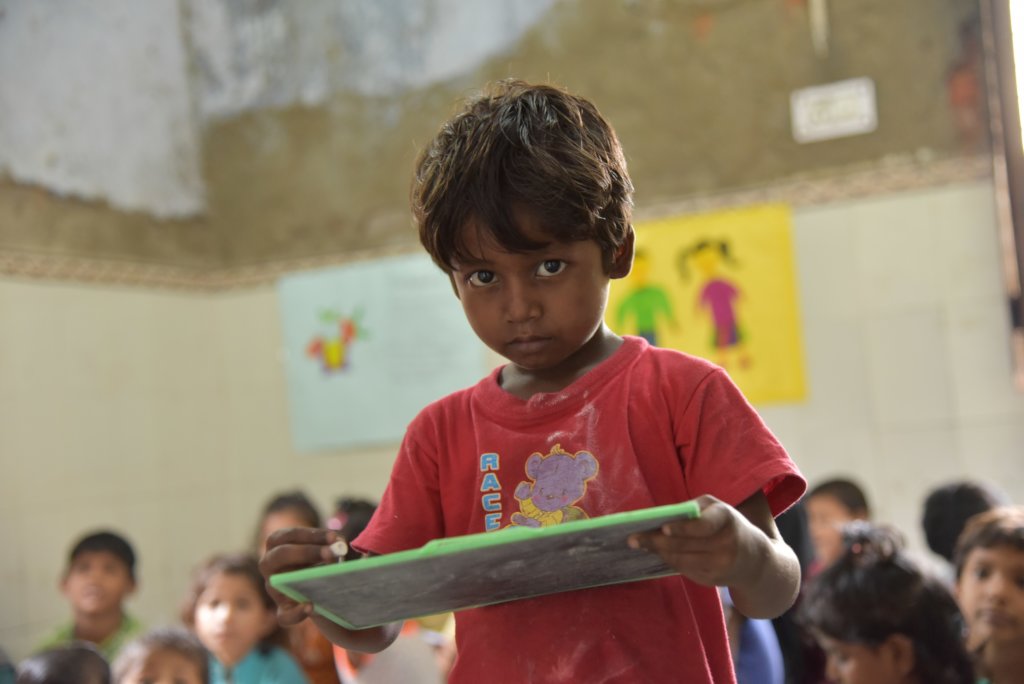
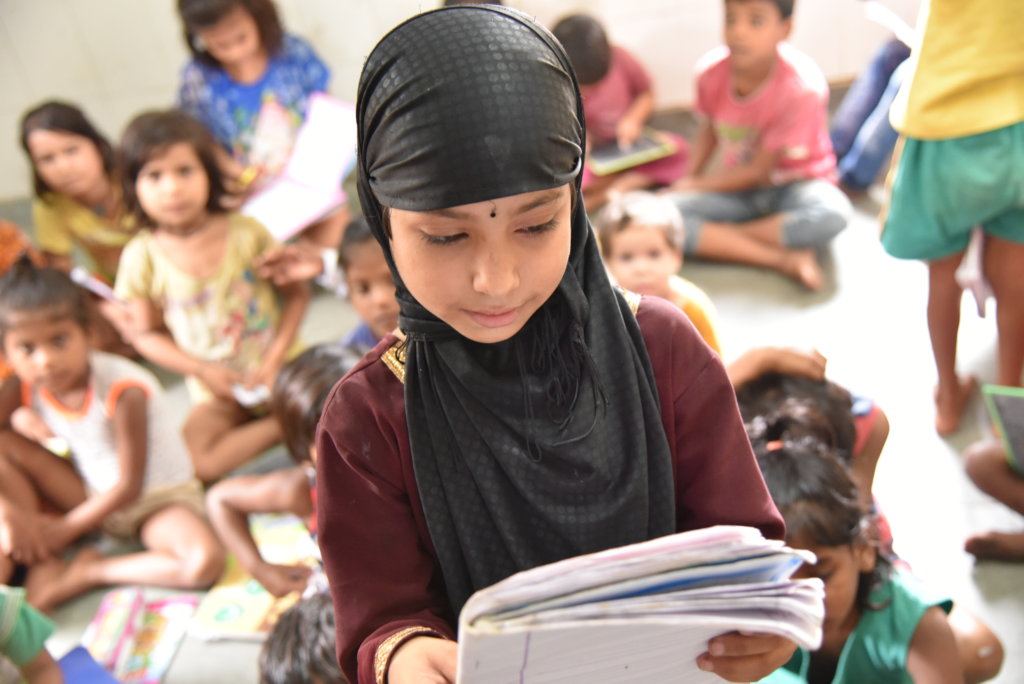
Education is an opportunity through which society and its people are empowered. It is a tool for economic advancements. Education aids in the social, emotional, and psychological growth of individuals and hence, the community as a whole. However, not all have been able to reap the benefits of the existing education system. Slum children’s education in India in this context remains a burning issue. A lot of factors combine together, in keeping more than half of India’s school-going children out of school.
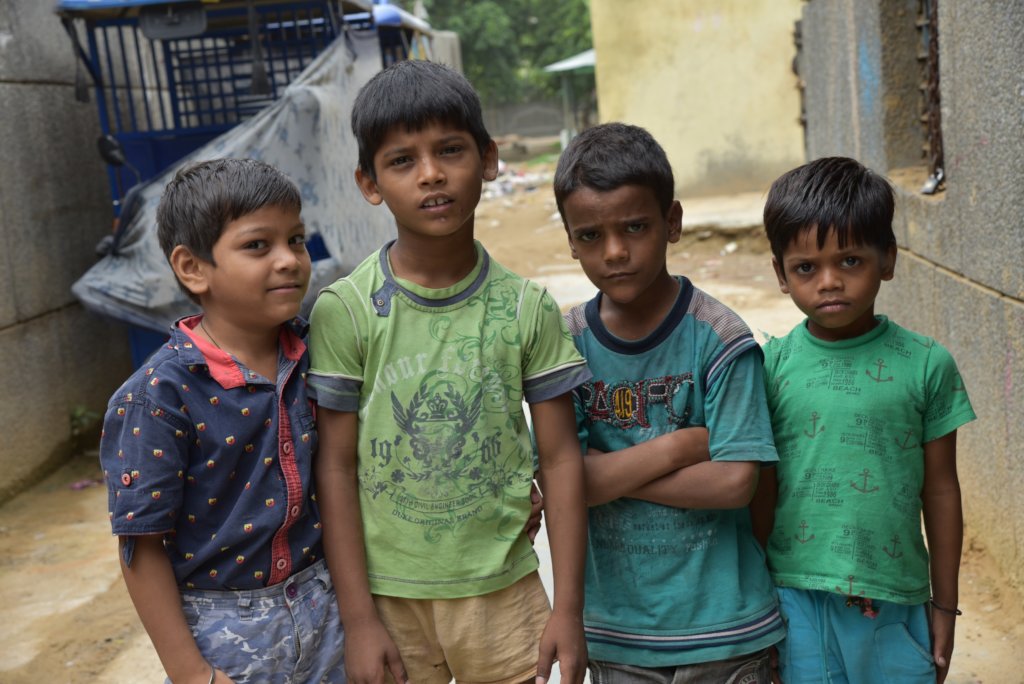
The migrant population in India is mostly illiterate and constantly on the move, in search of new livelihood opportunities. Migrant children move with their parents and often lose out on age-appropriate educational opportunities. Often they engage in labour to escape poverty and support their parents.
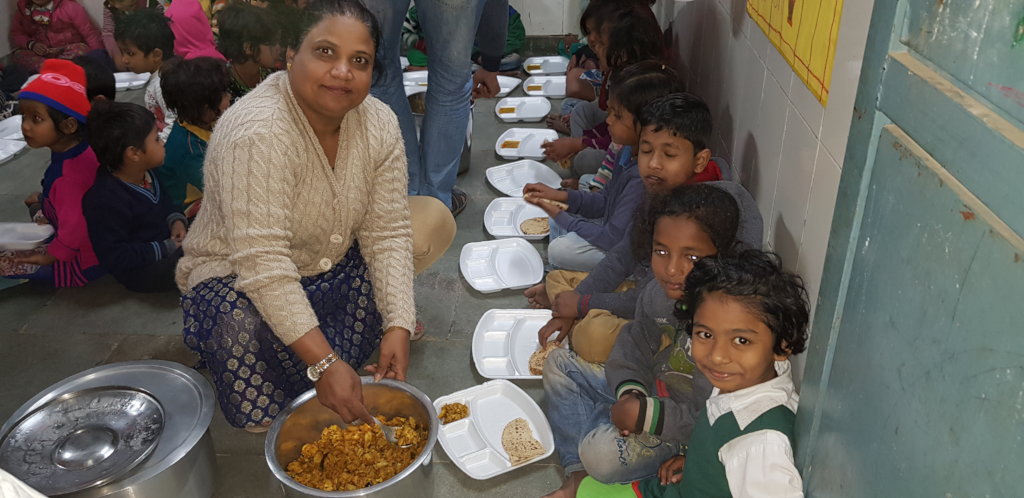
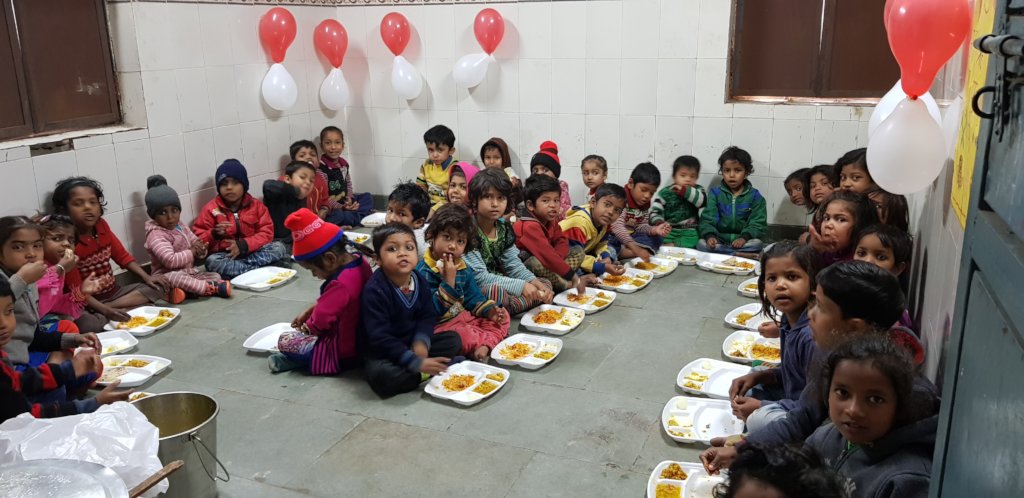
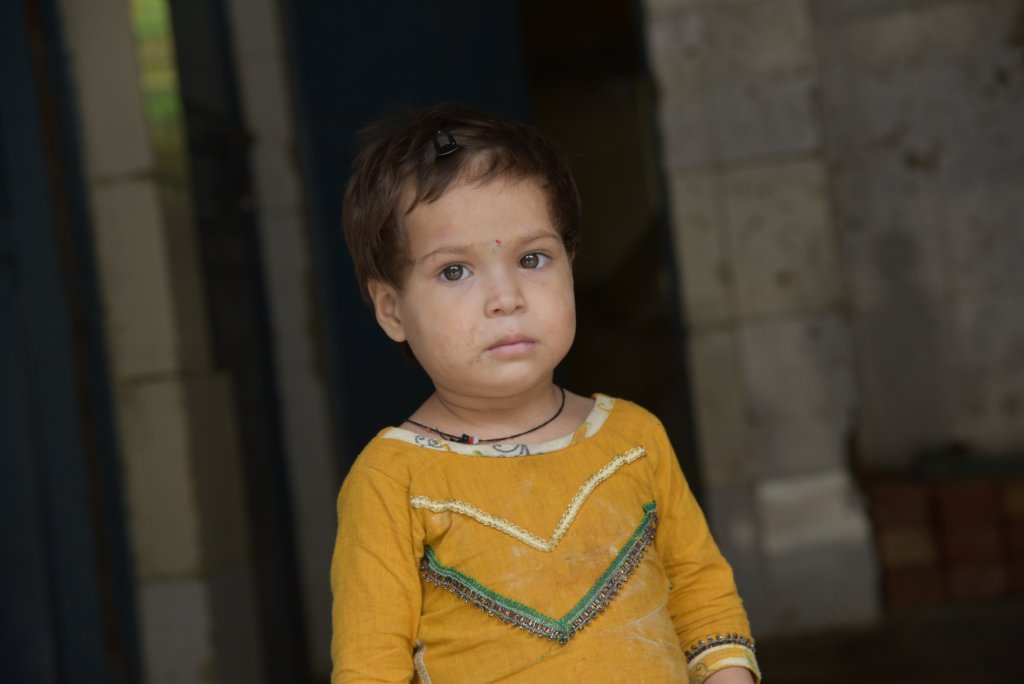
Access to early childhood care, balanced nutrition, education, health, and recreational facilities are keys to the positive development of children. However, in places where clean drinking water and two square meals are a struggle, slum children’s education, health and other contributing factors for development will always take a backseat.
The Right to Education Act 2009 was expected to bring a huge surge of enrolment in urban and rural schools. However, after more than a decade there are millions of children who are out of school in India, most live in urban slums and remote rural areas. A higher proportion of girls children (3.23%) are out of school than boys (2.77%). Girls in slums and rural areas are out of school as they are engaged in domestic work or do not go to school to take care of their younger siblings. Boys drop out of school to supplement household incomes. Lack of healthcare facilities, absence of toilets in schools, and lack of proper nutrition also lead to an increase in drop-out rates.
The cycle of illiteracy will continue if proper steps are not taken in time to reduce drop-out rates, increase enrollment and encourage girl child education and slum children’s education. Mother is a child’s first teacher. When mothers remain uneducated they cannot fully comprehend the value of education for their children. Children of educated mothers have better access to education, proper nutrition, and timely healthcare needs like timely immunization against various diseases.
Indian Women And Child Welfare Trust’s vision is to work as a catalyst in bringing sustainable change in the lives of underprivileged children, youth, and women, with a life-cycle approach to development.
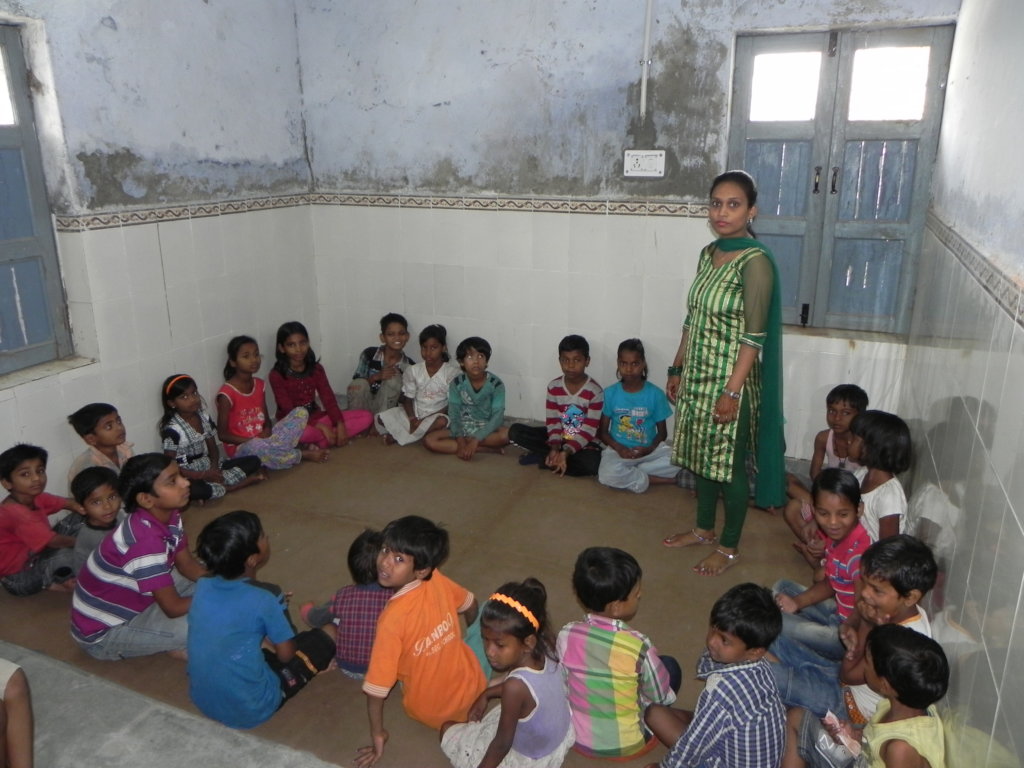
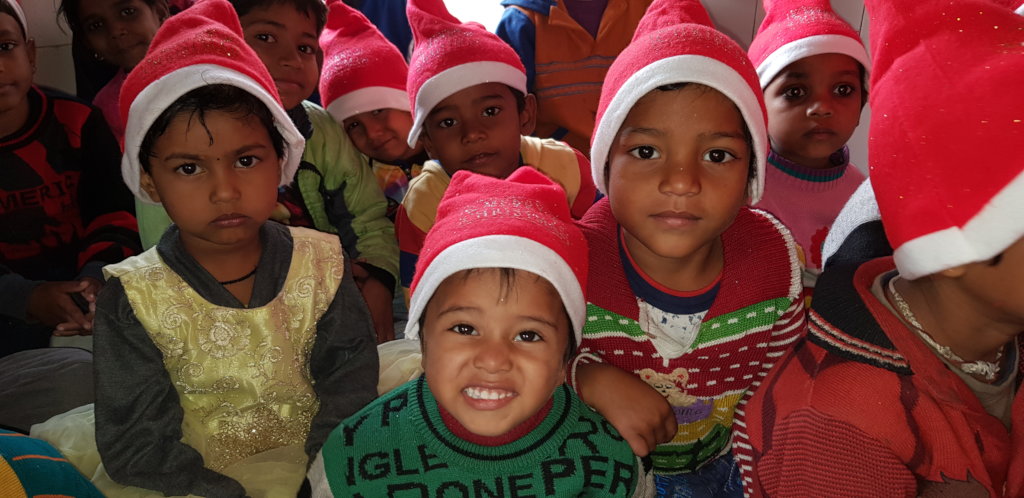
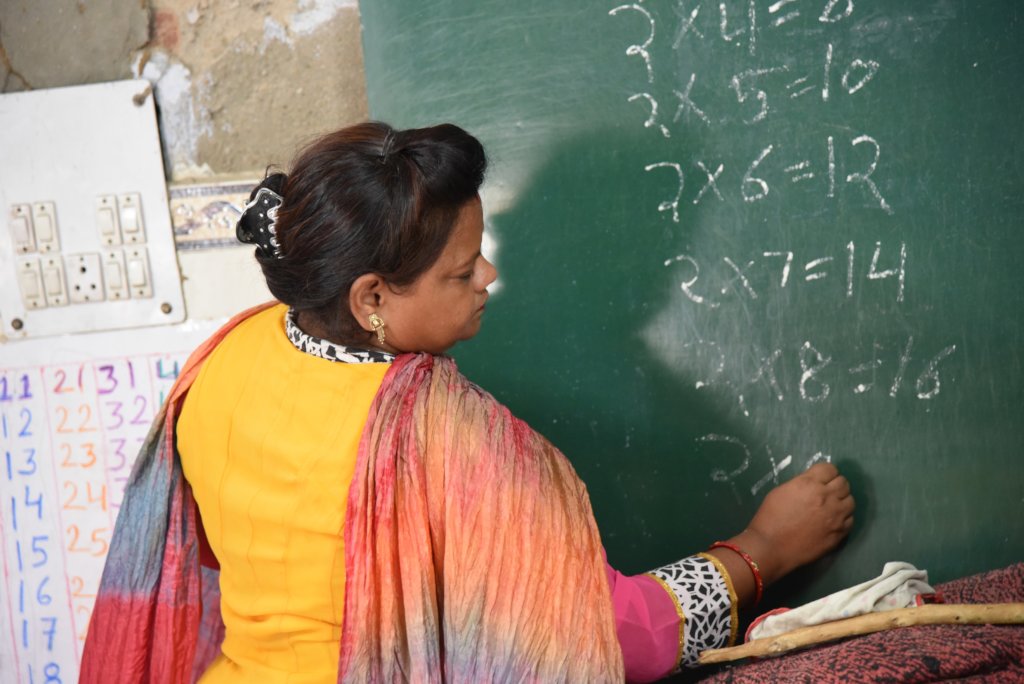
The life-cycle approach of development starts with opening the doors of education for slum children, the underprivileged. Indian Women And Child Welfare Trust’s Mission Education focuses on bringing out-of-school children under the folds of education. So far, more than 10,780 children have directly benefitted from the program.
By David Dass | Chief Executive Officer
By David Dass | Chief Executive Officer
Project reports on GlobalGiving are posted directly to globalgiving.org by Project Leaders as they are completed, generally every 3-4 months. To protect the integrity of these documents, GlobalGiving does not alter them; therefore you may find some language or formatting issues.
If you donate to this project or have donated to this project, you can receive an email when this project posts a report. You can also subscribe for reports without donating.