By Melissa Onguti | Communications Officer
Anne is 15 years old.
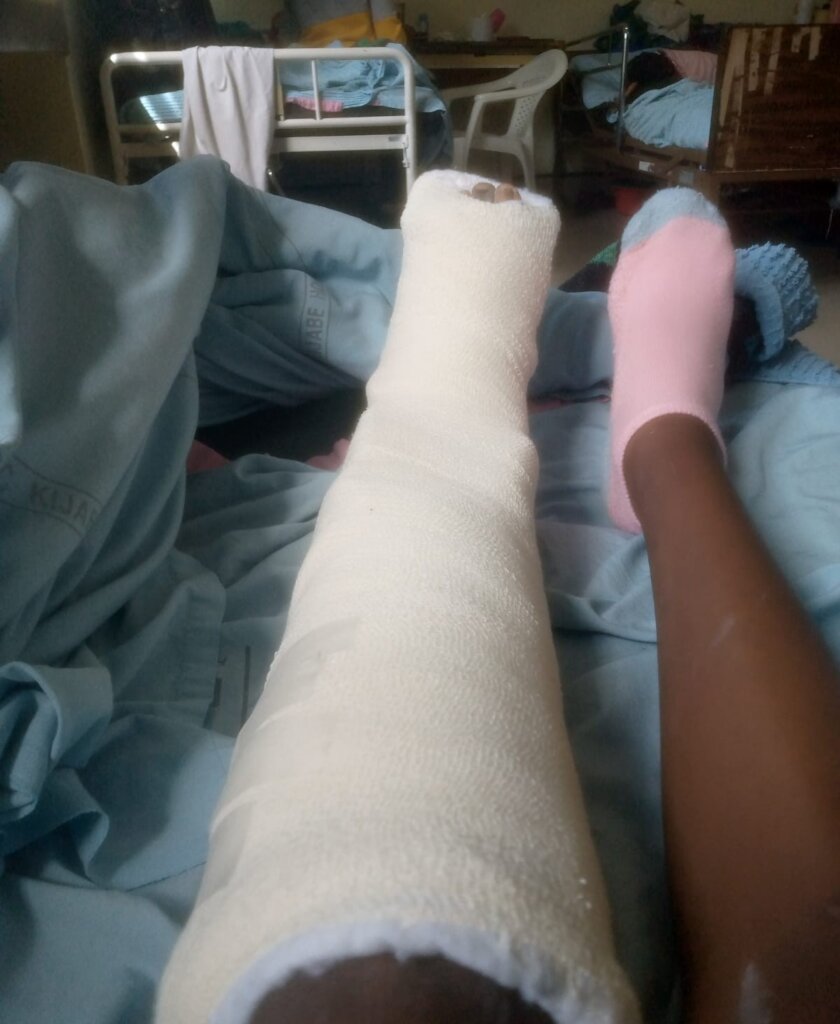
She has faced a medical journey that would test anyone; multiple surgeries on her leg, a serious post-surgical bacterial infection so severe that at one point amputation was a real risk.
Her leg was saved by timely medical intervention, dedicated follow-up care, and the consistent, sustained presence of our Children's Health Programme (CHEP) which has walked alongside Anne through every stage of her recovery. We ensured she attended every medical appointment. We facilitated daily wound dressing by our Kimlea Clinical Officer. We covered her transport costs to Kijabe Hospital and Kimlea Clinic throughout her treatment. Two of her surgeries were funded by CHEP directly. Blood tests have been conducted to identify the specific bacteria responsible for her infection, and her family is currently awaiting results to guide the next stage of treatment.
Anne missed the entire second term of school. She continues to use crutches.
Her wound is healing. Her mobility is improving. Her determination has not wavered once.
She is going back to school.
Anne's story is not unusual in the communities we serve - not the medical complexity, not the family's limited resources, not the gap between what she needs and what she could access alone. What is different for Anne is that she did not have to face it alone. CHEP was there. Consistently. Completely. Without a bill at the end.
That is what your support makes possible.
What We Do - and Who We Do It For
CHEP exists because we believe a child's health should not depend on what her family can afford today.
Since 1961, Kianda Foundation has been dignifying the lives of women, girls, and families across Kenya. CHEP is the programme that says: this belief extends to the youngest and most vulnerable among us. The children who cannot advocate for themselves. The families who would not otherwise afford a consultation, a referral, a blood test, a daily wound dressing.
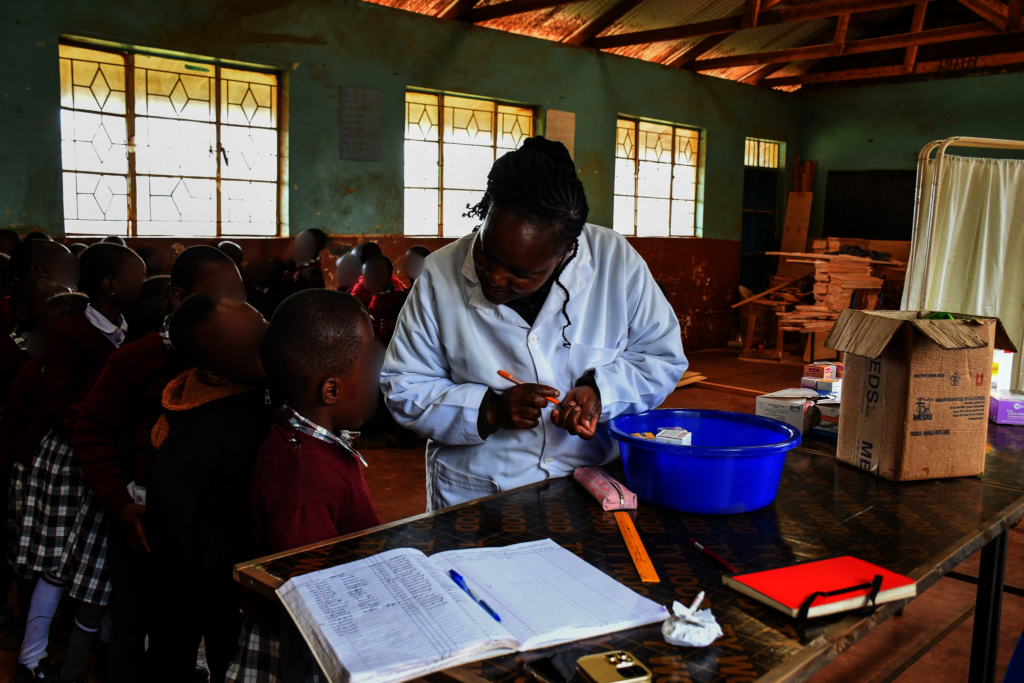
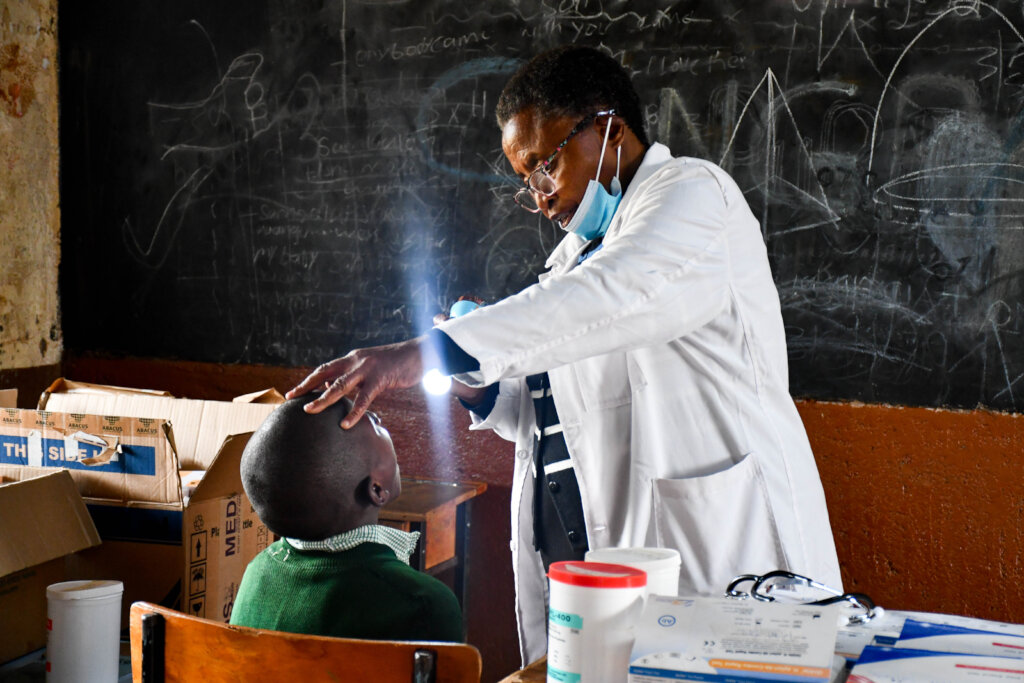
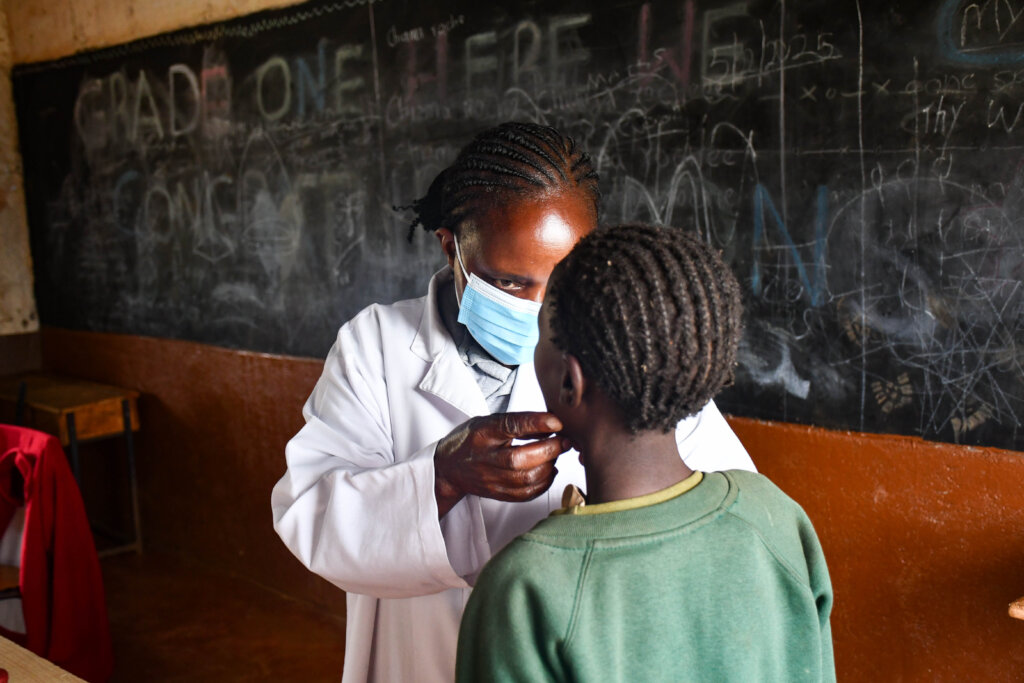
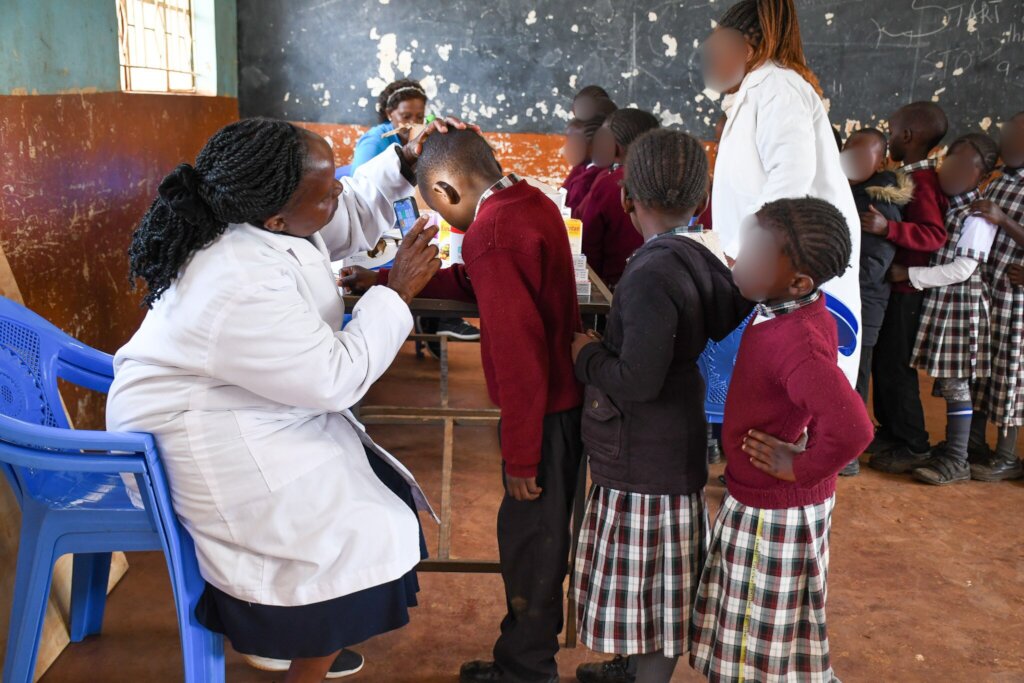
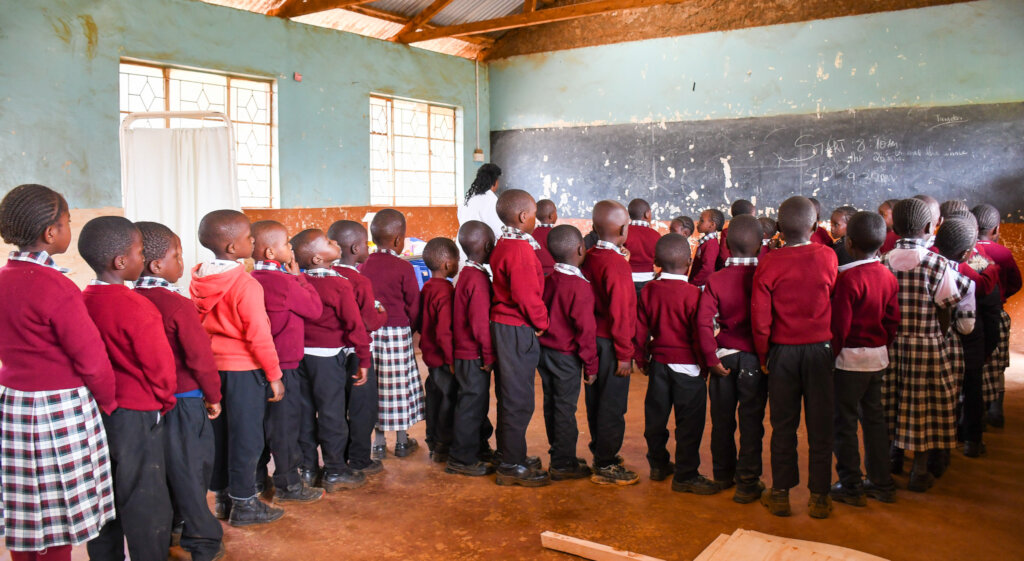
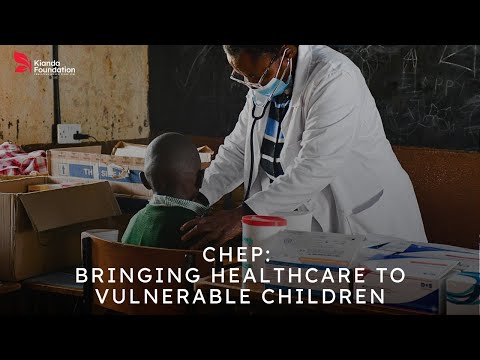
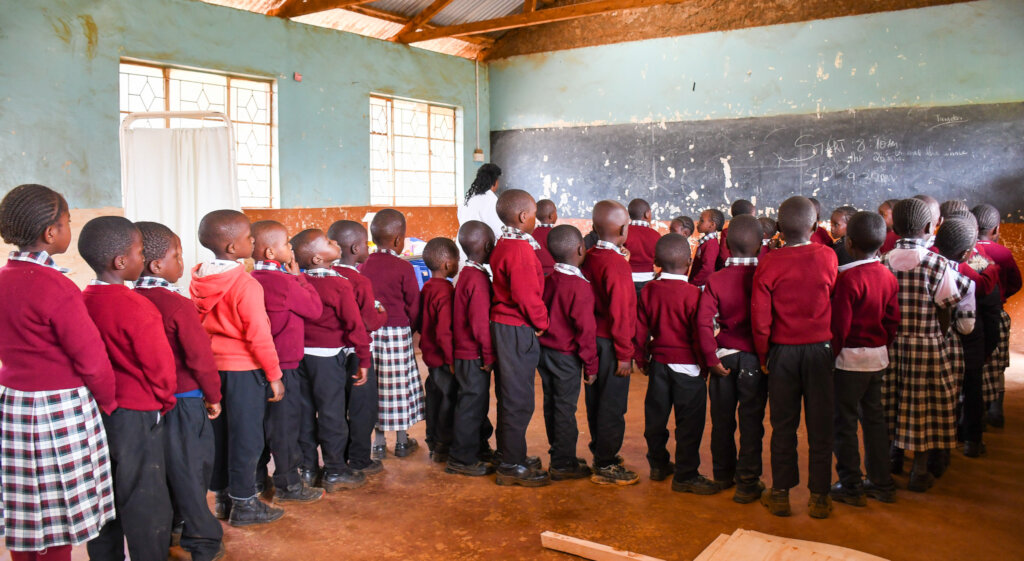
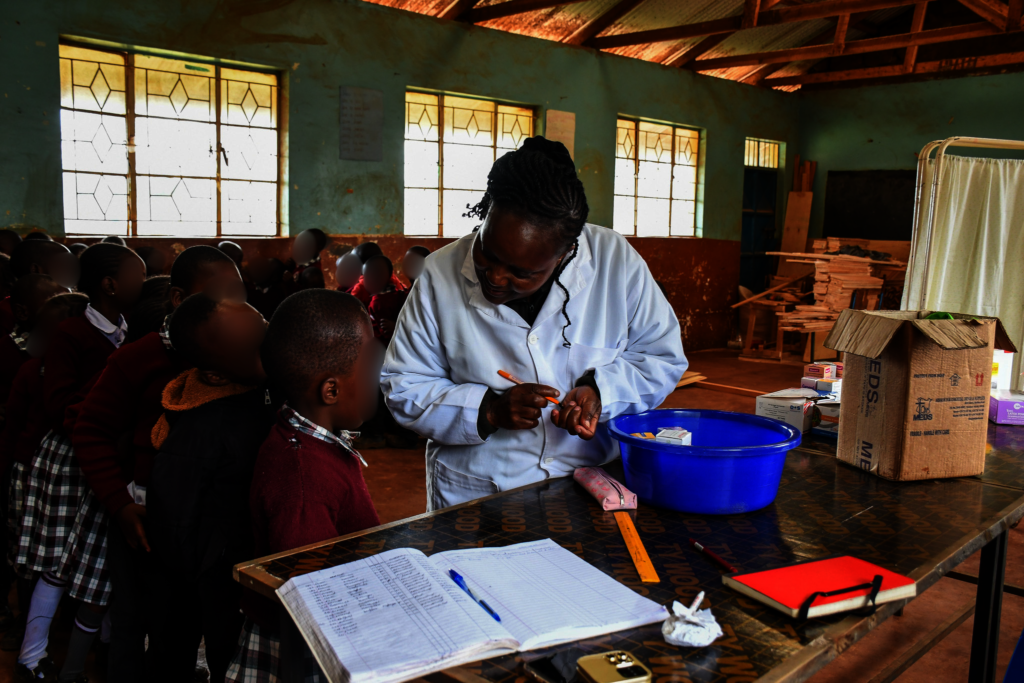
We reach these children where they are; in their schools, in their communities, through our outreach programme that brings free medical care directly to public primary schools in Nairobi.
Between May and July 2026, we reached 1,254 children across two schools :Umoja Primary School (588 children, May 2026) and Kibubuti Primary School (666 children, June 2026), reaching a combined total of 1,254 children. Outreach at Raini Primary School is currently in progress, and a fourth school is scheduled to follow.
Our outreach at Raini Primary School commenced on 14 July 2026. When it is complete, we will have delivered our planned school health outreach to all four schools in the 2026 programme cycle.
Services We Provided
At every school, we provided the following services at no cost to the children or their families:
Every child who came was seen. No child was turned away.
What We Found
Umoja Primary School - May 2026
588 children reached
The most common conditions we identified were skin infections, dental problems, and upper respiratory tract infections including common colds and flu-like symptoms.
Referrals we made:
Kibubuti Primary School - June 2026
666 children reached
We observed the same pattern of conditions - skin infections, dental problems, and upper respiratory tract infections. The volume of eye clinic referrals was notably higher at this school.
Referrals we made:
What These Findings Tell Us
Across both schools, three conditions appeared consistently.
Skin infections were the most prevalent finding. In many cases these are preventable through improved hygiene - which is why we run Smartika Mimi, our school-based hygiene and nutrition programme, in parallel with CHEP outreach. The two programs are designed to work together: CHEP treats what is already there, Smartika Mimi helps prevent what does not need to happen.
Dental problems were identified consistently across both schools. For most of the children we saw, this was their first dental examination. Dental health in Kenya's public school population is significantly underserved; not because children and families do not care, but because access has never existed. We are, for many of these children, the first point of contact.
Upper respiratory tract infections: colds and flu-like symptoms were common across age groups. These are manageable with early intervention. Without it, they worsen quietly, keep children out of school, and compound the health vulnerabilities that already exist in these communities.
Ten children were connected to specialised care they would not otherwise have accessed. For each of these children, that referral is the difference between a condition caught early and a condition that quietly becomes something much harder to treat.
Where We Go Next
We are on track to complete all four planned schools before the end of the 2026 programme cycle. Raini Primary School is currently in progress. The fourth school will follow immediately after.
We will continue to ensure that every child examined receives follow-up care where needed, that every referral is tracked through to completion, and that families like Anne's never have to navigate the healthcare system alone.
A Final Word to You
1,254 children reached. 10 referrals made. Surgeries funded. Wounds dressed daily. A girl who still has her leg and is going back to school.
None of this happens without you.
We have been doing this work for 65 years. We know what timely medical care does for a child - not just physically, but in every dimension of her future. It keeps her in school. It keeps her in her family. It keeps her in the story of her own life.
Your support is what makes it possible for us to keep showing up.
For Anne. For 1,254 children this period. For every child still waiting to be reached.
Thank you.
Links:
By Melissa Onguti | Communications Officer
By Mercedes Otaduy | Chief Executive Officer, Kianda Foundation
Project reports on GlobalGiving are posted directly to globalgiving.org by Project Leaders as they are completed, generally every 3-4 months. To protect the integrity of these documents, GlobalGiving does not alter them; therefore you may find some language or formatting issues.
If you donate to this project or have donated to this project, you can receive an email when this project posts a report. You can also subscribe for reports without donating.



Support this important cause by creating a personalized fundraising page.
Start a Fundraiser